The Best Native Missouri Plants For Bringing Bees Back To Your Garden
Something has changed in your backyard, and you have probably noticed it. The hum that used to follow you around the garden is gone, and the flowers are just sitting there, untouched.
Bee populations across Missouri have been quietly declining, and your yard may be part of the problem without you even knowing it.
The fix is simpler than most people think. Native Missouri plants are a beacon for local bees. They evolved together, which means bees recognize them, trust them, and return to them season after season.
You do not need a landscape overhaul or a horticulture degree. You just need to know which plants to reach for, and why they work so much better than anything you will find at a big-box garden center.
1. Purple Coneflower (Echinacea Purpurea)
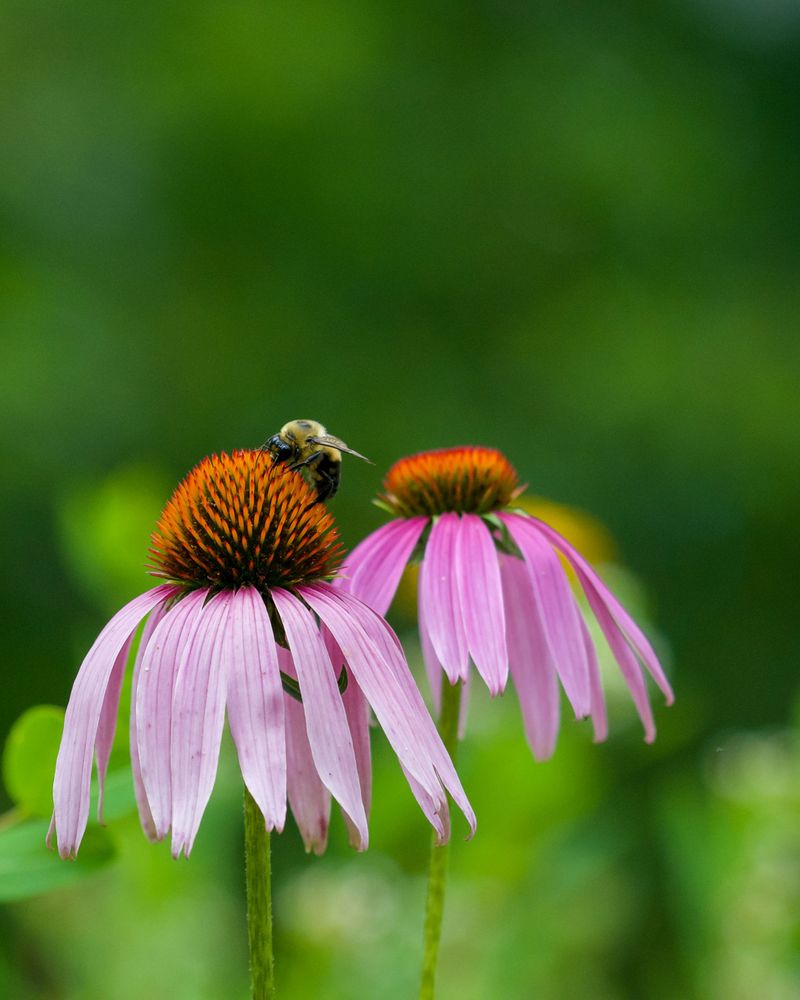
Walk past a patch of Purple Coneflower on a warm afternoon and you will hear it before you see it. The buzzing is almost musical, a sign that native bees have found their favorite buffet.
Purple Coneflower is one of the top native Missouri plants for attracting pollinators. Its wide, flat center disk gives bees a perfect landing pad to collect pollen with ease.
This plant blooms from early summer through fall, offering a long window of food for bumblebees, honeybees, and native sweat bees. That extended bloom time makes it especially valuable when other flowers have already faded.
Growing it is surprisingly simple. It thrives in full sun and tolerates dry, rocky soil like a champ, making it forgiving for beginner gardeners.
Plant it in clusters of three or more for maximum bee traffic. A single stem is nice, but a whole grouping turns your yard into a pollinator magnet.
After blooming, skip the removing spent flowers. The seed heads feed goldfinches through winter and add textural beauty to your garden long after frost arrives.
Purple Coneflower also has a long history in herbal medicine, used by Native Americans for centuries. That rich backstory makes it feel like more than just a pretty flower.
Buy transplants at a local nursery or start from seed in late fall. Either way, this hardy perennial will reward you with years of blooms and buzzing visitors you will genuinely look forward to seeing.
2. Black-Eyed Susan (Rudbeckia Hirta)
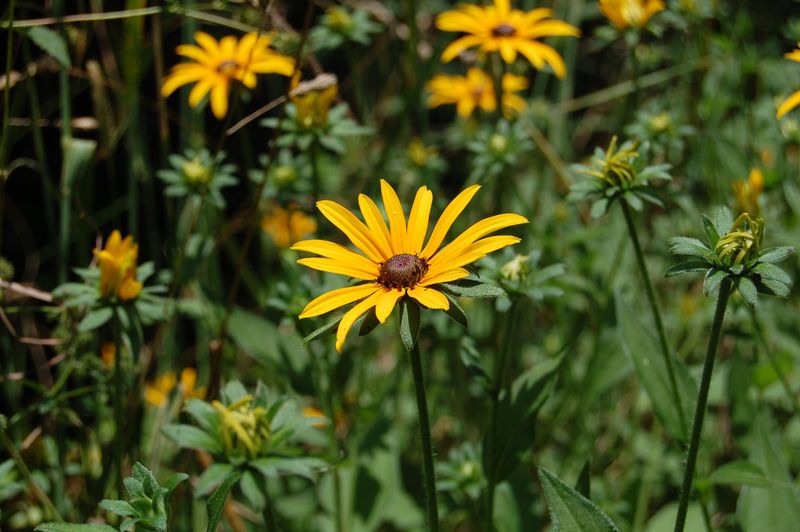
There is something cheerful about Black-Eyed Susan that feels almost contagious. Those bold yellow petals surrounding a deep brown center look like tiny suns scattered across your garden bed.
Native to Missouri and much of the Midwest, this wildflower is a powerhouse for pollinators. Bumblebees and long-tongued bees especially love the open, accessible blooms.
Black-Eyed Susan blooms from June through October, bridging the gap between early spring flowers and fall bloomers. That timing is critical because it keeps bees fed during the hottest, driest weeks of summer.
It handles heat and drought with impressive toughness. Once established, it needs almost no extra watering, which is great news for gardeners who forget to run the hose.
Your Missouri Garden Changes Every Week. Your Plan Should Too.
Gardening in Missouri changes quickly throughout the season. Every Friday you’ll receive a simple weekly plan showing exactly what to plant, prune, fertilize, harvest, and protect so you never miss the right timing.
This plant reseeds itself naturally, meaning your patch can spread and fill in over time without any extra work from you. Think of it as a gift that keeps on giving each season.
Plant it alongside Purple Coneflower for a dynamic duo that blooms in overlapping waves. The color contrast is stunning, and the bees will not know where to start.
Did you know Black-Eyed Susan is the state flower of Maryland? Even though it calls many states home, it has a particularly strong presence in Missouri meadows and prairies.
Start seeds directly in the ground in early spring or fall for best results. Within a season or two, you will have a reliable, low-maintenance patch that bees return to every year.
3. Bee Balm (Monarda Didyma)
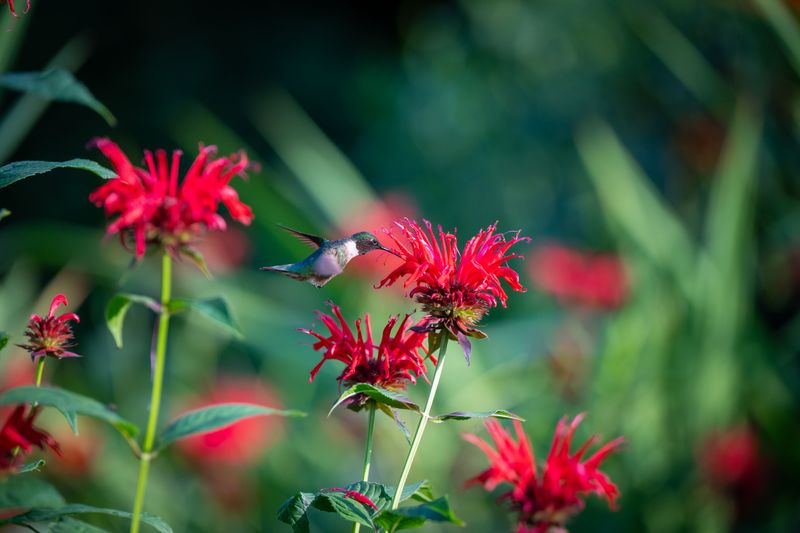
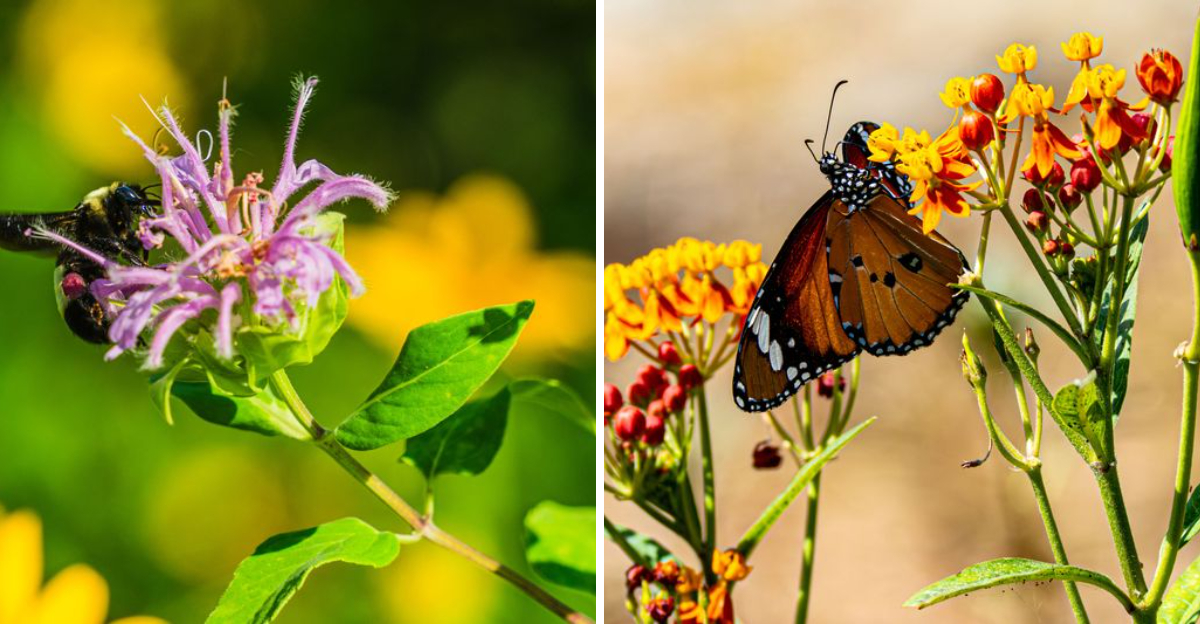
Bee Balm earns its name every single day of its blooming season. The moment those spiky, firework-shaped blooms open up, bees arrive like they got a personal invitation.
The tubular flowers are perfectly shaped for long-tongued bees, bumblebees, and even hummingbirds. That broad appeal makes Bee Balm one of the most socially active plants you can add to your yard.
It blooms in midsummer, right when bee activity peaks and flower options start to thin out. Planting it strategically fills a crucial gap in your garden’s pollinator calendar.
Bee Balm prefers moist, well-drained soil and partial to full sun. It grows well along borders, near water features, or in any spot that holds a little extra moisture after rain.
One thing to watch: it can spread aggressively through underground runners. Divide clumps every two to three years to keep it contained and to share starts with neighbors.
The leaves smell incredible when brushed or crushed, carrying a strong oregano-mint scent. After the Boston Tea Party in 1773, colonists needed a replacement for British tea, and Bee Balm was the answer.
They learned to brew it from the Oswego people, who had used it for centuries before European settlers arrived.
That fun history adds a layer of meaning to every plant you grow. You are not just feeding bees; you are growing a piece of American heritage right in your backyard.
Choose a red or pink variety for the boldest color impact. Both attract pollinators equally well, so pick whichever makes your heart happiest when you look out the window.
4. Wild Bergamot (Monarda Fistulosa)
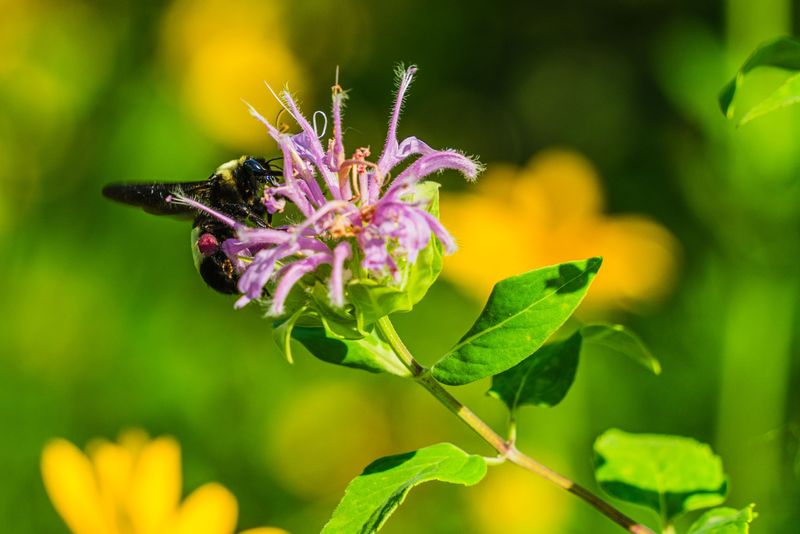
Image Credit: © Andy Staver / Pexels
If Bee Balm is the flashy cousin, Wild Bergamot is the reliable one you can always count on. Its soft lavender blooms may be quieter in color, but pollinators flock to them just as eagerly.
Wild Bergamot is native to Missouri prairies and dry open woodlands. That means it is already adapted to the tough summers and unpredictable rainfall this region throws at gardens.
Unlike its moisture-loving relative, this plant thrives in dry, well-drained soil and full sun. If you have a hot, south-facing bed that bakes all afternoon, Wild Bergamot will not just survive there, it will thrive.
It blooms from June through August and attracts an impressive range of native bees. Mining bees, sweat bees, and bumblebees all treat it like a neighborhood diner with a permanent open sign.
The fragrance is distinctly herbal and pleasant, somewhere between oregano and lavender. Standing near a blooming patch on a breezy day is one of summer’s simple, underrated pleasures.
Wild Bergamot also has deep roots in Native American culture. Many tribes used it medicinally and as a culinary herb, giving this humble prairie plant a history worth respecting.
It spreads slowly by seed and rhizome, forming natural colonies over time. That gradual spread fills bare spots in your yard without becoming a nuisance like some aggressive spreaders.
Pair it with Goldenrod for a late-summer combination that keeps your garden buzzing well into September. Together, they create a pollinator paradise that practically runs itself.
5. Butterfly Weed (Asclepias Tuberosa)
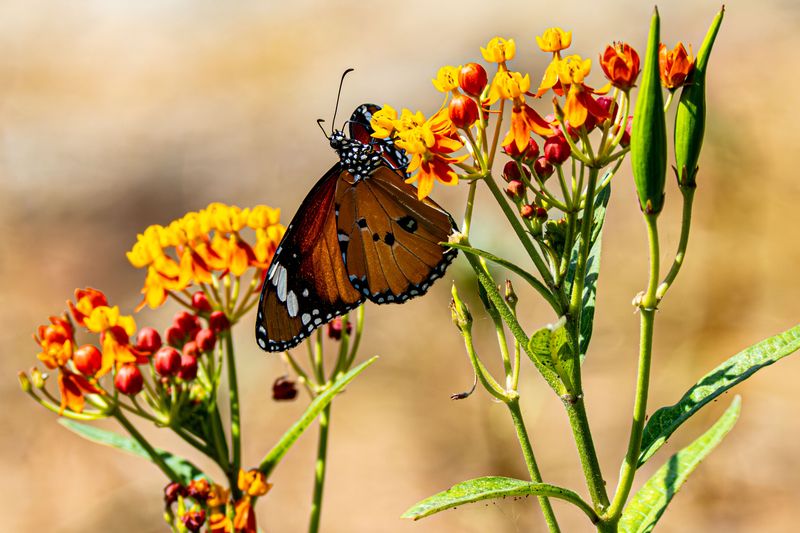
Image Credit: © Regan Dsouza / Pexels
Bright orange and absolutely fearless about heat, Butterfly Weed is one of the most stunning native plants you can grow. It pops against green foliage like a flame that refuses to go out.
Despite the word weed in its name, this plant is a garden superstar. It belongs to the milkweed family and supports both native bees and monarch butterflies with equal enthusiasm.
Bees love the flat-topped flower clusters because they offer easy access to nectar. Bumblebees, sweat bees, and great spangled fritillaries all visit regularly during its long summer bloom period.
Butterfly Weed is extremely drought-tolerant once established. It grows from a deep taproot that stores water and nutrients, allowing it to bounce back even after brutal dry spells.
Because of that deep taproot, transplanting mature plants is tricky. Start from seed or buy young container plants, then choose your spot carefully because moving it later is not easy.
It prefers poor, sandy, or rocky soil over rich garden beds. Overly fertile soil actually causes floppy stems and fewer blooms, so resist the urge to amend the ground too much.
Butterfly Weed is one of the best native Missouri plants for supporting the full food web. From bees collecting pollen to caterpillars munching leaves, it feeds multiple species at once.
Leave the seed pods on the plant through fall. Watching them split open and release silky white seeds on the wind is one of autumn’s most satisfying garden moments.
6. Goldenrod (Solidago Spp.)
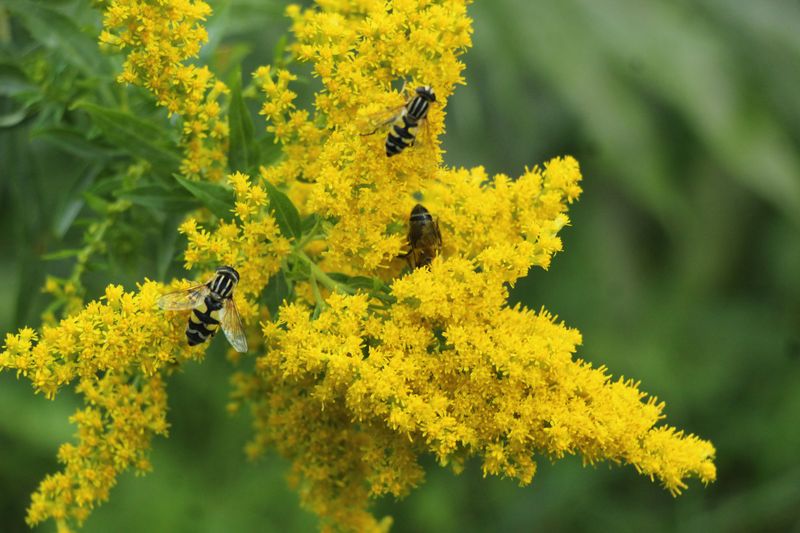
Goldenrod gets a bad reputation it absolutely does not deserve. Most people blame it for fall allergies, but the real culprit is ragweed, which blooms at the same time but spreads pollen through the air.
Goldenrod releases heavy, sticky pollen that bees carry away on purpose. It does not float into your nose; it goes straight into a bee’s pollen basket where it belongs.
This plant is one of the single most important late-season food sources for native bees across North America. It blooms from August through October, right when bees are building their winter reserves.
Goldenrod supports over 11 specialist bee species, plus dozens of generalist visitors throughout the season. That staggering number tells you everything you need to know about how vital this plant truly is.
It grows in almost any soil type and spreads readily by rhizomes. To keep it manageable in a smaller yard, choose a clump-forming species like Solidago speciosa instead of the aggressively spreading types.
The bright yellow plumes add dramatic vertical interest to fall garden beds. Paired with purple asters, the color combination is striking enough to stop neighbors in their tracks.
Goldenrod also supports beneficial insects beyond bees, including parasitic wasps that help control garden pests naturally. Planting it is essentially hiring a free pest management crew.
If you only add one fall bloomer to your garden this year, make it Goldenrod. Your local bee population will thank you in ways that ripple through the entire ecosystem around your home.
7. Wild Hydrangea (Hydrangea Arborescens)
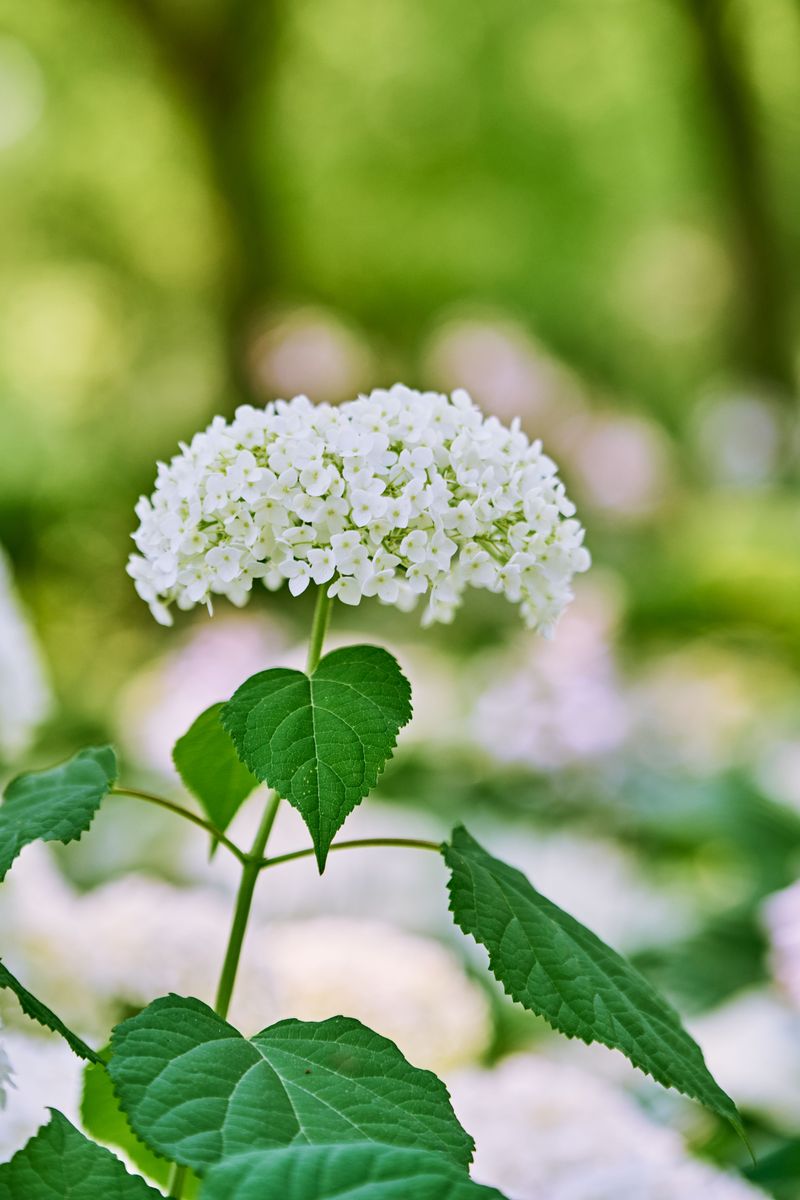
Most people think of hydrangeas as purely decorative, big fluffy blooms for vases and front porches. Wild Hydrangea flips that script by being both beautiful and genuinely useful to local wildlife.
Native to Missouri’s woodland edges and stream banks, this shrub thrives in partial shade where many pollinator plants struggle. It fills the shady corners of your yard with purpose and life.
The flat-topped white flower clusters are made up of tiny fertile florets surrounded by larger sterile ones. Those small fertile florets are packed with accessible pollen and nectar that short-tongued bees adore.
Bumblebees, sweat bees, and small native bees visit Wild Hydrangea consistently from June through August. It serves a niche that few other shade-tolerant plants can fill in a pollinator garden.
It grows four to six feet tall and wide, making it an excellent shrub border or understory planting beneath larger trees. Once established, it handles both drought and occasional flooding with calm resilience.
Cut it back hard in late winter and it rebounds vigorously each spring. That easy-care pruning schedule makes it approachable even for gardeners who are not confident with shrubs.
Wild Hydrangea also provides dense cover for nesting birds and overwintering insects. Your garden becomes a layered habitat rather than just a collection of pretty plants.
If your yard has a tricky shaded spot that nothing seems to love, this native shrub might be exactly the solution you have been searching for all along.
8. Aromatic Aster (Symphyotrichum Oblongifolium)
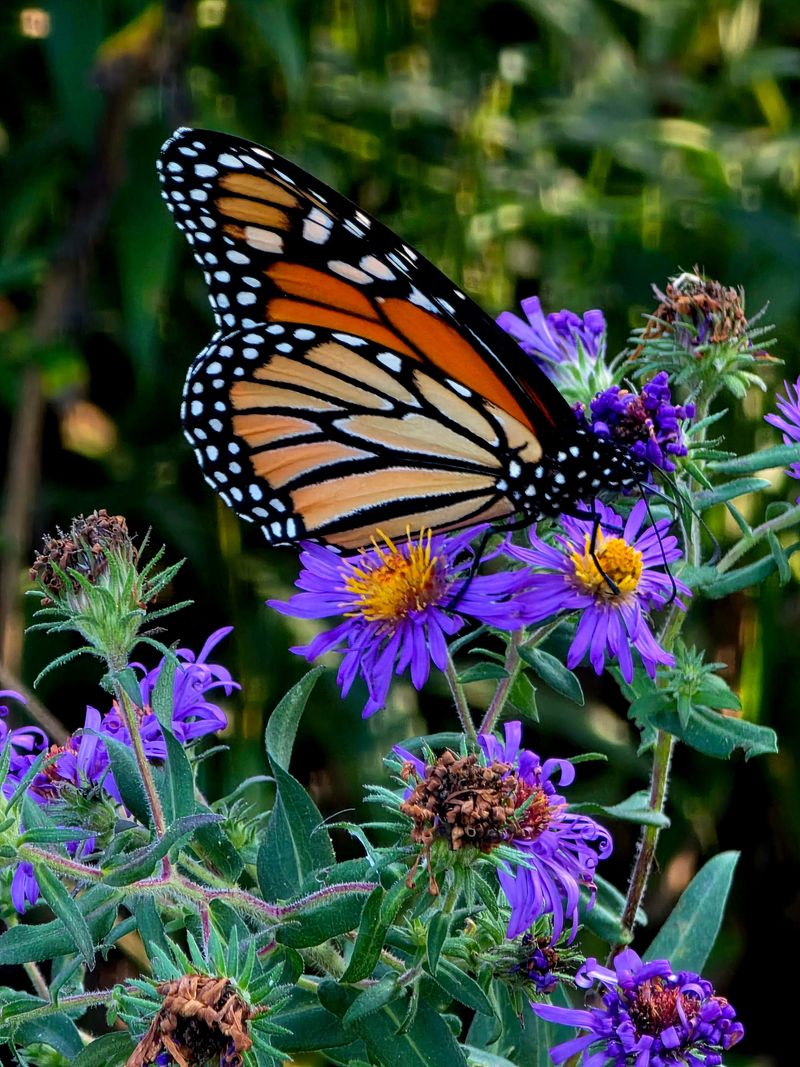
When nearly every other flower in your garden has called it quits for the year, Aromatic Aster is just getting started. It blooms from September through frost, making it a genuine hero of the fall pollinator garden.
The tiny lavender-purple flowers cover the plant so densely that the foliage underneath nearly disappears. From a distance, the whole shrub looks like a purple cloud hovering above the ground.
Bumblebee queens rely heavily on late-season bloomers like this one to build fat reserves before winter. A well-fed queen means a healthy colony next spring, so the stakes are higher than they might seem.
Aromatic Aster gets its name from the sticky, fragrant leaves that release a pleasant herbal scent when touched. Running your hand across the foliage on a warm fall afternoon is a small sensory reward worth seeking out.
It grows one to three feet tall and spreads into a tidy mound over time. The low, rounded form makes it perfect for front borders, rock gardens, or the edge of a sunny pathway.
This plant handles drought, heat, and poor soil without complaint. It is the kind of plant that makes you look like a skilled gardener even when you are just getting started.
Aromatic Aster also supports migrating monarch butterflies fueling up for their journey south. Planting it connects your backyard to a much larger story playing out across the continent.
Close out your pollinator season strong with Aromatic Aster. It is the perfect final chapter in a garden built around the best native Missouri plants for bringing bees back home.