This Backyard Bird Can Help Connecticut Homeowners Manage Ticks
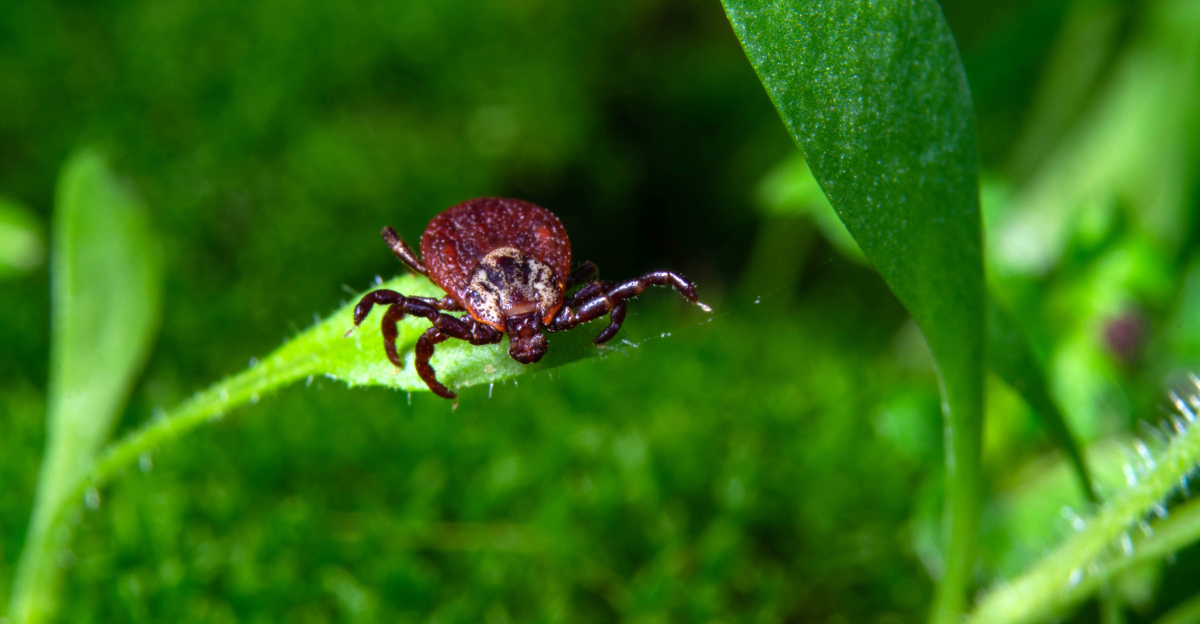
Connecticut summers come loaded with a hidden cost: ticks. They wait in tall grass, along wooded property lines, and even in neatly kept lawns, ready to hitch a ride on anyone who walks by.
The state’s Lyme disease numbers stay stubbornly high year after year, and that hits differently once kids or dogs are running through the yard. Pesticide sprays help for a while, but they wash away and need constant reapplication.
Homeowners are looking for something that actually sticks around and keeps working without constant reapplication. That search has led some families toward an unexpected solution: a bird.
Not just any bird, but one known for patrolling yards nonstop and snapping up ticks before they reach skin. Loud, odd looking, and surprisingly effective, this backyard visitor might outperform anything sold at the hardware store.
A Backyard Habit That Doubles As Pest Control
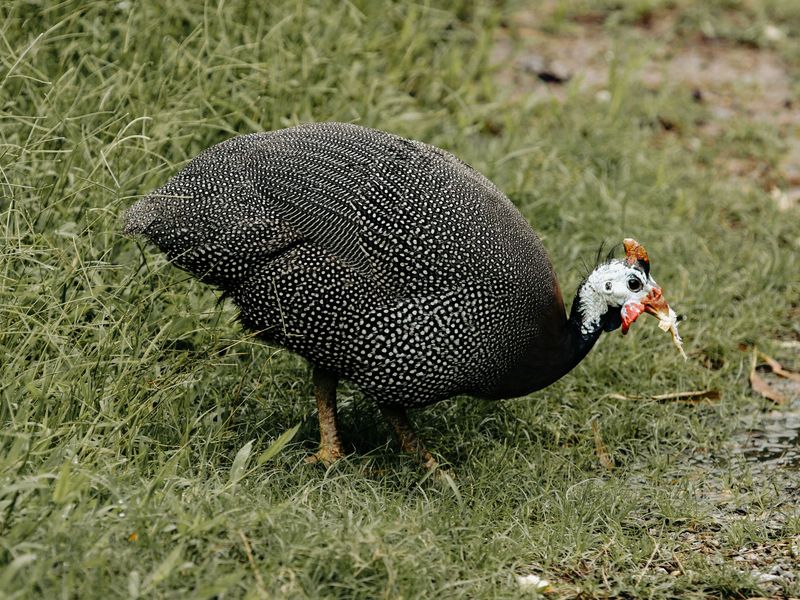
Picture this: your yard is tick-free, and the solution walks on two legs. Guinea fowl are domesticated birds originally from West Africa, now raised across North America as backyard livestock.
They roam freely through grass and garden edges, pecking at the ground constantly. That pecking habit is what makes them so valuable for Connecticut homeowners managing ticks.
Unlike chickens, guinea fowl are relentless foragers. They cover large areas of yard space every single day, hunting insects as they go.
Ticks are one of their favorite snacks, which makes these birds a natural and chemical-free option. No sprays, no treatments, no waiting period before kids can play outside again.
Homeowners who keep guinea fowl often report a noticeable drop in tick activity within one season. That is not a small thing when you live near wooded areas or grassy fields.
Connecticut properties bordering forests or meadows are especially vulnerable to tick pressure. Adding guinea fowl to that environment creates a living patrol system.
These birds do not just sit around. They move, they search, and they eat.
A small flock of four to six birds can cover a surprising amount of ground each day. They work best when allowed to free-range during daylight hours across your full property.
Fencing them in limits their effectiveness, so giving them space is key. Think of guinea fowl less like pets and more like working animals with a very specific job.
Their backyard habit of constant foraging makes them one of the more appealing natural pest control options homeowners can try.
What Research Says About Their Actual Impact
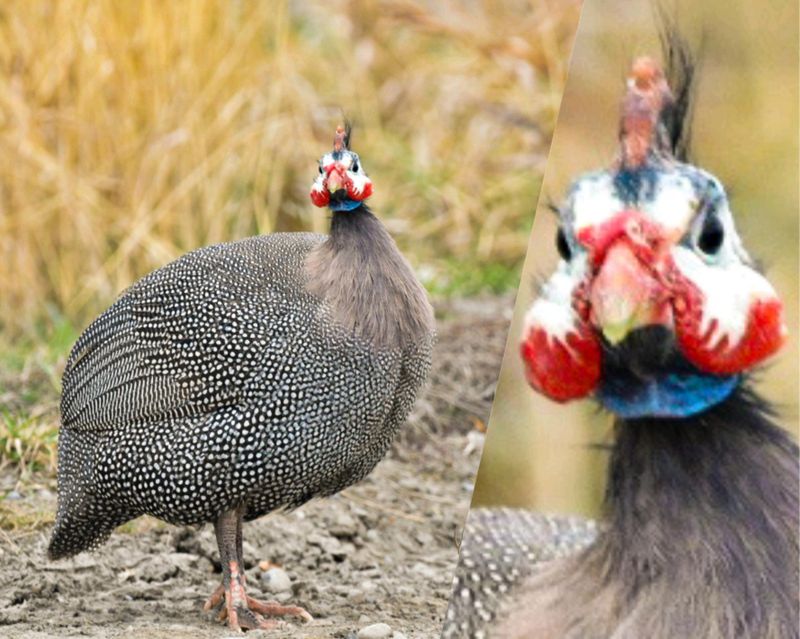
Opinions are split on whether backyard experience actually matches what the research shows. Anecdotal reports from backyard flock owners often describe guinea fowl snapping up ticks throughout the day.
Owners who track this closely say the numbers can add up over a full season, though results vary by property. Deer ticks, the main carriers of Lyme disease in the Northeast, are among the pests guinea fowl are reported to forage on.
The birds use their sharp eyesight to spot movement in grass and leaf litter. Ticks crawling along stems or blades of grass are easy targets for a foraging guinea fowl.
Your Connecticut Garden Changes Every Week. Your Plan Should Too.
Gardening in Connecticut changes quickly throughout the season. Every Friday you’ll receive a simple weekly plan showing exactly what to plant, prune, fertilize, harvest, and protect so you never miss the right timing.
Some backyard accounts describe a noticeable drop in tick sightings after adding a small flock, though controlled research has not confirmed a specific reduction rate. Any reduction achieved this way comes without chemical spraying, which appeals to many homeowners.
Not every account shows identical results, and property layout matters a lot. Open, maintained lawns show stronger results than heavily wooded areas where the birds cannot easily move.
Researchers also point out that consistency is important. A flock that free-ranges daily throughout the active tick season produces the best outcomes.
Spring through fall is the critical window in Connecticut. Some extension programs mention guinea fowl as an option worth considering, while others caution that the evidence remains inconsistent.
Their impact on tick populations is debated, and results seem to depend heavily on property size and layout.
Setting Up A Yard That Works For Guinea Fowl
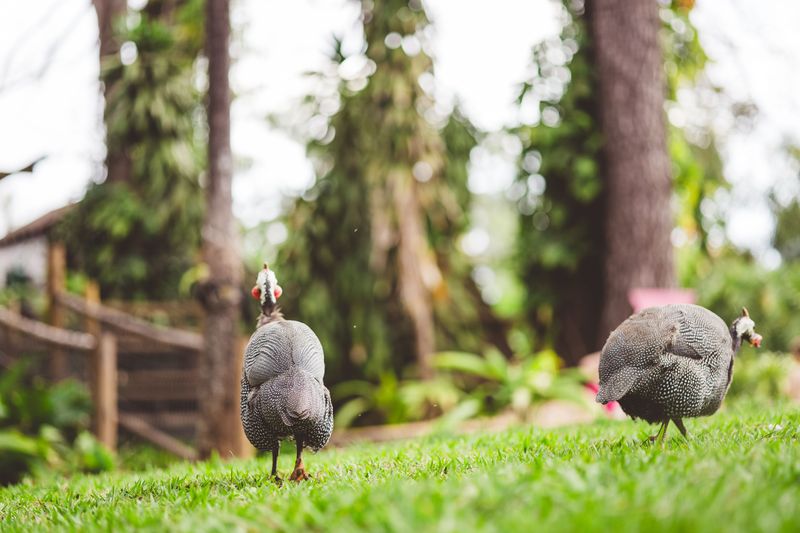
Getting started with guinea fowl takes a little planning, but it is not complicated. These birds need a safe coop for sleeping at night, where predators like foxes and raccoons cannot reach them.
A basic wooden structure with a secure latch is enough to keep your flock protected after dark. During the day, they need access to open yard space where they can roam freely.
Guinea fowl thrive on movement, so the more ground they can cover, the better they perform as tick hunters. A yard of at least half an acre gives a small flock enough territory to work effectively.
Smaller properties can still benefit, but results may be more modest. Water access is essential, especially during hot Connecticut summers.
Place water stations in shaded areas so your birds stay hydrated without overheating. Feed is less of a concern when they are free-ranging, since insects make up a huge portion of their diet.
Supplemental grain feed helps during colder months when insect activity slows down. Guinea fowl also need some shelter from harsh weather, especially during Connecticut winters.
An insulated coop with good ventilation keeps them healthy year-round. Fencing around garden beds can protect your plants from curious birds who peck at everything.
They are not selective foragers, so some garden management is smart. Start with four to six birds for a typical suburban lot.
That number is manageable for first-time owners and effective enough to make a real dent in your tick population. A well-set-up yard turns guinea fowl into a low-maintenance, high-reward pest control system that works every single day.
Noise And Space Considerations For Connecticut Properties
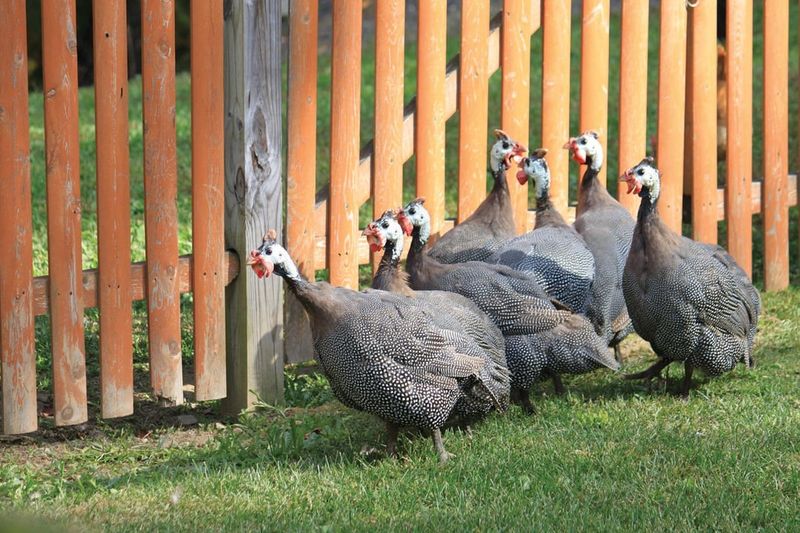
Fair warning: guinea fowl are not quiet birds. They are famously loud, and their calls can carry across neighboring yards with ease.
This is one of the biggest considerations for Connecticut homeowners in suburban or semi-urban areas. Before bringing home a flock, check your local zoning laws and any HOA rules that apply to your property.
Some towns in Connecticut allow backyard poultry with no restrictions, while others have noise or livestock ordinances. A quick call to your town clerk can save you a major headache later.
Guinea fowl tend to call loudly when startled, which happens often since they are alert birds. A passing car, a dog barking, or even a leaf falling can set them off.
If you have close neighbors, a conversation before you get the birds is a smart move. Offering to share the benefits of reduced ticks on shared property lines can help smooth things over.
Space is the other big factor to plan around carefully. Guinea fowl that feel cramped become louder and more agitated than birds with room to roam.
Giving them adequate yard space actually reduces stress-related noise over time. Rural properties and larger suburban lots are the best fit for this type of bird.
Dense neighborhoods with small yards may find the noise level difficult to manage. Knowing your property layout and neighbor situation before committing is the responsible move.
Guinea fowl can be a helpful addition to tick management in Connecticut, but only when placed in an environment that suits their natural tendencies.
Guinea Fowl Versus Chickens For Tick Management
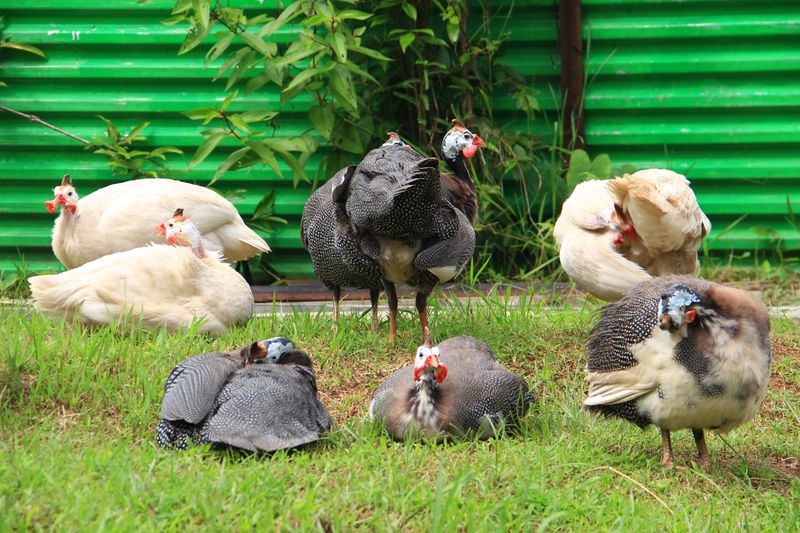
Chickens get all the backyard bird fame, but guinea fowl deserve serious credit too. When it comes to tick management specifically, guinea fowl are often considered the stronger candidate.
Chickens scratch the ground and disturb soil, which can actually spread tick eggs around your yard. Guinea fowl peck more precisely and tend to do less damage to lawn surfaces and garden areas.
That difference matters a lot if you care about keeping your yard looking good. Guinea fowl also cover more ground per day than chickens, which gives them more chances to come across ticks.
Chickens tend to cluster near their coop and food source, while guinea fowl spread out widely across a property. That roaming instinct is one reason they’re often seen as a better fit for tick patrol duty.
Chickens do eat ticks, but they are far more interested in seeds and table scraps. Guinea fowl prioritize insects, making their diet naturally more aligned with pest control goals.
From a maintenance standpoint, guinea fowl are also hardier than chickens in outdoor conditions. They handle cold Connecticut winters reasonably well with basic shelter provided.
Chickens require more hands-on care, more feed, and more protection from the elements. Guinea fowl are more self-sufficient once established in a free-range setup.
They do not need constant attention the way chickens sometimes do. For homeowners whose primary goal is tick reduction rather than egg production, guinea fowl are often the better fit.
Combining Guinea Fowl With Other Prevention Methods
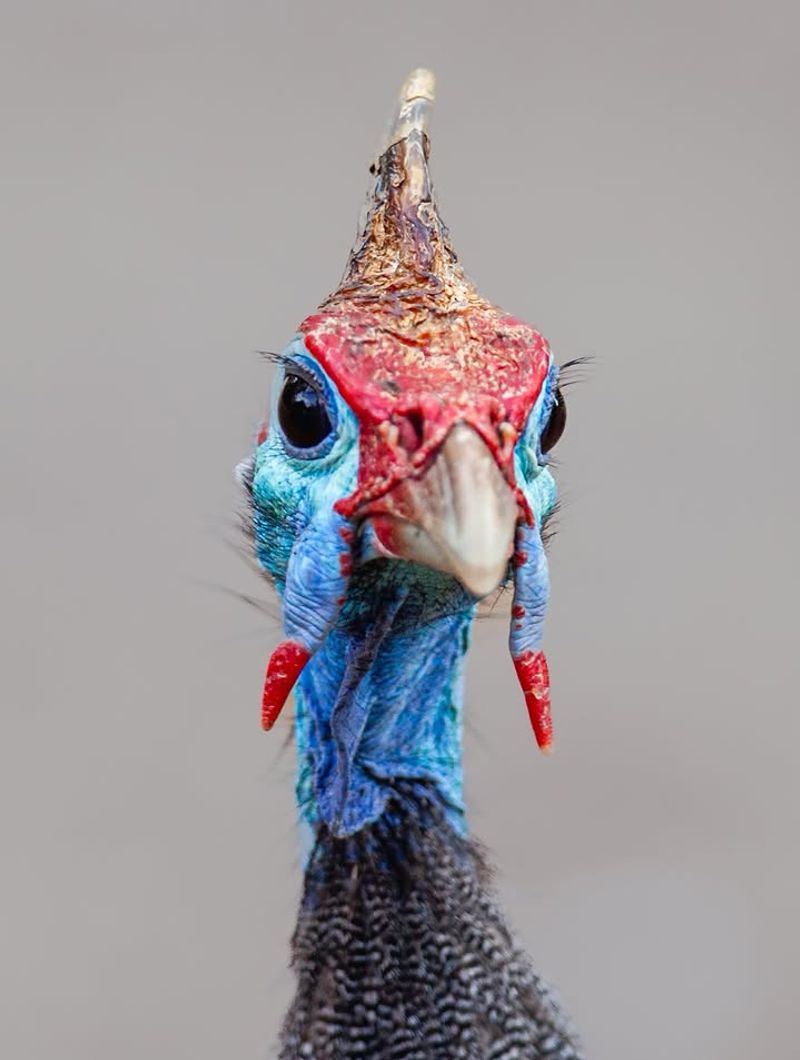
Guinea fowl may help, but they work best as part of a broader tick prevention plan. Pairing them with other strategies creates a layered defense that is hard for ticks to get through.
Start by keeping your lawn mowed short, since ticks prefer tall grass and shaded, moist areas. A tidy yard gives guinea fowl better access to the ground and fewer places for ticks to hide.
Creating a wood chip or gravel border between your lawn and wooded areas slows tick migration significantly. That barrier, combined with free-ranging birds, dramatically cuts down on tick entry points.
Tick tubes placed around the yard target mice, which are a primary host for deer tick larvae. Reducing the mouse population reduces the number of infected ticks entering your yard each season.
Some homeowners also use permethrin-treated clothing or tick repellent sprays for personal protection. Those individual measures complement what the birds are doing at the yard level.
Checking yourself and pets after outdoor time remains an essential habit regardless of which other methods you use. Guinea fowl reduce tick numbers, but they do not eliminate every single one from your property.
Planting deer-resistant plants along your yard border helps discourage deer from entering and dropping ticks. Fewer deer means fewer ticks arriving in the first place.
Each of these methods alone is helpful, but together they create a system that truly manages tick pressure.