What To Stop Doing To A California Christmas Cactus Once Buds Appear
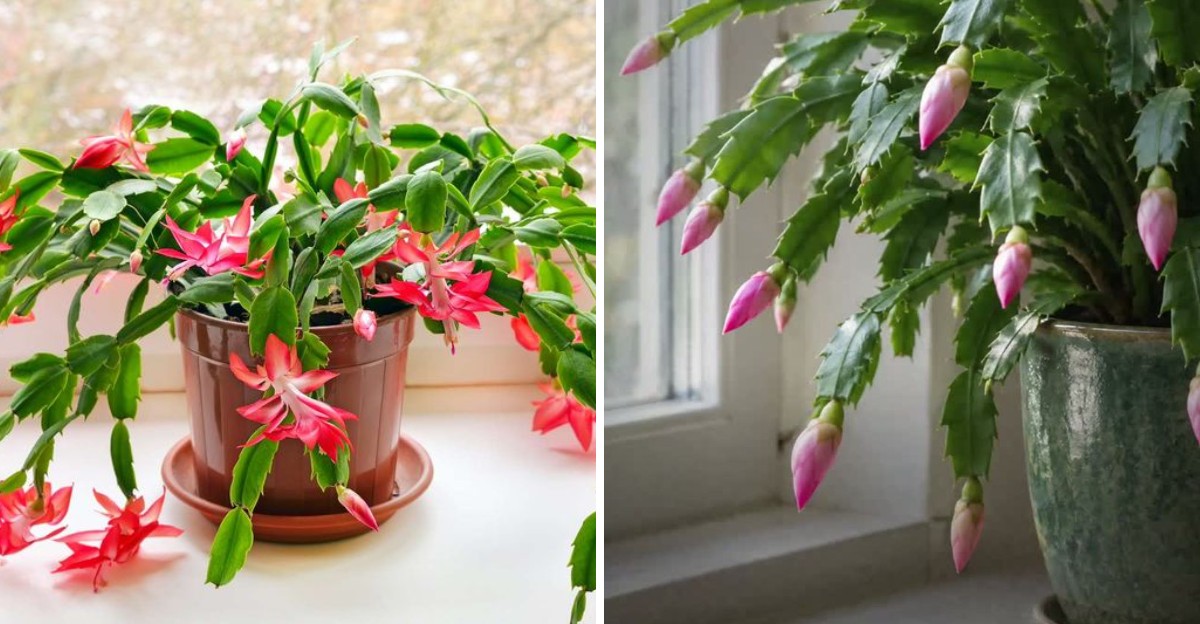
A single bump from a careless elbow can make a whole crop of flower buds rain onto your windowsill within days. I learned that one the hard way, and I still wince thinking about it.
Here’s what caught my attention. This plant is not a desert dweller at all.
It comes from the cloud forests of coastal Brazil, where it grows on tree branches in cool, misty shade.
That jungle background explains a lot about its moods. In California homes, our dry indoor heat and sunny windows can feel like a strange new planet to it.
Once those tiny pink tips show up at the ends of the stems, the plant becomes surprisingly touchy about change.
You might be surprised by how many loving habits suddenly work against you. So which of your usual routines should take a break until the flowers open?
1. Those Tiny Christmas Cactus Buds Have Strong Opinions About Moving
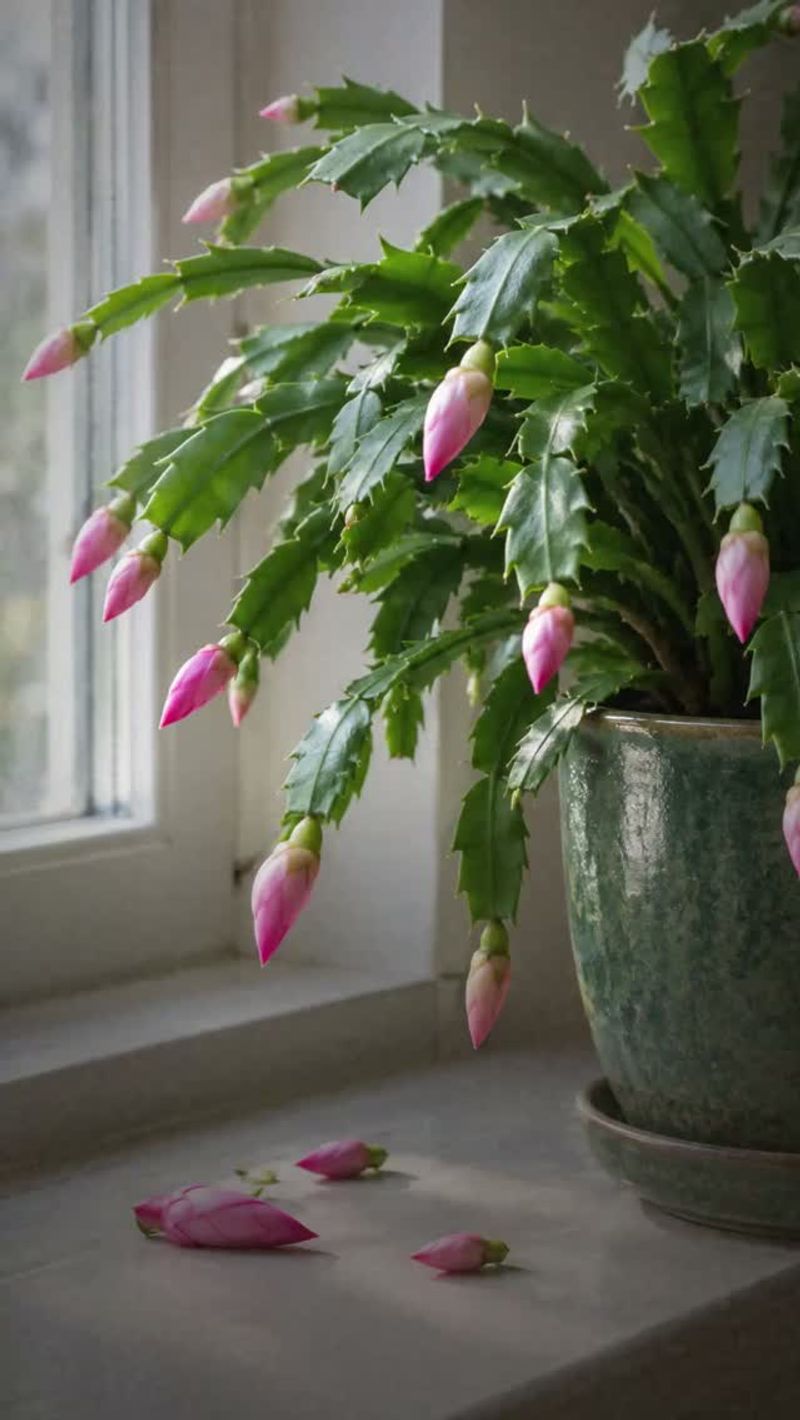
Plant people love to rearrange things, and I’m right there with you. Once buds form on a Christmas cactus, though, that habit needs a pause.
The buds grow toward the light, slowly angling themselves to face the brightest side of the room. When you turn the pot or carry it to a new table, the plant has to readjust.
That stress often shows up as buds dropping before they open, which is one of the most common complaints extension experts hear each December.
Changes in light, temperature, and humidity all hit at once during a move. Even a short trip from the kitchen to the living room can be enough to upset a sensitive plant.
My best tip is to choose the plant’s holiday spot in early fall, before the buds appear. Look for bright, indirect light away from heaters and doors.
Then let it settle in and stay there.
If you need to clean the windowsill, slide the pot gently and return it facing the same direction. A small piece of tape on the rim can remind you which side faced the window.
Leave it put, and your patience will usually be rewarded with a full show of blooms.
2. Put The Fertilizer Bottle Back On The Shelf
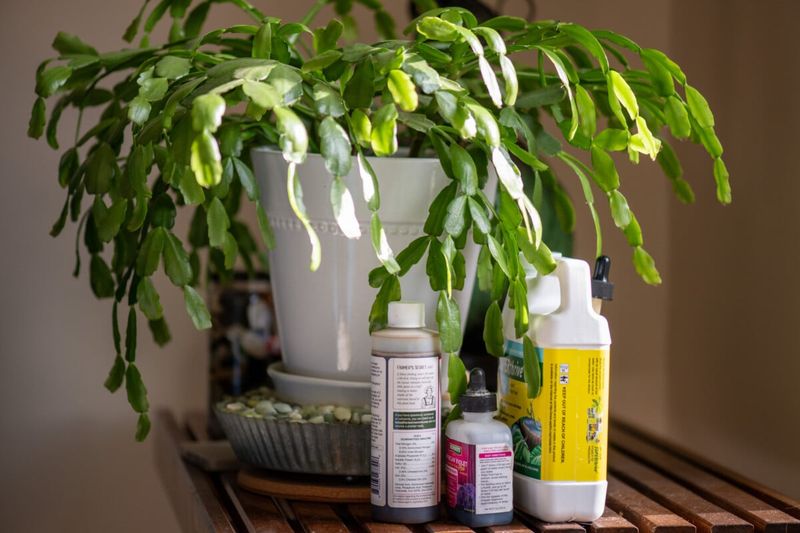
Feeding feels like kindness, but your budding cactus is busy with a different job right now. Flowering takes a lot of energy, and fresh fertilizer can nudge the plant toward leafy growth instead.
Many university extension guides suggest feeding Christmas cactus from spring through summer, when it’s actively putting out new stem segments. A balanced houseplant fertilizer at half strength works well during those months.
By late summer or early fall, most growers taper off so the plant can shift into bloom mode.
Adding plant food once buds show can lead to soft growth and, in some cases, buds that fall early. Extra salts can also build up in the soil when the plant isn’t using many nutrients.
So what should you do instead? Just water as needed and enjoy watching the buds swell.
I like to write a little note on my calendar that says feeding resumes after the flowers fade.
Once blooming ends and the plant rests for a few weeks, you can start feeding again in spring. That timing gives it strength for next year’s flowers without stealing focus from this year’s display.
It’s a simple pause that pays off.
3. Chilly Drafts And Heater Blasts Make Christmas Cactus Buds Fall
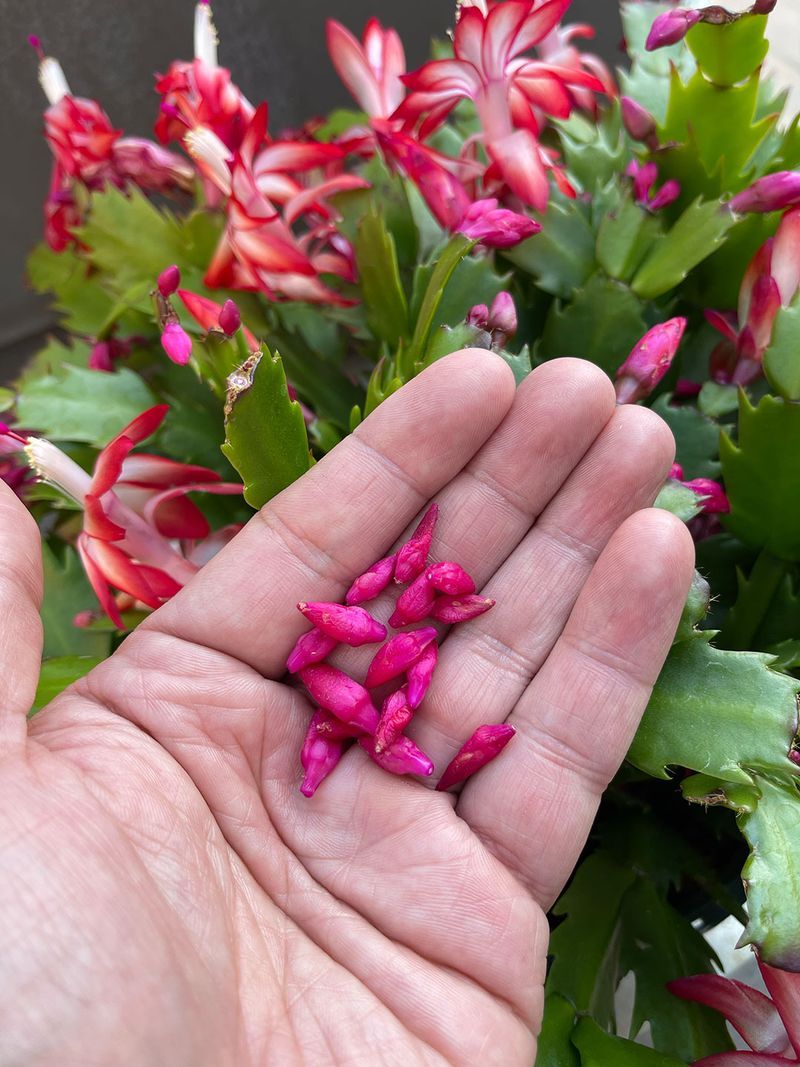
Cool nights help a Christmas cactus set buds in the first place. Many growers give it nights around 50 to 55 degrees in fall to trigger flowering.
After buds appear, the goal shifts to steady comfort. Sudden swings are the trouble, not cool air itself.
A blast of warm air from a heater vent, a cold draft from a front door, or a spot right against a chilly window at night can all cause buds to drop.
Aim for daytime temperatures in the mid 60s to around 70, with slightly cooler nights. Most California homes fit that range nicely, but watch for hot spots near fireplaces and space heaters.
Coastal growers sometimes keep plants on covered patios through fall. Inland valleys and mountain areas can get frost, so bring the plant indoors before temperatures dip near freezing.
Make that move before buds form if you can.
Run your hand near the plant on a cold evening. If you feel a breeze or a warm gust, that’s a clue to shift the pot a short distance, gently and only once.
A stable spot means more buds reach the finish line.
4. Soggy Soil Or Bone Dry Pots Both Spell Trouble
Watering a budding Christmas cactus is a bit like walking a tightrope. Lean too far either way, and the buds pay the price.
Overwatering is the bigger danger for most of us. Soggy soil starves roots of air and invites root rot, which leads to limp stems and falling buds.
On the flip side, letting the pot dry out for weeks makes buds shrivel.
The sweet spot is easy to check. Push a finger into the soil, and when the top inch feels dry, water thoroughly until it drains from the bottom.
Then empty the saucer so the roots aren’t sitting in a puddle.
Remember, this is a forest plant that grows in loose, airy material on tree branches. A fast-draining potting mix with some bark or perlite suits it far better than heavy garden soil.
Indoor heat in winter can speed up drying, so you may need to check more often than in summer. I check mine every few days rather than following a strict schedule.
The plant’s needs change with the weather, and your fingertip is a better guide than any calendar.
5. That New Pot Can Wait Until Spring
Here’s a fun fact many people don’t expect. Christmas cactus often blooms best when its roots are a little crowded.
So that urge to upgrade its home? Let it go for now.
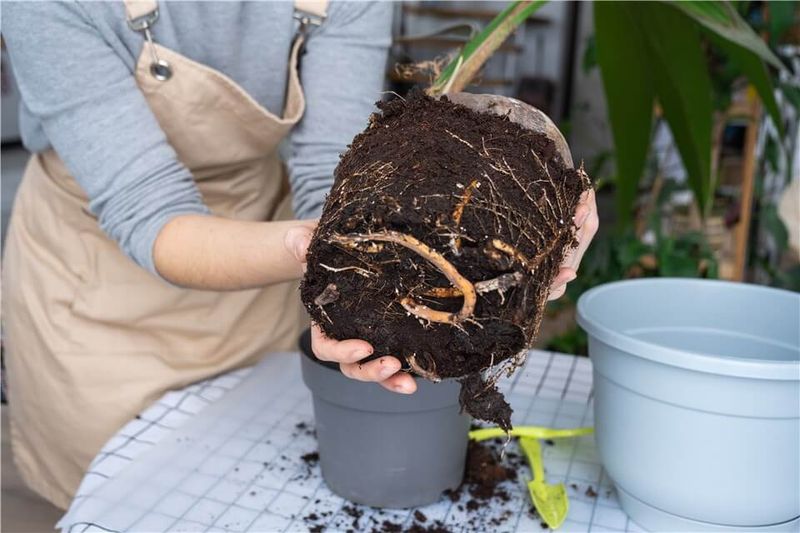
Repotting disturbs the roots, and a plant juggling root repair and flower production usually drops buds to save energy. It’s a trade you probably don’t want.
Even if the pot looks snug or the soil seems tired, the plant can carry on just fine through the holidays. These plants have small root systems for their size, and they don’t need much room.
The better time to repot is late winter or spring, after flowering ends and new growth starts. Choose a pot just one size larger with drainage holes.
Use a light, well-draining mix, like one made for cacti blended with some orchid bark.
Most Christmas cacti only need repotting every two to three years. If your plant is top-heavy and tipping over, set the pot inside a heavier container instead.
That fixes the wobble without touching a single root.
A little restraint now keeps the blooms coming and sets you up for a healthier plant next season.
6. Harsh Afternoon Sun Is Too Much For Budding Holiday Cactus
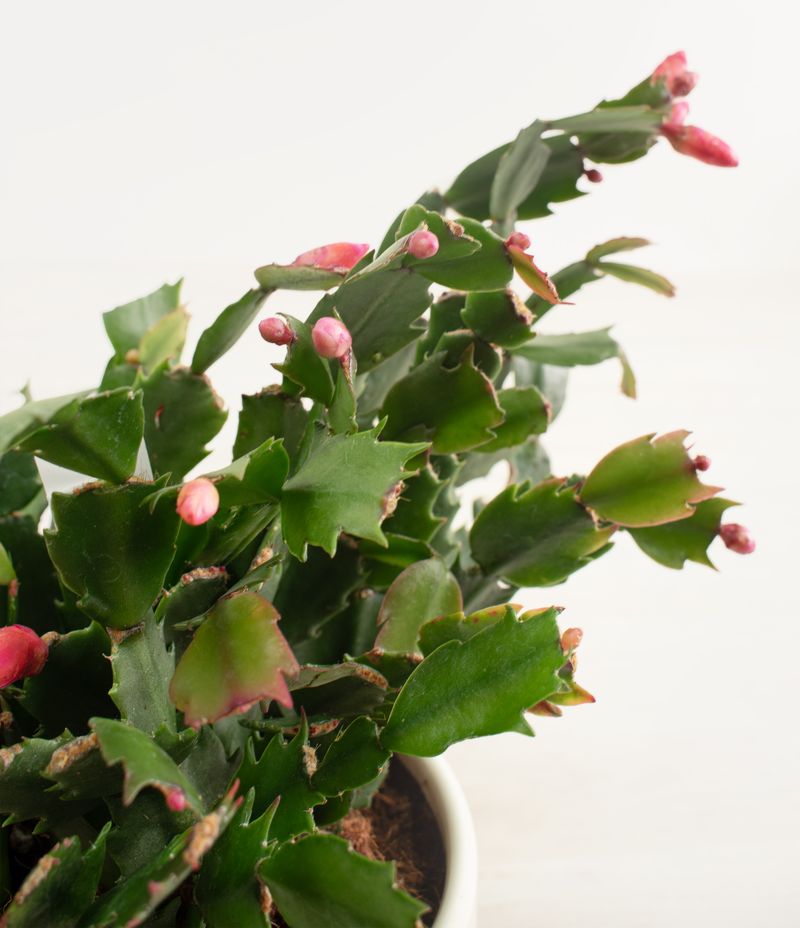
Bright light helps, but blazing sun is another story. In its native Brazilian forests, this plant grows under a leafy canopy that filters the light.
California sunshine can be strong even in winter, especially in the southern half of the state and the inland deserts. A south or west window with no shade can scorch the flat stems, turning them reddish or yellow.
That stress can also cause buds to fall.
An east-facing window is often ideal, offering gentle morning light. A north window can work well too.
If your only bright spot is sunny, a sheer curtain softens the light nicely.
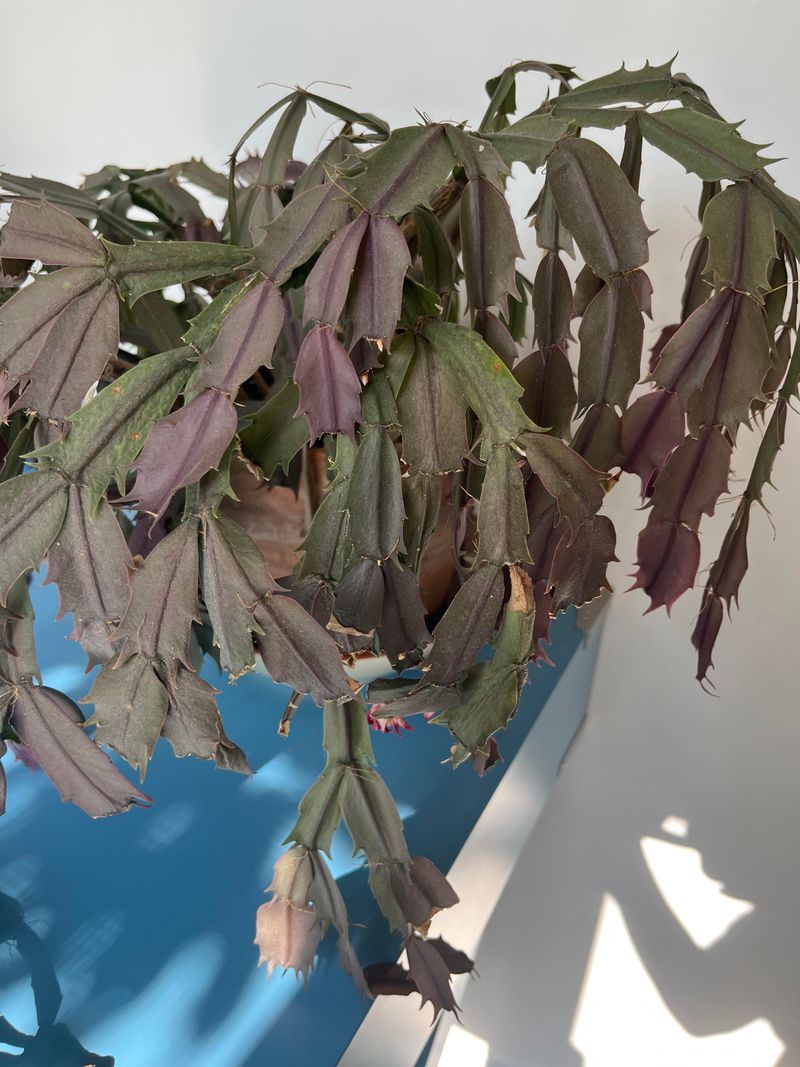
Watch the stems for clues. A reddish or purple tint can signal too much sun or cool temperatures, while deep green stems usually mean the light is about right.
Darkness matters as well. During bud setting, these plants respond to long nights, so avoid bright lamps shining on them late in the evening.
Once buds are well formed, normal room lighting is usually fine. Just keep the overall light steady, and those buds should open into silky, layered blossoms.
7. Give Dry Indoor Air A Little Boost Around Your Christmas Cactus
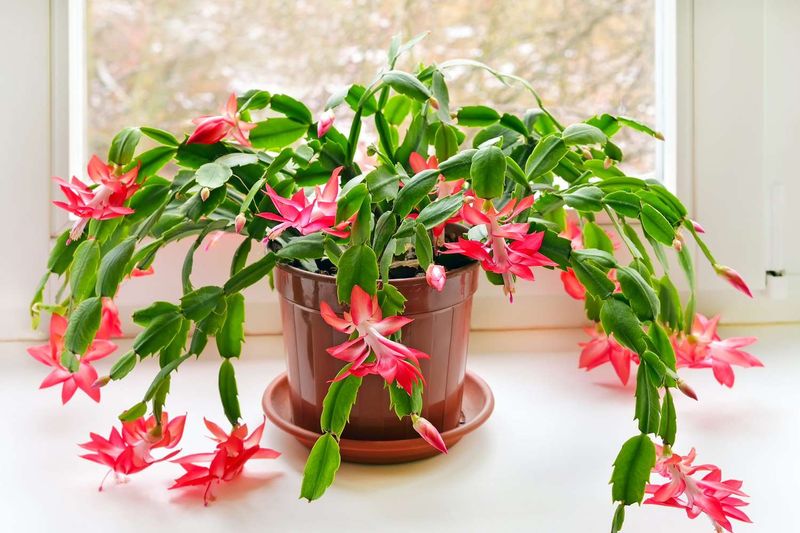
Winter heating can make indoor air surprisingly dry, especially inland in California. For a plant that evolved in humid mountain forests, that dryness can be tough.
Low humidity can cause buds to shrivel and drop before opening. Many growers suggest keeping humidity around 50 to 60 percent if you can manage it, though plants usually tolerate a bit less.
A pebble tray is my favorite simple trick. Fill a shallow tray with pebbles, add water just below the top, and set the pot on the stones.
As the water evaporates, it adds moisture right around the plant.
Grouping houseplants together helps too, since they release moisture through their leaves. A small room humidifier works even better during dry Santa Ana spells or cold snaps.
Skip heavy daily misting, though. Wet buds and stems in a cool room can invite fungal problems, and the extra moisture fades quickly anyway.
Once the flowers open, keep the same steady care. Remove faded blooms, enjoy the show, and let the plant rest afterward.
With a stable spot and good habits, this plant can reward you for decades, often becoming a family heirloom passed down through generations.