How To Grow Christmas Rose Hellebores In Georgia For Deep Winter Blooms
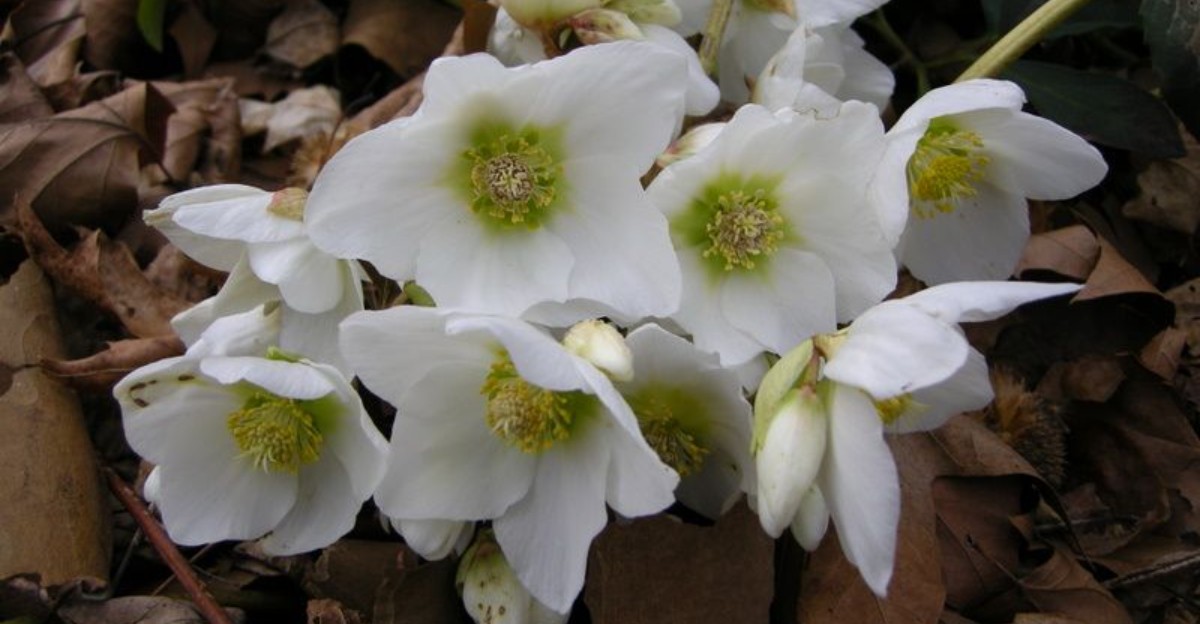
A winter flower nicknamed after a holiday rose actually belongs to the buttercup family, alongside clematis and larkspur.
Its showy white parts are not even true petals, which explains why the blooms hang on for weeks.
Old European folklore tied this plant to midwinter, and gardeners have grown it for centuries in shady corners. Every part of it is toxic, so deer usually pass it by while you keep pets away.
I love how a single clump can brighten a gray Georgia yard when almost everything else looks asleep. You need a little planning, though, because our warm summers and acidic clay test its patience.
I think the payoff is worth every shovel of compost and every minute spent choosing the right spot. Getting those snowy blossoms during Georgia’s coldest weeks starts with finding the right growing conditions.
1. Choose Christmas Rose Plants Suited To Your Garden Zone
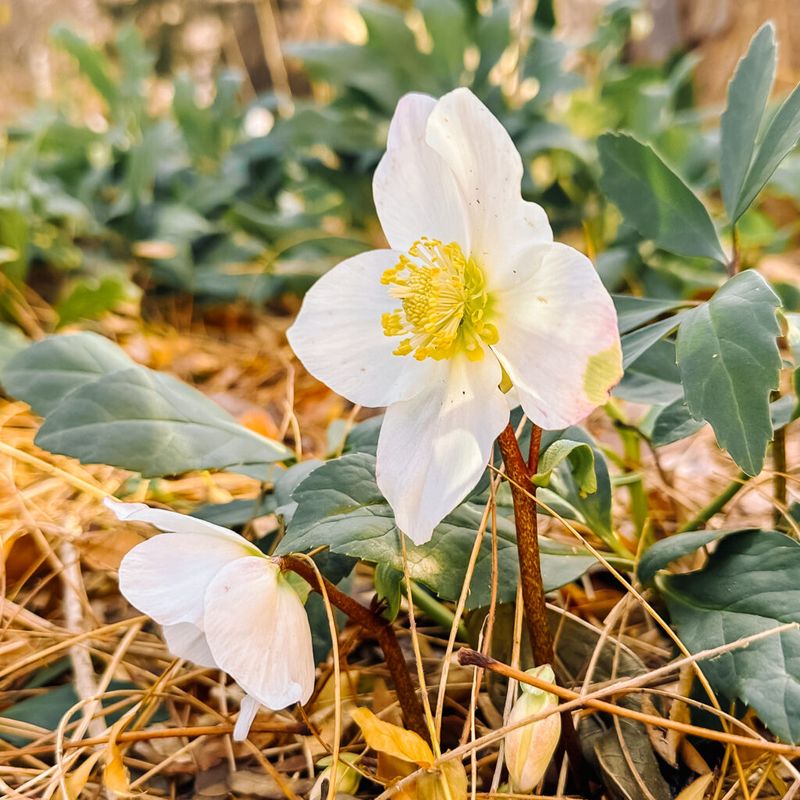
Christmas rose, or Helleborus niger, wears pure white cups about two to three inches wide with golden stamens.
I still grin when those pale faces nod above dark leathery leaves on a frosty morning.
The Missouri Botanical Garden lists this evergreen species as hardy in USDA zones 3 through 8. Most of Georgia falls between zones 7a and 9a, so northern and central gardens have the edge.
Coastal and southern gardeners can still try it, but long humid summers often leave plants weak and sulky. In those warmer spots, Lenten roses, Helleborus x hybridus, usually handle the heat with far less fuss.
Breeders have also released newer niger selections and hybrids that bloom earlier and hold their flowers more upright.
Names like Josef Lemper and the HGC series show up in many catalogs, and they are worth a look.
When you shop, check the leaves for black streaks or spots before carrying any pot to the register. Healthy plants have glossy, deep green foliage and firm crowns that feel solid at the soil line.
Legend links the name to a shepherd girl who wept because she had no gift for the newborn Christ. According to the tale, white blossoms sprang up where her tears fell on the snowy ground.
All parts of the plant are toxic if eaten, and the sap can irritate sensitive skin. I keep a pair of gloves near my hellebore bed, and I suggest you do the same.
2. Plant Christmas Roses Under Deciduous Shade Trees
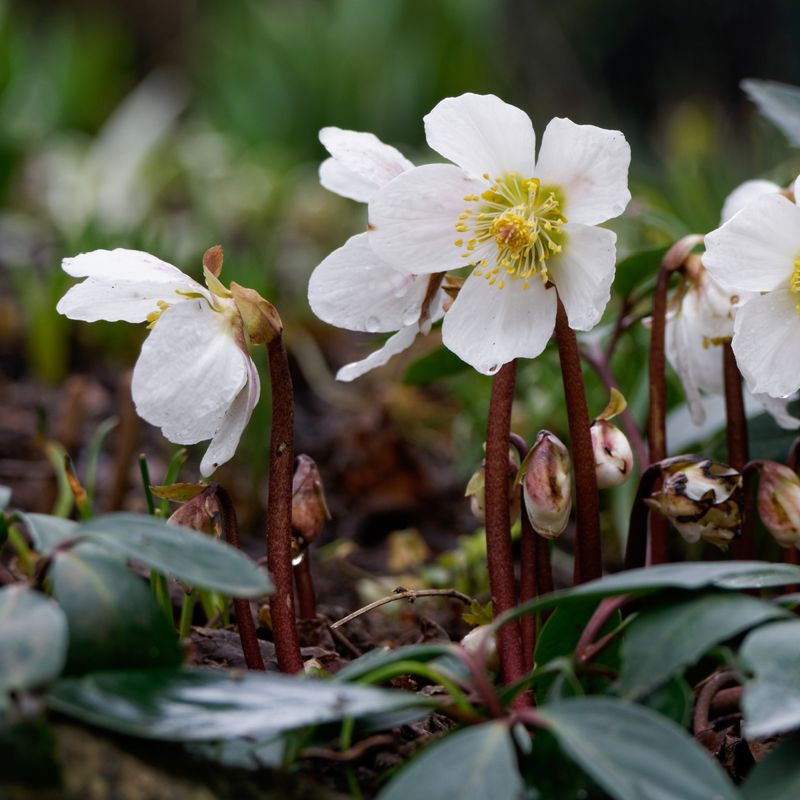
In the wild, these flowers grow in mountain woodlands across central Europe, often tucked among trees on limestone slopes.
Copying that cool, dappled setting in your yard is the single best gift you can give them.
Deciduous trees like oaks and maples make ideal partners because their canopy changes with the seasons. Bare branches let winter sun reach the flowers, while summer leaves block the harsh afternoon glare.
Our strong southern sun can scorch hellebore foliage surprisingly fast, especially from June through early September. Bleached or crispy brown leaf edges are a clear sign your plant is getting too much direct light.
Morning sun with afternoon shade works nicely if you lack a big tree in the right place. The north or east side of a house often provides that gentle balance without any extra effort.
Shelter matters too, because cold winter winds can shred and brown the evergreen leaves over time.
A spot beside a fence or evergreen hedge softens those gusts and keeps the clump looking tidy.
I have to admit my favorite planting sits beside the back steps, where I pass it daily. Since the flowers often nod downward, a raised bed or slope lets you admire their faces more easily.
Avoid planting too close to thirsty shallow-rooted trees, which can steal moisture the hellebores badly need. Give each plant about eighteen inches of space so air moves freely around the leathery leaves.
3. Sweeten Acidic Clay Soil With Garden Lime
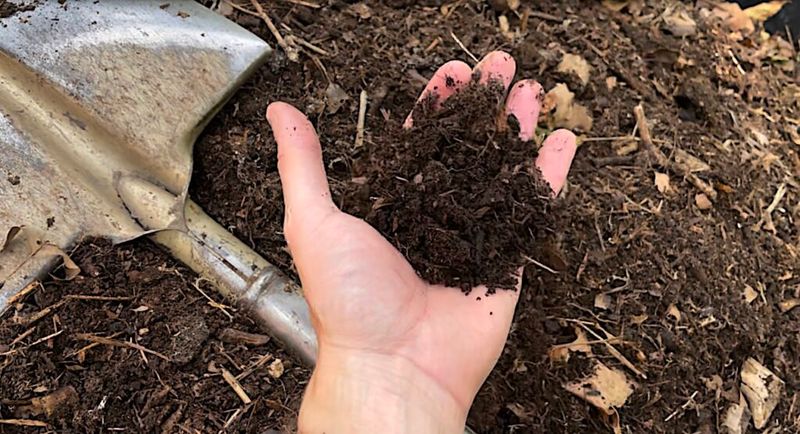
Georgia red clay feels like modeling dough after a rain, and Christmas roses grumble about it. In nature they often grow over limestone, so they prefer soil that leans neutral to slightly alkaline.
Most soils across our region run acidic, which can leave hellebores pale and slow to settle in. You need a soil test first, and your county Extension office can process one for a small fee.
UGA Extension soil reports include specific lime recommendations, so you can skip the guessing and avoid overdoing it. Aim for a pH somewhere between about 6.0 and 7.5, which suits these woodland plants quite well.
Dolomitic lime works nicely because it adds magnesium along with calcium, two nutrients that hellebores seem to appreciate.
Mix it into the planting area a few weeks ahead, since lime changes soil chemistry slowly.
Drainage matters just as much as pH, because soggy clay invites crown rot during wet winters. Work several inches of compost or leaf mold into a wide area, not just the planting hole.
Personally, I build gently raised mounds about six inches high when my clay feels especially stubborn.
Water then drains away from the crown, and the roots still reach down into richer soil below.
Set each crown at the same depth it grew in the nursery pot, rather than burying it deeper. Hellebores dislike being moved once settled, so this careful start pays off for many happy years ahead.
4. Set New Hellebores In The Ground During Fall
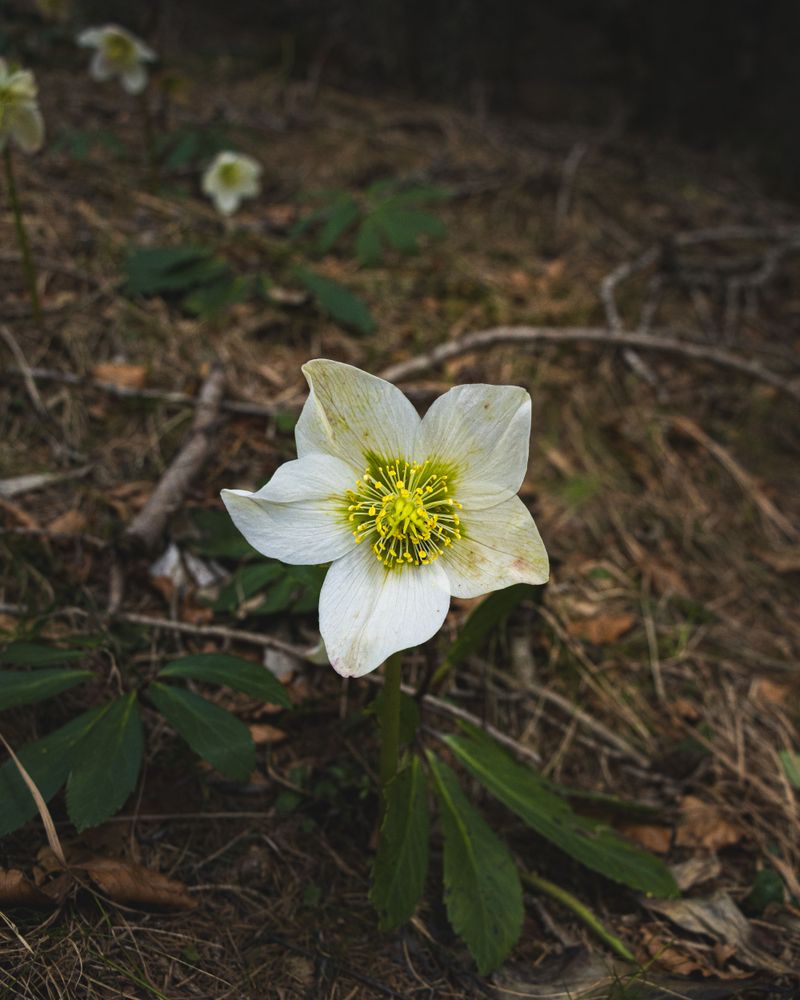
Autumn is when I get most excited about shopping, because cooler soil gives new hellebores a running start. Roots keep growing through our mild winters even while the leaves above look calm and still.
Planting from late September through November gives roots several months to settle before summer heat returns.
Spring planting can work too, but those young plants face July stress with much smaller root systems.
Many nurseries also sell blooming Christmas roses in pots around the holidays, which makes them tempting gifts. Those plants can go into the ground during mild spells, as long as the soil is not frozen.
Dig a hole about twice as wide as the pot, then loosen any roots circling the bottom. Add bone meal only if a soil test indicates a phosphorus deficiency, since routine applications are unnecessary and excess phosphorus can accumulate in the soil.
You might notice a newly planted Christmas rose skips blooming its first winter, which is pretty normal. These perennials are famously slow to establish, and they often need a year or two to hit their stride.
Patience gets rewarded, though, since a happy clump can keep flowering in the same spot for decades. I like to mark each plant with a small label so I do not dig into it by accident.
Water thoroughly right after planting, then check the soil every few days for the first couple of weeks.
Fall rain usually handles the rest, though dry autumns in the Piedmont sometimes call for extra help.
5. Water Christmas Roses Deeply Without Soggy Roots
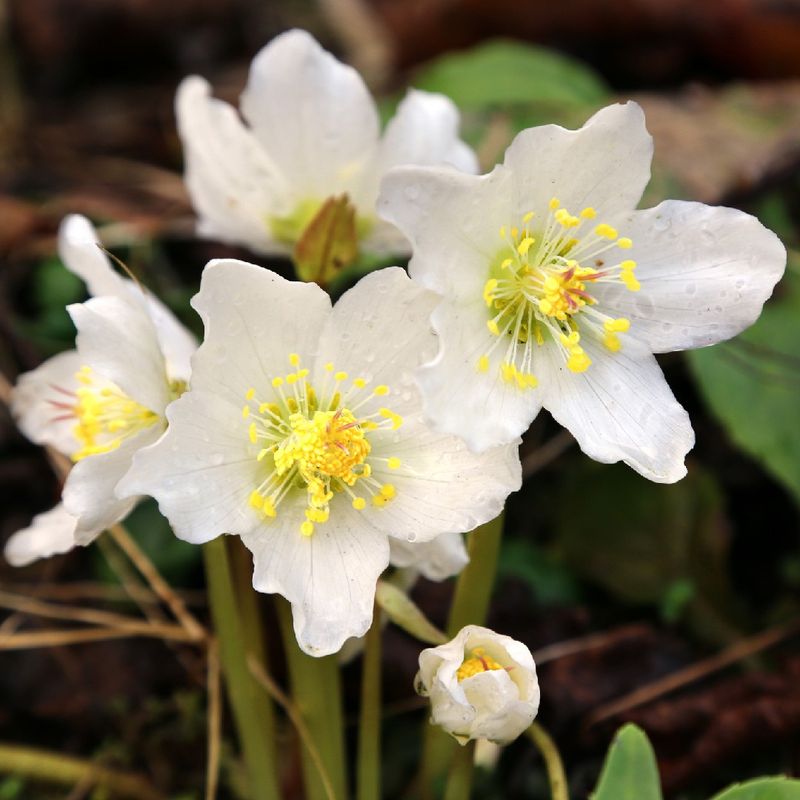
Hellebores behave a bit like houseguests who want a full water glass but hate soggy shoes. Steady moisture keeps them lush, while standing water around the thick crown can quickly invite troublesome rot.
During the first growing season, aim for about an inch of water each week from rain or hose.
A rain gauge tucked into the bed tells you quickly whether nature already did the job.
Once established, Christmas roses tolerate short dry spells better than many shade plants, yet they still prefer consistency. Summer droughts here can stretch for weeks, so a deep soak every several days helps them cope.
Deep watering beats frequent sprinkles because it encourages roots to reach downward toward cooler, steadier soil layers. I like using a soaker hose under the leaves, which keeps the foliage dry and much cleaner.
Water early in the day if you use a sprinkler, so leaves dry before evening dampness settles in. Wet foliage overnight can encourage leaf spot, a fungal problem that hellebores often struggle with in humid weather.
Winter usually needs less effort, since cooler temperatures and seasonal rain keep the ground fairly moist.
Still, check plants during dry, windy stretches, especially when buds are swelling and getting ready to open.
Wilting leaves on a mild afternoon can signal thirst, but check the soil before grabbing the hose. Soggy ground can cause the same droop, and adding more water would only make matters worse.
6. Spread Leaf Mold Mulch Around Hellebore Crowns
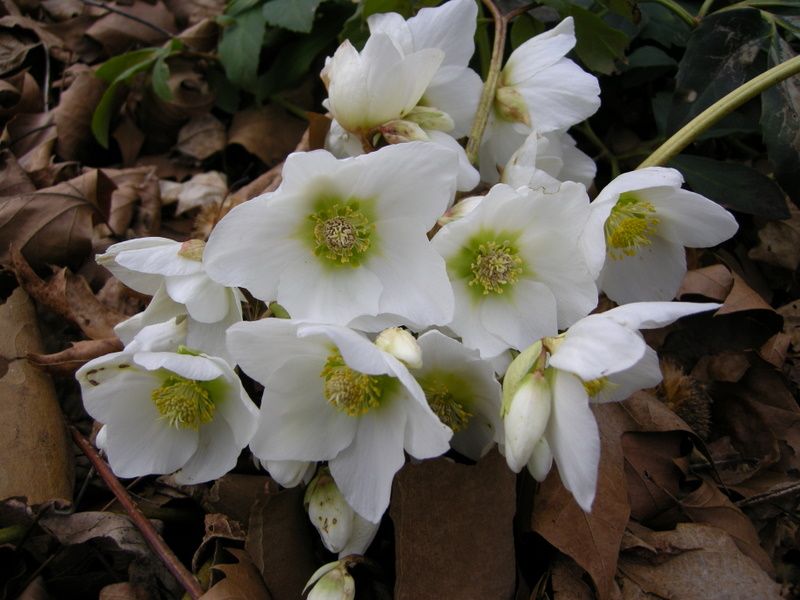
Fallen leaves are free treasure, and hellebores practically purr when you tuck a layer of leaf mold around them.
In their native woods, decaying leaves feed the soil every year without any help from people.
Spread about two inches of shredded leaves or compost around each plant during autumn or early winter. Keep the mulch a couple of inches away from the crown, because a buried crown can rot.
Mulch holds moisture through hot summers and keeps soil temperatures steadier when cold snaps arrive in January. It also cushions the flowers, so mud splashes less onto those pale blooms during heavy rain.
Christmas roses are not heavy feeders, which I find refreshing compared with my hungry summer vegetables.
A light sprinkle of balanced slow-release fertilizer in early spring supports the fresh leaves that appear after flowering.
Some growers also add a second light feeding in early fall, as roots become active again. Follow label rates carefully, since extra fertilizer can push soft, leafy growth that tends to attract aphids.
Skip fertilizers made for azaleas or blueberries, because those acid-loving formulas work against your lime efforts. Pine straw is fine as a thin layer, though leaf mold or compost suits hellebores a bit better.
What surprises me most is how quickly earthworms move into a well-mulched hellebore bed each season. Their tunnels loosen heavy clay over time, which helps the roots breathe and drink more easily.
7. Trim Tattered Hellebore Leaves Before Flower Buds Rise
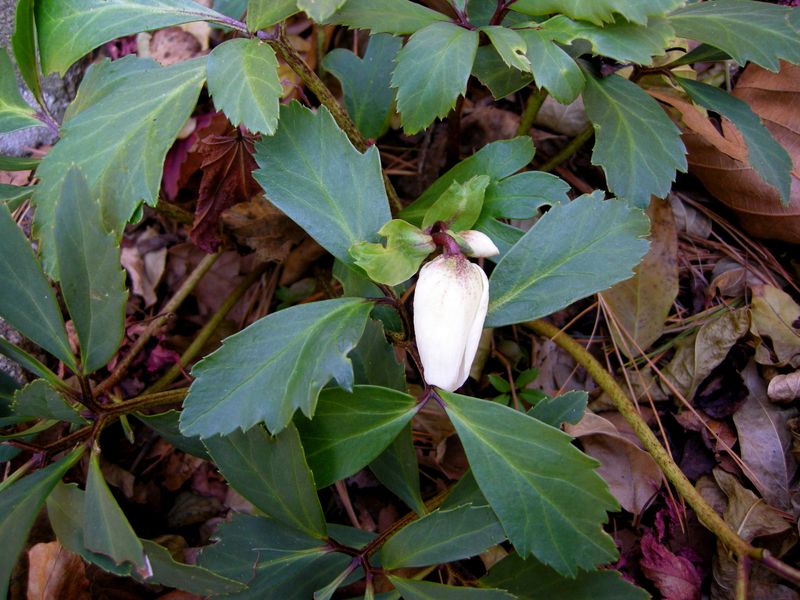
By midwinter, last year’s leaves often look like a well-loved winter coat, a bit torn and spotted.
Snipping them away lets fresh flower buds shine instead of hiding underneath all that floppy, faded foliage.
For Christmas roses, timing differs slightly from Lenten roses because the flowers can appear much earlier. Many gardeners here simply remove damaged or spotted leaves whenever they appear, rather than shearing everything at once.
Healthy green leaves can stay put, since they keep feeding the plant through photosynthesis during cooler months. Cut stems close to the base with clean pruners, taking care to spare any emerging buds.
I learned the hard way that a flower bud can hide right beside an old leaf stem.
Now I part the foliage gently with one hand before making each careful cut with the other.
Removing tattered leaves also improves airflow, which helps reduce leaf spot during our damp, mild winters. Bag spotted foliage and toss it in the trash rather than the compost pile to limit spores.
You’re in for a big surprise once the blooms finish, because the white sepals stick around for weeks. Those showy parts slowly blush pink or fade toward green, adding a second season of quiet color.
Leave those aging flowers in place unless you want to prevent seedlings from popping up nearby. Christmas roses self-sow less freely than Lenten roses, yet a few volunteers can appear under mature clumps.
8. Watch Hellebore Leaves For Aphids And Leaf Spot
Thanks to their toxic leaves, Christmas roses shrug off deer and rabbits better than most shade perennials. That said, a few smaller troublemakers still find them, and a quick weekly look keeps problems small.
Aphids top my watch list, since they cluster on new growth and even hide inside nodding flowers.
A strong spray of water or insecticidal soap usually knocks them back without harming helpful insects much.
Slugs and snails also enjoy tender buds, especially after a string of rainy nights in late winter. Hand-picking by flashlight works surprisingly well, and iron phosphate baits offer a gentler option for gardens with pets.
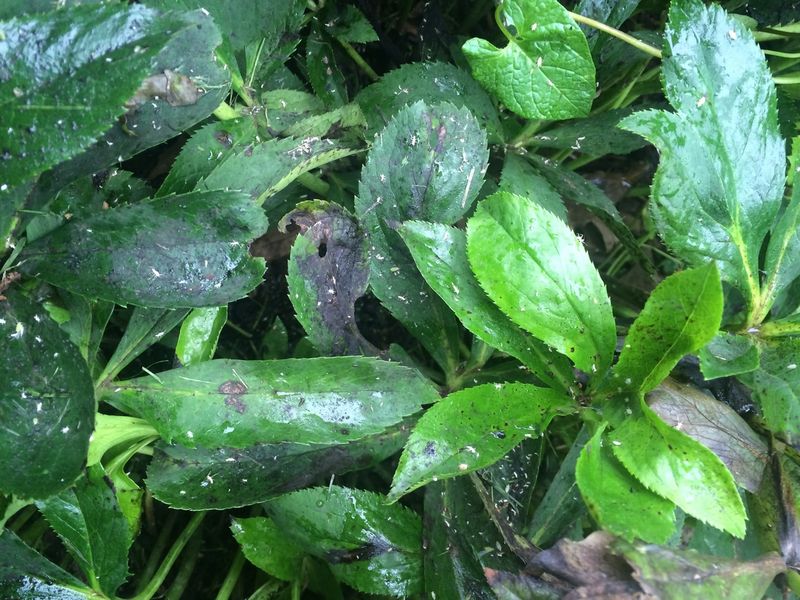
Leaf spot is the most common disease, showing up as round brown or black blotches on leaves. Remove affected foliage promptly, and keep good spacing so air can dry the plants after rain.
A rarer but serious threat is hellebore net necrosis virus, which aphids can spread between plants. Look for black streaks along leaf veins, along with twisted growth and darkened flower stems in early spring.
There is no cure, so infected plants should be dug up and bagged rather than composted. Controlling aphids early offers strong protection, along with buying healthy plants from trusted local nurseries and growers.
I believe a little vigilance turns these plants into one of the easiest winter treats in any shady yard.
Catch problems early, and your clumps can greet you with snowy blooms for many winters to come.