What Voles Are Really Doing Beneath Your North Carolina Mulch Beds
Small tunnels and disturbed patches of soil beneath mulch often leave North Carolina gardeners assuming the worst about hidden pest activity.
Voles get blamed for all kinds of garden damage, though what they’re actually doing beneath that mulch layer might surprise you.
There’s more happening below the surface than most people realize, and not all of it fits the destructive reputation these small rodents typically carry.
Understanding their actual behavior changes how you should think about managing them in your own garden beds.
Some gardeners are surprised to learn their assumptions about vole damage don’t match what’s really going on underneath.
Once you know what they’re truly after, deciding how to respond becomes a lot more straightforward. This could completely shift how you handle mulch beds going forward.
1. They Are Hiding Under The Mulch
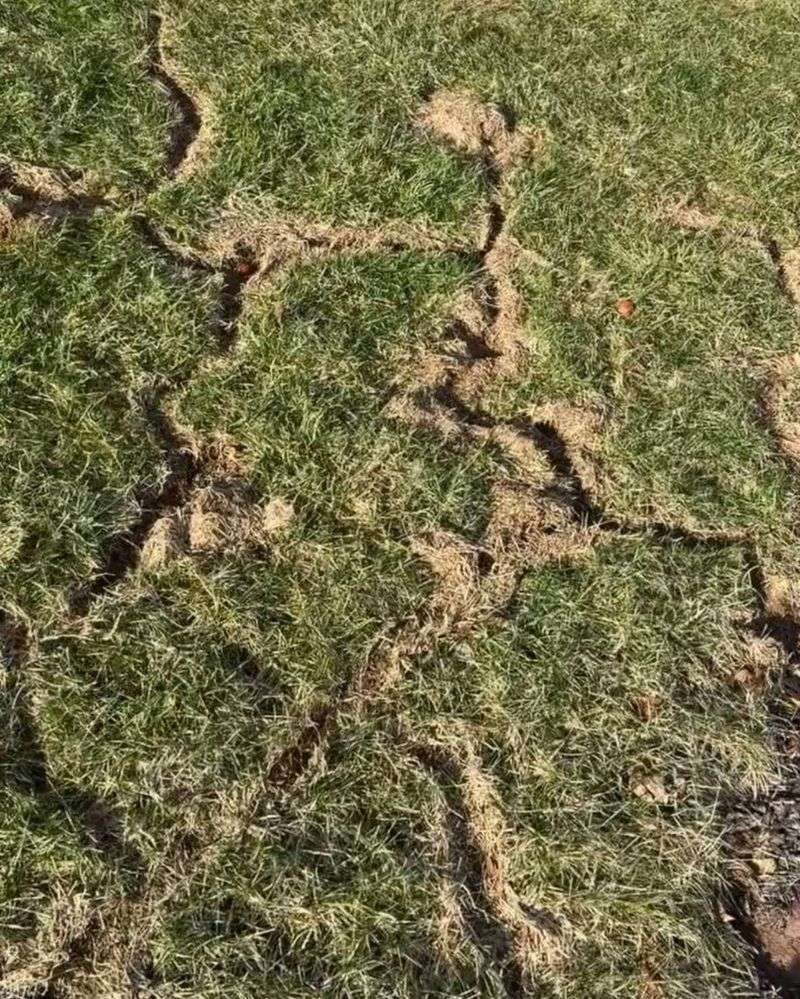
Thick mulch feels like a cozy blanket to a vole. It keeps them warm, hides them from view, and gives them safe paths to travel from one plant to the next.
That soft layer becomes a highway system where they can move around without ever stepping into the open.
Predators like hawks, owls, and cats rely on spotting movement. When voles stay tucked beneath a heavy mulch cover, those hunters lose their advantage.
The rodents can nibble, dig, and scurry all day long while staying almost completely out of sight.
North Carolina gardens often get generous layers of mulch to hold moisture and block weeds. While that helps your plants, it also builds the perfect shelter for these small visitors. The deeper and fluffier the mulch, the happier the voles become.
You might never see one running across your yard, yet they can be living right under your feet. Their quiet habits make them tricky to notice until plants start looking weak or wobbly.
A smart first step is checking under the mulch now and then. Gently lift a section near your shrubs and look for narrow trails or soft, hollow spots. Catching these early signs saves you a lot of worry later.
Understanding why mulch attracts them puts you ahead of the game. Once you know they treat your beds like a hidden fort, you can adjust how you spread mulch and keep your garden far less inviting to these sneaky tunnelers.
2. They Are Tunneling To The Roots
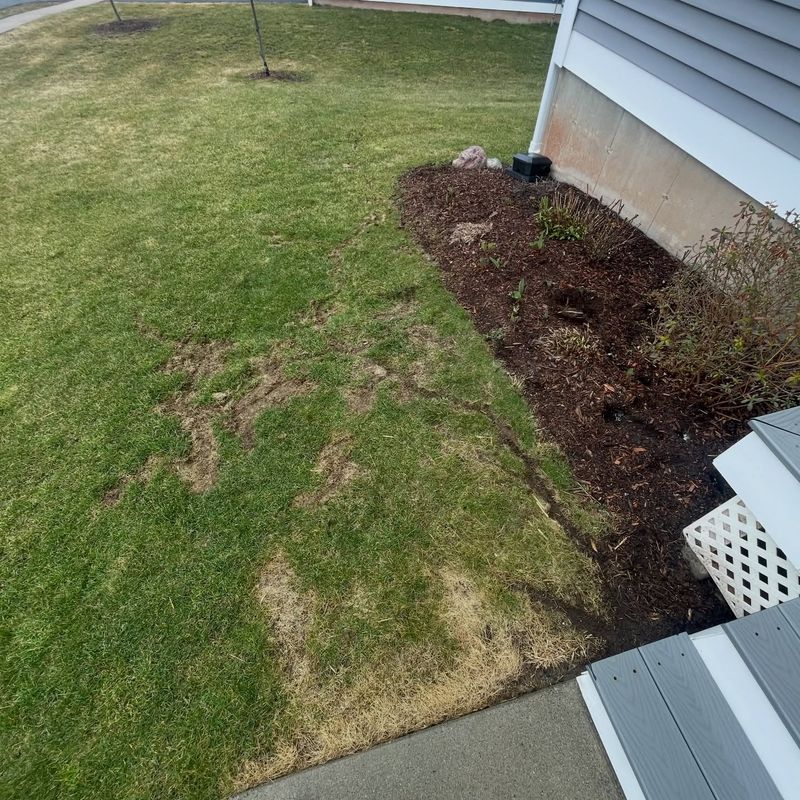
Pine voles are champion diggers, and they build a whole maze of runways just below the surface. These tunnels connect their favorite feeding spots, letting them travel straight to the roots of your plants without ever popping up.
Unlike some rodents that stay above ground, pine voles prefer the underground life. Their runways often sit only an inch or two below the mulch, weaving around shrubs, flowers, and vegetable beds.
The soft, loose soil beneath a mulched bed makes their digging quick and easy. Each tunnel serves a purpose. Some lead to food, some lead to nesting spots, and others act as escape routes if danger shows up.
This clever design keeps them fed and protected all season long. Here in North Carolina, the mild climate lets pine voles stay active nearly year round. That means their tunnel networks can grow larger and larger if nothing slows them down.
Your North Carolina Garden Changes Every Week. Your Plan Should Too.
Gardening in North Carolina changes quickly throughout the season. Every Friday you’ll receive a simple weekly plan showing exactly what to plant, prune, fertilize, harvest, and protect so you never miss the right timing.
You can spot these runways by pressing gently on the soil near your plants. If it feels spongy or caves in a little, tunnels are probably running underneath. Following the soft trails often leads you right to the busiest areas.
Knowing where their highways run gives you a big advantage. You can focus your protection efforts on those exact spots instead of guessing.
Packing down loose soil and reducing mulch depth near your plants makes tunneling much harder for them.
Once you understand their underground travel habits, keeping your garden safe becomes a whole lot easier and far less stressful.
3. They Are Chewing Plant Roots
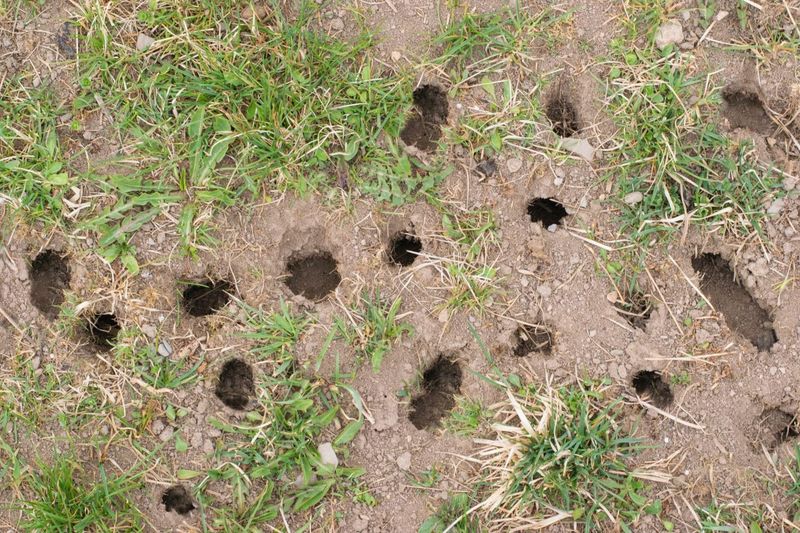
Roots are like a plant’s lunchbox, and pine voles treat them as an all-you-can-eat buffet. They nibble on the tender underground parts, munching away where you cannot easily see the harm being done.
When voles feed on roots, the plant slowly loses its ability to soak up water and nutrients. A shrub that once looked full and healthy may start drooping, yellowing, or thinning out for no obvious reason.
Many gardeners blame the weather before realizing the real cause is hiding below. Weak roots also mean weak footing. A plant with chewed roots can wobble in the soil or even tip over during a strong storm.
If you ever give a shrub a light tug and it lifts too easily, voles may be to blame. North Carolina yards with lots of shrubs and perennials offer plenty of tasty targets. The more plants packed into a bed, the more feeding options these little rodents enjoy.
Catching root damage early makes a huge difference. Check plants that seem tired or off-color, and gently inspect the base for missing or gnawed roots. Spotting the pattern helps you act fast.
Protecting roots often comes down to making the area less cozy for voles. Reducing thick mulch, tamping down loose soil, and adding gravel barriers around prized plants can steer them elsewhere.
Once you connect the dots between droopy plants and hungry voles, you gain the power to rescue your garden before the trouble spreads too far.
4. They May Be Eating Bulbs
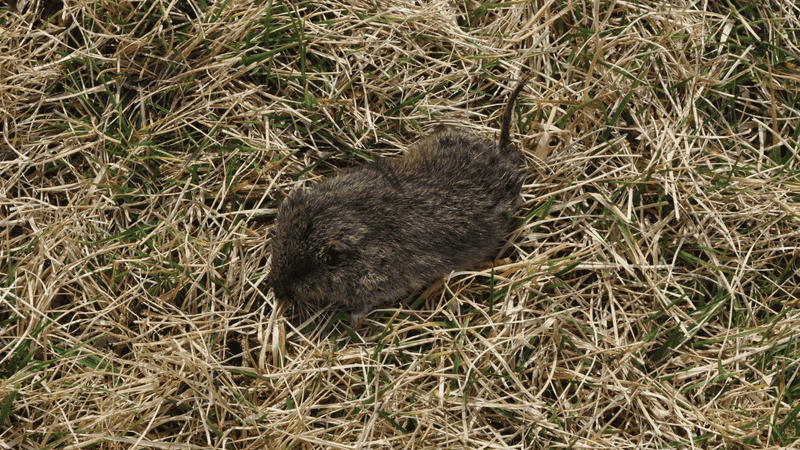
Tulip lovers, listen up. Voles think your beautiful bulbs are a delicious snack, and they will happily munch through them while hiding beneath the mulch.
Bulbs store lots of energy, which makes them a rich meal for a hungry vole. Tulips, crocuses, and other underground bloomers sit perfectly within reach of their shallow tunnels. To a vole, a freshly planted bulb bed is like a pantry full of treats.
The frustrating part is that you often do not notice until spring arrives. You wait and wait for flowers to pop up, but the spots stay bare because the bulbs were eaten long before they had a chance to grow.
Across North Carolina, fall bulb planting is a favorite tradition. Sadly, that same season gives voles a fresh supply of food heading into the cooler months.
There are smart ways to guard your bulbs. Planting them inside wire mesh cages keeps voles from reaching the tasty centers.
Some gardeners also mix sharp gravel into the planting holes, which voles dislike digging through.
Choosing certain bulbs helps too. Daffodils have a slightly bitter taste that voles tend to avoid, so mixing them near your tulips can offer a little natural protection.
Keeping mulch thinner over bulb beds removes the secret cover voles depend on. With less hiding space, they feel exposed and often move along.
Once you know your bulbs are on the menu, a few clever tricks can keep your spring garden bursting with the colorful blooms you worked so hard to plant.
5. They Can Gnaw Around Shrub Bases
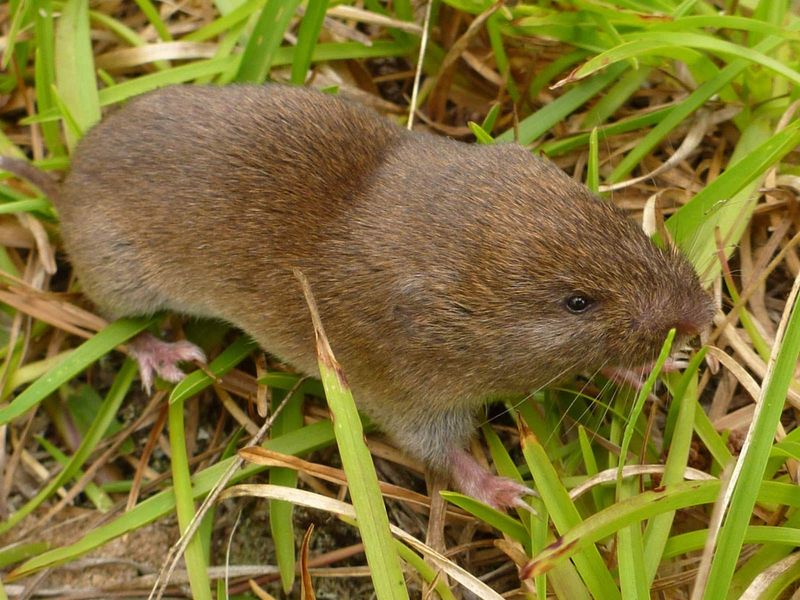
Right where a plant meets the soil sits a spot voles find impossible to resist. They gnaw on the bark and soft tissue around the base, and that tender area is exactly where plants are most fragile.
This part of the plant, called the root crown, moves water and food between the roots and the leaves. When voles chew away the bark here, they cut off that important flow.
The result can be a plant that struggles to stay healthy no matter how well you water or feed it.
Because mulch often piles up around trunks and stems, voles can gnaw in secret. The cover lets them work slowly, circling the base and stripping bark without you ever noticing until the plant looks sickly.
Young shrubs and newly planted trees face the biggest risk. Their thin bark is easy for tiny teeth to peel away, and one busy winter can leave a serious ring of damage all the way around.
North Carolina gardeners who mulch heavily against stems unknowingly hand voles the perfect setup. That snug pile becomes both a dining spot and a hideout.
You can protect vulnerable plants by wrapping the base with hardware cloth or a plastic guard. These barriers block those nibbling teeth while still letting the plant breathe.
Keeping the area around each stem open and tidy also helps a lot. When you spot bark damage circling a base, quick action can help the plant recover before the harm goes too deep.
6. Small Holes Can Give Them Away
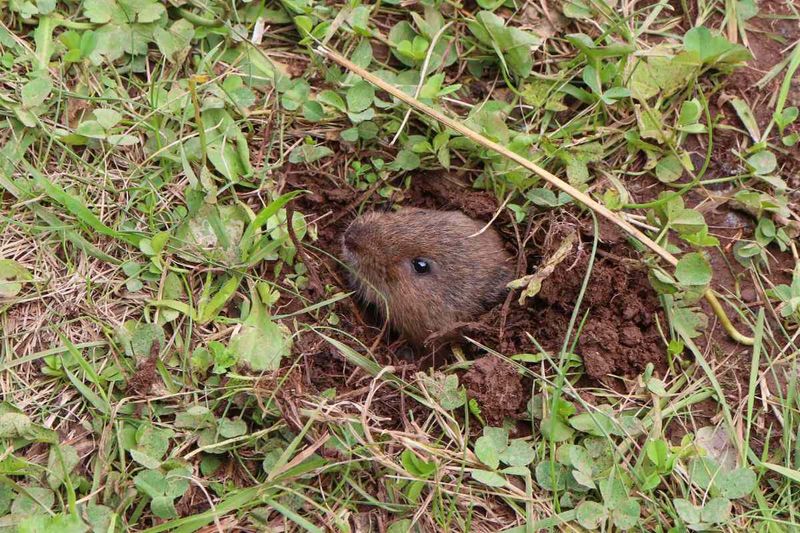
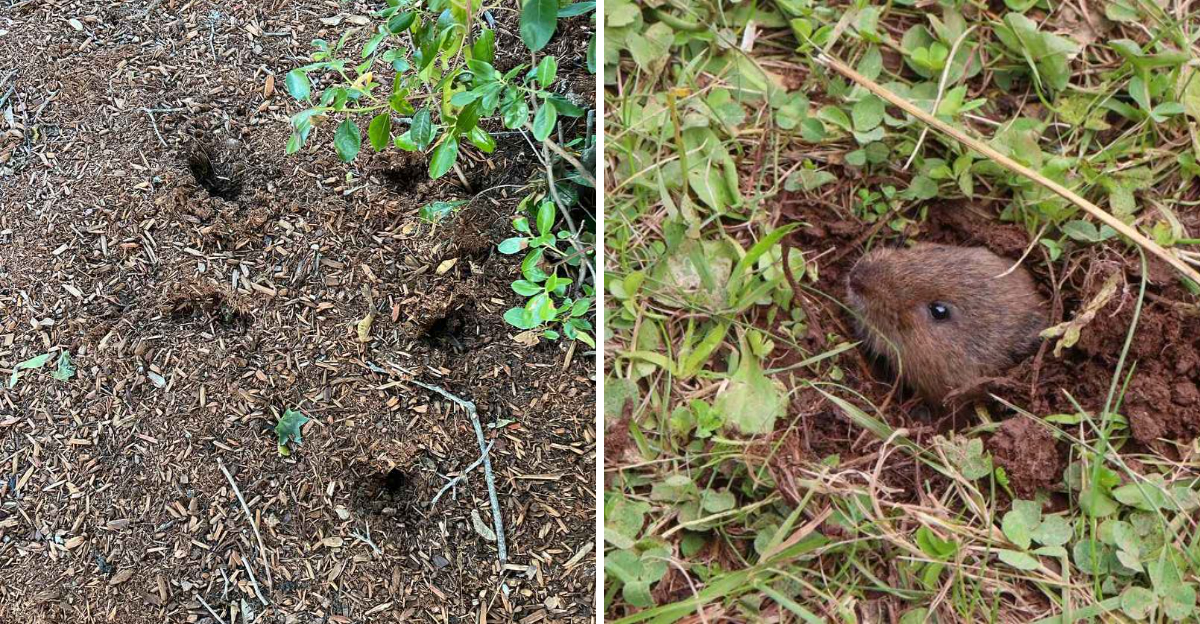
Voles are sneaky, but they always leave clues. Tiny round holes and hidden runways beneath your mulch are like little signatures announcing their presence.
These exit holes usually measure about the size of a quarter and appear near plant bases or along the edges of beds. Unlike mole hills, they lack big mounds of pushed-up dirt. Instead, you will find clean, small openings that lead straight into the ground.
Pine voles keep their tunnels tucked just under the surface, so pressing on the mulch often reveals soft, spongy spots. Following these squishy trails frequently leads you to a busy hole or two.
Spotting the signs early gives you a serious edge. The sooner you notice their activity, the faster you can protect your plants before real harm sets in.
A fun trick many North Carolina gardeners use is the apple test. Place a slice of apple near a suspected hole, cover it with a bucket overnight, and check in the morning.
If the apple has nibble marks, voles are definitely around. Fresh clippings or nipped stems scattered near a hole are another giveaway. Voles often leave little bits of plant material behind as they feed and travel.
Once you learn to read these small signals, your garden starts telling you exactly where the trouble hides. Regular walks through your beds, with a quick peek under the mulch, turn you into a vole detective.
Catching those tiny holes early keeps you one step ahead and your plants thriving all season.
7. Too Much Mulch Makes It Easier
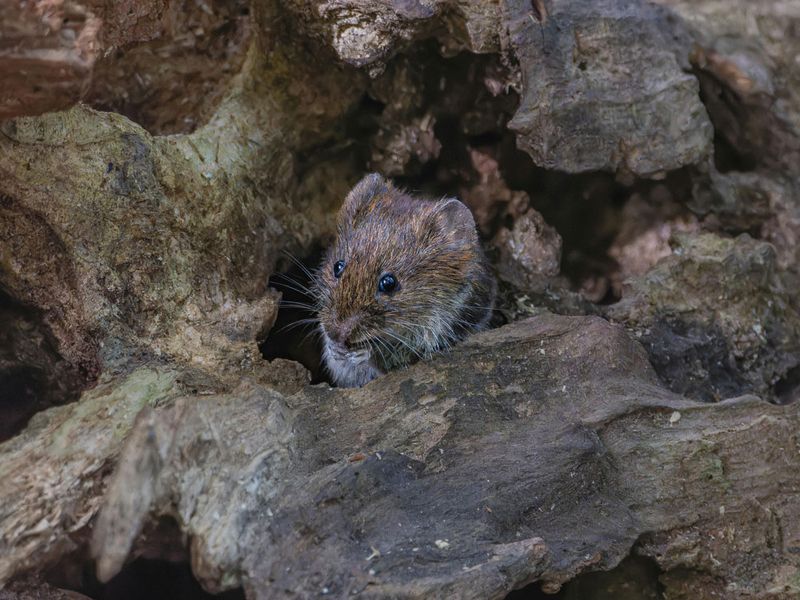
More mulch is not always better, especially when voles are around. Once your layer climbs past two or three inches, you have basically built a five-star hotel for these little tunnelers.
Thick mulch holds warmth and moisture, two things voles absolutely love. A deep pile also gives them room to move, nest, and feed without ever feeling exposed. The extra padding muffles their movement and blocks predators from spotting them.
Gardeners often add heavy mulch hoping to smother weeds and lock in water. Those are great goals, but going overboard turns your helpful layer into a cozy shelter for unwanted guests.
The sweet spot sits right around two to three inches. That amount still protects your soil and plants while giving voles far less room to hide. Anything thicker just rolls out the welcome mat.
North Carolina’s mild seasons already keep voles active most of the year. Adding a deep mulch blanket only makes their lives easier and their numbers larger.
A quick fix is raking through your beds to check the depth. If you sink your fingers in and keep going past a few inches, it is time to pull some back.
Choosing coarser mulch can help too. Chunky bark settles less snugly than fine, fluffy material, giving voles fewer soft spots to burrow into.
Keeping your mulch at a smart depth strikes the perfect balance. Your plants stay healthy and protected, while voles find your garden far less comfortable than they had hoped.
8. Pull Mulch Away From Plant Bases
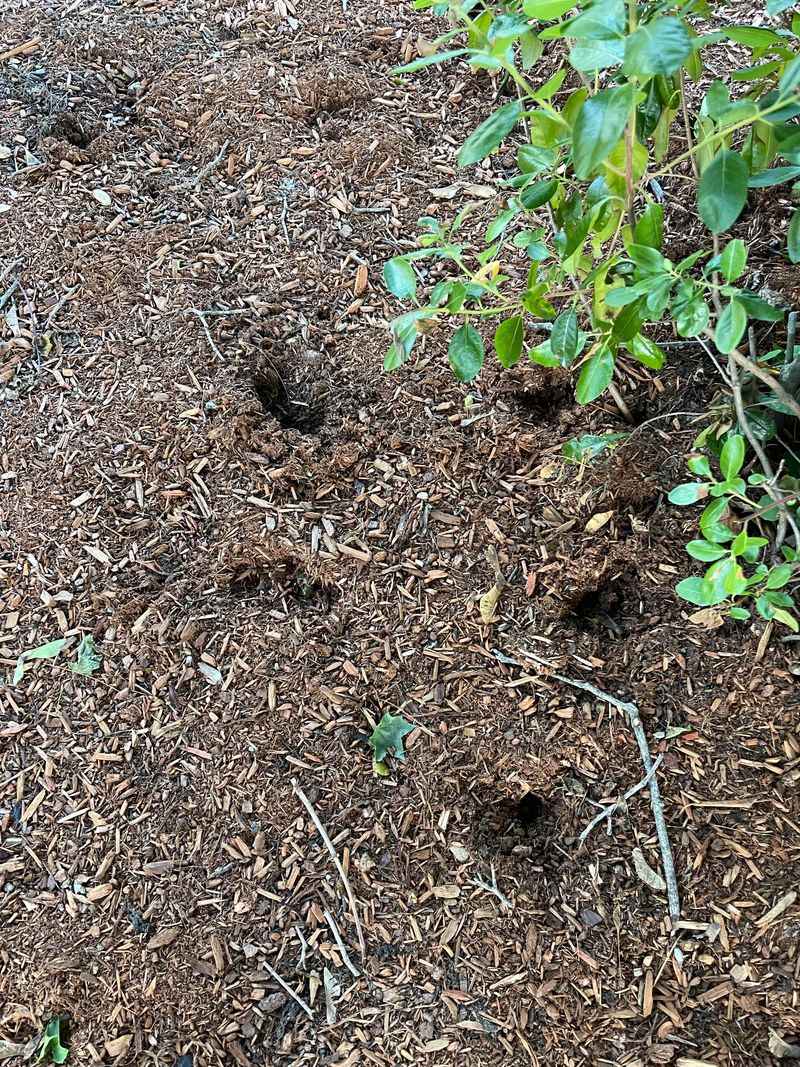
One of the simplest tricks for outsmarting voles costs you nothing but a few minutes. Just pull the mulch back so it never touches your trunks and stems.
When mulch piles right against a plant, it creates a snug hiding spot where voles can gnaw in secret. Leaving a gap of a few inches around each base removes that cover and exposes their favorite dining area.
Without that protective blanket, voles feel far more vulnerable. Predators can see them, and the open space makes them think twice about lingering near your prized plants.
This little habit also helps your plants in other ways. Mulch stacked against a stem can trap too much moisture, which invites rot and disease. Pulling it back keeps the base dry and healthy.
Picture a doughnut shape rather than a volcano. The mulch should form a ring around the plant with a clear opening in the middle, never a mound climbing up the trunk.
North Carolina gardeners who make this small change often notice fewer chewing problems within a single season. It is an easy win that pays off fast.
Take a slow walk through your beds and check each plant. If mulch is hugging any stems, gently sweep it away and shape that open ring.
Pairing this trick with a smart mulch depth gives voles almost nowhere to hide. Your garden stays tidy, your plants stay strong, and those busy little tunnelers finally get the message that your beds are off limits.