The Pennsylvania Shrubs To Prune In August And The Ones To Leave Alone
August can make a Pennsylvania yard look like it is begging for a cleanup.
Branches wander into paths. Shrubs lose their neat outlines. A hedge suddenly looks shaggier than it did in June, and the pruners start to feel very tempting.
That is exactly when timing matters most.
Some August cuts are harmless. Broken, diseased, or badly crossed branches can come off now. A few shrubs tolerate limited cleanup.
Others already carry next spring’s flower buds, and one enthusiastic shaping session can erase months of future color.
So which shrubs actually belong on the pruning list?
The answer depends less on how untidy they look and more on bloom time, bud location, and how much new growth a late cut might trigger before Pennsylvania cold arrives.
August is not a ban on pruning.
It is a month for restraint.
Handle the damage. Skip the heavy reshaping. Learn which shrubs already have plans for next spring.
That little pause can save a surprising amount of spring bloom across your entire yard.
1. Prune Spring Bloomers Only If Timing Still Fits
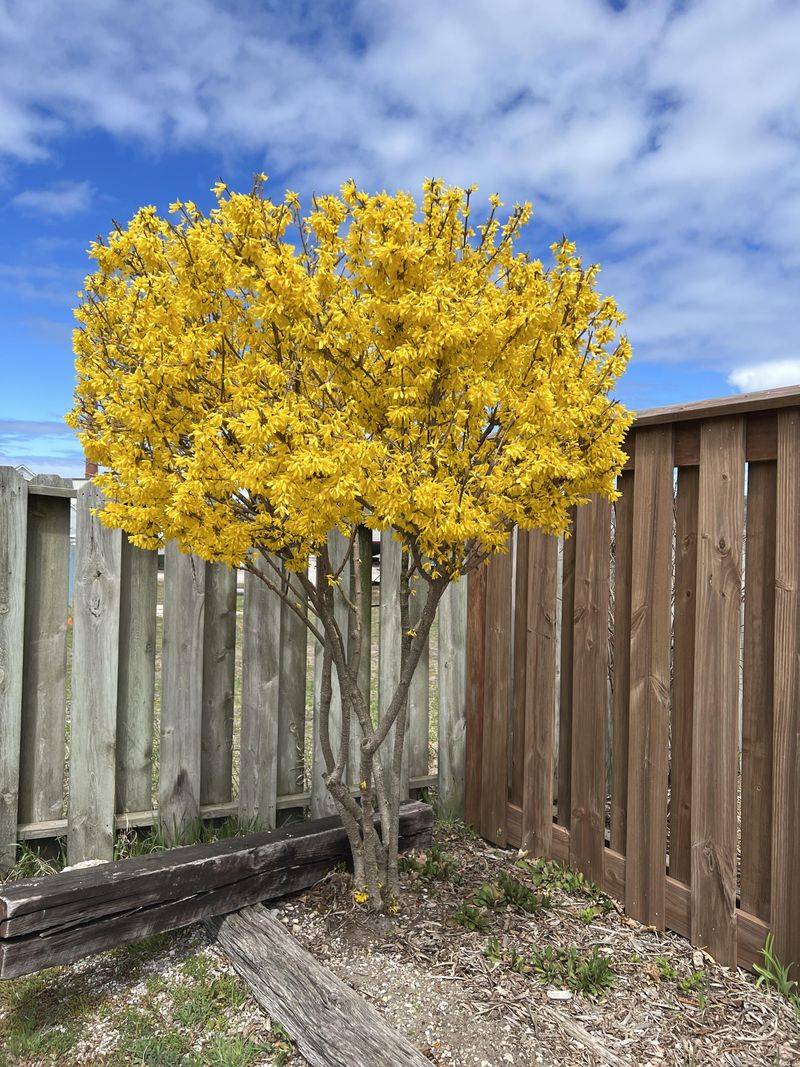
Faded spring flowers can tempt you into one last shaping session, but August is usually too late for a major cut.
Forsythia, weigela, and many spring-blooming spireas flower on wood produced the previous season. After blooming, they begin forming the buds that will open next spring. By August, much of that work is already underway.
That means a hard trim now can remove flowers you have not seen yet.
Leave the main structure alone unless something is clearly wrong. Dead, broken, diseased, or badly crossing branches can still come out. A light corrective snip is very different from reducing the whole shrub by a third.
The safest pruning window for these shrubs is shortly after flowering. That gives them time to produce fresh growth and set next year’s buds before cold weather settles in.
Missed that window this year?
Make a note and wait.
Late-summer pruning can also encourage tender shoots that may not harden fully before Pennsylvania temperatures drop. That is another reason to keep August cuts modest.
Use the month for observation instead. Mark stems that need shortening, note branches crowding a walkway, and plan the bigger job for next season.
The shrub may look a little loose now.
That is usually better than giving spring’s flower display an accidental haircut months before it arrives.
2. Shape Azaleas Before Next Buds Set
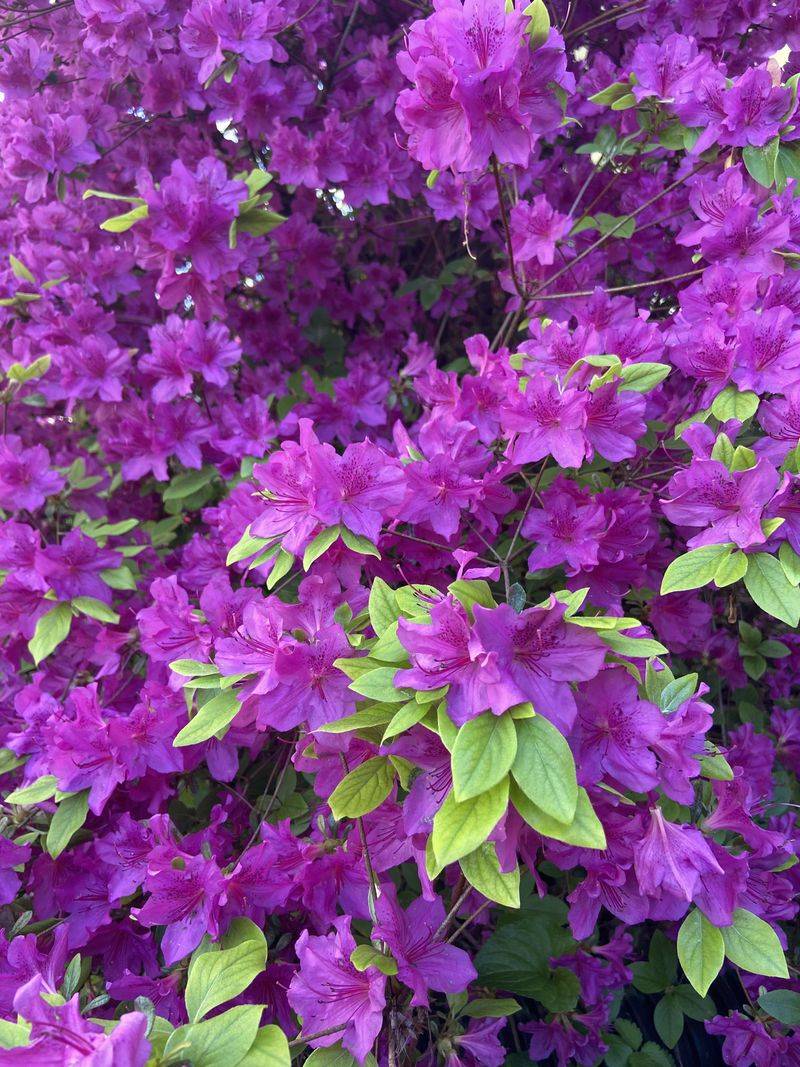
Rounded buds near the ends of azalea branches are a strong reason to put the pruners back in the shed.
Azaleas bloom on old wood. Once this year’s flowers fade, the shrub begins preparing buds for the following spring. In Pennsylvania, that process is often well underway by August.
A hard shaping session now can quietly remove those buds.
Limit late-summer work to obvious problems. A snapped branch, diseased stem, or shoot rubbing badly against another branch can be removed without turning the whole shrub into a renovation project.
Avoid shearing the exterior just to restore a perfect outline.
Your Pennsylvania Garden Changes Every Week. Your Plan Should Too.
Gardening in Pennsylvania changes quickly throughout the season. Every Friday you’ll receive a simple weekly plan showing exactly what to plant, prune, fertilize, harvest, and protect so you never miss the right timing.
That kind of cut removes many branch tips at once, exactly where next spring’s flowers may be developing. It can also encourage soft new growth late in the season, leaving the shrub with extra tender tissue heading toward cold weather.
The better shaping window comes soon after flowering ends.
That is when you can shorten lanky stems, open crowded growth, and bring an oversized plant back into balance while still giving it time to prepare for the next bloom cycle.
For now, inspect rather than reshape.
You may even be able to see the future flower show sitting on the branch tips already.
August restraint can feel like unfinished garden work.
Come spring, an azalea covered in blooms makes a pretty convincing argument that you finished the job exactly right.
3. Trim Lilacs Only After Flowering
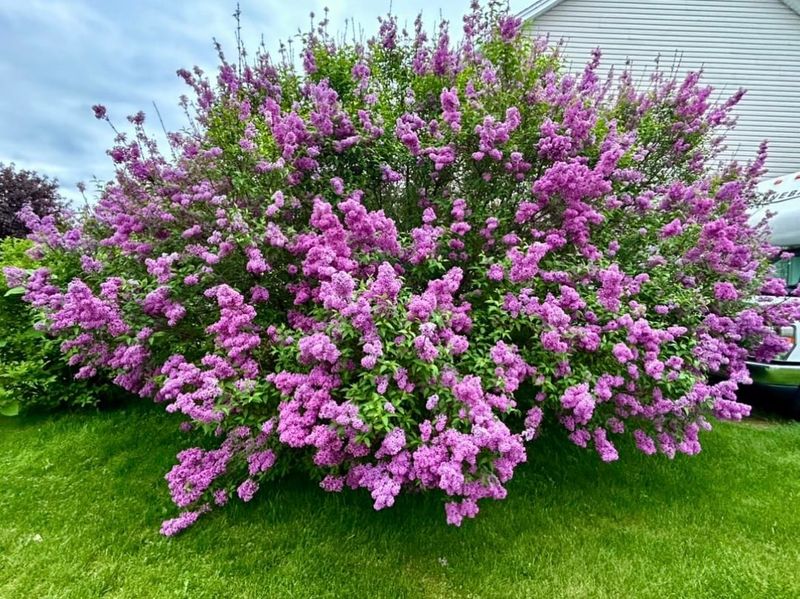
A lilac that sprawled farther than expected this summer can make August pruning look overdue.
Leave the major cuts for another time.
Lilacs form flower buds on older wood after their spring bloom finishes. By late summer, the stems you are considering shortening may already carry much of next year’s flower potential.
Cut them now and the shrub can still survive perfectly well, but the spring display may be noticeably lighter.
Structural pruning belongs close to bloom time instead.
Soon after the flowers fade, remove spent clusters where appropriate, shorten badly placed stems, and begin renewal work on older shrubs.
Large, aging lilacs can be refreshed gradually by removing a portion of the oldest stems near ground level over several seasons.
August is better for emergency cleanup.
Storm-broken wood can come off. A branch scraping siding or creating a genuine obstruction can be shortened carefully. Dead or diseased stems do not need to remain simply because the ideal pruning month has passed.
Just separate necessary correction from cosmetic reshaping.
That distinction protects the buds already waiting inside the canopy and avoids triggering a flush of late growth shortly before cooler weather.
Put a reminder on next spring’s calendar instead.
The lilac may spend August looking slightly untamed.
That is a small price for keeping the branches that will carry next year’s fragrant show.
4. Leave Panicle Hydrangeas For Late Winter
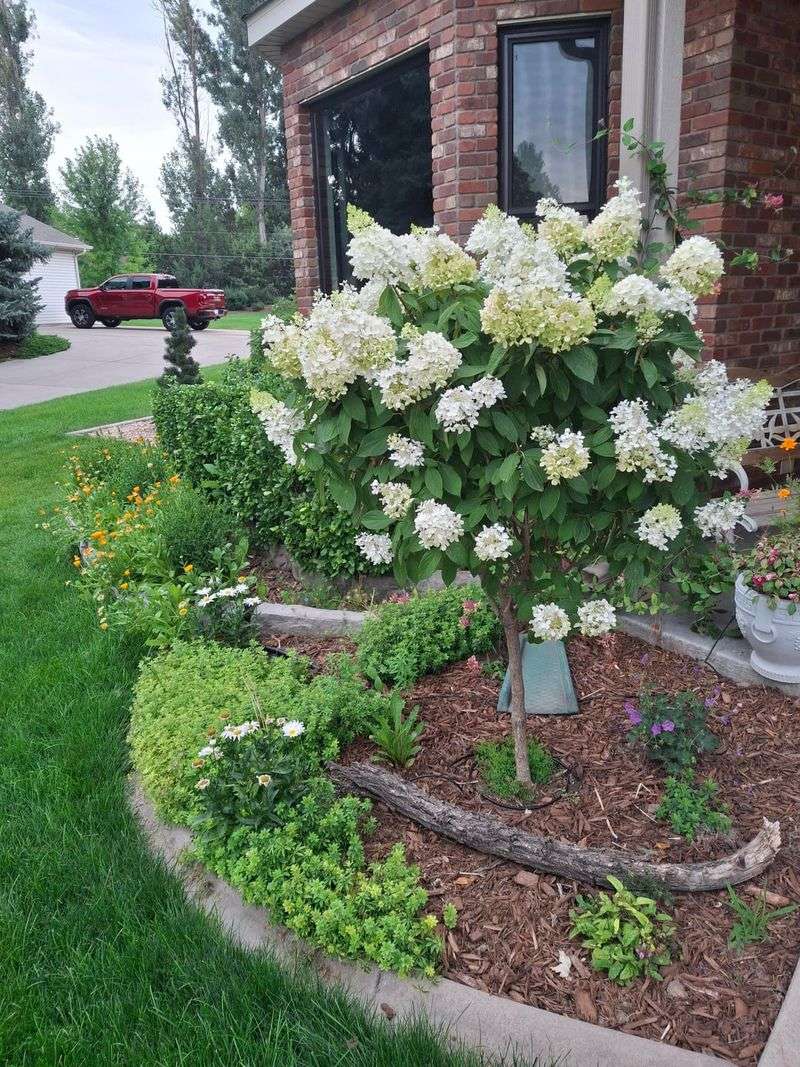
Those giant cone-shaped flower heads are a clear sign that panicle hydrangeas do not need a major August haircut.
Cultivars such as ‘Limelight,’ ‘Quick Fire,’ and ‘Pinky Winky’ bloom on new wood, so their main pruning window is much more forgiving than that of lilacs or azaleas.
Still, late winter or early spring is usually the better time for size reduction and structural work.
August is flowering season.
Cutting hard now removes blooms that are still developing or changing color and may stimulate fresh shoots late in the growing season. Neither result gives you much in return.
Deadheading is optional.
You can remove faded flower heads for appearance, but the shrub does not require it for health. Many gardeners leave the drying panicles in place because they add texture through fall and winter.
Broken or damaged branches can still be cleaned up at any time.
For an overgrown shrub, take photos or mark the stems that need attention, then return in late winter before vigorous spring growth begins. That is the moment to reduce height, remove weak wood, and shape the framework.
Panicle hydrangeas are forgiving plants, but forgiving does not mean every month is equally useful for pruning.
August already gave them a job.
Let them finish the flower show before asking them to report to the barber.
5. Leave Smooth Hydrangeas For Late Winter
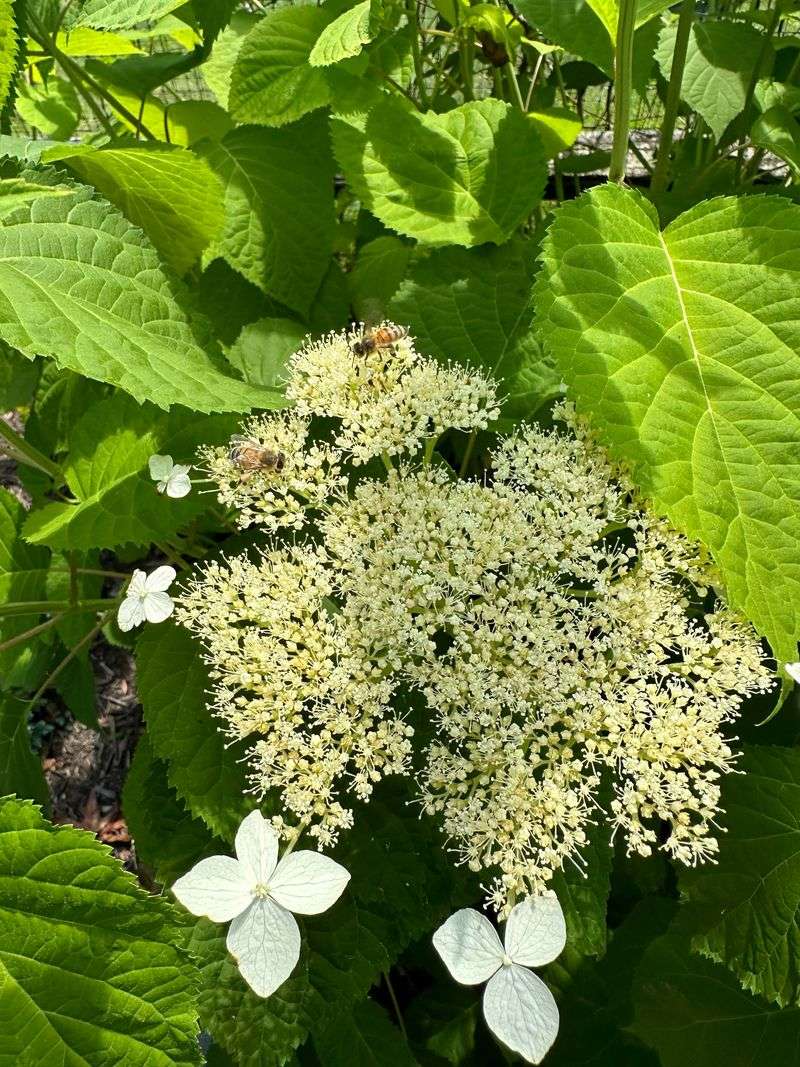
Big white flower heads leaning over a shaded border can make smooth hydrangeas look ready for a trim.
They are better left alone for now.
Smooth hydrangea, including familiar selections such as ‘Annabelle,’ blooms on new wood. That means next year’s flowers are not sitting on the current stems waiting to be cut off. Even so, August is still a poor time for heavy pruning in Pennsylvania.
The shrub is actively finishing its summer growth and flowering cycle.
A hard cut can encourage tender new shoots that have little time to mature before autumn cold arrives. It also removes flower heads that can remain attractive as they fade from white toward tan.
Save the major work for late winter or early spring.
At that point, old stems can be shortened and weak growth removed before fresh shoots begin their seasonal push. Some gardeners cut smooth hydrangeas quite low, while others leave more framework to support the next crop of stems.
August cleanup should stay small.
Remove a branch that snapped, interferes with a path, or shows clear disease. Deadheading is fine for appearance but is not required.
This is one shrub where waiting costs you very little.
The faded blooms can carry the border into fall, and the pruners get a much better assignment when winter starts loosening its grip.
6. Skip August Cuts On Beautyberry
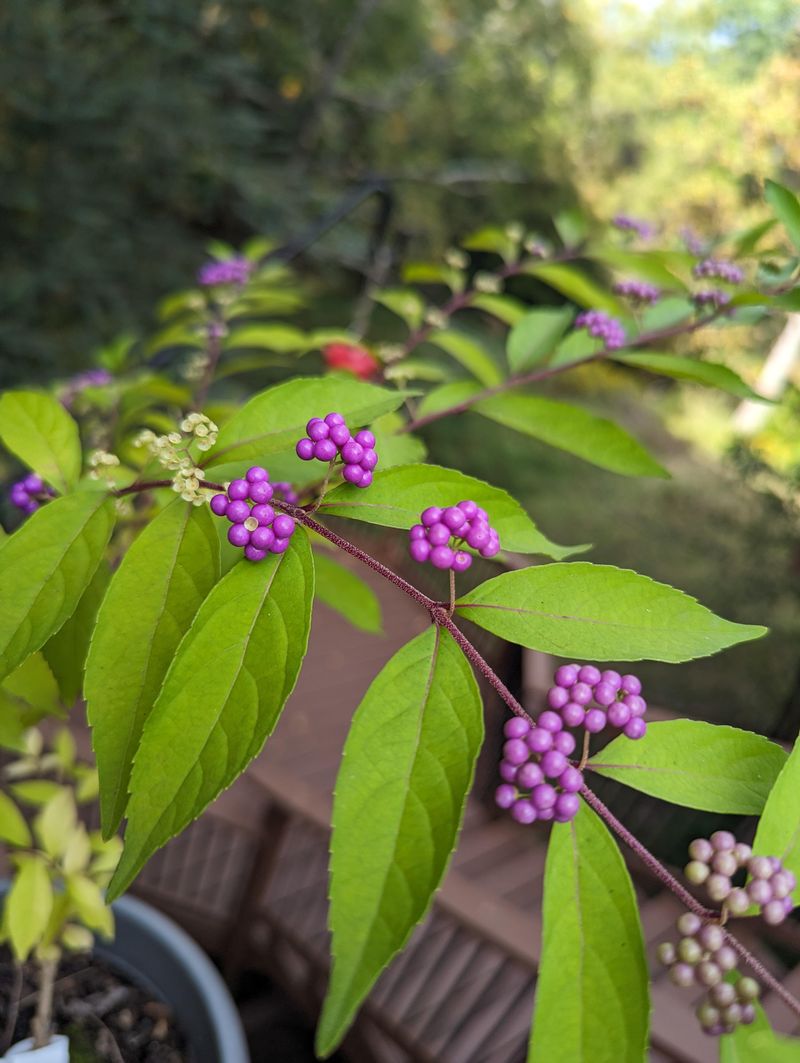
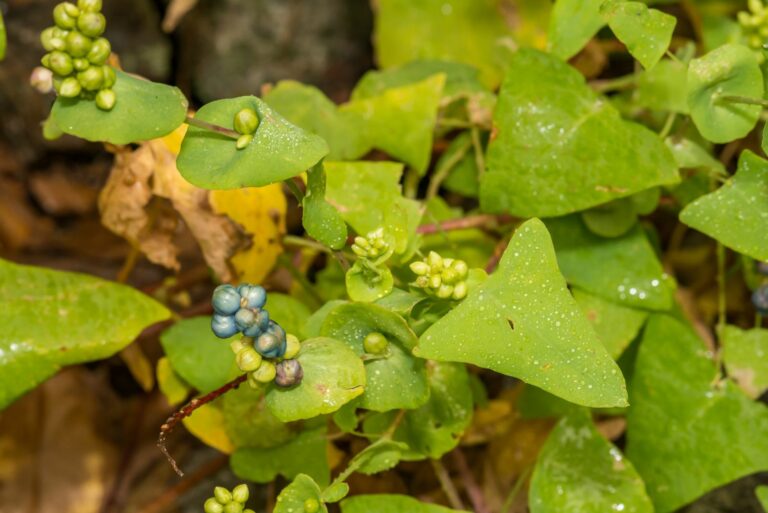
Clusters of developing berries are your signal that beautyberry has already moved beyond the pruning part of its season.
By August, the stems are building the colorful fruit display that makes this shrub worth growing. Cutting them back now removes those clusters before they reach their best color and reduces the food available to birds later in the year.
Leave healthy fruiting wood in place.
American beautyberry flowers on new growth, so major pruning is usually saved for late winter or very early spring.
That timing allows you to shorten old stems before the shrub launches the fresh shoots that will carry the coming season’s flowers and berries.
August cuts should be limited to necessity.
A storm-damaged stem, broken branch, or shoot blocking a walkway can be removed cleanly. Avoid reducing the whole plant merely because the arching habit looks looser than it did earlier in summer.
That relaxed shape is part of the display.
Later, birds may visit the fruit as other food sources become less abundant, giving the shrub value beyond its color.
When late winter arrives, you can decide how hard to cut based on the size and condition of the plant.
For now, the best pruning technique is mostly observation.
Beautyberry spent the growing season making those berries.
August is a poor month to cancel the finale just because the shrub stopped standing at attention.
7. Avoid Late Summer Evergreen Shearing
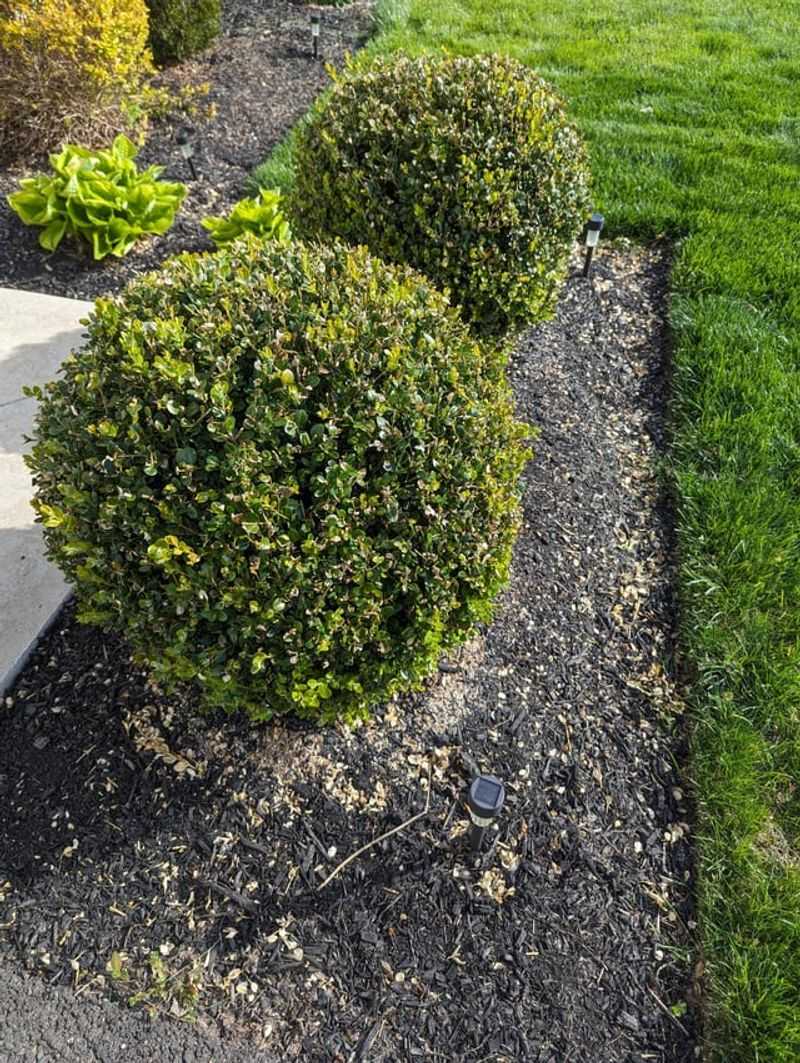
A hedge trimmer can make an evergreen look tidy in minutes and vulnerable for much longer.
Late-summer shearing can stimulate fresh shoots on boxwood, holly, arborvitae, and other evergreen shrubs. In Pennsylvania, that tender growth may not have enough time to harden properly before colder weather arrives.
That is why August is a poor month for a broad haircut.
Species still matter. Boxwood, holly, and arborvitae do not share one identical pruning calendar, so avoid treating every evergreen hedge as though it belongs on the same schedule.
Keep August work targeted.
Remove a broken branch, correct a stem extending dangerously into a walkway, or clip obvious dead material. Skip the all-over shearing that strips the exterior into a perfectly flat wall.
Heavy trimming also has another drawback on some evergreens.
Cuts made beyond the green portion of a branch may leave bare areas that fill slowly or not at all, depending on the species. More pruning is not always a route to more density.
Plan the main shaping for the appropriate season for that shrub, often late winter, spring, or early summer.
The exact timing depends on what you are growing.
August is best treated as maintenance mode.
Fix the branch causing trouble and walk away from the rest.
Your hedge does not need a back-to-school haircut just because the calendar says summer is almost over.