What Yellow Leaves On Oregon Clematis Usually Mean By Late Summer
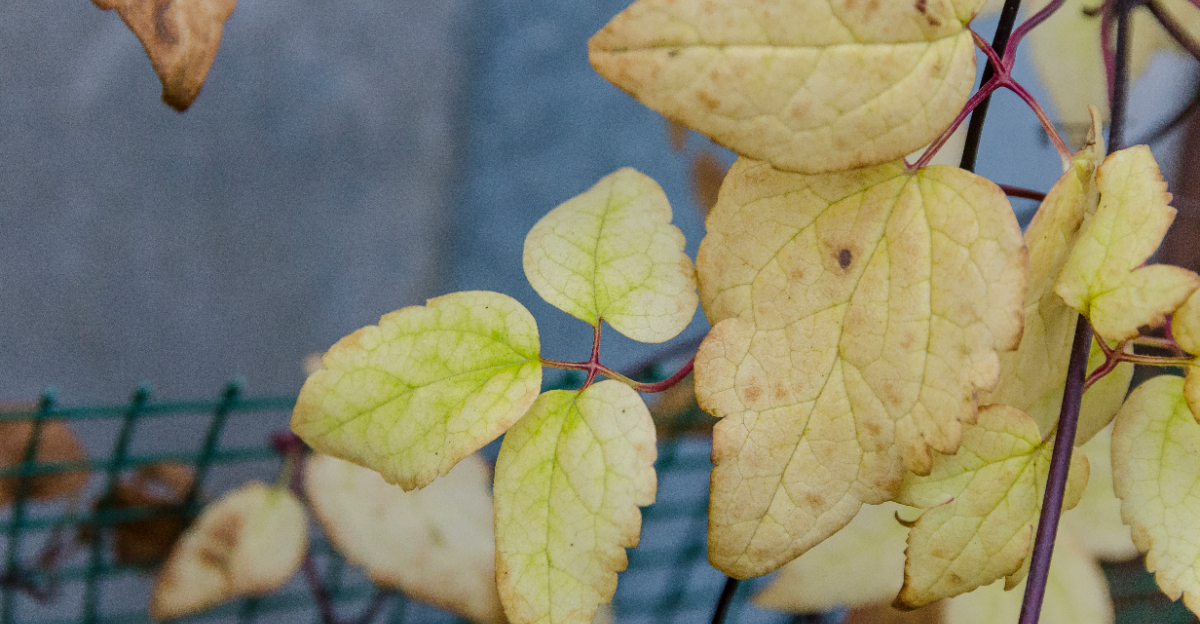
A clematis can still be climbing and flowering while its lower leaves quietly start turning yellow.
By late summer, that change often catches gardeners off guard because the plant may otherwise look healthy.
The yellowing can creep upward slowly or appear in scattered patches, making it hard to tell if the vine is simply winding down or reacting to something that needs attention.
Oregon’s dry stretch can add another layer of stress, especially when roots are warmer or moisture has become inconsistent.
The good news is that yellow leaves do not automatically mean the plant is in serious trouble. The pattern matters, and so does where the discoloration begins.
Once you know what to look for, it becomes much easier to separate normal seasonal changes from a problem worth fixing.
1. Older Leaves Yellowing First Is Often Normal
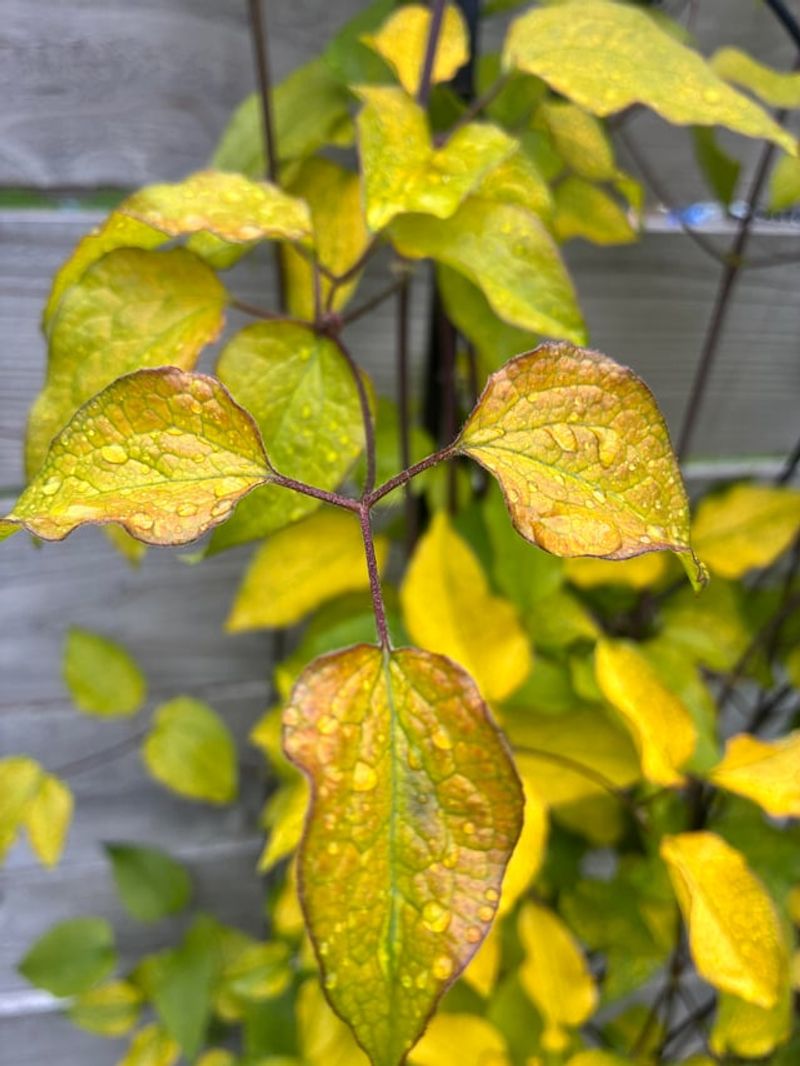
A few yellow leaves near the bottom can look like a warning flag, yet they often tell a calm, ordinary story.
Older foliage receives less light under the vine’s thick summer growth, so the plant gradually stops supporting leaves that no longer produce much energy.
Normal aging usually begins with scattered lower leaves rather than the newest growth at the tips. The yellow color develops slowly, while stems remain firm, flowers look normal, and most of the vine keeps its healthy green color.
Oregon’s shorter days become noticeable by late August, especially in gardens shaded by fences, trees, or buildings.
A clematis may respond by dropping some tired foliage as it shifts energy toward roots and developing seed heads.
Gently remove fully yellow leaves if they release easily, then place them in a yard debris bin. Clearing old foliage improves airflow around the crown and makes later changes, such as spots or sudden drooping, easier to notice.
Avoid giving extra fertilizer simply because several bottom leaves have changed color. Late feeding can encourage tender new growth that may not toughen before cool fall weather arrives, and excess fertilizer can also damage sensitive roots.
Take a photo every week from the same angle to track the pattern.
If yellowing stays limited to old, shaded leaves, continue normal care; if it races upward, reaches young foliage, or comes with limp stems, investigate moisture, drainage, pests, and disease more closely.
2. Dry Roots Can Make The Whole Vine Look Tired
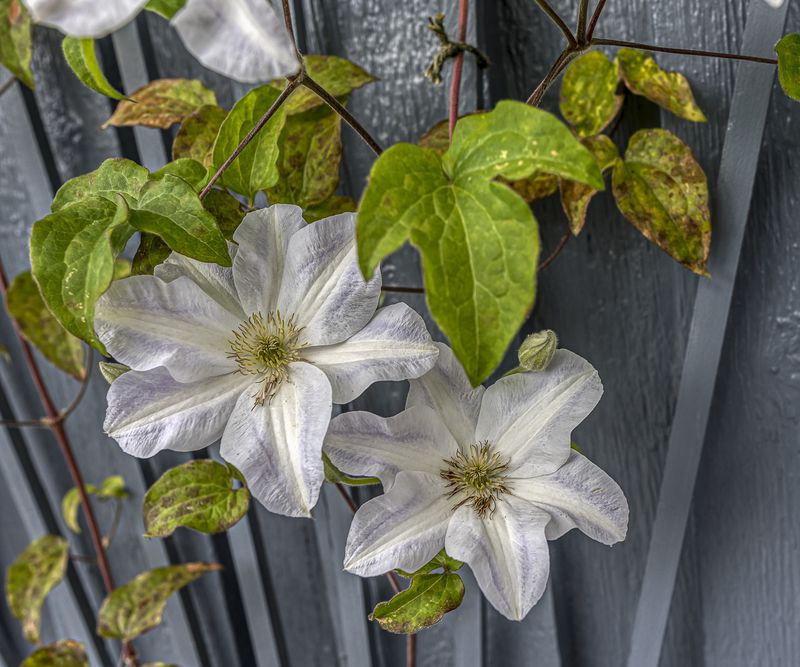
After weeks without steady rain, even an established clematis can look as though someone turned down its energy.
Leaves may fade from green to pale yellow, curl at the edges, or hang loosely during the hottest part of the afternoon.
Western Oregon summers are much drier than spring, and rainfall may be scarce when vines are carrying flowers and thick foliage.
Soil beside walls, fences, roof overhangs, and large trees often dries faster because roots compete for limited moisture.
Push a finger, wooden skewer, or small trowel three inches into the ground near the root zone. Dusty soil at that depth suggests the plant needs water, while damp soil means another cause deserves attention.
Your Oregon Garden Changes Every Week. Your Plan Should Too.
Gardening in Oregon changes quickly throughout the season. Every Friday you’ll receive a simple weekly plan showing exactly what to plant, prune, fertilize, harvest, and protect so you never miss the right timing.
Water slowly and deeply around the root area instead of spraying only the leaves. A gentle hose flow or drip line used in the morning allows moisture to soak downward, where clematis roots can reach it.
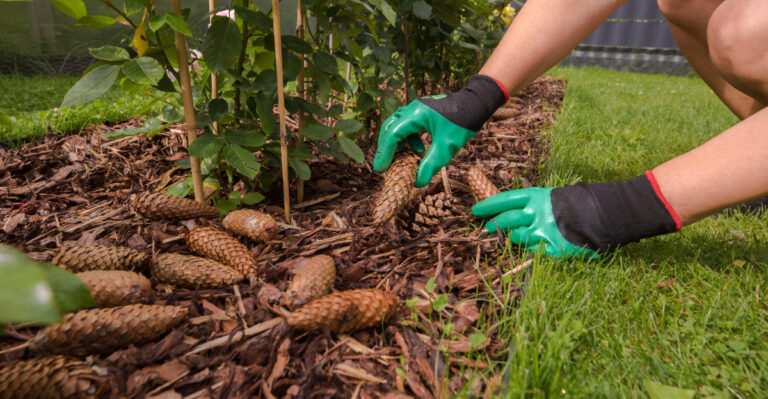
Add two or three inches of compost, bark, or leaf mulch after watering, leaving a small open circle around the stems.
Mulch slows evaporation and helps soil moisture stay more even during Oregon’s warm afternoons and cool nights.
Do not try to fix severe dryness with daily shallow splashes, since that encourages roots near the surface.
One thorough watering, followed by another check several days later, is usually better; healthy color may not return to yellow leaves, but fresh growth should look stronger and more comfortable.
3. Too Much Water Can Yellow Clematis Just As Fast
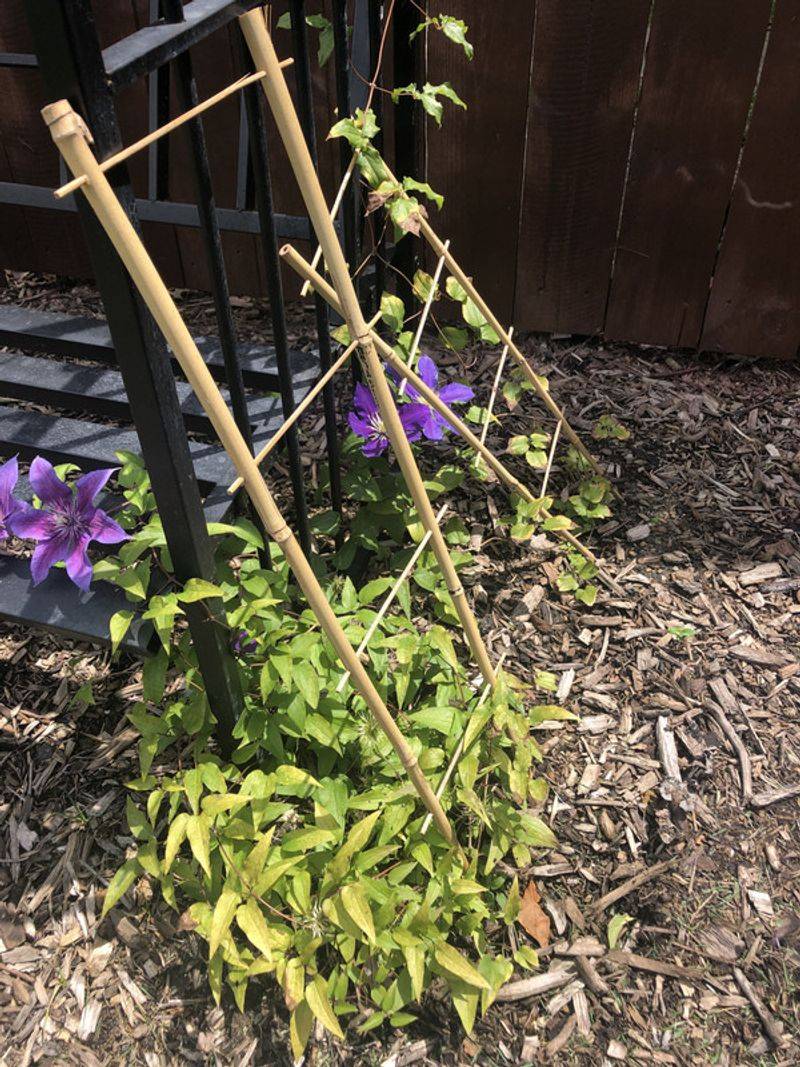
Water can be a surprising troublemaker when a yellow clematis seems thirsty at first glance.
Constantly wet soil pushes air out of tiny spaces around the roots, making it harder for the vine to take up water and nutrients properly.
Overwatered plants often have soft yellow leaves, weak growth, and soil that remains damp for days.
The symptoms can resemble drought stress, so adding more water without checking below the surface may make the situation worse.
Automatic sprinklers are common culprits because lawn schedules rarely match clematis needs. Runoff from patios, downspouts, raised beds, or a neighbor’s irrigation may also keep one garden corner wetter than expected during Oregon’s otherwise dry summer.
Before watering, dig a narrow test hole four inches deep several inches from the crown. If the soil feels cool and sticks together in a muddy clump, wait and test again later rather than watering by habit.
Adjust sprinkler heads so they do not soak the vine every day, and repair leaking hoses or drip fittings.
Watering in the morning gives the soil surface and foliage time to dry, which also reduces conditions that favor leaf problems.
A moisture meter can offer another clue, but compare its reading with what the soil feels like in your hand.
Improvement comes gradually after watering is corrected; remove badly faded leaves, watch new growth, and keep records so seasonal irrigation becomes easier to manage next year.
4. Hot Soil Around The Crown Can Stress The Plant
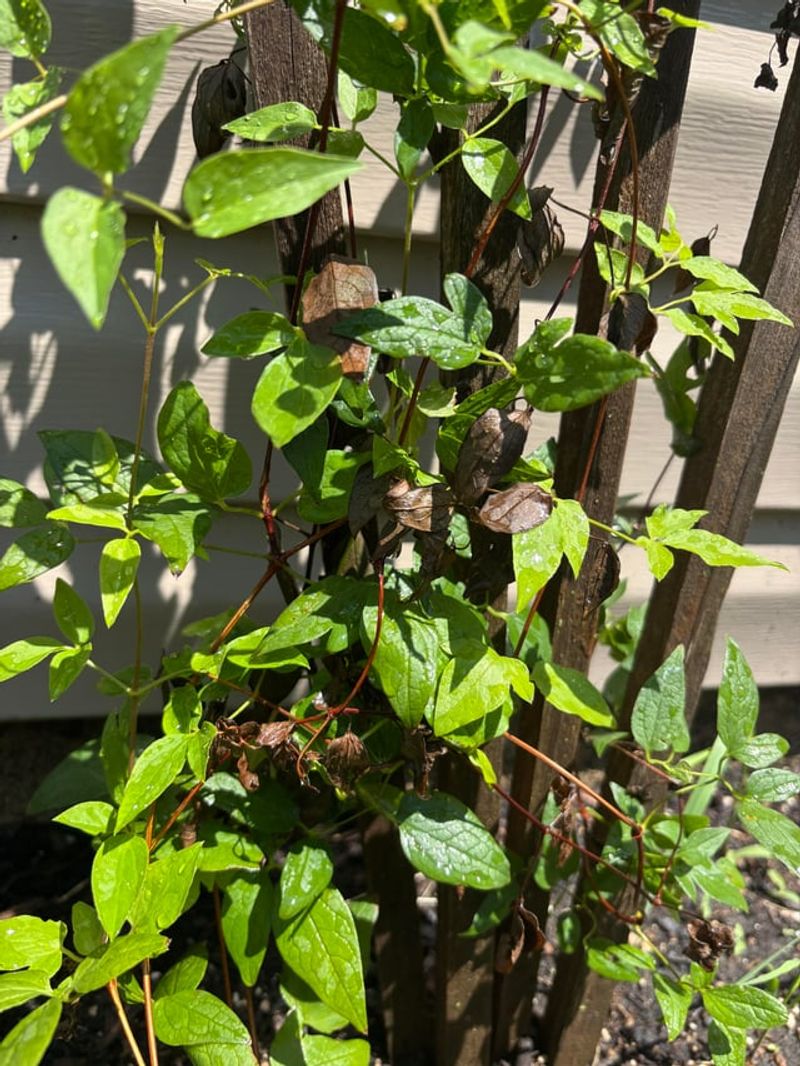
Clematis enjoys reaching toward sunshine, but its root area prefers conditions closer to a cool woodland floor.
When bare soil bakes beside a south-facing wall or stone path, the crown may become stressed even when deeper ground contains some moisture.
Heat stress can bring pale leaves, brown edges, slow growth, and afternoon drooping. Dark rocks, concrete borders, metal planters, and reflective siding may raise temperatures around the base far above the surrounding air.
Feel the soil surface with your palm during midafternoon, taking care around hot stone or metal.
If it feels uncomfortably warm, protect the root zone rather than immediately increasing water, since wet and overheated soil can create another set of problems.
Spread two to three inches of light, loose mulch over the surrounding ground. Shredded bark, finished compost, or dry leaves can block direct sun, reduce sudden temperature swings, and preserve moisture without forming a heavy sealed layer.
A small companion plant may provide shade, although it should have shallow, modest roots that will not compete strongly. Position it far enough away to keep air moving and leave the clematis crown visible for inspection.
Avoid stacking rocks directly over the roots as a cooling method because stone may store heat into the evening.
With better shade and steady moisture, new leaves should appear healthier, while existing yellow foliage may remain unchanged; judge recovery by fresh growth and firmer stems over the following weeks.
5. Nutrient Shortages Often Show Up In The Leaves
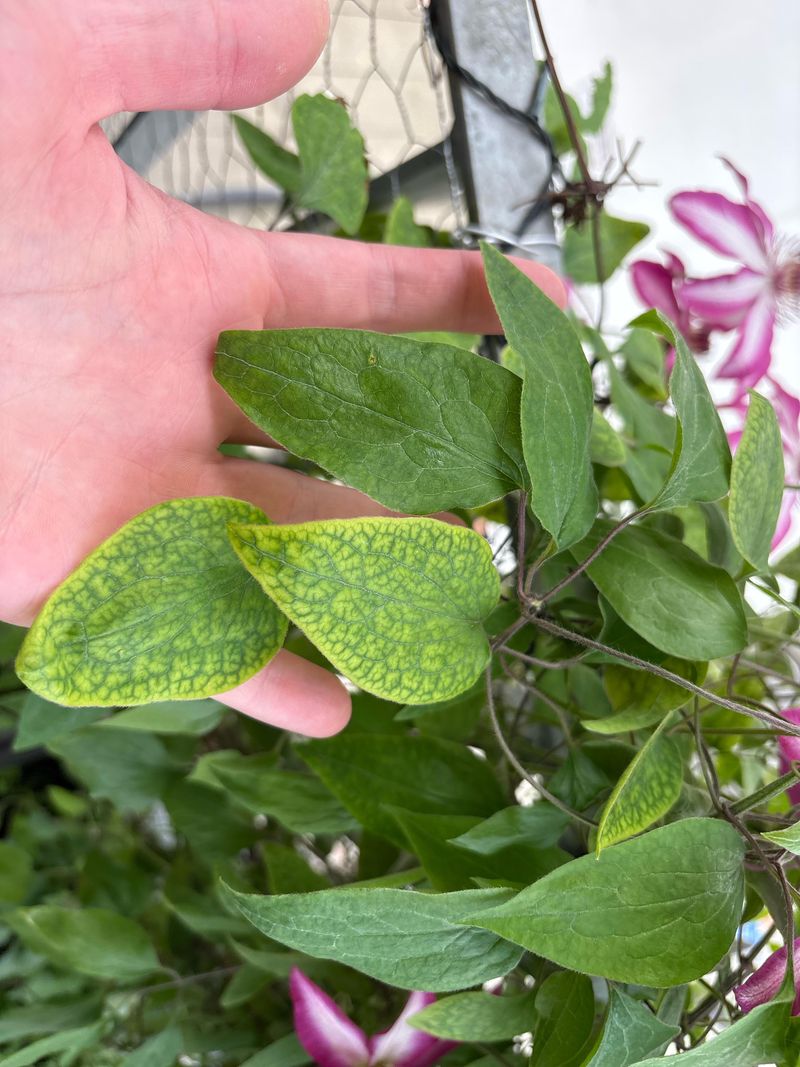
Leaves sometimes act like tiny garden report cards, using color patterns to show what the soil cannot supply.
A shortage is more likely when yellowing follows a clear pattern instead of appearing randomly across damaged or shaded foliage.
Nitrogen shortage usually makes older leaves evenly pale before younger ones change. Low iron often causes yellow tissue between green veins on newer leaves, especially where soil is too alkaline for roots to use the iron already present.
Guessing from color alone can be tricky because wet roots, dry soil, and root damage can produce similar signs.
Check moisture and drainage first, then consider a soil test through an Oregon State University Extension recommended laboratory or reliable local service.
A test can reveal soil pH and nutrient levels, helping you avoid products the garden does not need. Clematis generally grows well in slightly acidic to neutral soil, although individual conditions and cultivars can vary.
If results show low fertility, apply a balanced fertilizer according to its label, using a light hand. Water the soil before and after feeding, keep granules away from stems, and avoid strong applications during very hot weather.
Finished compost can support soil structure and supply nutrients slowly, but it is not an instant cure for every yellow leaf.
Watch the newest foliage for improvement because old leaves may never turn green again; steady growth, normal leaf size, and better color provide stronger evidence that the correction worked.
6. Poor Drainage Can Leave Roots Struggling
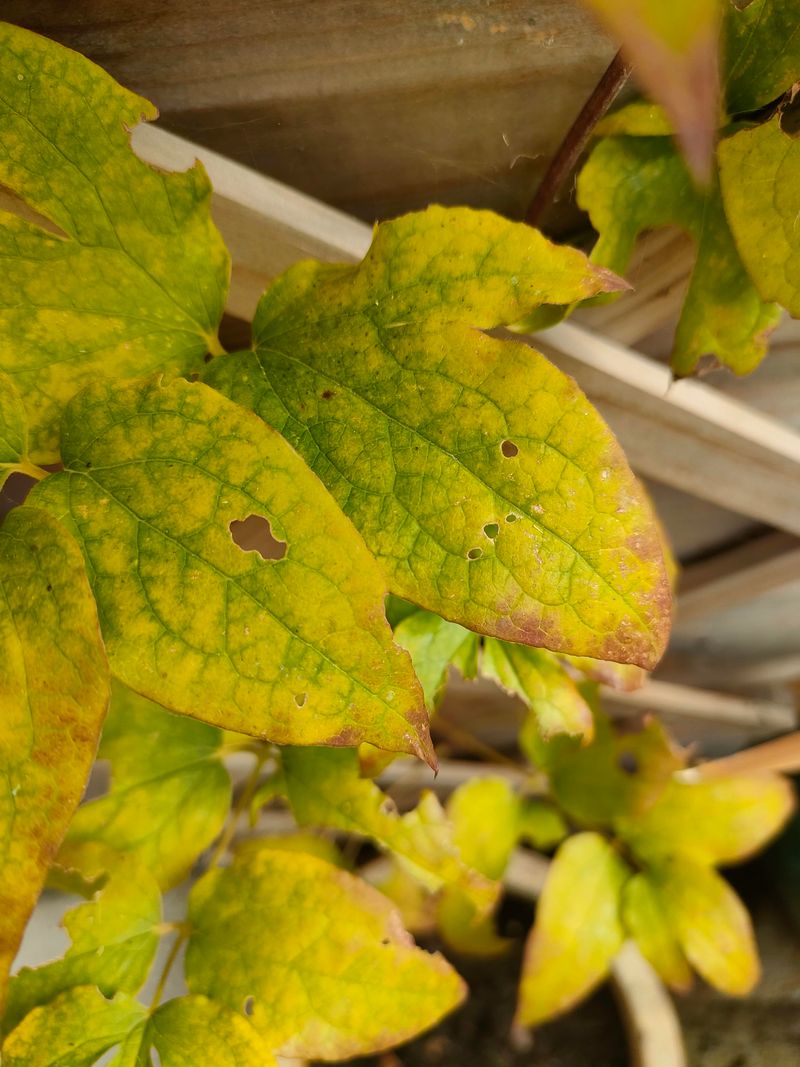
Heavy clay can fool a gardener by looking dry and cracked on top while holding water underneath.
Clematis roots need both moisture and oxygen, so a planting hole that behaves like a bathtub may cause lasting yellow foliage.
Poor drainage is especially common at the bottom of slopes, beside compacted walkways, or where builders left dense subsoil. Water may collect after irrigation, and the ground can develop a sour smell or remain sticky long after nearby areas dry.
Dig a small inspection hole away from major roots and fill it with water. If water remains for many hours, drainage is slow; avoid poking repeatedly around the crown, since careless digging may harm the vine.
Short-term help begins with reducing irrigation and directing roof or pavement runoff elsewhere.
Keep heavy mulch from becoming waterlogged, and do not add gravel beneath the plant because abrupt soil layers can sometimes trap water above them.
For a serious site problem, create a broad raised planting area using suitable topsoil and compost, not a narrow mound.
Moving an established vine is best planned during cool, mild weather, with support ready and as much of the root system preserved as possible.
Improving drainage takes patience, but the payoff reaches beyond leaf color.
Better soil structure supports stronger roots, steadier flowering, and improved resistance to summer stress; monitor moisture through fall and winter too, since rain can expose drainage trouble that stayed hidden during the dry season.
7. Spider Mites Can Hide Behind Fading Foliage
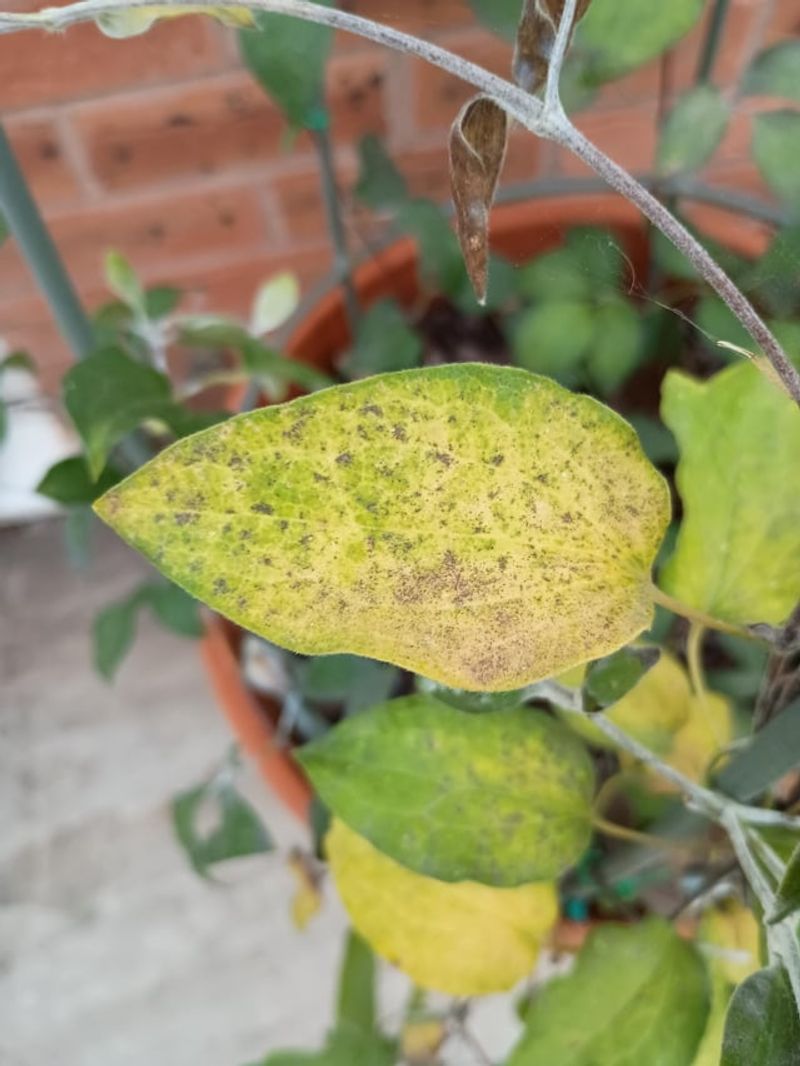
A yellow leaf may hide a miniature crowd on its underside. Spider mites are tiny relatives of spiders, and they thrive during warm, dry weather, making late summer a prime time for trouble in Oregon gardens.
Early damage looks like pale pinpricks scattered across leaves, almost as if the green color were gently sandblasted away. As feeding continues, foliage may turn bronze or yellow, while fine webbing appears around veins, stems, and leaf joints.
Hold a sheet of white paper beneath a suspicious leaf and tap the branch. Moving specks on the paper suggest mites, and a magnifying glass can help confirm their small oval bodies.
Begin control by spraying leaf undersides with a firm stream of water, supporting delicate stems with your free hand.
Repeat every few days for a couple of weeks, and keep the root zone properly watered so the vine handles stress better.
Remove heavily damaged leaves and discard them with yard debris rather than leaving them below the plant. Encourage helpful insects by avoiding broad, harsh pesticides, which can reduce natural mite predators and allow populations to rebound quickly.
If water sprays are not enough, choose insecticidal soap or horticultural oil labeled for spider mites and clematis.
Follow every label direction, test a small area first, and never spray oil on a very hot day; continued checks matter because eggs may hatch after the first treatment.
8. Clematis Wilt Is Different From Simple Yellowing
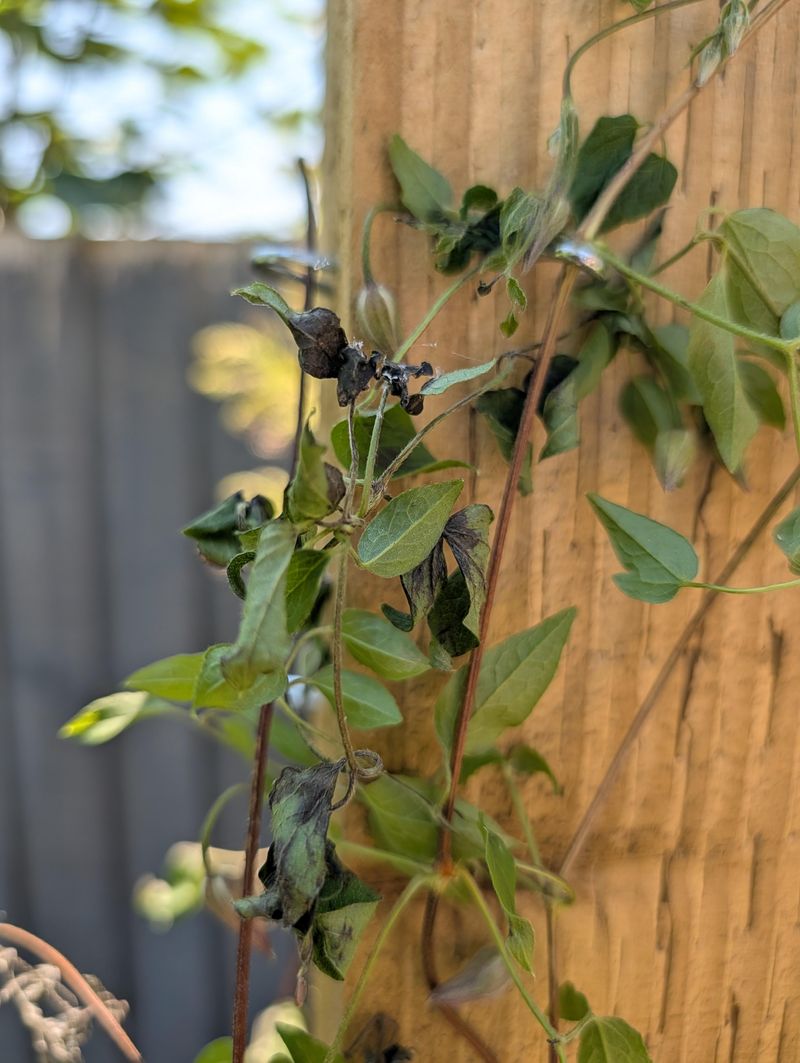
Sudden collapse tells a very different story from a few leaves slowly fading near the ground.
Clematis wilt often causes one stem, or sometimes much of a vine, to droop quickly even though the soil contains enough moisture.
Affected stems may turn dark near the soil line, and leaves above that point become limp or blackened.
Simple late-summer yellowing usually moves gradually, leaves remain attached for a while, and stems continue holding their normal shape.
Inspect the vine from the wilted tip downward, looking for a dark, damaged, or sharply bent section. Also check ties and trellis gaps because a pinched or broken stem can copy the sudden appearance of wilt.
If a stem shows clear wilt symptoms, prune it back to healthy tissue or close to ground level using clean tools. Bag suspicious material, then sanitize the blades before cutting another clematis or working elsewhere in the garden.
Do not assume the entire plant is lost, since many large-flowered clematis can send up fresh shoots from buds below the soil. Maintain even moisture, protect the crown, and avoid strong fertilizer while the roots support recovery.
Persistent or confusing symptoms deserve help from an Oregon State University Extension office, local master gardener clinic, or qualified plant professional.