Why A Black Racer Showing Up In Your Florida Yard Isn’t Bad News
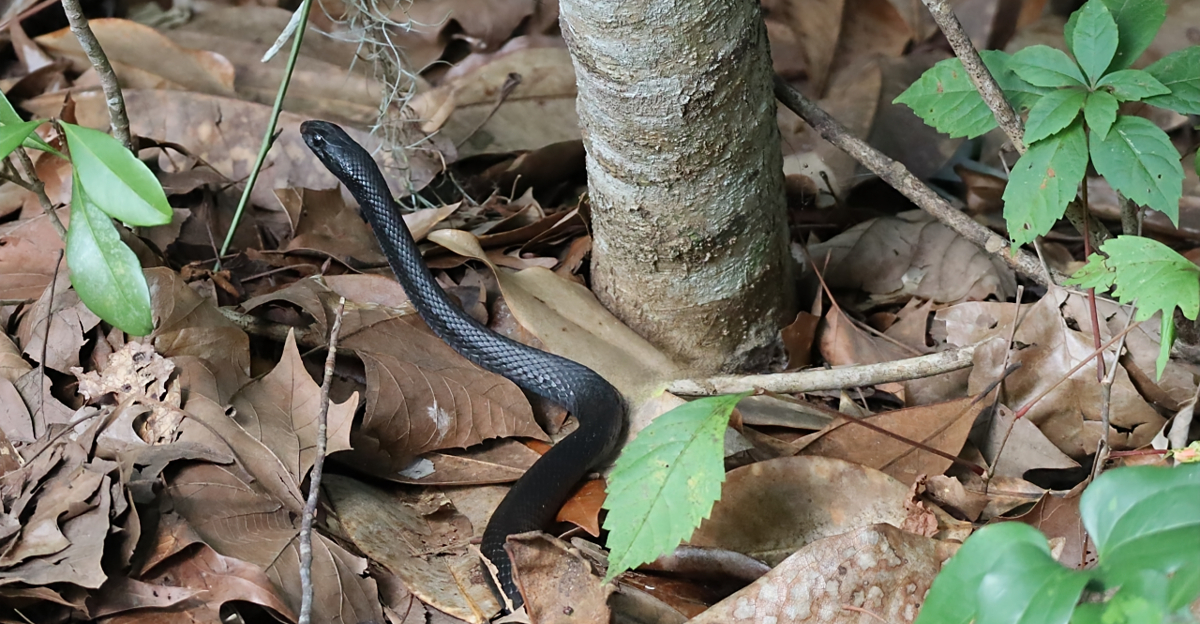
A black racer crosses a Florida yard at speed and the afternoon stops. That glossy black length covering ground faster than expected.
The alarm arrives before the brain catches up with what it actually saw. The reaction is understandable.
The conclusion it leads to is almost always wrong. Black racers are one of the better yard visitors a Florida property can attract.
Non-venomous, fast, and focused entirely on the prey list that most Florida homeowners would pay to have managed. Rats, mice, lizards, the occasional venomous snake that a black racer pursues without hesitation.
A yard they move through regularly is a yard under active pest management. Free, continuous, and considerably more effective than most products applied on a schedule.
The snake that caused the alarm is doing real work out there. That is worth knowing before anyone reaches for a shovel.
1. That Fast Black Snake Is Hunting Not Looking For Trouble
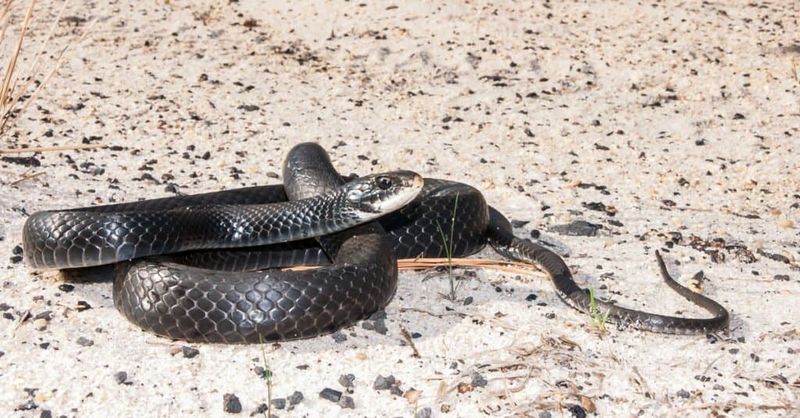
A dark streak crossing the grass can look dramatic, but the snake has ordinary business to handle. Racers actively explore their surroundings instead of waiting in one spot for every meal.
They scan sunny edges, low plants, and ground cover for prey or a safe path onward.
Quick movement also helps them travel between useful feeding areas. A racer may cross a lawn, patio, driveway, flower bed, or woodland edge during normal daytime activity.
It could be hunting, seeking shelter, warming up, or simply moving through the Florida property.
When surprised, the snake often heads toward the closest cover. If bushes, boards, or thick plants are near a person, its route may seem alarmingly direct.
That does not mean the animal is pursuing someone or planning an attack.
Watch from a comfortable distance and keep the escape path open. Trying to grab, block, or corner any wild snake can bring defensive reactions.
A trapped racer may raise its head, strike, or release strong-smelling musk.
Most outdoor encounters end quickly when people step back. The snake usually slips under vegetation or continues beyond the yard.
There is no need to chase it or force it elsewhere.
Speed is the feature that gave racers their familiar name. Rather than showing hostility, that burst of motion is usually part of a normal survival strategy.
2. Lizards And Frogs Give Racers A Reason To Cross The Yard
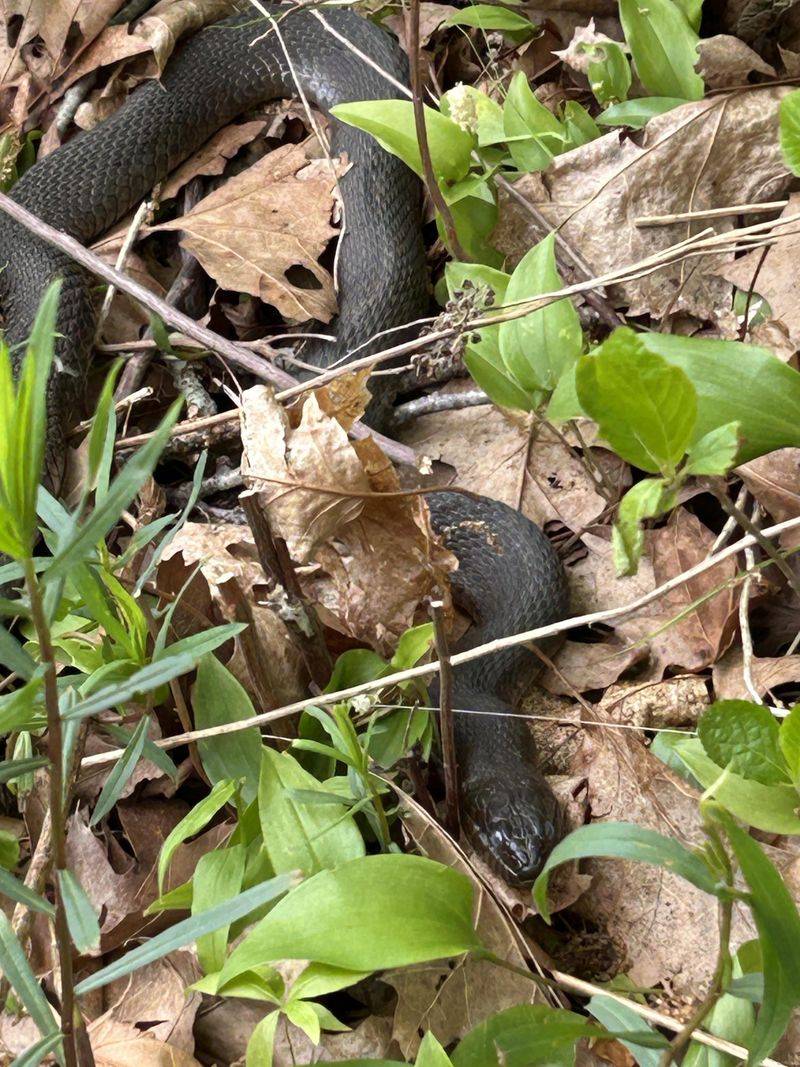
Garden edges can work like small wildlife highways, especially when food and cover sit close together. Frogs and lizards are important parts of a southern black racer’s broad regional diet.
Small snakes may also become prey when a suitable opportunity appears.
Shrubs offer shade and hiding places for many lizards. Ponds, damp soil, and irrigation zones may support frogs and insects.
Leaf litter shelters tiny animals, while sunny borders give reptiles places to warm themselves.
A racer notices those living resources, not the brand or color of an ornamental plant. Its presence does not mean a certain flower or shrub attracts snakes by itself.
The animal responds to prey, cover, temperature, moisture, and connected travel routes.
Your Florida Garden Changes Every Week. Your Plan Should Too.
Gardening in Florida changes quickly throughout the season. Every Friday you’ll receive a simple weekly plan showing exactly what to plant, prune, fertilize, harvest, and protect so you never miss the right timing.
Not every garden with frogs or lizards will receive a racer. Nearby habitat, barriers, weather, and chance all affect where an individual travels.
Normal garden wildlife should not be labeled an infestation merely because a predator finds it.
Consider a hedge beside a sunny wall and a damp planting bed. Lizards may forage there each morning, while frogs use the moist area after watering.
A racer could pass along that same edge more than once because it offers food and quick shelter.
Repeated travel through one border can therefore have a simple explanation. The yard contains a useful route with prey nearby, rather than a mysterious feature drawing snakes to the house.
3. Rodents Sometimes End Up On The Menu Too
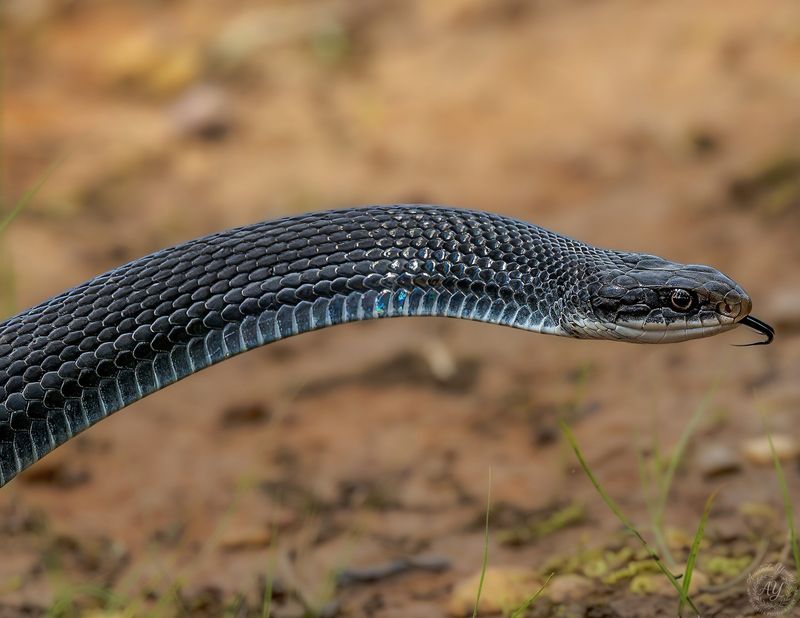
Mice can become a meal when a racer meets one at the right size and moment. Racers do eat small mammals, yet rodents are only one category in a varied menu.
Their choices change with prey size, location, season, and what is available.
People often assume every long yard snake arrived because rats are nearby. That conclusion is too simple for this active generalist.
Frogs, lizards, small snakes, insects, nestling animals, and other suitable prey can also draw its attention.
One passing racer does not promise noticeable rodent control. It may never encounter a mouse on the property, or it may leave soon afterward.
Homeowners should not try to attract snakes as a method for managing rodents.
Persistent mouse or rat signs around buildings need direct action. Store pet food and birdseed in secure containers, clean spilled seed, and keep garbage covered.
Seal safe-to-close gaps after checking that no animal is trapped inside.
Clutter beside walls can give small mammals protected resting places. Trim heavy growth near foundations and move stacked materials away from the building when practical.
Professional help may be useful when activity continues or entry points are hard to locate.
A racer’s broad diet helps explain why it travels through many kinds of yards. Rodents sometimes appear on the menu, but they are not the whole story.
The sighting alone cannot reveal which prey the snake was seeking.
4. Daytime Activity Makes These Snakes Easier To Notice
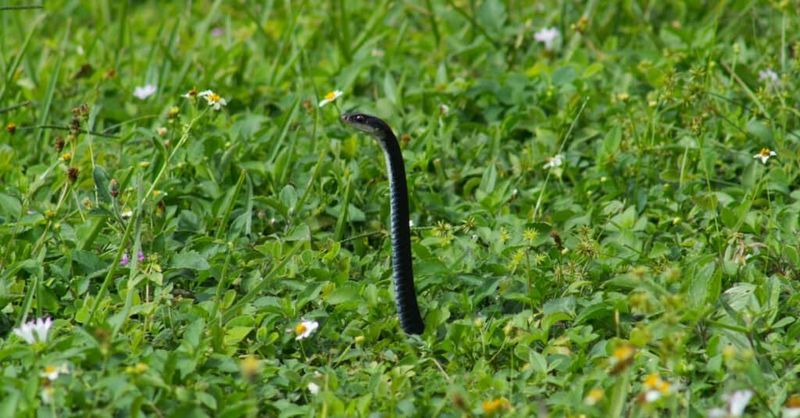
Broad daylight gives Florida homeowners a much better chance of spotting this speedy visitor. Southern black racers are active mainly during the day, when people are also mowing, gardening, and walking pets.
Shared hours make encounters more likely to enter human memory.
Basking can place a racer along a sunny border, path, or open patch. Hunting and routine travel may bring it across exposed grass.
Warm mornings and other sunny periods can encourage movement, although there is no fixed schedule for every individual.
High visibility does not prove that a property holds more racers than nearby yards. One animal may cross several lots while searching for prey, shelter, or comfortable conditions.
Neighbors might never notice the same traveler behind a fence or hedge.
Many other snakes spend more time beneath leaves, inside cover, or moving when fewer people are outside. Their quieter habits make them seem uncommon even when they use the wider area.
Racers take quick, obvious routes that readily catch the eye.
Weather, shade, disturbance, and food can shift when activity happens. The species is not limited to a single hour or one narrow part of the year.
Local conditions matter more than a simple clock-based rule.
A daytime sighting therefore says as much about visibility as abundance. The racer seems unusually common because its movement is easy to witness.
Seeing one clearly does not mean many unseen snakes are gathering around the home.
5. A Racer In The Garden Points To A Busy Backyard Food Web
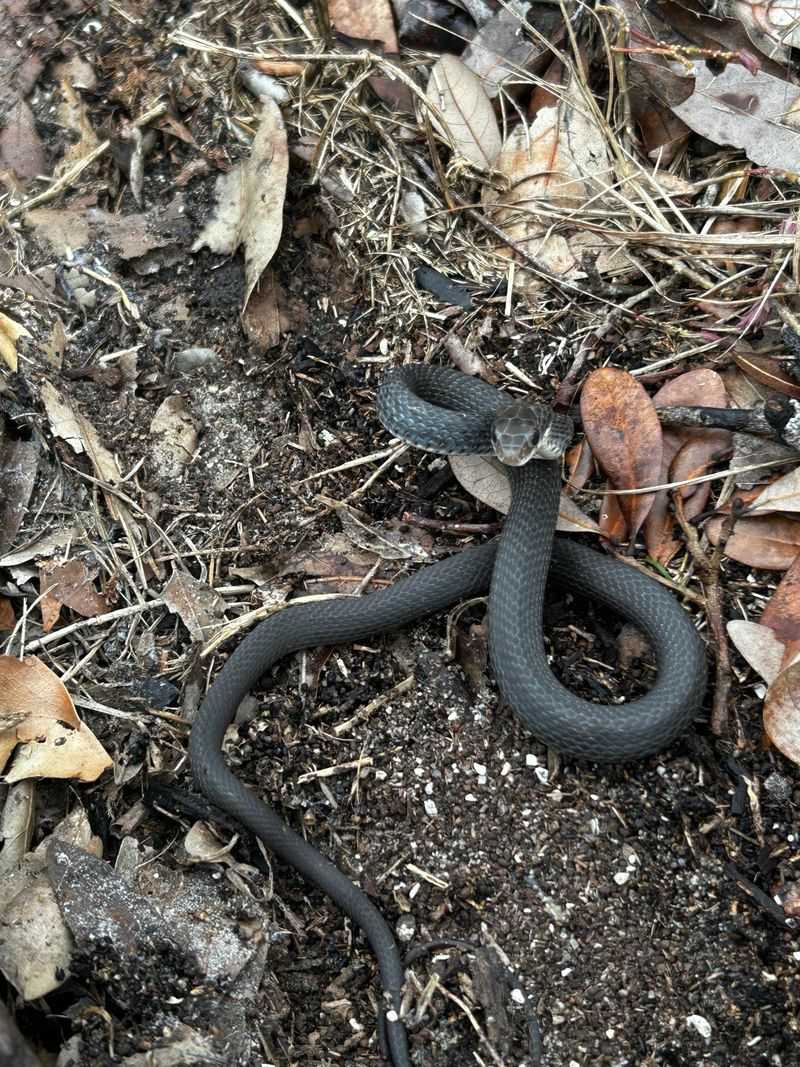
Look beyond the surprise, and the sighting offers a small clue about activity around the Florida garden. A predator can use an area only when food, shelter, and workable conditions are available.
Those needs connect it with many less noticeable backyard residents.
Frogs may gather near moisture, while lizards use sunny walls and leafy cover. Insects feed among flowers and fallen leaves.
Small mammals and other organisms may travel beneath shrubs, fences, or piles of natural debris.
Layered vegetation creates several useful spaces at once. Tall plants provide shade, low growth offers cover, and leaf litter shelters small creatures.
A border beside open ground can also let a racer warm itself and search nearby areas.
Still, one observation is not a scientific grade for the garden. It does not prove high biodiversity, rich soil, safe chemical use, or ideal habitat.
Black racers are not automatic certificates of environmental health.
The fairest reading is simply that biological activity is present. Some combination of prey, shelter, and suitable weather made the property useful at that moment.
The snake might stay briefly, return later, or continue into another area.
There is no need to romanticize it as a garden protector. It is a native predator taking part in ordinary ecological relationships.
Watching from a distance can help homeowners understand how planted spaces, natural edges, and small animals connect. It also avoids assigning the sighting more meaning than it carries.
6. Its Speed Is An Escape Strategy More Than A Threat
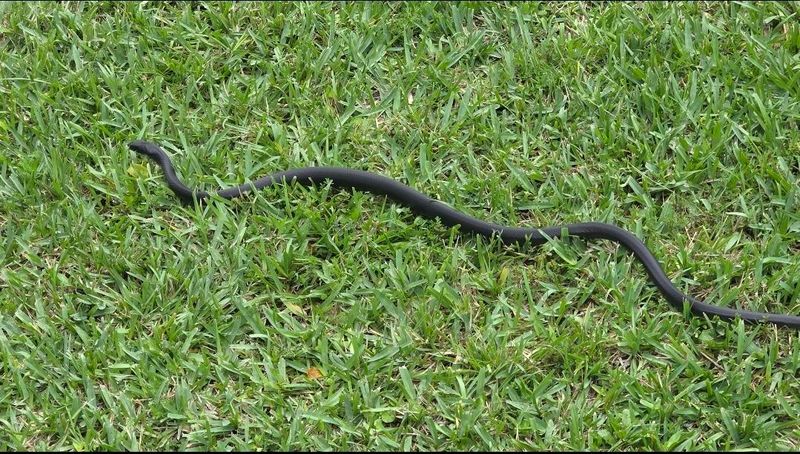
Few Florida backyard moments raise the pulse like a racer suddenly shooting across an open path. The common name reflects the animal’s impressive ability to move rapidly.
That speed is often used to reach shelter when people, pets, or equipment appear.
Dense shrubs, a fence line, or a shaded gap may offer the closest escape route. If that cover lies beside or behind someone, the racer may travel in that person’s direction.
The route can look threatening even though the goal is a hiding place.
People should not test how closely they can approach. Stepping around the animal or surrounding it may remove the very path it wants to use.
Give it room, remain still when practical, and let it choose a way out.
Racers are not helpless when restrained or cornered. A frightened individual may strike, bite defensively, thrash, or release musk.
Such reactions are reasons to avoid contact, not signs that the snake normally seeks conflict.
Keep pets behind a door or on a secure leash until the visitor has passed. Ask children to move calmly away rather than running toward it.
Avoid poking vegetation to make the snake reappear.
Fast motion is easy to misread because humans react strongly to sudden movement. Watching the direction of travel often reveals nearby cover as the target.
An open route and a little patience usually turn a tense moment into a brief wildlife encounter.
7. Giving It Space Is Usually All The Response It Needs
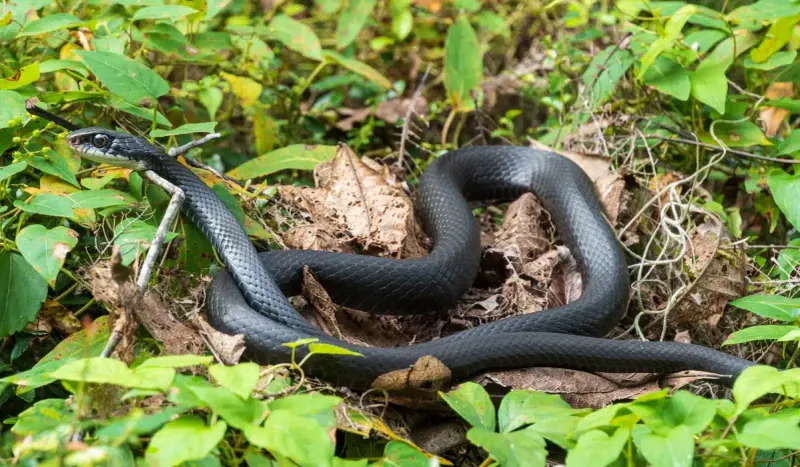
Your safest first move is also the easiest: stop and allow plenty of room. Observe from a comfortable distance without stepping closer for a photograph.
Most native snakes passing through outdoor spaces require no intervention.
Bring children indoors or keep them well back. Place pets inside, behind a barrier, or on a short secure leash.
Wait for the animal to choose its route and leave without pressure.
Do not touch, grab, chase, trap, or attempt to relocate it. Those actions increase stress and make defensive contact more likely.
They can also place a person near a snake that has not been identified correctly.
Color alone is not a reliable identification tool. Lighting, age, mud, shadows, and quick movement can hide useful features.
Treat any unfamiliar snake with caution until a trustworthy source confirms what it is.
Clear photos taken from an existing safe distance may help with identification. Reputable options include UF/IFAS materials, the Florida Museum, and FWC wildlife guidance.
Local extension offices may also direct residents toward appropriate regional resources.
If a snake enters a building, keep people and pets away from that room. Close interior doors when safe, and seek qualified local guidance rather than handling it.
Outdoors, patience is usually enough. A racer with an open exit will commonly move toward cover and continue its routine.
Calm distance protects both the household and the animal.
8. One Racer Sighting Does Not Mean Your Yard Has A Snake Problem
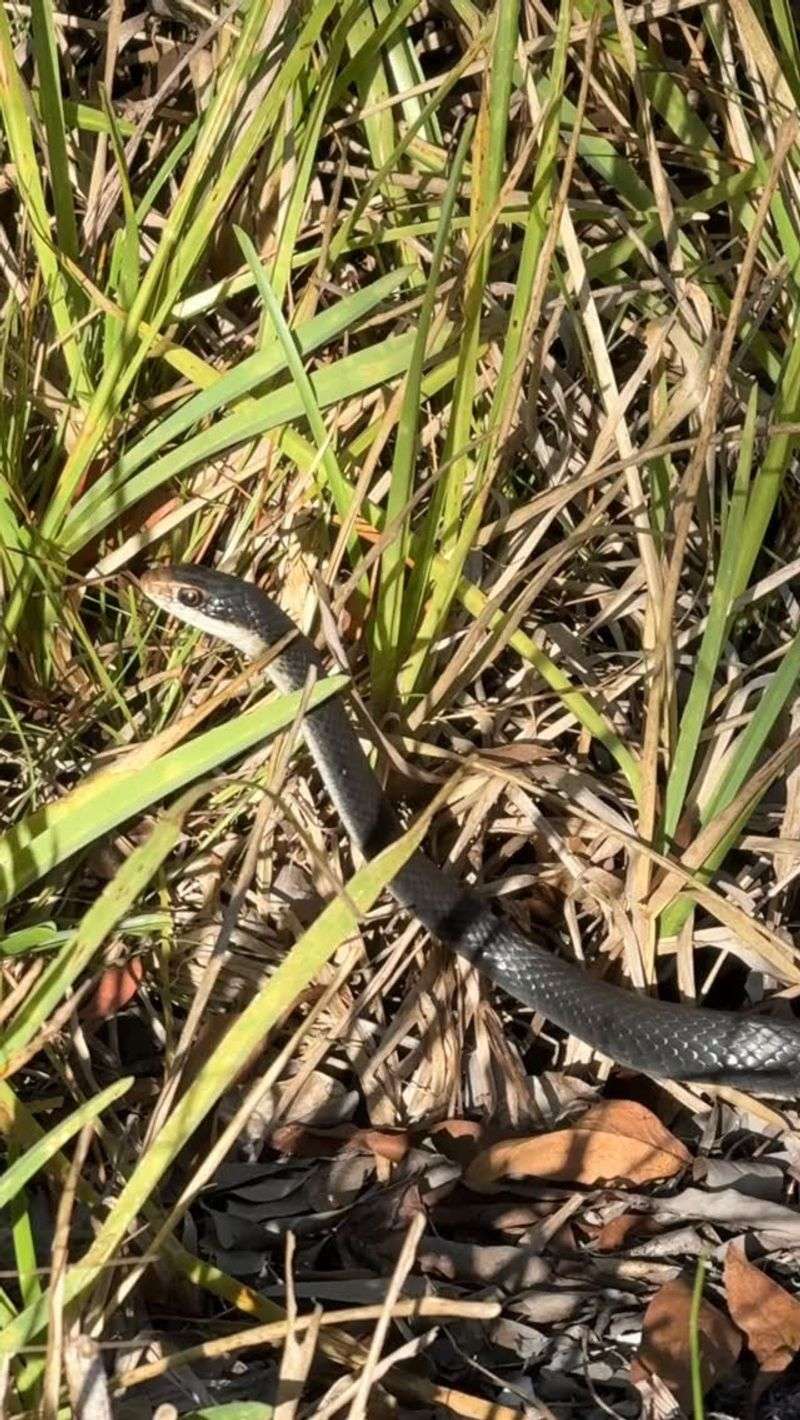
A single crossing is only one moment from an animal that may travel across a broad area. Racers search widely for prey, shelter, warmth, and suitable resting spots.
A lawn can be a short bridge between two more useful patches.
The snake might not live beside the house at all. It may have arrived from woods, a pond edge, a canal bank, a park, or undeveloped land.
Yards near such places naturally receive occasional wildlife visitors.
One racer is not evidence of a nest, colony, or infestation. Snakes are generally solitary and do not form residential colonies.
Several sightings could even involve the same individual following a familiar route.
Repeated activity close to a structure can still justify a careful property check. Look for spilled birdseed, unsecured pet food, rodent signs, heavy clutter, and gaps around doors or pipes.
Concentrated frogs or lizards near damp cover may also explain regular visits.
Use exclusion and tidy storage rather than chasing wildlife. Repair suitable openings only after confirming that no animal is inside.
Keep vegetation managed near walls while preserving reasonable habitat farther from busy entryways.
Record where and when sightings occur if the pattern causes concern. Reliable local guidance can help identify the species and explain sensible next steps.
Outdoor encounters usually need observation rather than urgent action.
A black racer outdoors is usually a native predator following its normal routine. Its presence is not automatically bad news for the garden or evidence that a snake problem has begun.