What Your Ohio Arborvitae Need This Fall To Stay Full And Green Through Winter
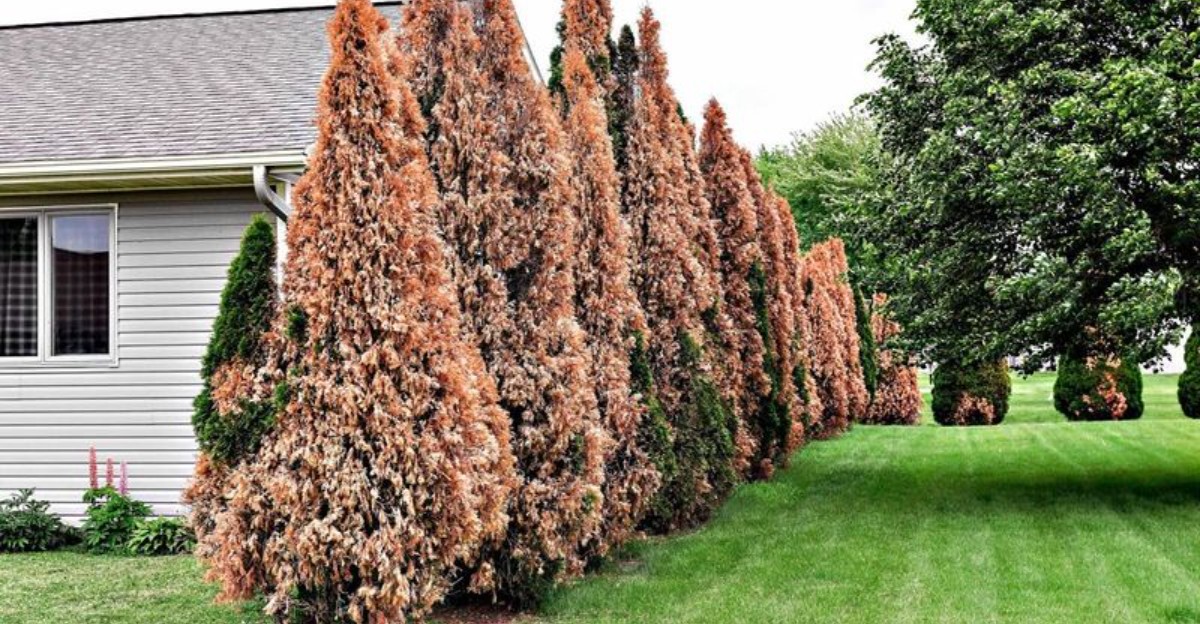
In fall, the inside of a healthy arborvitae hedge often turns rusty brown and drops a pile of old scales. I panicked the first time I saw it, but extension experts call it normal seasonal needle drop.
These same trees grow wild in a few cool, wet corners of Ohio, like Cedar Bog near Urbana. Those native stands are considered leftovers from the last ice age, when the climate here was much colder.
Deer pay close attention to them too, especially once snow covers the grass and other food runs low. A hungry herd can strip the lower branches bare in a single winter, leaving a lollipop shape behind.
You need to walk out to your row this week and check the outer tips for fresh color. Have you ever noticed that the brown you worried about sits mostly deep inside, not out on the tips?
1. A Little Patience For Normal Fall Shedding
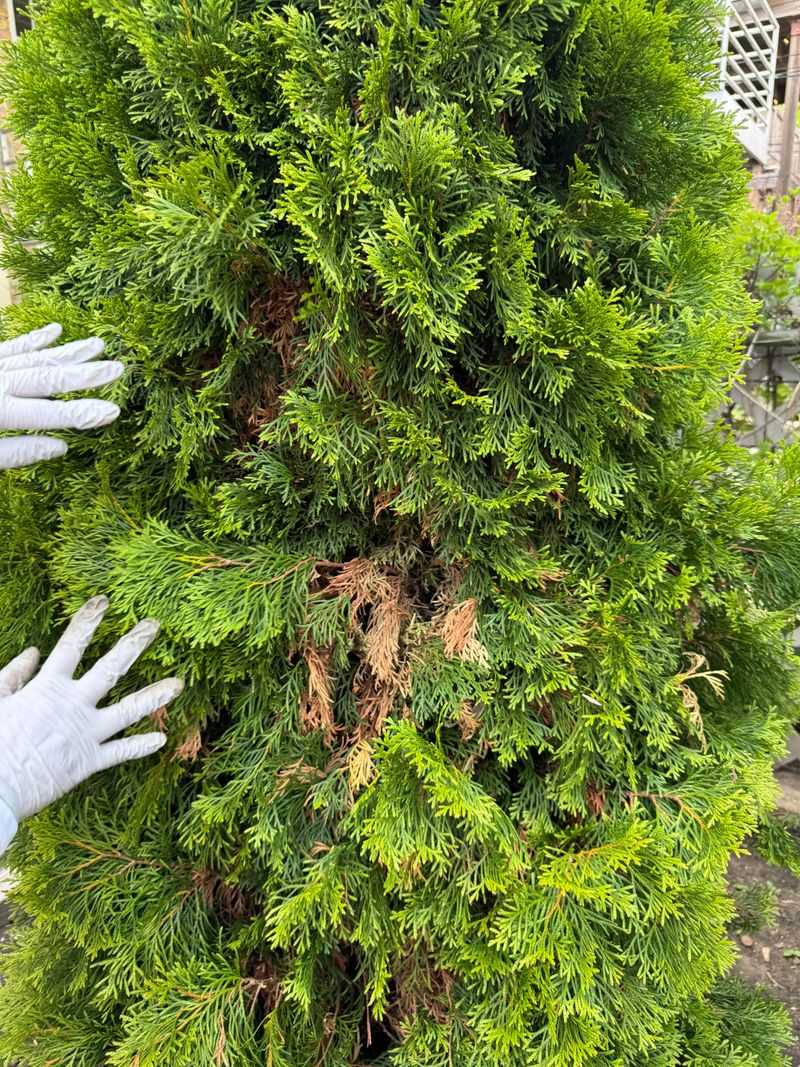
Arborvitae, also called northern white cedar or Thuja occidentalis, usually drops its oldest inner foliage in autumn in Ohio. The browning starts near the trunk and spreads outward, while the outer tips stay a healthy green color.
Extension services at Ohio State and other universities call this seasonal needle drop, and it is normal. The plant simply lets go of foliage that is two to four years old and no longer gets light.
So the full answer is simple, and it fits on one short list for this October. Your shrubs need deep water before freeze-up, a fresh layer of mulch, protection from deer, and support against snow.
They also need you to skip pruning and feeding until spring, while you check closely for overwintering pests. Each of those steps gets its own section below, starting with the one most people overlook in fall.
Before you start, learn to tell normal shedding apart from a real problem by looking at the pattern. Seasonal drop happens evenly on the inside of the plant, and the scales fall off with a light shake.
Browning on the outer tips, or on just one side, points to something else like drought or winter burn. Spider mites, bagworms, and root rot in soggy soil can also cause brown patches that need a closer look.
A gentle shake or a soft rake under the branches clears the fallen scales and lets more air move through. You can leave the scales on the ground as free mulch, since they break down slowly over the winter.
2. One Last Deep Drink Before The Freeze
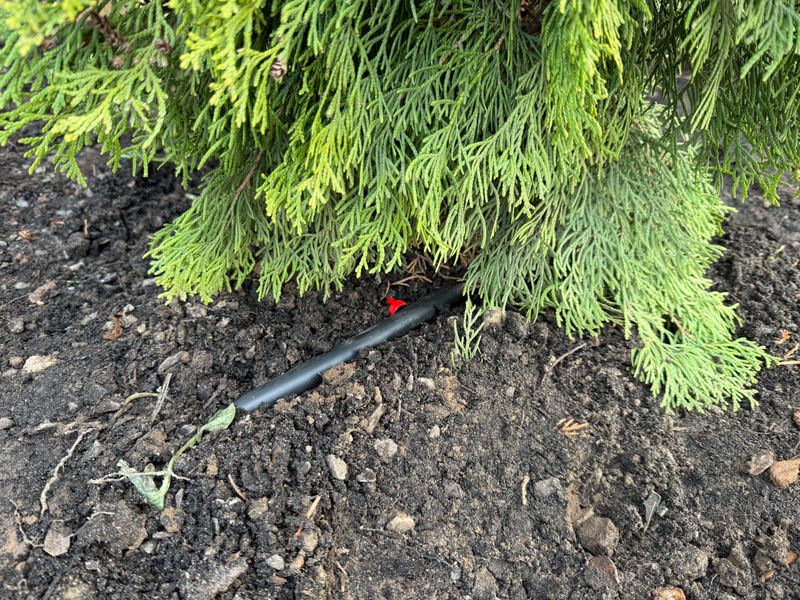
Evergreens keep losing water through their foliage all winter, even when the ground is frozen solid around the roots. That is why a dry autumn can leave arborvitae thirsty long before the first real snow arrives in Ohio.
Many extension services suggest watering evergreens deeply in fall until the soil freezes, often in late November or December. A good target is about one inch of water each week, counting any rain that falls on its own.
A simple rain gauge pushed into the lawn nearby tells you exactly how much the sky has already provided. If the gauge shows less than an inch, plan a slow soak on a mild afternoon that week.
Your Ohio Garden Changes Every Week. Your Plan Should Too.
Gardening in Ohio changes quickly throughout the season. Every Friday you’ll receive a simple weekly plan showing exactly what to plant, prune, fertilize, harvest, and protect so you never miss the right timing.
Slow soaking matters more than quick sprinkling, because water needs time to reach roots several inches below the surface. A soaker hose laid along the drip line for an hour or so works well for most hedge rows.
Young shrubs planted in the last two or three years need this attention most, since their roots are still small. Older, established plants handle dry spells better, but they still benefit from a deep drink during long dry stretches.
Too much water can cause trouble too, especially in heavy clay soils common across much of central Ohio. Push a finger two inches into the soil first, and skip watering if it still feels cool and damp.
Once the ground freezes hard, put the hose away and drain it so it does not crack over winter. On a rare warm winter day with thawed soil, a quick drink for new plantings can still help.
3. A Fresh Layer Of Mulch Over The Roots
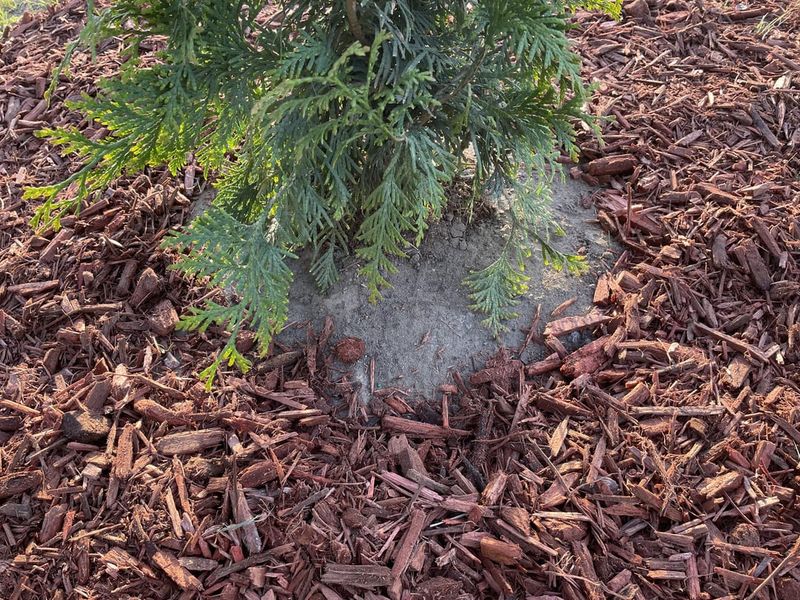
Mulch works like a blanket for shallow arborvitae roots, which spread mostly in the top foot of soil. A two to three inch layer holds moisture after your fall watering and evens out swings in soil temperature.
Shredded hardwood bark, pine bark, or wood chips from a local tree service all work well for this job. Your own shredded fall leaves are another free option, and they add organic matter as they slowly break down.
Spread the mulch out to the drip line, which is the edge where rain drips off the outer branches. For a hedge row, a continuous strip of mulch is easier to maintain than separate rings around each plant.
Keep the mulch pulled back about three inches from the trunks, so the bark stays dry and healthy. Mulch piled against bark, often called a mulch volcano, holds moisture that invites rot and gives voles a hiding spot.
Voles are small rodents that tunnel under snow and chew bark at the base of shrubs during winter. Keeping that gap open near the trunk makes your plants a less inviting target for these nibblers.
Check how much old mulch is already there before adding more, because layers build up quickly over the years. More than four inches total can block air from reaching roots, so rake out the excess first if needed.
Late October or early November is a handy time to mulch, after you finish the last leaf cleanup. The soil is still fairly warm then, so roots keep growing a bit under their new cover before winter.
4. Protection From Hungry Deer
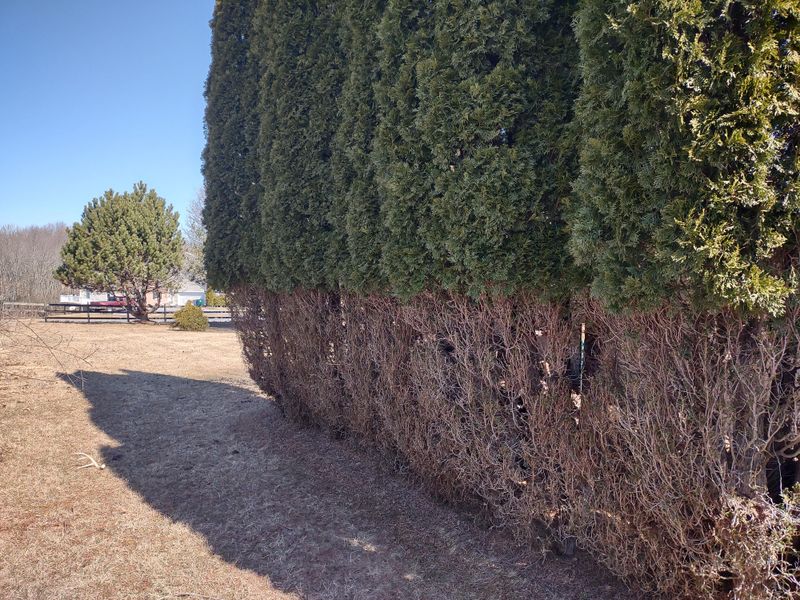
Many gardeners in rural Ohio have a story about deer and arborvitae. Northern white cedar is a favorite winter food for white-tailed deer, especially once snow covers other plants.
Browsing usually leaves a clean line about five or six feet high, which is as far as deer can reach. Everything below that line can look stripped by late winter, while the top of the plant stays full.
Physical barriers are the most reliable fix, according to many extension specialists who study deer damage in landscapes. Wrapping plants loosely with plastic deer netting or circling them with wire fencing in November works well for small yards.
For a long hedge row, a fence around eight feet tall is often needed to keep a herd out. That is a bigger project, so many people protect only the lower branches with netting instead.
Deer repellent sprays can help for a while, but most need reapplying after heavy rain or every few weeks. Results vary a lot, and very hungry deer in a hard winter often ignore the smell or taste.
Switching between two repellent products with different active ingredients may help a bit, though the evidence is mixed. Start any protection plan before deer form a habit, since they tend to return to the same feeding spots.
If your plants were browsed last year, the bare lower branches may refill slowly or not at all. Arborvitae rarely sprouts new growth from old bare wood, so protecting the green you still have matters most.
5. Support Against Heavy Snow
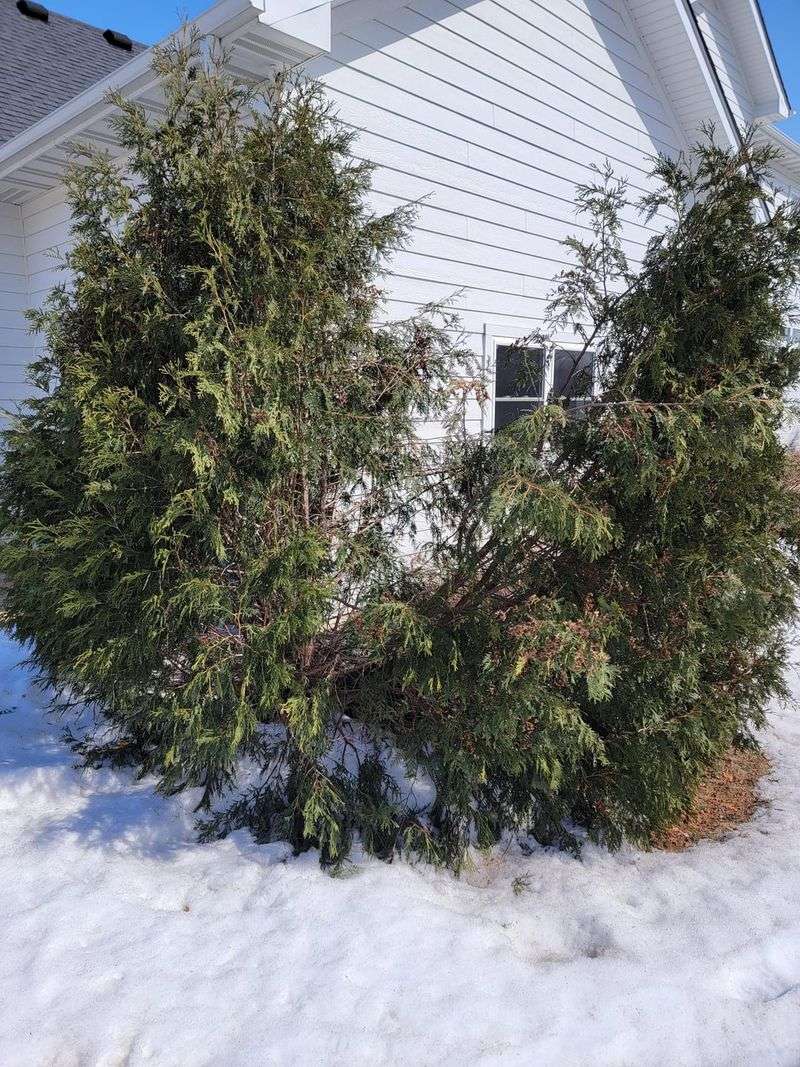
One heavy, wet snowstorm can bend a tall arborvitae so far that it splits open like a peeled banana. Upright types like Emerald Green and Techny often have several main stems that spread apart under that weight.
Once the stems splay out, they may not spring back, and the shrub keeps an open, gappy center. Ohio gets wet lake-effect snow in the northeast, but heavy storms can reach any part of the state.
A simple fix is to tie the stems loosely together in late fall using soft, wide material. Old pantyhose, strips of cloth, or soft garden tape work better than thin wire or string that can cut bark.
Start near the bottom, wrap upward in a loose spiral, and tie off about two thirds of the way up. The goal is gentle support, so leave enough slack that the branches can still move a little in wind.
After a big snow, brush the branches upward with a broom to knock the load off softly. Avoid whacking frozen branches, because icy wood is brittle and snaps much more easily than it does in summer.
If ice coats the plant, it is usually safest to let it melt on its own rather than break it. Remove the ties in early spring, around March, so they do not rub or girdle growing stems.
Also think about where your snow goes, since piles from the driveway can crush shrubs planted along its edge. Road salt in plowed snow can burn foliage too, so pile it away from your hedge when you can.
6. A Break From Pruning And Feeding Until Spring
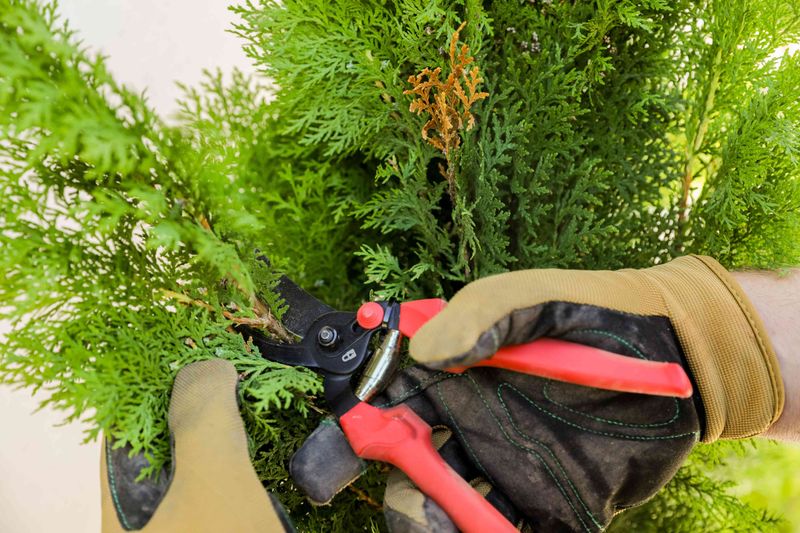
Fall cleanup fever is real, and those shaggy arborvitae tops can look tempting to trim this month. Most extension services suggest waiting, since pruning in late fall can leave fresh cuts exposed to harsh winter weather.
The best window for shaping is usually early spring before new growth starts, with a light touch-up in early summer. Trimming then gives new shoots a full season to harden off before cold weather returns next year.
When spring comes, cut only into green growth, because arborvitae rarely regrows from brown, leafless wood inside. Shaping the hedge a bit wider at the bottom than the top also lets sunlight reach the lower branches.
Fertilizer can stay on the shelf right now too, especially quick-release products made mostly for green lawns. Feeding in fall can push soft new growth that has no time to toughen up before freezing nights arrive.
Many established arborvitae in decent Ohio soil need little extra fertilizer at all, according to university horticulture guides. A soil test from your county extension office tells you what is missing before you spend money on products.
Fall is a good time to collect a soil sample, so you will have results ready to guide any feeding plan when the shrubs wake up next April. Even if you skip feeding this year, the results will show what the soil lacks before spring growth begins.
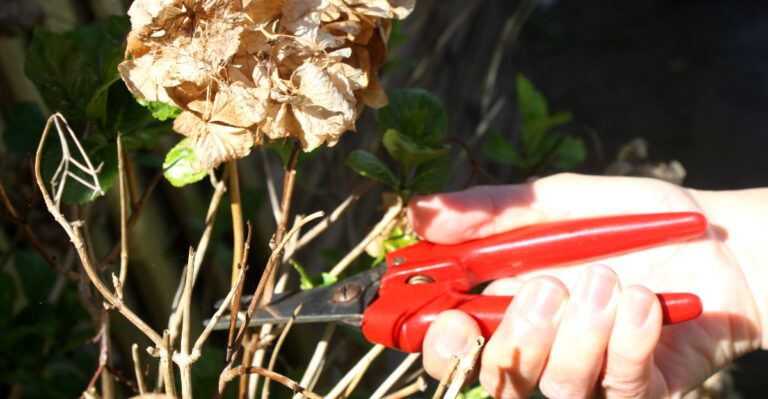
The one cut worth making now is removing broken or rubbing branches, which can tear further in winter storms. Use clean, sharp pruners and cut back to a healthy side branch rather than leaving a long stub.
7. Bagworm Removal Before The Eggs Hatch
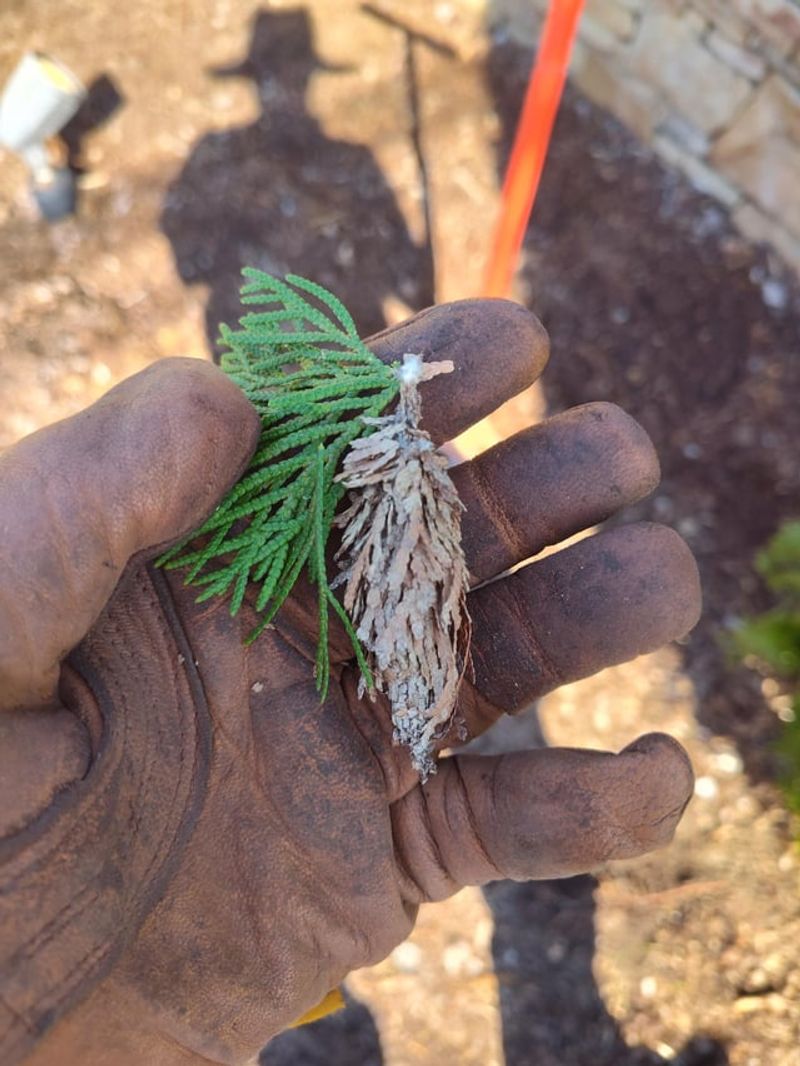
Those little brown cones dangling from your arborvitae are not pine cones, and they deserve a closer look. They are bagworm cases, built by caterpillars from silk and bits of foliage during the summer months.
By October the caterpillars are gone, but female bags can hold hundreds of eggs waiting to hatch next spring. Ohio State University Extension notes that a single bag may contain anywhere from 500 to 1,000 eggs.
Fall and winter are the best times to control them, because hand picking works well before the eggs hatch. Sprays are not very useful now, since the eggs sit safely inside the tough silk bags until late May.
Pull each bag off by hand, and snip the silk band that wraps tightly around the twig. That band can cut into the stem as the branch grows, which leads to browning tips years later.
Drop the bags into a bucket of soapy water, or seal them in a bag for the trash. Tossing them on the ground lets the eggs hatch anyway, and the young larvae simply crawl back up.
Bags are easiest to spot on a sunny afternoon, when they stand out against the green foliage. Check high branches with a step stool, and look at nearby junipers and spruces, which bagworms also enjoy.
Heavy infestations can strip whole sections of a shrub, and badly damaged arborvitae often struggle to recover. A quiet half hour of picking this fall can save you a lot of brown, chewed foliage next summer.
8. A Windbreak For The Sunny Side
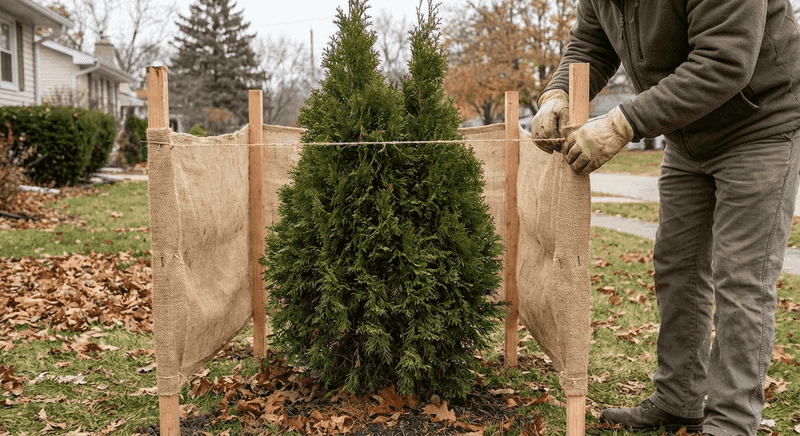
Late winter is when many Ohio gardeners first notice orange or bronze patches on the sunny side of their hedge. That damage is called winter burn, and it often starts on bright, windy days when the ground is frozen.
Sun and wind pull moisture out of the foliage, but frozen roots cannot replace it quickly enough. South and west sides usually suffer most, along with plants near roads, open fields, or reflective walls.
A burlap screen set up a foot or so away from the shrubs can block much of that drying wind. Pound wooden stakes in before the ground freezes, then staple burlap to them on the exposed side in late November.
Wrapping burlap tightly around the plant itself is less helpful, since it can trap moisture and rub foliage. Leaving space for air to move keeps the shrub healthy while still cutting the wind and winter glare.
Anti-desiccant sprays are sold for this problem, but research on how well they work has shown mixed results. If you try one, follow the label and apply it on a mild day above about 40°F.
Deep fall watering and good mulch, covered earlier, remain your strongest defense against this kind of winter browning. Planning ahead helps too, since choosing a sheltered spot for future plantings reduces the risk for years to come.
If some tips do turn brown by March, wait until May before cutting anything off the plant. Buds hidden under burned foliage often push out fresh green growth once warm spring weather finally settles in.