Before Mowing Your Wisconsin Lawn Check For These Yellow Jacket Nesting Spots
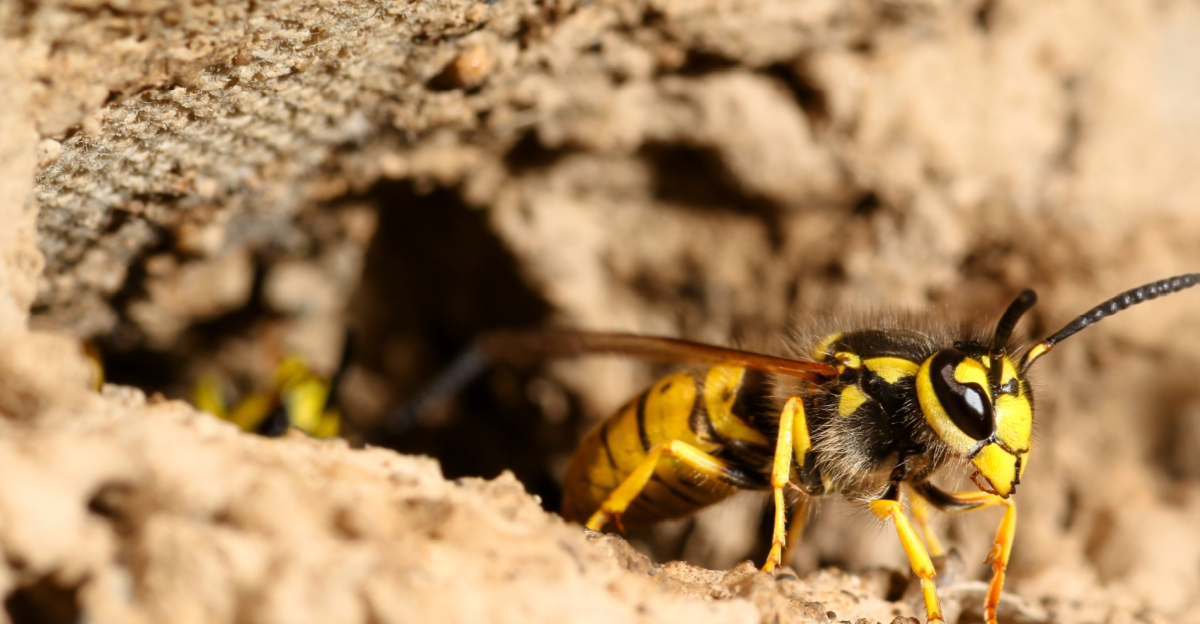
Underneath your quiet lawn, real trouble might already be waiting. Nobody expects yellow jackets to build nests exactly where you casually walk each day.
Grass looks calm, but Wisconsin yards hide surprising secrets just below. Mowers create vibration and noise that colonies notice immediately every time.
Disturbing a nest can happen before you even see it. Workers pour out quickly, and commotion multiplies within seconds.
Wisconsin lawns provide ideal cover for these persistent insects. Certain spots attract nests more than you might expect.
Stumps, compost piles, and loose soil often hide entrances you’d never suspect near your patio. Sheds, fence lines, and garden edges often conceal colonies you’d walk right past.
Knowing exactly where these spots hide protects you completely. Ignoring these signs turns mowing day into a stressful, unpredictable ordeal.
Awareness now saves you real trouble later this season. You cannot mow safely until you check every hidden spot.
Checking Dense Ground Cover Near Fence Lines
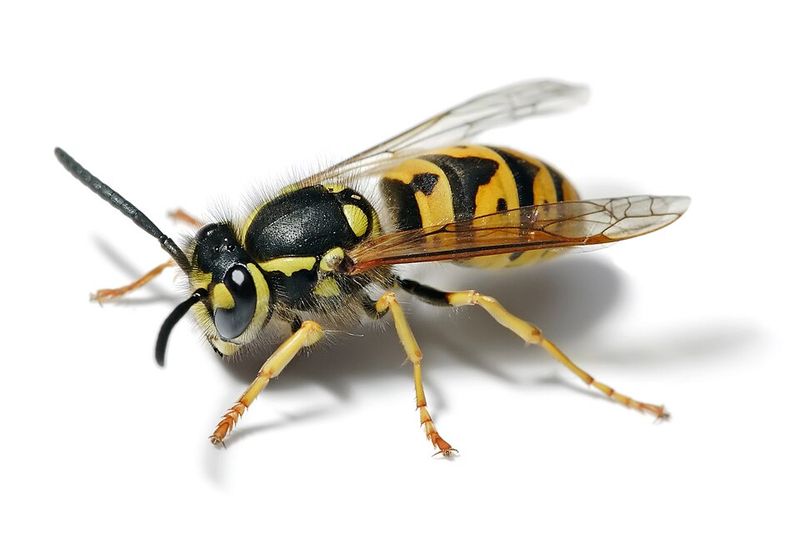
Fence lines are sneaky. Dense ground cover like creeping myrtle, pachysandra, or thick weeds can completely hide a yellow jacket nest entrance from plain sight.
Most homeowners walk right past these spots without ever looking down. The thick leaf canopy acts like a curtain, keeping the nest cool, dark, and protected from both weather and predators.
Before mowing your Wisconsin lawn, crouch low and scan slowly along every fence line on your property. Look for a steady stream of insects moving in and out of a small gap at ground level.
Yellow jackets are fast fliers, but their flight paths are surprisingly consistent. Once you spot a repeated in-and-out pattern near the base of your fence, mark that area and stay away.
A bright flag or stake placed a few feet away works well as a visual warning. Tell every family member, especially curious kids, about the marked zone before anyone heads outside.
Ground cover near fences also tends to trap moisture, which yellow jackets find attractive for nest-building. Soggy, shaded soil is exactly the kind of environment their colonies prefer when starting a new home.
Checking these spots before mowing yellow jacket nesting areas can save you from a very bad afternoon. A slow, careful walk along the fence line takes less than five minutes and is absolutely worth every second.
Inspecting Old Rodent Burrows In The Lawn
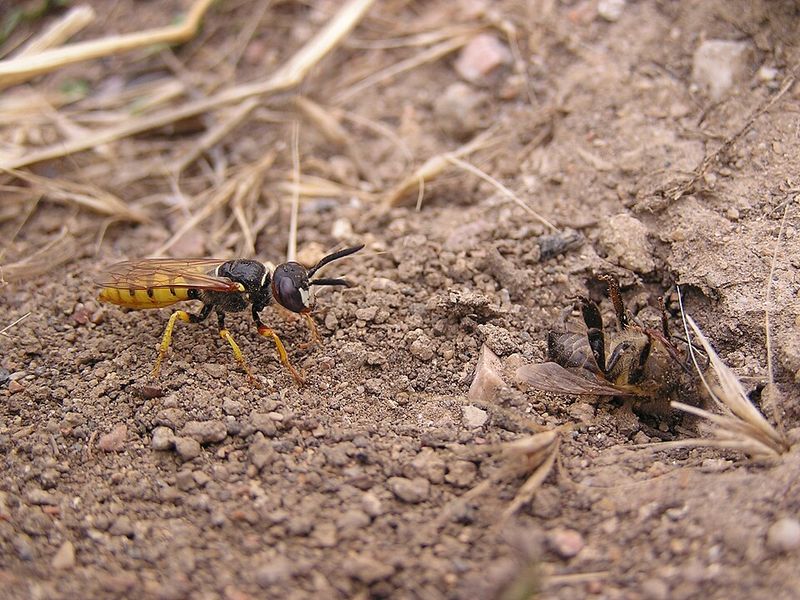
Here is something most people never think about: yellow jackets love moving into abandoned mouse or vole tunnels.
They often take over abandoned rodent burrows, though many colonies also expand or dig their own chambers in soil. The tunnel system already provides insulation, depth, and shelter, which is everything a colony needs.
In Wisconsin, vole activity picks up in spring, and by midsummer those abandoned tunnels become prime real estate for yellow jackets. You might notice a slightly sunken patch of grass or a small dirt ring around a hole.
These signs are easy to miss unless you are specifically looking for them. Walk your lawn in a slow grid pattern before mowing, keeping your eyes focused on ground level rather than the horizon.
Your Wisconsin Garden Changes Every Week. Your Plan Should Too.
Gardening in Wisconsin changes quickly throughout the season. Every Friday you’ll receive a simple weekly plan showing exactly what to plant, prune, fertilize, harvest, and protect so you never miss the right timing.
Old burrows are often found in areas where the grass is slightly thinner or where a rodent trail once ran. Follow those subtle paths and probe gently with a long stick if you see a suspicious hole.
Do not use your bare hand or foot to test any opening in the ground. A yellow jacket colony can have many workers ready to respond quickly to a disturbance.
Spotting these hidden nesting spots before mowing yellow jacket colonies out of their tunnels protects both you and your lawn equipment. Mark every suspicious burrow with a flag and handle it safely before the mower gets anywhere near it.
Looking Under Stacked Firewood Piles
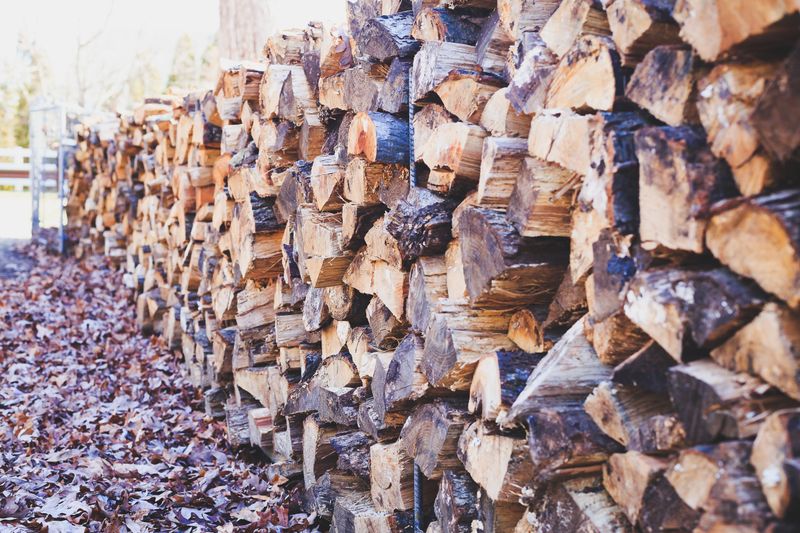
Firewood piles are one of the most overlooked yellow jacket hotspots in any Wisconsin yard. The gaps between logs create a perfectly sheltered, dark, and dry environment that colonies absolutely love.
Most people grab a few logs without ever checking underneath, and that is when trouble starts. A single grab near an active nest can trigger an immediate defensive response from the whole colony.
Before mowing nearby or reaching for wood, take a moment to watch the pile from a safe distance of about ten feet. Look for insects entering and exiting the same gap repeatedly over a minute or two.
Yellow jackets are not bumbling or slow like honeybees. Their movements are sharp, quick, and purposeful, so watch for that fast, direct flight pattern disappearing into the woodpile.
If you spot activity, do not try to move the logs yourself. Mark the area clearly and contact a pest control professional to handle removal safely before the colony grows any larger.
Firewood piles stored directly on the ground are especially vulnerable to nesting because soil moisture and leaf litter accumulate beneath them. Elevating your wood on a rack reduces that risk significantly for next season.
Checking stacked wood is a quick step that fits easily into your pre-mowing routine. Protecting yourself from hidden yellow jacket nesting spots near your firewood takes only a few minutes and prevents a painful surprise later.
Scanning Compost Bins And Mulch Heaps

Compost bins and mulch heaps generate heat as organic material breaks down, and yellow jackets find that warmth extremely appealing for nest-building. It is like a built-in heating system for their colony.
The loose, moist structure of decomposing material also makes it easy for them to excavate small chambers without much effort. You can have a thriving nest tucked inside a mulch pile without ever seeing a single insect from the outside.
Before mowing your Wisconsin lawn around these areas, stand back and observe the bin or heap for at least sixty seconds. Watch for insects moving in and out of any gap, crack, or opening along the base.
Mulch spread around garden beds is another concern worth mentioning. A thick layer of wood chips can conceal a nest entrance just as effectively as any underground burrow.
Look for small cleared patches in the mulch surface where insects have been landing repeatedly. That worn spot is often a runway leading directly to a nest entrance just below the surface.
Compost bins with loose-fitting lids or cracked sides are particularly attractive nesting sites. Inspect all four sides and the base before getting close with a wheelbarrow or lawn equipment.
Scanning these spots is a smart habit for anyone managing a Wisconsin yard with active composting. Catching yellow jacket nesting activity early near your compost keeps your whole garden routine safer and far less stressful.
Watching For Holes Near Tree Stumps
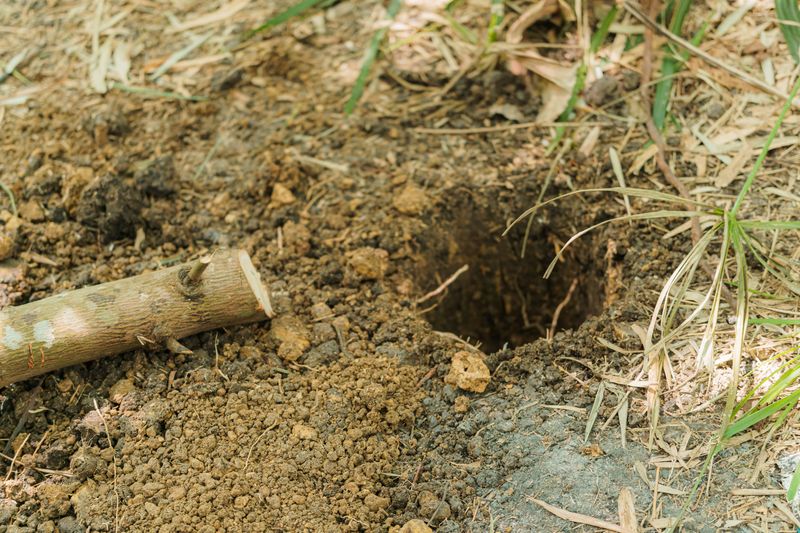
Old tree stumps are basically an open invitation for yellow jackets. The decaying wood is soft enough to excavate, and the root system below creates a natural network of tunnels and cavities.
Colonies established near stumps can grow quite large by late summer because the rotting material provides both shelter and insulation. A stump you ignored all spring might already be hosting a sizable colony by midsummer.
Walk slowly around every stump in your yard before mowing and watch for activity at ground level. The nest entrance is usually a small, clean-edged hole at the base of the stump or just beside it in the soil.
Yellow jackets near stumps are particularly defensive because the colony feels enclosed and protected. Even minor vibrations from a nearby mower can trigger an aggressive response from the workers inside.
If you notice insects hovering low around a stump rather than flying upward, that is a strong signal that a nest is present. Upward flight usually means foraging, while low hovering near a surface suggests a nearby home base.
Stumps that are partially buried or covered in grass are harder to inspect visually. Use a long stick to tap gently on the stump from a safe distance and watch for a sudden burst of activity.
Protecting yourself from yellow jacket nesting spots near stumps means giving every old stump a careful look before mowing season ramps up. Awareness now prevents a genuinely painful encounter later.
Examining Gaps Under Sheds Or Decks
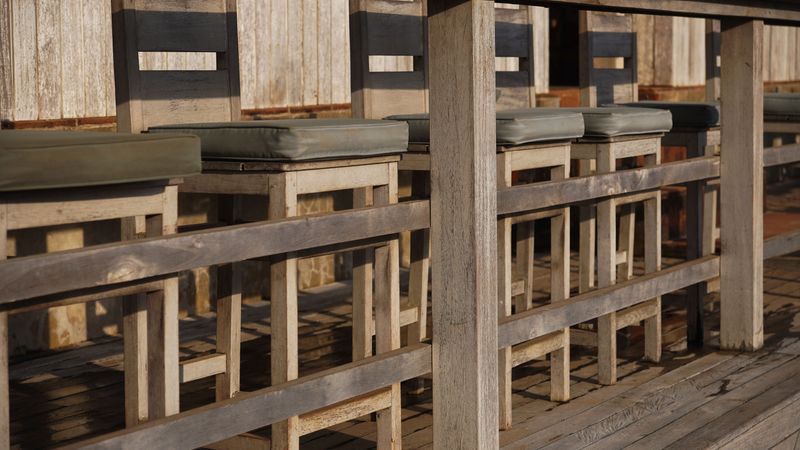
The space beneath a shed or deck is dark, sheltered, and rarely disturbed, which makes it one of the most popular yellow jacket nesting locations in any Wisconsin yard. Colonies tucked under these structures can go completely undetected for weeks.
Most people never crouch down to look under their deck until something buzzes past their ankle during a mowing session. By then, the nest may already be quite large and very well established.
Before mowing your Wisconsin lawn near any shed or deck, get low and scan the perimeter with a flashlight. Look for paper-like nest material clinging to the underside of boards or tucked into a corner near the foundation.
Yellow jackets build their nests from chewed wood fiber mixed with saliva, creating a papery gray material that blends easily into weathered wood. It is surprisingly easy to overlook without direct light on the area.
Check the gaps around skirting boards, lattice panels, and any damaged sections of the deck foundation. Even a small opening the size of a quarter is enough for a colony to move in and get started.
Decks built close to the ground are especially risky because the enclosed space retains warmth and stays protected from rain. Those conditions are nearly ideal for a yellow jacket colony to expand rapidly through summer.
Checking under sheds and decks is one of the most important steps in any pre-mowing yellow jacket nesting inspection. A two-minute check with a flashlight could save you from a very memorable and very unpleasant afternoon.
Noticing Activity Around Fallen Logs
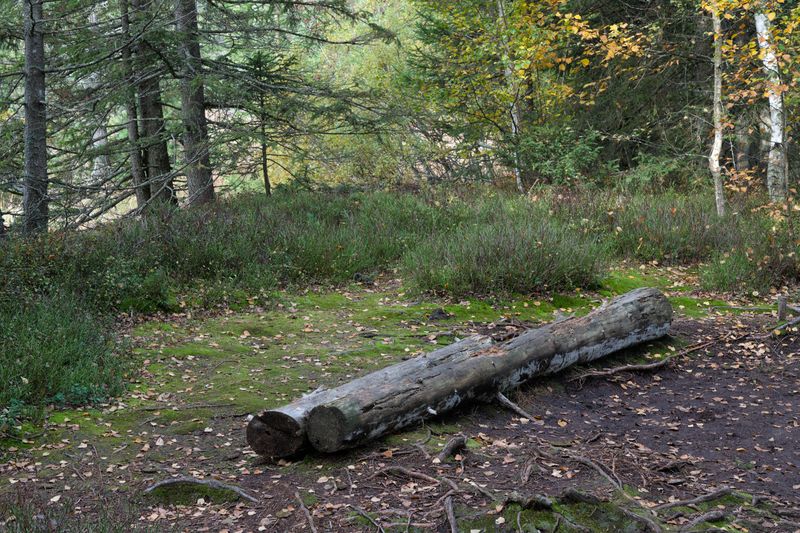
Fallen logs left on the lawn are charming in a rustic sort of way, but they are also prime yellow jacket territory. The soft, decaying interior makes excavation easy, and the log itself provides excellent insulation against temperature swings.
Colonies inside fallen logs can be especially surprising because the nest entrance is often on the underside, completely hidden from view. You might walk past the same log dozens of times without ever noticing the activity happening beneath it.
Before mowing anywhere near a fallen log, circle it slowly from a comfortable distance and watch for consistent flight traffic. Pay close attention to the ends of the log and any cracks or bark gaps along the sides.
Yellow jackets entering a log nest tend to disappear into the wood quickly rather than lingering at the surface. That quick-vanishing flight pattern is one of the clearest signs of an active underground or in-wood colony.
Fallen logs near wooded edges of a yard are particularly high-risk spots in Wisconsin because the surrounding tree cover provides shade and humidity that colonies prefer. Check these boundary areas carefully before each mowing session.
Rolling or moving a fallen log without checking first is a serious mistake. Even a slight shift can disturb the nest enough to trigger an immediate and intense defensive reaction from the colony inside.
Noticing yellow jacket nesting activity around fallen logs before mowing is a simple habit that makes a real difference. Slow down, look carefully, and give those logs the respect they deserve this season.
Spotting Nests Hidden In Tall Grass Edges
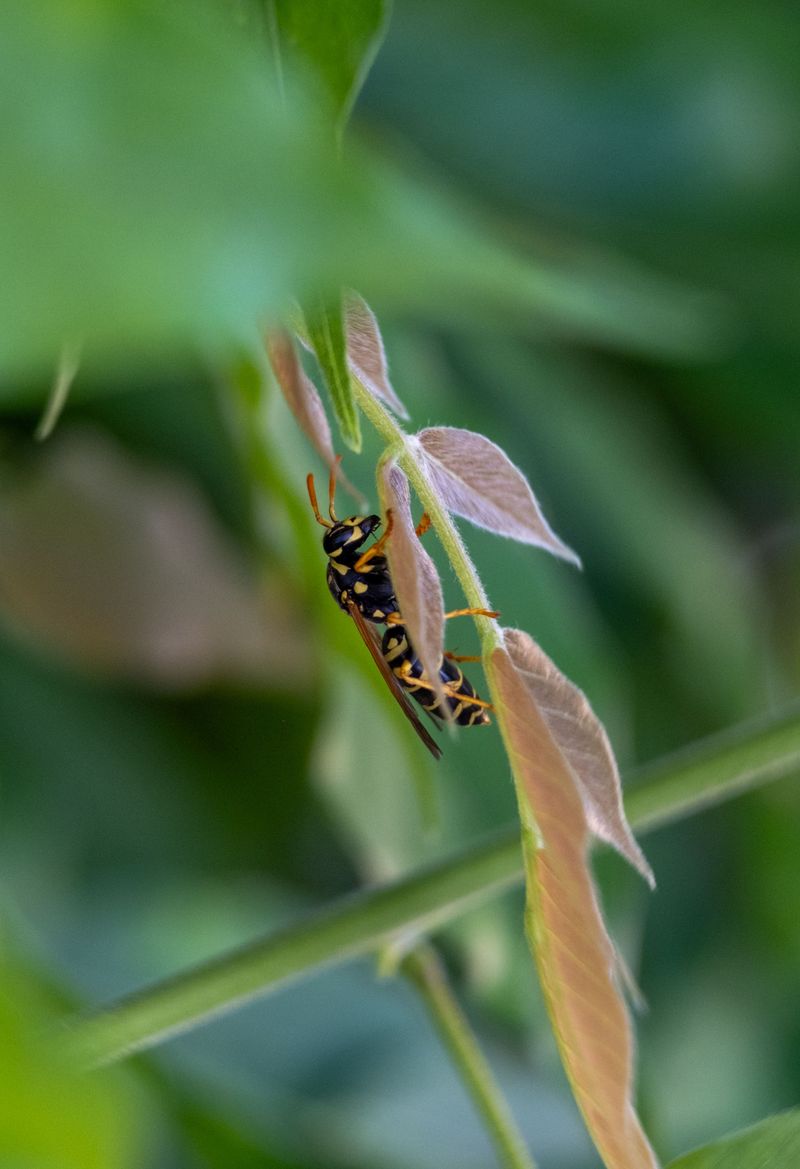
Tall grass along the edges of your lawn is basically a camouflage system for yellow jacket nests. The thick blades create a dense canopy that hides ground-level entrances from casual observation.
These edge zones are often the last areas homeowners mow, which means a colony has maximum time to establish itself before the mower ever gets close. By late summer, that nest could grow into a large, well-established colony.
Walk the perimeter of your lawn slowly before mowing, keeping your eyes focused at ankle height rather than looking straight ahead. Watch for a consistent stream of insects disappearing into the grass base along the border.
Yellow jackets nesting in tall grass edges tend to be especially reactive to vibration. The rumble of an approaching mower sends alarm signals through the colony long before the machine actually reaches the nest.
Look for a small, clear patch of bare soil or a tiny mound at the grass edge, which often marks the spot directly above or beside a nest entrance. That subtle disturbance in the ground is easy to miss but very telling.
Trim tall edge grass by hand first with long-handled shears if you suspect activity, and keep your legs covered while doing so. Never use a string trimmer near a suspected nest without full protective gear.
Spotting yellow jacket nesting spots hidden in tall grass edges before mowing your Wisconsin lawn is the final and perhaps most crucial check of your whole pre-mow routine. Take it seriously and your summer lawn care will stay safe and sting-free.