What’s Driving Anole Lizards Out Of Tennessee Gardens
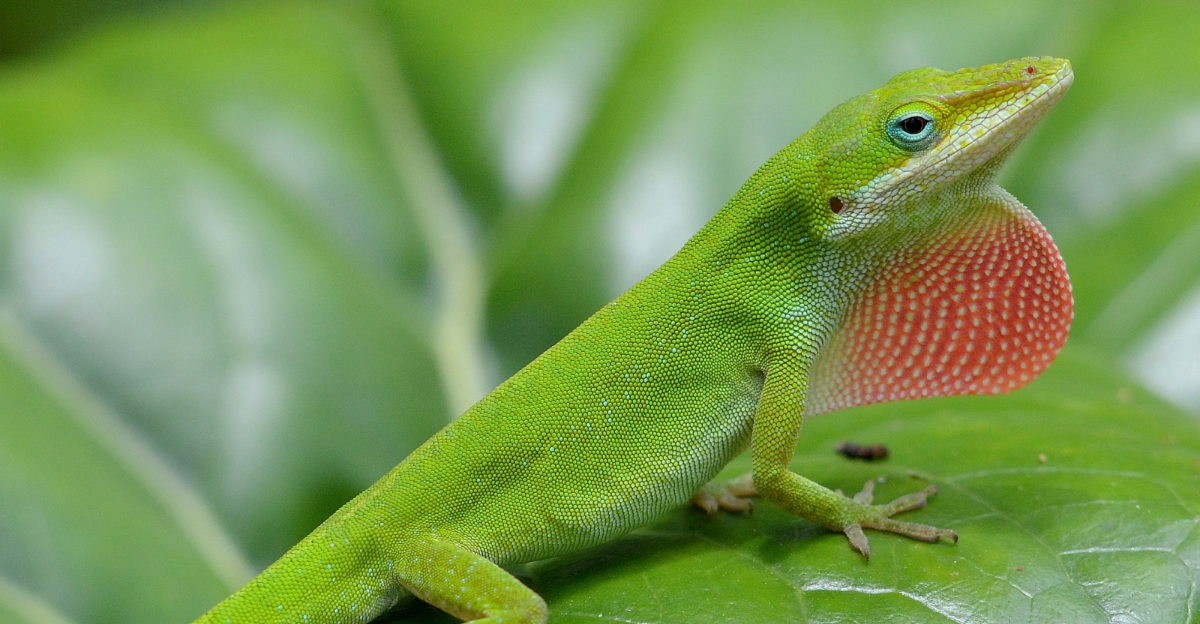
You used to catch flashes of green everywhere. Anoles once ruled every backyard rail across your property. Lately your yard has gone strangely quiet instead.
Gardeners across Tennessee whisper nervously about this troubling absence. Nobody prepared you for lizards leaving this fast.
Your fence posts sit empty where sudden movement once thrived constantly. Underneath your soil, conditions have shifted dramatically. Predators you never noticed before are multiplying rapidly right now.
Chemicals you use might be quietly harming them. Habitat you assumed was permanently safe keeps shrinking every single day. Competing species you welcomed have changed your yard’s balance.
Climate swings you barely notice confuse these sensitive, temperature-driven creatures. Every absence you personally witness signals a much larger shift within Tennessee.
Real answers matter more than vague guesses. The truth behind their absence will change how you see your entire yard.
Understanding Why Anole Lizards Are Leaving Tennessee Gardens
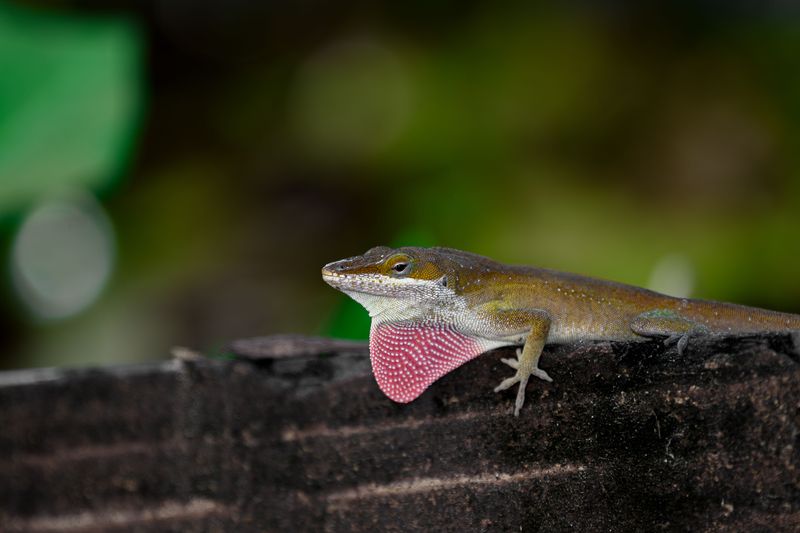
Something changed in your garden, and the anoles noticed first. These small, quick reptiles are surprisingly sensitive to shifts in their environment, making them excellent natural indicators of garden health.
Anole lizards have lived in the American South for thousands of years. They adapted well to suburban spaces, happily hunting insects along wooden fences, leafy shrubs, and sun-warmed brick walls.
When anole lizards disappear from Tennessee gardens, it rarely happens for just one reason. A combination of factors usually works together to make a yard feel unsafe or unsustainable for these little creatures.
Think of anoles like canaries in a coal mine. When they leave, the garden is sending a message that something in its balance has gone wrong.
The good news is that most of the causes are fixable. Gardeners who understand what drives anoles away are in a much stronger position to bring them back.
Anoles need three basics to thrive: warmth, food, and cover. When any one of those disappears, the lizards move on quickly and quietly.
Paying attention to which of these three needs your yard might be failing to meet is the smartest first step. A single afternoon of observation can reveal a lot about what your garden is missing.
The sections ahead break down each specific reason anoles disappear. Every explanation comes with practical steps you can take to reverse the trend and restore life to your outdoor space.
Seasonal Behavior That Explains Their Sudden Absence
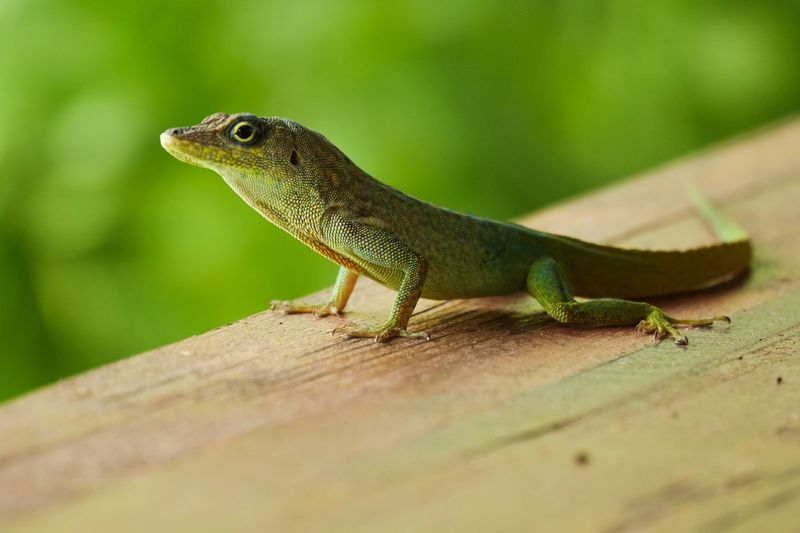
One morning they are everywhere, and the next they are completely gone. Before you worry, it helps to know that anoles are cold-blooded animals with a strong seasonal rhythm.
When temperatures drop into the colder range typical of late fall, anoles go into a state called brumation. This is not quite the same as mammal hibernation, but it is close enough to cause a sudden and dramatic disappearance from your yard.
During brumation, anoles tuck themselves under bark, inside hollow logs, or beneath leaf litter near the base of shrubs. They slow their metabolism and become almost completely inactive for weeks at a time.
Your Tennessee Garden Changes Every Week. Your Plan Should Too.
Gardening in Tennessee changes quickly throughout the season. Every Friday you’ll receive a simple weekly plan showing exactly what to plant, prune, fertilize, harvest, and protect so you never miss the right timing.
Gardeners who clean up their yards too aggressively in fall may accidentally remove the exact hiding spots anoles depend on to survive the cold. Raking every leaf and pulling every dead stem can strip the garden of critical winter shelter.
Spring warmth usually brings them back, often to the same spots they used the previous year. If you see them return to a familiar fence post or garden wall, that is a great sign the habitat is still working for them.
However, if spring arrives and the anoles do not come back, seasonal behavior is probably not the only issue at play. Something else in the yard may have changed during the months they were hiding.
Leaving a small pile of leaves or a few pieces of rough bark near your shrubs gives anoles a reliable winter retreat. That one small act can make a measurable difference in whether they return each spring.
Predators That May Be Reducing Anole Populations
Outdoor cats are one of the most significant threats to small lizard populations across North America. A single free-roaming cat can catch numerous anoles over the course of a season.
Cats hunt instinctively, even when they are well-fed at home. That means a friendly neighborhood pet can significantly reduce the anole population in your garden without its owner ever knowing.
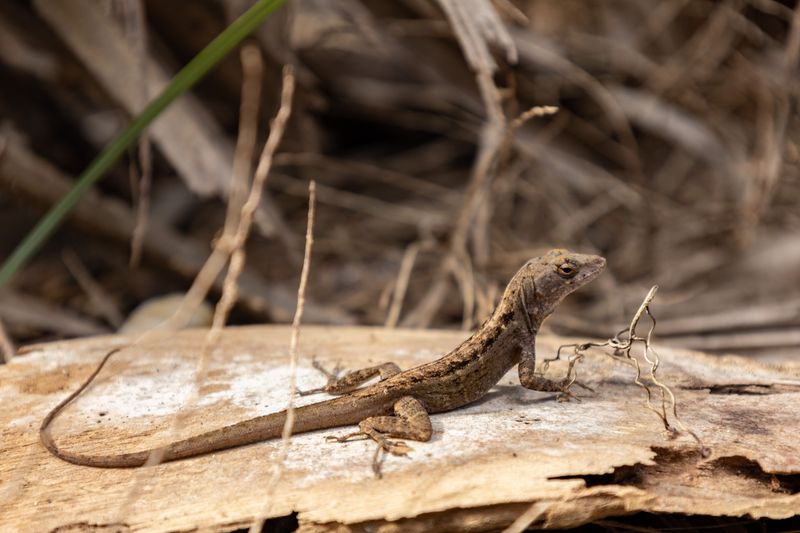
Beyond cats, anoles also face pressure from birds of prey, larger snakes, and a growing competitor: the brown anole.
Originally from Cuba, brown anoles have expanded across much of the Southeast and are increasingly reported in parts of Tennessee.
Brown anoles are more aggressive and tend to occupy the lower branches and ground level that green anoles prefer for basking. When brown anoles move in, green anoles are pushed higher into the canopy where food and warmth are less consistent.
Crows, mockingbirds, and even large spiders have been documented preying on juvenile anoles. The younger lizards are especially vulnerable in the weeks after hatching when they have not yet learned to hide effectively.
If you have noticed more cats in your yard lately, or if a neighbor recently added an outdoor pet, that timing may match up with when your anoles disappeared. It is worth investigating before assuming a bigger environmental problem.
Creating dense, thorny shrub cover gives anoles places to escape predators quickly. Planting native hollies or hawthorns near your fence line can provide that protective buffer without sacrificing garden aesthetics.
How Pesticide And Chemical Use Affects Anole Numbers
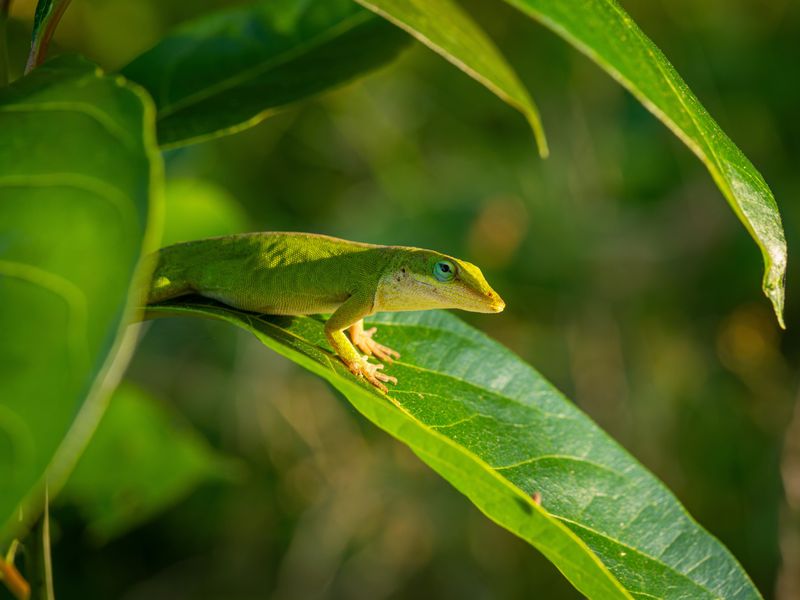
Spray one thing to control bugs, and you might accidentally remove a lizard’s food source. Anoles are insectivores, meaning insects are their entire food source, and pesticides can quickly reduce that food supply.
Broad-spectrum insecticides do not distinguish between harmful pests and the beetles, moths, and flies that anoles depend on. When those insects disappear, anoles have nothing left to hunt and must move on to survive.
Herbicides present a different but equally serious problem. When chemical herbicides clear away ground cover and low-growing plants, anoles lose the shaded, humid microhabitats they use for hunting and resting.
Some pesticides also affect anoles directly through skin contact or ingestion. Lizards absorb chemicals through their skin more easily than mammals do, making them especially vulnerable to residues left on leaves and soil surfaces.
Systemic pesticides, which are absorbed by plants and expressed through their tissues, can harm insects that anoles eat. The lizard never contacts the spray directly, but it still experiences the toxic effects through its prey.
Switching to targeted, organic pest control methods can make a dramatic difference in how many insects remain available for anoles to hunt. Neem oil, insecticidal soap, and companion planting are all effective alternatives that leave the food web intact.
Even modestly reducing spray frequency can allow insect populations to recover between applications. Anoles are remarkably adaptable animals, and they will return quickly once a reliable food source is restored to the garden.
Habitat Changes That Drive Anoles Away
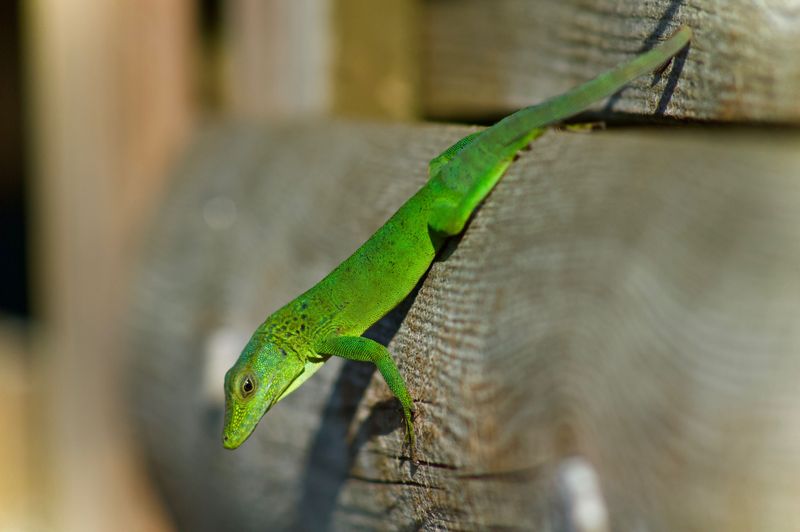
Anoles are creatures of habit, and they are deeply attached to specific features in a yard. Change those features, and the lizards relocate without hesitation or warning.
One of the biggest habitat shifts in modern gardens is the move toward minimalist landscaping. Clean lines, sparse plantings, and large areas of bare mulch look tidy, but they eliminate the dense cover anoles need to feel safe.
Anoles prefer layered vegetation: tall trees overhead, mid-level shrubs for basking, and low ground cover for hunting. When any one of those layers is removed, the whole habitat becomes less functional for a lizard trying to survive.
The replacement of wooden fences with vinyl or metal versions also removes key basking and hunting surfaces. Anoles love the rough texture of wood because it gives them grip and holds warmth longer than smooth synthetic materials.
New construction in surrounding neighborhoods can push anoles into unfamiliar yards where they struggle to establish territory. Displaced lizards face higher predation risk because they do not know the escape routes or hiding spots in a new space.
Replacing non-native ornamental plants with native species is one of the most impactful changes a gardener can make. Native plants support more native insects, which in turn support more native reptiles like the anoles you want to attract back.
Even adding a small brush pile in a back corner can restore enough cover to make a yard livable again. Small actions compounded over a season add up to meaningful habitat recovery for anole lizards.
Signs Your Garden Can Support Anoles Again
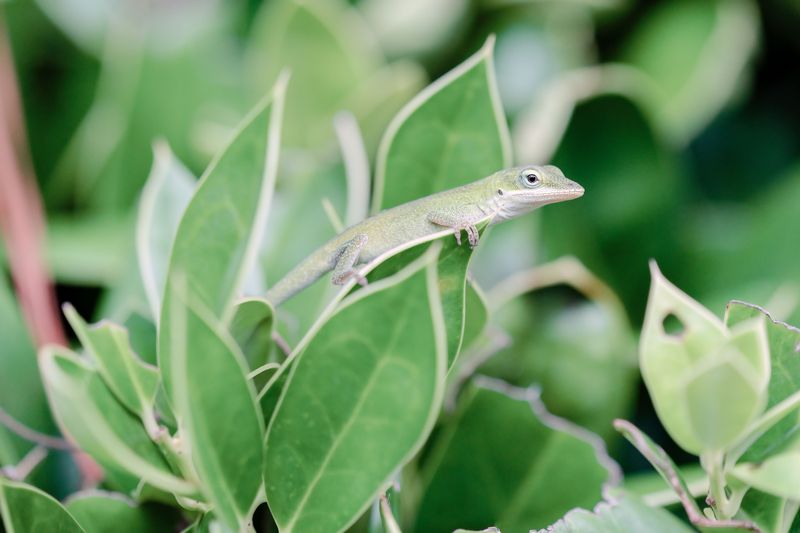
Seeing a single anole on your fence post after a long absence feels like a small celebration. That one sighting usually means your garden has crossed a threshold back into being livable for these reptiles.
The clearest sign of a healthy anole habitat is abundant insect activity. If you notice moths at your porch light, beetles in the mulch, and flies near your garden beds, the food web is working the way it should.
Dense, layered vegetation is another strong indicator. When your shrubs have enough interior branches for a lizard to hide inside, and your trees provide dappled shade below, the structural requirements are falling into place.
Warm, sun-exposed surfaces like wooden fences, brick walls, and flat rocks give anoles the basking spots they need to regulate their body temperature each morning.
A garden with good sun exposure and thermal variety is far more attractive to lizards than one with uniform shade.
Reduced chemical use is also visible in the garden over time. More butterflies, more beetles, and more spiders all signal that the food chain is recovering and that conditions for anoles are improving.
If you have made habitat changes and are waiting for anoles to return, patience is genuinely required. It can take time, sometimes a full season, for lizards to discover and settle into a newly improved space.
When anole lizards finally return to Tennessee gardens, they bring more than charm. Their presence confirms that your outdoor space has become a functioning, balanced ecosystem worth protecting and nurturing for years ahead.