When A Praying Mantis Appears On Your Ohio Tomatoes, It’s No Coincidence
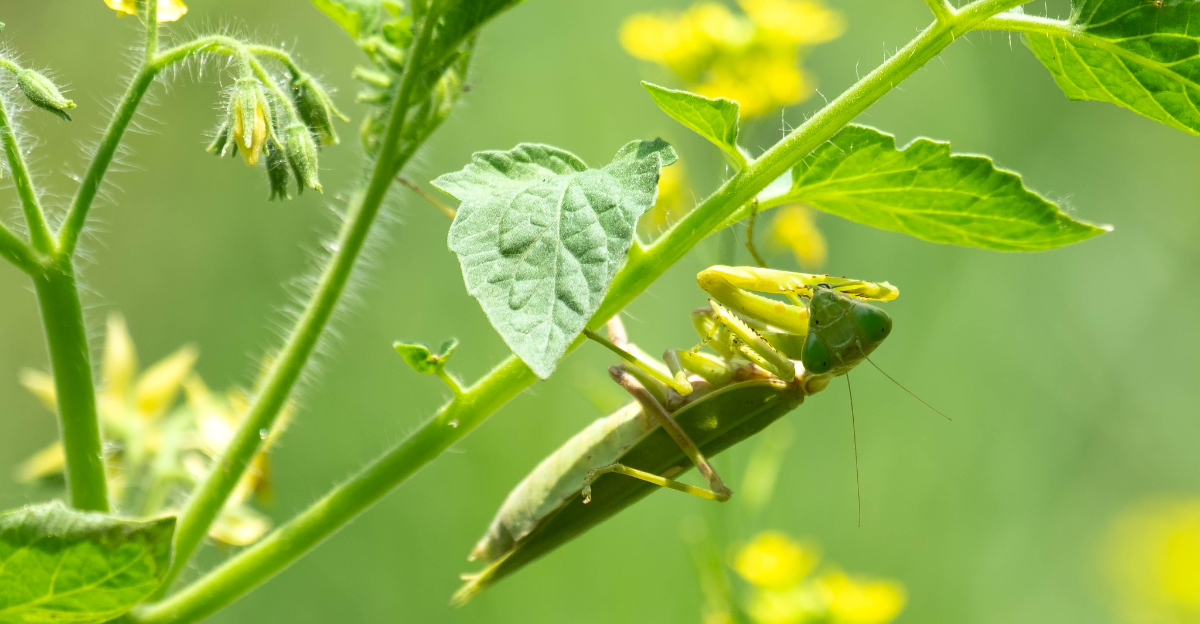
Ohio backyard, six-thirty in the morning, and something on the tomato vine refuses to budge.
Nobody placed it there on purpose. Your soil and your plants quietly sent out an invitation this spring, and this visitor showed up to accept it, front legs folded like tiny fists.
Most gardeners walk right past this moment, missing the one clue that could rewrite their entire pest-control routine.
Stick around, because what pulled this visitor into your yard is the same thing that’ll keep the bad bugs out, just without any chemicals.
Tomato Plants Send Out The Invitation
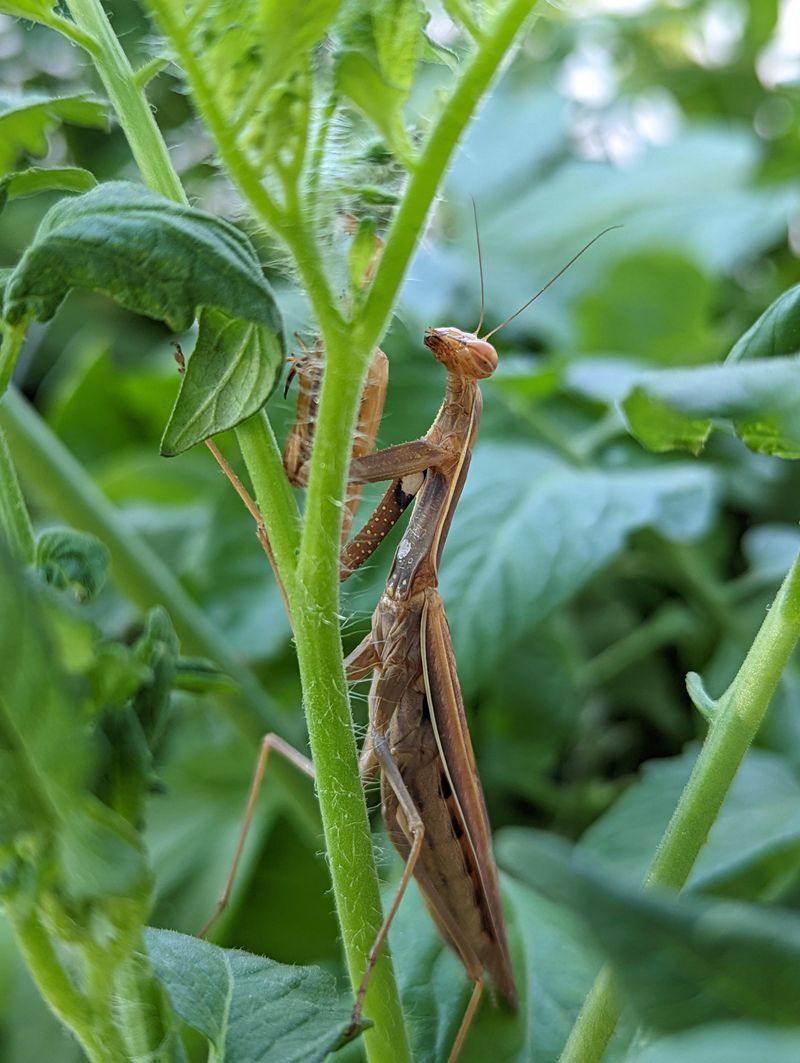
Tomato plants are basically a bug magnet, and that is both a problem and a solution. The same flowers and scents that draw harmful pests also attract the predators that eat them.
Your tomatoes are running a full-time wildlife operation, planned or not. The sticky hairs on tomato stems, called trichomes, trap small insects like gnats and whiteflies.
Those trapped bugs become easy meals for mantises patrolling the plant. The plant accidentally creates a buffet, and the mantis shows up to dine.
Tomato flowers produce nectar that draws in a wide variety of insects. More insect traffic means more hunting opportunities for a mantis.
A busy plant is a productive hunting ground, plain and simple. The height and structure of a mature tomato plant also matters.
Mantises prefer elevated positions with clear sightlines in multiple directions. A staked tomato cage gives them exactly that kind of vantage point.
Warmth plays a role too. Tomato plants absorb heat during the day and radiate it slowly at night. Mantises are cold-blooded and seek warm surfaces, making your sun-soaked tomato row an ideal resting spot after dark.
The plant itself is practically rolling out a welcome mat for this predator. The combination of insect activity, warmth, height, and shelter creates a near-perfect habitat.
Your tomatoes are not just food for you, they are shelter and a hunting ground for one of nature’s best pest managers.
The Ambush Strategy Behind That Frozen Pose
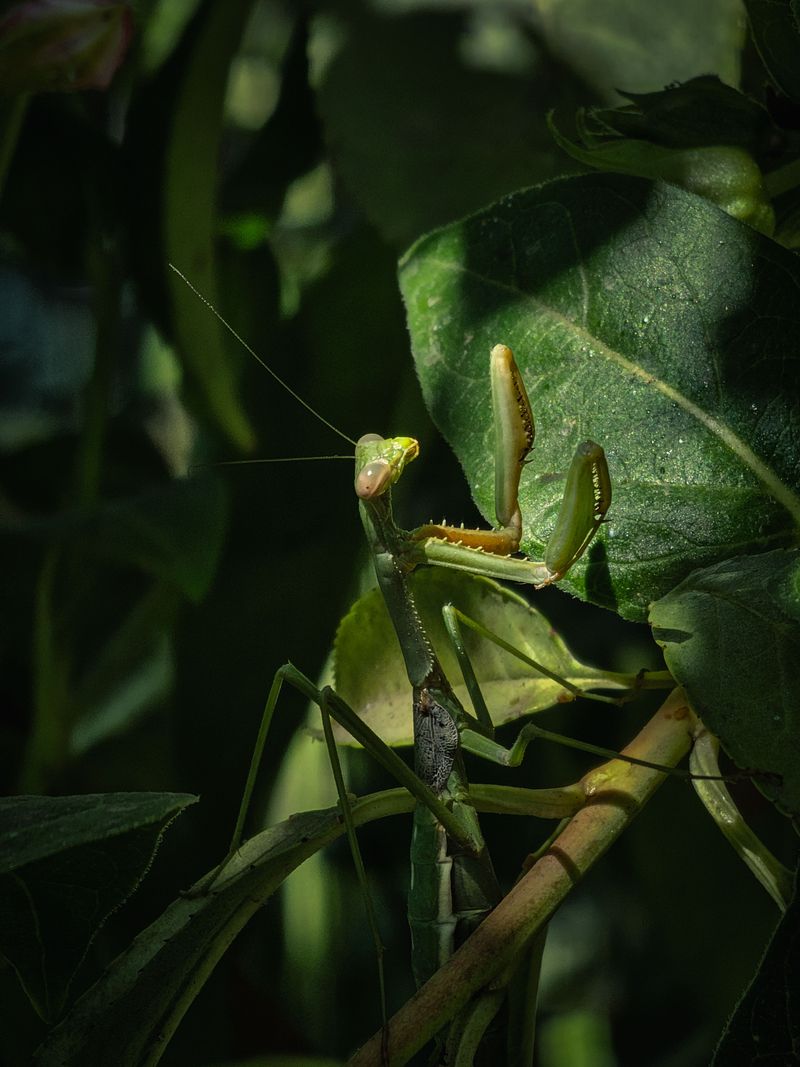
Frozen like a statue, the praying mantis is actually hunting. That motionless pose is not rest. It is a perfectly executed ambush strategy that has worked for millions of years.
A mantis positions itself along a plant stem and waits for movement nearby. When an unsuspecting insect wanders too close, the mantis strikes in a fraction of a second, faster than your eyes can track.
They pick one spot and commit to it, which is why you often find the same one on your tomato plant day after day. That loyalty to a location is actually a sign it found good hunting ground.
Your garden acts like a dinner table for these insects. Tomato plants, with their bushy structure and busy insect traffic, make ideal hunting perches.
A mantis sitting on your plant is actively working to protect it. That single insect is a signal that something bigger is happening in your yard.
Your yard has become a functioning ecosystem, not just a patch of dirt with some plants in it. That one insect represents a chain of healthy conditions coming together at once.
Your Ohio Garden Changes Every Week. Your Plan Should Too.
Gardening in Ohio changes quickly throughout the season. Every Friday you’ll receive a simple weekly plan showing exactly what to plant, prune, fertilize, harvest, and protect so you never miss the right timing.
Mantises also have remarkable eyesight and can rotate their heads nearly all the way around to track prey. They can spot the slightest movement from a surprising distance.
That visual range makes your tomato row a prime observation deck for a patient, skilled predator.
Common Garden Pests Don’t Stand A Chance
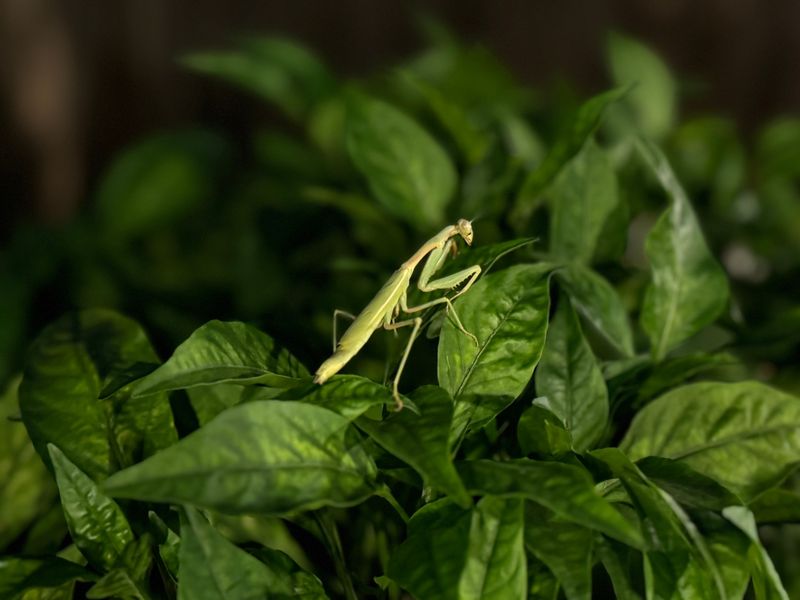
Aphids, hornworms, stink bugs, and beetles all show up on tomato plants like uninvited guests. A mantis handles them without a single drop of pesticide.
That alone makes it one of the most valuable creatures you can have in your garden. Tomato hornworms are one of the most destructive visitors your tomato plant can attract.
Those thick green caterpillars can strip a plant bare in just a few days. A large mantis will take one down without hesitation, gripping it firmly and feeding on it piece by piece.
Aphid colonies multiply fast and weaken plants by draining their sap. Mantises pick them off steadily, one by one, reducing the colony before it overwhelms the plant.
Slow and steady pest control beats a chemical spray that damages everything nearby. Stink bugs are another common Ohio garden pest that most sprays struggle to manage effectively.
Mantises, however, are not deterred by the smell. They grab stink bugs from behind, avoiding the scent glands entirely.
Beyond individual pest removal, mantises disrupt pest behavior. When insects sense a predator nearby, many species reduce feeding and reproduction.
That fear effect alone can lower pest pressure across your entire tomato patch. That mantis is already doing the work for you, no effort required.
You do not need to intervene, move it, or worry about it. Letting it do its job is the smartest, lowest-effort pest management strategy a home gardener can choose.
Signs Your Tomato Patch Has A Healthy Ecosystem
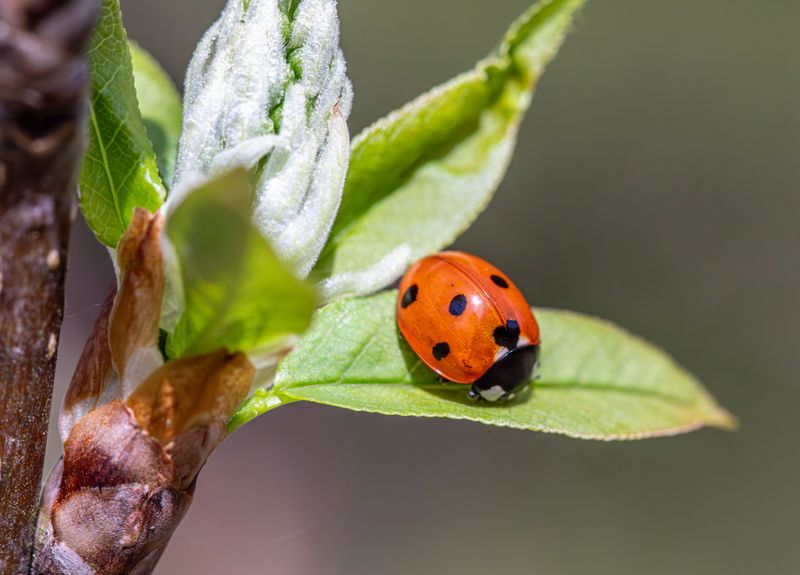
A mantis is not the only clue your garden is thriving. Nature leaves signs everywhere, and once you know what to look for, your garden starts telling a very clear story.
Healthy gardens are busy, diverse, and full of movement. Bees and butterflies visiting your tomato flowers signal strong pollinator activity.
More pollinators mean better fruit set and bigger harvests. A garden buzzing with life is a garden doing its job well.
Ground beetles patrolling the soil surface are another positive indicator. These fast-moving insects hunt slugs, soil larvae, and other underground pests.
Spotting them near your tomato base means the soil-level defense system is active. Spiders building webs between your tomato cages might seem creepy, but they are actually a great sign.
Spiders catch flying insects that other predators miss entirely. A web in your garden is a trap working on your behalf around the clock.
Lacewings are small, delicate insects whose larvae are ferocious aphid hunters. Seeing lacewings near your tomatoes means the pest-control team has backup.
These soft-winged insects often go unnoticed, but their impact on aphid populations is significant. Bird activity near your garden rounds out the picture.
Robins, sparrows, and wrens hunt caterpillars and grubs along the soil line. When multiple predator types share your garden space, you have built something genuinely rare and worth protecting.
A mantis on your tomatoes is just the most dramatic member of that team.
Simple Ways To Encourage More Beneficial Predators
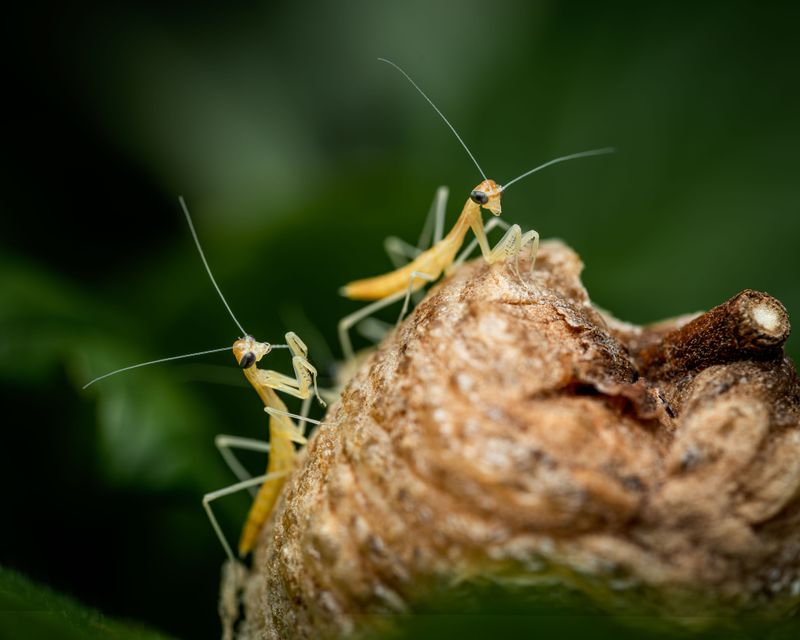
Attracting mantises and other helpful predators does not require expensive products or complicated techniques. Small changes to how you garden can make your yard significantly more welcoming.
The goal is to create conditions where beneficial insects want to stay. Stop using broad-spectrum pesticides immediately.
These products do not discriminate between harmful and helpful insects. One spray can wipe out an entire mantis population along with the pests you were targeting.
Plant native flowers alongside your tomatoes to provide nectar and habitat. Marigolds, zinnias, and black-eyed Susans are excellent companions that attract a wide range of beneficial insects.
A mixed planting strategy creates more complexity, and complexity supports more predator diversity. Leave some leaf litter and mulch around your garden edges.
Mantises and ground beetles need shelter to overwinter and lay eggs. A perfectly clean, bare garden border is actually hostile to the insects you want most.
Add a shallow water source nearby, like a dish with pebbles and fresh water. Beneficial insects need hydration just like any other creature.
A simple water dish can dramatically increase the variety of helpful visitors to your garden. Purchase mantis egg cases from local garden centers if you want a head start.
Each case can hatch between 100 and 200 nymphs in spring. Place them on shrubs near your tomato beds and let nature handle the rest. Next season, you’ll know exactly why that mantis chose your yard over anyone else’s.
Sometimes The Best Move Is No Move At All
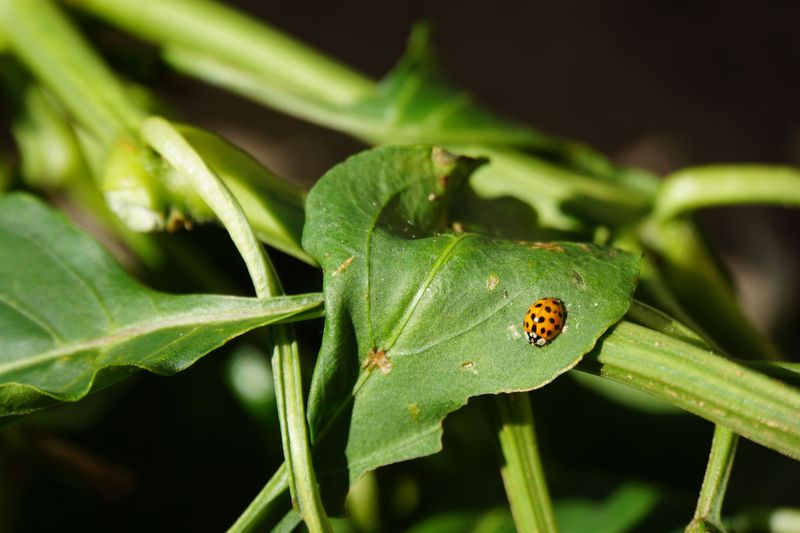
Not every chewed leaf is a crisis. Gardeners often react to the first sign of insect damage by reaching for the nearest spray bottle.
That instinct, while understandable, can actually undo weeks of natural pest-control progress in your garden. A few aphids on one stem does not mean your tomato crop is in trouble.
Predators need some prey present to stay active in your garden. Very few pests around gives a mantis little reason to stick around.
Watch and wait before acting. Give your garden three to five days to respond to a new pest presence. Beneficial predators often show up quickly once pest populations rise to a noticeable level.
Check plant health rather than pest counts. If your tomatoes are still growing, flowering, and producing fruit, the damage is likely cosmetic. A few holes in the leaves rarely affect the overall yield in a meaningful way.
Trust the system you have built. A garden with diverse plantings, no pesticides, and natural shelter has a built-in response mechanism.
That mechanism is slower than a spray can, but it is more sustainable and does not crash your ecosystem. Treat its presence as confirmation that your patience is finally paying off.
Your garden is managing itself with efficiency and precision. Step back, watch the mantis work, and remind yourself that the best gardening move is sometimes the one you do not make at all.