When Should You Plant Sunflowers In Washington For A Full Summer Display
Getting sunflower timing right in Washington takes a little more thought than most people expect. A few summers back, a full packet of seeds went into the ground in early March with high hopes and very little research.
The plants came up beautifully, grew tall and strong, and then promptly got knocked back by a late April frost that nobody saw coming.
Starting over in May meant blooms did not arrive until well into September, which felt like a missed opportunity. That one experience made timing feel like the most important decision in the whole process.
Washington is a state with two genuinely different climates on either side of the Cascades, and each one plays by its own rules when it comes to sunflowers.
Getting the window right makes a noticeable difference in how long those blooms last and how much of summer you actually get to enjoy them.
The question is, when is the right moment to get those seeds in the ground?
1. Plant Outdoors After Last Frost In Western Washington
Western Washington plays by its own rules. The region west of the Cascades is known for its cool, wet springs, and planting sunflowers too early carries a real risk of frost damage that can set plants back significantly.
Frost remains a possibility through late April in many areas, and a single cold snap can damage or set back newly sprouted seedlings considerably.
The last frost date for most of western Washington falls between late April and mid-May, depending on your exact location. Cities like Seattle and Tacoma typically see their final frost around late April.
Areas farther north, like Bellingham, may hold onto cold nights a bit longer into May.
Waiting until after that last frost date before direct sowing outdoors gives your sunflowers a more reliable start.
Cold soil slows germination and stresses young plants.
Soil that stays consistently above 50 degrees Fahrenheit tends to support stronger and more reliable germination.
Planting sunflowers in Washington on the west side usually means waiting until mid to late May for outdoor sowing.
That might feel late, but sunflowers grow quickly once conditions are right.
Most varieties reach peak bloom in 70 to 100 days, which puts your display right in the heart of summer.
Waiting for the right window gives your plants the best chance of producing strong blooms through July and August.
2. Eastern Washington Allows Earlier Planting
East of the Cascades, the rules change considerably. Eastern Washington runs warmer and drier, with a high desert climate that warms up much earlier in spring than the rainy west side.
That means earlier planting windows and longer growing seasons for sun-loving plants like sunflowers.
Last frost dates in Yakima and the Tri-Cities area typically fall between late March and mid-April. This gives those gardeners a meaningful head start over much of western Washington.
More sunshine and warmer soil temperatures make eastern Washington a particularly suitable environment for sunflowers.
Gardeners in eastern Washington can often direct sow outdoors as early as mid to late April, once soil temps are consistently above 50 degrees.
Your Washington Garden Changes Every Week. Your Plan Should Too.
Gardening in Washington changes quickly throughout the season. Every Friday you’ll receive a simple weekly plan showing exactly what to plant, prune, fertilize, harvest, and protect so you never miss the right timing.
Some years, warm springs push that window even earlier into early April.
Checking a soil thermometer before sowing is always a more reliable approach than guessing by the calendar alone.
The longer, hotter summers east of the Cascades also mean sunflowers here tend to grow taller and bloom with more vigor. Intense summer heat and plenty of direct sunlight create favorable growing conditions for sunflowers.
Varieties that may perform less reliably on the cool, cloudy west side often do considerably better in eastern Washington.
Eastern Washington offers some of the more favorable natural conditions in the state for growing sunflowers from seed. Using that advantage wisely and planning your planting schedule around your local last frost date tends to produce the most rewarding results.
3. Start Seeds Indoors Two To Three Weeks Before Last Frost
Starting seeds indoors gives you a head start on the season without risking your plants to a late frost. For sunflowers in Washington, beginning indoors two to three weeks before your last expected frost date can mean earlier blooms and a longer display window.
It is a straightforward technique that can make a meaningful difference in your bloom timeline.
Use small biodegradable pots or peat pellets so you can transplant without disturbing the roots. Sunflowers have a taproot that does not respond well to handling.
Planting directly into a container that goes straight into the ground helps reduce root disturbance and supports better establishment.
Sow seeds about one inch deep in a good quality seed-starting mix. Place them somewhere warm, ideally between 70 and 85 degrees Fahrenheit, and they will typically sprout within seven to ten days under warm conditions.
A sunny south-facing window or a basic grow light works well for keeping seedlings strong and upright.
Avoid starting seeds too far in advance.
Sunflowers grow quickly, and seedlings started more than three weeks early can become root-bound or leggy before it is safe to move them outside.
Two to three weeks tends to be a reliable window that balances a head start with healthy plant development.
Harden off your seedlings before transplanting by setting them outside in a sheltered spot for a few hours each day over the course of a week. This gradual exposure to outdoor conditions helps prepare them for the transition.
Skipping this step can increase the risk of transplant shock, which may affect your bloom timeline.
4. Most Varieties Take 70 To 100 Days To Peak Bloom
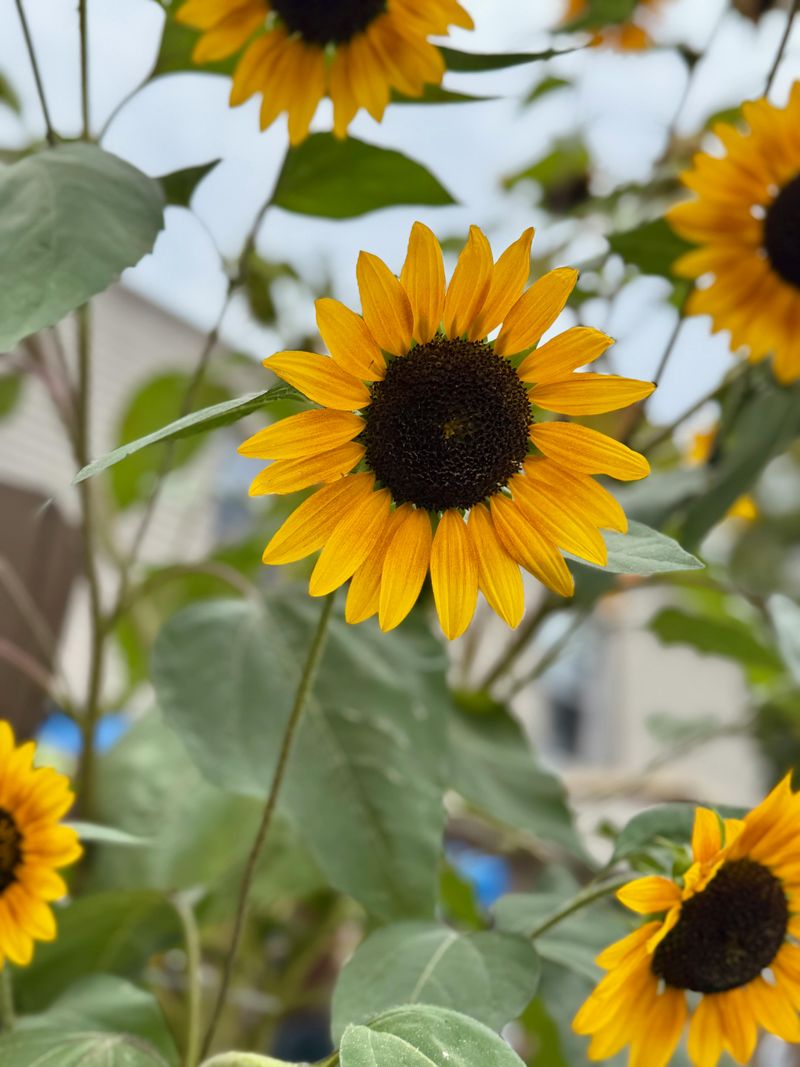
Counting backward from when you want blooms is one of the more useful approaches in gardening. Knowing that most varieties need 70 to 100 days from seed to peak bloom lets you plan your planting date with real precision.
Quick-maturing varieties like Sunrich Orange or Pacino can reach full bloom in as few as 55 to 70 days. Standard garden favorites like Mammoth or Russian Giant often need closer to 80 to 100 days.
Reading the seed packet before you buy is a reliable way to match a variety to your timeline.
If you want July blooms, count back 80 days from mid-July and you land around late April. That works well for eastern Washington but pushes the limits a bit on the west side where frost risk lingers.
Adjusting your target bloom date by just two weeks can make your planting plan considerably more realistic.
August blooms are a practical target for many Washington gardeners because they arrive after the main frost risk has passed and still leave plenty of warm weeks ahead. Planting in mid to late May on the west side works well for that August window.
The calculation becomes more straightforward once you know your variety’s day count.
Mixing quick and slow varieties in the same bed creates a staggered bloom sequence that keeps your garden colorful for weeks longer than a single planting would.
That layered timing approach is one of the more practical ways to extend your summer display.
5. Late April To Mid-May Targets July And August Blooms
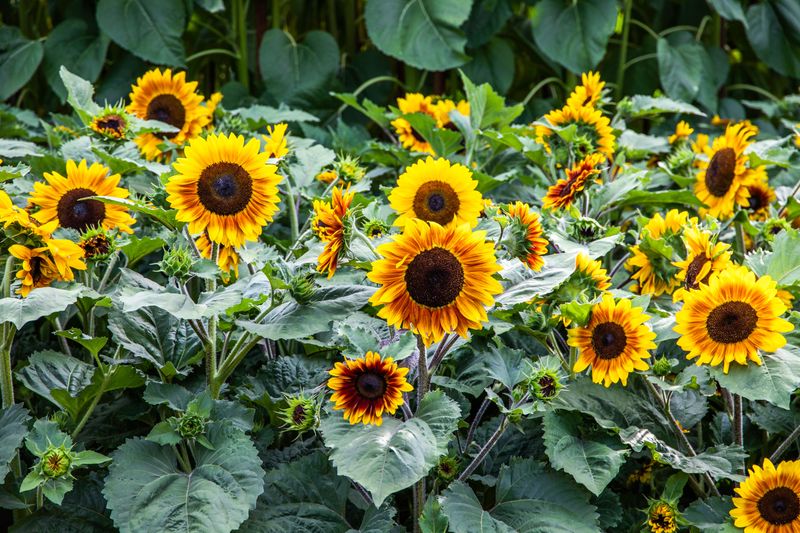
There is a planting window in the Washington gardening calendar that is worth paying close attention to. Planting sunflowers between late April and mid-May brings blooms in July and August, peak summer in the Pacific Northwest.
Late April planting works well for eastern Washington, where soil warms earlier and frost risk drops sooner. On the west side, mid-May is the more reliable option for outdoor direct sowing.
Both approaches target that same midsummer payoff when sunflowers tend to be at their most productive.
July and August bring the most consistent sunshine in Washington, especially west of the Cascades where summer finally dries out after a long rainy spring. Sunflowers planted in this target window can take full advantage of those long sunny days.
Having sunflowers blooming through those weeks can add a great deal of color and character to your outdoor space.
Timing your planting to hit that window is one of the more rewarding decisions you can make as a gardener.
Missing this window by planting too late can push blooms into September, when days shorten and temperatures begin to drop.
That late-season timing often results in smaller flowers and a shorter display before fall arrives.
Planting within the late April to mid-May window gives you the best opportunity for the kind of summer display you had in mind when you bought those seeds.
6. Soil Needs At Least 50 Degrees Before Direct Sowing
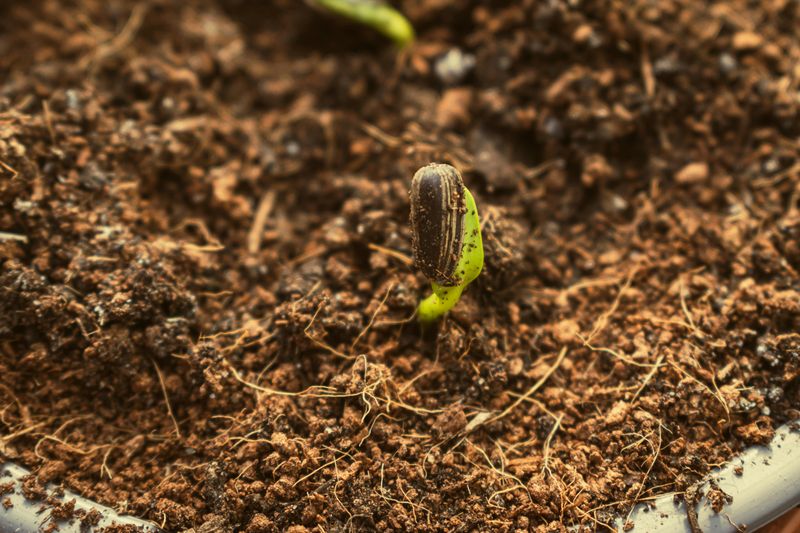
Cold soil creates conditions that are not well suited to sunflower germination. Even if the air temperature feels warm enough to garden in, soil that has not reached at least 50 degrees Fahrenheit can slow germination considerably or prevent it from getting started.
Planting before the soil is ready reduces germination rates and may require replanting.
A basic soil thermometer costs around ten dollars and takes much of the uncertainty out of the process. Push it two to three inches into the ground in the morning, before the sun has had a chance to warm the surface layer.
That reading gives you a more reliable picture of what your seeds will experience underground.
Soil below 50 degrees does not just slow germination. It also makes young seedlings more vulnerable to damping off, a fungal condition that causes stems to deteriorate at the soil line.
Warm soil supports the beneficial microbial activity that helps seeds and seedlings get established.
In western Washington, soil temperatures in open garden beds often do not consistently reach 50 degrees until mid to late May. Raised beds warm up faster than in-ground plots because they are surrounded by air on all sides.
If you are eager to start early, a raised bed with dark soil can give you a one to two week advantage over a traditional garden row.
Covering the soil with black plastic mulch for a week or two before planting is a technique that can accelerate warming noticeably. Gardeners who use this approach often get their soil ready somewhat earlier than they would otherwise.
That head start can noticeably shift your bloom timeline when you plant sunflowers in Washington.
7. Succession Planting Every Two To Three Weeks Extends Blooms
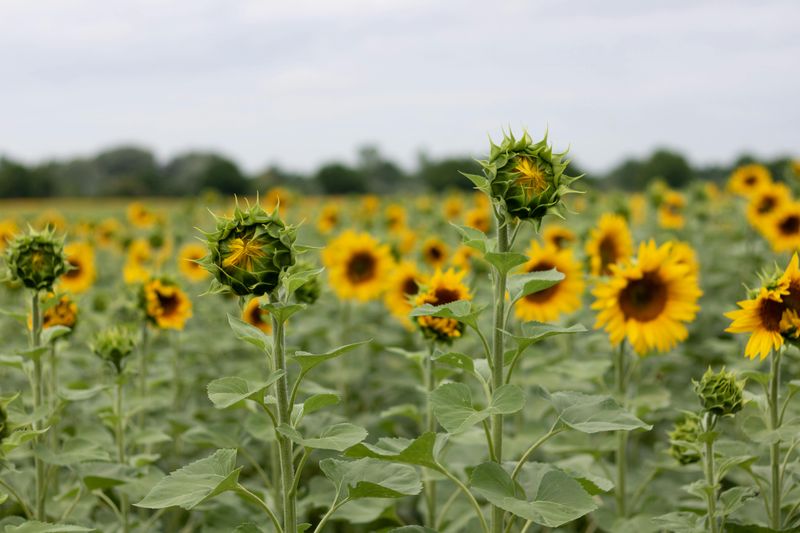
A single planting of sunflowers typically produces one main wave of blooms. Two or three plantings, staggered two to three weeks apart, can give you a more continuous display of color from July through September.
Succession planting is an underused strategy in home gardening that is worth trying, and it is relatively simple to put into practice.
Start your first sowing at the appropriate time for your region, then follow up with a second batch two to three weeks later, and a third batch after that.
Each round of seeds will germinate, grow, and bloom on its own schedule, creating a rolling display rather than a single peak moment.
Your garden can stay lively and colorful for a longer stretch of the summer season.
This approach works particularly well for cut flower gardeners who want a steady supply of fresh blooms throughout summer.
Instead of having more sunflowers than you can use all at once, you get a more manageable harvest that keeps coming.
Keep in mind that your last succession planting needs enough time to reach bloom before the first fall frost. In western Washington, first frost typically arrives in October.
Planting a final round no later than mid-July gives most varieties enough time to bloom before cooler weather arrives.
Succession planting does require some additional planning and garden space, but the payoff is a season-long display rather than a two-week window.
Spreading out your seed packets across the season is one of the more practical approaches any Washington gardener can take with sunflowers.
8. Taller Varieties Need Earlier Planting Than Compact Ones
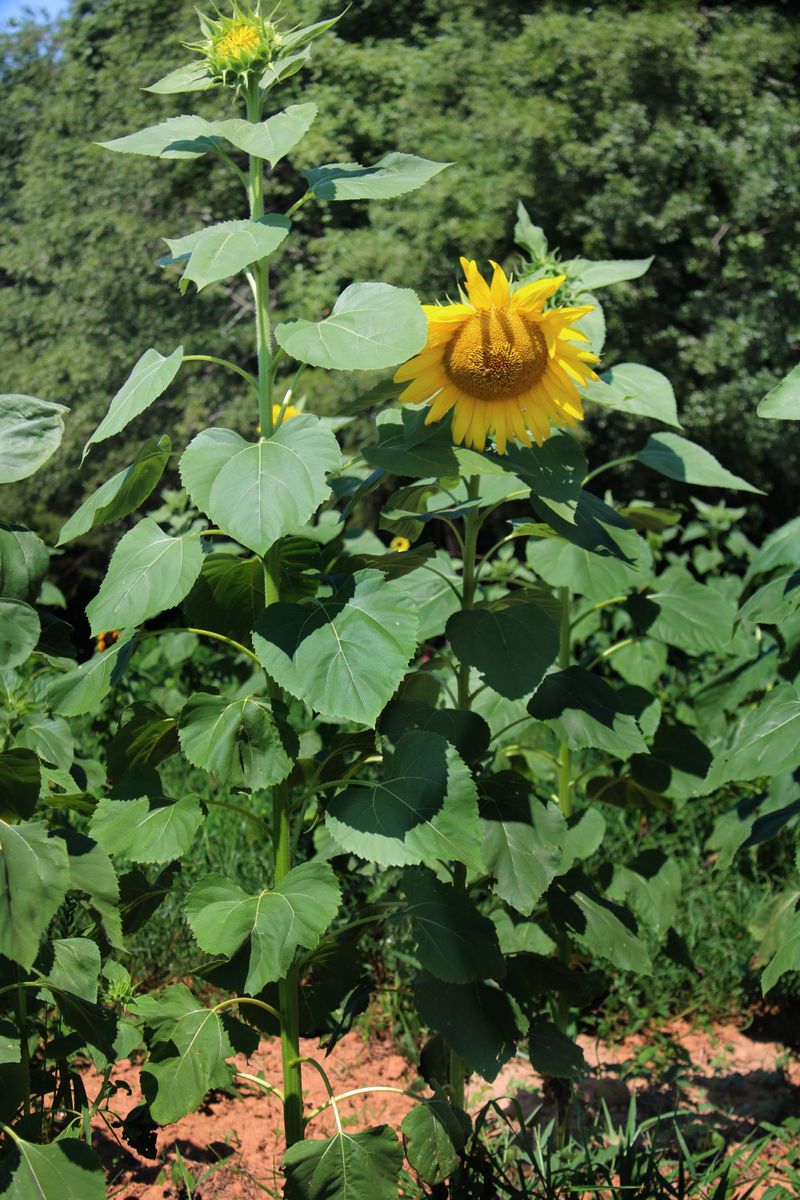
Sunflower varieties differ considerably in size and growing time, and those differences matter more than many gardeners realize.
A towering Mammoth sunflower that tops out at ten to twelve feet needs significantly more growing time than a compact Teddy Bear variety that stays under two feet tall.
Planting both on the same schedule can lead to uneven bloom timing and results.
Tall varieties like Russian Giant, Skyscraper, or American Giant can take 80 to 100 days or more to reach full bloom. That longer development window means they need to go in the ground as early as your frost dates allow.
In eastern Washington, that might mean late April. On the west side, aim for the earliest safe window in mid-May.
Compact varieties tend to be faster. Many dwarf types bloom in 55 to 70 days, which means a mid-June planting can still produce a solid August display.
Their shorter stature also makes them less vulnerable to wind, which is a practical advantage in exposed gardens that get afternoon gusts.
Mixing tall and short varieties in the same bed creates a layered look that adds visual depth to the garden. Plant tall varieties first and add compact ones two to three weeks later to synchronize blooms for a fuller display.
That staggered approach takes a little planning but can deliver a visually rewarding result.
Checking the seed packet for expected height and days to bloom before purchasing lets you build a planting schedule that matches your goals.
Working with each variety’s natural rhythm rather than against it is how you grow a genuinely full summer display when you plant sunflowers in Washington.
9. Choose The Right Spot For Maximum Summer Sun Exposure
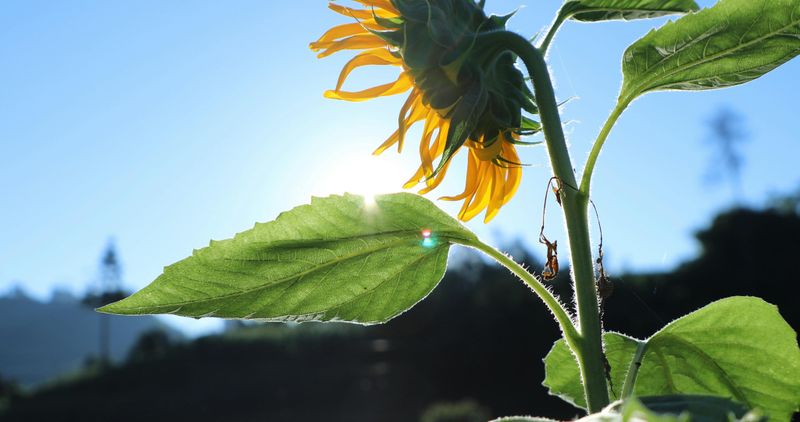
Sunflowers need generous sunlight, and where you plant them matters just as much as when. A spot that receives fewer than six hours of direct sunlight per day can produce weaker, leaning plants with smaller blooms.
South-facing beds or open areas away from tall trees tend to be the more reliable locations for a strong summer display.
In Washington, especially on the west side, summer sun can be inconsistent early in the season. Choosing the sunniest spot in your yard gives your plants better light access during those critical early weeks of growth.
Even a few extra hours of daily sun can contribute to stronger stems and fuller flowers.
Avoid planting near large structures like fences, sheds, or tall hedges that cast long shadows in the morning or late afternoon.
Sunflowers track the sun throughout the day when they are young, a behavior called heliotropism, and they benefit from unobstructed access to do it effectively.
Plants in shadier spots may end up misshapen or facing inconsistent directions as a result.
Good air circulation around your plants also helps reduce the risk of fungal issues like powdery mildew, which can be a concern in the humid western Washington climate.
Spacing plants at least 12 to 18 inches apart and keeping them out of low-lying areas where cold air settles overnight supports better overall plant health.
Picking the right location before you plant gives the entire season a more favorable start.
A sunny, open, well-drained spot combined with the right timing gives you a strong foundation for growing sunflowers in Washington that make a real impression.