Can You Keep A Geranium Alive Through An Ohio Winter
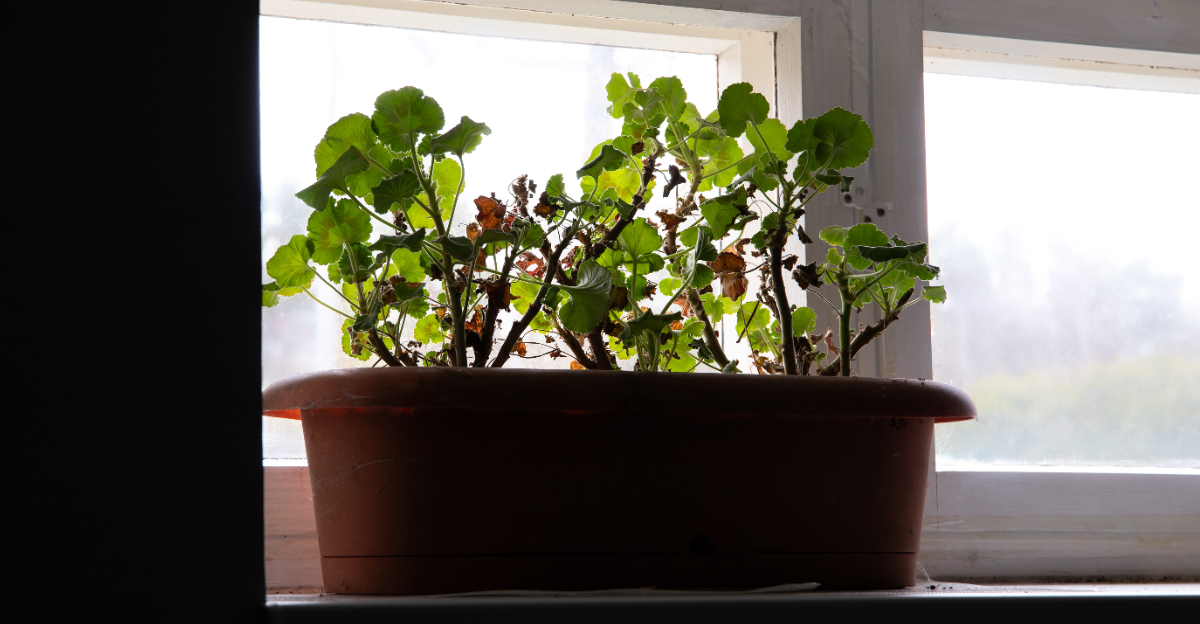
Don’t let the first cold snap fool you into tossing your geraniums aside. Those bright summer blooms that made your porch the envy of the neighborhood may look like they’ve reached the end of their season, but they still have plenty of life left.
When Ohio’s chilly nights start creeping in, a lot of gardeners assume their geraniums are finished until spring.
The truth is, these colorful favorites can take a winter break indoors and return when warmer days roll back around.
With a little timing and the right care, you can turn one season of blooms into years of enjoyment. The steps are simpler than you might think, and your geraniums may surprise you with how well they handle their winter rest.
1. Understanding Ohio’s Winter And Your Geraniums
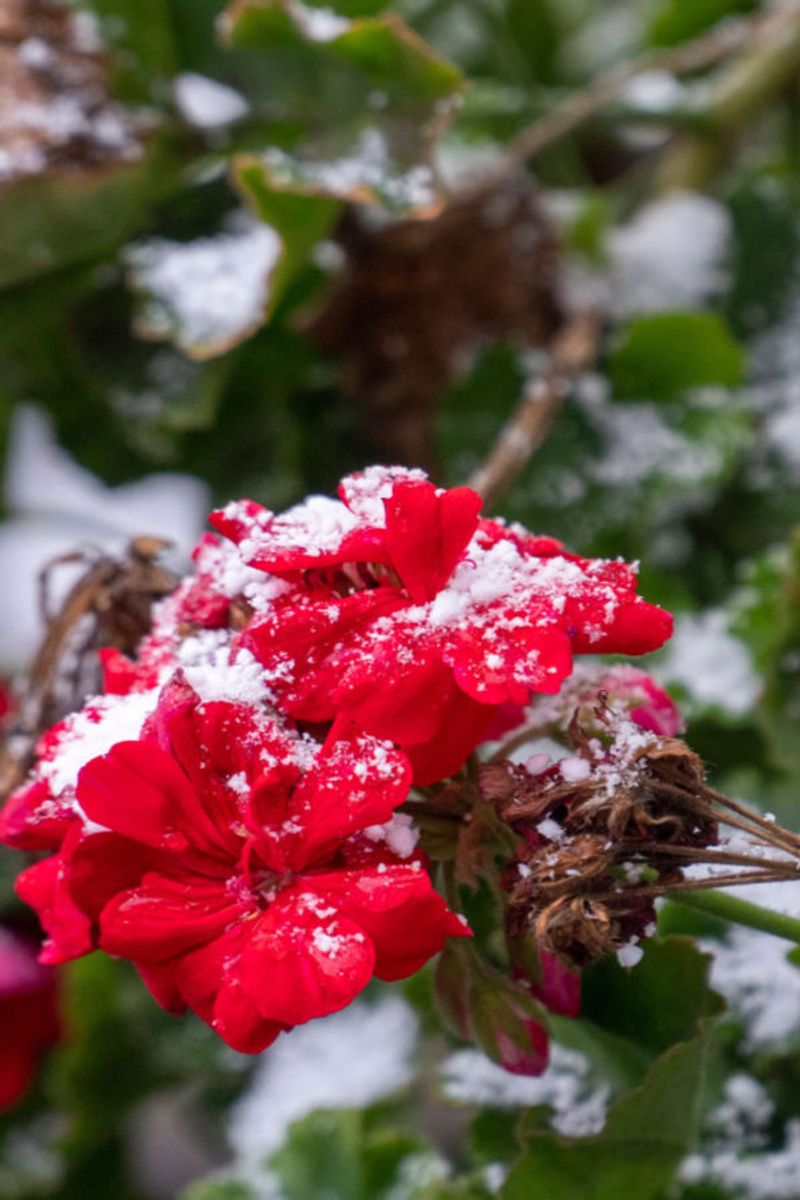
Picture your geraniums, those cheerful splashes of red and pink, suddenly facing the icy blast of an Ohio October. These plants, known by their fancy botanical name Pelargonium, simply are not built to handle frost or freezing weather.
Unlike the tough perennial geraniums that shrug off snow and ice, your garden and container Pelargoniums need protection before frost arrives and temperatures approach freezing.
The most important moment for Gardeners is the first hard frost, which varies by location but often arrives sometime in October across much of the state.
Northern areas like Northeast Ohio often see their first frost earlier in the season, while southern cities such as Cincinnati may enjoy a slightly longer growing season. Keeping a close watch on your local weather forecast becomes really important as fall marches on.
Missing that window puts your plants at serious risk from the harsh cold, so acting early truly pays off. Getting your geraniums ready and brought inside before that first cold snap is the very first step toward keeping them healthy all winter long.
Once you understand this seasonal timing here, you can pick the overwintering method that fits your space and gardening style best. A little planning now sets you up for gorgeous blooms later.
2. Preparing Your Geraniums For Their Winter Rest
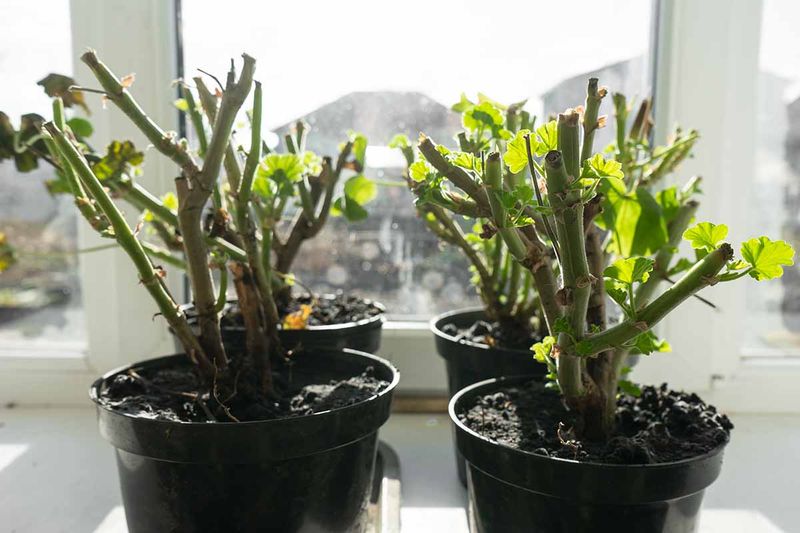
Think of this stage as tucking your geraniums in for a long, cozy nap before the winter settles in. Timing matters most here, since you need to move plants indoors or ready them for dormancy before that first hard frost sweeps across the landscape.
For most gardeners, this means rolling up your sleeves in early to mid-October, depending on where you live in the state. As you get started, take a good look at each plant for any pests or disease.
Watch out for spots, odd coloring, wilting leaves, or tiny insects hiding on the stems. Plants showing serious trouble should be handled right away or set aside so problems do not spread to your other indoor greenery.
This careful check really counts because plants moving from the yard into tighter indoor spaces can attract more pests. Next, trim your geraniums back by about one-third to one-half of their size.
Your Ohio Garden Changes Every Week. Your Plan Should Too.
Gardening in Ohio changes quickly throughout the season. Every Friday you’ll receive a simple weekly plan showing exactly what to plant, prune, fertilize, harvest, and protect so you never miss the right timing.
Cutting them down makes them easier to fit indoors and lowers how much water and food they need during the quieter winter months in Ohio.
Snipping off faded flowers and tired leaves lets the plant save its energy for staying strong.A little grooming now goes a long way toward a happy, healthy comeback.
3. Overwintering Geraniums As Lively Houseplants
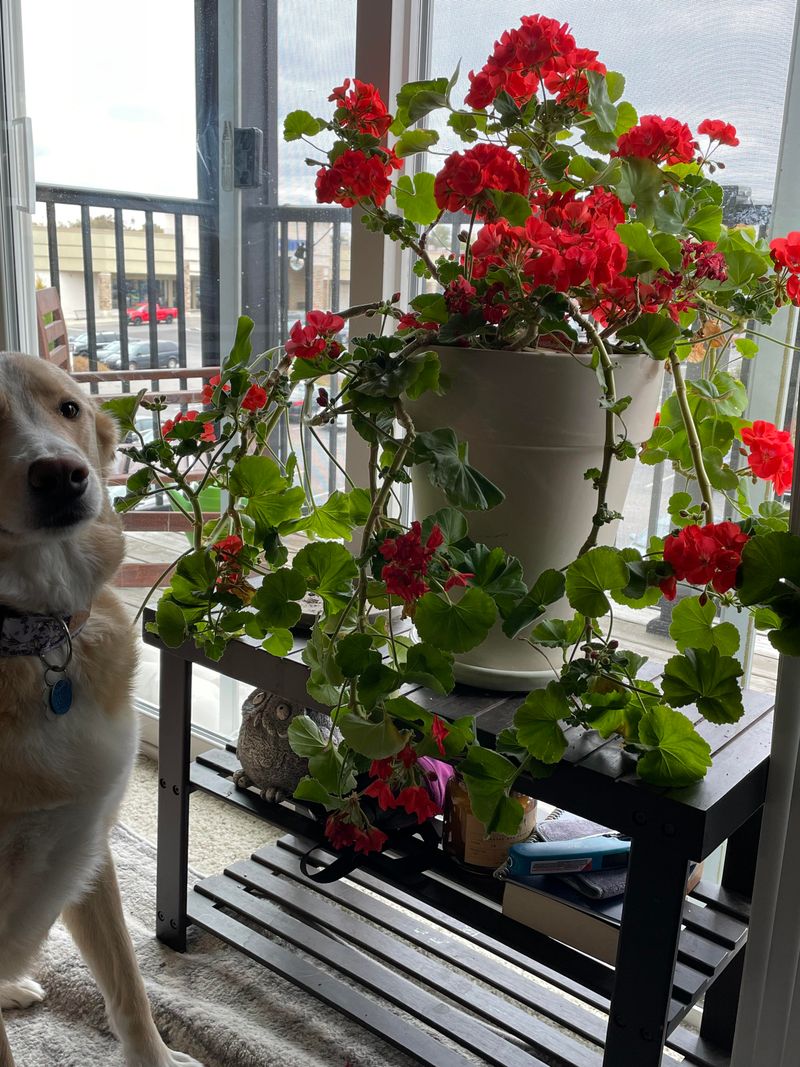
One of the most enjoyable ways to hang onto your geraniums through an Ohio winter is turning them into temporary houseplants. You get to keep their leafy green charm, and sometimes a surprise bloom, brightening your home while snow piles up outside.
Start by gently digging up any geraniums growing right in your garden, keeping as much of the root ball as you can, then tucking them into pots with good drainage holes. Plants already in containers are even easier, since you just carry the whole pot inside.
Before moving them, snip the plant back by about one-third to one-half to encourage fuller, bushier growth and shrink its footprint. Once settled indoors, your geraniums will love a bright spot with at least six hours of direct sun, like a south or west-facing window.
When sunlight runs short during gray winters, grow lights make a fantastic stand-in. Aim for daytime temperatures between 60 and 70 degrees, allow cooler nights, and keep plants away from heating vents that dry out the air.
Cut way back on watering, letting the soil dry a little between drinks to protect the roots. Skip the fertilizer during this restful stretch and let your plant simply coast until spring.
4. Storing Geraniums In Dormancy Bare-Root
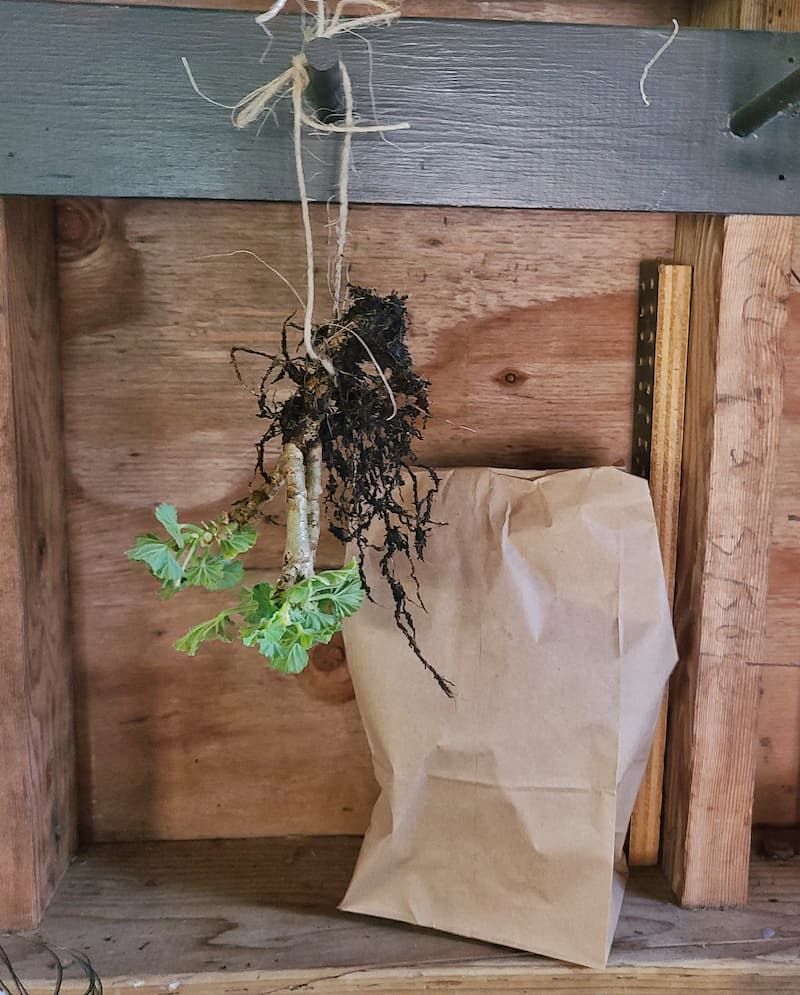
Short on sunny windowsills in your home? No problem, because storing geraniums bare-root gives you a clever, low-effort way to keep them safe.
This dormant method lets the plants slip into a deep rest, needing barely any attention until warmer days return. Begin before the first hard frost hits your garden, usually in early to mid-October.
Carefully dig up each geranium and gently shake off most of the soil clinging to the roots. You do not need to scrub the roots spotless, just knock away the loose clumps of dirt.
After that, let the plants air dry for a few days in a shady, dry spot so mold does not sneak in during storage. Once they feel dry, place one or two plants in a large paper bag, a cardboard box, or hang them upside down in a cool, dark corner like an unheated basement or garage.
The sweet spot for storage temperature sits between 40 and 50 degrees, cool but always above freezing. Check on your resting plants every few weeks through the winter.
Most leaves and tips will shrivel, which is totally normal. Some gardeners lightly mist or rehydrate the roots if they become extremely dry, but avoid soaking them regularly since excess moisture can encourage rot.
5. Cultivating New Life From Geranium Cuttings
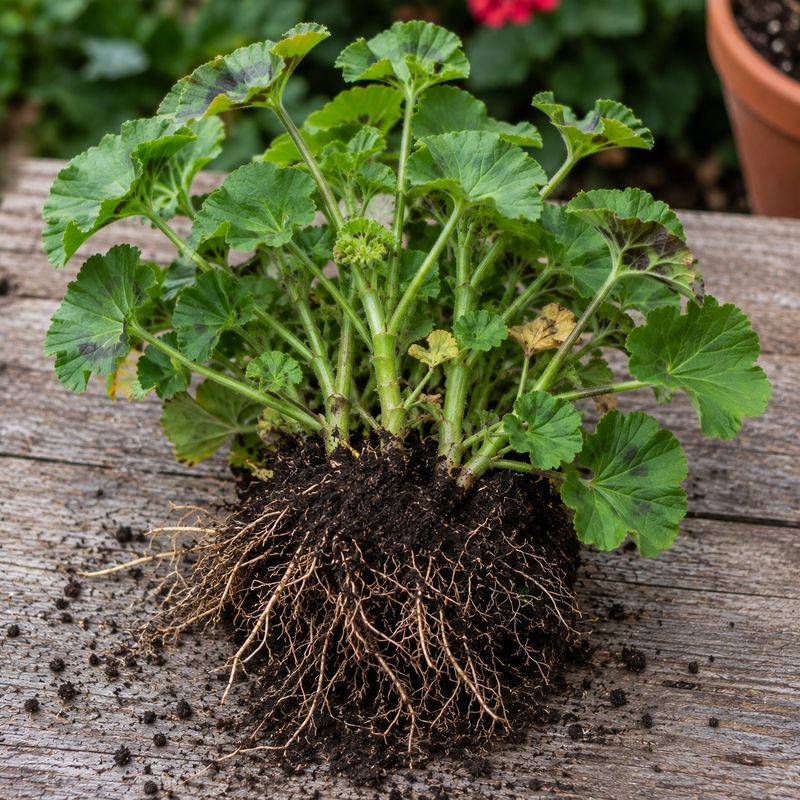
Want more geraniums for free next season? Taking cuttings is a fun, rewarding trick that lets you multiply your favorite plants right at home.
Starting fresh plants from small pieces works wonderfully when space for big potted plants is tight in your home. The best time to snip cuttings is before that first hard frost arrives in the fall.
With clean, sharp scissors or a knife, cut 3 to 4-inch pieces from the healthy tips of your geranium branches.Pick firm shoots that are not too woody, then strip off the lower leaves, leaving just a few at the very top.
Removing those leaves helps the cutting hold onto moisture and put its energy into growing roots. Dipping the cut end in rooting hormone is optional, but it can really boost your success rate.
Push the cuttings into a pot filled with a well-draining mix like perlite, vermiculite, or peat moss, deep enough that they stand up on their own. Water the medium well, then cover it with a clear plastic bag or dome to lock in humidity.
Set the container in bright, indirect light, and roots often begin forming within a few weeks.
Grow them indoors until frost danger has passed in your area, which is often around mid-May but can vary across the state.
6. Awakening Your Geraniums For Spring In Ohio
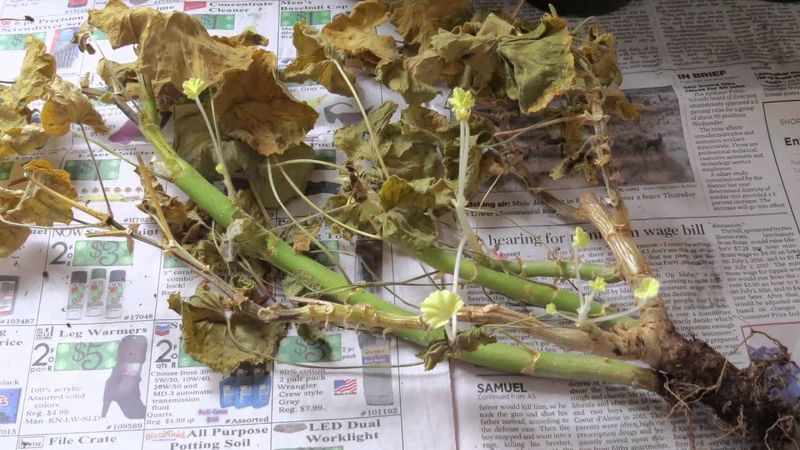
As winter loosens its grip and the first warm hints of spring drift across the state, your resting geraniums are ready for a wake-up call. The right moment usually lands around March, well ahead of the last average frost near May 15th.
For geraniums that spent winter as potted houseplants, grab your pruners and trim away about half to two-thirds of the long, leggy growth that appeared indoors. This bold haircut sparks bushier, stronger new stems.
Plants stored bare-root come out of their cool, dark hideaway now. Expect shriveled leaves and dry stems, which is perfectly ordinary, then clip away all the withered bits down to firm, green, living tissue.
After trimming, pot these revived plants in fresh potting mix and give them a thorough drink of water. Set every awakened geranium, whether potted or bare-root, in a sunny window or under a grow light to jump-start fresh growth.
Within days or a few weeks, you will spot new leaves unfurling. When outdoor weather warms, slowly introduce your plants to the outside world through a process called hardening off.
Wait until after Mother’s Day or Memorial Day weekend in many parts of the state, dodging any sneaky late cold snaps before returning them to the garden.
7. Essential Tips For Geranium Success In Ohio
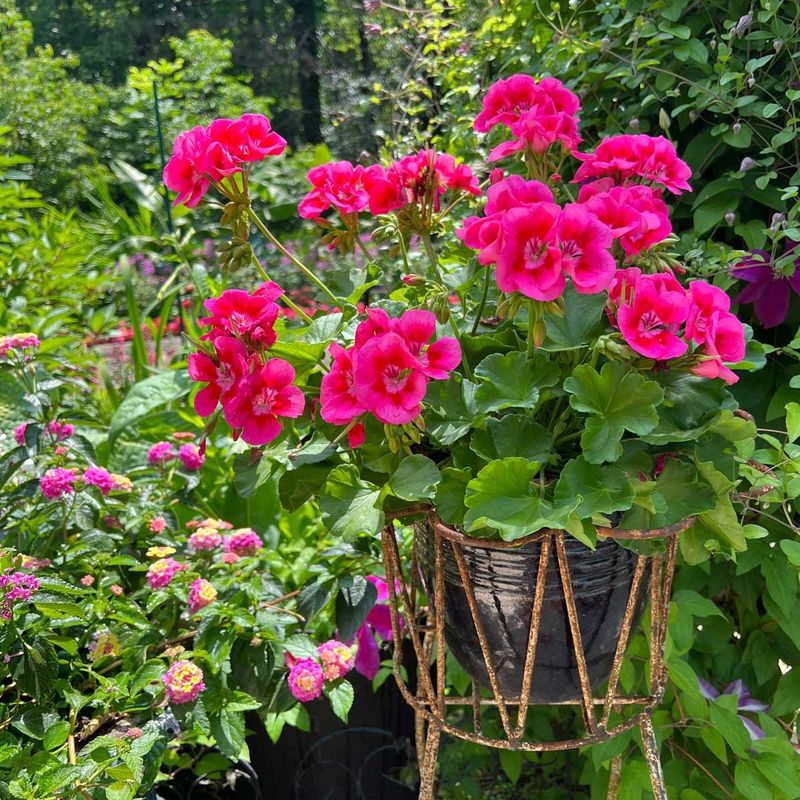
Ready to give your geraniums the very best shot at bouncing back beautifully? A handful of smart habits will help them sail through winter and explode with color come spring in Ohio.
Above all, make plant health your top priority before starting any overwintering method. A geranium that is strong and free of pests before its winter rest has a far better chance of a lively return.
Whenever you bring plants inside or prep them for dormant storage, inspect them closely for hidden insects or fungal trouble. Indoor conditions can sometimes make those problems worse, so a careful eye really counts.
Good air circulation matters too, since stuffy air around potted or bare-root plants invites mold and mildew. If you keep geraniums as houseplants, park them away from drafts and heating vents that stress them and dry them out.
Remember that geraniums, especially dormant ones, drink very little water, and overwatering is a common slip-up that harms the roots. Staying consistent, whether checking soil moisture or peeking at dormant roots for shriveling, makes a big difference.
Follow these friendly, practical tips, and gardeners can stretch the life of their beloved geraniums. They will come back bigger, brighter, and eager to light up the garden season after season.