Where And When To Hang An Owl Box In A California Yard
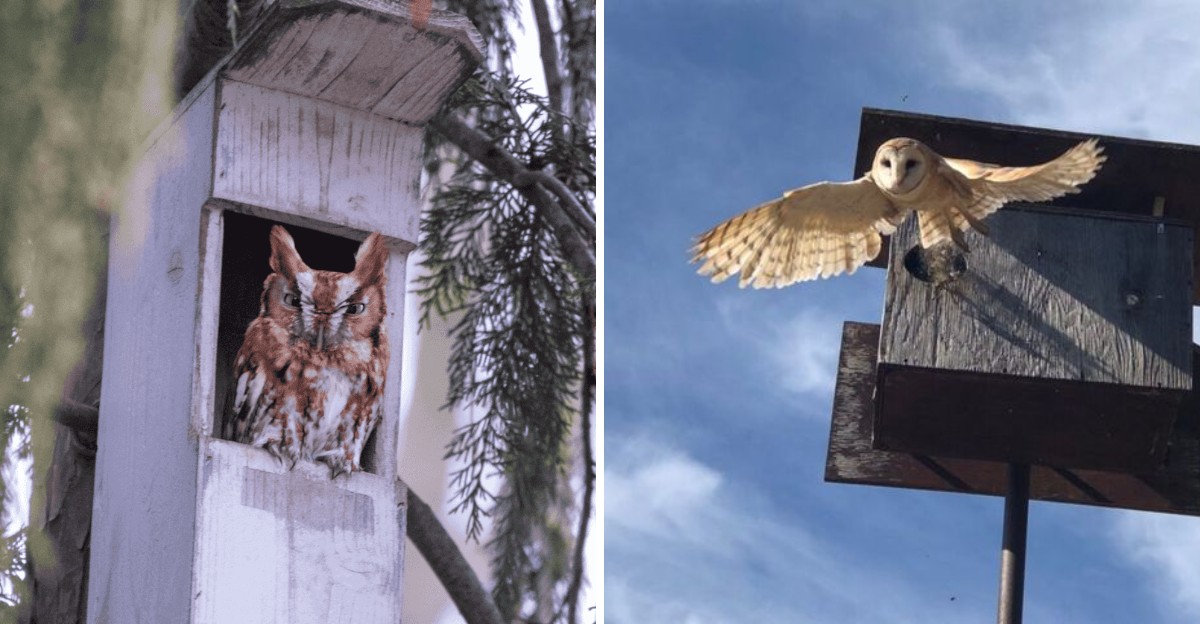
California’s pale, heart-faced night hunters often start scouting for nest sites in December and January. Their main breeding season usually runs February through May, so a box hung this fall gives them time to find it.
Most experts suggest mounting it roughly 12 to 20 feet high, facing away from harsh afternoon sun in hot inland areas. Big wooded groves nearby can be risky, since larger tufted hunters sometimes prey on these gentler neighbors.
Now that I think about it, the quietest helper in my yard might also be the hardest working one. You might notice gopher mounds shrinking long before you spot a single pale wing at dusk.
Plenty of boxes sit empty for a year or more simply because of the wrong spot or season. A few smart choices about height, direction, and nearby trees could turn a plain wooden box into a busy nursery.
The Calendar Matters More Than the Box Itself
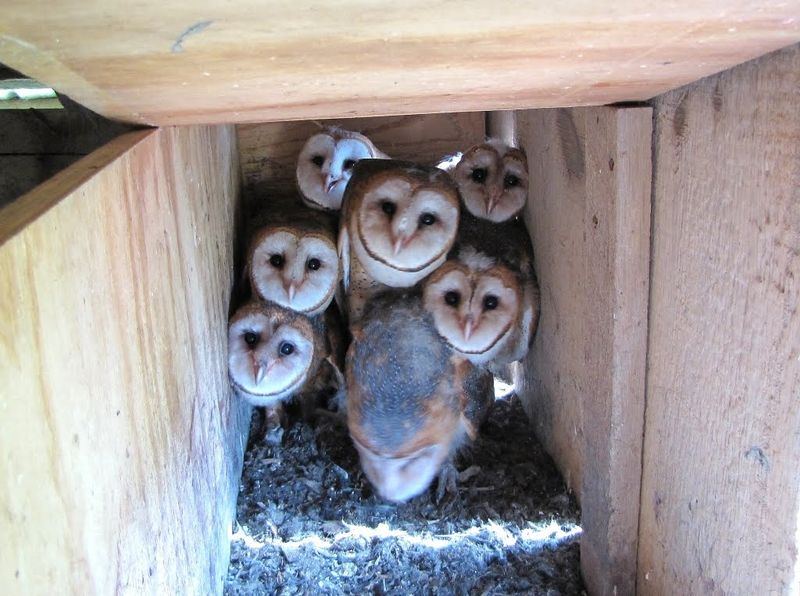
Most folks hang a birdhouse in spring and wait for tenants. Owls in California keep a different schedule, and catching it early makes a real difference.
Barn owls here often start checking out nest sites in December and January. Their main breeding season usually runs from about February through May, though some pairs nest at other times in mild areas. Hanging your box in late summer, fall, or early winter gives them time to find it before they settle down.
I think of it like listing a house before the busy moving season. The owls get months to fly past, peek inside, and decide whether they trust it.
Boxes installed in March can still get lucky, especially where prey is plentiful. Earlier is better, though, so aim for September through December if you can.
Fall also makes the job easier for you. Temperatures cool off, the ground is often softer after the first rains, and you avoid disturbing any birds that might already be nesting nearby.
Keep your expectations realistic. Some boxes get claimed within weeks, while others sit empty for one to three years. An empty box in year one is no failure, just a box still waiting for the right pair.
Barn Owls Want Their Front Door Up High
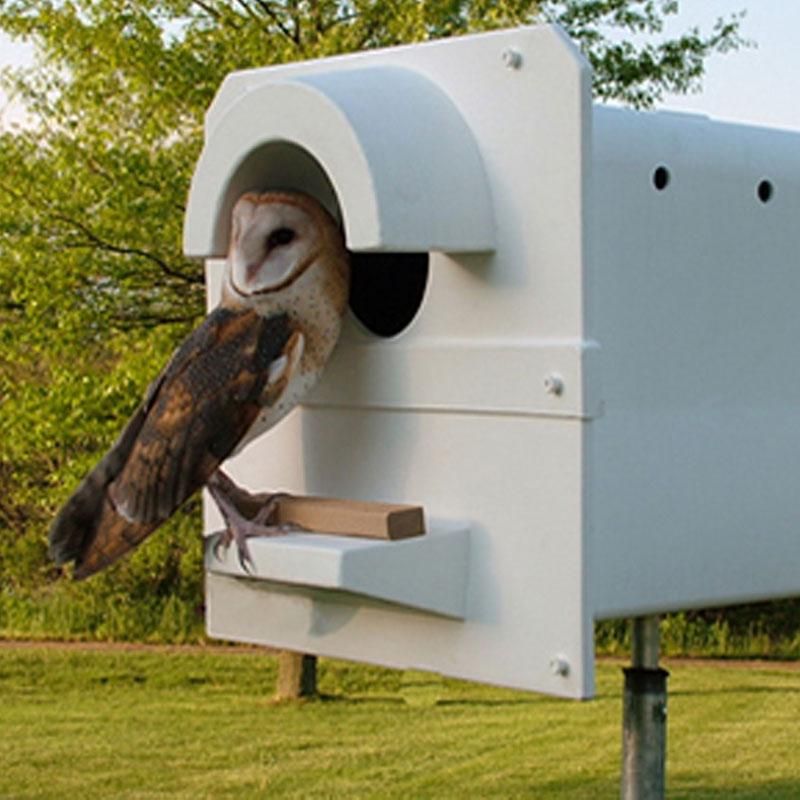
Height is the single detail people underestimate most. A box at eye level feels cozy to us, yet to an owl it looks like an open invitation for trouble.
For barn owl boxes, most experts suggest mounting them roughly 12 to 20 feet off the ground. Smaller western screech-owl boxes do well at about 10 to 15 feet. That height keeps the family above curious pets, kids, and many ground predators.
Pole mounting is popular across vineyards, ranches, and roomy suburban lots. A sturdy steel or treated wood pole gives you control over placement and makes it harder for climbing animals to reach the nest.
Adding a metal predator guard or a wrap of smooth flashing below the box helps a lot. Raccoons are clever climbers, and that slick barrier stops many of them cold.
Trees and the walls of barns or sheds can work too. Just make sure the mount is solid enough to handle wind, rain, and a box that may weigh quite a bit once owls move in.
Personally, I would rather spend an extra afternoon setting a strong pole than worry about a wobbly box during the first winter storm.
Open Grassy Ground Turns Your Yard Into an Owl Buffet
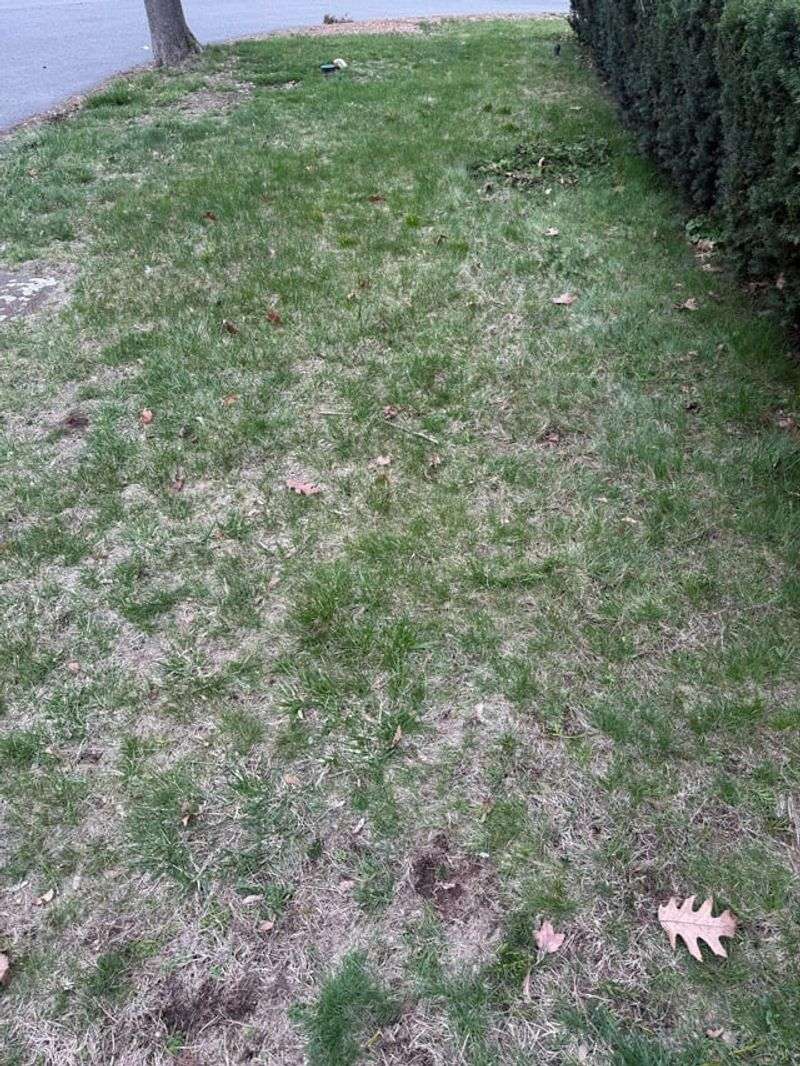
Owls shop with their ears. Barn owls hunt by flying low over open ground and listening for the tiny rustle of a vole or gopher below.
That means your box needs to sit near open space. Fields, pastures, orchards, vineyards, large lawns, and grassy edges all make excellent hunting grounds. A yard surrounded by nothing but rooftops and pavement offers far less to eat.
You do not need acres of land, though. Many suburban California neighborhoods sit beside parks, creek corridors, or undeveloped lots that owls happily patrol at night.
Take a slow walk around your property at dusk. Look for open stretches, gopher mounds, and quiet areas where an owl could swoop without dodging cars or bright security lights.
A scattering of trees nearby can be helpful. Young owls often hop to a close perch during their first clumsy flights, and a branch within reach gives them a safe landing spot.
Here is a fun bit of trivia. Barn owls can locate prey in total darkness using hearing alone, thanks to their lopsided ear openings and that dish-shaped face that funnels sound inward.
Point That Owl Box Entrance Away From the Afternoon Sun
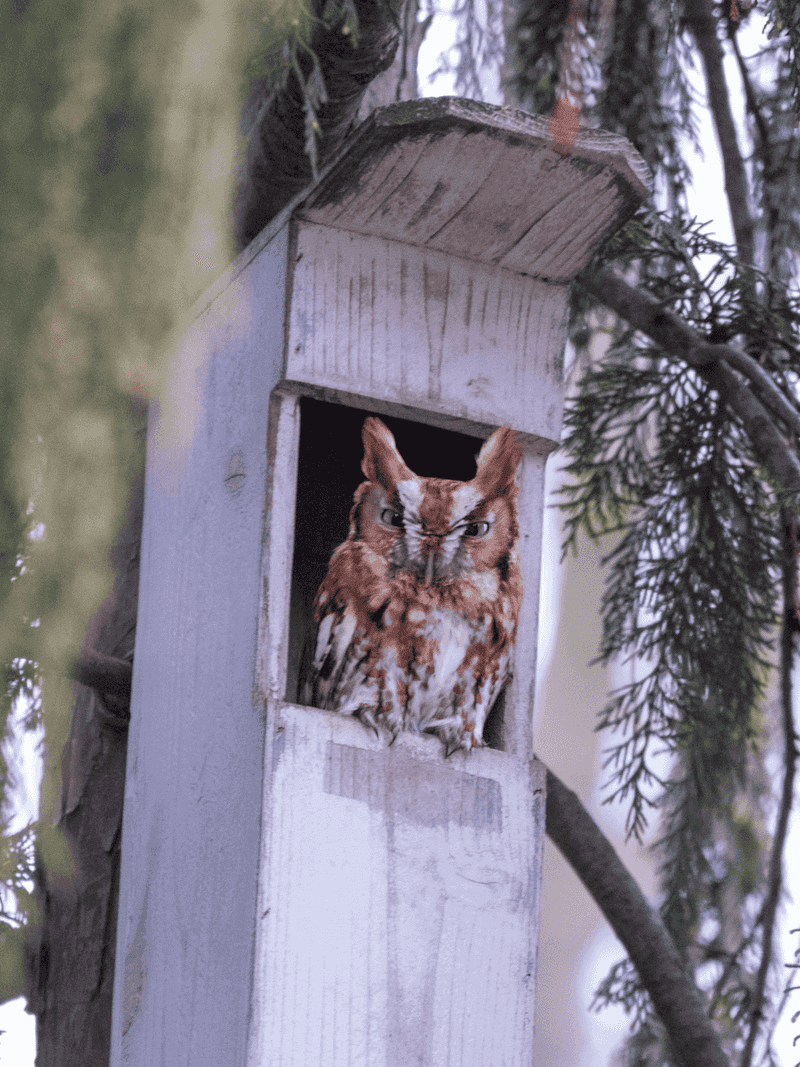
Inland California summers can bake a wooden box like a little oven. Which way the entrance faces can decide whether owlets stay comfortable or struggle in the heat.
Barn owls will accept boxes facing many directions. Researchers and box builders often recommend facing the opening east, northeast, or southeast in warm regions. That lets the box catch gentle morning sun while dodging the harsh late-day rays.
In the Central Valley and inland Southern California, this matters a lot. Some builders add shade boards, light-colored paint, or extra ventilation to help keep interiors cooler on scorching afternoons.
Coastal yards are more forgiving thanks to fog and ocean breezes. Still, a sensible orientation gives you peace of mind during a surprise heat wave.
Next, check the flight path. The entrance should open onto clear air, with no branches crowding the hole. Owls like a smooth approach and an easy escape.
Also make sure no limb rests near the opening. A handy branch beside the door works like a ladder for raccoons, cats, and other predators looking for an easy meal.
Big Trees Can Hide a Great Horned Owl Problem
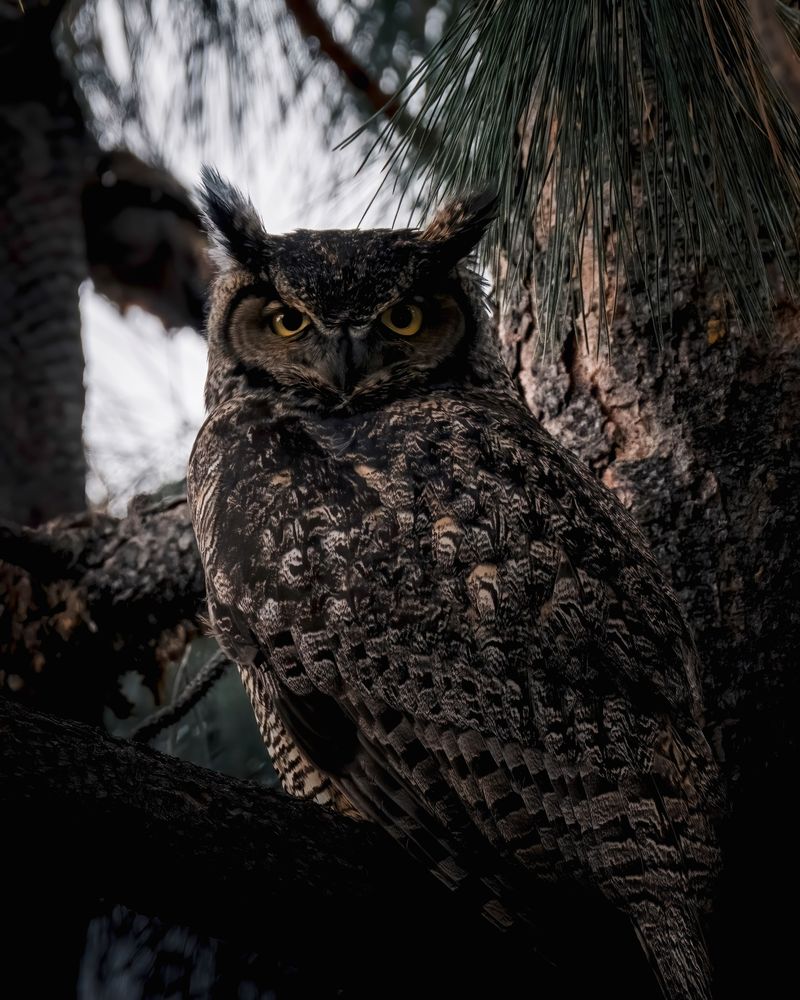
Owls have their own pecking order, and the bully on the block is often the great horned owl. These large, tufted hunters will prey on barn owls when given the chance.
Great horned owls favor wooded areas and tall trees for perching and nesting. Placing a barn owl box right against a thick grove may put your new guests next door to a predator.
So what should you do? Aim to set the box in a more open spot, with a reasonable gap between it and dense woods. A few scattered trees nearby are fine, but a dark, crowded stand is riskier.
If you already hear deep hoo-hoo-hoo calls from your neighborhood trees, that is a strong clue great horned owls live close by. You may want to shift your box toward the most open part of your property.
I find this one of the most surprising lessons for new owl hosts. We tend to assume all owls get along, yet nature runs on competition.
Western screech-owls face similar risks, so their boxes also benefit from thoughtful spacing and a clear view of surrounding branches.
Busy Roads and Your Car Make Poor Neighbors for Owls
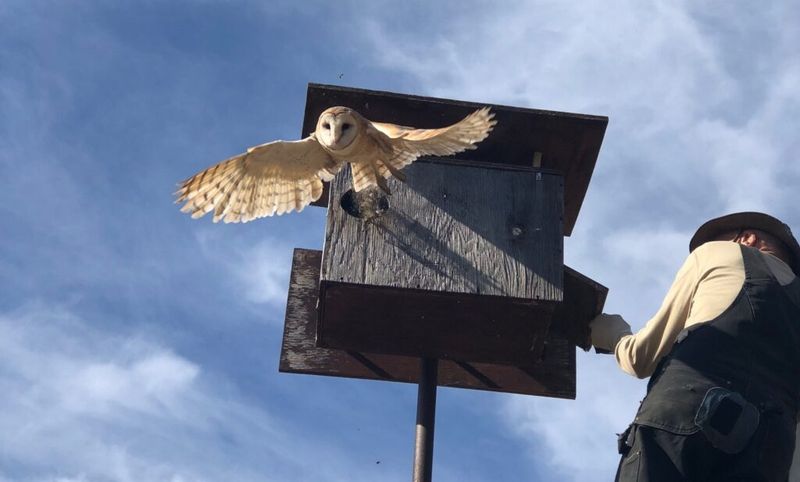
Owls fly low while hunting, often just a few feet above the ground. That habit makes nearby highways and busy streets a real hazard.
Vehicle collisions are a well-known risk for barn owls. Mounting a box right beside a busy road can lure them into a dangerous hunting zone. Try to place it on the side of your property farthest from heavy traffic.
Power lines deserve attention too. Large birds can be harmed by electrical equipment, so keep the box clear of utility poles and overhead wires.
Now for a quirky but practical tip. Owls cough up pellets made of fur and bones, and their droppings can stain and damage surfaces over time.
Avoid hanging the box right above your patio, car, outdoor furniture, or freshly painted fence. A spot over open ground or a garden bed works much better.
Some gardeners even love collecting pellets for science projects. Kids can pull them apart and find tiny skulls, which reveals exactly which pests your owls have been eating. It is one of the most memorable backyard lessons you can share with a curious child.
A Thin Layer of Wood Chips Makes the Owl Nest Feel Like Home
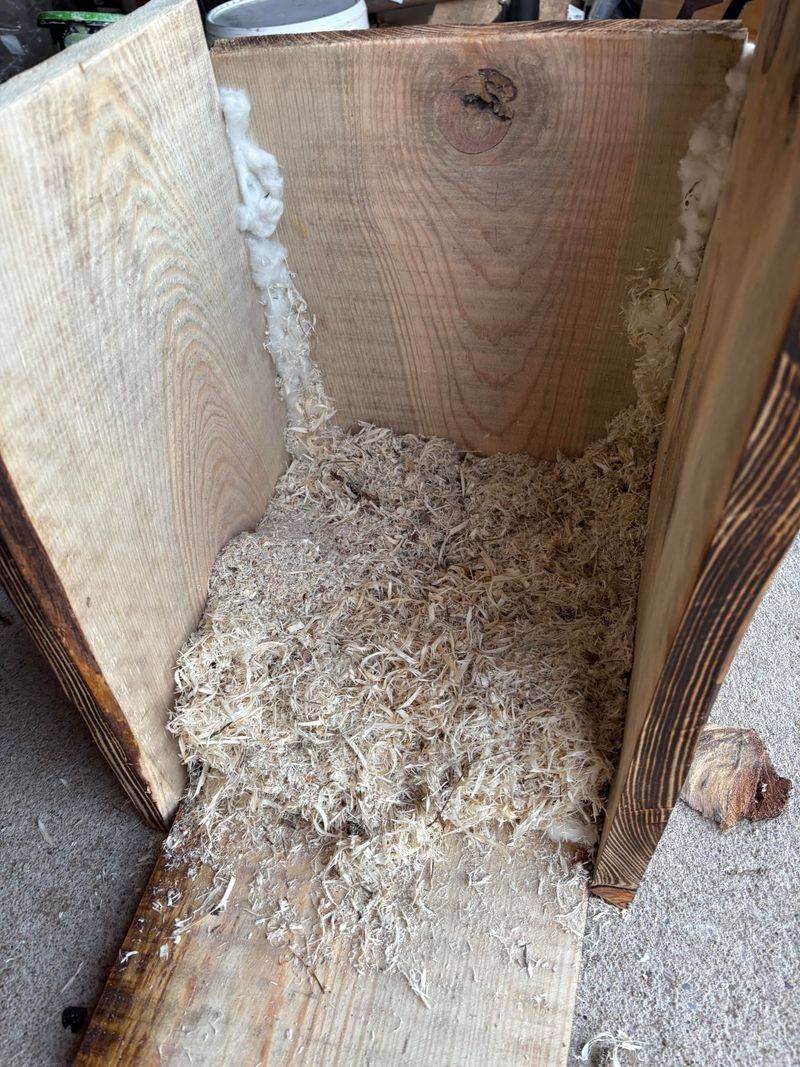
Barn owls are not builders. They do not haul in twigs or grass, so the floor of your box is basically their mattress.
A thin layer of untreated wood chips, wood shavings, or pine needles helps cushion eggs and keeps them from rolling around. Many guides suggest a layer from under an inch to a few inches deep.
Skip sawdust, straw, and hay. These materials can hold moisture or create dust and mold, which may cause breathing problems for the birds.
Size and design matter too. A quality barn owl box gives plenty of interior room so growing owlets can move and flap. Drainage holes, ventilation gaps, and a cleanout door all make life easier for owls and for you.
Look for grooves or a rough surface below the entrance inside the box. Young owls use these to climb up and peek out before they take their first flight.
If you buy a box, choose one designed specifically for barn owls or screech-owls. A generic birdhouse simply will not fit their needs.