Where And When To Hang An Owl Box In Your Pennsylvania Yard
Pennsylvania’s barn owls have been quietly disappearing. As old wooden barns, silos, and hollow trees have vanished from the landscape, these ghostly white birds have lost many of the places they once raised their young.
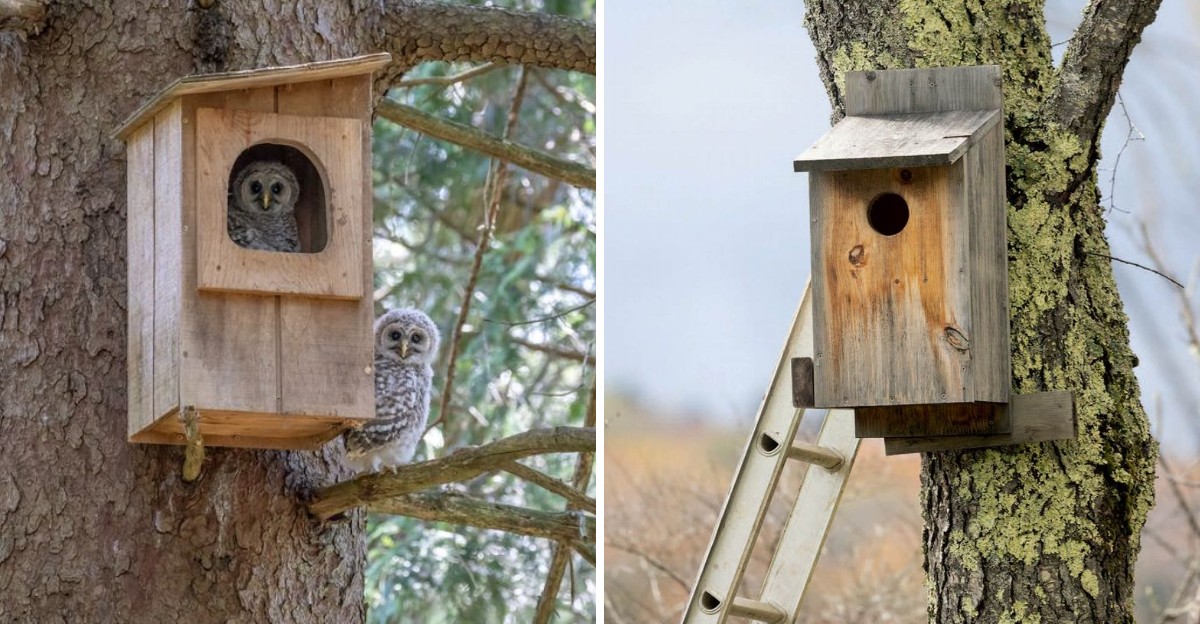
Owl boxes are helping fill that gap. A well-placed box gives barn owls, screech owls, and other species a safe, sheltered spot to nest.
In return, they patrol your yard at night, snapping up mice, voles, and other rodents that damage gardens and sneak into sheds. Hearing a soft trill or eerie screech outside your window after dark is a bonus.
There’s a catch, though. Owls are picky tenants. The height, direction, surroundings, and timing all affect whether a box gets used or sits empty for years.
Fall and early winter are the perfect time to plan, giving owls a chance to find your box before nesting season begins.
1. Choose The Right Box For Your Owl
Not every owl wants the same kind of house. Think of it like shoes. A size that fits one owl will feel all wrong for another.
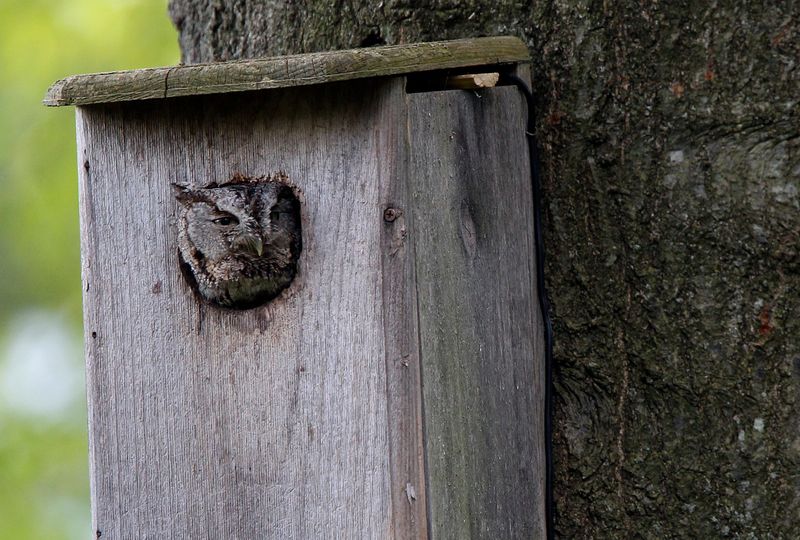
In most Pennsylvania neighborhoods, your most likely guest is the eastern screech-owl. These little birds stand only about eight inches tall.
They do well in suburban yards that have big, mature trees. A screech-owl box is fairly small, with a floor about 8 by 8 inches and an entrance hole close to 3 inches wide.
Barred owls are a different story. They are much bigger, with dark eyes and a hooting call that sounds like “Who cooks for you?”
They like deep woods, often near creeks, rivers, or swamps. Their boxes need a floor of about 12 by 12 inches and a hole around 6 to 8 inches wide.
Then there are barn owls, with their heart-shaped white faces. They prefer open farmland, hay fields, and old barns.
Barn owls are rare in Pennsylvania, so the state works hard to help them. If you live on a farm, a large barn owl box could be a real gift to the species.
So how do you pick? Look at where you live. A backyard in a town with a few oaks or maples is perfect for screech-owls.
A wooded lot near water might attract barred owls. Wide fields and farm buildings could bring in barn owls.
Fun fact: eastern screech-owls come in two colors, gray and reddish-brown. Both colors show up in Pennsylvania.
Choosing the right box first means you are not just building a house, you are building the right house for the owl next door.
2. Hang It In Fall Or Early Winter
Timing is everything when it comes to owls. Many people wait until spring to put up a box, but by then the owls have already made their plans. Getting ahead of them is the secret.
Fall and early winter are the best times to hang an owl box in Pennsylvania. The leaves have dropped, so you can see branches and spots clearly.
The ground is still easy to work on before deep snow arrives. Plus, owls are starting to think about the year ahead.
Your Pennsylvania Garden Changes Every Week. Your Plan Should Too.
Gardening in Pennsylvania changes quickly throughout the season. Every Friday you’ll receive a simple weekly plan showing exactly what to plant, prune, fertilize, harvest, and protect so you never miss the right timing.
Here is why that matters. Screech-owls and barred owls begin scouting for nest sites in late winter. Some start checking out holes as early as January.
Many lay their eggs by March or early April. If your box goes up in May, you have likely missed the season.
Owls also use boxes for more than nesting. On cold winter nights, a screech-owl may roost inside a box to stay warm and hidden.
That gives the bird a chance to get used to the spot. An owl that sleeps there in December might decide to raise a family there in spring.
A good plan is to mark your calendar for October or November. Pick a mild weekend, gather your tools, and get the job done. If you miss that window, try to finish by late January at the latest.
Do not worry if no owl moves in right away. Sometimes it takes a year or two before a bird finds the box. Patience pays off.
Once an owl discovers a safe home, it may come back season after season, giving you years of nighttime visits.
3. Mount It At The Right Height
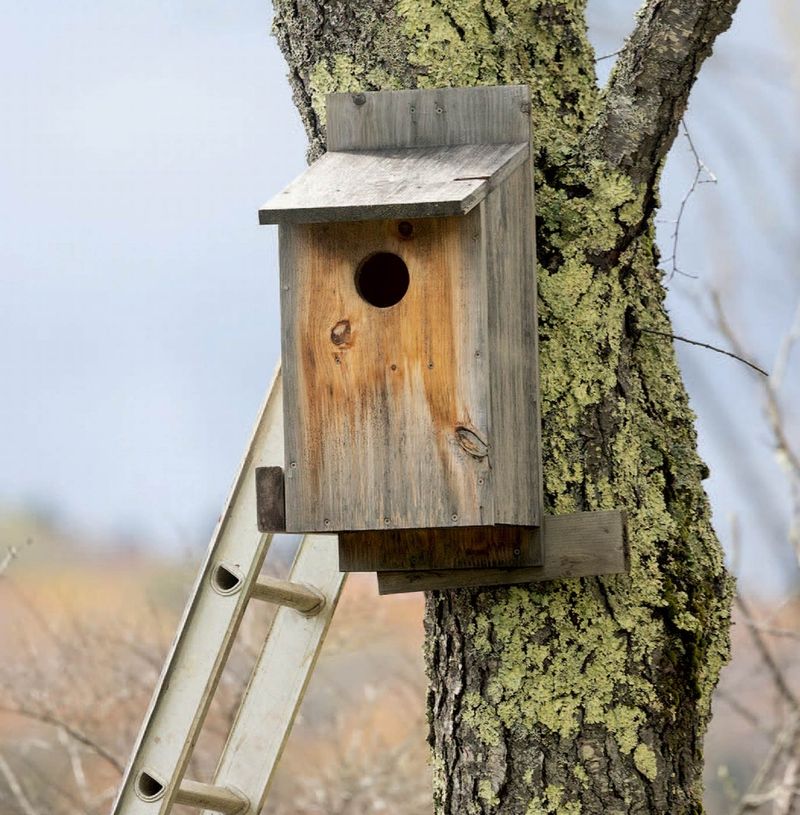
Grab your ladder, because owls like to live up high. Height keeps them safe from curious pets and gives them a good view of their hunting grounds. Getting the height right is a big step toward success.
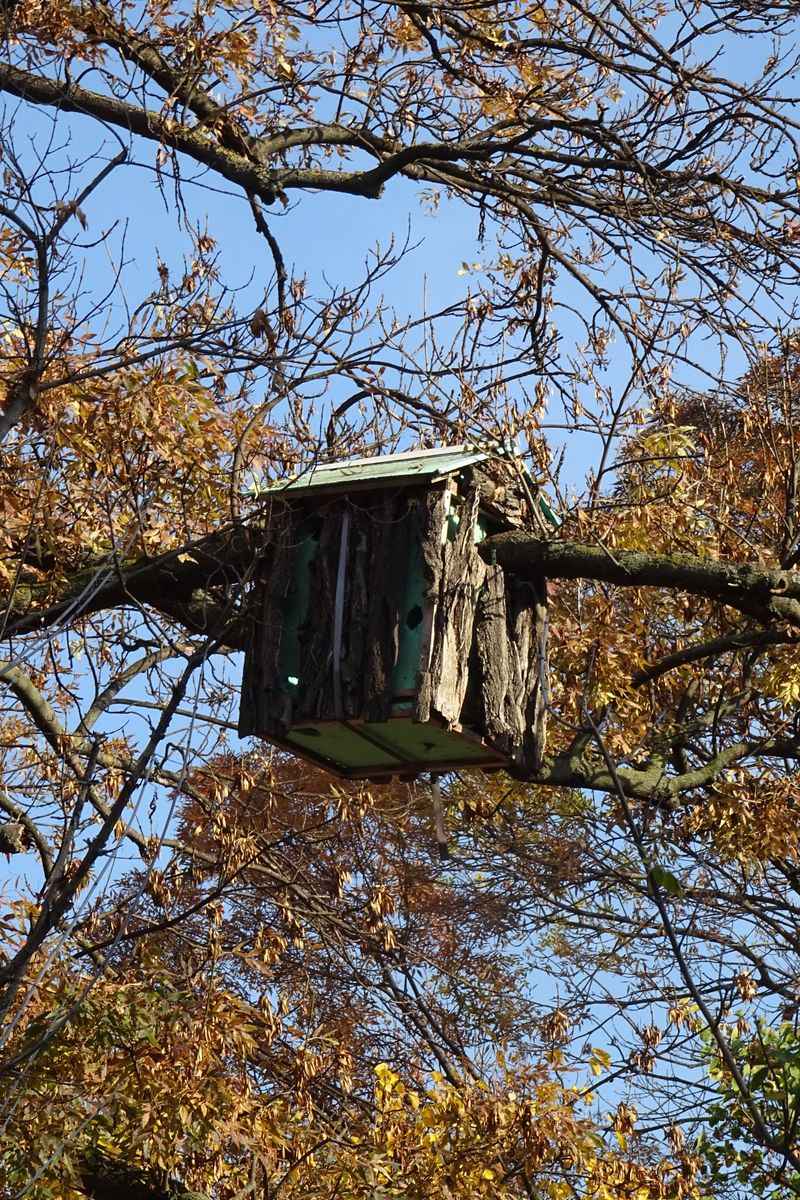
For eastern screech-owls, aim for about 10 to 20 feet off the ground. Choose a sturdy tree trunk that is thick and healthy.
Oaks, maples, and sycamores work well in Pennsylvania yards. Avoid skinny trees that sway a lot in the wind.
Barred owls need to go even higher. Their boxes usually sit around 15 to 30 feet up in big, mature trees.
Since these boxes are heavy, you may want help from a friend or a tree service. Safety should always come first when working that far up.
Barn owls are a bit different. Their boxes often go inside barns, silos, or other tall farm buildings.
Some people also mount them on tall wooden or metal poles out in open fields. A pole near a hay field can make a great hunting base.
When mounting any box, use strong screws or lag bolts. Some folks like to attach the box to a board first, then fix the board to the tree. That makes it easier to remove later and causes less harm to the bark.
Quick safety tip: never climb a tall ladder alone. Have someone hold the bottom and pass up tools. Wear gloves and sturdy shoes, too.
Also, think about how you will reach the box for yearly cleaning. A height that is safe for owls but still reachable for you is the sweet spot.
4. Pick A Spot Near Open Space
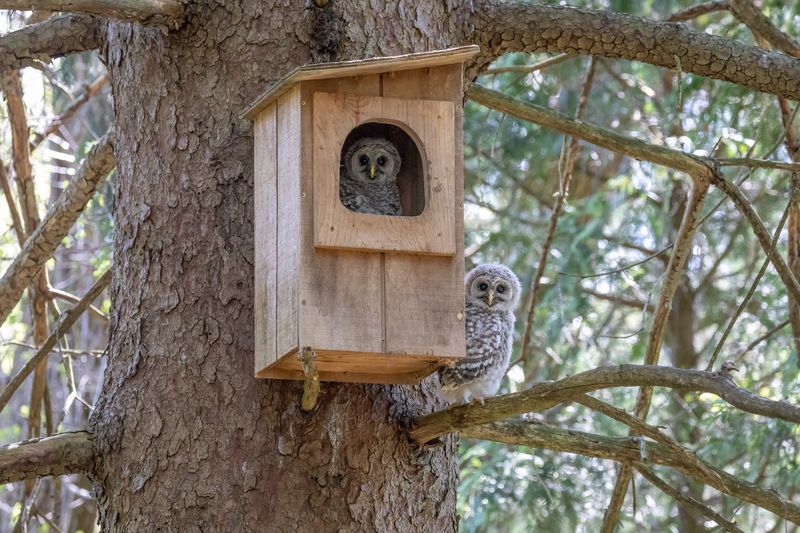
Owls are hunters at heart. Every night, they need a place to find dinner. That is why the best owl box spots sit close to open ground.
Look around your yard for an edge. An edge is where two kinds of land meet, like woods and a field. Owls love these areas because mice, voles, and big bugs gather there. A large lawn, a meadow, or a quiet pasture next to trees is ideal.
Screech-owls are happy hunting around backyard gardens and lawns. They catch moths, beetles, crickets, and small rodents.
Barred owls often hunt along streams and wooded clearings, grabbing frogs, crayfish, and mice. Barn owls glide low over grassy fields, listening for tiny footsteps in the dark.
Next, check the flight path. Owls need a clear way to fly in and out of the box. Branches hanging in front of the entrance can block them. Trim small twigs if needed, but keep some leafy cover nearby so the owl can perch and rest safely.
It also helps to keep the box away from busy areas. A spot right beside your back door or a noisy playset may feel too stressful. Try a quieter corner where people do not walk all the time.
Did you know an owl can hear a mouse moving under snow? Their ears are placed at slightly different heights on their heads.
That helps them pinpoint sounds with amazing accuracy. Give them a hunting ground right next door, and they will reward you by keeping rodents in check all year long.
5. Protect It From Winter Weather
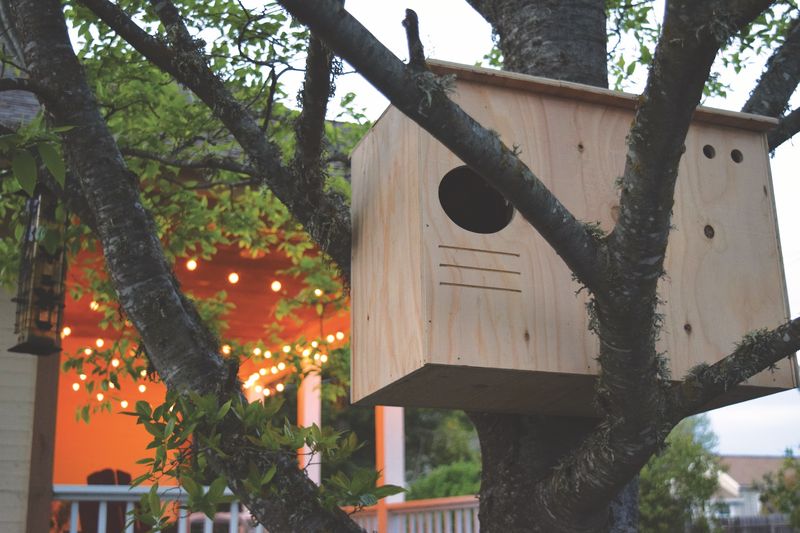
Pennsylvania winters can be rough. Icy winds, sleet, and heavy snow roll in for months. An owl box needs to stand up to all of it.
Start with direction. Most cold winter winds in Pennsylvania blow in from the northwest. If the entrance faces that way, chilly air and snow will blast right inside. Instead, point the hole toward the east or southeast.
An east-facing box has another bonus. It catches gentle morning sunshine, which helps warm the box after a frosty night. Owls sleep during the day, so a cozy box makes a big difference.
Now think about the box itself. Good boxes are made from thick, untreated wood like cedar or pine, about three-quarters of an inch or more.
Thin wood can crack and lets cold seep in. Never use pressure-treated lumber, since its chemicals can harm the birds.
A sloped roof is a must. It lets rain and melting snow slide off instead of pooling on top. Look for a roof that hangs over the front a bit. That overhang acts like a little umbrella for the entrance.
Drainage holes in the floor matter, too. If water does get in, it can drip out instead of soaking the bedding.
A few small holes, about a quarter inch wide, do the trick. Some boxes also have small vent gaps near the top for summer airflow.
Before winter hits, give the box a quick check. Tighten loose screws and fix any cracks. A strong, dry box keeps owls snug through the coldest months.
6. Add Bedding And Predator Protection
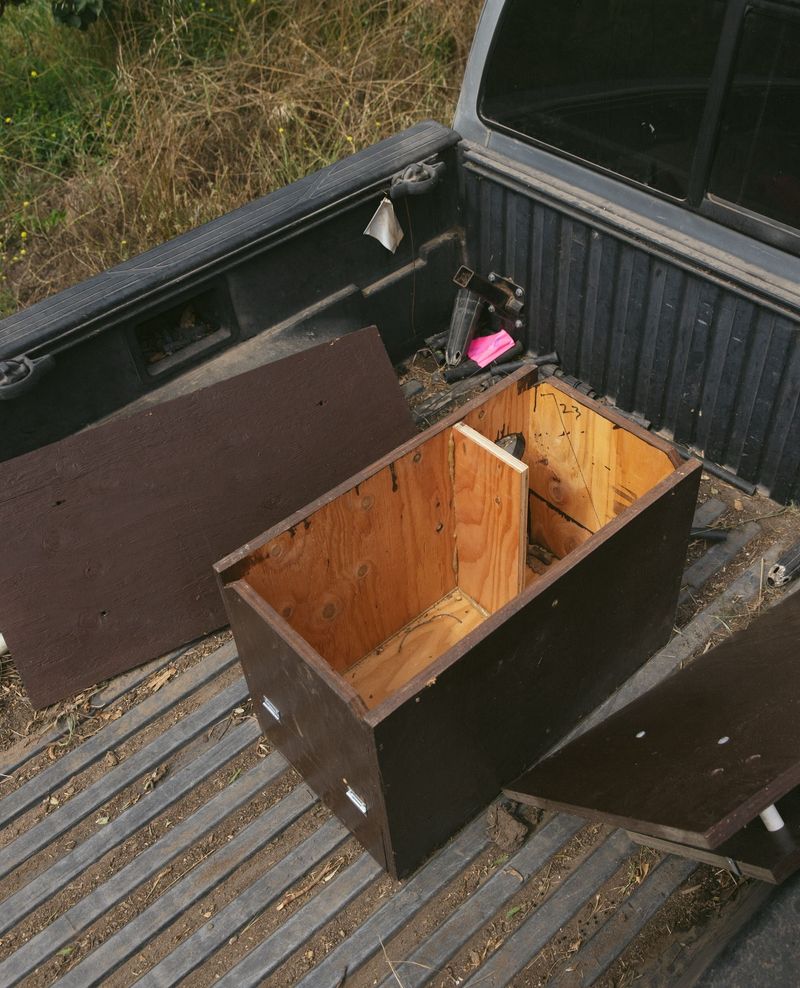
Here is a surprise for many people: owls do not build nests. Unlike robins or cardinals, they never gather twigs and grass. They simply lay their eggs on whatever is already inside the hole.
That is where you come in. Add about an inch or two of untreated wood shavings to the bottom of the box. Pine or aspen shavings from a farm or pet store work well. Just be sure they have no added scents or chemicals.
The shavings give the eggs a soft cushion. They also keep the eggs from rolling around and help soak up moisture. Skip sawdust, since it is too fine and can bother the birds. Avoid hay or straw as well, because those can grow mold.
Next up is predator protection. Raccoons are clever climbers and love to raid nests. Snakes, squirrels, and outdoor cats can cause trouble, too. A box without protection is like a house with the front door wide open.
A metal predator guard can stop these sneaky visitors. One common type is a wide band of sheet metal wrapped around the tree trunk below the box.
Animals cannot grip the slick surface, so they slide back down. On poles, a cone-shaped baffle works nicely.
Place the guard at least a few feet below the box. Also check that no nearby branches let climbers jump across. Trim them back if needed.
With soft bedding inside and a solid guard outside, your owls can relax. Safe parents are more likely to stick around and raise healthy chicks.
7. Keep Your Yard Owl-Friendly
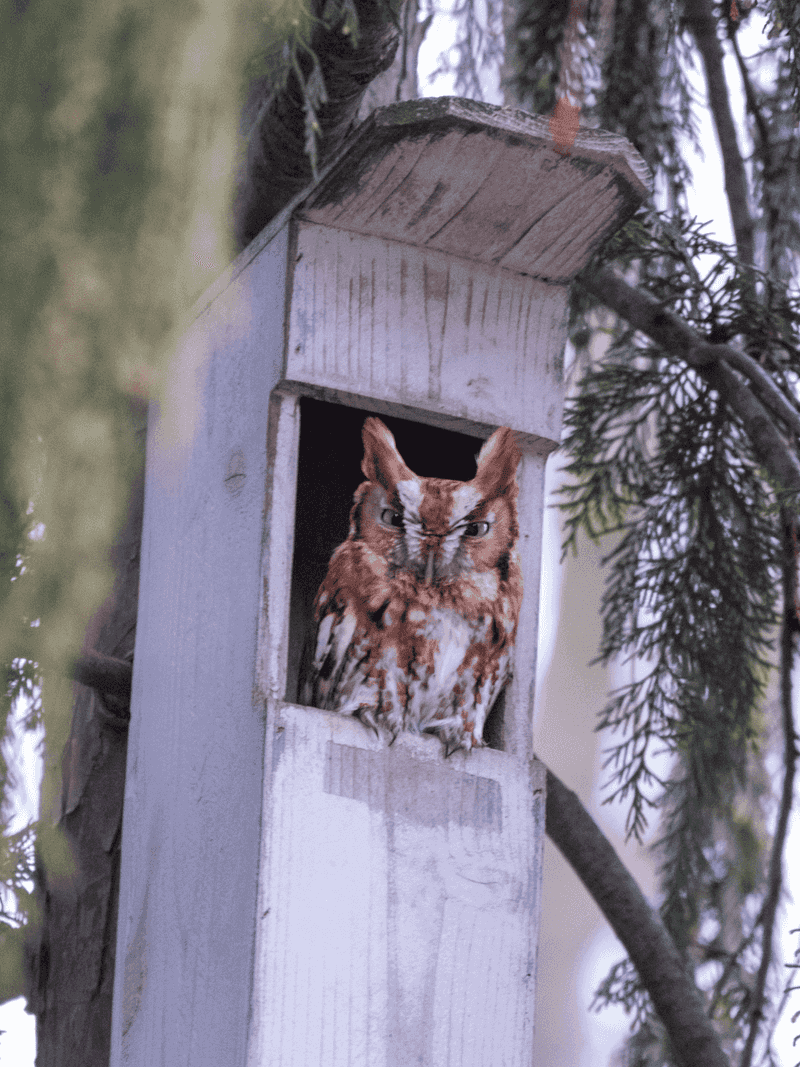
Hanging the box is only half the job. The rest is about how you care for your yard. Owls thrive where people make smart, simple choices.
The biggest one is skipping rat poison. When a mouse eats poison, it does not stop moving right away. An owl may catch it and swallow the poison too.
That can make the owl very sick. Snap traps or sealing up holes in your house are safer ways to handle rodents.
Pesticides cause problems as well. Many owls, especially screech-owls, eat large insects. Spraying chemicals across your lawn wipes out their food and can harm the birds.
Try planting native flowers and shrubs instead. They attract helpful bugs and give small animals places to live.
Once a year, clean out the box. The best time is late summer or early fall, after nesting season ends. Remove old bedding, scrape out any mess, and add fresh shavings. Wear gloves and a dust mask while you work.
Here is a rule to remember. Owls are protected under federal and Pennsylvania state law. That means you must never disturb an active nest, touch eggs, or handle young owls.
If you spot a baby owl on the ground, contact a local wildlife rehabilitator for advice. Want to watch without bothering anyone? Use binoculars from a distance, or set up a small camera near the box. Many families love checking in each evening.
Treat your yard like a shared home. Give owls food, safety, and space, and they may stay with you for many happy years.