Grow Endless Roses From One Mother Plant In Your New York Garden
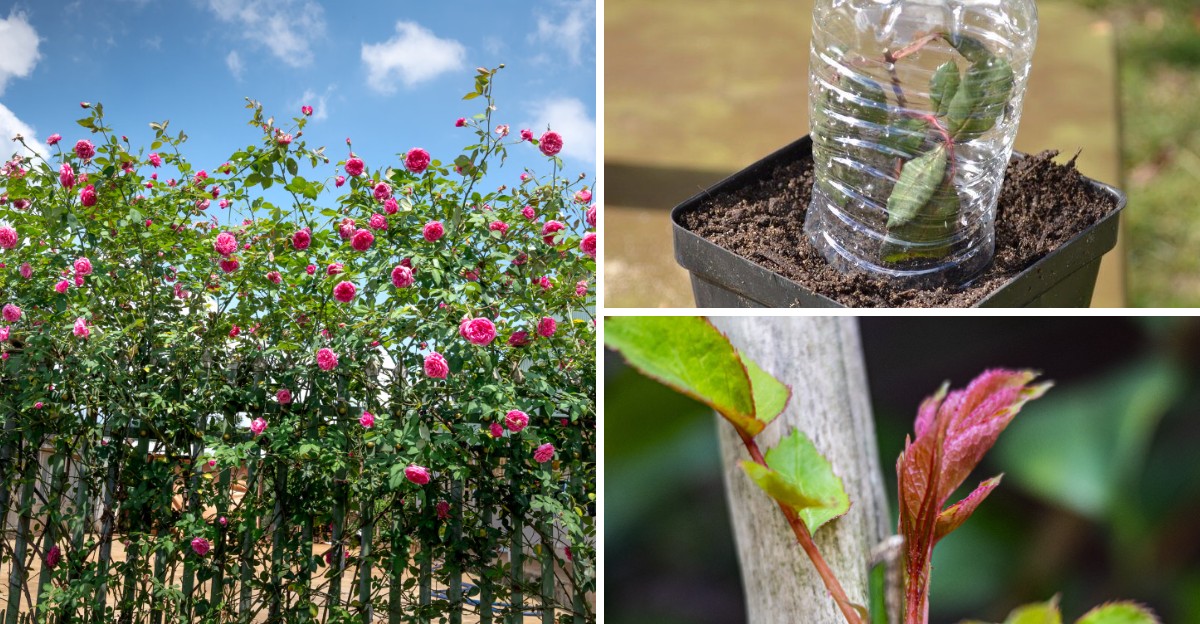
A single snipped stem, roughly as long as a pencil, can grow into a full rose bush that blooms for decades. That bush will carry the exact color and scent of the plant it came from.
I still get a little giddy about that. Gardeners have been sharing roses this way for centuries, passing slips over fences and between families. Some old roses growing near farmhouses today likely started as a gift from a neighbor’s garden.
You probably already own the only supply you need. A healthy bush in your yard holds dozens of future plants inside its canes, waiting for the right season and a little patience. New York summers offer a surprisingly generous window for the job.
Personally, I can’t walk past a favorite rose without wondering how many more I could coax from it. So how many could your garden hold?
1. Your Favorite Rose Bush Is Hiding A Whole Garden In Its Stems
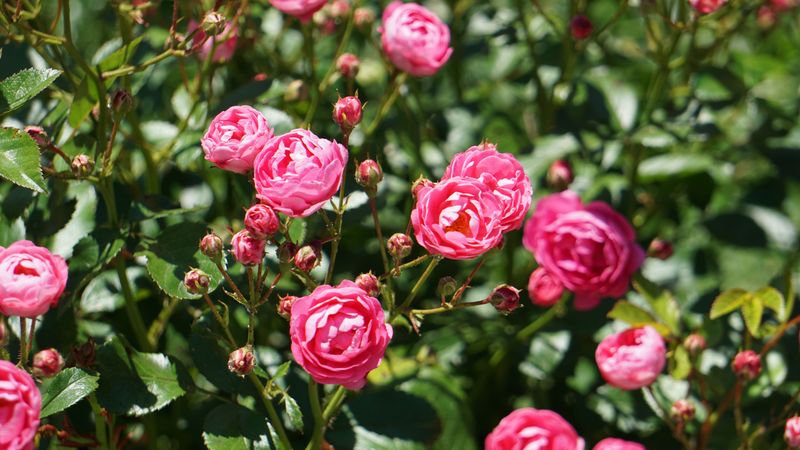
I love telling new gardeners that a rose stem is basically a packed suitcase. Tucked along every cane are nodes, the small bumps where leaves attach, and those spots can form brand-new roots under the right conditions.
Cuttings work because they create clones. A seed from a rose hip mixes genes from two parents, so the seedling often looks nothing like the plant you love.
A stem cutting carries the mother plant’s exact genetics, which means the same petal color, the same fragrance, and the same growth habit.
Plants grown this way are called own-root roses. They grow on their own roots instead of being grafted onto a different rootstock, which many nurseries use.
In cold areas, own-root roses have a real advantage.
If winter knocks an own-root rose back to the ground, new shoots that come up are still the same variety. A grafted rose that freezes back may send up shoots from the rootstock instead, giving you a completely different plant.
That difference matters in snowy upstate yards.
Not every rose roots with equal ease. Shrub roses, old garden roses, ramblers, and many climbers usually root quickly, while some hybrid teas are fussier.
Starting with a vigorous, disease-free bush gives you the best odds from day one.
One more quick note on patented varieties. Roses still under plant patent should not be propagated, so stick with older or unpatented types.
2. Soft Green Rose Stems In Early Summer Root The Fastest
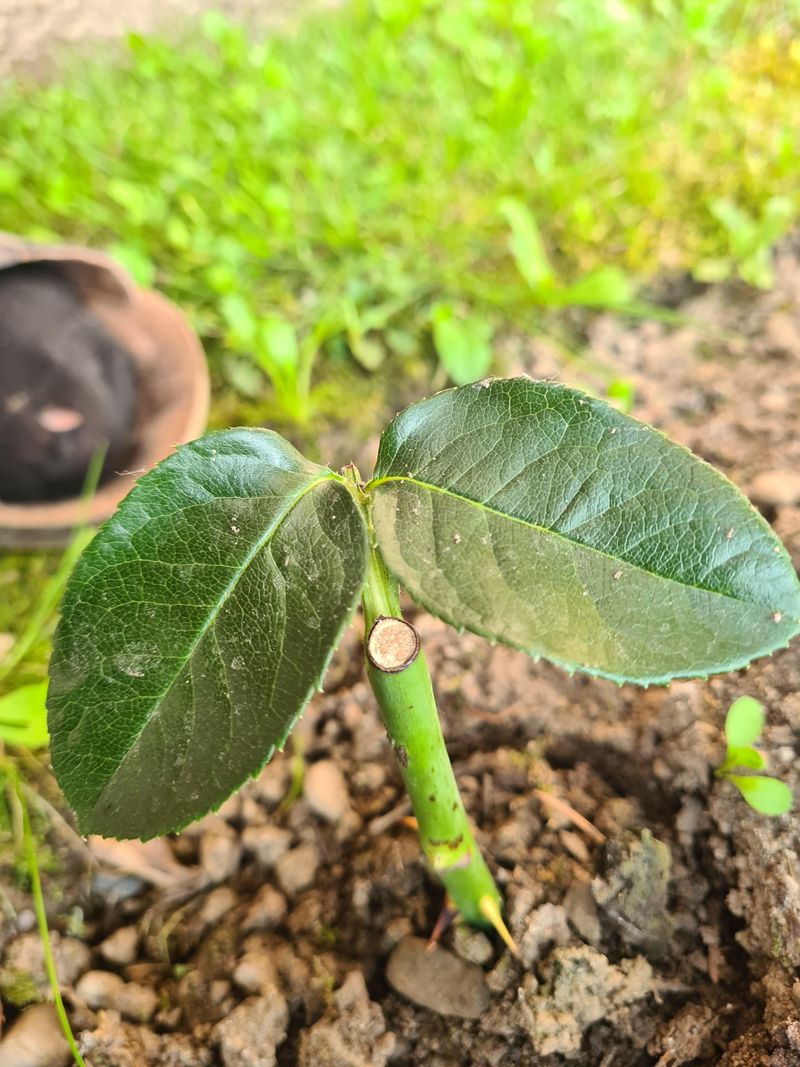
Timing feels like a secret handshake with your rose. Get it right, and the cutting practically wants to grow.
Miss it, and you may end up with a soggy brown stick.
Softwood cuttings come from this year’s flexible new growth. In most of New York, that window runs from late May through June, often right after the first flush of flowers fades.
Many gardeners see roots in roughly three to six weeks, sometimes sooner in warm weather.
Semi-hardwood cuttings are the next option. Take them from mid-summer into early fall, when stems have firmed up but still bend a little.
They resist rot better than soft tips and still root reliably, making them a favorite for beginners.
Hardwood cuttings are taken from dormant canes in late fall. They root slowly, but they ask for very little attention.
Some gardeners stick them straight into a sheltered bed and simply wait until spring.
Regional timing shifts a bit across the state. Gardeners on Long Island and in New York City, roughly zones 7a and 7b, can start earlier and finish later.
Folks in the Adirondacks or along the northern border, in zones 4 and 5, should finish by midsummer so young plants have time to settle before frost.
Watch the bush, not the calendar. A stem whose flower just dropped is usually perfect.
3. Pick Pencil-Thick Rose Canes And Snip Them The Right Way
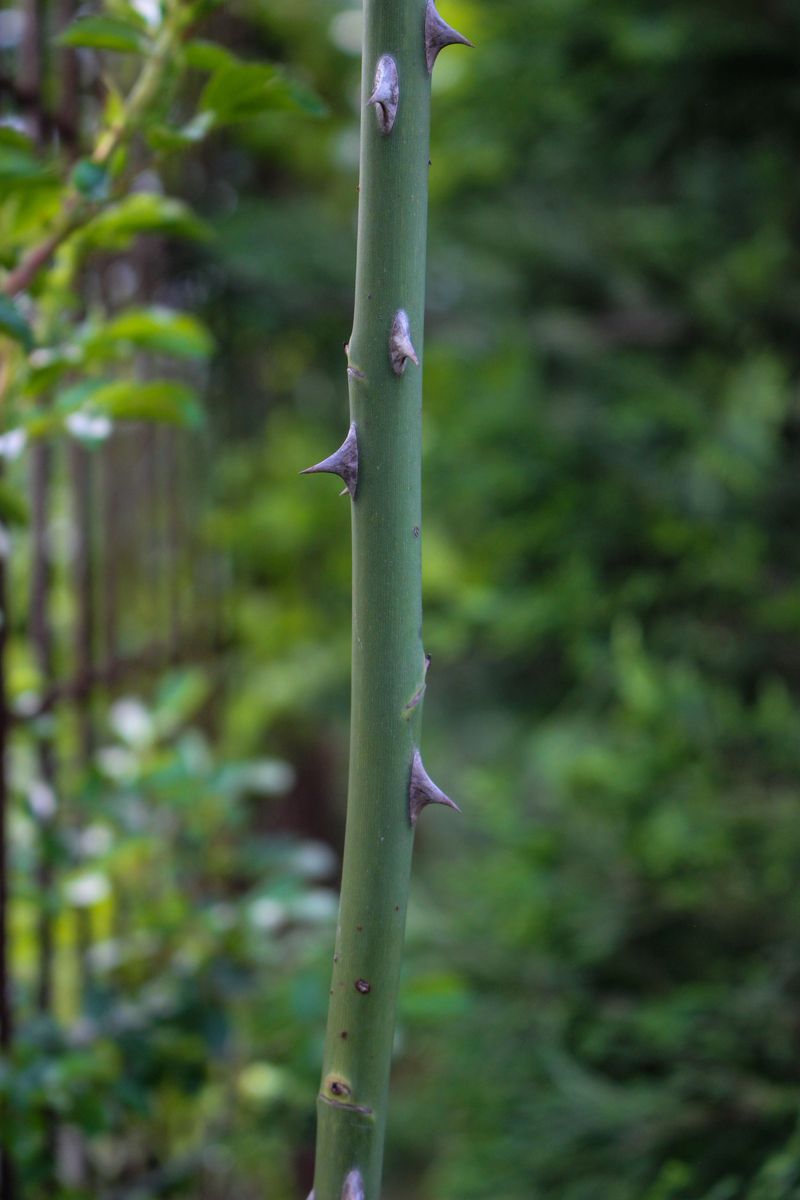
Morning is my favorite cutting time. Stems are full of water after a cool night, so they stay crisp instead of wilting on the walk to the potting bench.
Look for healthy canes about as thick as a pencil. A stem that recently finished blooming is a great choice.
Skip any wood with black spots, cankers, or signs of insects.
Use sharp, clean bypass pruners. Wiping blades with rubbing alcohol between plants helps reduce the spread of disease.
Dull blades crush stems, and crushed tissue rots easily.
Cut pieces about 6 to 8 inches long with at least three or four nodes. Make the bottom cut at an angle just below a node, where rooting hormones naturally gather.
Make the top cut straight across, just above a node, so you remember which end goes down.
Drop each cutting into a jar of water right away. Even a few minutes of drying can slow rooting.
Next comes the trim. Remove any flower, bud, or hip, then strip off all leaves except the top one or two sets.
Those few leaves still feed the cutting through photosynthesis, while fewer leaves mean less water lost.
Label your jars if you take several varieties. Trust me, every green stick looks alike after a week.
4. Rooting Hormone And Gritty Potting Mix Give Rose Cuttings A Head Start
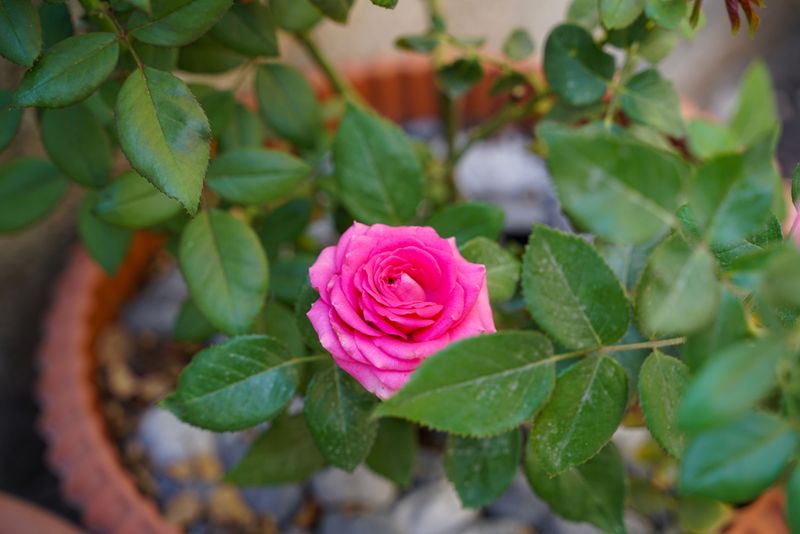
Roses will root without help, but a little boost raises your success rate. Rooting hormone contains a synthetic version of auxin, the natural compound that tells plant cells to form roots.
Moisten the bottom inch of each cutting. Dip it into powder or gel, then tap off the extra.
A thin coat works better than a thick crust, and pouring a small amount into a separate dish keeps the main container clean.
Soil choice matters just as much. Heavy garden soil holds too much water and invites rot.
I like a simple mix of half soilless potting mix and half perlite, though coarse sand or vermiculite also work well.
Wet the mix before planting so it feels like a wrung-out sponge. Poke a hole with a pencil about three to four inches deep.
A pre-made hole keeps the hormone from rubbing off as you push the stem in.
Slide the cutting in so at least two nodes sit below the surface. Firm the mix gently around it to remove air pockets.
A six-inch pot can hold three or four cuttings around its edge. Gardeners often find that cuttings near the pot’s sides root first, likely because the mix there drains and breathes better.
Fun bonus: willow water, made from soaked willow twigs, is an old-time homemade rooting aid.
5. A Clear Jar Or Plastic Dome Turns Rose Cuttings Into A Tiny Greenhouse
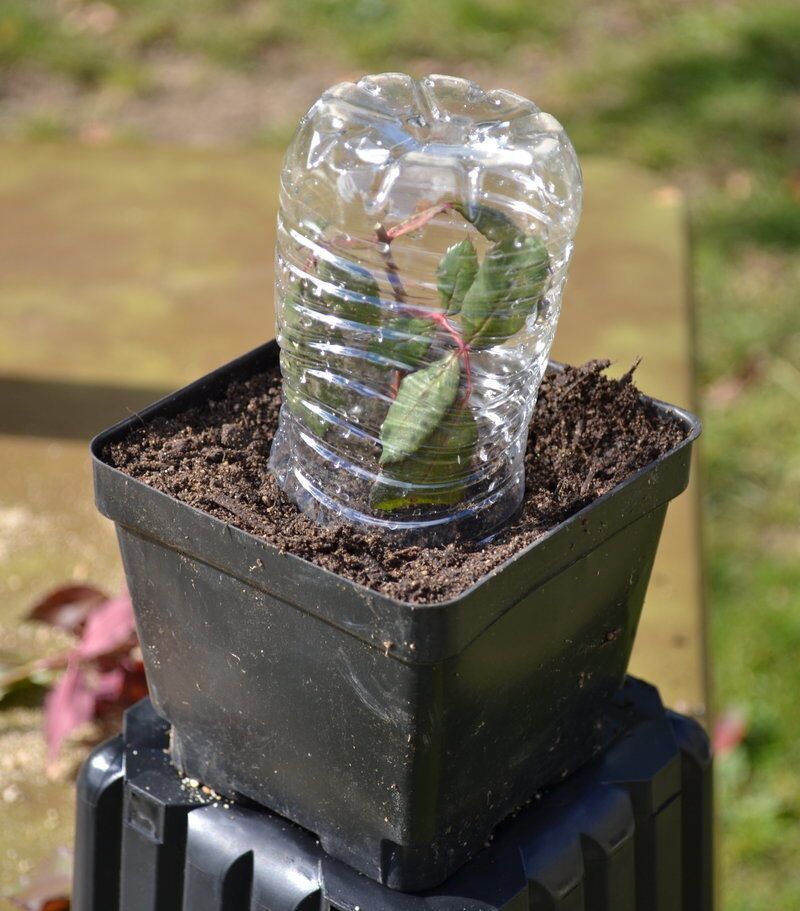
A cutting has no roots, yet its leaves keep losing water. Humidity solves that problem, and a clear cover is the easiest way to create it.
Grandparents across the country used overturned glass jars right in the garden bed. That classic trick still works.
A clear plastic dome, a two-liter bottle with the bottom cut off, or a plastic bag held up with chopsticks will all do the job.
Keep the cover from touching the leaves. Wet leaves pressed against plastic can develop mold quickly.
Light needs a careful balance. Bright, indirect light is ideal, such as a shaded porch, the north side of a house, or under a tree with dappled sun.
Direct afternoon sun on a covered pot can cook cuttings fast during a July heat wave.
Check the mix every few days. It should stay evenly moist without puddling.
Lifting the cover briefly lets in fresh air and helps prevent fungal problems.
Some leaves may yellow and drop, and that is often fine. A stem that stays green is still working underground.
A stem that turns black or shrivels is usually a lost cause, so pull it out to keep the rest healthy.
Temperatures between about 65 and 75 degrees suit rooting nicely, which matches many summer days.
6. That Gentle Tug Test Tells You When New Rose Roots Have Formed
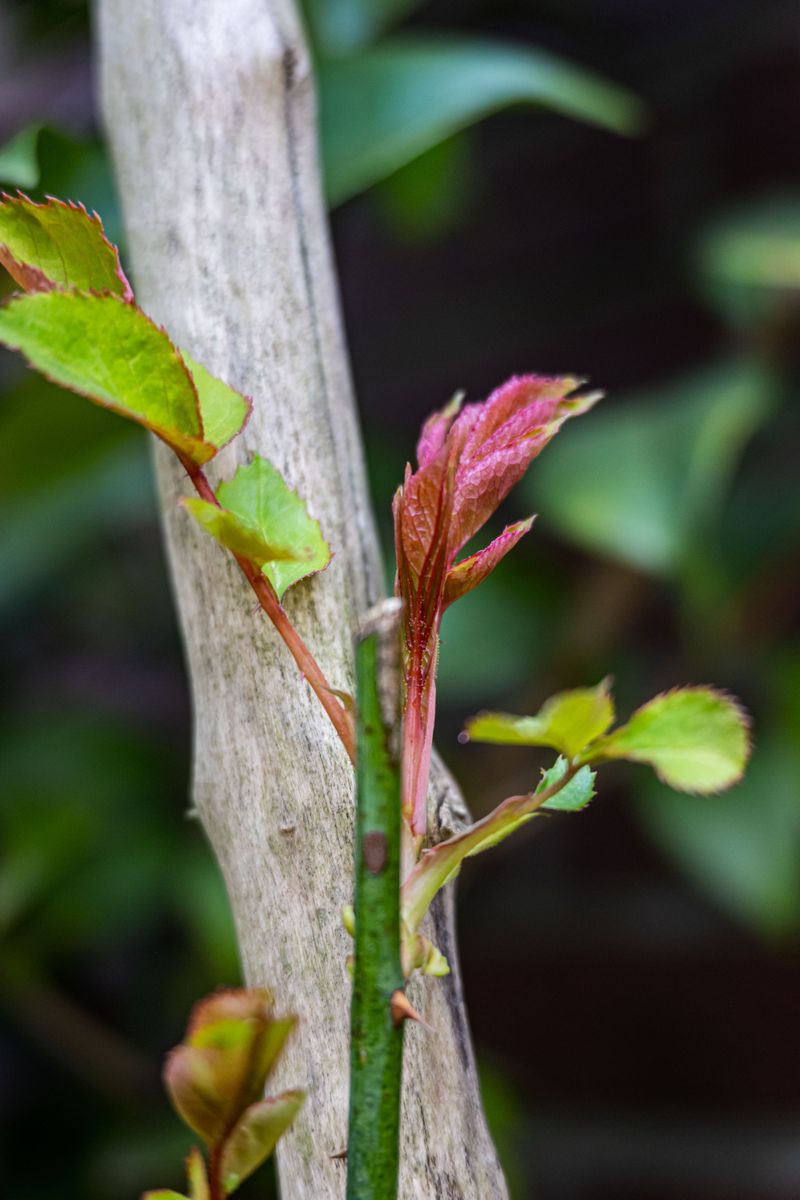
Waiting is the hardest part, honestly. After about four weeks, though, you get to play detective.
Give a cutting a very light tug. If it resists, roots are holding on.
If it slides right out, tuck it back in and wait another week or two.
Fresh leaves are another happy clue. Tiny reddish shoots popping from a node usually mean roots are growing below.
Clear pots or plastic cups let you peek at white roots without disturbing anything.
Once roots appear, start removing the cover a little each day. Leave it off for an hour, then a few hours, then all day.
This hardening process helps leaves adjust to drier air.
Move each rooted cutting into its own 4 to 6 inch pot. Use a rich, well-draining potting mix.
Roses prefer slightly acidic soil, around pH 6.0 to 6.5, and Cornell Cooperative Extension offices across the state offer soil testing if you plan to plant in the ground later.
Hold off on heavy feeding at first. A diluted liquid fertilizer at quarter strength every couple of weeks is plenty.
Pinch off any flower buds during the first few months. I know it feels cruel, but that energy builds stronger roots, and stronger roots mean far more blooms next year.
7. Young Own-Root Roses Need Extra Shelter Through A New York Winter
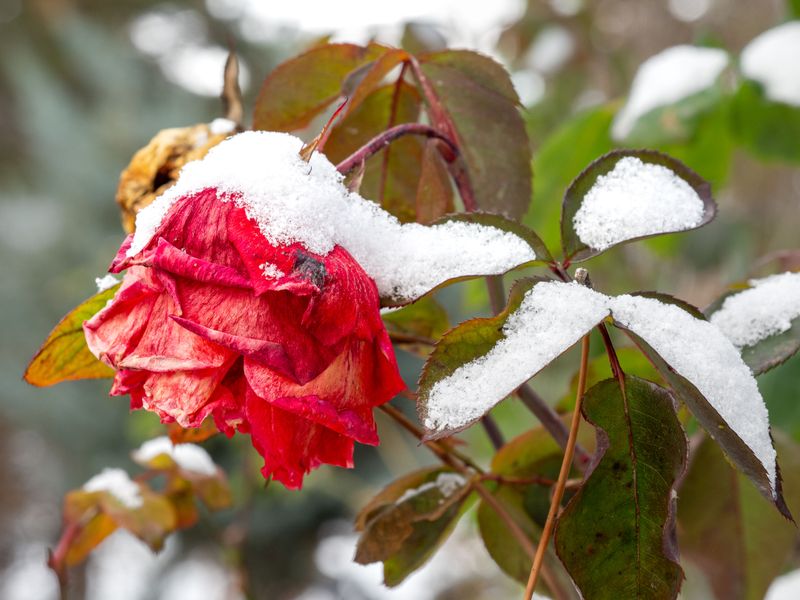
Baby roses are tougher than they look, but their first winter is a real test. Small root systems simply cannot handle deep freezes the way an established bush can.
New York spans roughly USDA zones 4 through 7. A late summer cutting in Buffalo or Plattsburgh faces a much colder season than one in Brooklyn.
Plan protection based on where you live.
The safest option for most gardeners is keeping young plants in pots for the first winter. Sink pots into the ground in a sheltered spot, or set them in a cold frame or unheated garage.
Pots sitting on open patios can freeze solid and crack roots.
Water lightly before the ground freezes. Dry roots suffer more winter injury than moist ones.
Cuttings rooted by early summer may be big enough to plant out by late August in milder areas. If you do plant them, mound soil or shredded leaves about 8 to 10 inches high around the base after a few hard frosts.
Pull that mound away gradually in spring as buds swell.
Hardwood cuttings stuck in a protected bed in fall usually stay put until spring. Snow cover actually helps, working like a fluffy blanket over the soil.
Mice sometimes nest in winter mulch and chew stems, so keep an eye out.
8. One Mother Rose Can Fill Your Whole Yard With Blooms In A Few Seasons
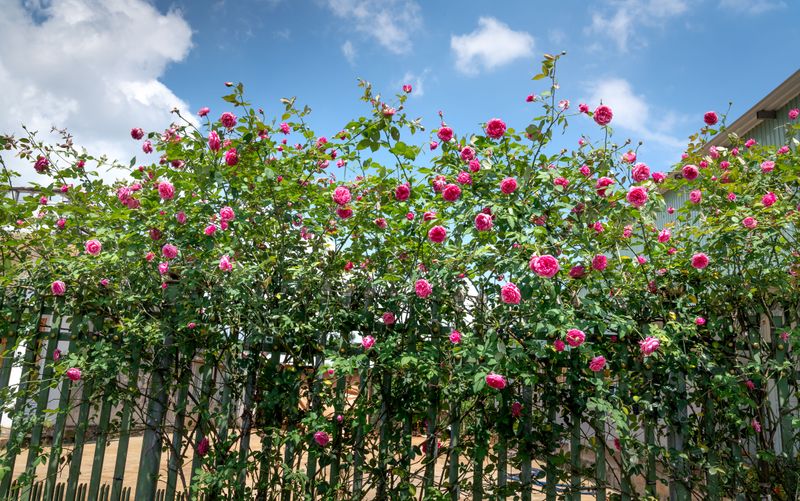
Here comes the fun math. A single healthy bush can easily give you ten or more cuttings each summer.
Even with a modest success rate, you could have a small rose hedge within a few years.
Patience pays off with these plants. Most cuttings bloom lightly in their second year and fill out by the third.
Own-root roses sometimes start slower than grafted ones, but they often live long and recover well from tough winters.
Plant your new roses where they get at least six hours of sun. Morning sun is especially helpful because it dries dew from leaves and reduces black spot, a common disease in humid summers.
Leave enough space between plants for air to move freely.
Keep your mother plant happy too. Feed it in spring, water deeply during dry spells, and avoid taking more than about a third of its stems at once.
Extra plants make wonderful gifts. I think a rooted cutting from a grandparent’s garden means more than anything from a store.
Local garden clubs and plant swaps welcome them too.
Try a few cuttings this season and keep simple notes on dates and results. Each round teaches you something, and soon you will have more roses than places to put them.