Where Yellowjackets Are Building Underground Nests In Michigan Right Now
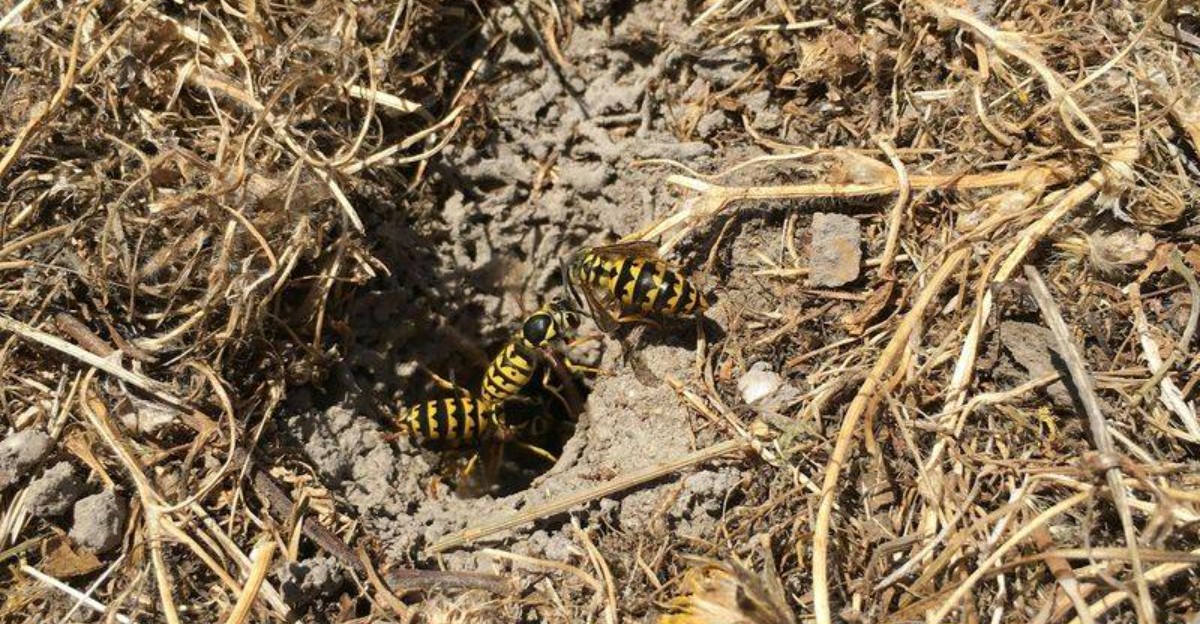
Yellowjacket activity tends to spike in Michigan during late summer and early fall, and much of it happens out of sight, underground.
As colonies reach their largest size of the year, these insects become more aggressive while searching for food, making run-ins with buried nests more common this time of year.
Underground nests can be easy to overlook until someone accidentally disturbs one, often while mowing, gardening, or walking through the yard, since the entrance is usually just a small, unassuming hole in the ground.
Because colony numbers peak right before the season winds down, encounters tend to increase sharply in the coming weeks.
Knowing where these nests typically show up can help Michigan homeowners avoid painful surprises. Here’s where yellowjackets are commonly building underground nests right now, and what signs to watch for in your own yard.
1. Check Lawn Areas With Small Ground Openings
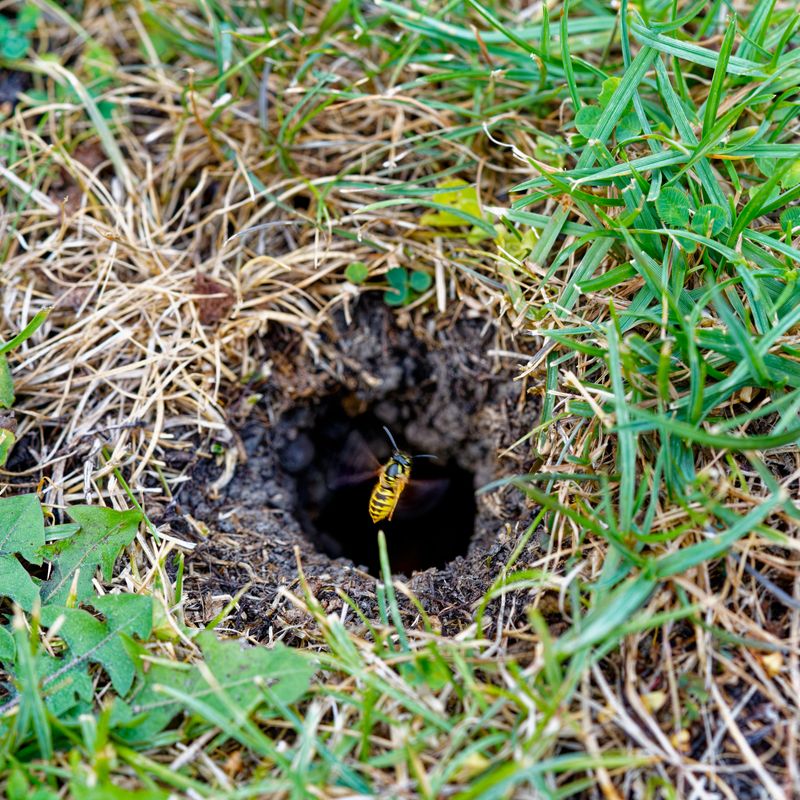
Your grassy lawn might look calm and peaceful, but a tiny hole in the ground can hide a busy secret. Yellowjackets often move into small cavities beneath the soil because these spaces stay cool, dark, and protected from wind and rain.
In Michigan, warm summer weather pushes these insects to grow their colonies fast, and an underground pocket gives them plenty of room to expand. A single opening about the size of a quarter can lead to a large nest hidden below the surface.
That is why one small hole can be far more important than it looks. The clearest sign of an active nest is a steady stream of wasps coming and going from that same spot.
When you notice insects flying in a straight, repeating path toward one point in the grass, that traffic usually means a colony lives underneath. Healthy nests stay busy from morning until evening, so the flow rarely stops during daylight hours.
Keep your distance and watch from several feet away instead of leaning in close. Yellowjackets guard their home carefully and react quickly to movement near the entrance.
If you spot this activity, mark the area so family members and pets avoid it. Placing a small flag or cone nearby reminds everyone to stay clear until the nest can be handled safely.
A little caution now keeps your lawn enjoyable and helps you avoid an unwanted sting while you mow, garden, or relax outdoors this season.
2. Look Near Old Rodent Burrows
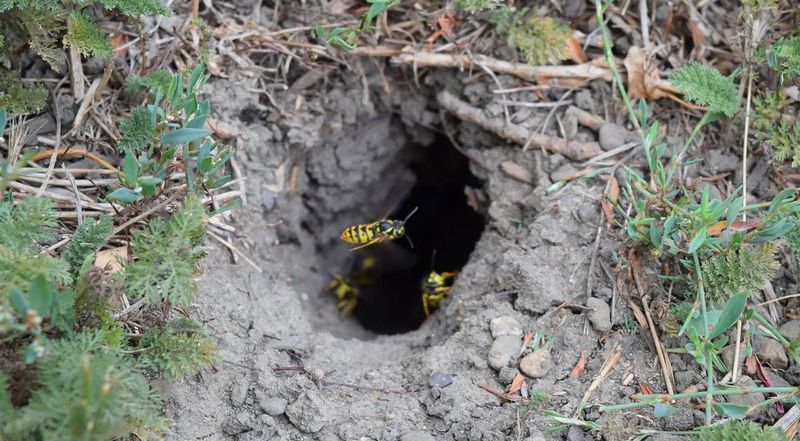
Yellowjackets are smart builders, and they love a shortcut. Instead of digging out a brand new home, they often move into tunnels that mice, voles, chipmunks, and other small animals left behind.
These ready-made burrows already have the perfect shape, with a snug entrance and a hollow space below. In Michigan yards, old rodent holes near fences, gardens, and field edges give wasps a huge head start.
They simply expand the tunnel and turn it into a growing colony. Because the burrow was made by another animal, the opening can look completely natural. You might walk past it a dozen times without guessing that yellowjackets now live inside.
Your Michigan Garden Changes Every Week. Your Plan Should Too.
Gardening in Michigan changes quickly throughout the season. Every Friday you’ll receive a simple weekly plan showing exactly what to plant, prune, fertilize, harvest, and protect so you never miss the right timing.
That is why any small hole near your garden deserves a careful second look during late summer.
Watch for the same clues you would use anywhere else, like insects flying in and out of a single spot. If a hole that once seemed empty suddenly shows steady wasp traffic, a colony has likely taken over.
Check around brush piles, tall grass, and quiet corners where rodents like to tunnel. These low-traffic areas rarely get disturbed, which makes them ideal for a hidden nest.
When you find an old burrow buzzing with life, treat it with respect and keep back. Poking or covering the hole can upset the colony and lead to a swarm.
Knowing that yellowjackets reuse rodent tunnels helps you scan your yard with sharper eyes and spot trouble before it finds you.
3. Inspect Around Tree Roots And Stumps
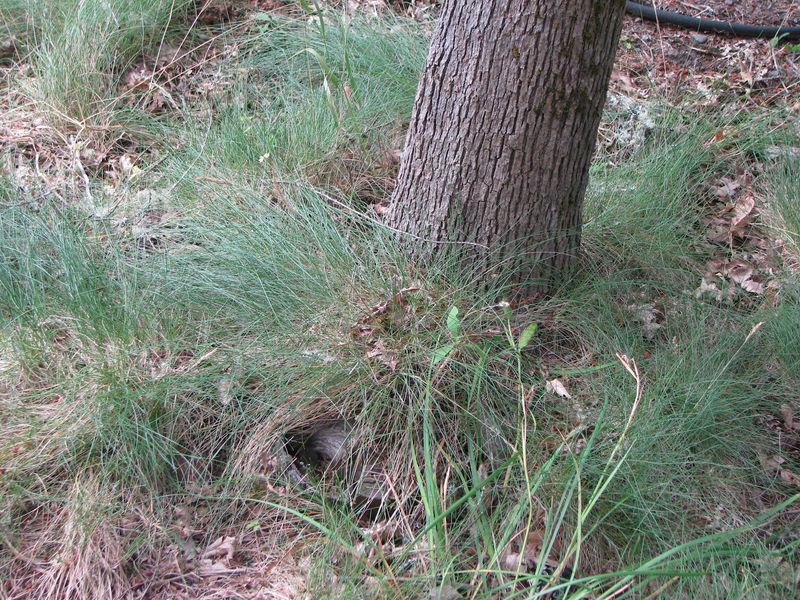
Old stumps and tangled tree roots create some of the best hideouts a yellowjacket could ask for. The gnarled wood and shifting soil form natural pockets and gaps that stay sheltered from wind, rain, and heat.
When a tree is cut down, the roots slowly break apart underground and leave behind hollow spaces. Michigan yards with mature trees or leftover stumps often have these cavities waiting quietly beneath the surface.
Yellowjackets happily claim them as safe, roomy homes. The base of a living tree can attract them too. Where thick roots rise above the ground, small openings form where soil meets bark.
These tucked-away spots give a colony strong protection on almost every side. Look closely at any stump that seems soft, cracked, or partly rotted. A gap near the bottom that shows regular insect traffic is a strong hint that a nest sits inside or just below it.
Since stumps blend into the landscape, people often lean on them, sit near them, or clear brush around them without thinking. That is exactly when a hidden colony feels threatened and reacts.
Before working near roots or old wood, pause and watch the area for a minute or two. Steady flying patterns near the base tell you to keep your distance.
Trees and stumps add beauty and shade to a Michigan yard, but they can hide surprises. A quick inspection before you dig, trim, or rest nearby keeps your outdoor projects smooth and sting-free all season.
4. Be Careful Around Garden Edges And Mulch Beds
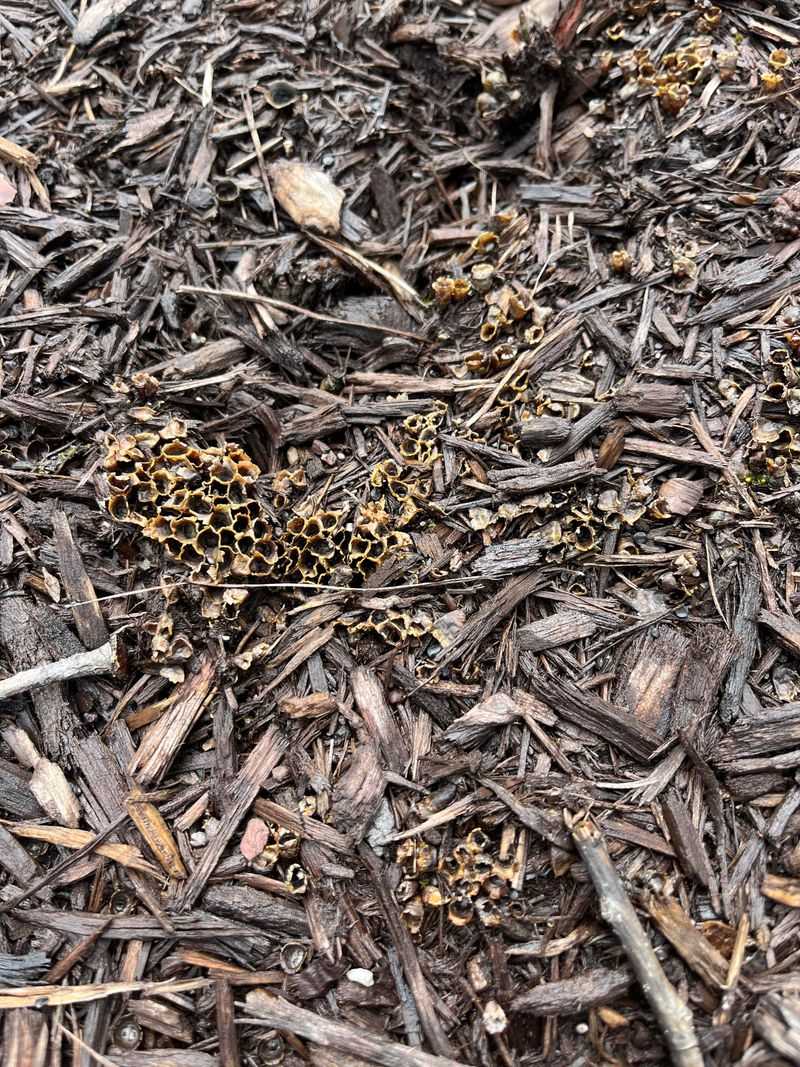
Your flower beds and mulch borders look tidy and welcoming, yet they can quietly shelter a yellowjacket colony. Thick mulch, dense plants, and soft, undisturbed soil offer wasps both cover and comfort.
These areas hold moisture and block strong sunlight, which helps a nest stay cool during Michigan’s hot summer stretches. The layers of mulch also hide the entrance so well that you may never notice the hole until wasps start flying near your hands.
Landscape edging adds even more shelter. The narrow gaps between bricks, stones, or plastic borders create snug pockets where a colony can settle and grow with barely any disturbance from people or weather.
Pay close attention when you weed, plant, or spread fresh mulch. Reaching into thick greenery without looking first is one of the easiest ways to surprise a hidden nest.
Scan the ground before you kneel down. If you see insects darting in and out of a spot beneath the mulch or near the garden’s edge, back away slowly and give them space.
Bright flowers already draw plenty of buzzing visitors, so a few wasps do not always mean a nest is close. The real clue is repeated traffic to one single point in the soil.
Gardening should feel relaxing, not risky. Taking a slow, careful look at your beds before you dig in helps you enjoy your plants while steering clear of a colony tucked beneath the mulch.
5. Watch Areas Near Sheds, Decks, And Walkways
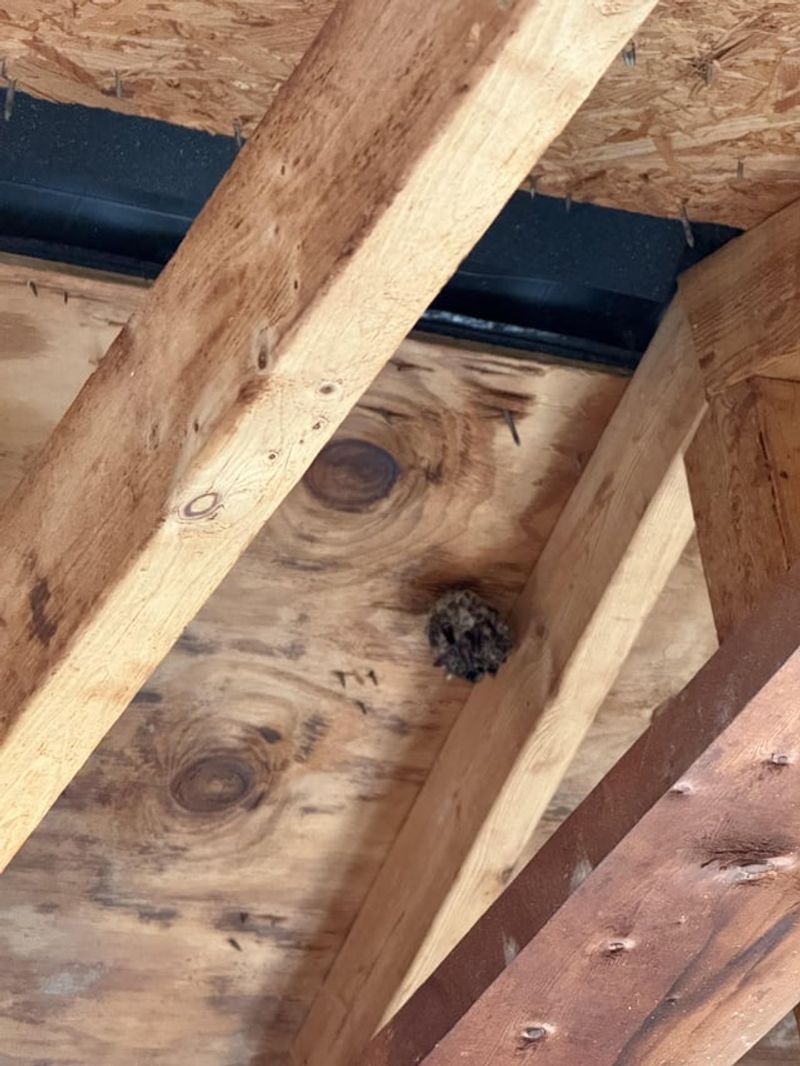
Structures around your yard can turn into busy yellowjacket real estate faster than you might think. The soil beside sheds, under decks, and along walkways often has gaps, cavities, and quiet corners that make ideal nesting spots.
These spaces stay shaded and shielded, and foot traffic usually skips the hidden edges where the ground meets wood or concrete. A colony can build there for weeks before anyone notices.
The trouble is how close these spots sit to daily activity. When a nest hides beside a walkway or under a deck, people pass by again and again without knowing wasps are just inches away.
Sudden movement, vibrations, and noise from footsteps can put a colony on high alert. That is why nests near busy structures create a higher chance of an unexpected sting.
Look along the base of your shed and around deck posts for small openings with steady insect traffic. Gaps where soil has settled or pulled away from the structure deserve a closer, careful glance.
Check the edges of stepping stones and pavers too. Loose soil beneath them offers just enough room for a growing colony.
If you find activity near a spot people use often, keep kids and pets away until it is handled safely. A nest in a high-traffic zone is not worth the risk.
A quick walk around your outdoor structures each week helps you catch a colony early, long before it becomes a painful problem right beside your favorite gathering spots.
6. Pay Attention Before Mowing
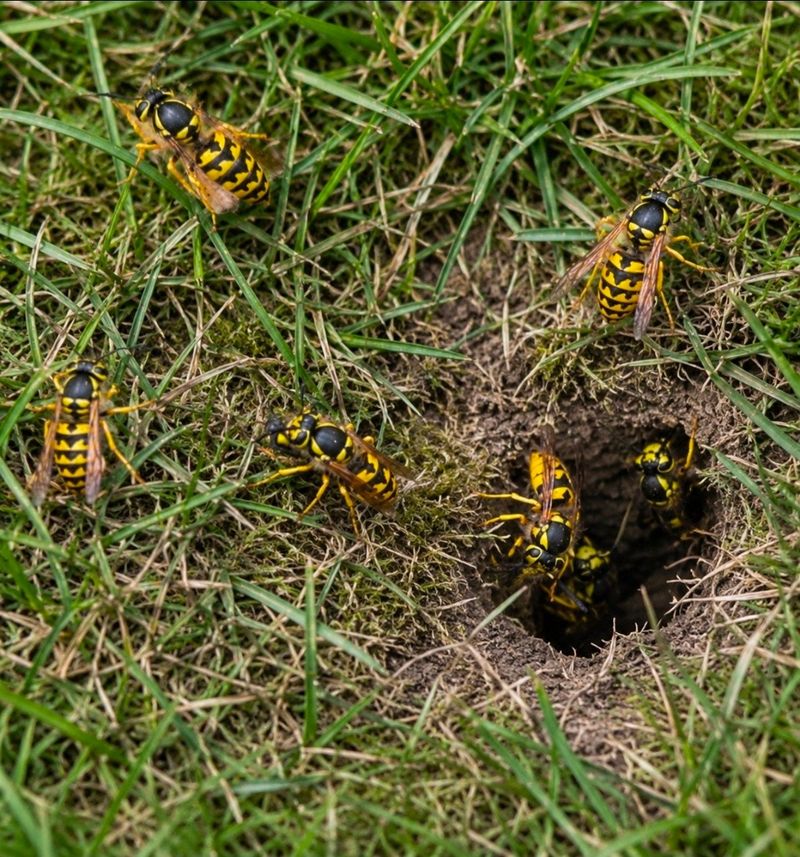
Mowing feels like a simple weekend chore, but it can accidentally stir up a hidden colony in seconds. When a mower rolls over an underground nest, the noise and vibration send the wasps into full defense mode.
Yellowjackets protect their home fiercely, and a rumbling machine passing overhead feels like a serious threat. In that moment, a whole colony can rush out at once, turning a quiet task into a frantic scramble.
Tall grass and overgrown patches make the danger worse because they hide the entrance completely. You cannot avoid a nest you never saw, so the mower reaches it before you do.
Take a slow walk across your lawn before you start the engine. Look for insects rising from the ground, flying low, or gathering near one spot in the grass.
If you notice steady activity in a certain area, mark it and mow around it for now. Coming back later, once the nest is handled, is far safer than pushing through.
Pay extra attention near field edges, ditches, and shady corners where grass grows thick and colonies love to settle. These low, quiet zones hide nests better than open, sunny lawns.
Wearing long sleeves and closed shoes adds a helpful layer of protection while you work outside during peak wasp season.
A few minutes of watching before you mow can spare you a painful surprise. Slowing down just enough to scan the ground keeps your yard work smooth, safe, and stress-free all summer long.
7. Do Not Assume Every Flying Wasp Has A Nest Nearby
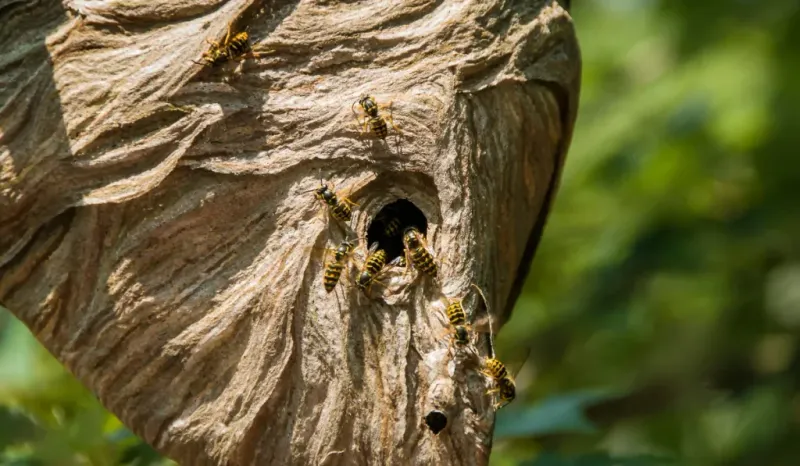
Spotting a wasp near your picnic does not always mean a nest sits under your feet. Yellowjackets travel surprising distances while searching for food, so a single insect could be far from home.
These busy foragers hunt for sweets, proteins, and other snacks all over the neighborhood. One wasp buzzing around your soda can might live several yards away in a completely different corner of the area.
That is why panicking over every flying insect only causes stress. A lone wasp cruising through your garden is usually just passing by on its search for a meal.
The smarter move is to watch flight paths over time. When many wasps travel in the same steady direction, following that line can point you toward the general nesting area.
Stand back and observe from a safe spot as insects return again and again to one location. Repeated trips to a single point in the ground reveal far more than a few random visitors ever could.
Keep in mind that foragers spread out widely, so the nest may sit farther than you expect. Patience and careful watching beat guessing every time.
Avoid swatting or chasing wasps, since quick movements can provoke them even when no nest is close. Calm behavior keeps you safer around these insects.
Understanding that yellowjackets roam while feeding helps you stay relaxed and think clearly. By tracking their true flight patterns instead of reacting to every buzz, you can find a nest without ever getting too close for comfort.