The Night-Flying Hornet From Europe That Strips Bark From Indiana Lilacs Carries A Painful Sting
Some stinging insects keep working after sunset, and one of them likes to chew strips of bark right off lilac stems. I didn’t expect that combo when I first spotted pale, peeled scars on a backyard shrub.
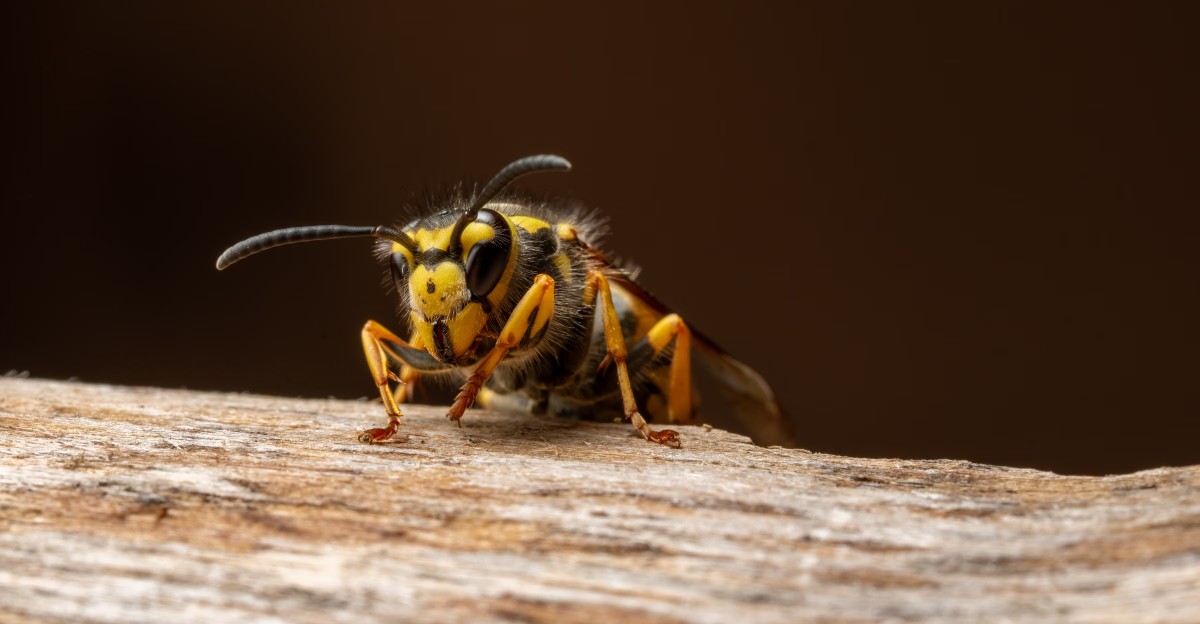
The culprit is big, about an inch or more long, with reddish-brown and yellow markings. It arrived from Europe in the 1800s and now lives across much of the eastern United States, including Indiana.
Truth is, I blamed squirrels for weeks. Then a heavy body started bumping my porch light at night, and the pieces finally clicked together.
Fair warning, this insect is usually calm away from its nest. Push your luck near that nest, though, and you’ll meet a sting people talk about for days. So what is it doing to your lilacs, and how worried should you be?
A Big Striped Hornet Is Bumping Your Porch Light After Dark
Most wasps clock out at dusk, so a loud thump against your window at 10 p.m. feels odd. That late-night visitor is often the European hornet, Vespa crabro, the only true hornet living in North America.
Unlike yellowjackets, these hornets fly and forage at night. Outdoor lights pull them in, and they will bump against glass doors and windows for a while. It sounds alarming, but they are usually just confused by the glow.
Spotting one is easier than you might guess. Workers run about three-quarters of an inch to an inch long, and queens can reach about 1.4 inches. Look for a reddish-brown head and thorax with a yellow abdomen marked by dark bands and teardrop spots.
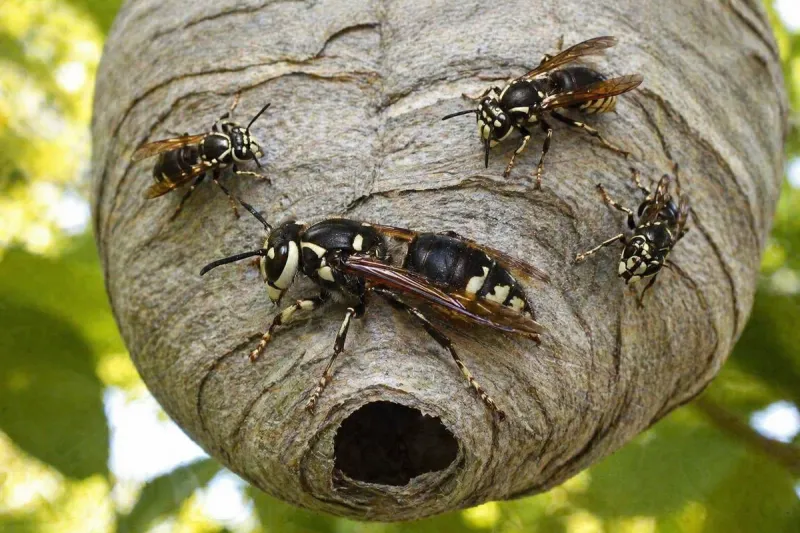
People often mix them up with cicada killer wasps, which are ground-nesting and mostly harmless. Bald-faced hornets get confused with them too, but those are black and white and really belong to the yellowjacket group.
Here is a simple tip that helps right away. Swap bright white porch bulbs for yellow bug lights, or turn lights off when nobody is outside. Fewer bright lights mean fewer hornets buzzing around your door at night.
Peeled Lilac Stems Are Really Hornet Building Material
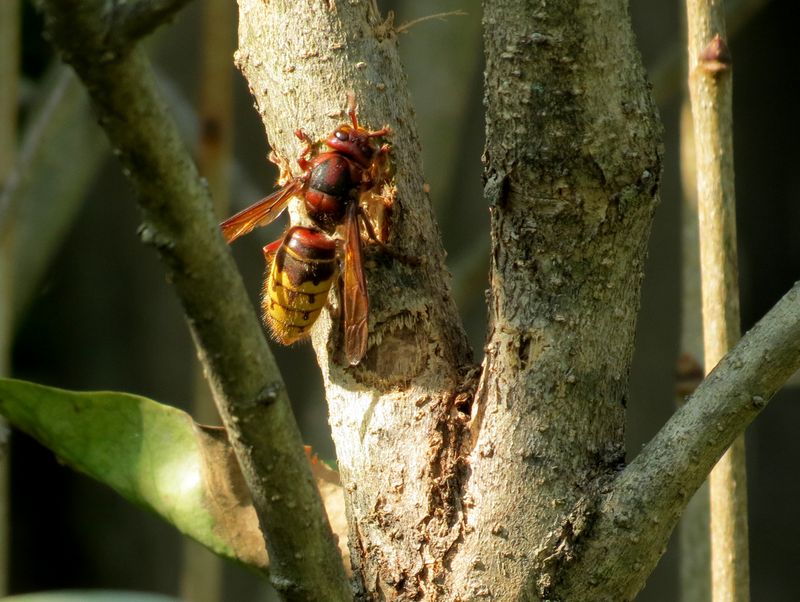
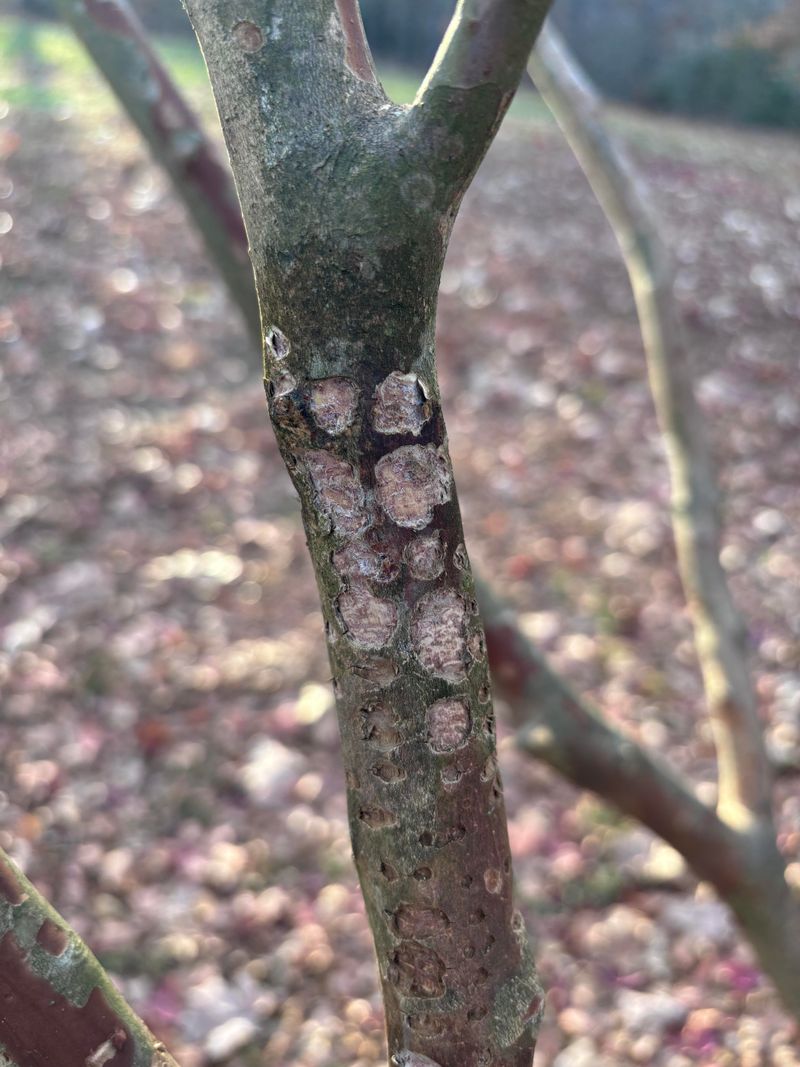
I’ll be honest, the first time I saw those pale, raw patches on my lilac, I blamed a squirrel. A closer look on a warm August evening showed a hornet clinging to the stem and chewing like a tiny beaver.
European hornets peel bark from lilacs, birch, ash, dogwood, rhododendron, and several other woody plants. University extension services in states like Massachusetts and New Jersey describe this behavior clearly. The hornets do two jobs at once.
First, they gather wood fiber. Mixed with saliva, it turns into the brown, papery material they use to build their nests.
Second, they feed on sap that oozes from the fresh wounds. That sugary sap gives busy workers quick energy for long flights.
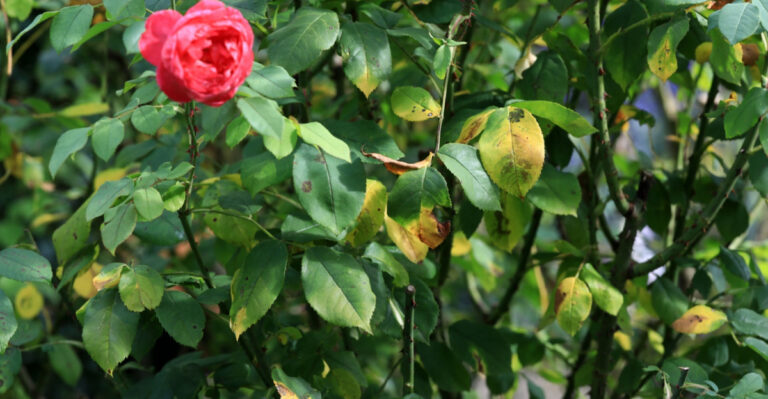
The damage usually shows up as strips of missing bark on stems about the thickness of a finger or smaller. Edges often look shredded rather than cleanly cut. You might also see sap stains or other insects visiting the sore spots.
Check your lilacs in late afternoon and early evening for the best chance of catching the chewers at work. A flashlight walk after dark can tell you even more, since this hornet keeps working once the sun sets.
Girdled Lilac Twigs Can Wilt Above The Chewed Spot
Here is where a small chewing habit turns into a real plant problem. When hornets strip bark all the way around a twig, they girdle it.
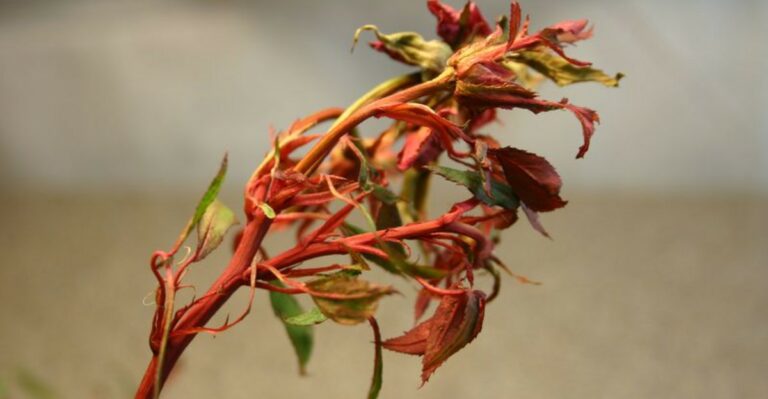
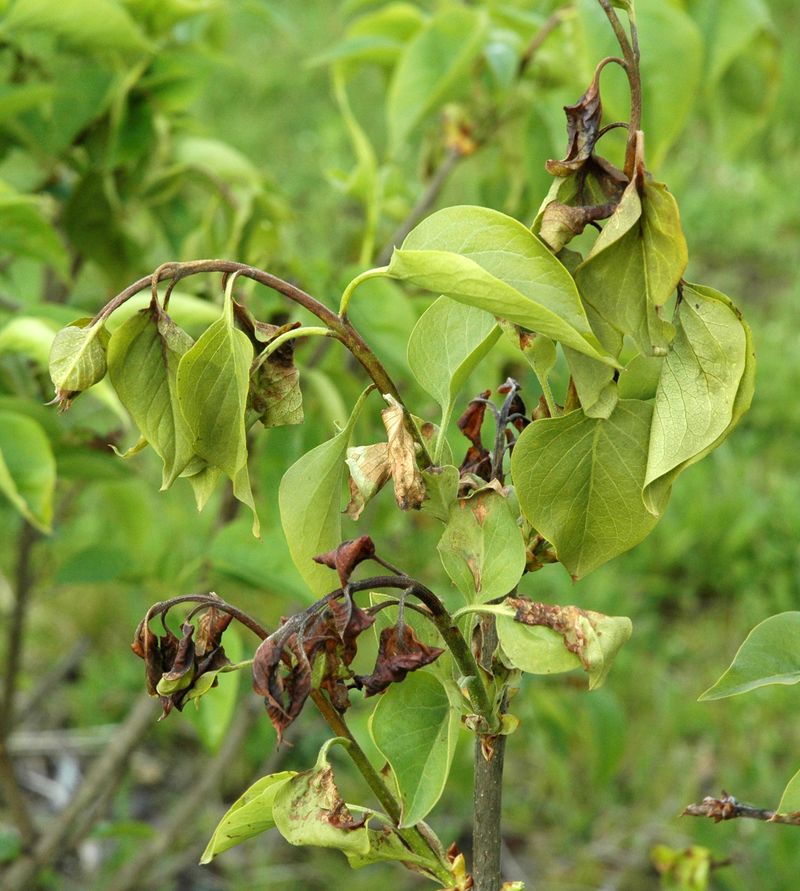
Bark protects the tissue that carries sugars through the plant, and deep chewing can damage the water-carrying wood beneath it. Cut a ring through it, and the part above the wound can’t get what it needs. Leaves on that section often wilt, turn brown, and decline over the next few weeks.
Gardeners sometimes mistake this for drought stress, a fungus, or borers. The giveaway is the ring of missing bark right below the wilted part. You might also notice slight swelling just above the wound, where sugars pile up.
Good news for your shrub overall, though. A healthy, mature lilac usually shrugs off this damage. Thin outer twigs take most of the hit, while thick main canes are rarely harmed in a serious way.
Young or newly planted lilacs deserve a closer watch. Fewer stems mean each lost twig matters more to the plant’s shape and strength.
Walk around your shrubs once a week in late summer. Spotting a brown twig early helps you connect the dots before you start treating for the wrong problem.
That Hornet Sting Rates Like A Honey Bee’s But Often Feels Worse
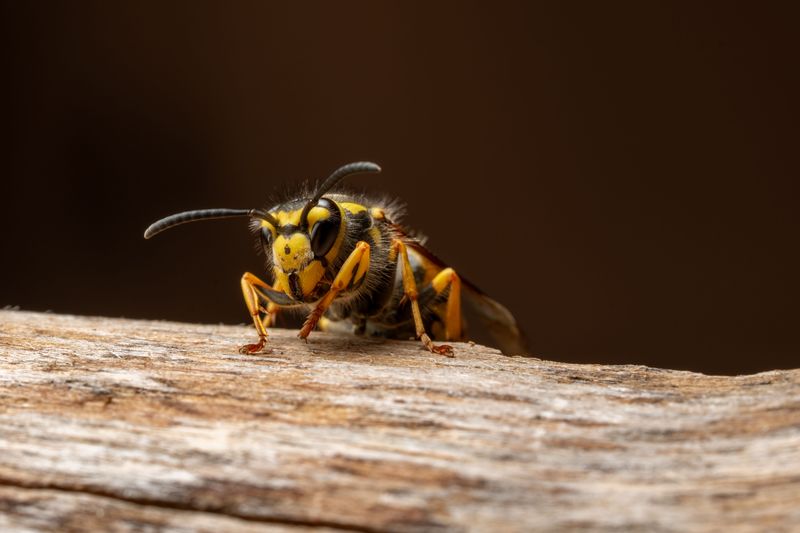
Ask anyone who has been stung, and you’ll hear words like burning and throbbing. On the Schmidt Sting Pain Index, the European hornet sits around a level 2, roughly in the same range as a honey bee.
Many people say it feels worse, though. These hornets are large, so they can deliver more venom per sting. Swelling and soreness can hang around longer than you would expect.
The stinger is smooth, not barbed. That means a hornet can sting more than once if it feels threatened.
Good to know, these insects aren’t usually looking for a fight. Away from the nest, a foraging hornet on your lilac will usually ignore you if you move slowly. Swatting at one is the fastest way to change its mood.
If you do get stung, wash the spot, apply a cold pack, and use an over-the-counter antihistamine or pain reliever if needed. Watch for hives, throat tightness, dizziness, or trouble breathing.
Those signs point to an allergic reaction and need emergency care right away. People with known sting allergies should keep their prescribed epinephrine handy during late summer yard work.
Hollow Trees And Wall Voids Hide The Hornet Nest
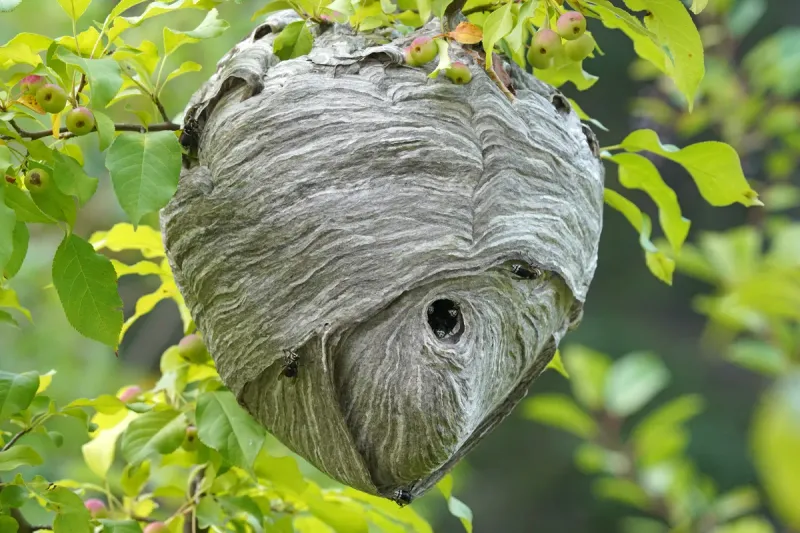
Finding the nest is the key to solving a hornet problem, and it can feel like a game of hide-and-seek. European hornets like dark, sheltered spaces.
Common spots include hollow trees, old stumps, barn walls, attics, sheds, and wall voids in houses. Nests are made of brown, papery material, sometimes with shell-like layers, and they can get quite large by fall.
Watch the flight path of hornets leaving your lilacs. Many will head straight back toward home, especially near dusk. A steady stream entering a gap in siding or a knot hole is a strong clue.
A nest in a far corner of the woods can often be left alone. The hornets will help control caterpillars and other pests, and the colony won’t last through winter.
A nest in a wall, near a door, or close to a play area is different. That calls for a licensed pest control pro, since these hornets defend their home hard.
Avoid sealing the entrance to a nest inside a wall while it’s active. Trapped hornets may chew through to your living space instead. Removal first, sealing later, is the smarter order.
August Through October Brings The Most Lilac Bark Chewing
Timing tells you a lot about this hornet. A single queen starts each colony in spring, working alone at first. By midsummer, workers take over the chores, and the colony keeps growing.
Late summer into early fall is the busy stretch. In Indiana, that usually means August through October, when colonies can hold hundreds of workers. More mouths and more nest building mean more bark stripping.
You may also see these hornets on fallen apples, pears, and other ripe fruit during this time. Sweet foods matter more to them as the season goes on.
Hard frosts slow everything down. Workers and males fade out as cold settles in, while newly mated queens tuck into protected spots for winter. The old nest isn’t reused the next year.
Northern Indiana tends to cool off a bit sooner than the southern part of the state. Activity may taper off a few weeks earlier up north.
Mark your calendar for some extra shrub checks starting in early August. Catching damage during peak season beats finding a pile of brown twigs in October and wondering what happened.
Pruning Hornet-Damaged Lilac Branches Helps The Shrub Bounce Back
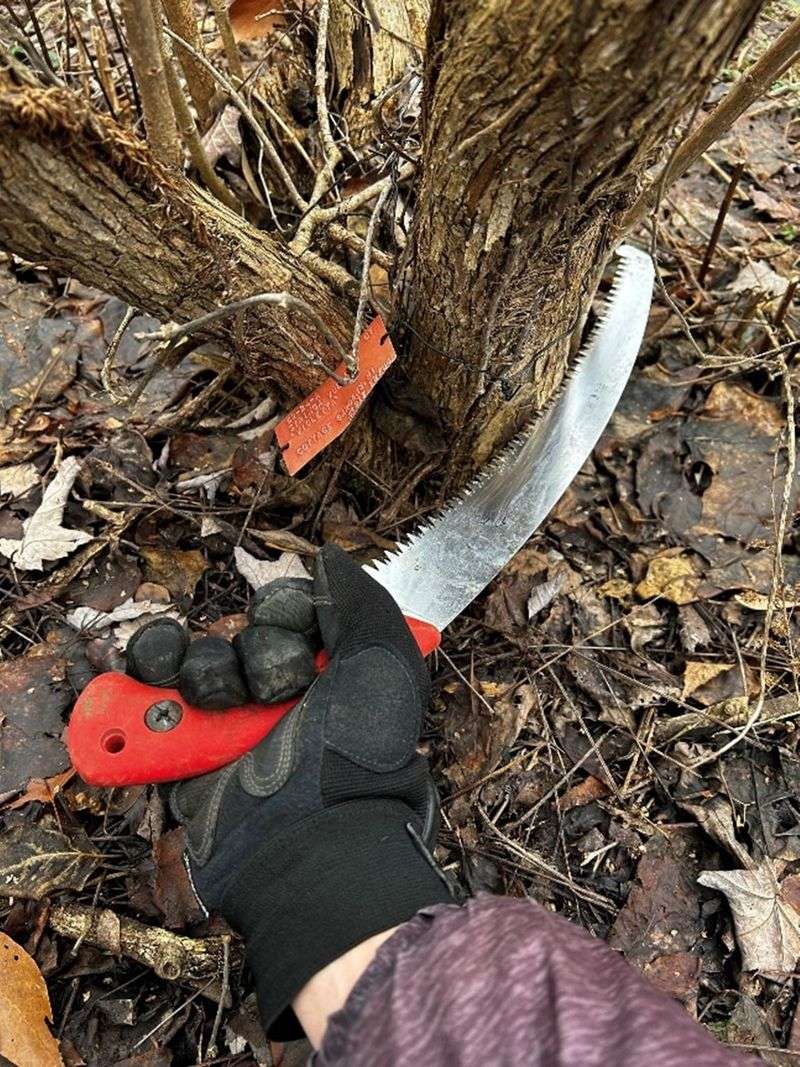
A few sad brown twigs don’t mean your lilac is in trouble. A little cleanup goes a long way.
Use clean, sharp bypass pruners and cut damaged twigs back to healthy wood below the girdled spot. Make cuts just above a bud or side branch. Wiping blades with rubbing alcohol between plants helps keep diseases from spreading.
Timing matters with lilacs. They set next year’s flower buds in summer, soon after blooming. Heavy pruning in late summer or fall can cost you blossoms next spring.
So keep fall cuts light. Remove only the clearly damaged parts and save bigger shaping jobs for right after flowering.
Older shrubs often benefit from renewal pruning over time. Removing about a third of the oldest, thickest canes each year, right after flowering, keeps plants vigorous and gives them fresh stems that recover from stress more easily.
Support the shrub in other simple ways too. Water deeply during dry spells, and spread a couple of inches of mulch around the base, keeping it off the stems. A healthy lilac in full sun with good air flow handles a bit of hornet chewing much better than a stressed one.
Living Alongside These Night Hornets Is Often The Smartest Move
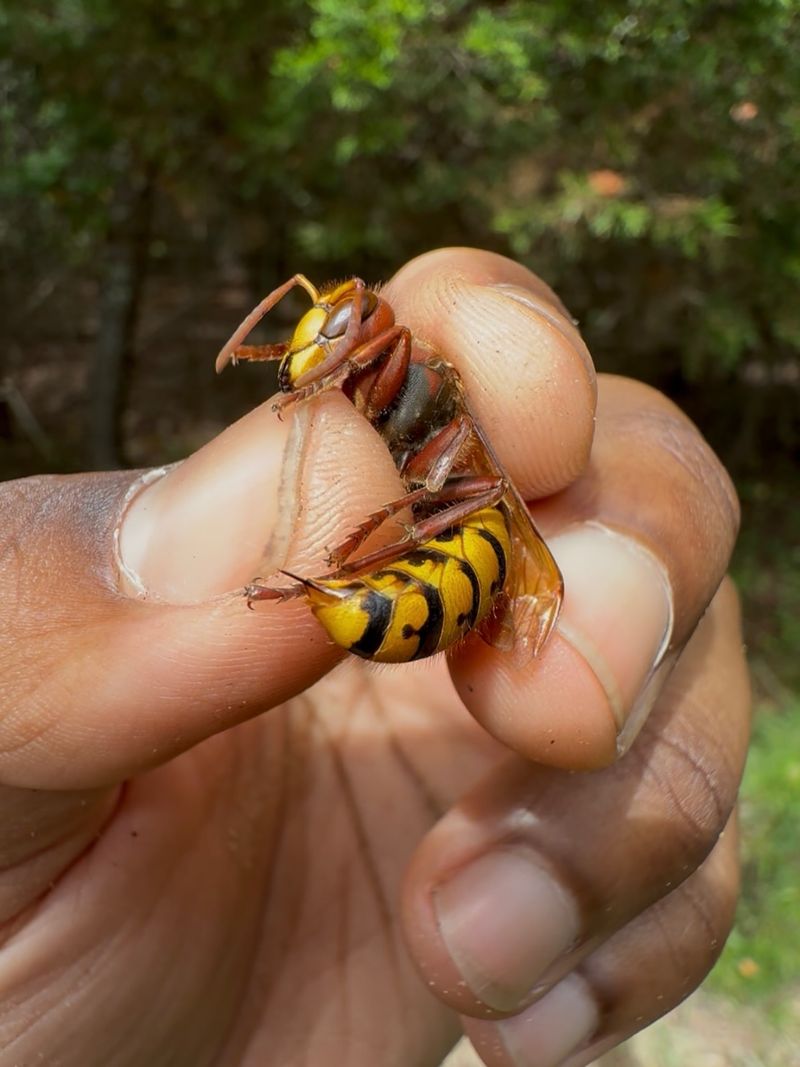
After all this, you might be tempted to declare war on every hornet in sight. Hold on a second, because this insect does some helpful work.
European hornets hunt caterpillars, grasshoppers, flies, and other insects to feed their young. Plenty of garden pests end up as hornet food. That free pest control is worth something.
Lilac damage is usually cosmetic on established shrubs. Unless a nest sits near people or causes real safety concerns, many extension experts suggest tolerance over spraying.
A few easy habits keep things peaceful. Use yellow bug lights or motion-sensor lights outside. Pick up fallen fruit, cover trash cans, and keep sweet drinks covered during outdoor meals.
Check sheds, attics, and siding for small openings in spring, before queens settle in. Sealing gaps early is far easier than dealing with a full colony in September.
Keep an eye on your lilacs from August into fall and prune any girdled twigs. Call a professional only when a nest is close to the house or a busy spot.
With a little awareness, you and this night-flying neighbor can share the yard without too much drama.