Which California Herbs Are Ready To Harvest For Thanksgiving Cooking
California shares its rare weather pattern with only a handful of places on Earth, including the rocky Mediterranean hillsides where many classic kitchen plants first grew. Wet winters, long dry summers, and plenty of sun feel like home to them.
That explains why my fragrant patch still looks lively in late fall. One woody shrub can push out little blue flowers this time of year, handing bees a bonus snack. Another bushy favorite tastes bolder when I water it less, which feels like permission to slack off.
With Thanksgiving a couple of weeks off, I’m already plotting my backyard raid. Last year, I dashed outside mid-gravy in fuzzy slippers for one more handful. The gravy got its sprig, and I got a muddy heel.
You may have a free supply growing a few steps from the stove. Why fight the crowds for a plastic clamshell of sprigs?
1. Rosemary
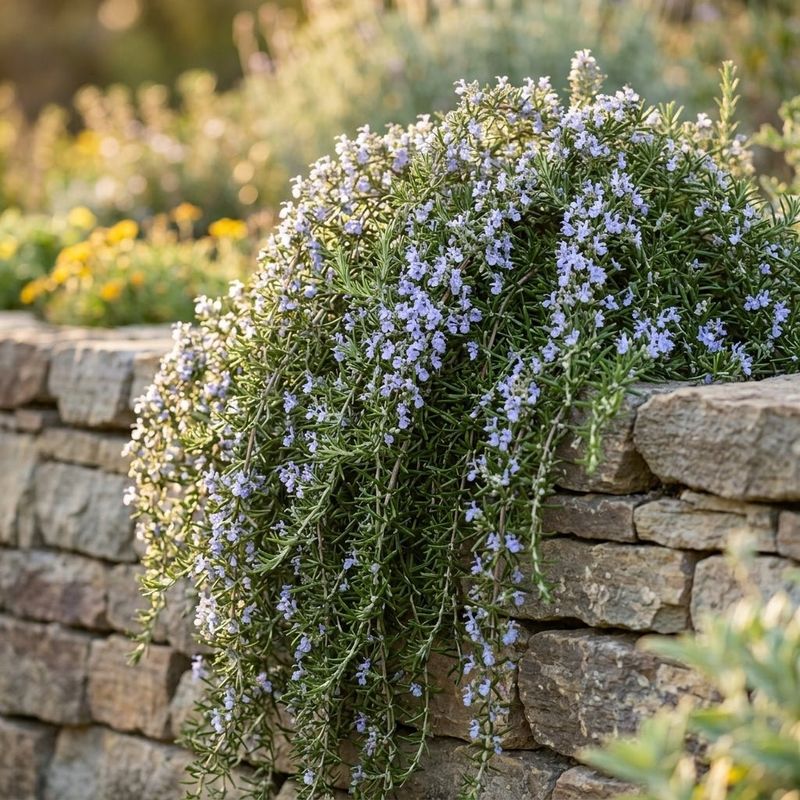
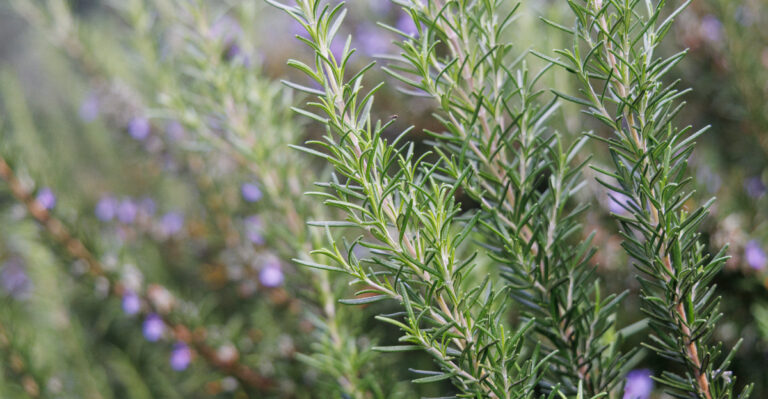
Brush your hand across a rosemary bush and your fingers will smell like a pine forest for an hour. I keep one right by the back door, because I reach for it more than any other herb.
Botanists renamed it Salvia rosmarinus in 2017, so your favorite stuffing herb is now officially a sage relative. That woody evergreen shrub handles mild winters easily and stays harvestable all year in warmer coastal and valley gardens.
Some cultivars even push out small blue flowers in November and December, which gives bees a late snack. You can snip flowering sprigs for cooking too, since the blooms are edible and add a softer flavor.
For Thanksgiving, trim sprigs up to four inches long from the tips of the longest branches. Regular pruning like this encourages fresh new growth, so the plant stays bushy instead of turning leggy and bare.
Focus on the greener, tender tips for cooking, because older needles can feel tough and coarse in your mouth. Woodier stems still work nicely as rustic garnishes or as fragrant bundles tucked inside a roasting bird.
Strip the needles from the stem, chop them finely, and give them some time in the oven. Rosemary softens with heat, while raw leaves can taste harsh and a bit like a chewed toothpick.
Go easy on the amount, since a little of this potent herb goes a long way in gravy. Full sun suits it best, and established plants need only occasional water once the rainy season begins.
2. Thyme
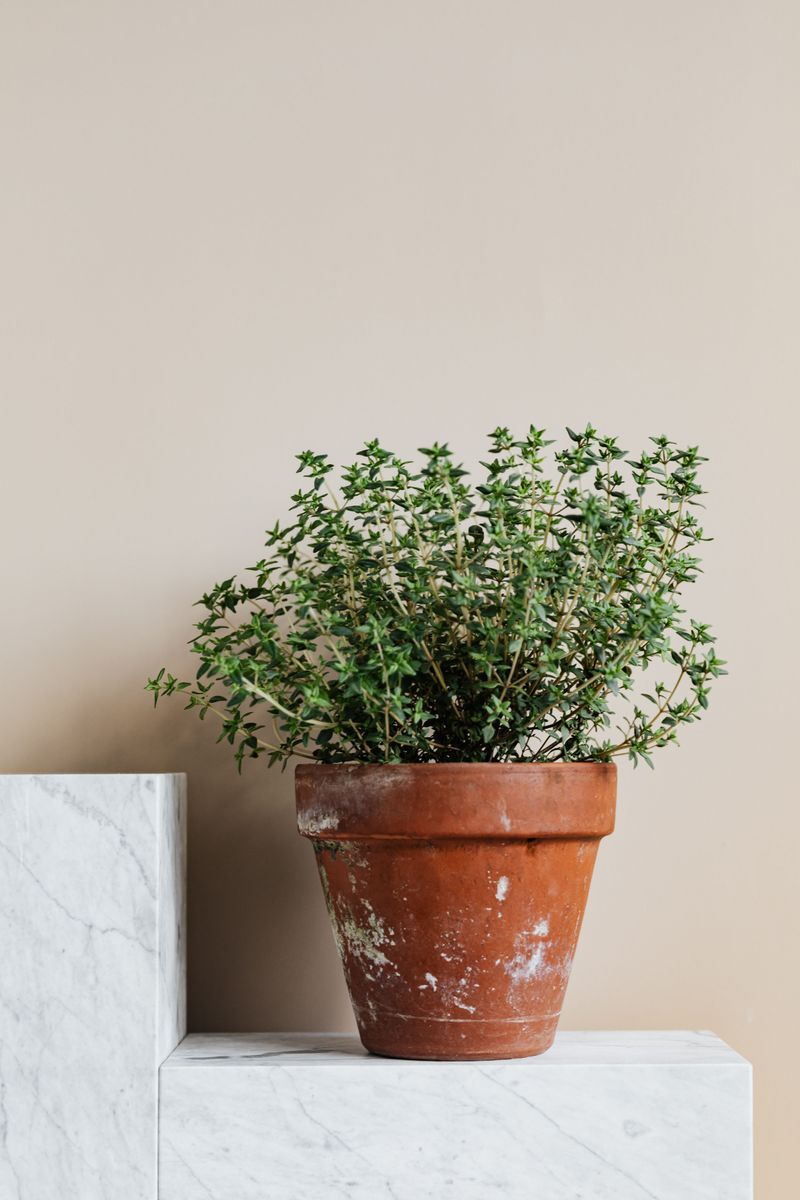
Tiny leaves can pack a surprisingly big punch, and thyme proves it every single November in my garden. One quick rub between your fingers releases an earthy scent with bright hints of lemon and black pepper.
In mild coastal areas like Santa Cruz, common thyme slows down during cooler months but rarely goes fully dormant. Thymus vulgaris is hardy to roughly ten degrees Fahrenheit, so most gardens across the state can keep it outdoors.
Flavor peaks in spring and early summer, yet fall leaves still taste wonderful in stuffing and gravy. I honestly cannot tell much difference once the herb melts into a buttery pan of roasted vegetables.
Head out in the morning after the dew dries, because that timing gives you the best aroma. Cut no more than one third of the plant, and wait about four to six weeks before cutting again.
Regular trimming matters more than you might expect, since neglected thyme gets woody and sparse in the center. Shearing it lightly keeps those soft green stems coming, and your kitchen gets the tasty rewards all season.
To prep it, pinch the top of a stem and slide your fingers downward to strip the leaves. Thyme likes a little cooking time, which helps release its oils into turkey drippings and pan sauces.
Young plants appreciate regular water, but mature clumps handle dry spells well in sunny, well-drained spots. Pick a few extra sprigs for tucking under the turkey skin, and thank me when dinner smells amazing.
3. Sage
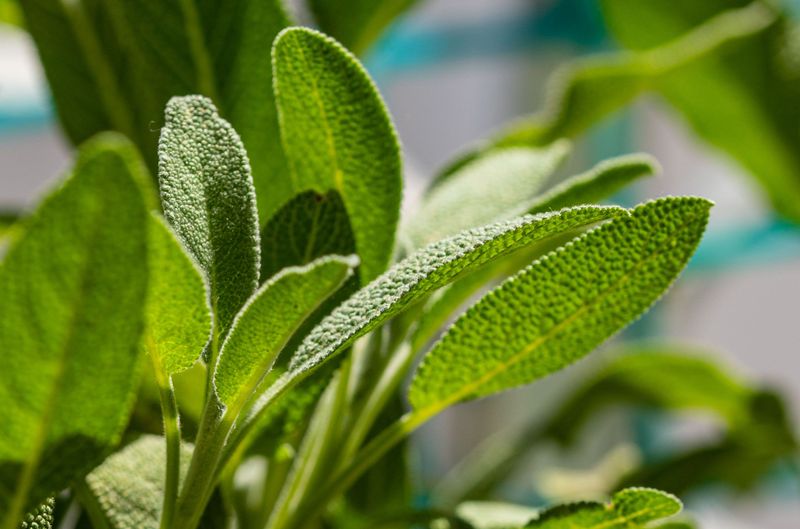
Soft, velvety leaves make garden sage the coziest-feeling herb in the bed, almost like petting a gray-green bunny. That fuzzy texture comes with a bold aroma that reminds many cooks of pine and eucalyptus.
Common sage, Salvia officinalis, is the culinary type you want, not the native white sage growing on wild hillsides. Hardy down to Zone 3, it keeps producing usable leaves through winter in many mild microclimates.
I have to admit, stuffing without fresh sage tastes like a song missing its chorus to me. Fresh leaves are more pungent and complex than dried ones, so a small handful really changes the dish.
For quick dinners, just pluck individual leaves as you need them, starting with the upper parts of stems. If you plan to dry some, cut stems six to eight inches long and hang them somewhere airy.
Take no more than one third of the plant at once, which leaves enough foliage for healthy regrowth. Frequent harvesting also stops the shrub from getting overly woody, so it stays compact and full of tender leaves.
Overwatering is the most common reason sage struggles, especially in heavy soil that stays soggy after storms. Give it full sun and sandy, well-drained ground, then mostly leave it alone once it gets established.
Beyond turkey, sage pairs beautifully with sausage and with sweet roasted butternut squash on the holiday table. Try frying a few whole leaves in butter until crisp, then crumble them over mashed potatoes for crunch.
4. Parsley
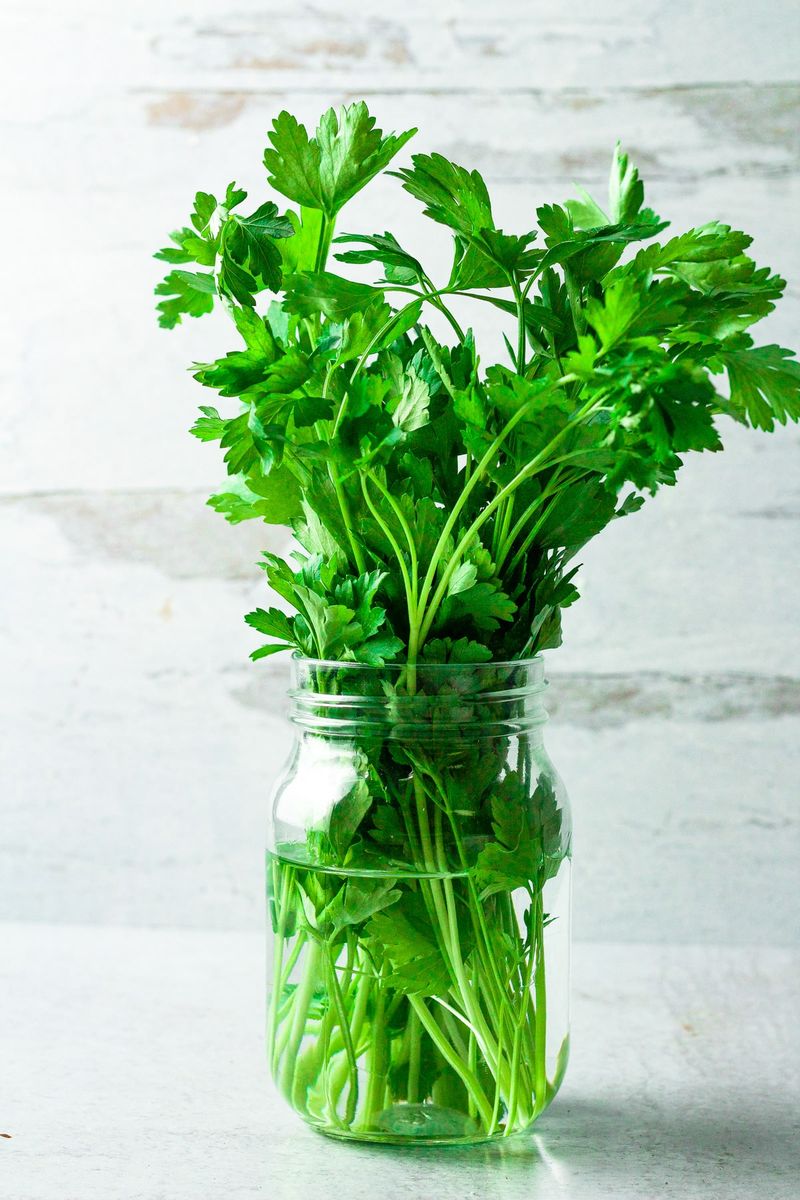
Plain old parsley rarely gets the spotlight, yet it quietly makes nearly every plate look and taste fresher. I think of it as the friendly helper who cleans up the kitchen without asking for credit.
Petroselinum crispum is a cool-weather biennial usually grown as an annual, and it loves our mild coastal autumns. Along the coast, gardeners can often harvest it year-round, since moderate temperatures keep the leaves coming steadily.
Flat-leaf Italian parsley usually carries a stronger flavor than the curly kind, which shines more as a garnish. Personally, I grow both, using flat-leaf in cooking and curly sprigs to decorate the turkey platter.
Plants are ready to harvest about sixty to seventy-five days after planting, once several sprigs have formed. Cut from the outside of the clump and leave the young center stems alone so they can keep growing.
Taking two or three sprigs at a time keeps the plant vigorous, and you can return every week or two. Moist, fertile soil enriched with compost helps parsley produce lush, tender growth during the cooler fall weather.
Fall planting from September through November works well near the coast for a steady winter supply of leaves. Colder inland gardens should cover plants before a hard freeze, which helps them hold on until spring.
Save the stems instead of tossing them, because they add wonderful flavor to stock and turkey soup. A final sprinkle of chopped leaves right before serving brightens rich gravy and buttery stuffing in a flash.
5. Chives
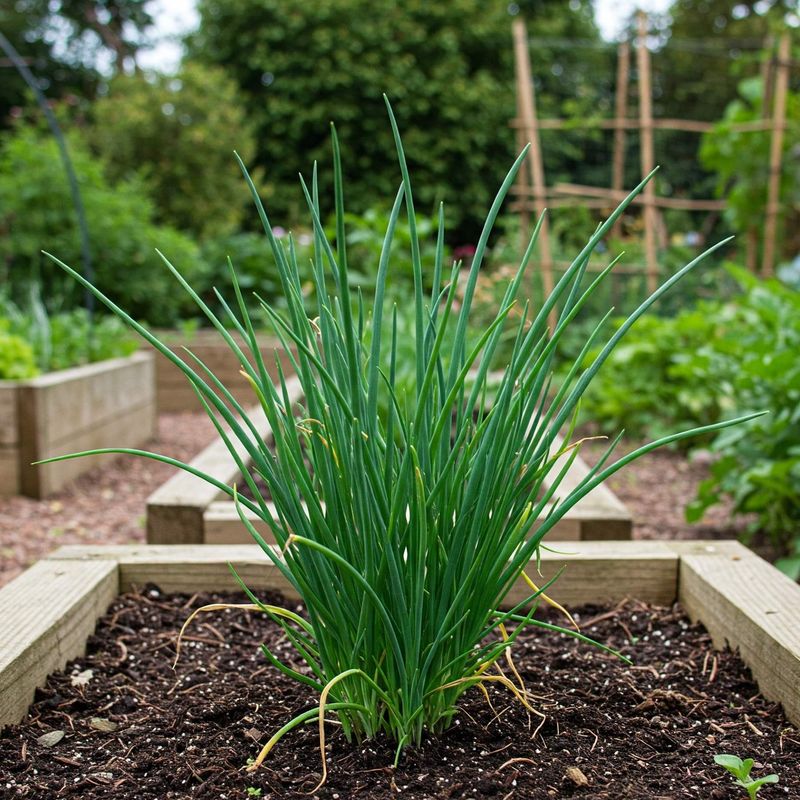
Snipping chives feels a bit like giving your garden a tiny haircut, and the plant seems to enjoy it. Those hollow, grassy leaves bring a mild onion flavor that makes mashed potatoes taste instantly fancier.
Allium schoenoprasum is a tough perennial hardy in Zones 3 through 9, which covers most home gardens here. In Southern California, chives stay in season through November, so the holiday timing works out very nicely.
Coastal growers in places like Santa Cruz County can harvest them nearly year-round with the right cutting technique. What surprises me most is how fast they bounce back after a good trim in cool weather.
Wait until leaves reach about six inches tall, then grab clean scissors or a sharp kitchen knife. Cut about two inches above the soil, leaving enough of each leaf base for quick, healthy regrowth.
Take no more than one third of the clump, and give it two or three weeks before cutting again. Chives tolerate partial shade better than most herbs, though full sun usually means a bigger harvest.
Fall is also a great time to plant or divide clumps, since roots settle in during cool, wet weather. Dividing every few years prevents crowding and keeps the plant producing plenty of fresh green leaves.
Sprinkle chopped chives over buttery rolls or a creamy potato dish right before it hits the table. Next spring, watch for round purple-pink flowers, which are edible and look gorgeous scattered over salads.
6. Oregano
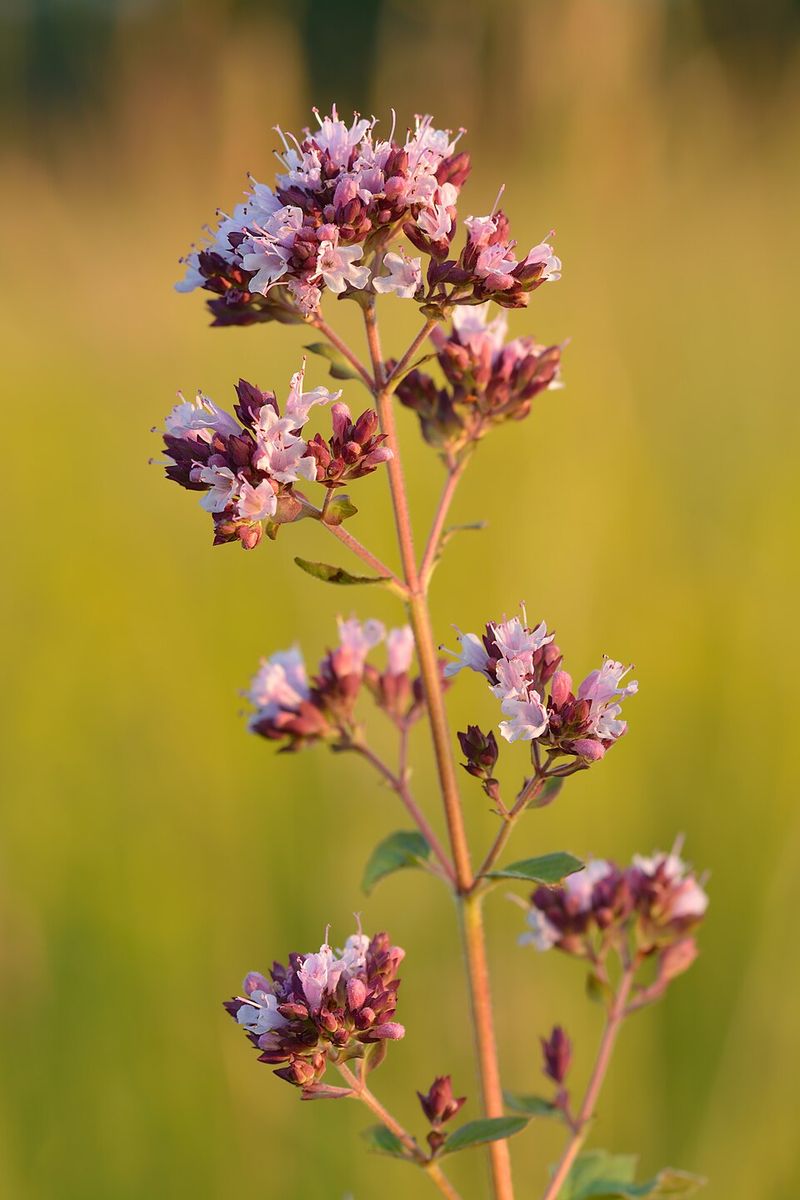
A little tough love actually makes oregano taste better, which feels like a great excuse to water less. Slightly stressed plants develop stronger flavor, while heavily watered ones often end up tasting weak and grassy instead.
Origanum vulgare is a sun-loving, low-water perennial that feels right at home in our warm Mediterranean-style weather. Along the coast it stays green year-round, while inland plants may rest in summer heat before rebounding.
By late fall, established inland plants usually return to full production, which is perfect timing for the holidays. I love how a clump that looked tired in August suddenly fills out again once cooler nights arrive.
Greek and Italian types are popular for their robust flavor, and both the leaves and flowers are edible. Plant it in full sun with well-drained, slightly alkaline soil, and water only after the soil dries out.
For the boldest taste, harvest just before flower buds open, when foliage looks dense and deep green. Cut stems at least four inches long, and avoid removing more than one third of the plant at once.
Morning is the sweet spot, once leaves are dry but temperatures are still cool and calm. Afternoon heat can drive off those aromatic oils, so early harvests carry the most flavor into your kitchen.
Oregano might seem more pizza than pilgrim, yet it adds warmth to roasted vegetables and savory bean dishes. Frequent snipping also encourages bushier growth, so every holiday harvest sets up the next one nicely.
7. Sweet Marjoram
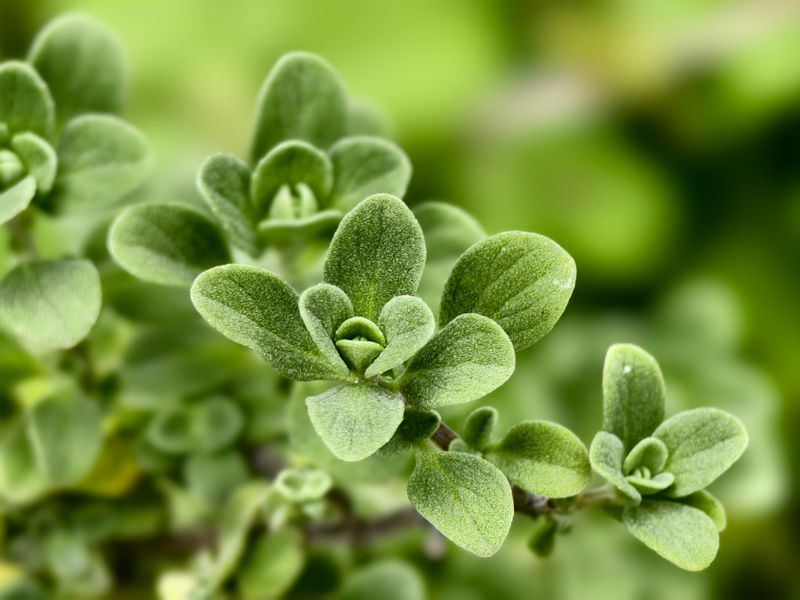
Gently brush a marjoram plant and the whole patio fills with a sweet, floral scent that lingers. It is one of the most fragrant herbs you can grow, and I catch myself touching it constantly.
Origanum majorana is a close cousin of oregano, but its flavor runs softer and sweeter with a gentle citrus edge. Many cooks reach for it when oregano feels too bold for delicate gravy or creamy egg dishes.
As a tender perennial hardy in Zones 9 and 10, marjoram thrives in mild coastal and southern gardens. Colder inland microclimates may need to treat it as an annual or bring potted plants indoors before frost.
Excellent drainage is a must, since marjoram suffers more from too much water than from too little. Full sun and a roomy container make a happy home, especially if your garden soil stays heavy.
Frequent harvesting keeps the plant from flowering and pushes out tender new leaves with the best flavor. Cut stems two or three inches above the soil, and it can handle losing up to two thirds at once.
Pick in the morning after the dew dries, when the leaves hold plenty of their fragrant oils. Rinse gently and pat the sprigs dry, because bruised leaves lose their lovely perfume rather quickly.
Add marjoram near the end of cooking, since its delicate flavor fades during long simmering or roasting. Stir it into turkey gravy or toss it with roasted potatoes in the final few minutes for a lovely lift.
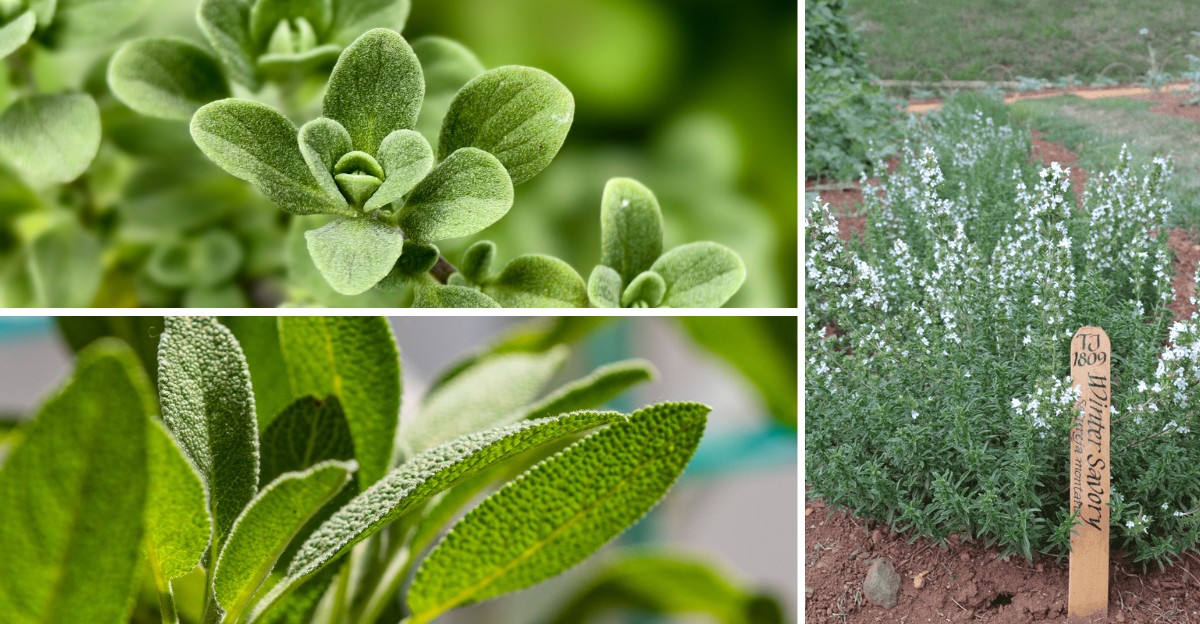
8. Winter Savory
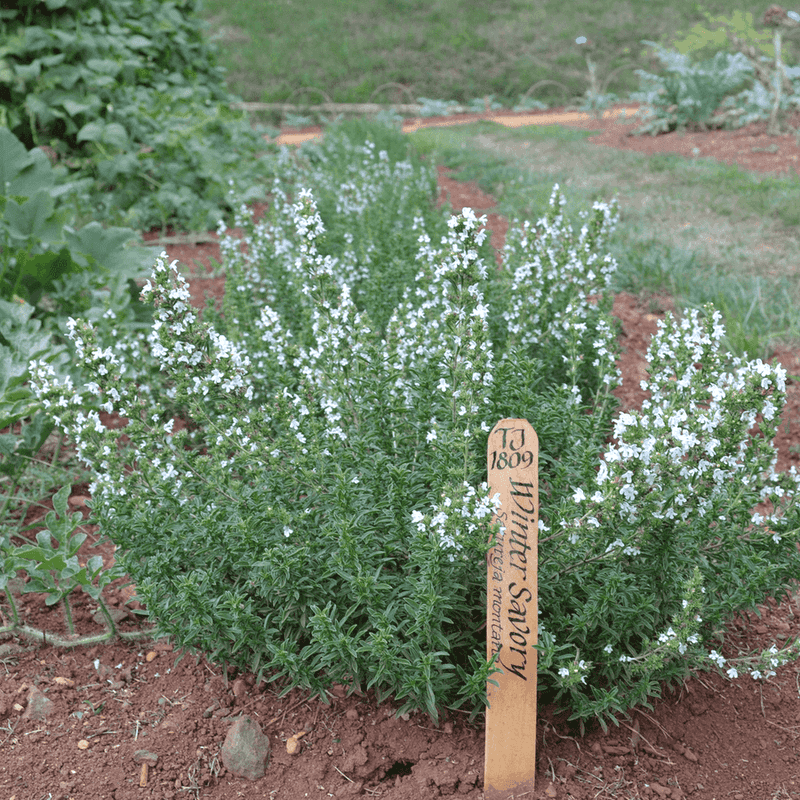
Few home cooks have heard of winter savory, which makes it the fun mystery herb on my holiday table. Guests usually ask what that peppery note is, and I happily take full credit for the garden.
Satureja montana is a hardy evergreen perennial that forms a neat, woody mound roughly a foot tall. Its dark green leaves often stay on through much of winter, offering fresh flavor when many herbs rest.
Compared with summer savory, its annual cousin, this one tastes stronger and more resinous with a peppery bite. In mild zones, light harvesting is possible in November and December, so a few Thanksgiving sprigs are realistic.
Full sun and very well-drained, lean soil suit it best, since rich ground is not required at all. Heavy clay that stays wet can rot the roots, so raised beds or gravelly spots work far better.
Once established, winter savory handles dry spells well, which makes it an easy fit for low-water herb gardens. Snip individual stems with scissors, taking no more than one third of the plant at any one time.
Regular cutting encourages a bushier, more productive habit, and the flavor reaches its peak just before flowering begins. Even so, the late-season leaves still carry plenty of punch for hearty holiday cooking and simmering pots.
Its bold taste holds up through long cooking, so try it in braises or a pot of beans. I also love a pinch in sausage stuffing, where it plays nicely with sage and fresh thyme.