10 Things You Should Do When An Opossum Visits Your Indiana Yard
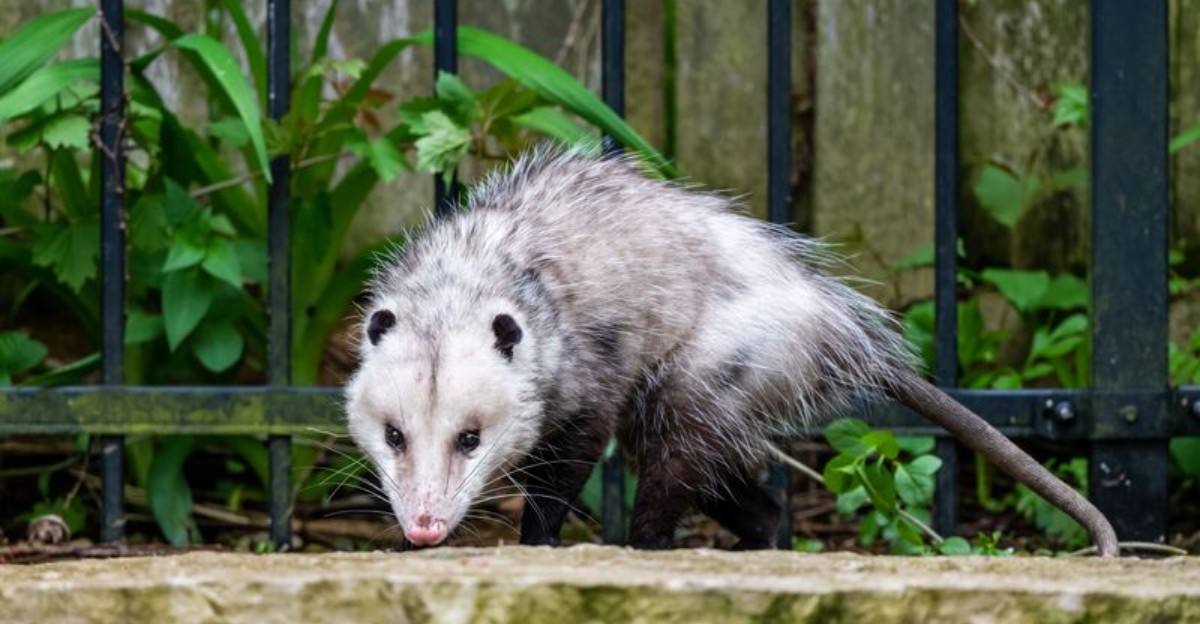
A certain backyard visitor has fifty teeth, more than any other land mammal in North America. That grin looks scary at midnight, but the animal behind it is usually far more nervous than you are.
It carries its babies in a pouch, just like a kangaroo in Australia. It also wraps its bare tail around branches for balance and climbs trees with thumbs on its back feet.
I used to grab the broom whenever one shuffled past my tomato beds in our Indiana garden. Now I mostly grab a flashlight and watch, because these odd creatures taught me a few lessons worth sharing.
Indiana yards host plenty of night wanderers, yet this one gets misunderstood more than most. So what should you actually do when that pale, pointy face shows up near your porch light tonight?
1. Welcome The Opossum Eating Slugs And Snails
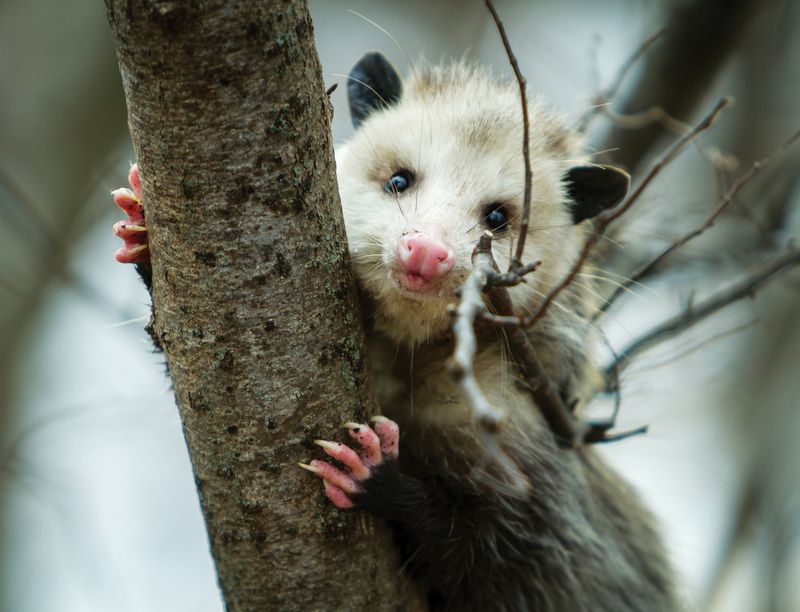
Slugs chewed holes in my hostas for years before I noticed who was quietly snacking on them after dark. The Virginia opossum, Didelphis virginiana, happily eats slugs, snails, beetles, and plenty of other crawling garden troublemakers.
It is the only marsupial native to the United States and Canada, which still feels a little wild to me. Mothers carry tiny young in a pouch, then haul older babies around on their backs like fuzzy passengers.
You may have heard that one opossum eats thousands of ticks each season in your yard. Later research found wild opossums eat far fewer ticks than first reported, so treat that famous claim with healthy caution.
Even so, these scavengers clean up fallen fruit, carrion, and insects that might otherwise attract bigger headaches nearby. I like having a free cleanup helper who works nights and rarely asks for anything in return.
Opossums usually wander through rather than settling down, staying in one area for a few days. Many visits end on their own, especially when your yard offers no easy meals or cozy hiding spots.
So before reaching for traps or sprays, give the visitor a little patience and simple observation. You might discover that sharing the garden for a few nights costs you nothing at all, and helps a bit.
2. Lock Down Trash Cans With Tight Lids

Garbage night once turned into a midnight buffet at my place, with coffee grounds scattered across the driveway. Opossums are opportunistic eaters, and an open trash can smells like a restaurant with the doors flung wide open.
Sturdy bins with tight-fitting lids solve most of the problem before it ever really starts. If your visitor keeps nosing around anyway, a bungee cord or simple latch across the lid works surprisingly well.
Storing cans inside a garage or shed overnight helps even more when possible. Putting trash out on pickup morning, rather than the night before, removes the tempting smell during prime opossum hours.
Rinsing sticky containers before tossing them cuts down on odors that drift across the yard. I started doing this after one particularly greasy pizza box seemed to invite half the neighborhood wildlife over for a late visit.
Recycling bins deserve attention too, since leftover yogurt cups and food cans still carry interesting smells. A quick rinse takes seconds and keeps curious noses moving along to someone else’s driveway instead of yours.
Fewer easy meals mean shorter visits, plain and simple, from almost any nighttime scavenger. Opossums rarely stick around a place that offers slim pickings, so tidy trash habits quietly send them down the road.
3. Bring Pet Food Bowls Inside Before Dusk
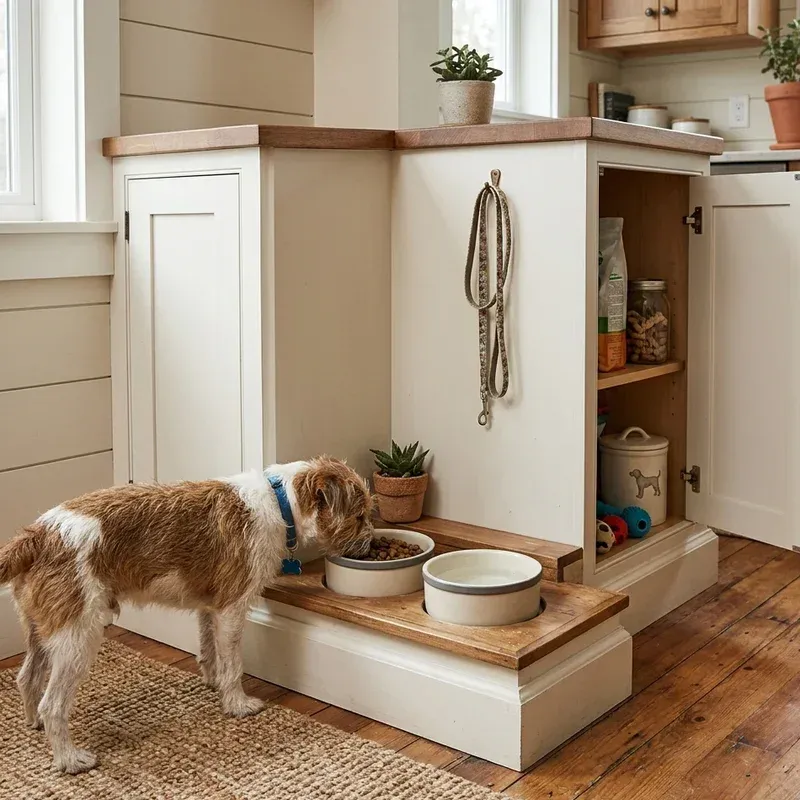
My cat’s kibble bowl once had a visitor with a pink nose and a ratty tail chowing down at midnight. Pet food sitting outdoors overnight is one of the easiest meals an opossum could ever hope to find.
These animals become active around dusk and roam through the night looking for food. Feeding pets indoors, or at least picking up bowls before dark, takes that free dinner off the menu quickly.
Water bowls count too, since opossums need regular drinks like any other wild animal. Bringing both dishes inside at sunset makes your porch far less interesting to a hungry wanderer passing through after dark.
Outdoor cats complicate things a bit, I know, because their schedules do not always match ours. Try feeding them during daylight and removing leftovers within an hour, which still keeps nighttime visitors from finding a reliable snack.
Bags of pet food stored in garages or sheds should go into sealed plastic or metal bins. Opossums can tear through paper sacks easily, and a forgotten bag becomes a midnight pantry they will happily remember.
Your dog or cat will hardly notice dinner moving indoors for a while. Meanwhile, your porch stops being a dependable stop on the nightly opossum route, which matters more than most people realize.
4. Pick Up Fallen Apples And Ripe Garden Produce
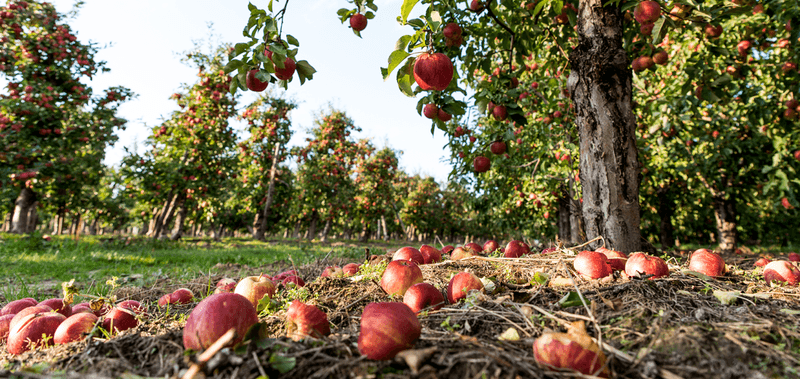
Bruised apples rolling around under my tree smell sweet to me, and apparently even sweeter to opossums. Overripe fruit on the ground becomes an open invitation for these foragers to stop by night after night.
Opossums love soft, fallen produce far more than fresh fruit still hanging on the branch. Raking up dropped apples, pears, and persimmons every day or two removes a major reason for repeat visits.
Tomatoes, melons, and berries ripening in vegetable beds can draw attention too, especially when they split open. Harvesting promptly keeps your crops in your kitchen instead of becoming somebody else’s late-night snack in the garden.
Compost piles also tempt opossums when they contain kitchen scraps like fruit peels and leftover vegetables. Switching to an enclosed bin or tumbler keeps those smells contained while still turning scraps into rich soil for spring.
Birdseed spilled beneath feeders attracts opossums along with mice and other ground visitors after dark. A tray under the feeder, or a quick sweep every few days, cuts down on that scattered buffet nicely.
Honestly, this step helps your garden in other ways too, since rotting fruit invites wasps and fungal problems. A tidier yard means fewer pests overall, and opossums simply find better dining somewhere else nearby.
5. Block Openings Under Decks Porches And Sheds
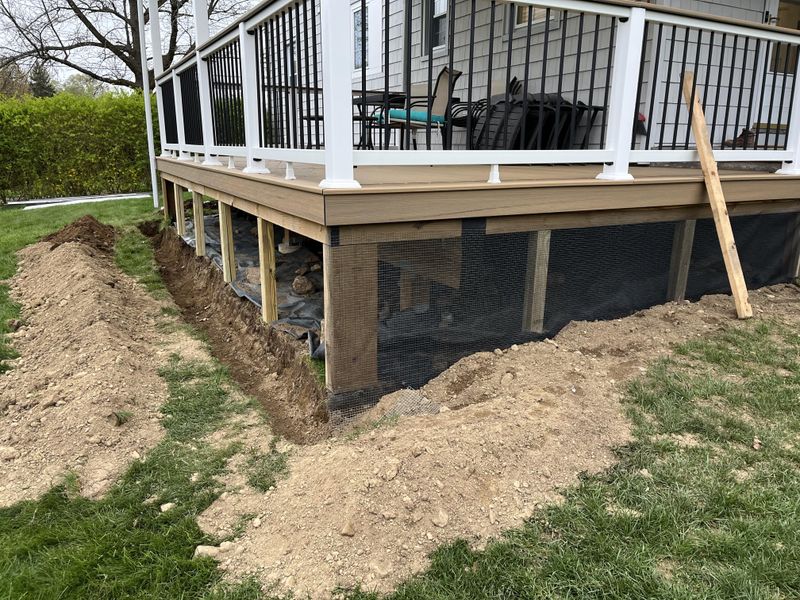
Something kept rustling under my deck every morning, and a flashlight revealed two shiny eyes staring back. Opossums sleep during daylight and love dark, sheltered spaces like crawl spaces, porch gaps, and shed floors.
They usually move between den sites every few days rather than staying put for long. Still, a cozy, dry spot under your deck might keep one around longer than you would like this season.
Sturdy hardware cloth or welded wire mesh works well for sealing these openings. Burying the bottom edge several inches into the soil, bent outward in an L shape, discourages any creative digging underneath.
Timing matters a lot here, so make sure nobody is home before closing things up. Sprinkle flour near the opening, then check for tracks heading out after dark before sealing the gap for good.
Spring and summer bring young opossums, and sealing a mother away from her babies creates real trouble. If you suspect a family, wait until they move out, or call a licensed wildlife professional for help.
Neatly stacked firewood, trimmed shrubs, and cleared brush piles also reduce hiding spots across the yard. Less shelter means your visitor keeps moving along to friendlier territory without any drama from you.
6. Set Up Motion Activated Sprinklers Near Garden Beds
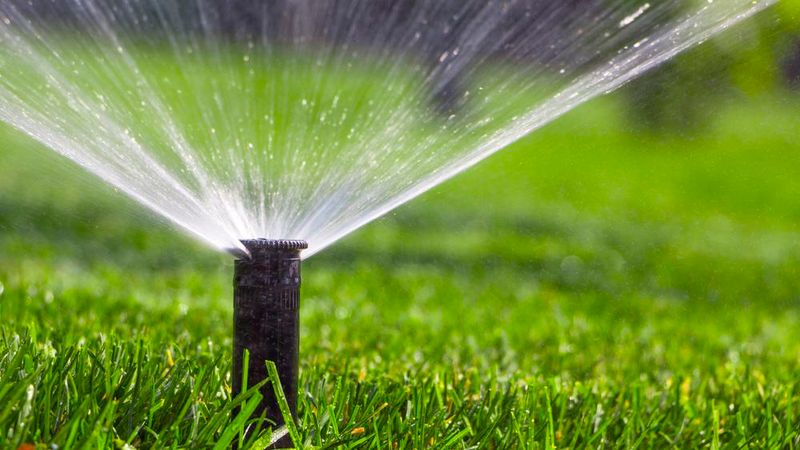
Nothing surprises a sneaky nighttime visitor quite like a sudden burst of cold water out of nowhere. Motion-activated sprinklers give opossums a harmless soaking, and most decide that particular corner of your yard is not worth it.
These shy animals prefer moving quietly in the dark without much fuss or attention. A quick spray startles them without causing harm, and repeat visits often drop after a few uncomfortable surprises.
Place sprinklers near spots where you have noticed activity, like trash storage or a favorite vegetable bed. Aim the sensor along their likely travel path, since opossums often follow fences and building edges at night.
Motion-activated lights can help as well, though many animals get used to them over time. I find the sprinkler works well on its own, and pairing it with a light can add extra unpredictability to the mix.
Remember to turn sprinklers off before freezing weather arrives, since frozen hoses and valves crack easily here. Indiana winters can be rough on outdoor water gear, so store the unit indoors until spring returns.
Just warn your family and guests first, because the sprinkler cannot tell a person from a possum. My spouse learned that lesson while taking out recycling one evening, and still mentions it at dinner.
7. Skip Mothballs And Use Safer Scent Repellents

Mothballs seem like a clever shortcut, but scattering them outdoors is illegal under their EPA pesticide labels. The fumes can harm children, pets, and soil life, so please leave those little white balls in the closet.
Opossums rely heavily on their sense of smell while searching for food after dark. Strong scents like garlic and hot pepper sprays may nudge them away, though results vary from yard to yard.
Homemade mixtures often blend crushed garlic or pepper with water and a few drops of dish soap. Spray around bed edges rather than directly on edible leaves, and reapply after rain washes the scent away.
Ammonia-soaked rags are sometimes suggested for spaces under decks, yet I hesitate to recommend them widely. The fumes irritate people and pets too, and they should not be used where opossum babies may be sheltering.
Commercial repellents are available, and products registered with the EPA must list their target animals on the label. Read directions carefully and follow them, since using more product rarely means better results in real gardens.
Honestly, scent tricks work best as a backup to removing food and shelter first. Smell alone seldom convinces a hungry animal to leave, but it can tip the balance when combined with tidier habits.
8. Fence Your Vegetable Garden Against Climbing Opossums
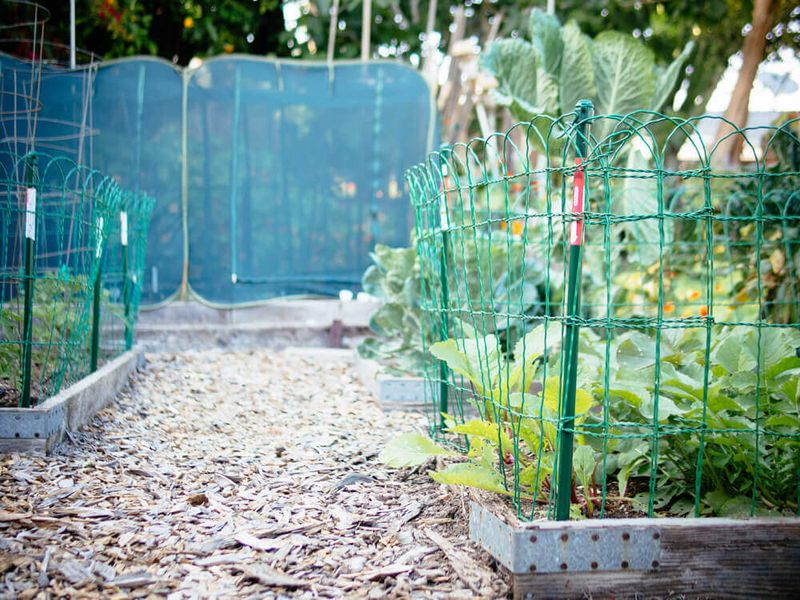
Opossums climb like tiny acrobats, using grasping back thumbs and a tail that wraps around branches. That skill means an ordinary short fence rarely stops a determined one from reaching your ripening tomatoes.
A fence around four feet tall gives a solid start for protecting vegetable beds. Leaving the top foot or so of wire loose and floppy makes climbing awkward, since the fence wobbles backward under their weight.
Some gardeners add a single electric wire a few inches above the ground and outside the fence. Follow manufacturer instructions closely, and keep curious kids and pets in mind before choosing that option.
Make sure the bottom edge sits snug against the soil without wide gaps. Opossums are not heavy diggers, yet they gladly squeeze under loose spots when the reward smells good enough.
Trim tree limbs that hang over your fence or roofline, because those branches work like bridges. I learned this after watching one stroll along a maple branch straight into my pepper patch one muggy night.
Small temporary netting can protect strawberries or melons during their short ripening window. Combine fencing with prompt harvesting and tidy habits, and your garden becomes a much tougher place to raid.
9. Give A Motionless Opossum Space To Recover
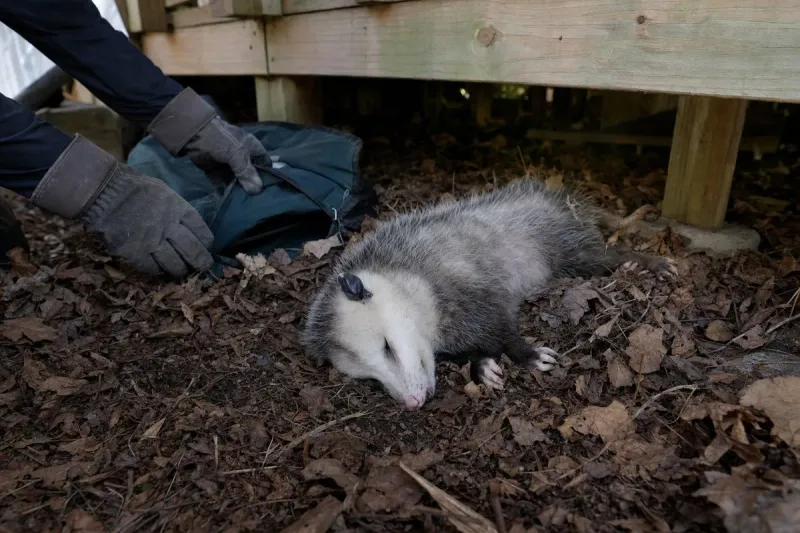
Finding a limp opossum on your lawn with its tongue hanging out feels alarming at first. Chances are good the animal is simply playing possum, an involuntary reaction to sudden fear or stress.
During this shock-like state, the body goes stiff or floppy and breathing slows noticeably. Some even release a smelly fluid that makes predators lose interest in what looks like an unappealing meal.
This response can last from a few minutes to several hours, depending on the situation. Keep pets and children well away, then step back and let the animal recover in peace on its own.
Do not poke, lift, or move it, since it may wake suddenly and feel cornered. Watching from a window works perfectly, and I admit I find the eventual slow waddle away oddly satisfying.
Before collapsing, a frightened opossum often hisses, drools, and shows all fifty of its teeth. That fierce display is mostly a bluff, since these animals much prefer escaping over any real confrontation with you.
If the opossum still has not moved after several hours, or shows obvious injuries, call for help. A licensed wildlife rehabilitator can check whether it needs care or simply more quiet time.
10. Call A Licensed Wildlife Rehabilitator For Injured Opossums
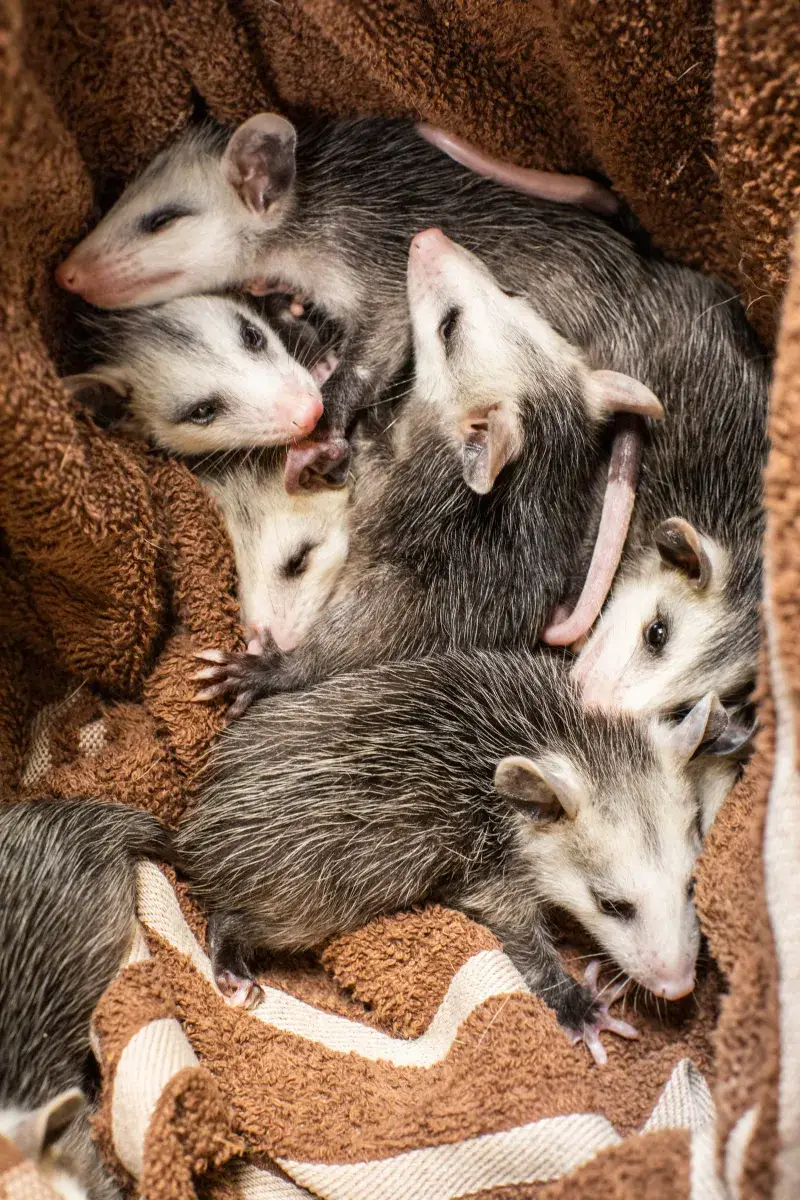
A tiny opossum clinging alone to a fence post tugs at almost anyone’s heart instantly. Young ones under about seven inches long, not counting the tail, usually still need their mothers or expert care.
The Indiana Department of Natural Resources keeps a list of permitted wildlife rehabilitators across the state. These trained volunteers know how to feed, warm, and eventually release young or injured animals safely back outdoors.
Please avoid raising a baby opossum yourself, even with the kindest intentions in mind. Their diets are tricky, and homemade care often leads to health problems that experts work hard to prevent.
Rabies in opossums is rare, partly linked to their lower body temperature, yet bites still deserve attention. Wash any scratch or bite with soap and water, then contact your doctor or veterinarian promptly.
For an opossum living in your attic or crawl space, a licensed nuisance wildlife control operator can help. Indiana has rules about trapping and relocating wild animals, so check with the DNR before setting traps yourself.
I keep my local rehabilitator’s number saved in my phone right next to the vet. That small habit means I can act calmly instead of guessing when a surprise visitor needs real help.