The One Thing You Must Do To North Carolina Hibiscus Before August Or Bud Drop Will Ruin The Bloom
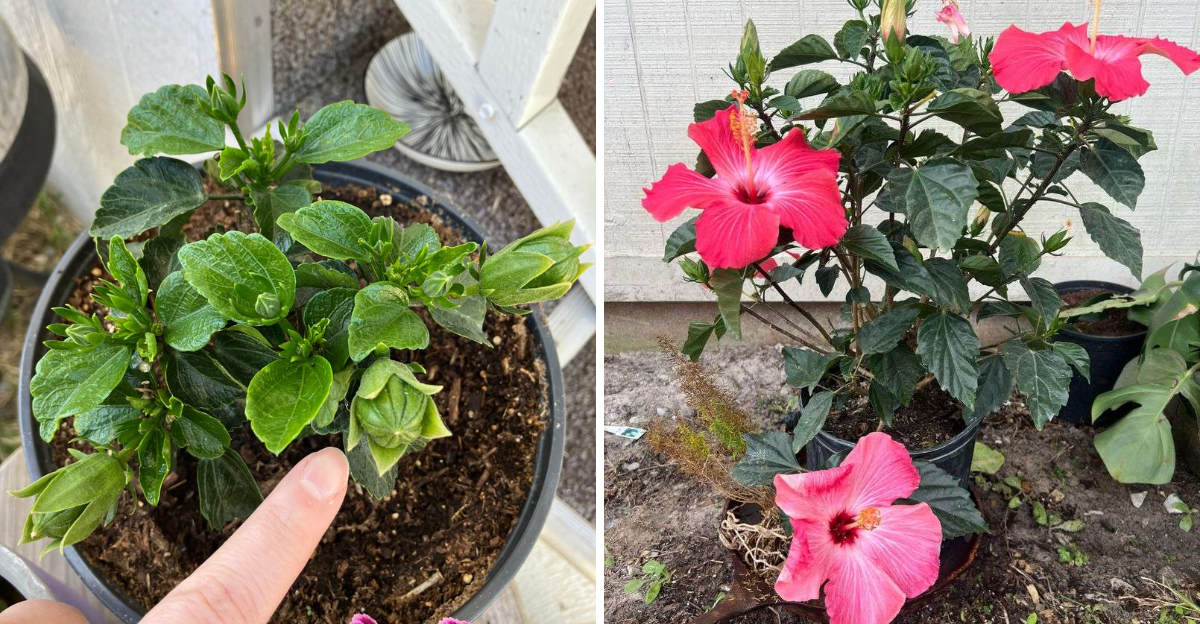
Hardy hibiscus spends most of the summer building toward a bloom display that feels worth every week of anticipation.
Bud drop arriving right before that payoff is one of the more demoralizing moments in the North Carolina summer garden, and it almost always traces back to one specific unmet need rather than disease, pests, or anything complicated.
The plant communicates the stress that causes bud drop clearly if the signals are recognized early enough to act on them. August arrives fast, and the window for preventing this problem is already shorter than it appears.
One targeted action taken now protects that entire late-season bloom and delivers what those developing buds have been promising all summer long.
1. Keep The Root Zone Evenly Moist
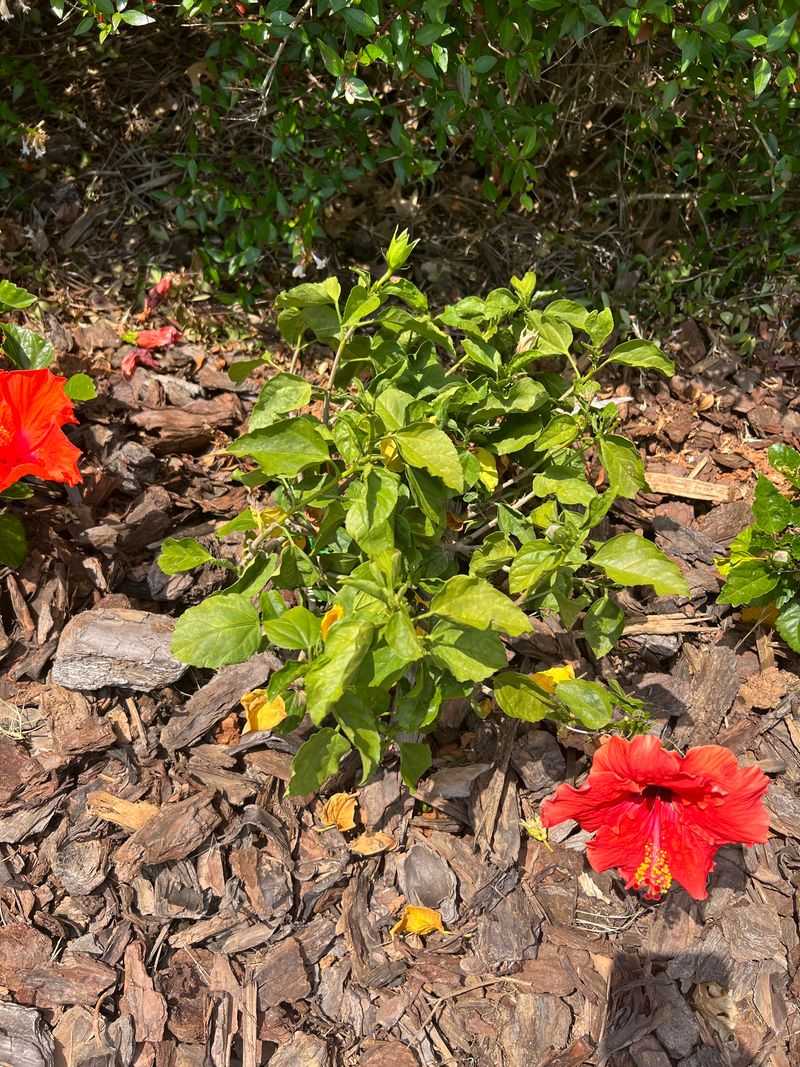
Steady moisture is the single most important thing you can give your North Carolina hibiscus before August arrives. July heat in this state is no joke.
Temperatures climb fast, afternoons get intense, and the soil can go from damp to bone dry in just a day or two without much warning.
Hibiscus plants are sensitive to moisture swings. When the soil dries out too much and then suddenly gets flooded with water, the plant picks up on that stress almost immediately.
One of the first things it does in response is drop its buds, which means all those beautiful blooms you were waiting for simply never open.
The goal is not to keep the soil soaking wet. Soggy roots cause their own set of problems, and hibiscus does not thrive when sitting in waterlogged ground.
What the plant really wants is soil that stays consistently moist, like a wrung-out sponge, with enough moisture to support active growth without drowning the roots.
Checking the soil every morning during July is a smart habit to build. Push a finger two to three inches into the soil near the base of the plant.
If it feels dry at that depth, it is time to water. If it still feels cool and damp, you can wait another day.
This simple check takes seconds and can make a real difference in how many buds your hibiscus holds onto heading into August bloom season.
2. Buds Drop When The Plant Feels Stressed
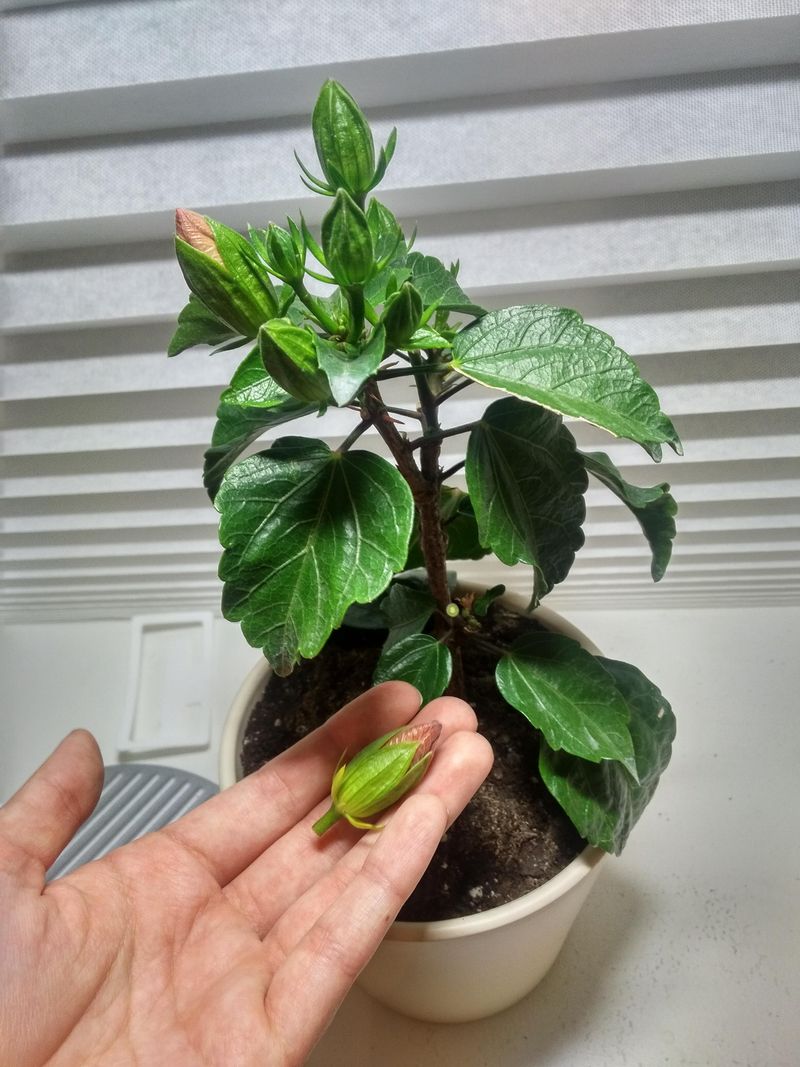
Watching hibiscus buds fall before they ever open is one of the most frustrating things a gardener can experience in midsummer.
You do everything right, the plant looks healthy, buds form beautifully, and then one morning they are scattered on the ground. Bud drop is not random. It is the plant telling you something is off.
High heat is one of the biggest triggers. When temperatures stay above 90 degrees for several days in a row, hibiscus can struggle to maintain the energy needed to carry buds all the way to full bloom.
Dry soil makes this even worse. A plant that is already heat-stressed and also running low on moisture at the root zone has very little reserve left to put toward flowering.
Poor watering habits play a big role too. Watering a little every day without actually soaking the root zone can trick you into thinking the plant is getting enough.
Your North Carolina Garden Changes Every Week. Your Plan Should Too.
Gardening in North Carolina changes quickly throughout the season. Every Friday you’ll receive a simple weekly plan showing exactly what to plant, prune, fertilize, harvest, and protect so you never miss the right timing.
But if water only wets the top inch of soil, the deeper roots where the plant actually drinks from stay dry. That creates hidden stress that shows up as bud drop.
Container plants face extra pressure from heat building up inside the pot itself. Too much water after a long dry stretch can shock the system just as much as the drought did.
Treat bud drop like a signal worth paying attention to. When buds start falling, ask what changed in the plant’s environment and adjust your care routine from there rather than waiting to see what happens next.
3. Deep Watering Works Better Than Quick Sprinkling
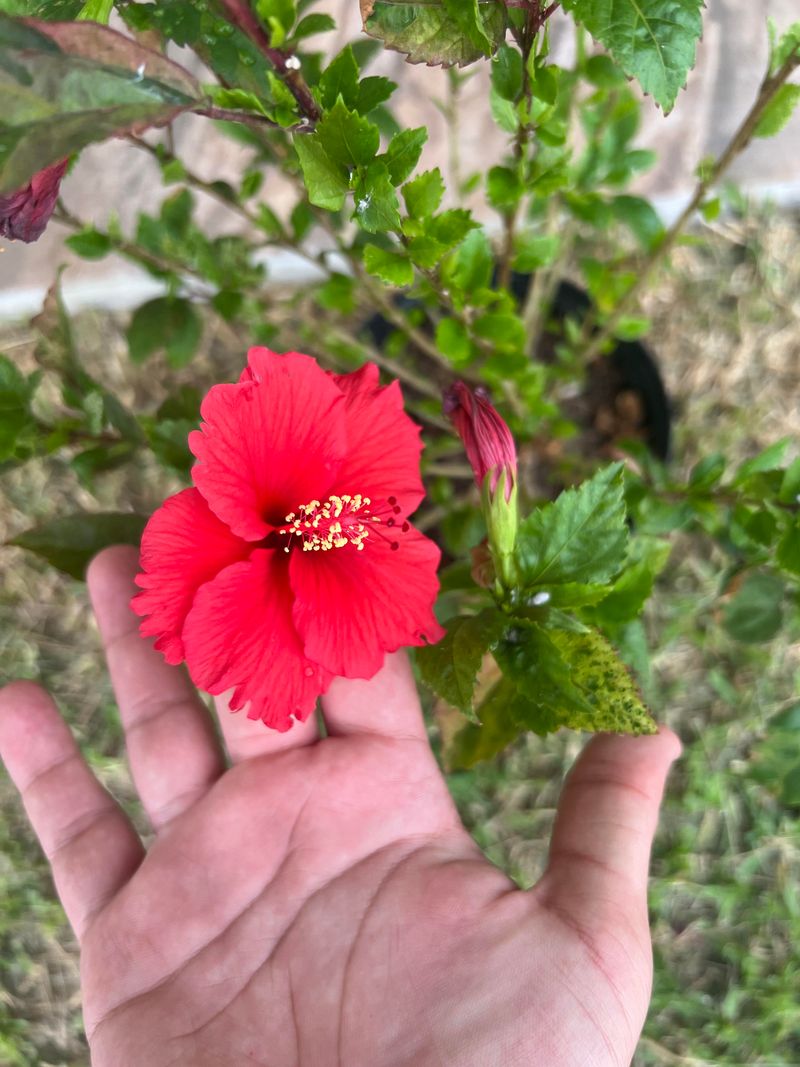
A fast splash of water over the leaves might feel like you are helping, but for hibiscus, it barely scratches the surface. The roots that actually absorb water and deliver it to the rest of the plant are not sitting right at the top of the soil.
They are several inches down, working quietly in the root zone where it is cooler and more stable.
Quick, shallow watering wets only the top layer of soil. That top layer dries out within hours in the July sun, especially in North Carolina where afternoons can feel like an oven.
Meanwhile, the deeper roots stay dry, and the plant slowly builds stress without you realizing it. Deep watering changes that completely by pushing moisture down to where the roots can actually reach it.
Watering slowly and directly at the soil level gives the ground time to absorb the moisture rather than letting it run off the surface. A soaker hose or a slow trickle from a garden hose pointed at the base of the plant works really well for this.
Spending a few extra minutes on each watering session pays off in a big way when your hibiscus holds onto its buds instead of dropping them.
Morning is the best time to water. Getting moisture into the root zone before the heat of the day builds means the plant is already hydrated when temperatures peak in the afternoon.
That small timing shift gives hibiscus a real advantage and helps it stay calm and productive through the hottest stretch of summer.
4. Containers Need Extra Checking In July
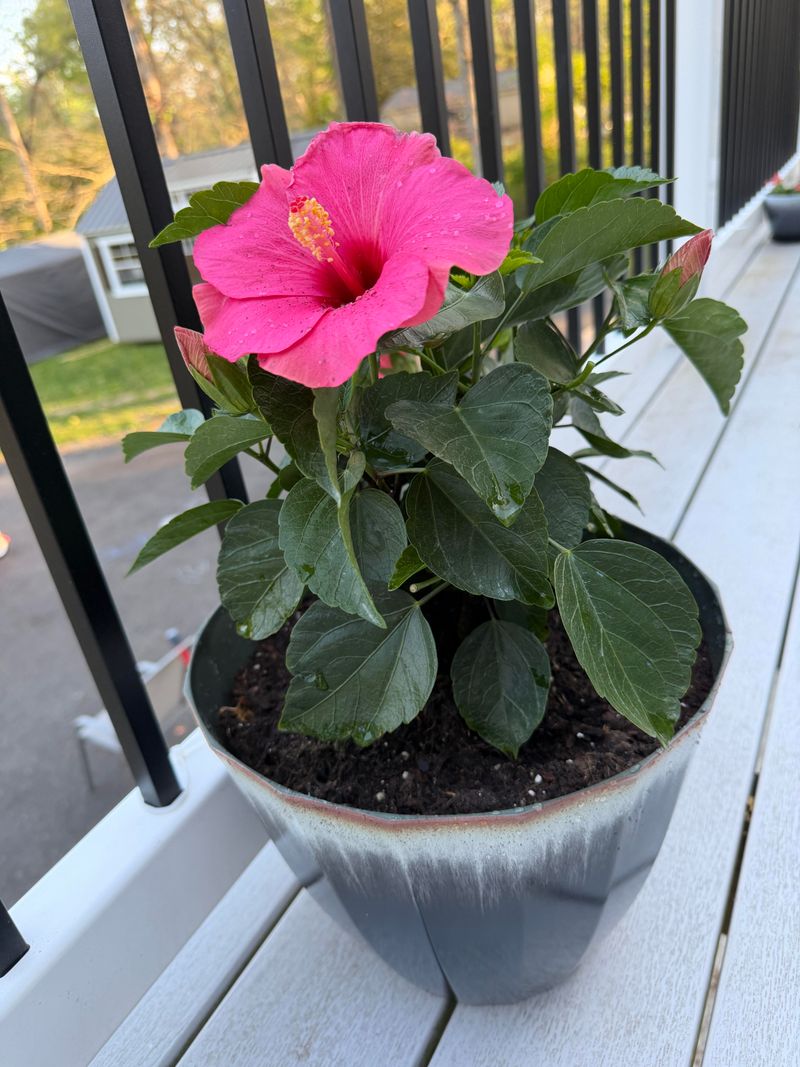
Growing hibiscus in a container gives you a lot of flexibility, but it also means the plant depends entirely on you for moisture. There is no deep ground to draw from when things get dry.
What is in that pot is all the plant has, and in North Carolina’s July heat, that can become a problem faster than most gardeners expect.
Pots sitting on patios, decks, or driveways absorb heat from all sides, not just the top. The soil inside can reach temperatures that feel almost warm to the touch, and that kind of heat pushes moisture out of the potting mix very quickly.
A container that felt moist in the morning can be surprisingly dry by early afternoon on a hot day.
Checking container hibiscus every single day during July is not being overly cautious. It is just smart.
Push a finger into the potting mix about two inches deep. If it feels dry, water thoroughly until excess water drains out from the bottom of the pot.
That drainage tells you the entire root zone got a real drink, not just the top layer. One thing to avoid is letting the pot sit in a saucer full of water for hours. Roots sitting in standing water can get into trouble quickly, especially in warm conditions.
Empty the saucer after watering. Moving pots to a spot with afternoon shade during the hottest weeks of July can also reduce how fast they dry out, helping your container hibiscus hold onto every bud it has worked so hard to form.
5. Mulch Helps Hardy Hibiscus Hold Moisture
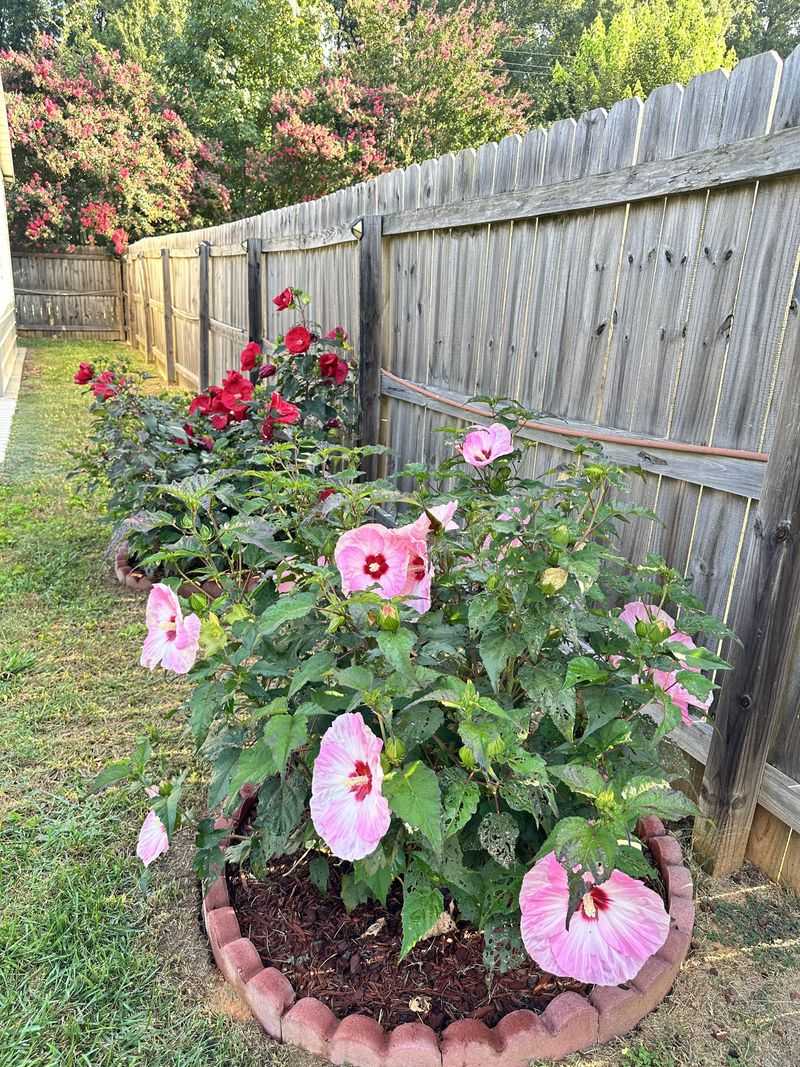
Mulch might be the most underrated tool in a gardener’s summer toolkit.
When it comes to hardy hibiscus pushing toward its August bloom, a good layer of mulch around the base of the plant can quietly do a lot of the hard work for you between watering sessions.
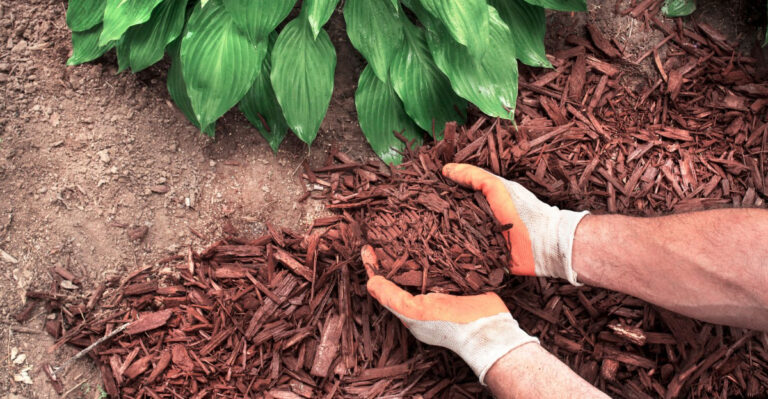
The way it works is simple. A layer of organic mulch, whether that is pine straw, shredded bark, composted leaves, or leaf mulch, acts like a blanket over the soil.
It slows down evaporation, keeps the root zone a few degrees cooler than bare soil, and helps moisture stay where the roots can actually use it. On a blazing July afternoon, that insulation matters more than most people realize.
Pine straw is especially popular in North Carolina because it is easy to find, affordable, and breaks down slowly. Shredded bark mulch works beautifully too and gives garden beds a clean, tidy look.
Whatever type you choose, aim for a layer about two to three inches thick spread out around the plant, covering as much of the root zone as you can reach.
One important detail: pull the mulch back slightly from the base of the stems. Mulch piled right up against the stem can hold moisture against the plant in a way that causes problems over time.
Keeping a small gap of a few inches around the stem lets air circulate while still giving the root zone all the moisture-holding benefits. Adding mulch now, before August, is one of the easiest investments you can make in your hibiscus bloom.
6. Wet Soil Can Cause Trouble Too
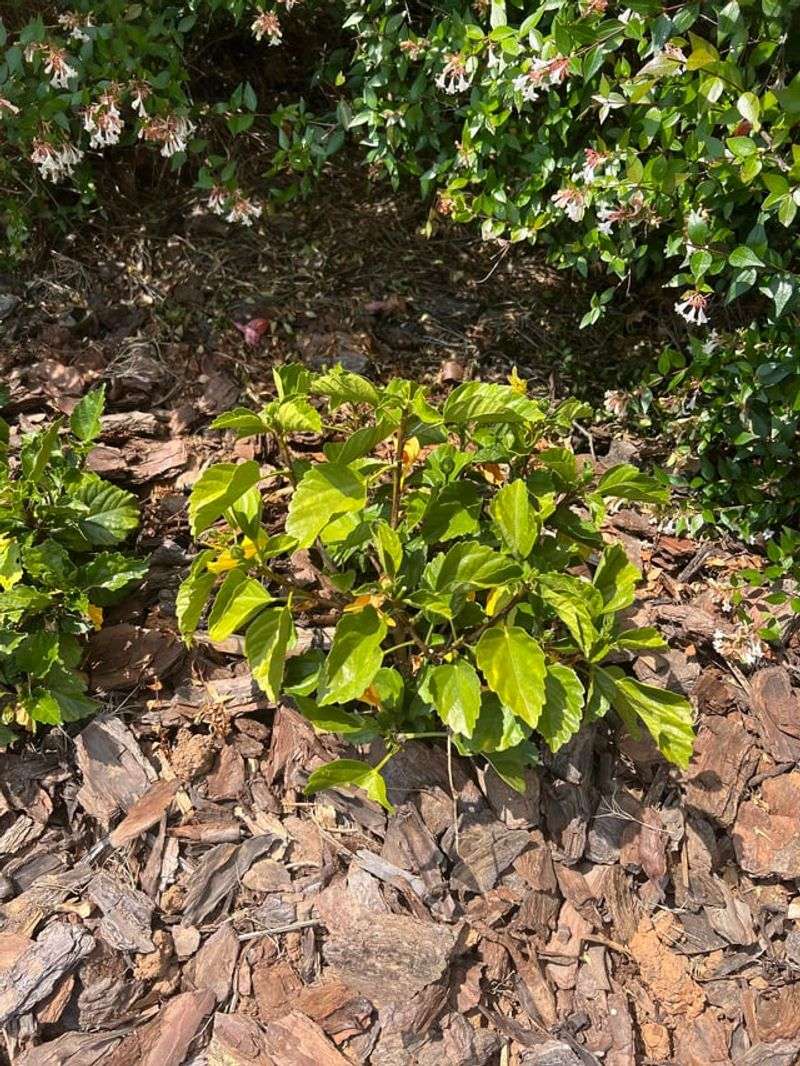
More water is not always the answer, and this is a mistake that even experienced gardeners make when they see hibiscus buds dropping. The instinct to water more makes sense.
The plant looks stressed, buds are falling, and adding water feels like the logical fix. But if the soil is already wet or if drainage is poor, adding more water can actually make things worse.
Hibiscus roots need both moisture and air to function properly. When soil stays waterlogged for too long, air pockets in the root zone disappear.
Roots that cannot breathe start to struggle, and a struggling root system cannot deliver the water and nutrients the plant needs to hold onto buds.
The symptoms of overwatering and underwatering can look surprisingly similar, which makes it easy to misread the situation.
North Carolina has a lot of clay-heavy soil in many areas, and clay holds water much longer than sandy or loamy soil. After a heavy summer rainstorm, clay soil might stay saturated for two or three days.
Watering again on top of that is unnecessary and can push the plant into serious stress. Checking the soil a few inches down before watering gives you the real picture.
Push a finger or a wooden skewer into the soil about three inches. If it comes out clean and dry, watering is a good idea.
If it comes out with damp soil clinging to it, the root zone still has what it needs. This quick check takes about ten seconds and saves you from accidentally stressing your hibiscus with too much of a good thing right before bloom season peaks.
7. Do Not Force Buds With Heavy Fertilizer
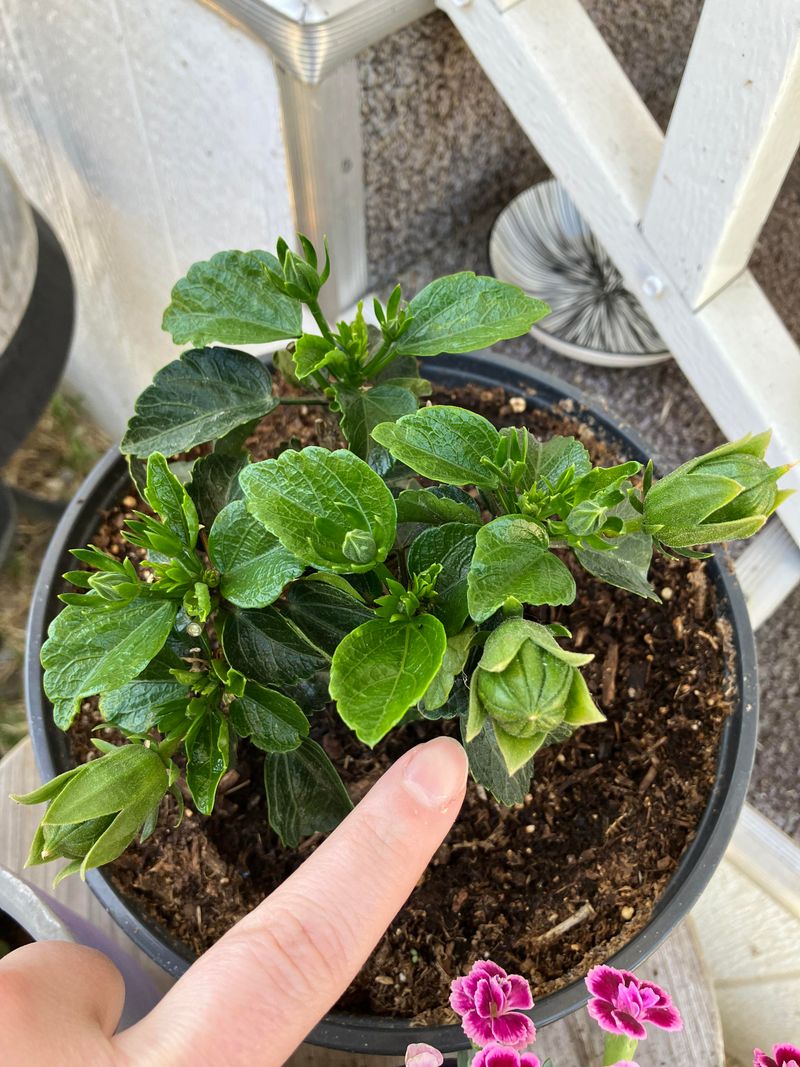
When hibiscus starts dropping buds in late July, the temptation to reach for fertilizer is real. It feels like doing something productive, like giving the plant a boost exactly when it needs one.
But heavy feeding during this window is one of the more common mistakes North Carolina gardeners make, and it rarely gives the results they are hoping for.
Fertilizer encourages new growth, and a plant that gets a strong feeding push during bud drop will often respond by pushing out lush new leaves instead of holding onto its buds.
That leafy surge looks healthy at first glance, but it is actually the plant redirecting energy away from flowering.
More green growth is not the same as stronger or more reliable blooming, especially when the root cause of bud drop is stress from moisture swings rather than a nutrient shortage.
A balanced, slow-release fertilizer applied at the start of the growing season gives hibiscus a steady supply of nutrients without the surge effect. Mid-season is generally not the right time to make big changes to feeding.
What the plant needs most in late July is stability, consistent moisture, good sunlight, and a root zone that is not swinging between dry and saturated.
If you feel like you need to do something, a light application of a potassium-rich fertilizer can support flower production without triggering excessive leaf growth. But even that should be used carefully.
Fixing the watering routine first is the priority. Get the moisture right, and most hibiscus plants will refocus their energy on carrying those buds all the way through to bloom without needing any extra fertilizer push.
8. Fix The Moisture Routine Before August
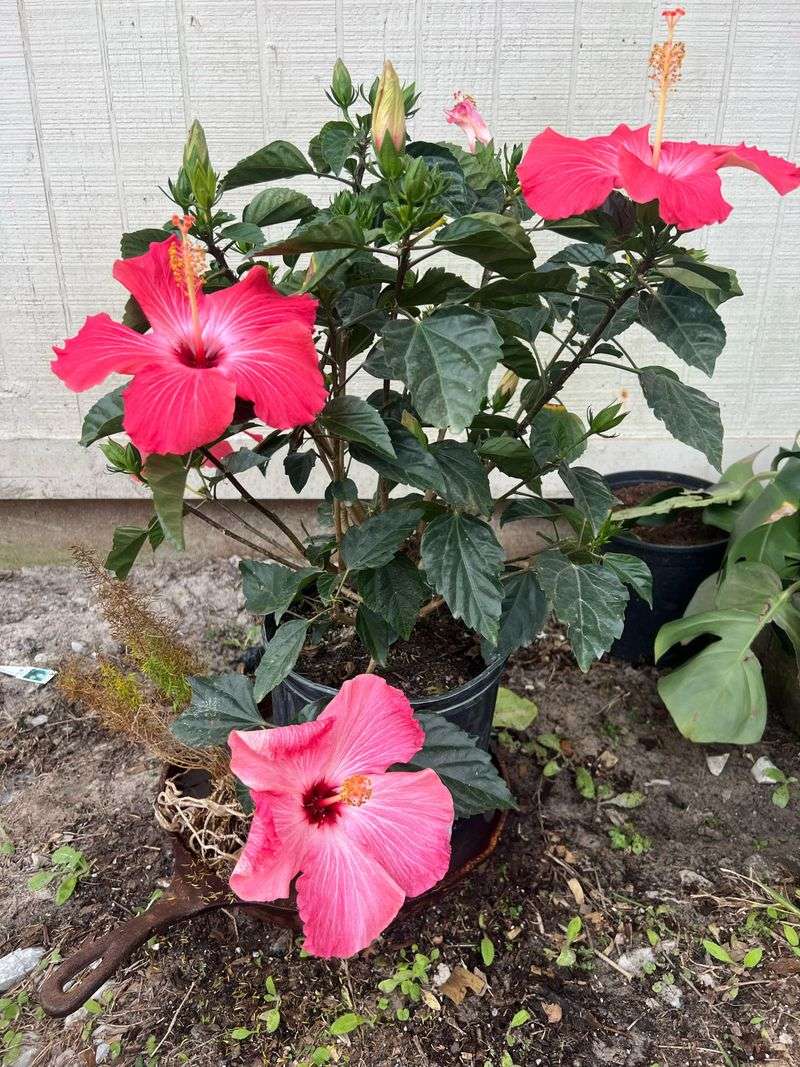
Getting your hibiscus moisture routine dialed in before August is really about building a simple daily habit. It does not require expensive tools or hours of work.
It just takes a few consistent steps done at the right time each morning, and your plant will reward you with blooms that actually open instead of falling to the ground.
Start every morning with a quick soil check. Push two fingers into the soil near the base of the plant, about three inches deep.
If it feels dry at that depth, water slowly and deeply at the soil level until the moisture reaches the root zone. If it still feels cool and damp from the day before, you can skip watering for the day and check again the next morning.
Mulch the root zone if you have not already. Two to three inches of shredded bark, pine straw, or composted leaves around the plant makes a real difference in how long moisture stays available between waterings.
Keep that mulch pulled back slightly from the stem so air can still move around the base of the plant.
For container plants, check pots daily because they dry out faster than ground-planted hibiscus. Water until it drains out the bottom, empty the saucer, and consider moving pots to a location with some afternoon shade during the hottest weeks.
Avoid both drought swings and soggy soil, because hibiscus holds its buds best when the root zone stays consistently moist and stable.
Build this routine now, stick with it through July, and North Carolina hibiscus has every reason to bloom beautifully into August and beyond.