Which Florida Porch Plant Keeps The Patio Bug-Free This Fall?
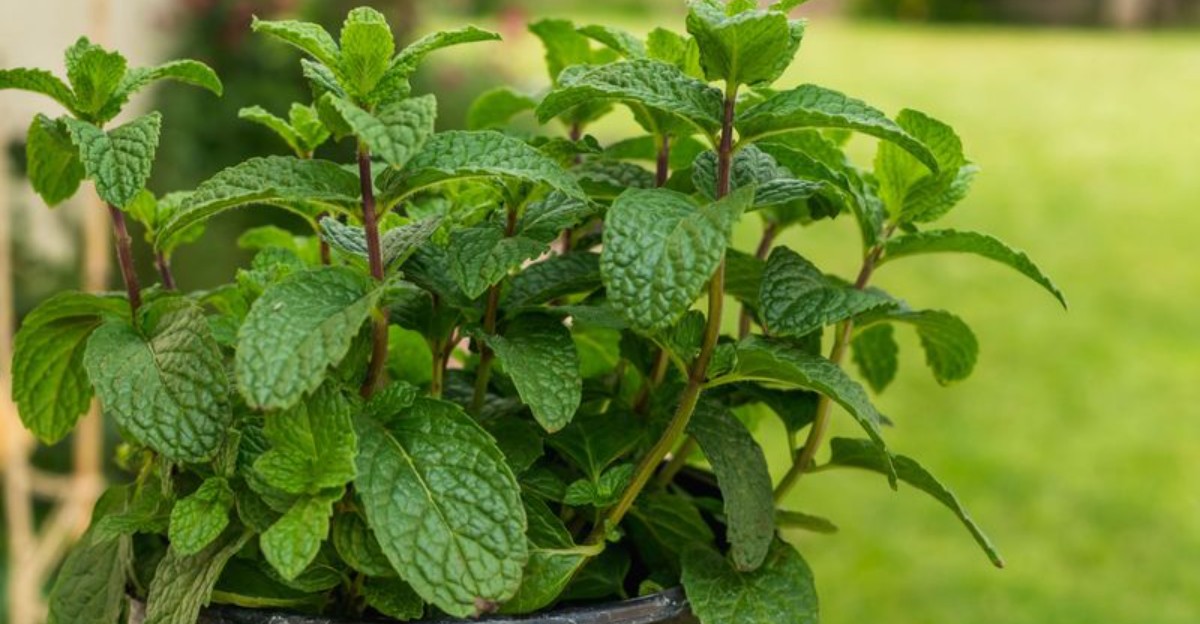
A fragrant herb sits in many Florida kitchens, yet few people think of it as a patio helper. A single crushed leaf can fill a porch with a cool, sharp scent in seconds.
Lab studies have tested the oils from this herb against mosquitoes, and the results caught plenty of attention. Gardeners took notice, and potted versions began showing up beside porch chairs across the state.
The herb grows happily in a pot, and milder fall weather suits it well. Cooler days bring out fresh green growth that fills the container.
Still, a pot of leaves is not a barrier around your seating area. Extension experts say plants sitting quietly in the landscape do very little on their own.
Fair warning, your fingers will smell like fresh toothpaste for the rest of the evening. Most people consider that a fine trade.
Your Best Bet Is A Fragrant Kitchen Herb
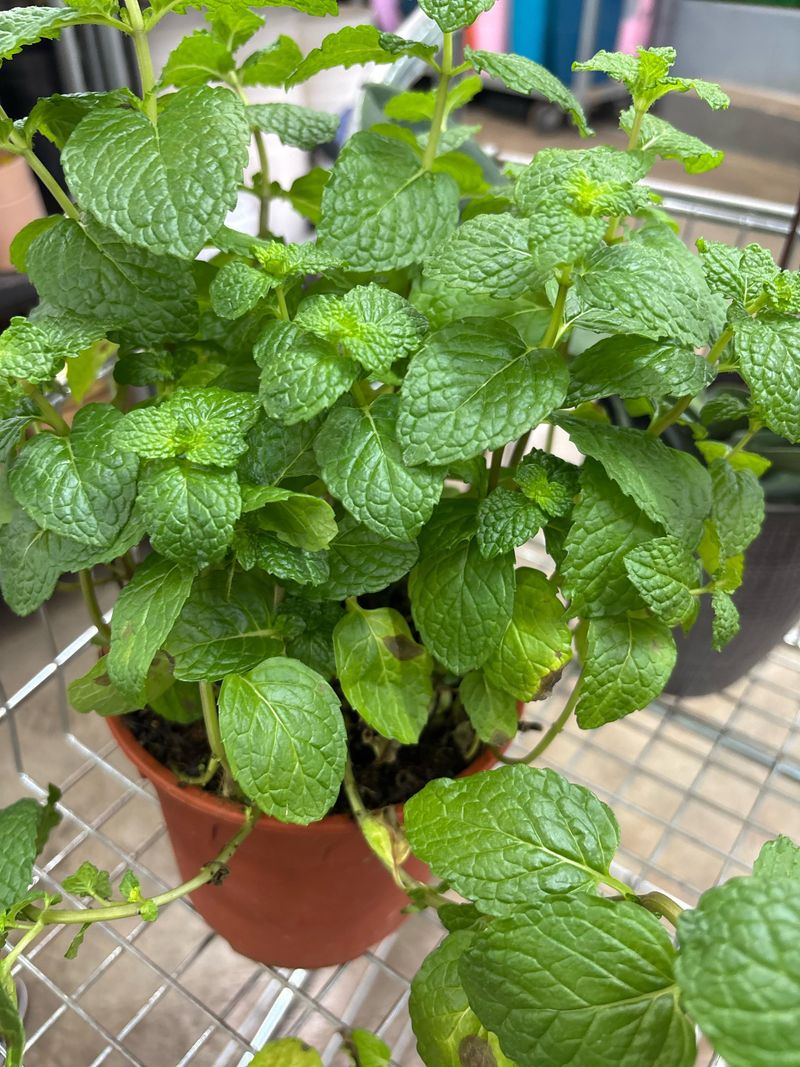
Mint is the porch plant I would pick for a Florida fall, and it belongs to the genus Mentha. Spearmint and peppermint are the most popular kinds, though apple and orange mints are sold at many nurseries too.
UF/IFAS describes mint as an easy herb for beginners that handles Florida heat and humidity well. It also attracts pollinators, which adds some life to a quiet patio corner.
The leaves carry aromatic oils that give mint its sharp, cooling scent. Lab studies have tested concentrated mint oils against mosquitoes, and some showed a repellent effect.
Those tests used concentrated oil rather than a living plant, which matters for a porch pot. A potted herb gives off far less scent than a bottle of extracted oil.
That is why mint is best treated as a pleasant helper rather than a barrier. It adds fragrance and fresh leaves to the porch while other habits handle the biting insects.
Mint also fits a small seating area or a narrow balcony without much fuss. A single pot gives you a fragrant corner right where you sit.
Choose a kind you like the smell of, because you will be handling it often. A quick sniff at the nursery helps you pick a variety you will enjoy using.
Mint is also a perennial, so one healthy pot can return year after year with a little care. That gives a small purchase a long life.
Crushed Leaves Release The Scent That Matters
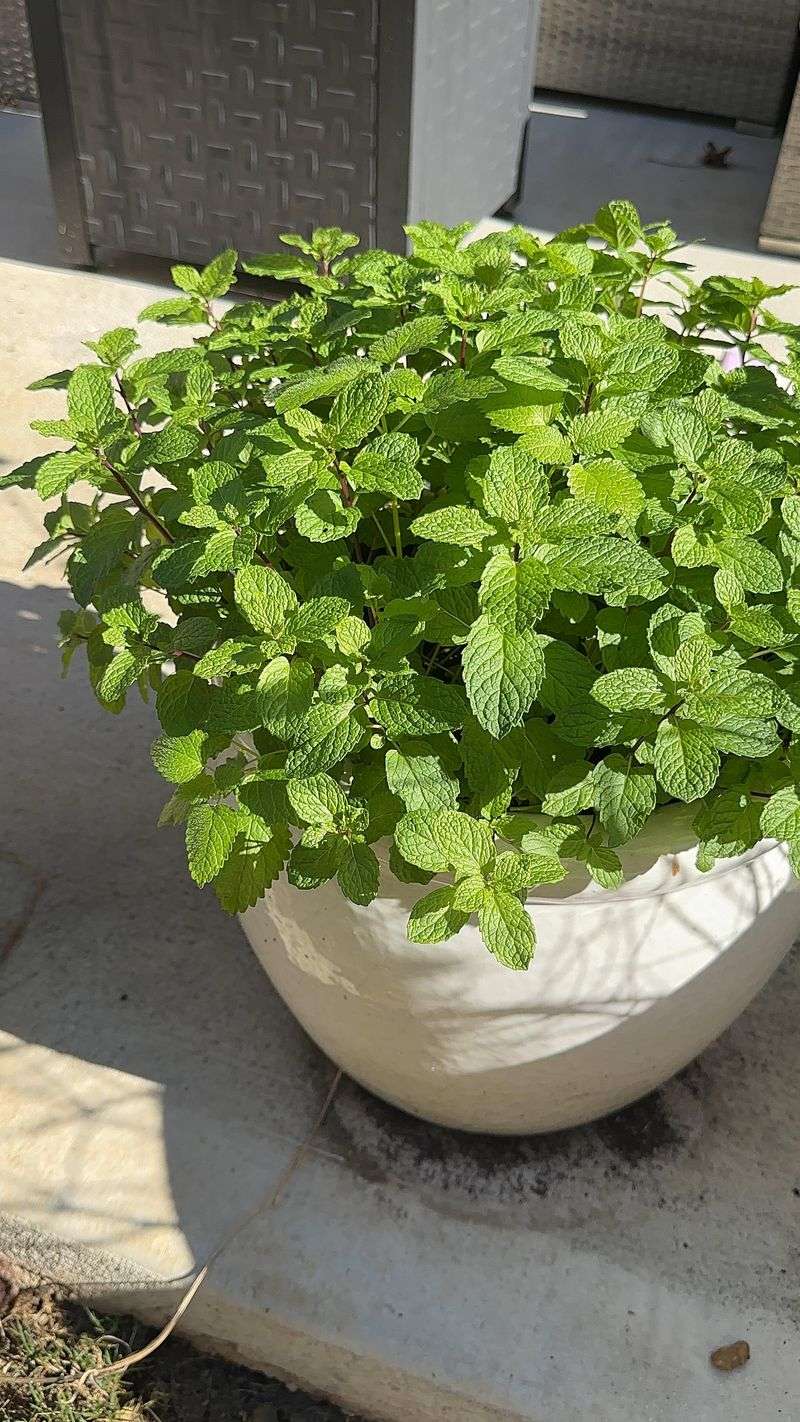
A mint leaf gives off far more scent when it is bruised, because the oils sit in tiny glands on the leaf. A firm pinch and a quick rub between your fingers releases that sharp, cool smell in seconds.
Many gardeners rub a crushed leaf on their forearms or set a few torn leaves in a small bowl near their chair. These are folk habits with limited testing, so treat the result as a gentle bonus.
Test a small patch of skin first, since some people react to plant oils with redness or itching. Keep crushed leaves away from eyes and wash your hands after handling them.
Your Florida Garden Changes Every Week. Your Plan Should Too.
Gardening in Florida changes quickly throughout the season. Every Friday you’ll receive a simple weekly plan showing exactly what to plant, prune, fertilize, harvest, and protect so you never miss the right timing.
The scent fades quickly, so any effect is brief rather than lasting through an evening. Crush a fresh leaf each time mosquitoes return to your ankles.
A potted plant left untouched does almost nothing against mosquitoes, according to extension specialists. The leaves have to be crushed for the oils to reach the air around you.
For reliable protection, UF/IFAS recommends EPA-registered repellents containing DEET, picaridin, or oil of lemon eucalyptus on exposed skin. Mint leaves are not an approved replacement for those products.
Think of the crushed leaf as a small extra on top of those proven options. Guests often ask about the cooling smell first, then reach for a leaf.
Evening is a good time to crush a few leaves, since many mosquitoes become more active around dusk. Keep a small pot within arm’s reach of your chair.
October Brings Mild Weather That Suits New Plants
October brings a break from summer heat across Florida, which makes it a comfortable month to set out new herbs. UF/IFAS notes that herbs can be planted in fall and winter in Central Florida.
Garden centers and nurseries usually stock potted mint in October, often with plenty of fresh green growth already showing. Picking a full plant lets you start enjoying the scent the same afternoon.
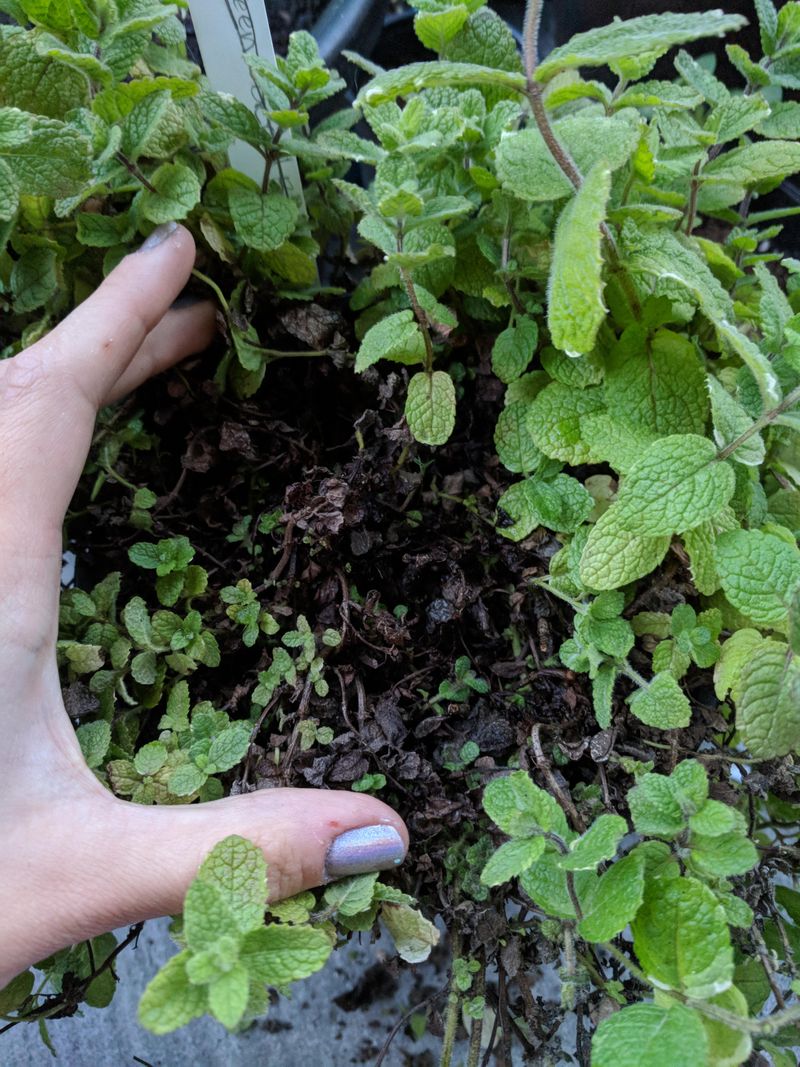
Look for sturdy stems with bright green leaves rather than yellow or wilted ones. Slide the plant out of its nursery pot and check that the roots look pale and firm.
Mint prefers light to part shade in Florida, so a porch with morning sun and afternoon shade suits it well. Strong afternoon sun can scorch the leaves, especially during dry fall stretches.
Mosquitoes in Florida stay active into fall, especially across the central and southern parts of the peninsula. Cooler nights in North Florida slow them down, but warm afternoons can still bring them out near shady porches.
Cold snaps in North Florida can damage the tops of the plant, yet mint is a perennial that often regrows from its roots when warm weather returns. Move the pot close to the house on frosty nights for extra protection.
Planting in October also gives the roots time to settle before the cooler months arrive in earnest. A well-rooted plant is better prepared to push out fresh growth in spring.
A Container Keeps The Roots In Check
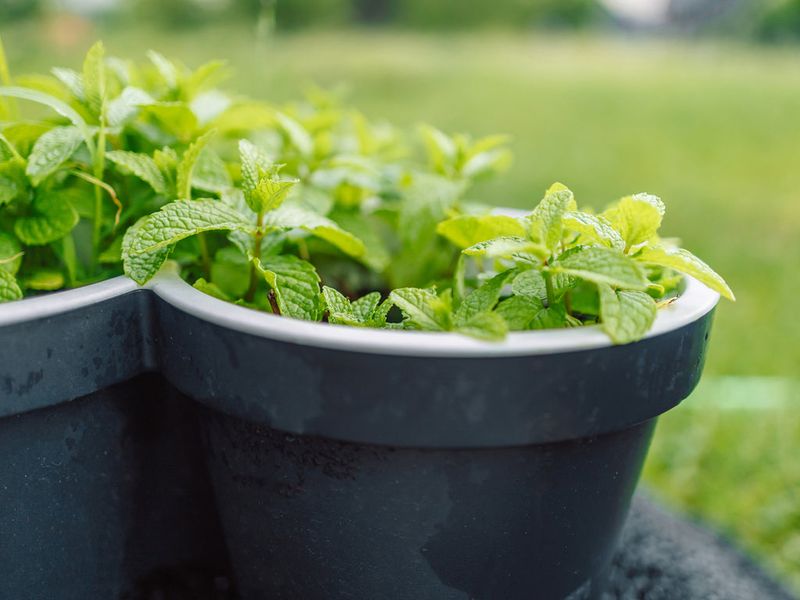
Mint spreads by underground and surface runners, so UF/IFAS advises growing it in containers to keep it from overrunning a garden. A pot also keeps the plant portable, so you can shift it with the sun.
Choose a pot at least twelve inches wide with drainage holes in the bottom. Set it on pot feet so extra water can escape instead of pooling beneath the plant.
Fill the container with a quality potting mix that holds moisture yet still drains. Mint grows best in soil that retains moisture, according to UF/IFAS.
Check the soil with a finger every few days and water whenever the top inch feels dry. Pots lose water faster than garden beds, especially when the rainy season winds down in October.
A thin layer of mulch on top of the soil slows evaporation and keeps the roots a little cooler. Feed lightly with a diluted all-purpose liquid fertilizer during active growth.
Empty any saucer under the pot at least once a week, because standing water is where mosquitoes lay eggs. Even a bottle cap of water can be enough, as UF/IFAS extension staff note.
Divide the plant every year or two if roots crowd the pot, and replant a healthy section in fresh mix. Extra runners can go into a second pot for another corner of the porch.
Rotate the pot a quarter turn each week so every side gets light. This habit prevents a lopsided plant in a shady corner.
Regular Trimming Keeps The Plant Full
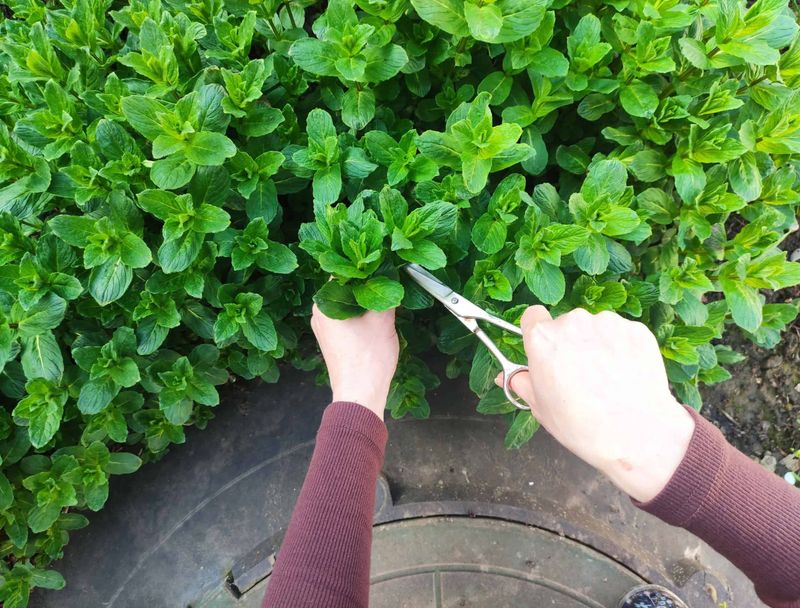
Mint rewards regular harvesting, and UF/IFAS Extension suggests pinching off new leaves because they provide the best flavor. Frequent pinching also helps keep the plant from growing tall and thin.
Cut or pinch just above a pair of leaves, and two new shoots usually appear from that spot. Over a few weeks, one stem can turn into a bushy clump.
Take no more than about a third of the growth at one time so the plant can recover quickly. Light, frequent harvests work better than one big haircut.
Small flowers in white, pink, blue, or violet appear on mature stems and attract bees and butterflies. Leave a few stems to bloom if you want pollinators, or snip the buds early for more leafy growth.
Mint stems can lean and sprawl over the edge of a pot as they lengthen. Trim any trailing stems so the plant stays tidy and the porch floor stays clear.
Check the undersides of the leaves for small pests such as aphids or spider mites. A quick rinse with the garden hose usually clears them off without any spray.
Cut back leggy or yellowing stems to a few inches above the soil whenever the pot looks tired. New growth appears quickly in mild weather and refills the container.
Harvest in the morning after the dew dries, when the leaves hold plenty of their aroma. Midday heat can wilt cut stems before they reach the kitchen.
Fresh Leaves Earn A Place In The Kitchen

UF/IFAS says both the leaves and flowers can be added to desserts, beverages, salads, sauces, and jellies. A pot within reach of the kitchen door turns dinner prep into a quick snip.
Spearmint has a milder flavor that suits fruit salads, iced tea, and savory dishes. Peppermint has a stronger and more pungent aroma, so a few leaves go a long way.
Fresh sprigs keep for a few days in a glass of water on the counter, much like cut flowers. Leaves can also be chopped and frozen in bags for later use.
Drying works too, though mint is a tender-leaf herb with high moisture content. UF/IFAS says it needs a dark spot with low humidity, or the leaves turn dark and spoil.
A handful of leaves in a pitcher of cold water gives a light, refreshing flavor for warm fall afternoons. Add sliced cucumber or citrus if you want a little more variety.
Mint tea is another easy use, made by steeping a few torn leaves in hot water for several minutes. Many people enjoy it after dinner on the porch.
Keep a cutting in a small jar of water on a windowsill, and it often grows roots within a couple of weeks. That gives you a spare plant.
A full pot of mint gives you fresh leaves for the kitchen and a cool scent beside your chair this fall. You probably will not reach a bug-free patio, but you can expect a more pleasant evening.