Which Herbs Handle A Typical Texas Winter Without Covering
You hear that planting season ends in September, so you stop. Texas gardeners repeat that line, and miss a planting window.
Cool mornings now give your garden a productive stretch. Soil still holds summer warmth, so your efforts take off fast.
Chilly nights delay bitterness for weeks, so your tacos get a cleaner, brighter finish. In typical winters, blankets and buckets stay in your shed.
A hard freeze may call for a quick cover. Neighbors will wrap their garden cages. Meanwhile, you will gather fragrant handfuls for soup.
Crisp mornings slow growth only a little, so harvests continue. October gives you a window that many gardeners ignore.
Soups, salsas, and roasted meats gain a fresh, vivid lift. Winter in Texas rewards you with a harvest that keeps coming. Plant this month, and January soup tastes fresher than store-bought bunches.
1. Cilantro Stays Mild In Cool Weather
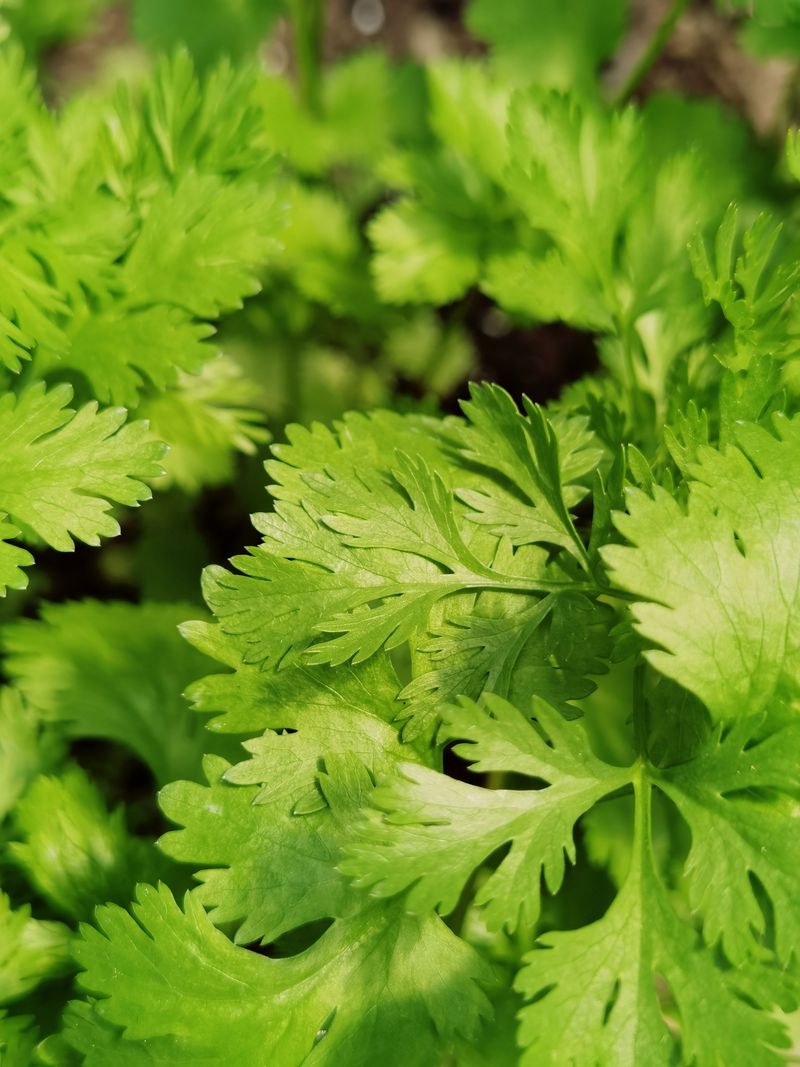
Anyone who has tried growing cilantro in a sweltering Texas June knows the frustration. It sends up a flower stalk within weeks, and the leaves turn bitter fast.
Winter reverses that pattern. Cool weather keeps the plant leafy and mild for months instead of mere weeks.
Cilantro handles frost surprisingly well and can take temperatures down into the low twenties. Established plants often bounce back from even colder snaps with just a little leaf damage.
October is the perfect month to sow seeds right where you want them to grow. Cilantro grows a long taproot, so it dislikes being moved from pot to bed.
Gently crush the round seeds before planting to help them sprout faster. Cover them with about a quarter inch of soil and keep it lightly moist.
Loose, well-drained soil mixed with some compost makes cilantro grow fast and leafy. Skip heavy fertilizer, though, because too much feeding can weaken the flavor.
Sow a fresh row every three weeks through November for a steady supply. That trick means you will have plenty for tacos, soups, and chutney all season.
Pick outer leaves first and let the center keep pushing out new growth. A sunny spot with at least six hours of light keeps stems sturdy.
When spring warmth finally arrives, let a few plants flower for the bees. Those blooms turn into coriander seeds, giving you a free spice and next year’s crop.
2. Parsley Keeps Your Kitchen Stocked
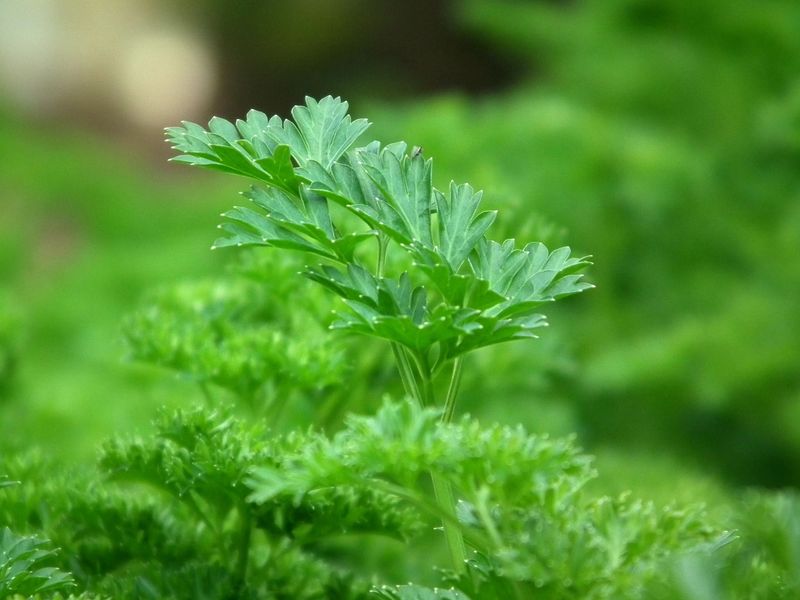
Many Texas gardeners keep a pot of parsley by the back door each winter. They pinch a handful for potatoes without even looking down.
Parsley earns that kind of trust because it tolerates cold well. Both curly and flat-leaf types can take frosts and dips into the teens.
In much of Texas, parsley stays green and productive from fall until late spring. Hot summers are its main challenge, not the chilly months.
Seeds are famously slow and can take three weeks to sprout. Soaking them overnight in warm water helps, but buying transplants in October saves time.
Set plants about ten inches apart in rich soil that drains well. Morning sun with a bit of afternoon shade works nicely, though full sun is fine in winter.
Your Texas Garden Changes Every Week. Your Plan Should Too.
Gardening in Texas changes quickly throughout the season. Every Friday you’ll receive a simple weekly plan showing exactly what to plant, prune, fertilize, harvest, and protect so you never miss the right timing.
Harvest by cutting whole stems from the outside of the plant. Leaving the inner sprigs alone lets parsley keep producing for months.
Flat-leaf parsley has a stronger taste and works great in cooking. Curly parsley holds up better as a garnish and looks pretty in garden borders.
Parsley is also a host plant for black swallowtail caterpillars. If you spot striped green crawlers, consider planting extra so you can share with them.
Water deeply about once a week unless winter rains do the job for you. Soggy roots are a bigger risk than cold, so let the top inch dry out.
Feed it with a gentle fish emulsion once a month for deep green leaves. Your soups, tabbouleh, and scrambled eggs will thank you all winter.
3. Dill Brings Feathery Charm To Cold Beds
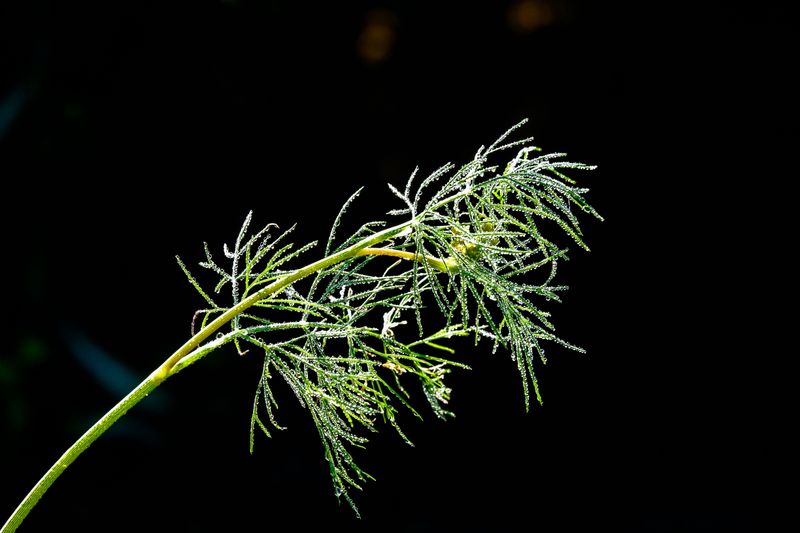
Dill looks like a plant that would faint at the first cold breeze. Those soft, feathery fronds are tougher than they seem, though.
Young dill plants can handle light frosts and temperatures in the mid-twenties with little fuss. In Central and South Texas, they often get through the winter uncovered.
Gardeners up in the Panhandle may see some damage during a hard freeze. Even then, self-sown seedlings often appear once things warm up.
Like cilantro, dill dislikes being transplanted because of its long taproot. Scatter seeds directly in the garden in October and cover them lightly with soil.
Seeds germinate best with light, so cover them with only a thin dusting of soil. Expect tiny green threads to pop up in about ten to fourteen days.
Thin seedlings to about a foot apart once they reach a few inches tall. Crowded dill grows spindly, but the tiny thinnings taste great tossed into a dinner salad.
Pick a sunny spot sheltered from strong north winds if you can. Tall varieties can flop over, so dwarf types like Fernleaf work well in windy yards.
Snip the fronds often for pickles, potato salad, and lemony fish dishes. Fresh dill loses flavor quickly when heated, so add it near the end of cooking.
Dill flowers in spring attract ladybugs and tiny beneficial wasps. Those helpers feed on aphids that might otherwise reach your lettuce.
Let a few umbrella-shaped blooms go to seed when spring arrives. Dill happily replants itself, so next fall you may find surprise seedlings waiting.
4. Chives Deliver Easy Onion Flavor
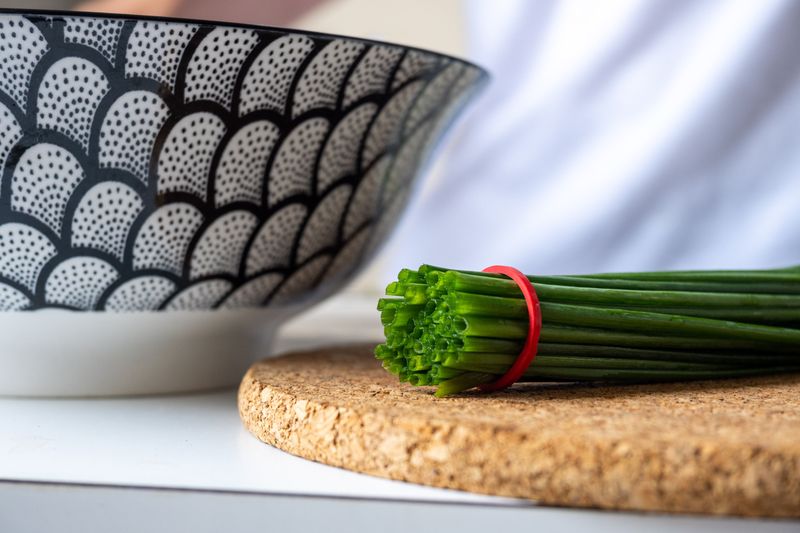
Chives have been grown in gardens for thousands of years. Ancient Chinese cooks prized them, and Texas gardeners love them for very good reason.
These grassy clumps are perennials that tolerate winter weather. Common chives can survive temperatures far below freezing, so a Texas cold snap is no big deal.
In the warmer parts of the state, chives keep growing straight through the cool months. Farther north, the tops may brown, but fresh shoots return as soon as the soil warms.
Garlic chives are a close cousin with flat leaves and a mild garlic bite. They handle Texas heat better, so they make a great year-round partner.
October is a smart time to plant nursery transplants or divide an older clump. Pull a big clump apart into smaller bunches and replant each one six inches apart.
Chives like full sun and loose soil that drains after a rain. They also grow happily in a pot near the kitchen door for quick snipping.
Harvest by cutting leaves about two inches above the soil line. The plant quickly regrows in a couple of weeks, ready for another tasty round.
Sprinkle the chopped green tubes over baked potatoes, eggs, and creamy dips. Their purple pom-pom flowers are edible too and look lovely in a salad.
Every few years, divide crowded clumps to keep them vigorous. Share the extras with neighbors, and you might just start a chive-growing trend on your street.
5. Thyme Grows Low And Tough
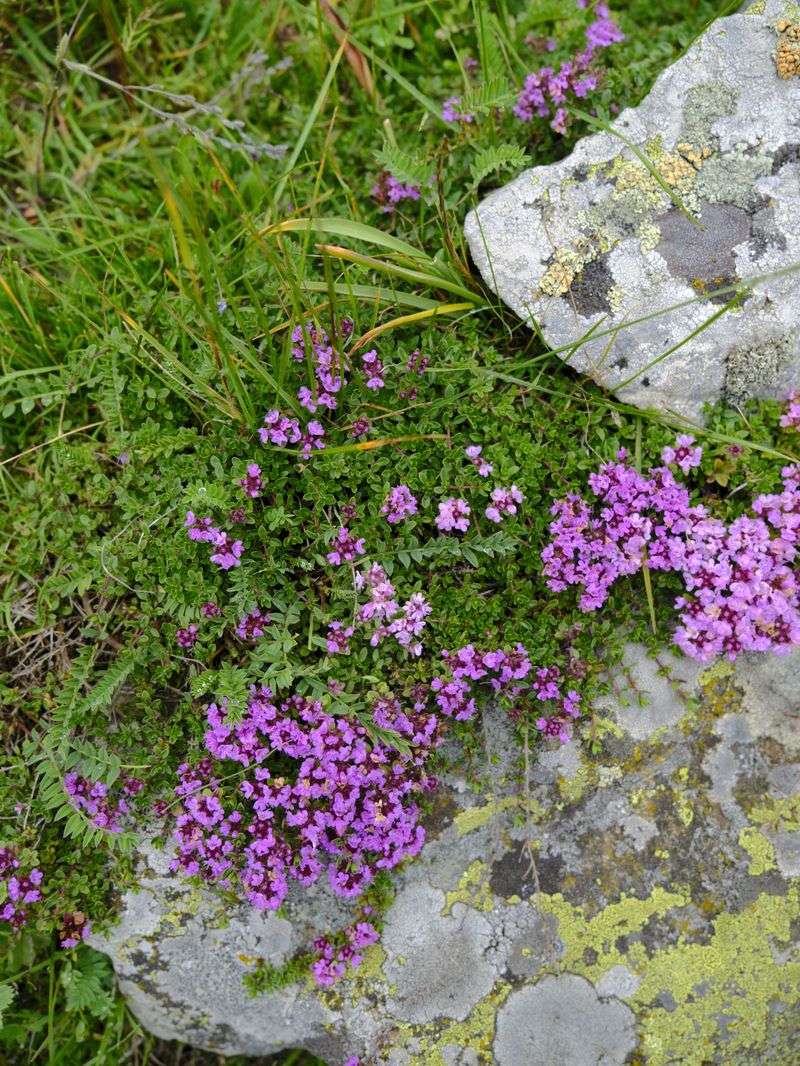
Want a herb that thrives on a little neglect? Thyme is a low-maintenance herb that suits Texas gardens well.
This tiny woody shrub comes from the rocky hills of the Mediterranean. It handles cold down to about ten degrees or lower without any protection.
Poor drainage is the main risk, not frosty nights. Heavy clay soil that stays soggy after winter rains can cause root rot.
Plant thyme in a raised bed, rock garden, or clay pot with gritty soil. Mixing in some sand or fine gravel helps water drain away fast.
October transplants have time to settle their roots before the coldest weeks arrive. Space them about a foot apart, since they slowly spread into low mats.
English thyme is the classic choice for cooking roasted chicken and stews. Lemon thyme adds a bright citrus twist, while creeping thyme can fill gaps between stepping stones.
Water only when the top inch of soil feels dry to your finger. Winter rain usually handles the job, so you can relax and sip cocoa instead.
Snip sprigs often to keep the plant bushy and stop it from turning woody. Leave at least a few inches of green growth so it can recover.
Skip the fertilizer, since lean soil is commonly said to keep thyme’s flavor concentrated. Rich soil leads to floppy growth and a weaker, watery flavor.
Thyme has long been used in traditional rituals and folk remedies. A pinch in your winter soup adds welcome depth.
6. Rosemary Adds Bold Evergreen Structure
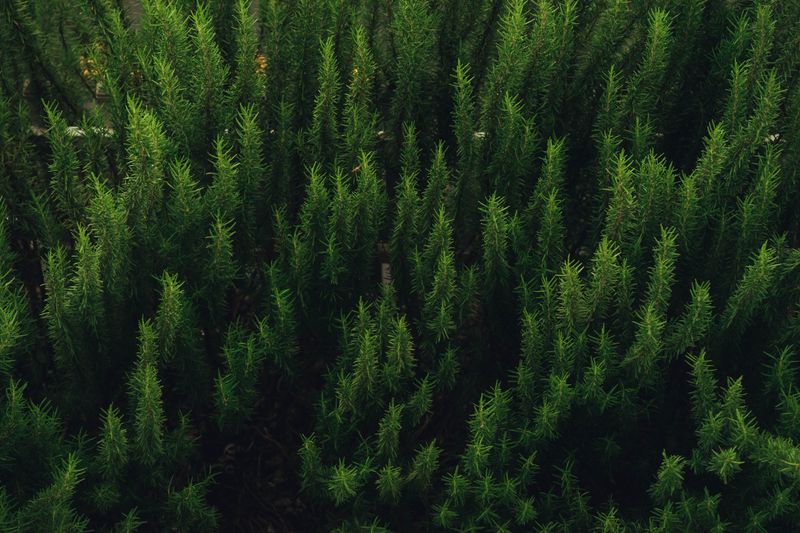
Walk past a big rosemary bush on a chilly morning and brush its needles with your hand. The piney scent that follows is bright and invigorating.
Rosemary is an evergreen shrub that stays green and useful all year in most of Texas. Upright varieties like Arp and Hill Hardy can handle temperatures near zero.
Trailing types are a bit more tender and may get nipped below twenty degrees. Planting them near a south-facing wall gives them extra warmth without any cover.
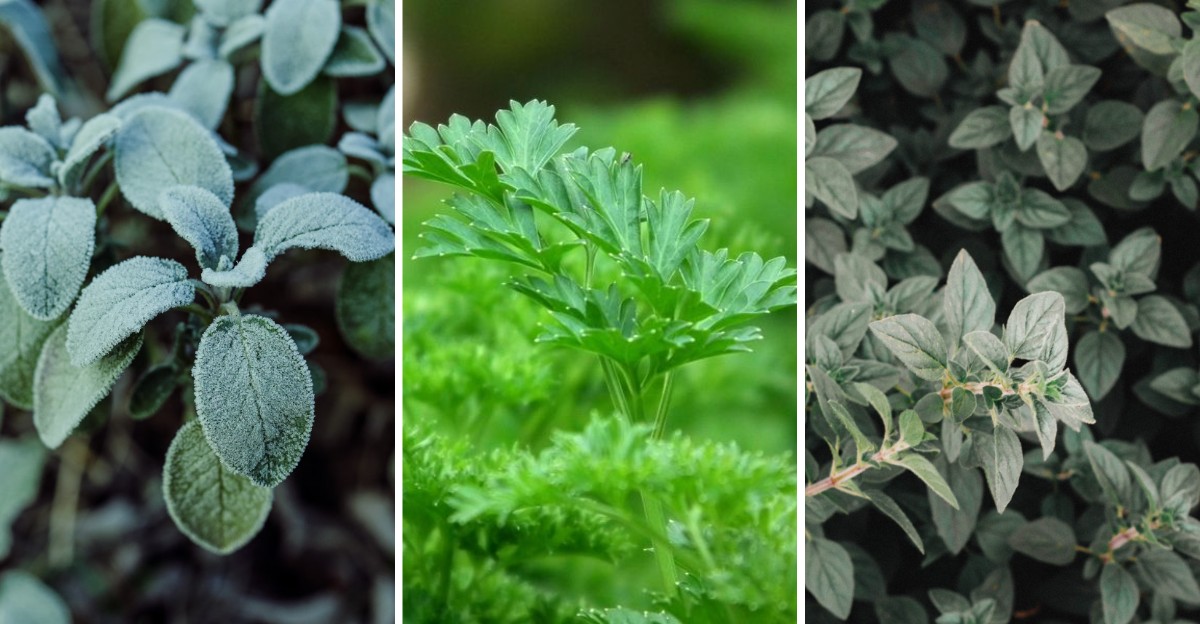
In a hard freeze like February 2021, a light cover protects even rosemary and sage. Fall is prime planting season because roots grow while the top rests. By next summer, your plant will be sturdy enough to handle the intense heat.
Good drainage is especially important with rosemary. Plant it on a small mound or slope so rainwater runs off instead of pooling.
Full sun keeps the stems strong and the flavor bold. Give each plant plenty of room, since some can reach four feet tall and wide.
Overwatering is a common mistake with this tough herb. Once established, it can go weeks between drinks during cool weather.
Cut sprigs for roasted potatoes, homemade bread, and holiday turkey. Stripped woody stems even make clever skewers for grilled veggies and shrimp.
Pollinators adore the small blue flowers that often appear in late winter. Bees busy on a sunny February afternoon make a cheerful sight in the garden.
The name comes from Latin words meaning dew of the sea. Wild rosemary grows on seaside cliffs, which explains why it handles wind and salty air so well.
7. Sage Wears Velvety Silver Leaves
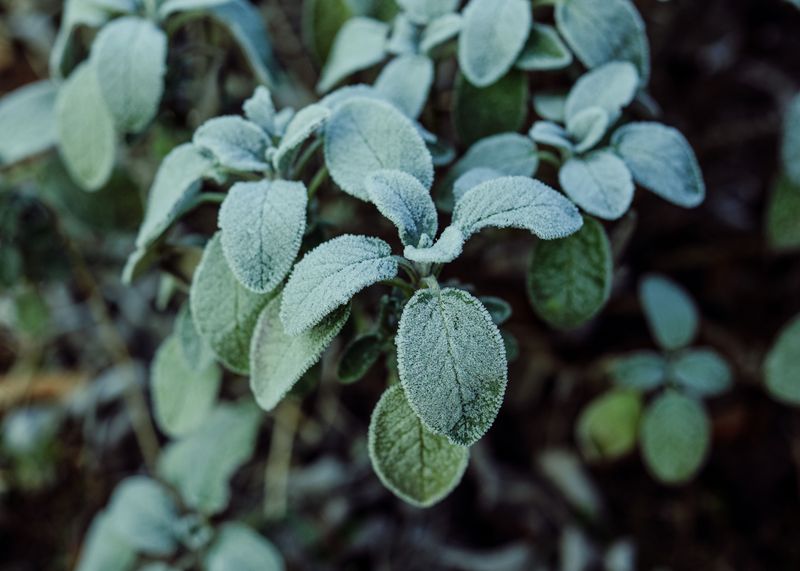
Soft as a bunny’s ear and silver as winter moonlight, sage brings quiet beauty to cold-season beds. Its fuzzy leaves almost beg to be touched.
Culinary sage is a woody perennial that tolerates temperatures down to about zero. In Texas, it stays leafy through most winters with no help from you.
Those tiny hairs help protect the leaves from sun, wind, and moisture loss. Leaves may toughen a bit after a freeze, but the flavor stays rich.
Plant sage transplants in October so roots can settle before winter. Seeds work too, but nursery plants give you a harvest much sooner.
Pick a sunny bed with sandy or rocky soil that dries quickly. Sage sulks in soggy ground, especially during long, gray stretches of winter rain.
Garden sage is the go-to type for stuffing and brown butter pasta. Purple and golden varieties add splashes of color, though they can be slightly less cold-hardy.
Pinch off leaves from the top to encourage bushy, compact growth. Avoid heavy pruning in winter, and save big trims for early spring instead.
The name sage comes from a Latin word meaning to heal or save. People once believed eating it in May would help them live a long life.
Fresh leaves taste wonderful fried crisp in butter as a topping for squash soup. In a hard freeze like February 2021, a light cover protects even rosemary and sage.
Replace plants every four or five years when they get too woody. Rooting a few cuttings in spring keeps your sage supply going for free.
8. Oregano Powers Hardy Pizza Night Flavor
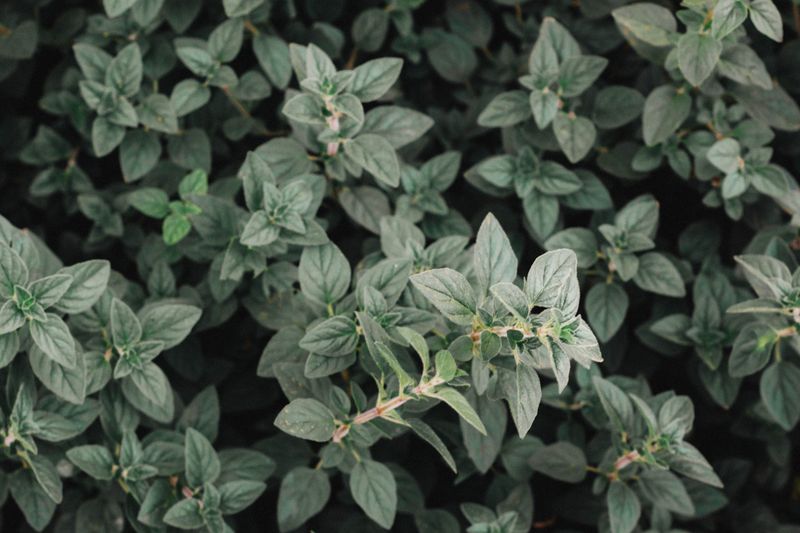
Pizza night tastes better when the oregano comes from your own backyard. Snipping a few leaves on a cool evening feels a little like being a chef in Italy.
Greek oregano is a spreading perennial that handles cold down to around minus ten. Across Texas, it keeps a low carpet of leaves even when frost coats the lawn.
In the coldest snaps, some top growth may brown and look tired. Fresh green shoots pop back up from the roots once February sunshine returns.
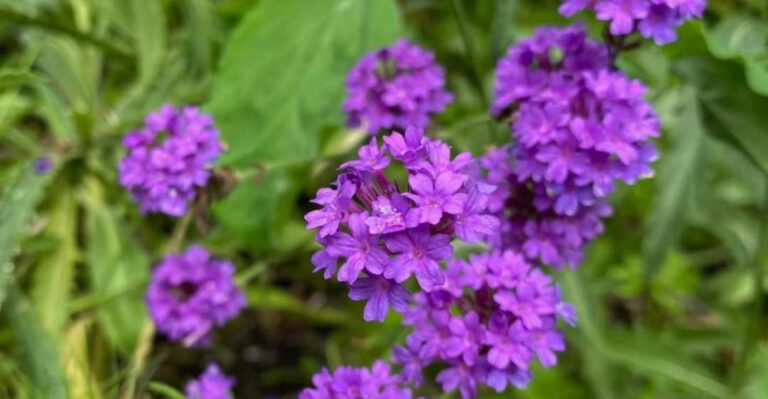
Mexican oregano is actually a different plant from the verbena family. It handles heat beautifully but is more tender, so stick with Greek oregano for winter.
October is ideal for setting out young plants about a foot apart. They spread quickly, so a pot or border edge helps keep them in line.
Oregano wants full sun and soil on the lean, dry side of things. A little stress is thought to concentrate the oils, which can mean more flavor in each pinch.
Harvest sprigs whenever you need them, cutting just above a pair of leaves. New side branches will form at that spot and make the plant fuller.
Drying oregano actually boosts its flavor, unlike many other herbs. Hang small bundles upside down in a warm, shady room for about two full weeks.
Toss crumbled leaves into chili, tomato sauce, or a pan of roasted vegetables. Your kitchen will smell like a cozy pizzeria on the chilliest January night.