How North Carolina Gardeners Wrap Fig Trees To Get Them Through A Hard Winter
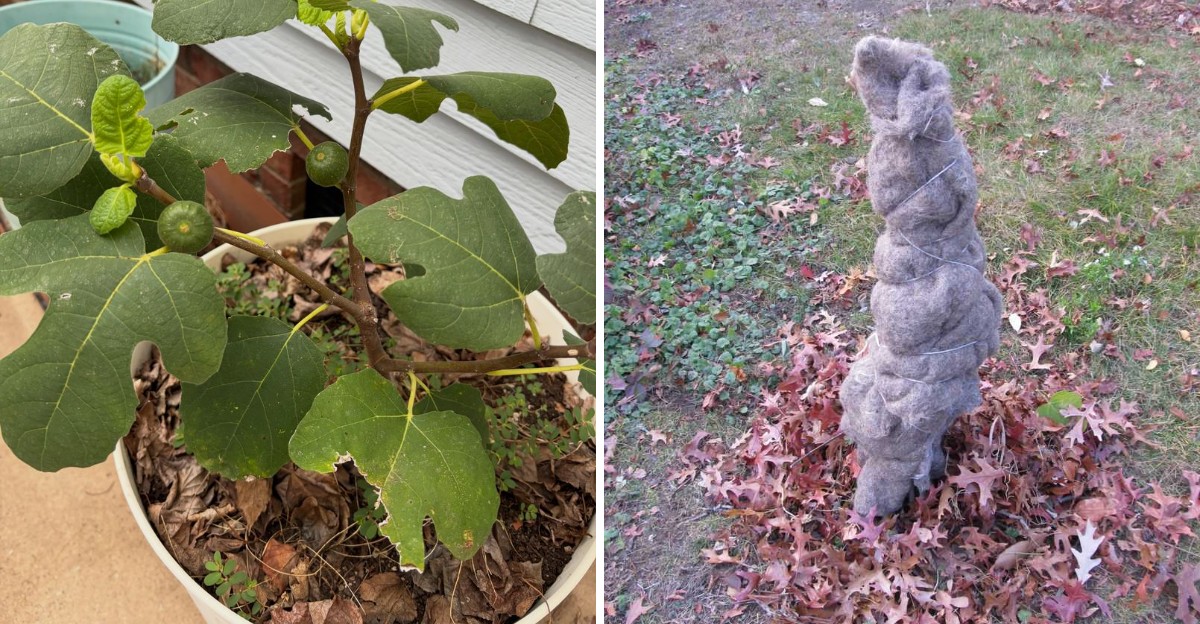
Fig trees occupy an unusual spot in North Carolina gardens, thriving through hot summers while remaining genuinely vulnerable once a hard winter sets in.
Wrapping involves bundling branches together and surrounding them with insulating material, creating a protective barrier against the kind of extreme cold that can damage exposed wood.
This method works especially well for smaller or younger trees, since their more limited structure is easier to fully wrap compared to a large, established tree.
Timing the wrap correctly, after the tree has gone dormant but before the coldest temperatures actually arrive, makes a real difference in how effective the protection turns out to be.
For gardeners who’ve invested years into training a productive fig, this simple wrapping method offers a reliable way to protect that investment through even a harsh winter.
1. Know When Wrapping Is Worth It
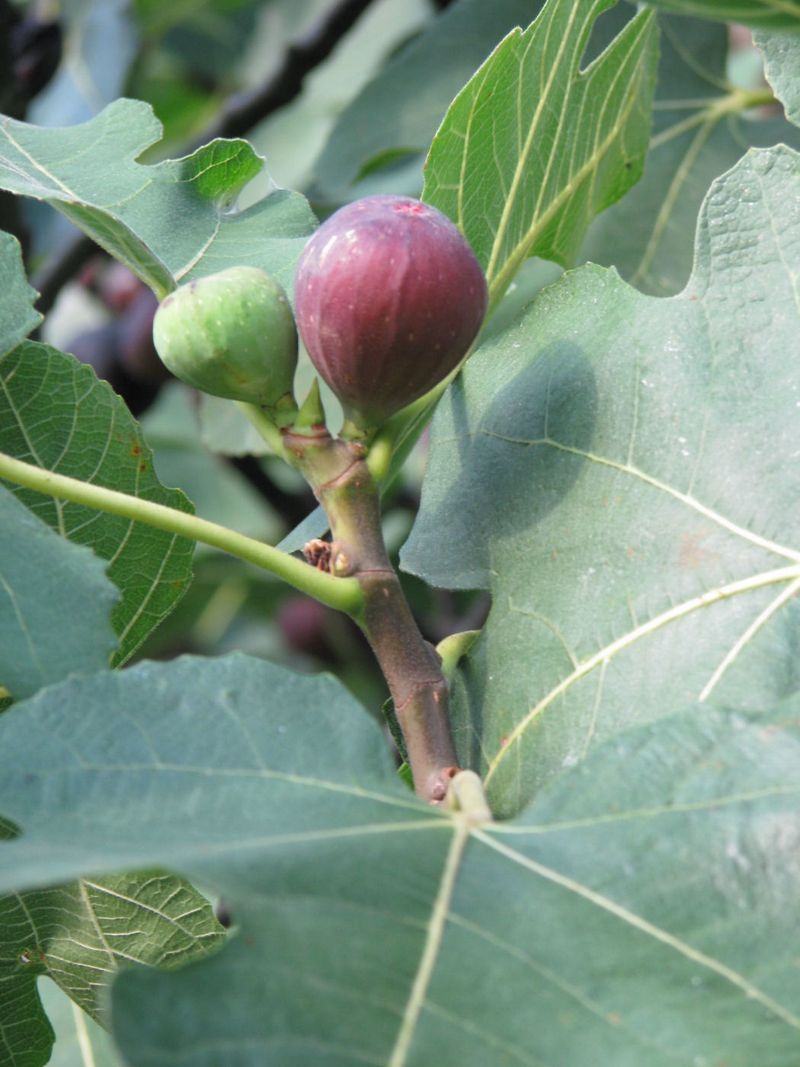
Not every fig needs a winter coat. An older Celeste or Brown Turkey growing near the coast can shrug off most cold snaps on its own, and many gardeners in eastern North Carolina never wrap at all.
Young trees are a different story. A fig in its first two or three winters has thin bark and a small root system, so a sharp drop into the teens can freeze stems all the way to the ground.
Less hardy types, such as many Mediterranean varieties, also suffer more damage when the weather turns harsh.
Even a tough variety can struggle if it sits in a low spot where cold air settles or on an open hill that takes the full force of the wind.
So how do you decide? Start by asking three questions. Is the tree young? Is the variety known to be tender? Is the spot exposed or low-lying? If you answer yes to any of these, wrapping is a smart move.
Next, keep an eye on the long-range forecast. Some winters bring an arctic blast that pushes temperatures far below normal, and those are the years when even sturdy figs benefit from extra help.
Where you live matters most of all. Gardeners in the Mountains, where winters run long and cold, wrap figs often. Folks in the colder parts of the Piedmont, around places like Greensboro or the foothills, wrap during rough winters or for young trees.
Down in the Coastal Plain, the milder climate means wrapping is rarely needed. Knowing your region saves time and keeps your effort focused where it truly counts.
2. Wait Until The Tree Goes Dormant
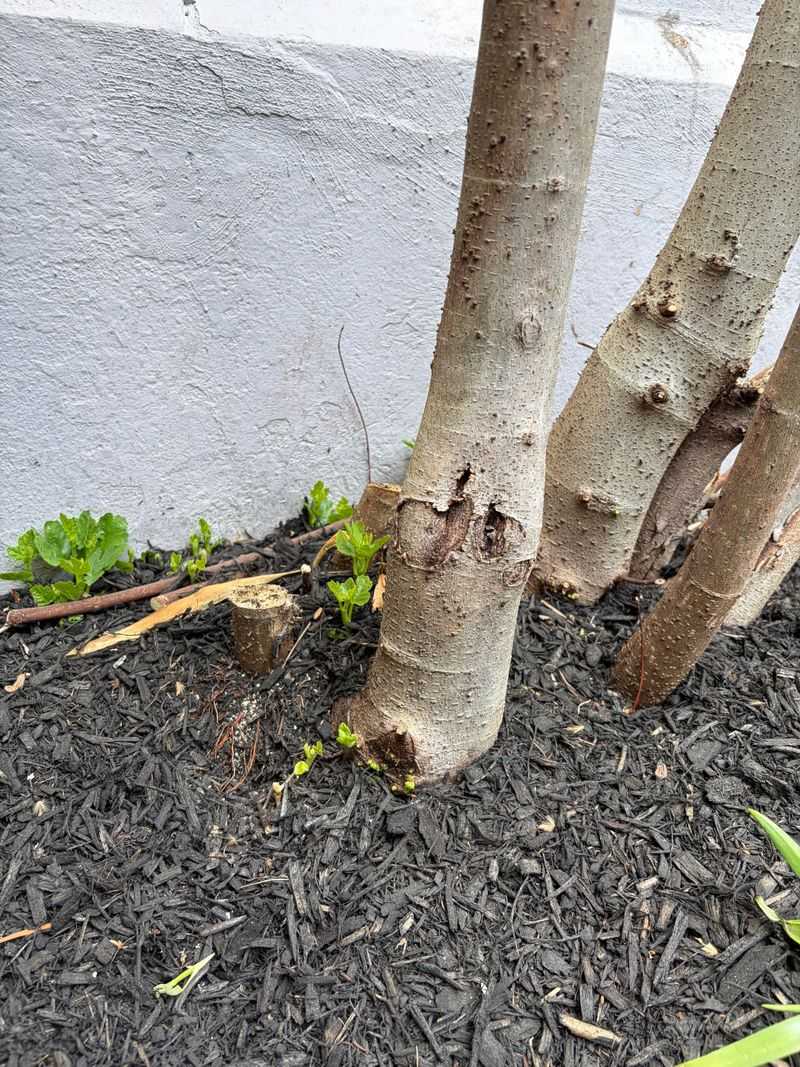
Patience pays off with figs. Many eager gardeners want to bundle up their trees at the first chilly night, but wrapping too soon can cause more trouble than it solves.
Here is why. A fig that still has green leaves is still active, moving water and sugars through its branches. Covering it at that stage traps warmth and moisture inside the wrap, which creates a perfect home for mold.
The extra warmth can even coax out soft, tender growth that has no chance against real cold later on.
Your North Carolina Garden Changes Every Week. Your Plan Should Too.
Gardening in North Carolina changes quickly throughout the season. Every Friday you’ll receive a simple weekly plan showing exactly what to plant, prune, fertilize, harvest, and protect so you never miss the right timing.
A dormant fig behaves very differently. Once the tree shuts down for the season, it is ready to rest quietly under cover, much like a bear settling in for a long nap. The wood hardens, and the tree handles the wrap without fuss.
So what should you watch for? Look for the leaves to turn yellow and drop after a few light frosts. Bare branches are your green light.
After that, check the forecast closely and plan to wrap before the first hard freeze, usually when temperatures are expected to fall into the low 20s or colder.
Timing shifts depending on where you garden in North Carolina. In the Mountains, frosts arrive early, so figs often go dormant by late October or early November.
In the Piedmont, the leaves tend to hang on a bit longer, and many trees are not fully dormant until mid to late November. A simple garden journal that tracks leaf drop each year will help you nail the timing every fall.
3. Tie The Branches Together
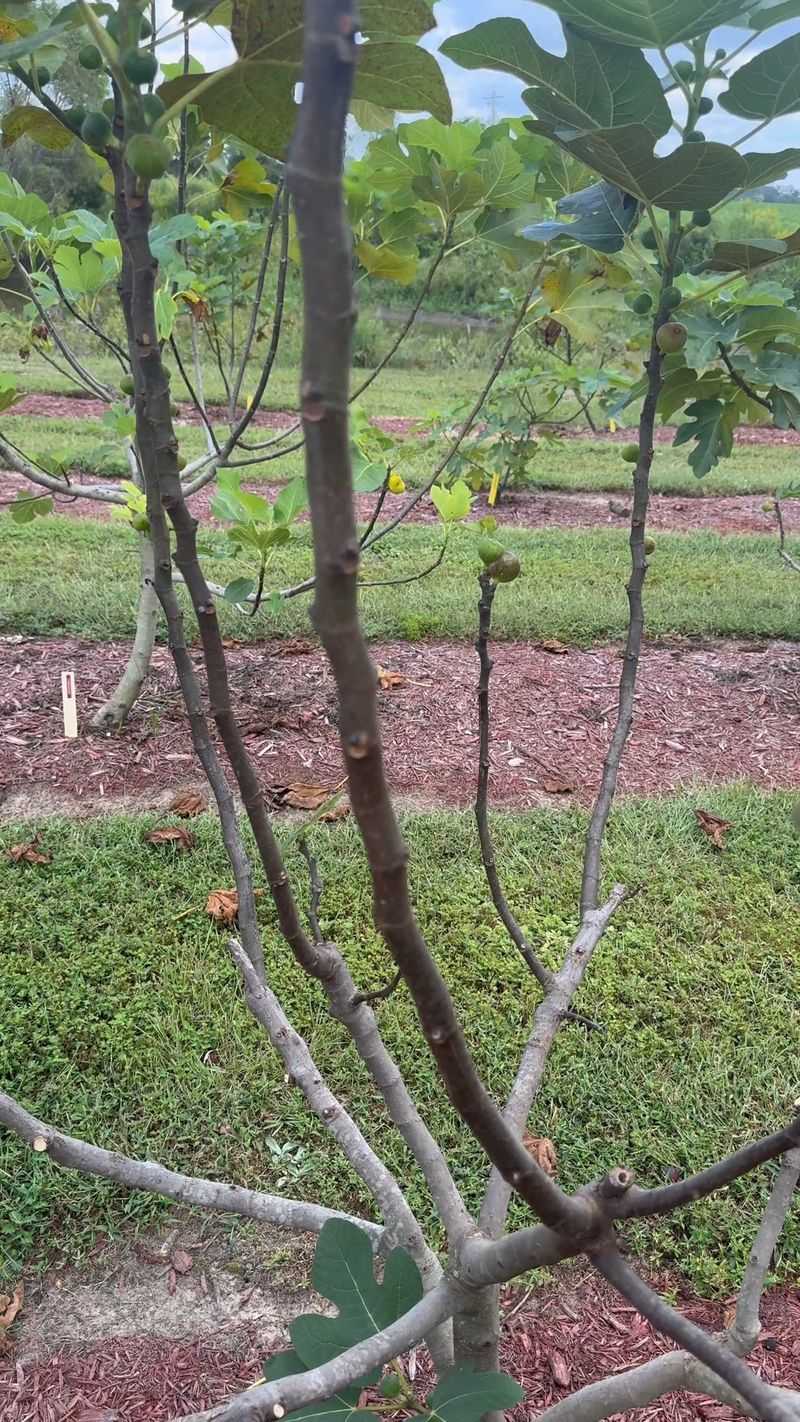
Think of it like giving your fig a gentle hug. Pulling the branches into a tighter bundle shrinks the size of the tree, which makes the whole wrapping job much easier.
A smaller bundle has real benefits. You need less wire, less burlap, and fewer leaves to cover it. The branches also sit closer together, so they share warmth and help the wrap hold heat around the main stems where it matters most.
Before you start tying, take a quick walk around the tree. Snip off any broken, cracked, or damaged branches, since they will not help the tree and can snag your materials.
Save all other pruning for late winter or spring, because cutting healthy wood now can leave the fig weaker going into the cold.
Now for the fun part. Gently pull the branches upward and inward toward the center. Go slowly, and never bend a branch sharply, because fig wood can snap more easily than you might expect.
Wrap soft twine, strips of old cloth, or garden tape loosely around the bundle in two or three places. Snug is good, but tight enough to dig into bark is too much.
Many North Carolina figs grow as wide, bushy shrubs with several trunks rising from the ground. Some spread six or eight feet across after a few good summers.
Trying to wrap a tree like that without bundling it first is like trying to fit a beach umbrella into a lunch bag. A little tying turns a sprawling shrub into a neat, easy-to-cover column.
4. Build A Wire Cage Around The Tree
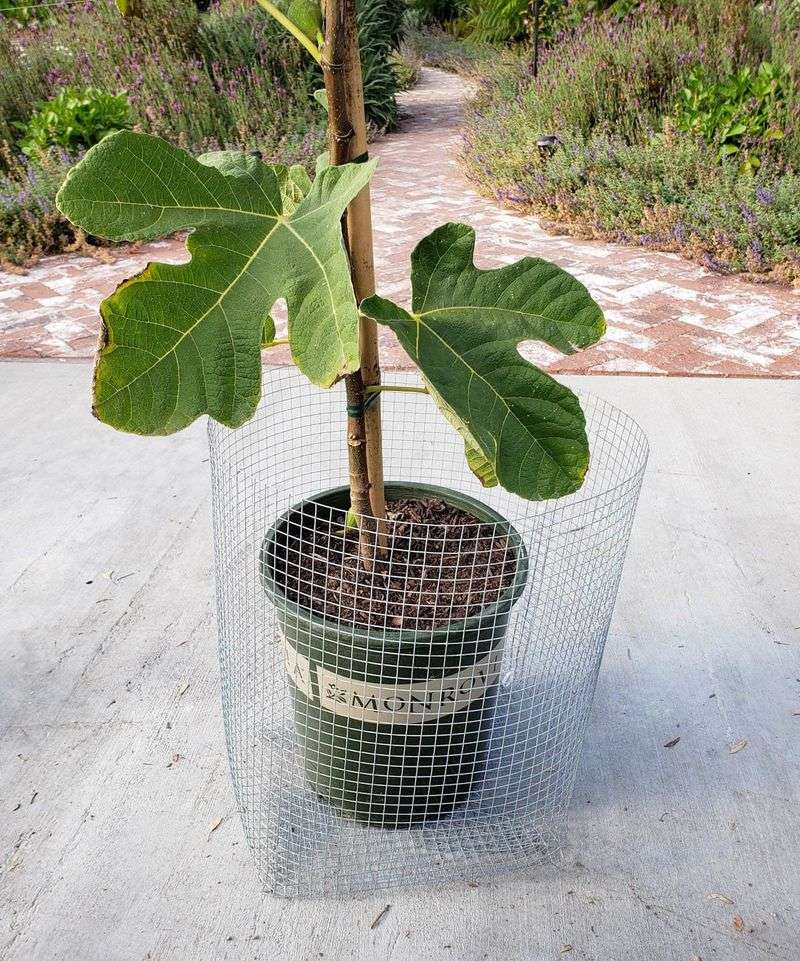
Every good wrap needs a sturdy frame, and a simple wire cage does the job beautifully. It acts like the walls of a tiny house built just for your fig.
Why bother with a cage at all? It holds insulation in place around the trunks and branches without pressing hard against the bark. That small gap allows a bit of air to move, which helps prevent rot.
A cage also keeps the whole setup steady when the weather gets rough, so your hard work stays put all winter.
Building one is easier than it sounds. Start by driving three or four wooden or metal stakes into the ground evenly around the bundled tree. Next, unroll chicken wire or garden fencing and wrap it around the stakes to form a cylinder.
Aim for a cage that is a few inches wider than the bundle on all sides, giving you room for stuffing later.
Height matters too. Make the cage tall enough to reach a little above the top of the tree so every branch tip gets covered. Fasten the wire to the stakes with zip ties or short pieces of wire, and overlap the ends where they meet so there are no weak spots.
North Carolina winters can be surprisingly blustery. Strong winds sweep across open Piedmont fields, and winter storms roll through the Mountains with gusts that can rip loose any wrap that lacks support.
A cage anchored firmly to the ground stands up to that weather, keeping the insulation exactly where your fig needs it.
5. Fill The Cage With Dry Leaves Or Straw
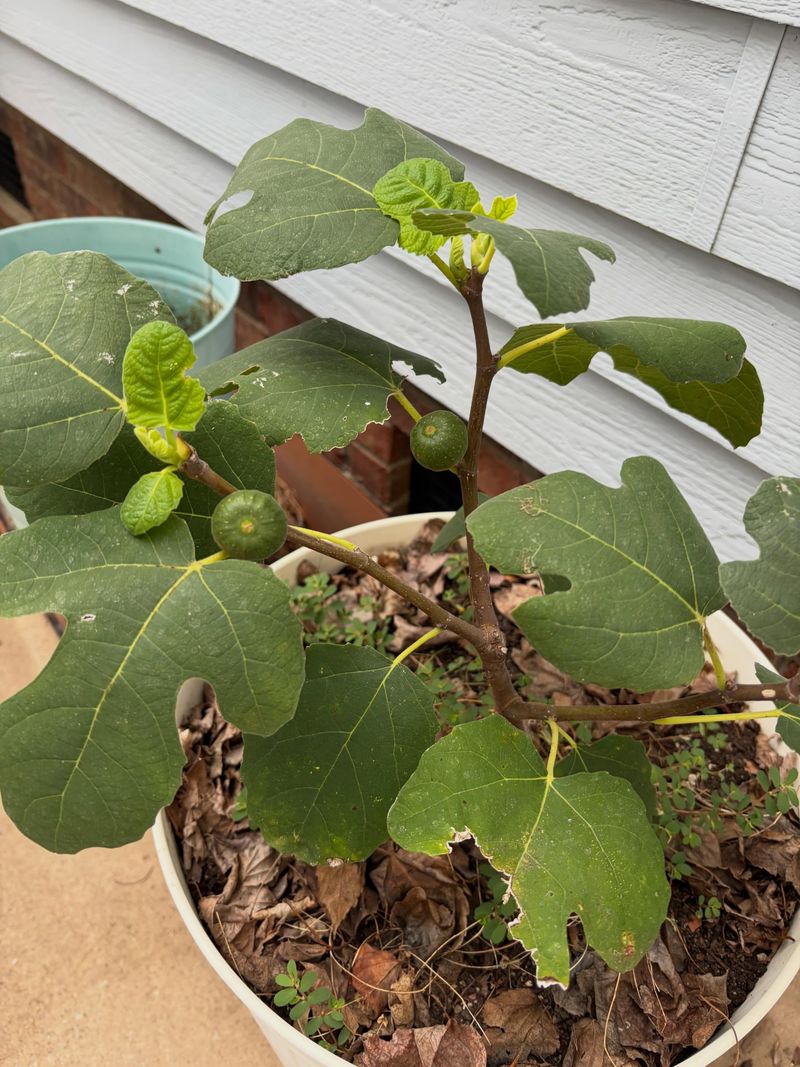
Those piles of leaves in your yard are about to become your fig tree’s best friend. Every fall, North Carolina oaks, maples, and hickories drop a free supply of insulation right at your feet.
Dry leaves and straw work so well because they trap tiny pockets of air. Air is a great insulator, which is the same reason a puffy winter jacket keeps you warm. Those pockets slow down heat loss and shield the wood from the coldest nights.
Wet material is another story. When leaves get soggy and packed down, they lose their air pockets and hold moisture against the bark. That cold, damp layer actually works against the tree and can even lead to rot.
Green clippings cause similar problems, since they break down and heat up as they decay.
For best results, gather leaves on a dry day. Running them over with a mower first shreds them into smaller pieces that settle nicely and resist matting. Clean, dry straw is a great choice too, and you can find bales at most farm and garden stores in the fall.
Fill the cage loosely, adding a few armfuls at a time. Press down just enough so the material stays in place without crushing it flat. Keep going all the way to the top so even the highest branch tips sit snugly inside.
Here is a handy tip. Leaves settle over a week or two, so check back and top off the cage once. That small step keeps the upper branches covered through the toughest stretch of winter.
6. Wrap The Outside And Keep Rain Off The Top
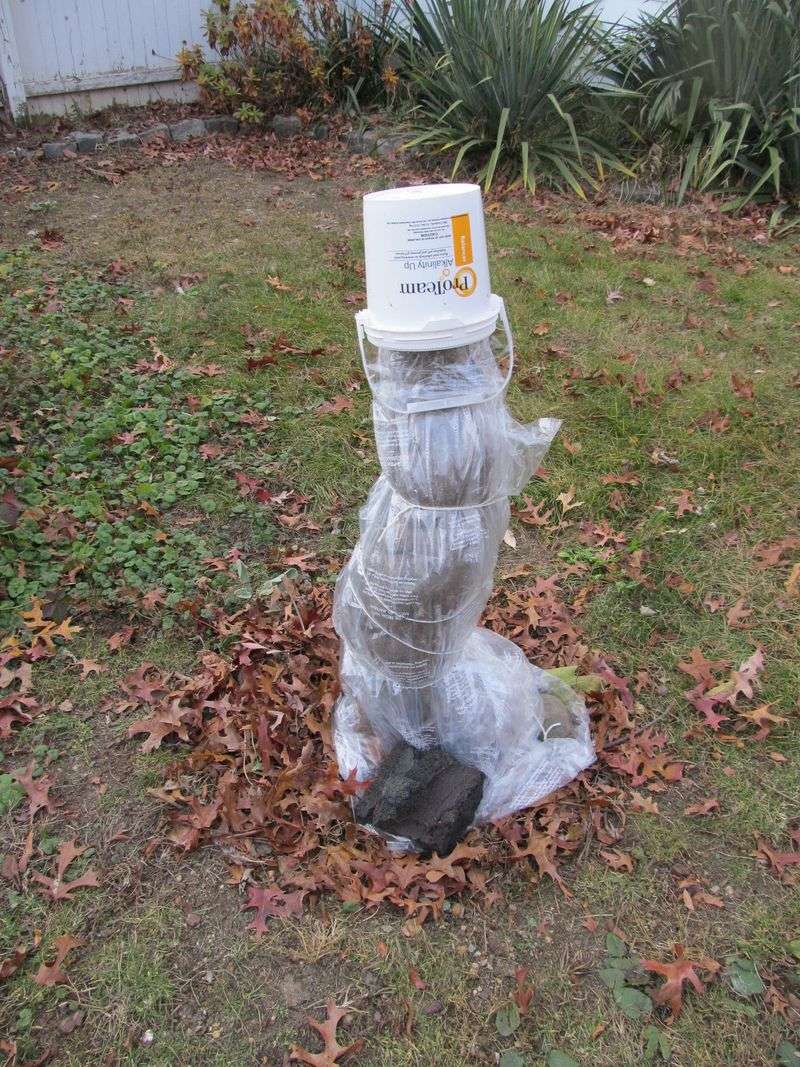
Wind and rain are sneaky enemies of a cozy fig. Even a cage stuffed full of leaves can lose its power if the weather gets inside.
Wind works by pulling warmth away from the tree, much like a breeze makes a chilly day feel colder. Rain is just as tricky. Water soaks into leaves and straw, making them heavy, flat, and far less effective at holding heat.
You might think the answer is to seal everything in plastic. Many gardeners have tried it, and the results are often disappointing. Plastic traps moisture inside, and on a bright, sunny day it can heat up like a closed car.
That sudden warmth, followed by a hard freeze at night, can harm the wood. The smarter approach uses breathable fabric.
Wrap the outside of the cage with burlap or frost cloth, overlapping the edges so there are no gaps. Secure it with twine wound around the cage in a few spots, tying it firmly enough to hold against strong gusts.
Next, protect the top. Set a small piece of waterproof material, like a scrap of tarp, over the opening and tie it down. Some gardeners simply flip a bucket upside down on top, which sheds water nicely.
The sides stay breathable, while the top stays dry. North Carolina winters bring plenty of rain, often several soaking storms each month.
On top of that, a frosty night can give way to a sunny 60 degree afternoon. A breathable wrap with a dry roof handles both situations with ease.
7. Mulch The Base And Guard Against Mice
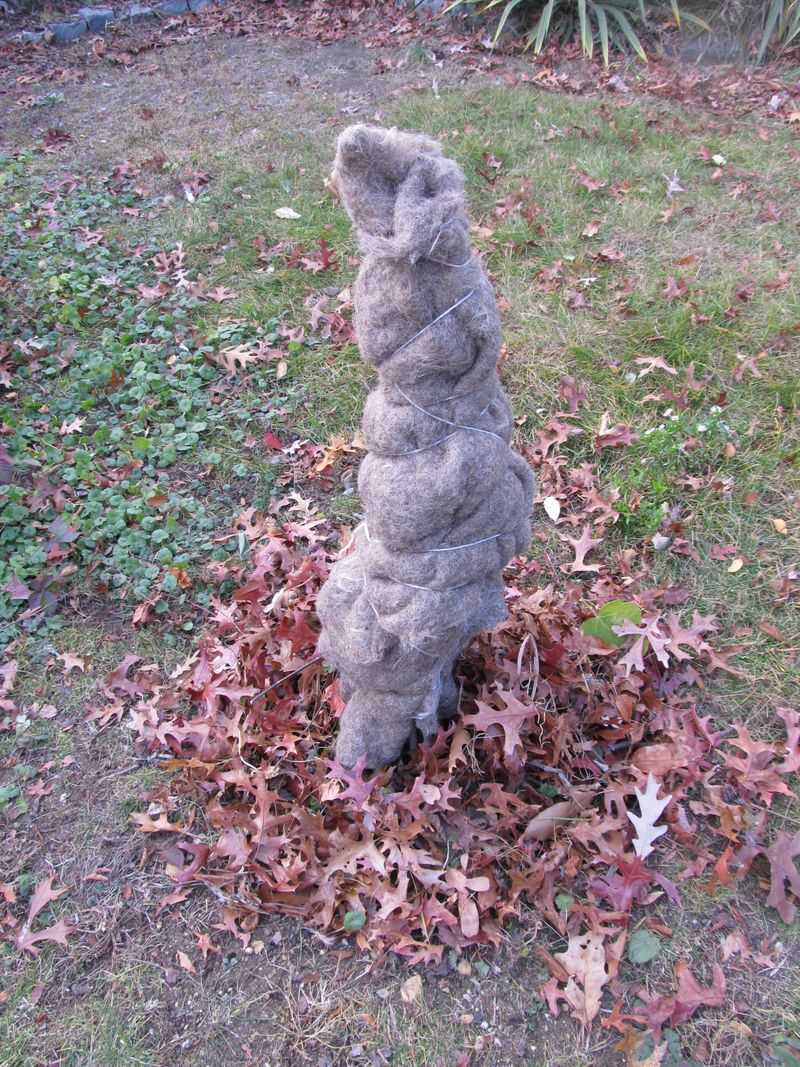
Figs have a hidden superpower. Even when a harsh winter browns the top of the tree, the roots and lower trunk can push out fresh shoots in spring and bounce back surprisingly fast.
That comeback only happens if the base stays healthy, so protecting it is a big deal. Start by spreading 3 to 4 inches of mulch over the root zone before you build your cage. Shredded bark, pine straw, or chopped leaves all work well.
Keep the mulch a couple of inches away from the trunks so moisture does not sit against the bark.
Now comes the part many gardeners forget. A snug pile of leaves and straw looks like a five-star hotel to mice and voles. These little critters move in for shelter and then snack on the tender bark through the cold months.
Chewing that goes all the way around a trunk can do serious harm.
Hardware cloth is your best defense. Cut a strip of this stiff, small-mesh wire and wrap it loosely around each lower trunk, pushing the bottom edge an inch or two into the soil. Make it at least 12 to 18 inches tall so rodents cannot easily get past.
Once winter settles in, peek at the base of the wrap every few weeks. Look for tunnels, droppings, or small teeth marks on the bark.
In North Carolina, field mice and voles are common in gardens, especially near lawns, fields, and woods. As temperatures drop, they hunt for warm hiding spots and easy food, so staying alert really pays off.
8. Unwrap Gradually In Spring
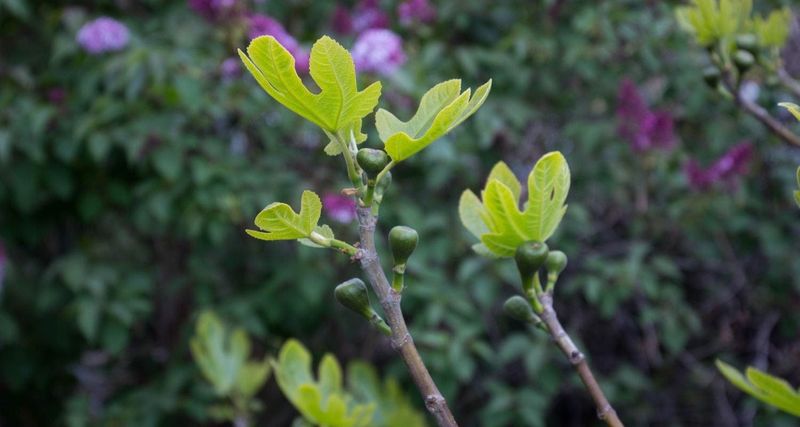
Spring fever hits gardeners hard. After months of gray skies, the first warm week makes everyone want to tear off the wraps and see how their figs fared.
Hold that thought for a moment. North Carolina loves to toss in a surprise freeze just when things seem settled. A fig uncovered too early can lose tender buds to one cold night.
On the flip side, leaving the wrap on too long causes its own trouble, since the tree may start growing in the dark and send out pale, weak shoots.
The sweet spot comes once the danger of hard freezes has passed. In the Piedmont, the last frost usually arrives in early to mid April. Up in the Mountains, it often comes later, from late April to mid May.
Check local frost dates from your county Extension office for the best guide.
Take the wrap off in stages over a week or two. Remove the top cover and outer burlap first, letting the tree slowly adjust to light and air. A few days later, pull out the leaves or straw, then take down the cage.
Toss the old leaves into your compost pile so nothing goes to waste. Keep a frost cloth handy just in case. If a chilly night pops up in the forecast, toss it over the tree in the evening and remove it the next morning.
Finally, wait for new leaves before pruning. Once green growth appears, you can clearly see which branches made it, and then trim away the rest with confidence.