What Carpenter Bee Season Means For New Jersey Homeowners With Wooden Porches
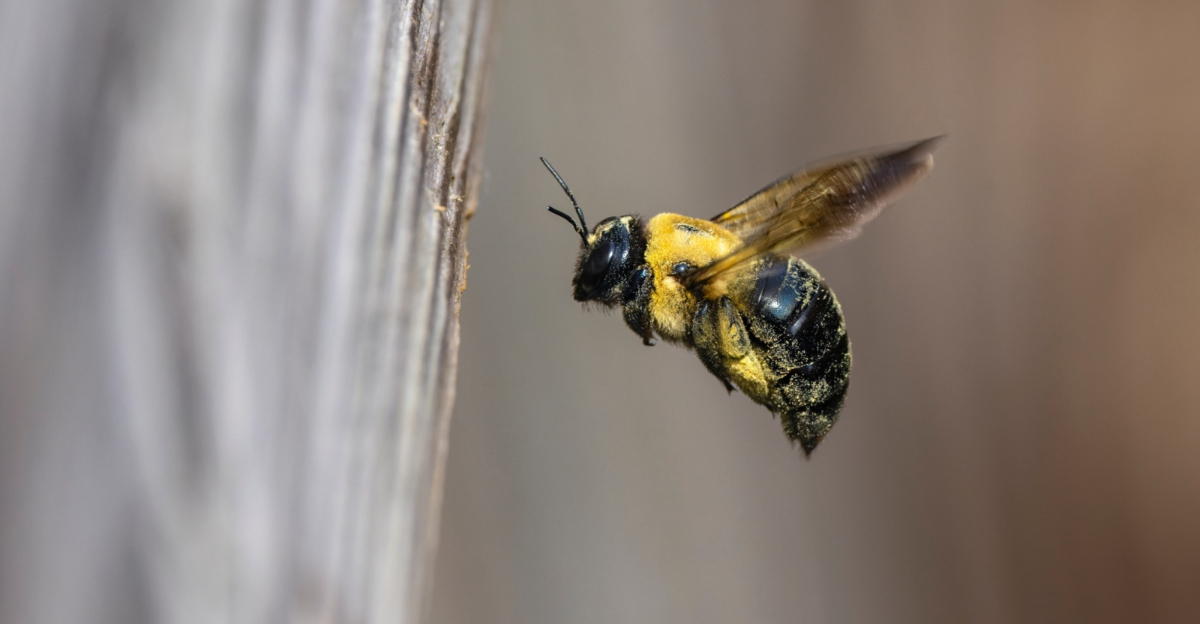
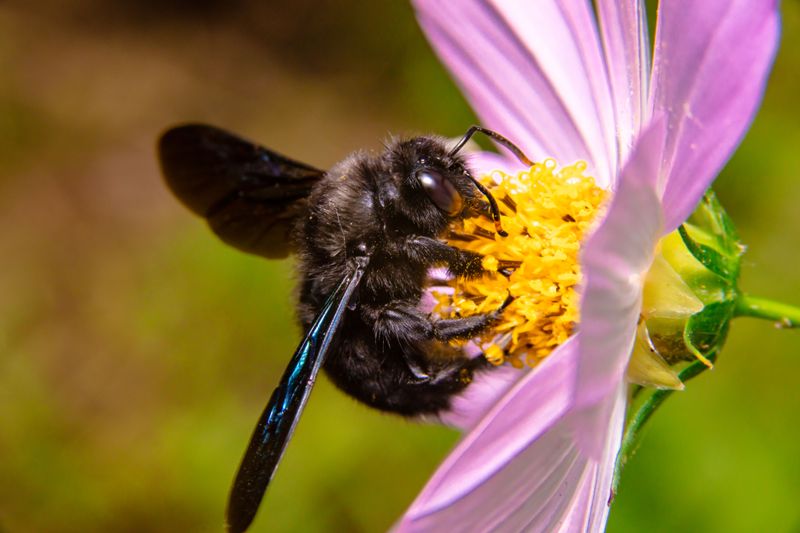
Every spring, they come back. Not wasps, not hornets. Just the fat, metallic-bottomed bees that treat your porch like a personal renovation project. Carpenter bees do not sting you into panic.
They do something quieter and more costly: they drill. Perfect, round holes straight into your railings, fascia boards, and deck supports while you go about your morning routine three feet away.
By the time you notice the sawdust trail beneath the wood, the tunnel behind it can already stretch six inches deep.
New Jersey springs are their invitation. Warmer soil, longer days, and suddenly an unmated female is inspecting your lumber with the quiet focus of someone who already knows what she wants.
She is not hostile. She is patient. And patient is what makes her such an expensive houseguest.
Understanding what happens during carpenter bee season is the difference between a five-dollar fix in April and a four-hundred-dollar repair bill in August.
Carpenter Bees Are Using Your Porch As Their Nesting Ground
That loud buzzing near your porch is not random. Carpenter bees are actively scouting your wooden surfaces for a place to nest.
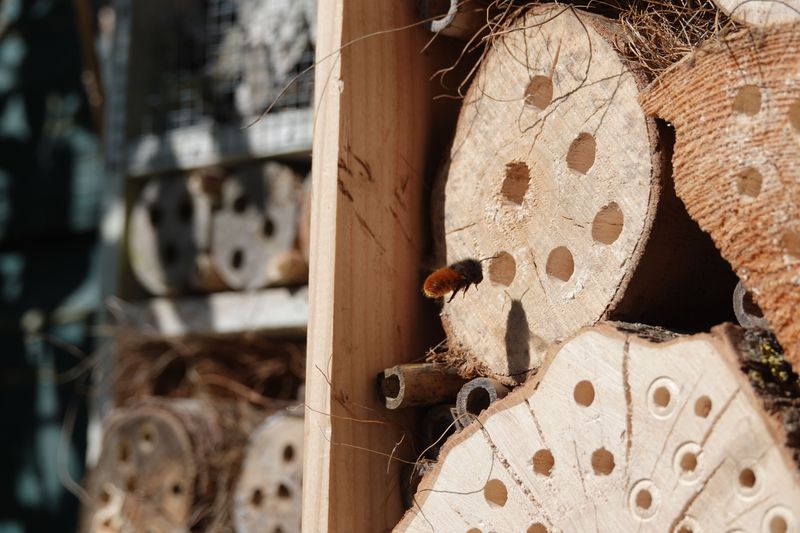
Unlike honeybees, these insects work alone. Each female bores a perfectly round hole, about the size of a dime, straight into unfinished wood.
Your porch railings, fascia boards, and deck beams are prime real estate for them. Soft, unpainted, or weathered wood is basically an open invitation.
Once a bee finds a good spot, she tunnels inward and lays her eggs. The tunnel can stretch six inches deep inside a single board.
What carpenter bee season means for New Jersey homeowners with wooden porches is simple: your structure is quietly accumulating damage. Males hover territorially near the porch, but only females do the actual boring damage.
Here is the tricky part, the entry hole looks small and harmless. But inside, the tunnel branches out and weakens the wood over time.
Catching this early makes all the difference. One season of neglect can turn a minor annoyance into a structural repair bill.
How Carpenter Bees Choose A Porch To Nest In
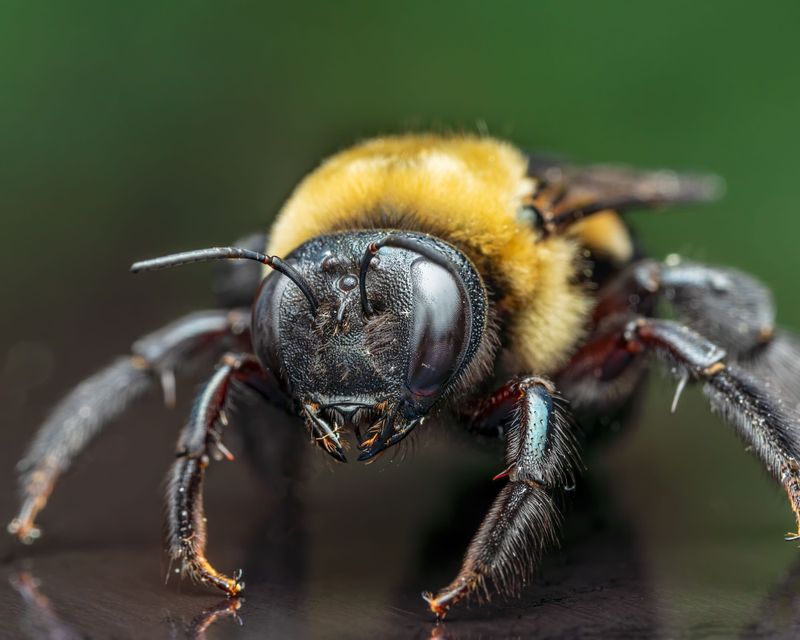
Carpenter bees are surprisingly picky. They do not just settle for any wood, they scout for the ideal conditions before committing.
Bare, weathered, and softwood surfaces top their list. Cedar, pine, and redwood are favorites because they are easier to tunnel through.
Painted or sealed wood is far less appealing to them. A fresh coat of exterior paint or stain can genuinely deter a bee from choosing your porch.
South-facing and sun-warmed surfaces get targeted more often. Bees prefer spots that stay warm, dry, and sheltered from heavy rain.
Fascia boards under the eaves are especially vulnerable because they tick every box. They are often unpainted, protected from moisture, and easy to access.
Returning bees also have memory. A bee that found a good spot last spring will come back to the same porch the following season without hesitation.
Existing holes attract new females too, since old tunnels signal a safe nesting zone. This is how one small infestation spreads into a network of boreholes across your entire porch structure.
Your New Jersey Garden Changes Every Week. Your Plan Should Too.
Gardening in New Jersey changes quickly throughout the season. Every Friday you’ll receive a simple weekly plan showing exactly what to plant, prune, fertilize, harvest, and protect so you never miss the right timing.
Knowing what draws them in gives you the power to make your porch less attractive before the season peaks.
Why The Wood On Your Porch Is More Vulnerable Than You Think
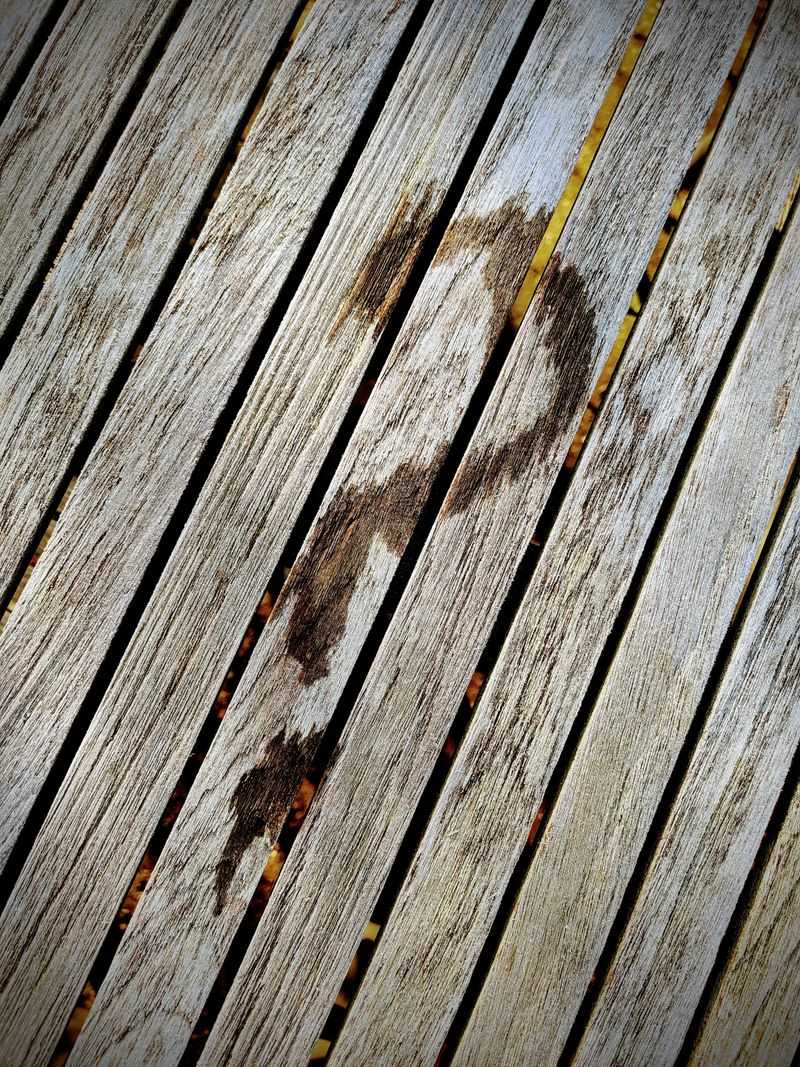
Most homeowners assume their porch wood is tougher than it looks. The reality is that wood ages fast when exposed to outdoor conditions.
Freeze-thaw cycles crack the surface every winter. Those tiny cracks open up the grain and make boring much easier for a determined bee.
UV exposure dries out the wood fibers over time. Dry, brittle wood offers almost no resistance to a female bee drilling her entry hole.
Moisture damage makes things worse. When water seeps into aging boards, it softens the fibers and creates the perfect texture for nesting.
Many porches also have untreated lumber hiding in spots homeowners never check. Underneath deck boards, behind trim pieces, and along the underside of railings are all common blind spots.
Even pressure-treated wood is not completely safe. Bees can and do bore into treated lumber, especially when other options are scarce.
The structural risk builds quietly beneath the surface. A board can look perfectly fine from outside while harboring a network of tunnels inside.
Tapping on suspected boards can reveal a hollow sound that signals internal damage. Your porch deserves a closer inspection than it probably gets each spring.
Why New Jersey’s Climate Makes The Problem Worse Each Season
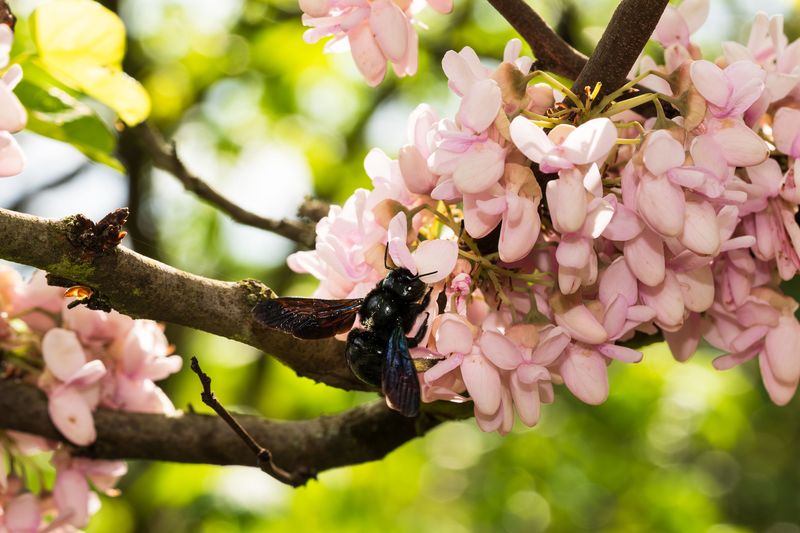
New Jersey sits in a climate zone that practically rolls out the welcome mat for carpenter bees. Warm springs, humid summers, and mild autumns create ideal nesting conditions.
Activity typically kicks off in April and runs strong through June. Females emerge from overwintering spots and immediately begin searching for nesting sites.
The humidity here is a hidden factor most people overlook. Moisture softens wood grain and makes it easier to excavate, speeding up the damage cycle significantly.
Summer heat accelerates the larval development inside the tunnels too. Eggs hatch faster, and new adults emerge by late summer ready to find their own spots.
By fall, those new adults are already tunneling to overwinter. They expand existing holes or create fresh ones, compounding the damage before winter even arrives.
The seasonal cycle here is relentless compared to drier climates. Homeowners in arid states deal with occasional activity; New Jersey porches face repeated waves every single year.
Mild winters also mean more bees survive to the next season. A hard freeze would naturally reduce the population, but recent winters have been increasingly gentle statewide.
What carpenter bee season means for New Jersey homeowners with wooden porches is a recurring battle that demands consistent seasonal attention.
Why Ignoring Early Signs Leads To A Much Bigger Headache
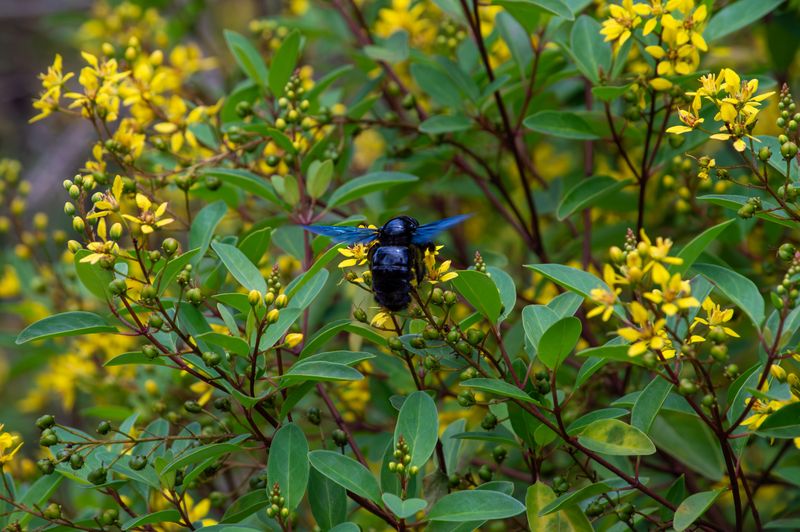
Sawdust on your porch floor is the first clue most homeowners walk right past. That fine, yellowish powder beneath a porch board is called frass, and it means active boring is happening above.
A single hole in April can become six holes by August. Each new female that emerges from a tunnel is ready to start her own nest nearby.
Woodpeckers also follow the bees. Once birds discover larvae inside your porch boards, they tear the wood apart to reach them, causing far more visible damage than the bees alone.
Structural integrity suffers quietly over multiple seasons. Tunnels weaken load-bearing posts and beams in ways that are not obvious until the damage is already severe.
Repair costs rise steeply with each ignored season. Replacing a single board costs far less than replacing a rotted post or a sagging section of decking.
Moisture enters the tunnels after the bees leave. Water sitting inside abandoned boreholes accelerates wood rot and invites secondary pests like carpenter ants.
Early action is always the smarter financial move. Plugging a fresh hole and sealing the surrounding wood in spring costs almost nothing compared to a full porch restoration. Letting one season slide sets a damaging pattern that compounds year after year.
How To Tell Carpenter Bee Activity Apart From Other Wood Pests
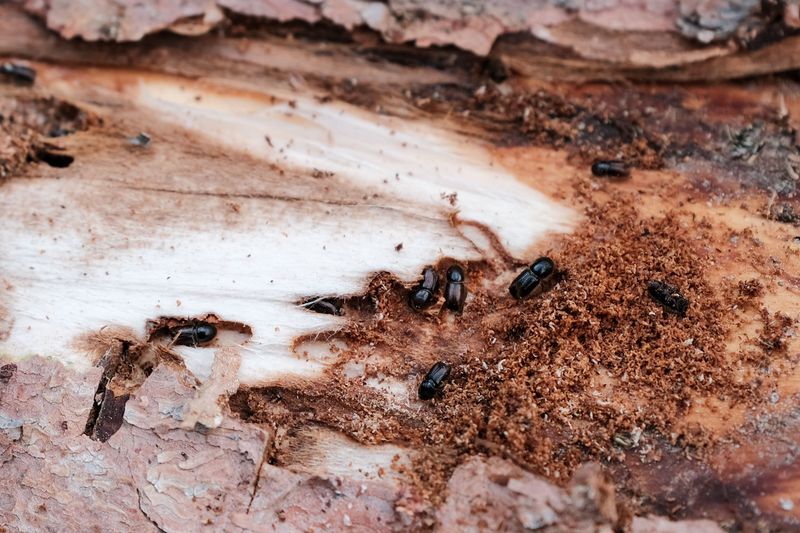
Not every hole in your porch wood means carpenter bees. Knowing the difference saves you from treating the wrong problem entirely.
Carpenter bee holes are perfectly round and about half an inch in diameter. The edges are clean and smooth, almost like someone used a drill bit on purpose.
Termite damage looks completely different. Termites chew along the grain and leave behind a muddy, irregular texture rather than a tidy circular opening.
Carpenter ants also create galleries inside wood, but they do not bore entry holes from the outside surface. You typically notice them through soft, crumbling wood rather than a clean hole.
Powderpost beetles leave tiny, pinhole-sized openings scattered across the surface. Their damage looks more like a pattern of small dots than a single prominent hole.
Yellow frass beneath a hole is a strong indicator of carpenter bees specifically. Other pests leave different residue or none at all.
Hovering male bees near your porch are another reliable clue. Males are territorial and will buzz persistently near nesting sites, even though they cannot sting.
Correct identification matters because each pest requires a different treatment approach. Misdiagnosing the problem wastes money and allows the actual culprit to keep causing harm unchecked.
When And How To Take Action Against Carpenter Bees In New Jersey
Timing your response correctly is half the battle. Acting in early spring, before females begin boring, gives you the strongest advantage of the season.
Start by inspecting every inch of exposed wood on your porch. Check railings, fascia boards, eave undersides, and any decorative trim that shows weathering or bare grain.
Fill old holes with steel wool before applying caulk or wood putty. Bees cannot chew through steel wool, and sealing tunnels discourages reuse the following season.
Paint or seal all bare wood surfaces promptly. Oil-based exterior paint and penetrating stains are your best tools for making the wood unappealing to nesting females.
Citrus-based sprays applied directly into fresh holes are a commonly used home remedy. Some homeowners report success with repeated applications, though results can vary.
Consider hanging decoy wasp nests near your porch. Carpenter bees may avoid areas where they perceive existing wasp colonies.
It is a low-effort option some homeowners swear by, though it works better as a supplementary measure than a standalone solution.
For serious infestations, a licensed pest professional familiar with New Jersey regulations is your safest option. They can treat active holes with appropriate products and help you build a seasonal prevention plan.
What carpenter bee season means for New Jersey homeowners with wooden porches ultimately comes down to one word: preparation.