This Underrated Texas Shrub Makes Yards Less Inviting To Armadillos And Rats
Texas fence lines tell on your yard after dark.
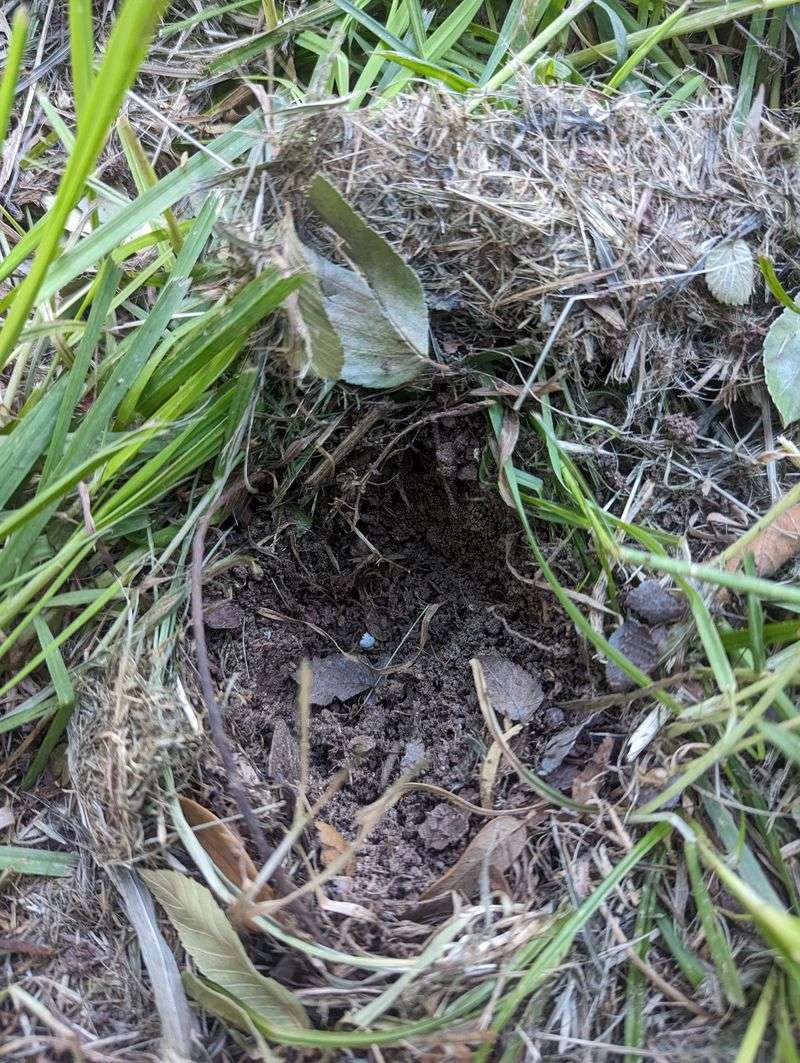
You wake up, step outside with coffee, and find fresh soil kicked along the boards, a hole near the garden bed, and tracks that were not there yesterday.
Something found the edge.
Maybe an armadillo nosed through for grubs. Maybe a rat slipped through a loose shrub gap. Either way, the yard just sent a very clear invitation.
Fill the hole, smooth the dirt, and the same visitor may return before the week is over.
That is where lotebush earns attention.
This tough Texas native shrub grows with a dense, thorny, interlocked habit that many animals would rather avoid than challenge.
It fits dry Hill Country and Edwards Plateau conditions, handles heat, and adds a living barrier where a fence alone leaves easy gaps.
Can one prickly shrub change how your whole yard edge works?
Not by magic. But paired with smart cleanup, pest control, and better fence habits, lotebush can make the boundary far less welcoming to nearby nighttime pests.
Lotebush Brings Thorny Border Grit
Not every shrub earns its keep, but lotebush absolutely does.
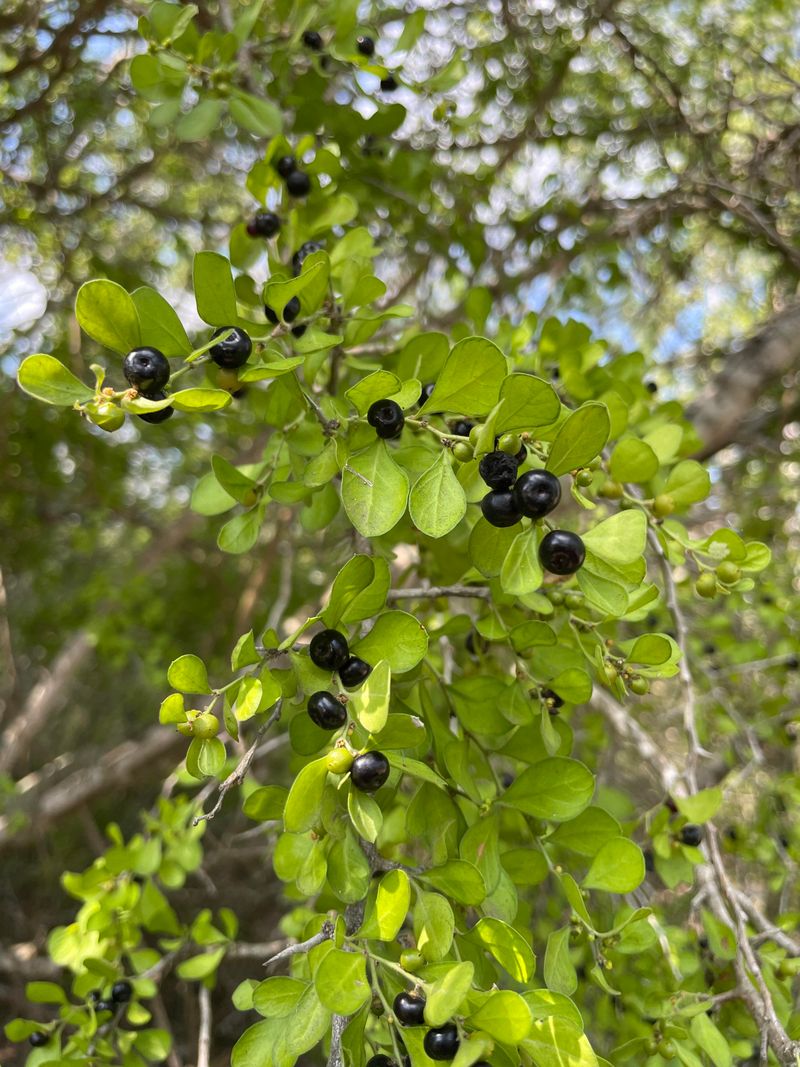
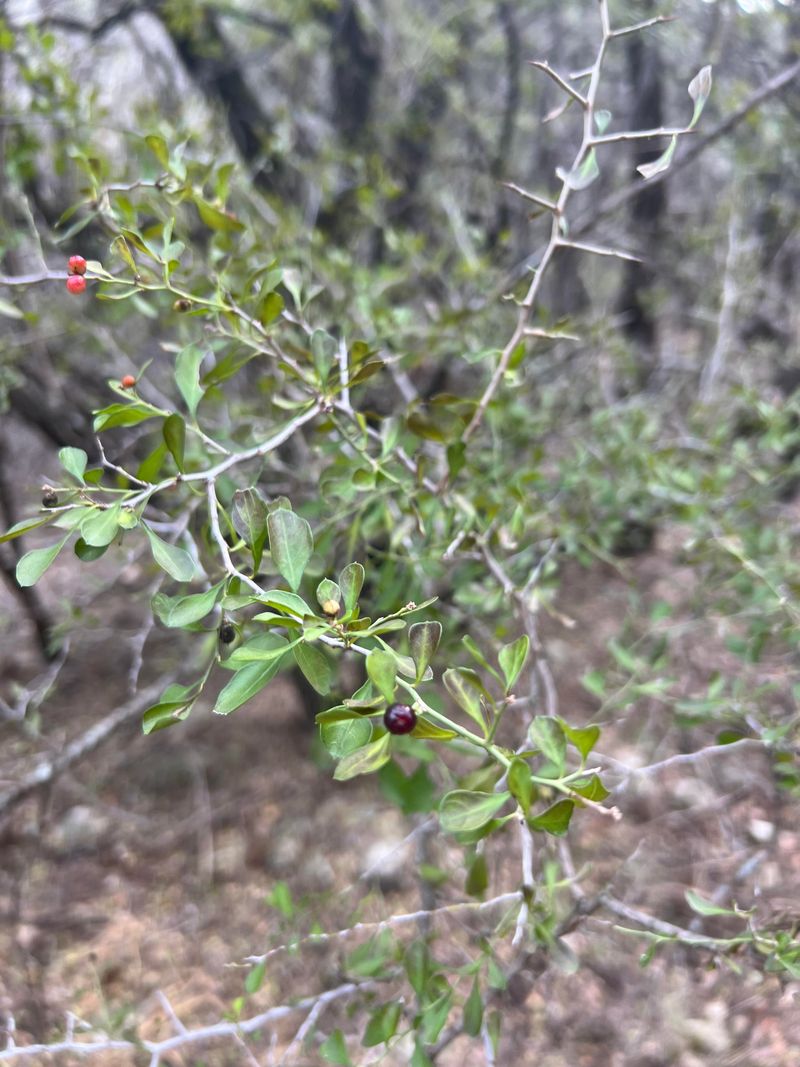
Known scientifically as Ziziphus obtusifolia, this native Texas plant grows across the Edwards Plateau, the Hill Country, and drier regions of central and west Texas.
Texas A&M AgriLife Extension recognizes it as a tough, drought-tolerant native that thrives where many ornamentals fail.
Its branches are stiff, interlocking, and packed with sharp spines that make casual movement through it genuinely unpleasant.
Lotebush typically grows six to ten feet tall and spreads outward in a dense, tangled pattern.
That structure is exactly what makes it useful along yard borders. It does not look like a manicured hedge. It looks like nature put up a warning sign and meant it.
The spines point outward at odd angles, creating a barrier that animals instinctively prefer to walk around rather than through.
Planting lotebush along fence lines, property edges, or around garden perimeters creates what landscape planners sometimes call a thorny border layer.
It is not a wall. It is a discouraging detour. Animals like armadillos and rats are not brave explorers. They follow the path of least resistance.
A dense, spiny shrub planted consistently along a vulnerable edge shifts that path somewhere less convenient for them.
Lotebush is drought-hardy, low-maintenance once established, and genuinely native to Texas soil, which means it belongs here in a way that imported ornamentals simply do not.
Spiny Branches Slow Easy Routes
A rat moving along a fence base is not being adventurous. It is following a familiar route it has already mapped out.
Armadillos do the same thing, shuffling along the same edges night after night, nose to the ground, tracking the scent of soft soil and insects. Disrupting that routine is one of the most effective things a yard border plant can do.
Spiny branches work by making casual movement uncomfortable and slow.
When lotebush is planted tightly along a fence line or yard perimeter, the overlapping thorns create a wall of friction. A small rodent trying to squeeze through faces resistance at every inch.
Your Texas Garden Changes Every Week. Your Plan Should Too.
Gardening in Texas changes quickly throughout the season. Every Friday you’ll receive a simple weekly plan showing exactly what to plant, prune, fertilize, harvest, and protect so you never miss the right timing.
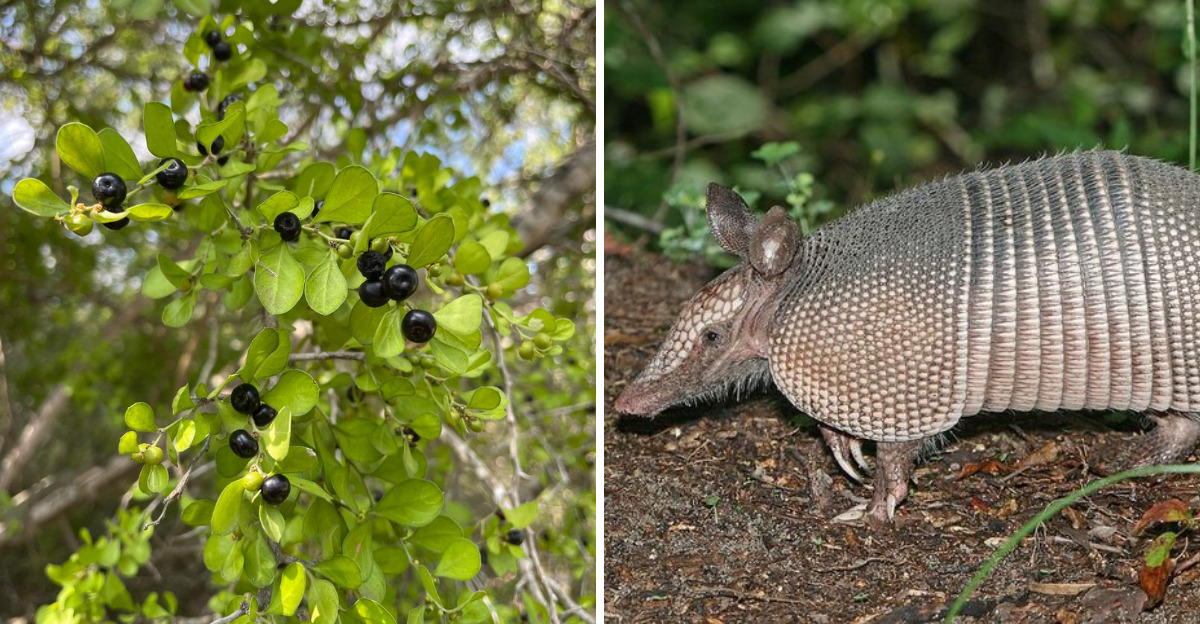
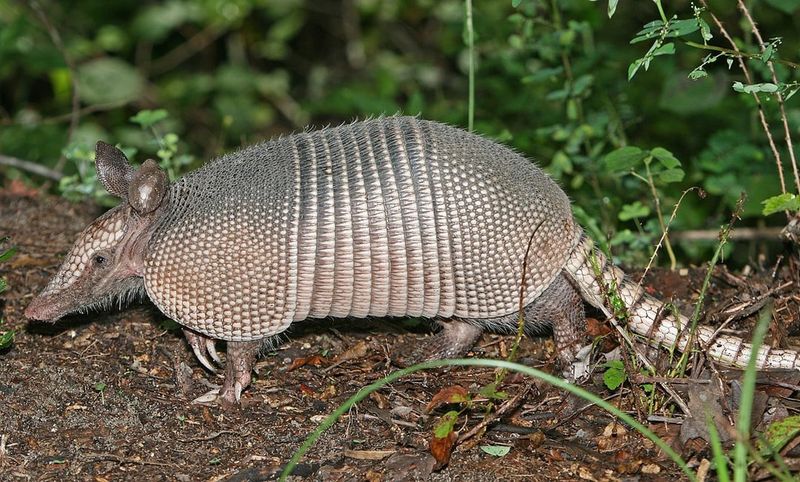
An armadillo, which has tough armor on its back but soft legs and a snout, tends to turn away from dense thorny growth rather than push through it.
This is not a guarantee.
Determined animals will find gaps, especially if the shrubs are spaced too far apart or if the base of the plants is left open and clear. Spacing matters.
Texas A&M AgriLife Extension guidance on native shrub borders suggests planting close enough that mature branches overlap and interlock over time.
The thorns do not stop every animal every time, but they reliably make your yard edge less convenient than a neighbor’s open, unplanted border. That shift in convenience is the whole point of a layered prevention strategy.
Dense Edges Need Clean Bases
Here is a problem that catches a lot of Texas homeowners off guard.
They plant a dense, thorny shrub border, feel good about it, and then unknowingly turn the base of those same shrubs into a rat condo.
Leaf litter, old wood scraps, stacked pots, and piled mulch pushed up against shrub stems create exactly the kind of sheltered, hidden space that rats love.
The thorny canopy above becomes a roof over a cozy little hideout below.
Keeping the ground beneath lotebush clean and open is just as important as planting it in the first place.
Rats need three things to move in: food, water, and shelter. A dense shrub with a cluttered base provides the shelter piece on a silver platter.
Raking out accumulated debris, pulling back deep mulch from the base, and removing any stored items from shrub edges takes away that advantage.
Keep at least six to twelve inches of clear, open ground at the base of your shrub border.
That open zone removes hiding spots and makes any rat activity visible. If a rodent is running along the base of your lotebush line, you want to see the evidence, not have it hidden under a pile of old leaves.
Maintaining a clean base is not complicated. It just requires a rake and a regular habit.
Armadillos Prefer Softer Open Digging
Soft soil is basically an armadillo’s favorite restaurant.
These animals, which are common across most of Texas, use their strong front claws to dig for beetle larvae, earthworms, and other soil-dwelling insects.
They are not random about where they dig. They go where the ground gives way easily and where food is likely to be close to the surface.
Overwatered lawns, recently turned garden beds, areas near leaky irrigation lines, and spots with heavy thatch are all prime targets.
According to Texas Parks and Wildlife guidance, nine-banded armadillos are the only species found in Texas and they are primarily active at night, moving along predictable routes that connect food-rich zones.
A lotebush border can redirect an armadillo away from a vulnerable garden edge, but it does not change what is underground.
If your soil is constantly moist and full of grubs, armadillos will keep trying to reach it.
Reducing irrigation near the border, addressing grub populations with appropriate lawn care, and creating drier soil conditions near the yard edge all help reduce the attraction.
Lotebush works best as a physical detour, not a scent blocker or food eliminator. Pair the shrub border with smarter watering habits for a combination that is far more effective than either approach alone.
Rats Still Need Food Removed
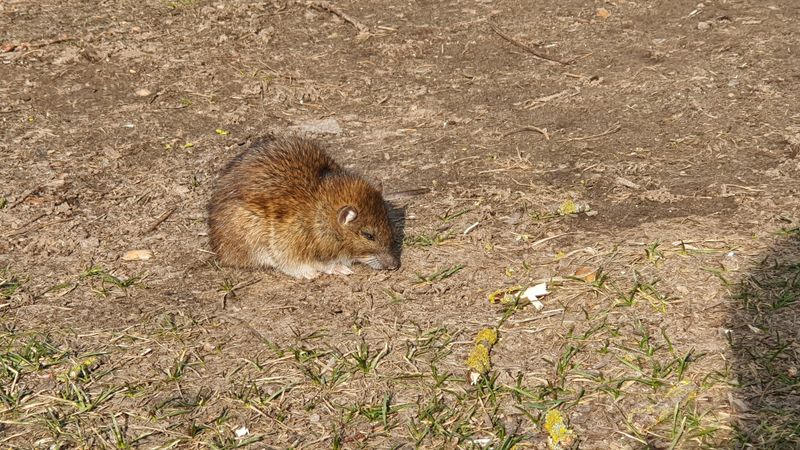
No shrub, no matter how thorny or well-placed, will keep rats away from a yard that is serving them dinner every night.
Rats are smart, adaptable, and highly motivated by food. If there is something worth eating in your yard, they will find a way to reach it. Lotebush makes the journey less comfortable, but it does not make the destination less appealing.
Pet food left outside overnight is one of the biggest rat attractants in Texas residential yards.
A bowl of dry dog food sitting on a back porch from dusk to dawn is basically a buffet sign in rat language. Birdseed spilled beneath feeders, fallen fruit from peach or fig trees, and open compost bins all add to the problem.
Cleaning up food sources is not optional if you want meaningful results.
Pick up pet food bowls before dark. Use feeders designed to reduce spillage or bring them in at night. Harvest fruit regularly and pick up anything that falls.
Use sealed, hard-sided compost bins rather than open piles. Secure trash cans with locking lids.
These habits remove the reward that keeps rats coming back.
Lotebush creates friction at the border. Sanitation removes the reason to cross it at all. Both steps together are far stronger than either one alone.
Pruning Keeps Shelter From Building
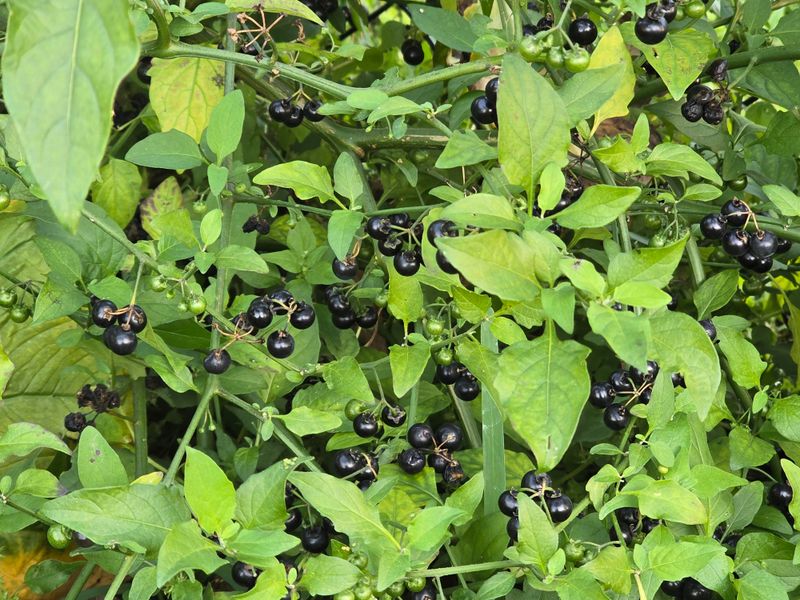
Lotebush grows with enthusiasm.
Left completely alone for a few seasons, it can develop a thick interior tangle of old wood, branches, and accumulated debris that becomes surprisingly cozy for small animals.
The goal is to keep the shrub dense enough to be a deterrent at the outside edge while staying open enough inside that nothing wants to live there.
Pruning lotebush once or twice a year helps maintain that balance.
Focus on removing interior branches, clearing out any debris that has collected inside the shrub structure, and thinning spots where the base has become too sheltered.
You are not trying to make it look manicured. You are trying to keep the inside uncomfortable while the outside stays spiny and discouraging.
Wear thick leather gloves and long sleeves. Those thorns are not polite.
Use loppers rather than hand pruners for interior work so you can reach without pressing your arms into the branches.
Pruning also gives you a chance to check the base of the shrub for signs of burrowing, gnaw marks, or droppings, all of which are useful early warning signals.
A well-maintained lotebush border stays functional year after year without becoming a liability.
Think of pruning as pest prevention maintenance rather than just gardening. You are not just shaping a plant. You are actively managing a barrier system that only works as long as it stays intentional and clear inside.