Why Arizona Gardeners May Want Kestrels Hunting Near Their Gardens
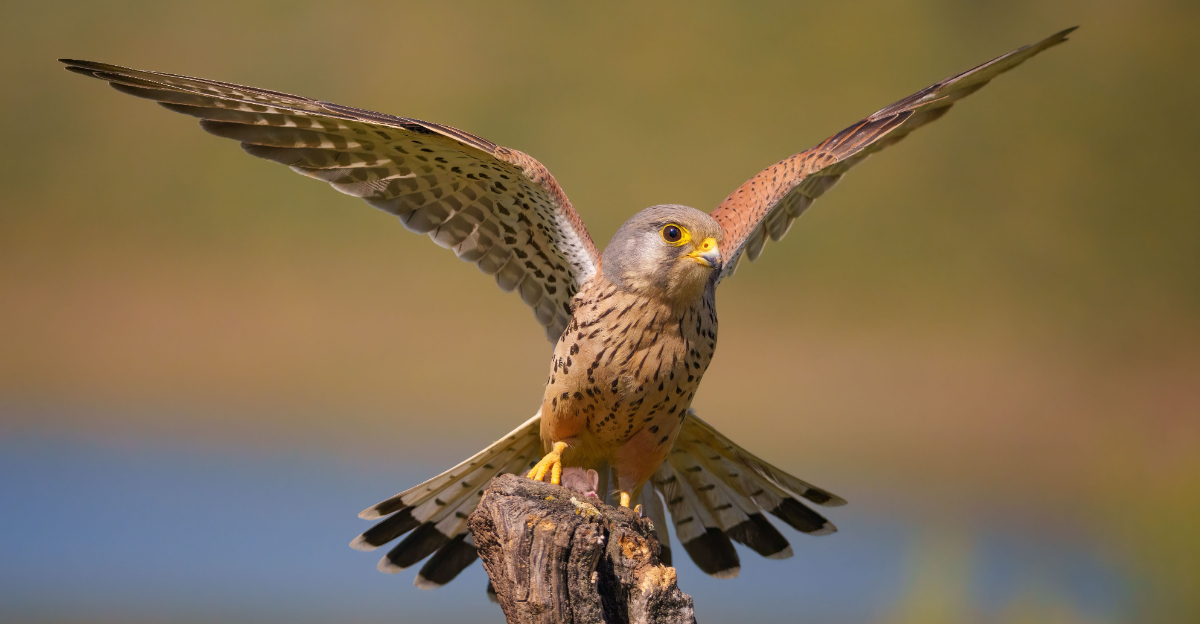
Do not be surprised if that little falcon perched above your garden turns out to be helping more than you expected. Kestrels are small, but they are serious hunters.
They can spend long stretches scanning the ground before suddenly diving after something that catches their eye. Gardens can give them plenty to watch.
In Arizona, that can work nicely in your favor. Kestrels hunt grasshoppers, beetles, mice, and other small creatures that may wander through growing spaces.
You do not need to interfere when one starts hunting nearby. Give it room and see what happens from a comfortable distance.
A fence post or high branch can quickly become its favorite lookout spot.
The next time one appears, resist the urge to dismiss it as another passing bird. This tiny falcon may have found a very good reason to stick around.
1. American Kestrels Can Hunt Close To Garden Areas
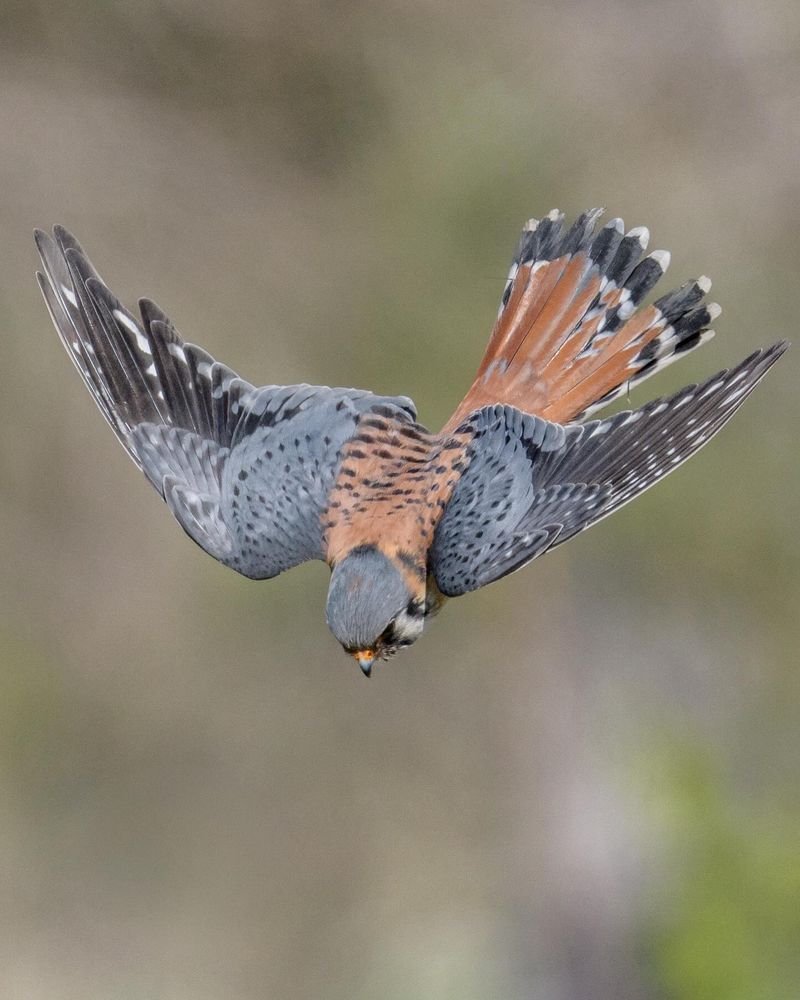
Watching a kestrel work a garden edge is something most people don’t expect to find impressive, but it genuinely is. These small falcons hover in place, scanning the ground with sharp precision before dropping toward a target.
Grasshoppers, small lizards, and large beetles are common prey, and gardens tend to attract all of these.
In Arizona, summer gardens can draw in a surprising number of insects and small ground creatures. Kestrels follow that food supply closely.
A bird hunting near raised beds or along a garden border is not a random visitor. It is there because the area offers steady hunting opportunities.
Kestrels rarely cause problems for gardens directly. They are not interested in seeds, fruit, or soil.
Their focus stays on moving prey at or near ground level. That habit puts them in direct competition with many common garden pests.
Gardeners who notice a kestrel returning to the same spot regularly can take that as a signal. It usually means prey activity is higher in that zone.
Paying attention to where the bird hunts most often can help identify which parts of the garden may need closer attention from the gardener as well.
2. Fence Posts Give Them Good Places To Watch From
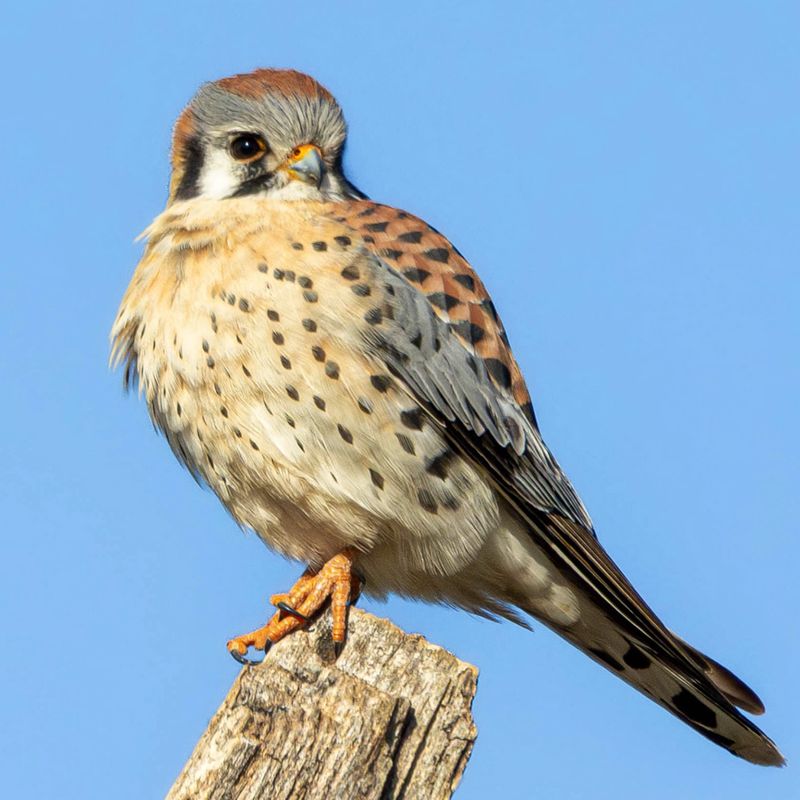
Kestrels are perch hunters. They need a high, open spot to watch from before they move on prey.
Fence posts along garden borders happen to be one of their favorite lookout points, especially in open, dry landscapes.
A wooden post at the right height gives a kestrel a wide view of the surrounding ground. From that position, it can spot movement in grass, mulch, or bare soil from a surprising distance.
Gardeners who already have fencing around their plots may be unknowingly providing ideal habitat.
Adding or maintaining fence posts along the garden perimeter can make the space more attractive to kestrels without much effort. Posts do not need to be elaborate.
A simple, sturdy post at a height between six and twelve feet tends to work well in open settings.
Wire fencing alone is less useful since kestrels prefer a solid, stable surface to grip. A flat-topped or rounded wooden post gives them a reliable landing point.
Your Arizona Garden Changes Every Week. Your Plan Should Too.
Gardening in Arizona changes quickly throughout the season. Every Friday you’ll receive a simple weekly plan showing exactly what to plant, prune, fertilize, harvest, and protect so you never miss the right timing.
Gardeners in rural or semi-rural parts of the state often already have these structures in place, which may explain why kestrel sightings near gardens are fairly common in those areas.
Placement matters too. Posts near open ground, rather than dense plantings, tend to get more use from hunting birds.
3. Nest Boxes Can Give Them Space To Raise Young
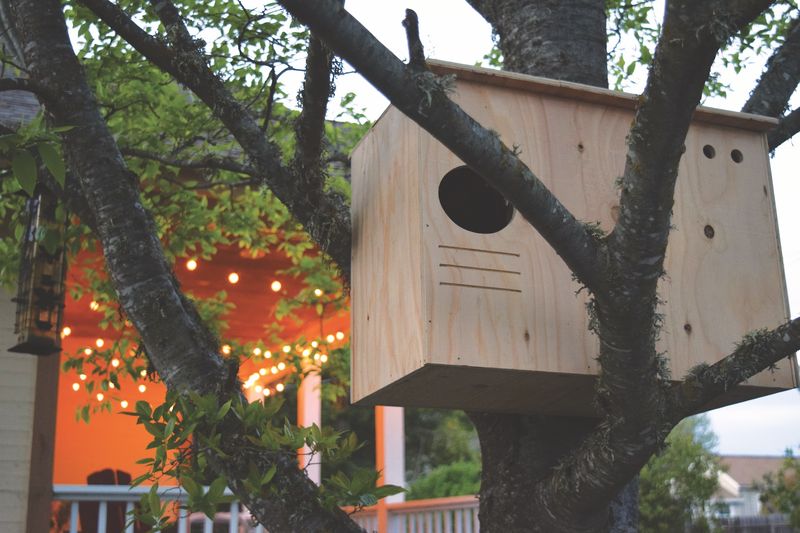
Kestrels are cavity nesters, meaning they raise their young inside hollow spaces rather than building open nests.
Natural cavities in trees can be hard to find in many parts of Arizona, especially in suburban and agricultural areas where older trees are less common.
A properly built nest box can fill that gap. Kestrel boxes are not complicated to make or buy.
They need an entrance hole of about three inches in diameter, interior dimensions of roughly eight by eight inches at the base, and a depth of around twelve inches.
Placement on a pole or post between ten and thirty feet off the ground works well in open areas.
Facing the box away from direct afternoon sun helps keep the interior cooler during hot months. Ventilation holes near the top also help regulate temperature inside the box, which matters a lot in warmer climates.
A pair of kestrels raising young nearby will spend weeks hunting intensively in the surrounding area. That increased hunting activity can reduce pest populations in and around the garden during the growing season.
Nest boxes should be cleaned out after each nesting season to keep them ready for future use. Monitoring the box occasionally from a distance can help confirm whether it is being used without disturbing the birds inside.
4. Open Yards Match The Habitat They Naturally Prefer
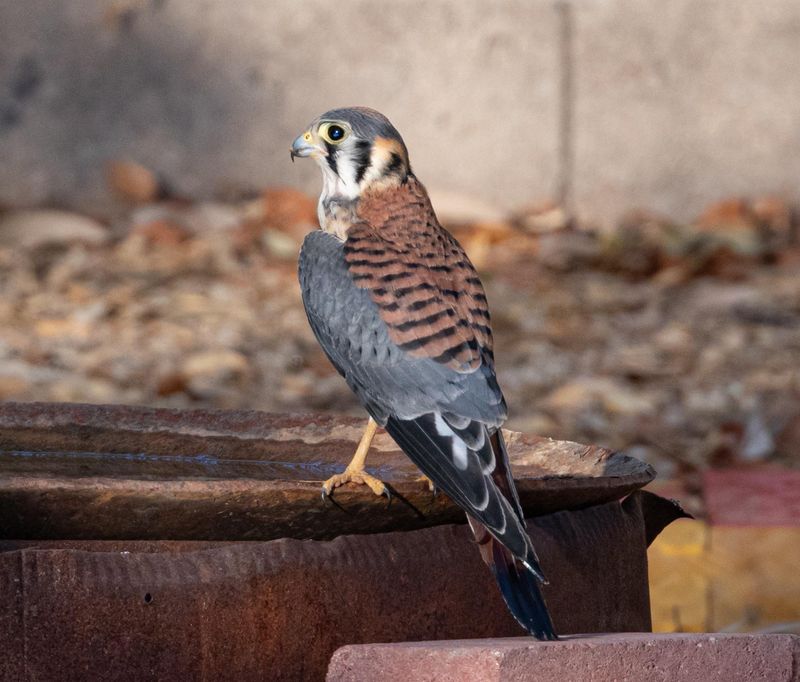
Kestrels are birds of open country. Meadows, grasslands, desert edges, and agricultural fields are the kinds of places they are built for.
Cluttered, heavily wooded backyards tend to push them away.
Many Arizona yards, especially in desert communities and rural areas, naturally match what kestrels prefer. Low vegetation, open ground, and clear sightlines from an elevated perch create conditions that work in the bird’s favor.
Gardeners with open layouts may already be sitting in prime kestrel territory without realizing it.
Keeping some areas of the yard relatively clear, rather than filling every space with dense plantings, can help maintain that appeal. Bare soil patches, gravel sections, and short groundcover all give kestrels good visibility when scanning for prey.
Overgrown areas with tall, thick vegetation can reduce hunting effectiveness for a bird that relies on spotting movement from above. That does not mean a garden needs to look sparse.
Raised beds, trellised plants, and container gardens can all coexist with open hunting zones if the layout is thoughtful.
Kestrels are adaptable within reason, but they tend to avoid areas where visibility at ground level is blocked.
Keeping pathways clear and avoiding dense ground-level plantings along garden borders can make a noticeable difference in whether kestrels choose to hunt nearby regularly.
5. Nearby Trees Offer Safe Places To Rest
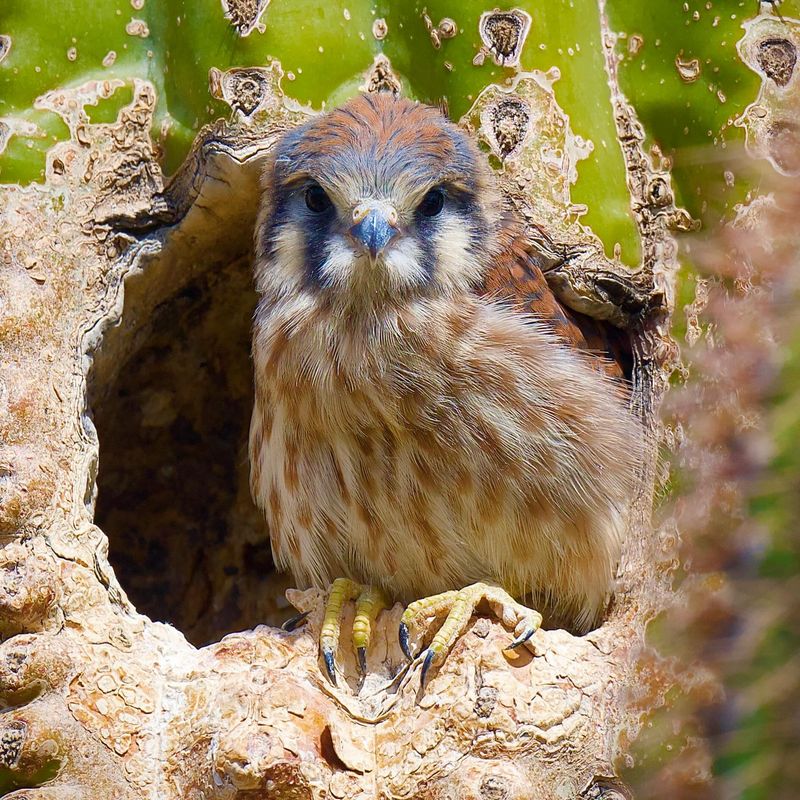
Kestrels need more than just hunting ground. Between active hunts, they look for safe, elevated spots to rest, preen, and watch the area at a relaxed pace.
Trees near garden spaces serve that purpose well.
Native desert trees like palo verde, mesquite, and desert willow offer branches at heights that kestrels commonly use.
Bare or lightly leafed branches tend to be preferred over dense canopy, since open perches give the bird better visibility in all directions.
Gardeners who have even one or two established trees near their growing area may already be providing useful resting spots. Kestrels do not need a forest.
A single tree with accessible branching at a useful height can be enough to make a yard worth returning to regularly.
Resting perches and hunting perches serve different purposes for the bird. Fence posts tend to be used actively during hunts, while trees are often chosen for quieter moments.
Having both types of perch available in or near the garden makes the overall space more functional for a visiting kestrel.
Planting a native tree near the garden edge, if space allows, can be a long-term investment. As the tree matures, it adds value not just for kestrels but for other beneficial wildlife that helps maintain a more balanced yard environment over time.
6. Their Daytime Activity Makes Them Easy To Notice
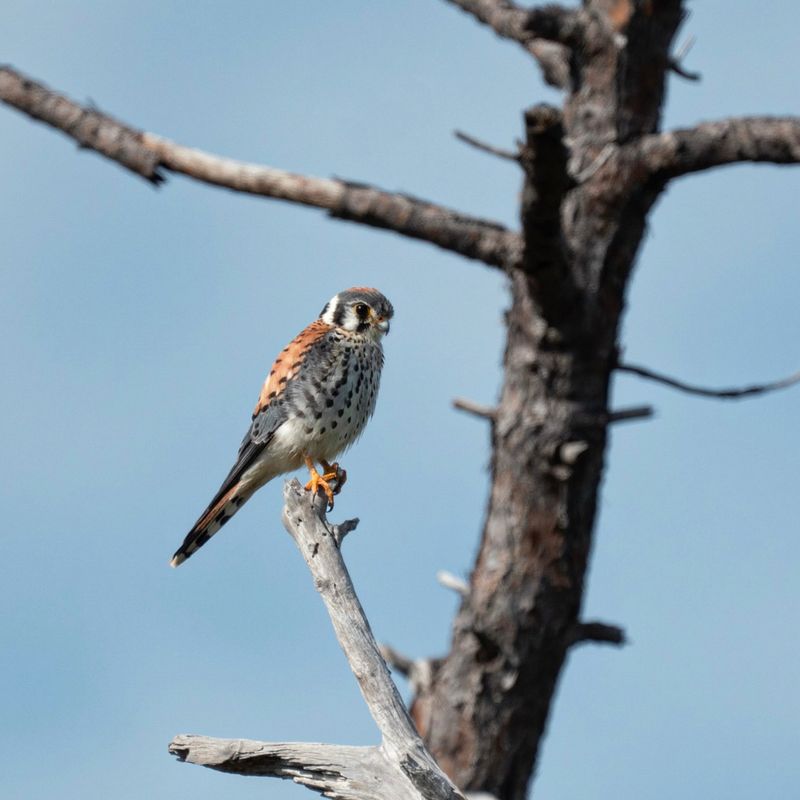
Not every beneficial bird is easy to observe. Owls work at night, and many songbirds move quickly through dense vegetation.
Kestrels are different. They are active during daylight hours and tend to hunt in open spaces where they are easy to spot.
Watching a kestrel hover is one of the more striking things a gardener can witness without leaving the yard. The bird beats its wings rapidly while keeping its head almost perfectly still, locked onto something below.
That hovering behavior is a reliable sign that active hunting is happening nearby.
Being able to observe the bird regularly makes it easier to track its patterns.
Gardeners can note which areas of the yard get the most attention, which times of day the bird is most active, and whether its visits become more frequent at certain points in the growing season.
Kestrels in Arizona tend to be present year-round in many parts of the state, though individual birds may shift their ranges seasonally. Some individuals stay in the same territory for extended periods if the hunting is reliable.
A gardener who provides good perch spots and avoids disturbing the bird unnecessarily may find that a kestrel becomes a fairly consistent presence in the yard over several months.
7. Having Kestrels Nearby Can Add Natural Balance To The Yard
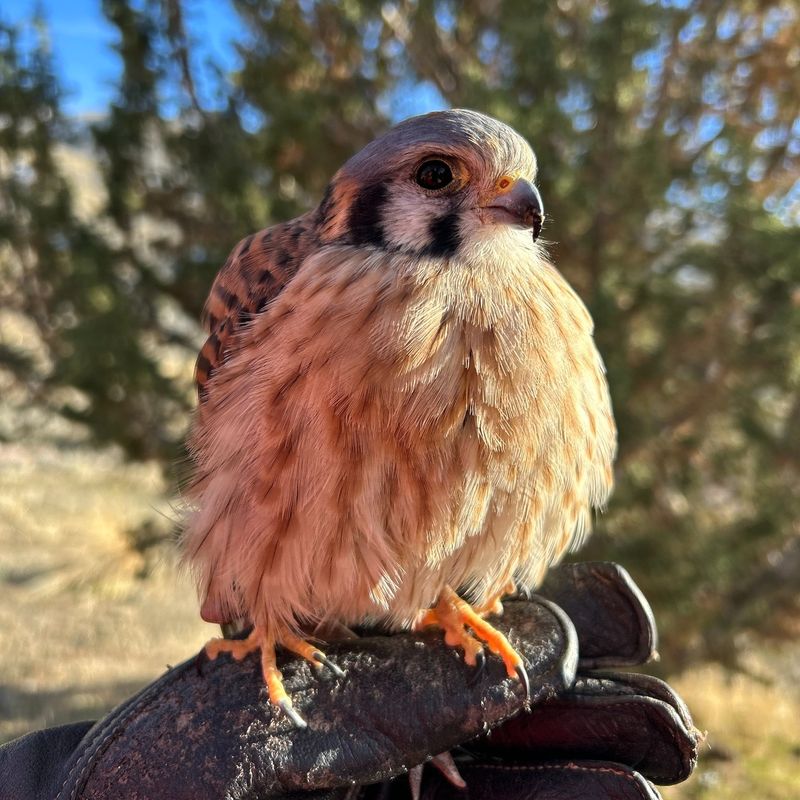
A yard that attracts kestrels is usually a yard that offers something worth staying for. Open space, reliable prey, and safe perches tend to come together in gardens that are managed with some awareness of the local environment.
Kestrels do not replace other pest management approaches, and expecting them to solve every garden problem would be unrealistic.
What they do offer is a layer of natural activity that can reduce certain pest pressures over time, particularly from grasshoppers, large beetles, and small rodents that visit garden beds.
Reducing or avoiding broad-spectrum pesticide use in the garden can make kestrel activity more sustainable. When pesticides reduce prey populations heavily, hunting birds have less reason to stay in the area.
Keeping some prey available, even while managing pest levels, supports the kind of natural balance that benefits the garden long-term.
Water sources nearby can also be helpful. A shallow dish or small birdbath placed in an open, visible spot gives kestrels and other wildlife a reason to linger.
Keeping it clean and refilled regularly takes minimal effort but adds real value to the yard as habitat.
Gardeners who approach their outdoor space as a small ecosystem tend to notice more of these connections over time. Kestrels are one piece of that picture, and a genuinely interesting one to watch.