The Meaning Behind Carolina Wrens Nesting In Your Texas Yard
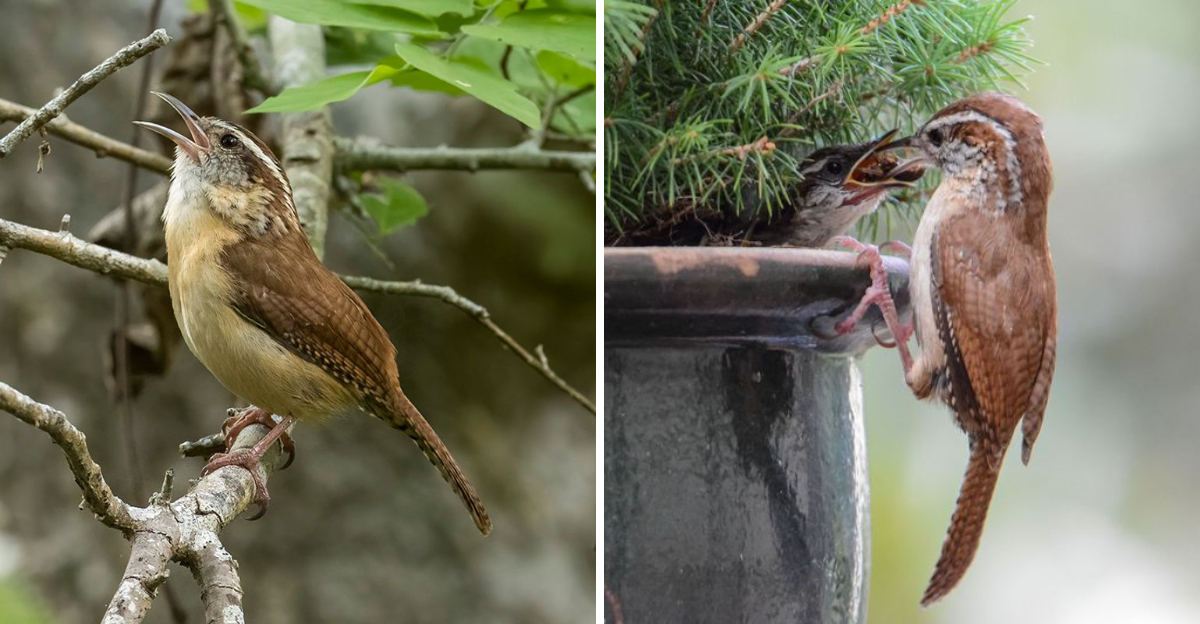
Finding a Carolina wren nest tucked into an unexpected corner of your Texas yard is one of those backyard discoveries that feels like a small gift. Inside a hanging basket, wedged behind a garden tool, nestled into a wreath on the front door.
Carolina wrens choose their nesting spots with a boldness and creativity that catches most homeowners completely off guard, and the discovery of a nest almost always prompts the same reaction.
Quiet delight, immediately followed by questions. Why here? Why this spot?
And what does it mean that these birds chose your yard out of all the available options in the neighborhood?
A Carolina wren selecting your Texas yard for a nest is not random. These are territorial, highly selective birds, and the yards they choose for nesting reflect very specific conditions your property is providing.
Their choice says something real about the habitat quality, the shelter, and the overall character of your outdoor space.
Beyond the practical, Carolina wrens carry rich symbolic meaning across many of the traditions deeply rooted in Texas life.
1. Your Yard Offers Safe Nesting Shelter
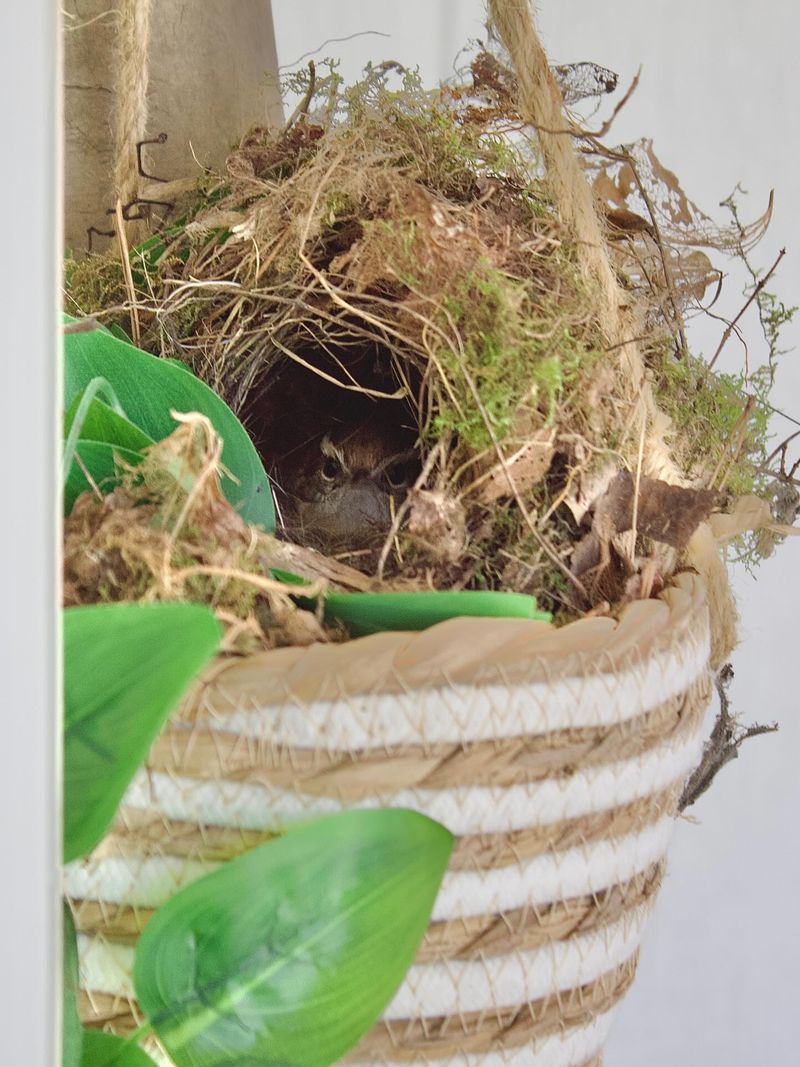
Picture a tiny bird squeezing into a hanging basket on your porch and thinking, “This is perfect.” That is exactly what a Carolina Wren does when it finds your yard. These small birds are always on the lookout for snug, sheltered spots that feel safe and out of the way.
Carolina Wrens love enclosed or semi-enclosed spaces. They are not picky about what the space looks like, but they do care about feeling protected.
Flowerpots, old boots left on a shelf, open toolboxes, garden sheds, and birdhouses are all fair game. If there is a cozy cavity somewhere in your yard, a Carolina Wren may claim it before you even notice.
What makes your yard stand out is that it provides the kind of cover these birds need most. Wrens prefer spots that are shielded from rain and wind and hidden from potential threats. A porch with hanging baskets or a cluttered shed corner is like a luxury apartment to them.
Having a Carolina Wren nest in your yard means your space is giving off all the right signals. Your outdoor area feels safe, stable, and sheltered enough for a pair of birds to trust with their eggs and chicks. That is a genuine compliment from nature.
You can make your yard even more welcoming by putting up a small wren-sized birdhouse with an entry hole about one and a half inches wide. Wrens will also appreciate shelves or ledges in covered areas.
Once they feel secure, they will return season after season, filling your yard with their cheerful, loud songs.
2. Your Garden Has Plenty Of Insect Life
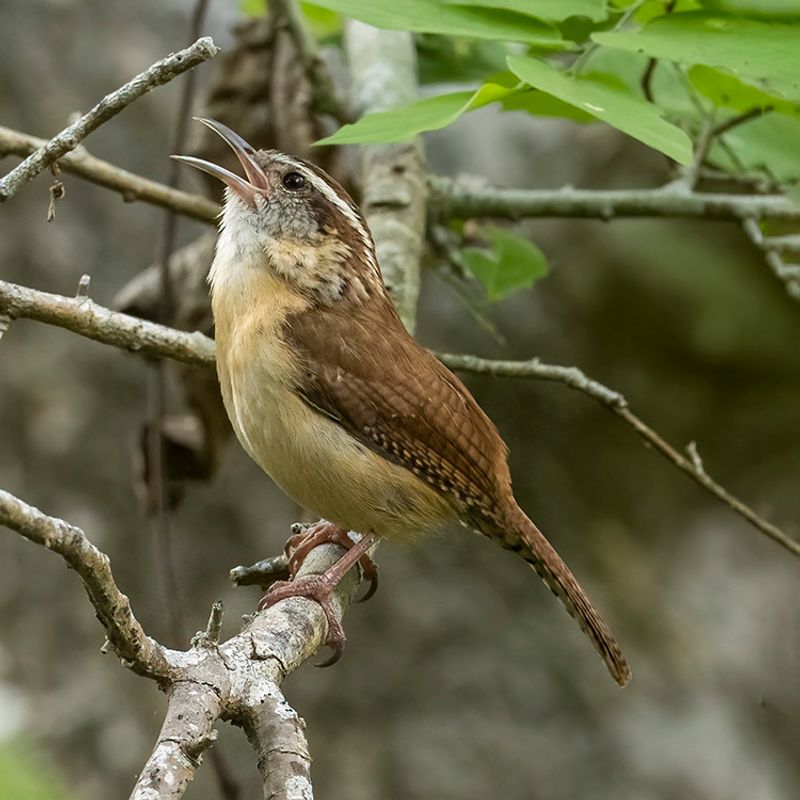
Wrens are basically nature’s pest control team, and they showed up at your yard for a reason. Carolina Wrens are insectivores, which means bugs make up the bulk of their meals.
When a wren decides to nest somewhere, it is because the food supply nearby is reliable and rich.
Your Texas Garden Changes Every Week. Your Plan Should Too.
Gardening in Texas changes quickly throughout the season. Every Friday you’ll receive a simple weekly plan showing exactly what to plant, prune, fertilize, harvest, and protect so you never miss the right timing.
Your garden is likely teeming with the kinds of creatures wrens love. Caterpillars, beetles, crickets, spiders, grasshoppers, and ants are all on the menu.
Wrens forage low to the ground, flipping over leaves, poking into bark, and scouring mulch piles for their next meal. A yard with leaf litter, garden beds, and natural ground cover is like a buffet for them.
When wrens have chicks in the nest, they need a steady, nearby food source. Adult wrens make dozens of trips back and forth every single day, bringing insects to their hungry nestlings.
A garden close to the nest makes that job much easier and keeps the whole family well-fed. If your yard is full of native plants, you are doing something really right. Native plants attract native insects, and native insects attract wrens.
Pesticides, on the other hand, can reduce the insect population and make your yard less appealing. Cutting back on chemical sprays is one of the best things you can do to support a nesting pair.
Keeping a small compost pile or leaving some leaf litter in garden corners can also boost insect activity. It may look a little messy, but to a Carolina Wren, it looks like home.
Your bug-friendly garden is one of the biggest reasons these birds chose your yard over someone else’s.
3. Dense Plants Are Providing Valuable Cover
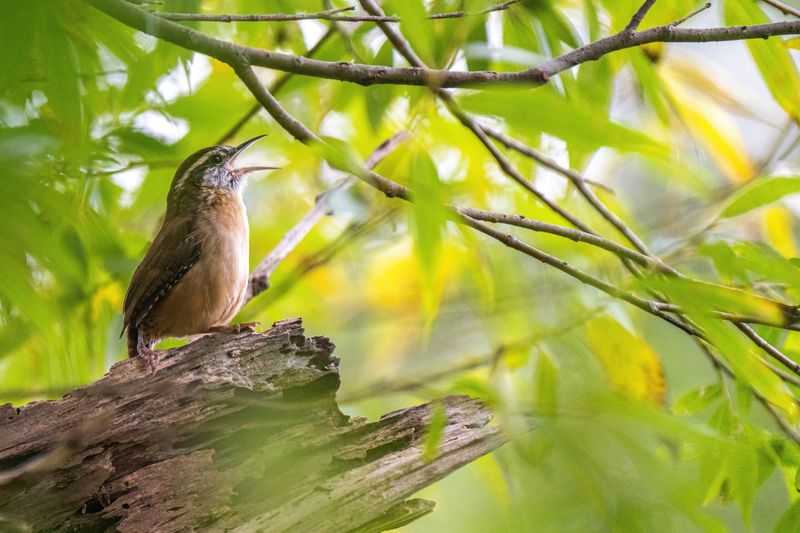
Not every yard earns a Carolina Wren’s approval, but yours did. One big reason might be the plants growing in your space.
Wrens are drawn to dense, layered vegetation because it gives them places to hide, rest, and hunt without feeling exposed.
Shrubs, vines, thick ground cover, and brushy hedgerows are exactly what Carolina Wrens are looking for. They like to stay close to the ground and move through tangled vegetation like little feathered explorers.
Open, manicured lawns with few plants do not appeal to them much. But a yard with some wild edges and bushy corners? That is wren paradise.
Dense plants serve two important purposes for wrens. First, they offer cover from hawks, cats, and other threats.
Wrens are small and fast, but they still need places to duck into quickly when danger appears. Second, thick vegetation is where insects like to hide, which means more food within easy reach.
Texas native plants like yaupon holly, beautyberry, coral honeysuckle, and wax myrtle are excellent choices for attracting wrens. These plants grow thickly and produce berries or flowers that attract insects.
Planting even a small cluster of natives in one corner of your yard can make a big difference.
You do not need a forest in your backyard to keep wrens happy. Even a few overgrown corners, a trellis covered in vines, or a row of dense shrubs along a fence can do the trick.
The key is giving these birds layered, textured spaces where they feel comfortable moving around freely. Your existing plant life is clearly doing that job well, and the wrens have taken notice.
4. A Pair May Have Claimed Your Yard As Territory
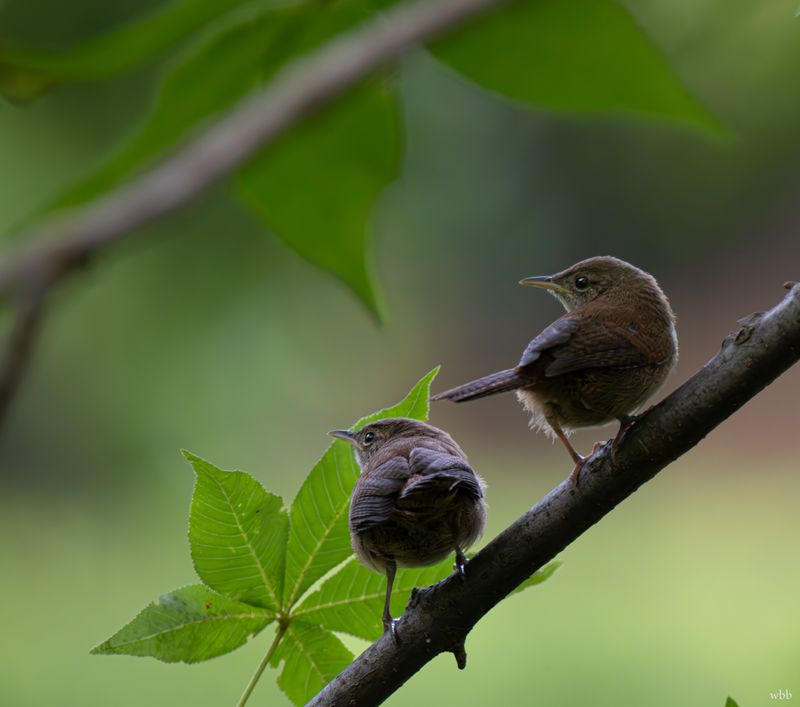
Loud, bold, and surprisingly territorial for such a small bird, the Carolina Wren does not share its space easily.
If you keep hearing the same energetic, repeating song coming from your trees or fence line, there is a good chance a bonded pair has decided your yard belongs to them.
Carolina Wrens form strong pair bonds and stay together year-round, which is different from many other songbirds that only pair up during breeding season. Once a pair claims a territory, they actively defend it.
The male sings constantly, sometimes belting out his song dozens of times in a row, to announce ownership and warn other wrens to stay away.
Seeing the same two birds visiting your yard repeatedly is a solid clue that you have a resident pair. They will patrol the same routes, check the same hiding spots, and revisit the same food-rich areas day after day.
Over time, you may start to recognize their patterns and even their favorite perches. Having an established pair in your yard is genuinely exciting. It means your outdoor space has met all their standards for a permanent home base.
They are not just passing through. They have evaluated the shelter, food, cover, and safety of your yard and given it a thumbs up.
To keep the peace and encourage them to stay, try not to make sudden dramatic changes to your yard during nesting season. Removing large shrubs or doing major landscaping work can disrupt a territory and push the pair to relocate.
Keeping things stable and consistent helps a bonded pair feel confident that your yard is worth defending all year long.
5. You Could See More Than One Brood
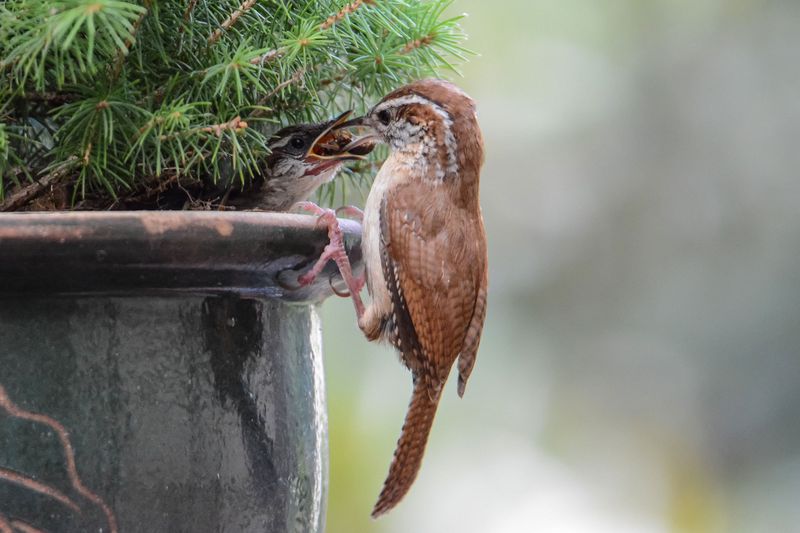
Here is something that might surprise you: Carolina Wrens are ambitious parents. Unlike birds that raise just one family per year, Carolina Wrens can successfully raise two or even three broods in a single breeding season.
If a nest is doing well in your yard, you may be in for several months of wren activity. Breeding season for Carolina Wrens in Texas typically runs from early spring through late summer.
The female builds the nest, lays between four and six eggs, and incubates them for about two weeks.
Once the eggs hatch, both parents work hard to feed the chicks until they are ready to leave the nest, which usually takes another couple of weeks.
After one brood fledges, the pair may start the whole process over again fairly quickly. Sometimes they reuse the same nest.
Other times they build a fresh one nearby. Either way, a yard that supported one successful brood is very likely to see another one before the season ends.
Watching multiple broods grow up in your yard is a rewarding experience. You get to observe the full cycle of nesting, hatching, and fledging more than once.
Each time, the young wrens leave the nest with a little more confidence and explore your yard on wobbly legs before they eventually head out on their own.
Keeping your yard consistent during this time really matters. Avoid moving planters that might hold a nest, and hold off on heavy pruning near nesting areas.
The less disruption the adults experience, the better their chances of raising multiple healthy broods. Your patience and care can make a real difference in their success.
6. The Nest Is Best Left Undisturbed
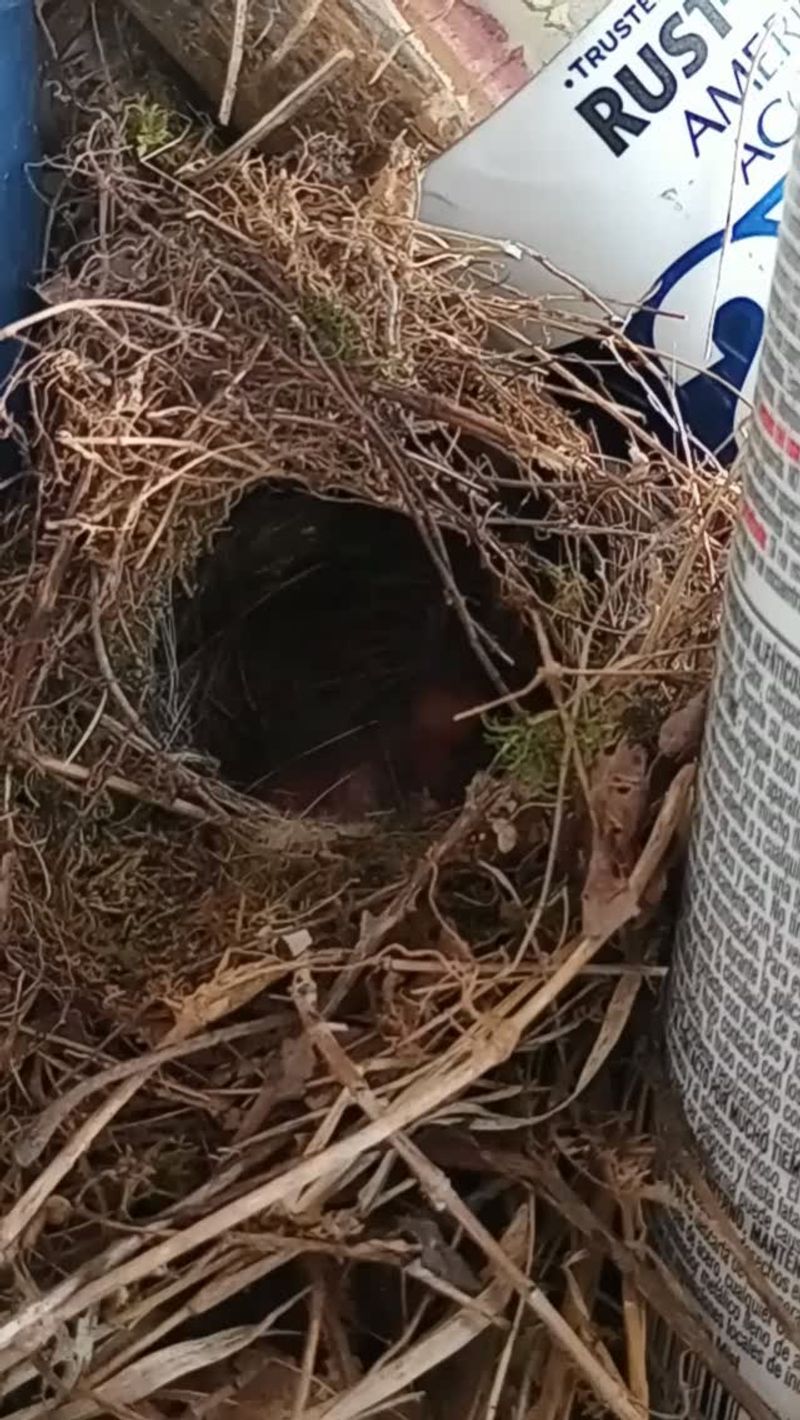
Finding a bird’s nest in your yard feels magical, and the temptation to take a closer look is completely understandable. But when it comes to Carolina Wrens, giving the nest plenty of space is one of the most helpful things you can do.
These birds are devoted parents, but they can be sensitive to repeated disturbance. If the nest is inside a hanging basket or flowerpot you use regularly, try to shift your routine just a little. Water the plant from the side rather than directly overhead.
Avoid moving the container once eggs have been laid. Even small disruptions done too frequently can cause adult wrens to become stressed and less attentive to their chicks.
Keeping pets away from the nesting area is also really important. Cats and dogs can startle the adults and make them feel unsafe, even if they never actually reach the nest.
A relaxed adult wren is a better provider, so reducing nearby threats helps the whole family thrive.
Resist the urge to check the nest too often. Peeking inside once in a while is generally fine, but daily inspections add up and can unsettle the adults.
A good rule of thumb is to observe from a distance using binoculars or a camera with a zoom lens. You will still get to enjoy the experience without causing any harm.
Once the chicks have fledged, which usually takes around two weeks after hatching, you can clean out the nest if needed. At that point, the young wrens have moved on and the adults may be preparing for their next brood.
Your patience during nesting season is a small effort that pays off in a big way for these cheerful little birds.