Why Automatic Sprinklers Can Hurt Your North Carolina Garden In August
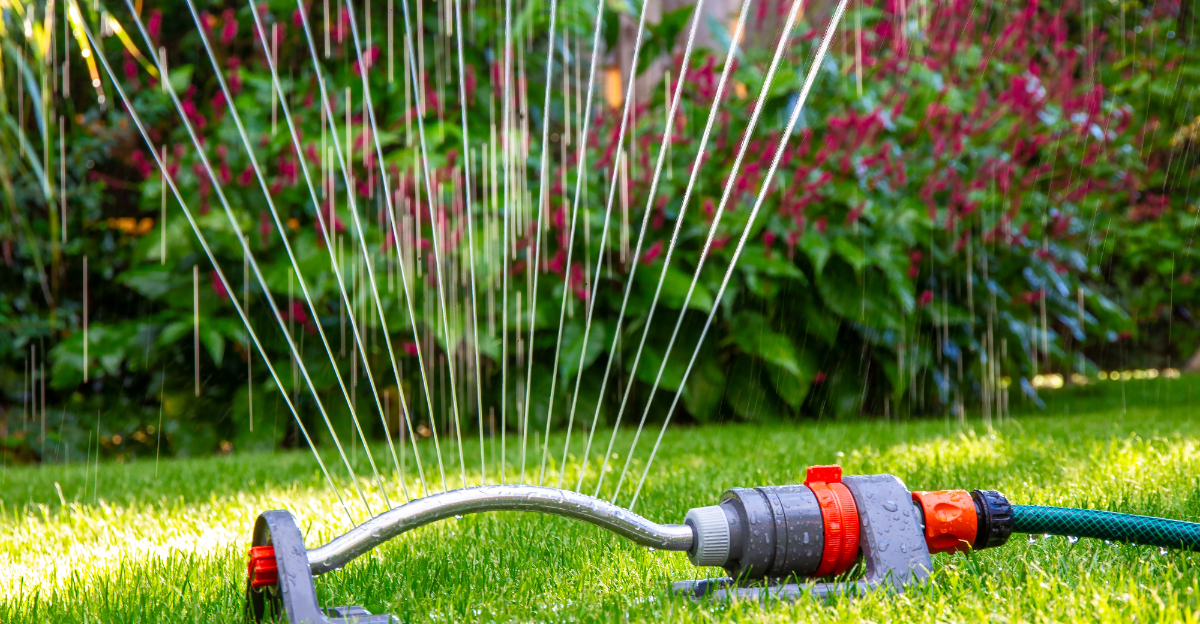
Automatic sprinklers feel like the ultimate convenience, quietly watering your North Carolina garden on a set schedule while you go about your day.
Many gardeners install them expecting nothing but healthier plants and one less chore to worry about each morning.
But August brings a specific set of conditions that can turn this convenient system into a hidden source of trouble. What works perfectly in spring doesn’t always translate well once summer humidity and heat settle in for good.
Some gardeners notice their plants struggling more with sprinklers running than they ever did with a simple watering can. The timing, the coverage, and even the type of watering itself can all play a role in what’s actually happening beneath the surface.
Understanding this shift could change how you think about your entire irrigation setup. What seems helpful on the surface may be working against your garden in ways you haven’t considered yet.
1. They Ignore Summer Rain
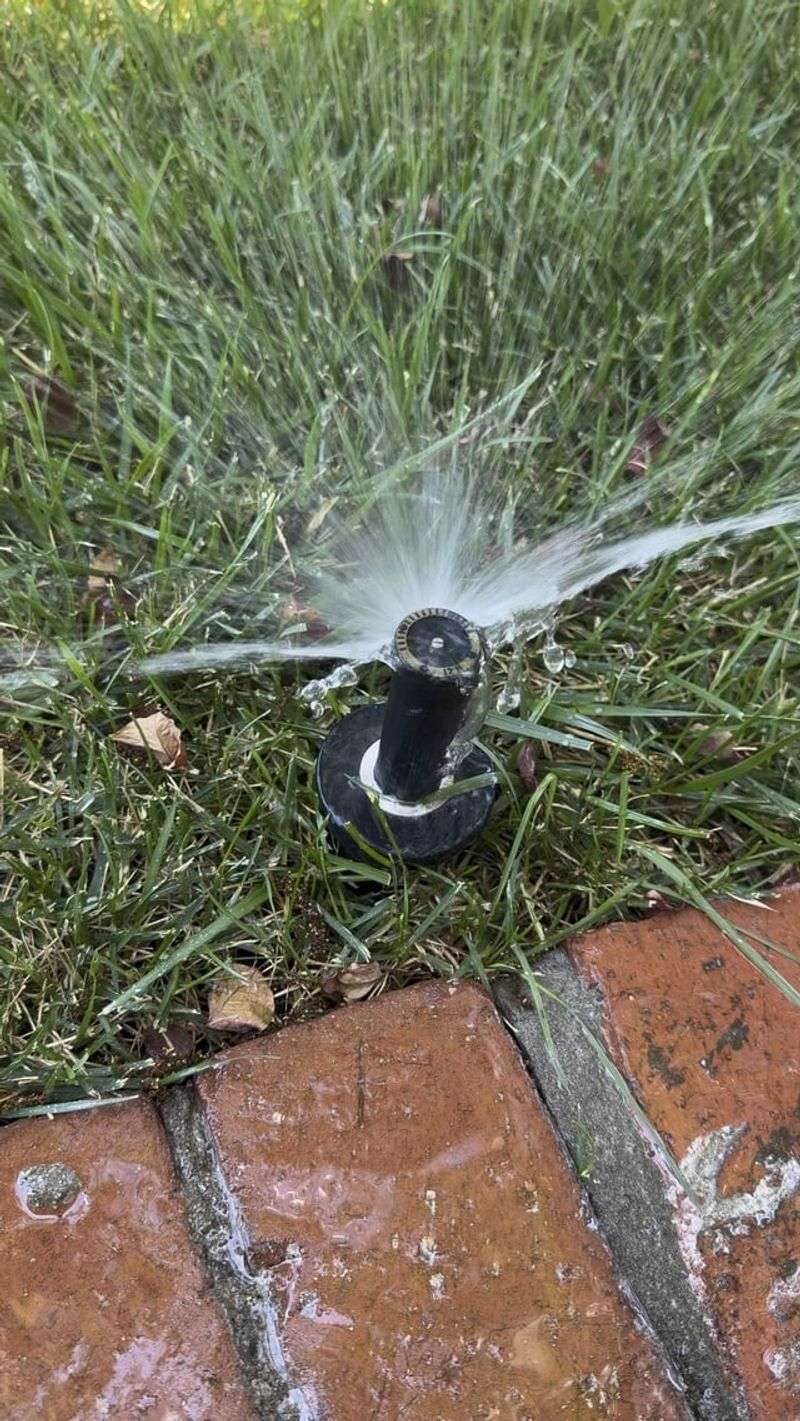
Picture your sprinklers turning on at 6 a.m. while last night’s thunderstorm already soaked the soil. That extra water has nowhere to go, and your plants end up sitting in a puddle they never asked for.
August in North Carolina is one of the wettest months of the year. Afternoon storms roll through often, dropping an inch or more of rain in a short time.
A timer cannot see those clouds, so it keeps spraying no matter what the weather does.
When plants get too much water, their roots struggle to breathe. Soggy soil pushes out the air that roots need, and that stress shows up as yellow leaves and weak growth.
You might think your plants need more water when they actually need less. A simple fix is to add a rain sensor to your system. This little device pauses the sprinklers when it detects enough moisture, saving both water and your plants.
Many models are cheap and easy to attach. If you do not have a sensor yet, check the forecast each week and turn off the timer before big storms. It takes just a minute and makes a real difference.
You can also keep a rain gauge in your yard. When it shows an inch of rain over the week, your garden probably does not need any extra help from the hose.
Paying attention to the sky keeps your plants strong and your water bill low all summer long.
2. Wet Leaves Invite Disease
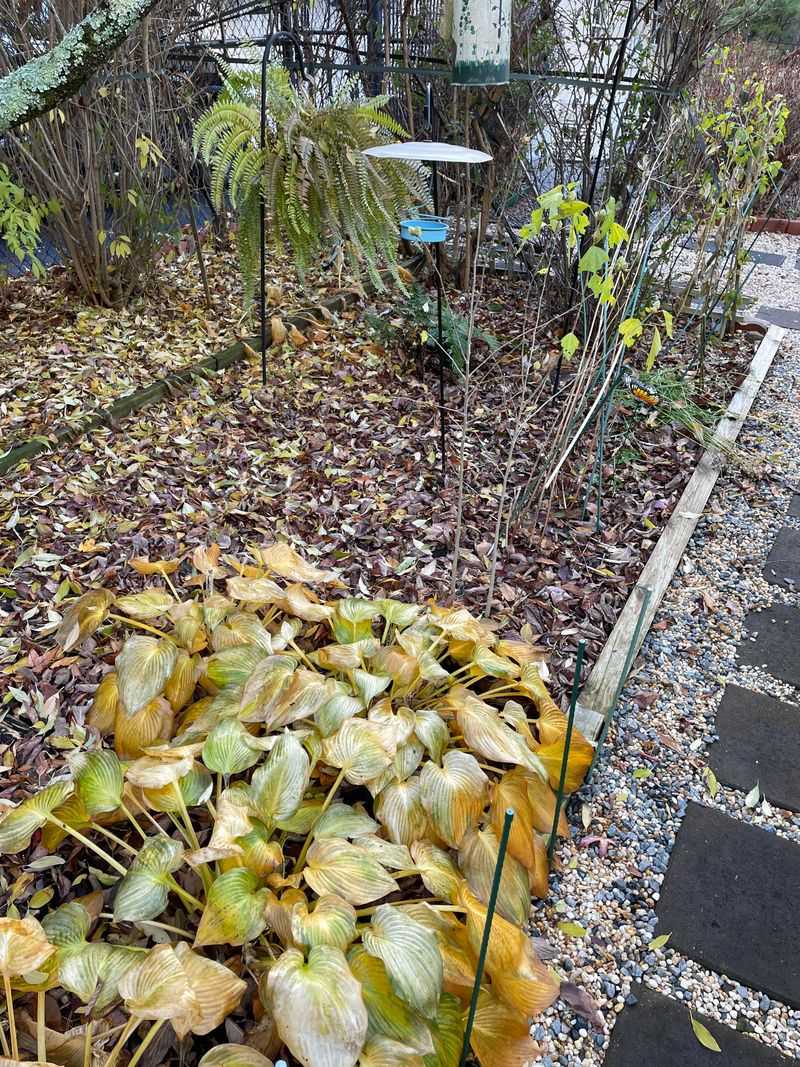
Overhead sprinklers do more than water the ground. They soak the leaves too, and wet leaves in the August heat become a playground for fungus and mildew.
North Carolina summers are humid, which means the air already holds a lot of moisture. When you add sprinkler spray on top of that, foliage stays damp for hours.
Fungal spores love those conditions and spread fast across tomatoes, squash, roses, and many other favorites.
You may notice spots on leaves, powdery white coatings, or fuzzy patches that were not there before. These problems weaken plants and can ruin your harvest before you get to enjoy it.
Your North Carolina Garden Changes Every Week. Your Plan Should Too.
Gardening in North Carolina changes quickly throughout the season. Every Friday you’ll receive a simple weekly plan showing exactly what to plant, prune, fertilize, harvest, and protect so you never miss the right timing.
The smart move is to water the soil, not the plant. Aim your hose or drip line at the base of each plant so the roots drink while the leaves stay dry. This one change cuts down on disease in a big way.
If you must use overhead sprinklers, run them early in the morning. The sun and breeze will dry the leaves quickly, giving fungus less time to settle in and cause trouble.
Spacing your plants well also helps air move between them. Good airflow dries leaves faster and keeps humidity from building up in crowded spots.
A little cleanup goes a long way too. Remove any spotted or damaged leaves as soon as you spot them, and toss them away from the garden.
Keeping your plants dry and tidy is one of the easiest ways to protect your August garden from spreading sickness.
3. Evening Watering Stays Wet Too Long
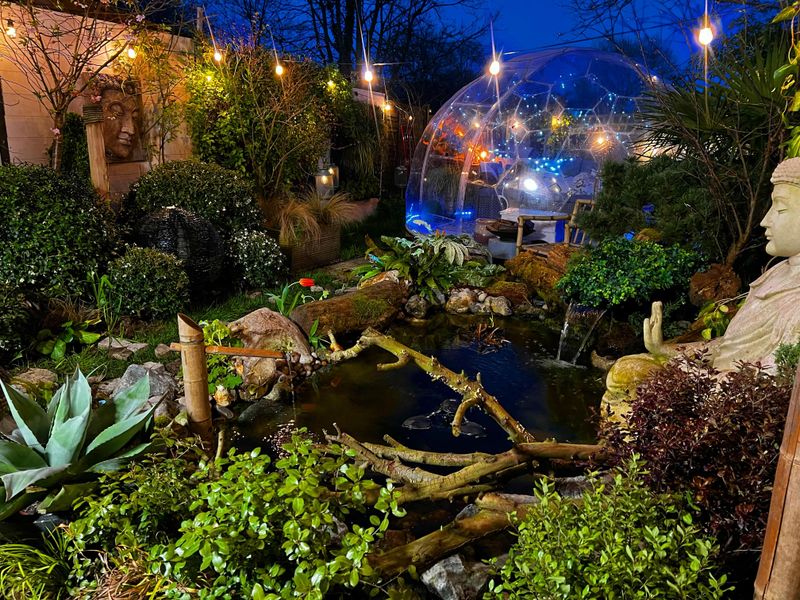
Watering in the evening feels convenient after a long day, but it can leave your plants damp all through the night. That long stretch of wetness invites trouble.
Once the sun goes down, there is no warmth or bright light to dry things out. Leaves and soil stay soggy for many hours, and that is exactly when fungus and mold grow best. Slugs and snails also come out at night and love a moist garden.
Early morning is the golden hour for watering. When you water around sunrise, plants soak up moisture before the heat of the day arrives. The rising sun then dries the leaves gently, leaving no soggy surprises behind.
Morning watering also means less water is lost to evaporation. Because the air is cooler and calmer at dawn, more of the water reaches the roots instead of floating away as steam.
If mornings are too busy for you, set your timer to run between 4 a.m. and 8 a.m. Your plants will get the perfect drink while you are still asleep, and everything will be dry by mid morning.
Try to avoid watering right before bedtime, especially during humid August nights. The combination of darkness and heavy air keeps everything wet far too long.
Making this small switch in timing can protect your garden from a whole list of problems. Your plants will look fresher, hold fewer pests, and face far less disease when they start each day dry and ready to grow.
4. Daily Watering Can Be Too Much
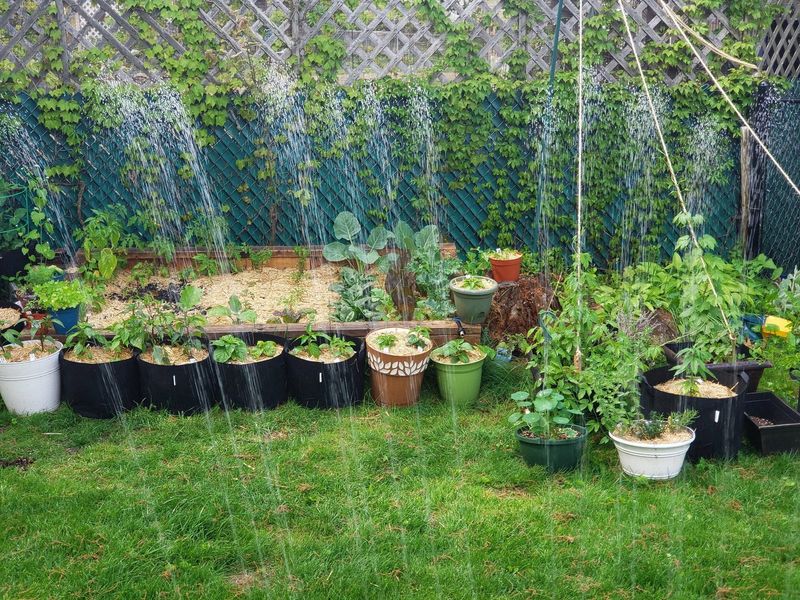
It seems caring to water your garden every single day, but too much of a good thing can backfire. Most grown plants prefer a long, deep drink over frequent little sips.
When sprinklers run daily, the water only wets the top few inches of soil. Roots then stay shallow because they never need to reach down for moisture.
Shallow roots make plants weak and unable to handle heat waves. Deep watering works differently. When you soak the soil well two or three times a week, water sinks far down.
Roots follow that moisture and grow deeper, which builds stronger, tougher plants that handle August stress with ease.
Established shrubs, trees, and perennials especially benefit from this approach. Their big root systems can pull water from deep in the ground, so they do not need daily attention at all.
To check if you are watering enough, push a finger a few inches into the soil after watering. It should feel moist well below the surface, not just on top.
Cutting back on how often you water also saves you money and time. You use less water overall while giving your plants exactly what they need to thrive.
Newly planted seedlings are the one exception since their tiny roots dry out fast. Once they settle in and grow bigger, you can slowly stretch out the time between waterings.
Training your plants to drink deeply is one of the best gifts you can give your garden during the hottest part of summer.
5. Clay Soil Can Turn Soggy
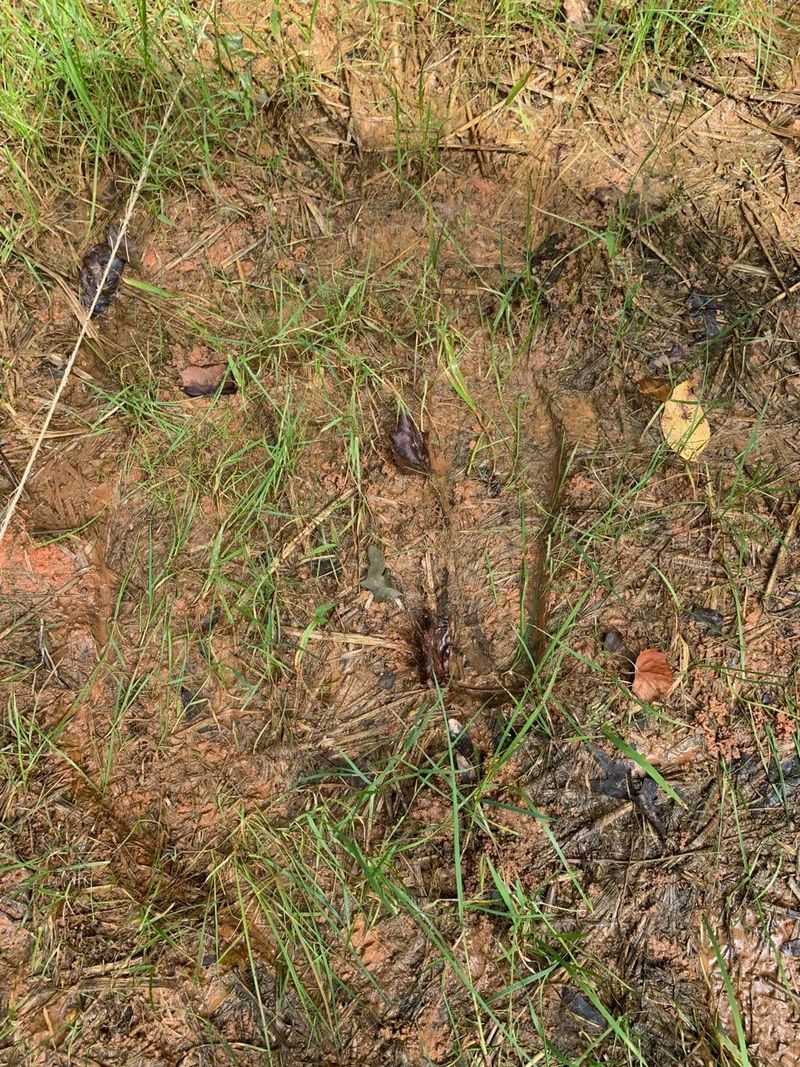
North Carolina is famous for its thick red clay, and while it holds nutrients well, it drinks water very slowly. That slow pace causes big problems when sprinklers pour on too much too fast.
Clay is made of tiny, tightly packed particles. Water cannot soak in quickly, so it pools on the surface or runs off toward the sidewalk. Your plants miss out while the water goes to waste.
When clay finally does soak up water, it holds onto it for a long time. Frequent sprinkler runs keep that soil constantly wet, and roots sitting in soggy clay begin to rot.
The trick with clay is to water slowly and in short bursts. Run your system for a few minutes, let the water sink in, then run it again. This gives the soil time to absorb every drop.
Adding compost to your beds also works wonders. Organic matter loosens up heavy clay, letting water and air move through more easily. Over time, this makes your soil healthier and easier to work with.
Mulch spread on top helps too. It slows down runoff and keeps moisture from vanishing in the heat, so the water you do add actually reaches the roots.
Before you water at all, dig down a couple inches to see how wet the clay already is. You will often find it still holds plenty of moisture from days ago.
Understanding how your clay behaves helps you avoid drowning your plants and keeps your garden growing strong through August.
6. Sprinklers Can Miss The Roots
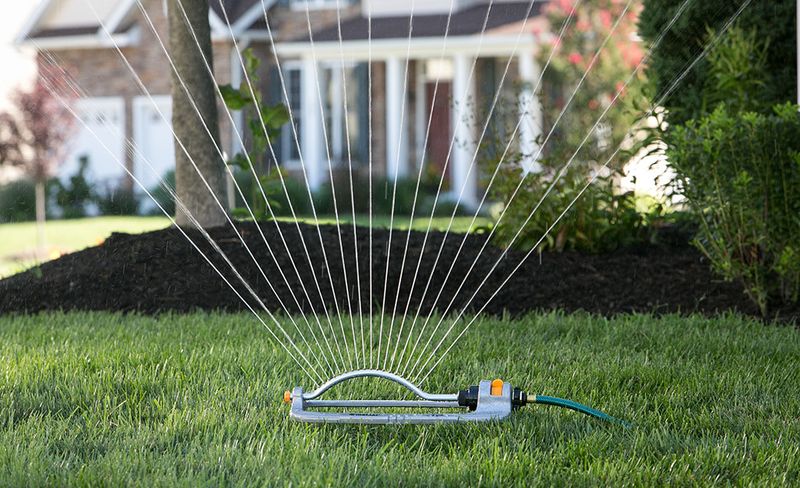
Watching sprinklers arc across the yard looks refreshing, but a lot of that water never reaches the place plants need it most. Much of it drifts away before doing any good.
On hot August afternoons, water sprayed high into the air evaporates fast. A breeze can carry droplets onto the driveway or fence instead of the garden. You end up paying for water that your plants never taste.
Roots live underground, and that is where moisture matters. Overhead spray wets the leaves and the top of the soil, but the deep roots may stay thirsty even after the sprinklers finish.
Drip irrigation solves this puzzle beautifully. These systems release water slowly right at the base of each plant, sending it straight down to the roots. Almost nothing is lost to wind or sun.
Soaker hoses work in a similar way. They ooze water gently along their length, keeping the soil evenly moist without wasting a drop on the leaves above.
Switching to drip watering also keeps foliage dry, which means fewer disease problems as a bonus. Your plants get exactly what they crave with less effort from you.
Setting up a drip system is easier than many people expect. Simple kits from the garden store connect to your regular hose and lay right on top of the soil under mulch.
Getting water to the roots instead of the air makes every gallon count. Your garden stays greener, your water bill shrinks, and your plants grow happier all season long.
7. The Schedule Should Follow The Soil
A sprinkler timer is a handy tool, but it has one big flaw. It follows the clock, not the actual needs of your garden.
Weather changes from day to day, especially in a North Carolina August. One week might be dry and scorching, while the next brings storm after storm. A timer set in June has no idea what is happening now.
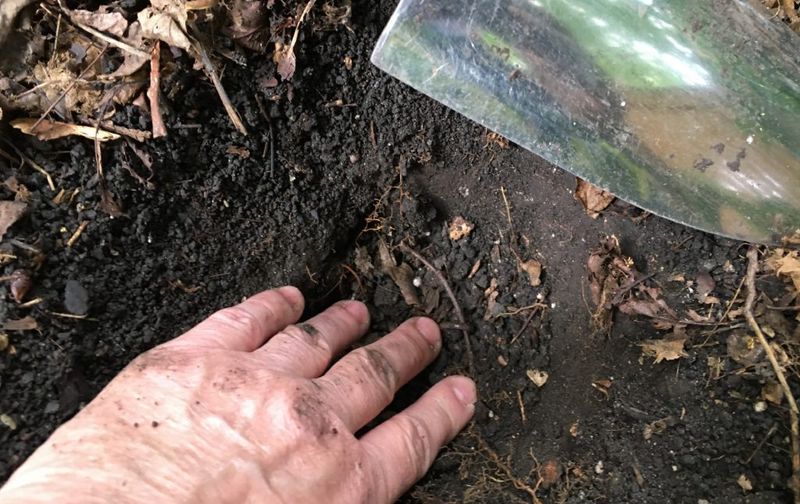
The best gardeners let the soil be their guide. Before turning on any water, they check how moist the ground already is. A quick finger test tells you far more than any timer ever could.
Push your finger about two inches into the soil near your plants. If it feels damp, skip watering for the day. If it feels dry and crumbly, then it is time to give your garden a drink.
Checking the forecast is just as smart. When rain is on the way, hold off on watering and let the sky do the job for free.
You can also use a simple moisture meter if you like gadgets. These little probes show you exactly how wet the soil is at root level in seconds.
Treat your timer as a helper, not a boss. Adjust it often as the weather shifts, and turn it off completely when nature provides enough rain.
Paying attention to your soil and sky puts you in control. Your plants will thank you with strong roots and bright leaves, and you will waste far less water keeping your August garden thriving.