Why Black Squirrels Are Taking Over Some Ohio Towns
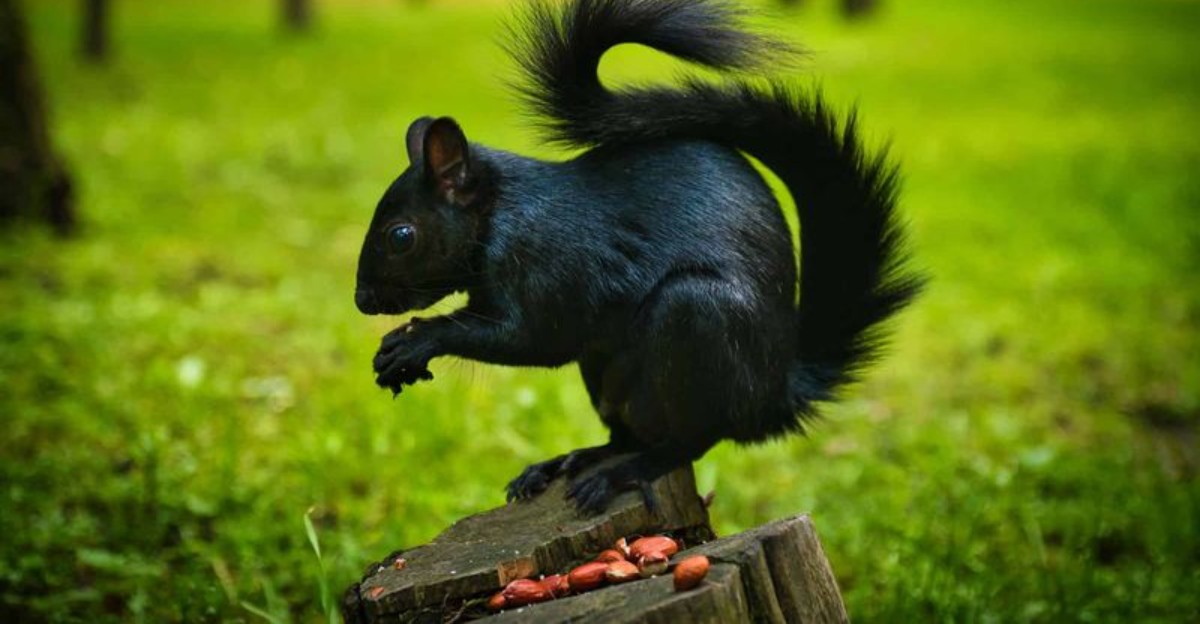
Glance out your window in certain Ohio towns and every squirrel looks dressed for a black-tie dinner.
Black squirrels aren’t a separate species, and they didn’t sneak across the border overnight. Their numbers just exploded in some places while the gray ones next door held steady.
Locals have strong feelings about them. A few towns even throw festivals in their honor.
The real story stretches back about a century and takes a few twists nobody sees coming. That dark coat comes with perks, and some of them might surprise you.
Next time one darts across your lawn, give it a second look. That fur has a past.
1. Black Squirrels Are Gray Squirrels With A Dark Coat
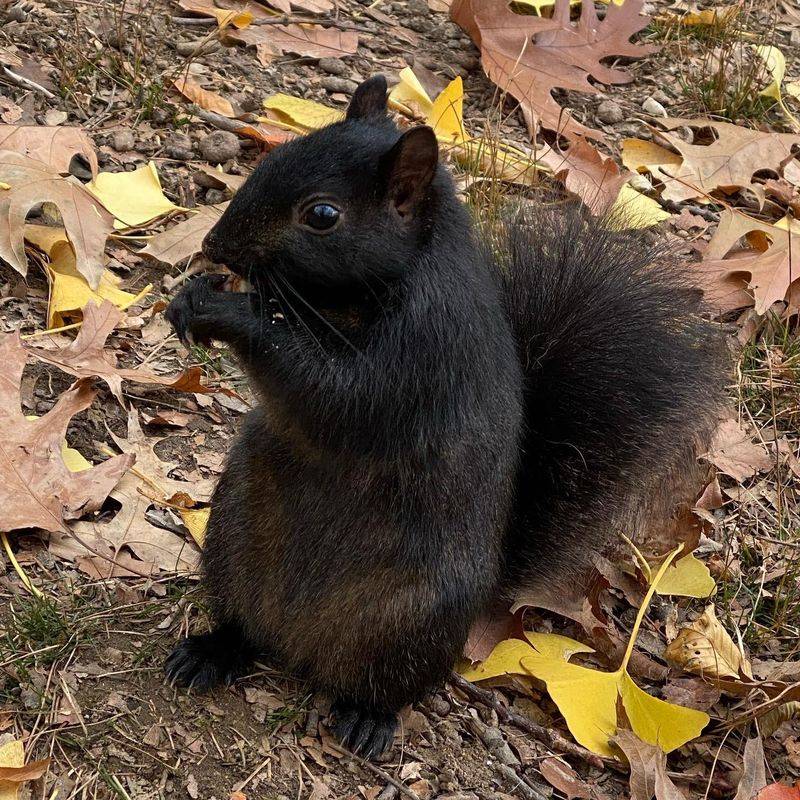
Here is a surprise that trips up plenty of people. That jet black squirrel on your fence is not a separate species at all.
Scientists call it a melanistic eastern gray squirrel. Melanistic is a fancy word that means the animal makes extra dark pigment, called melanin, in its fur.
Think of it like hair color in people. Two cousins can share the same family and still look very different, and squirrels work the same way.
The dark look comes from a small change in a gene called MC1R. In many black squirrels, a tiny section of that gene is missing, and scientists label it MC1R delta 24.
That missing piece flips a switch. The squirrel’s body starts pumping out more dark pigment than usual, and the coat turns deep brown or shiny black.
Some fox squirrels get their dark color in a slightly different way. A small change in another gene, called agouti, can also darken their fur.
Underneath the coat, a black squirrel acts like any gray squirrel. It buries acorns, builds leafy nests, and scolds your cat from a safe branch.
Want to test your eyes? Next time you spot one, watch how it moves and eats, and you will see the same habits as its gray neighbors.
2. Black And Gray Squirrels Can Share A Litter
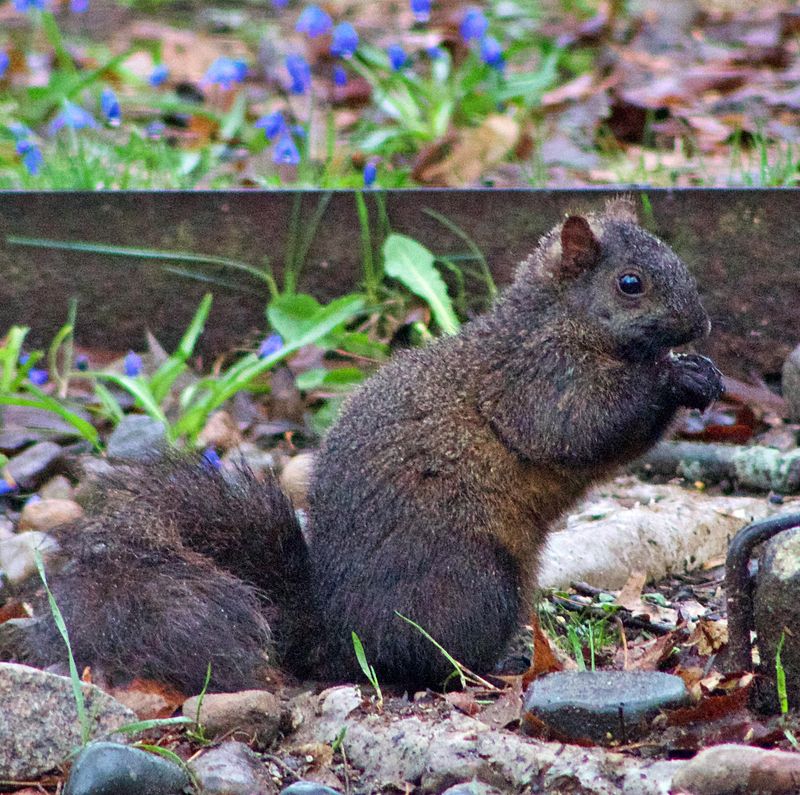
Imagine peeking into a squirrel nest and finding babies in three different colors. In parts of Ohio, that mix-and-match family is a normal sight.
Since black and gray squirrels belong to the same species, they mate with each other freely. Their babies can come out gray, brownish-black, or jet black.
The secret lies in genes passed down from each parent. Every squirrel carries two copies of the color gene, one from mom and one from dad.
A squirrel with two black copies tends to be jet black. One with a single black copy and a single gray copy often looks dark brown, sometimes with an almost auburn shine.
Gray squirrels carry two gray copies. Because the black gene is dominant, a baby needs only one black copy to show dark fur.
Here is the fun twist. Two gray parents cannot have a black baby, since neither one has a black gene to hand down.
So if you see a dark youngster in your yard, at least one parent carries that dark gene. It is a little like solving a mystery with fur instead of fingerprints.
Your Ohio Garden Changes Every Week. Your Plan Should Too.
Gardening in Ohio changes quickly throughout the season. Every Friday you’ll receive a simple weekly plan showing exactly what to plant, prune, fertilize, harvest, and protect so you never miss the right timing.
Try keeping a simple notebook of the colors you spot each spring. Over time, you may notice which shades show up most in your neighborhood.
3. Kent State Brought 10 From Ontario In 1961
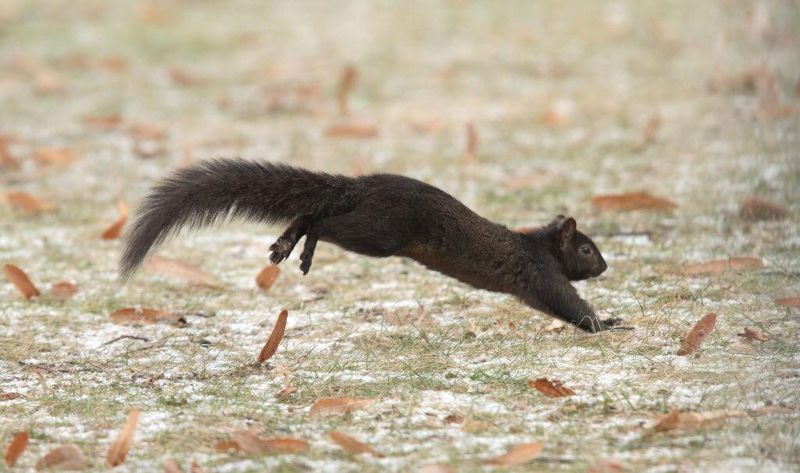
Back in February 1961, ten small passengers arrived at Kent State University. They came from London, Ontario, and they were black squirrels.
The idea started with Larry Wooddell, the campus grounds superintendent. He had noticed black squirrels fading away near Chardon, Ohio, and he wanted to bring them back.
A retired Davey Tree worker named Biff Staples helped make it happen. During a trip to Ontario, he found a thriving group of black squirrels living happily in town.
Moving wild animals across a border is not as easy as packing a suitcase. Both the United States and Canadian governments had to sign off on the plan.
The effort even got a catchy name. People called it Operation Black Squirrel, which sounds like something from a spy movie.
Why did it matter so much? Black squirrels had reportedly vanished from Ohio by around 1930, and central and eastern Ohio had no groups like the one in Ontario.
Those ten newcomers were released on campus that winter. Few people guessed how far their great-great-grandkids would travel in the years ahead.
If you ever visit Kent, take a slow walk across the campus lawns. You are standing where a big squirrel story began.
4. A Second Trip To Canada Brought Back More
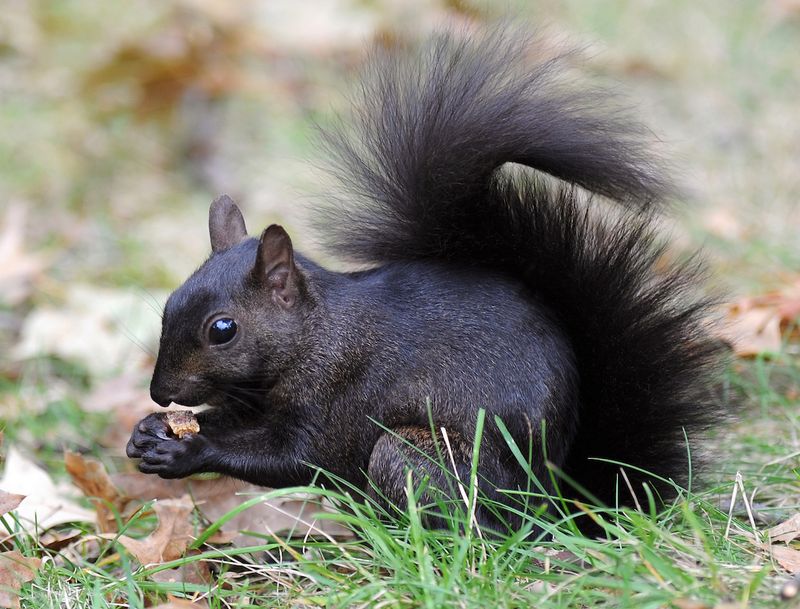
One road trip was not enough. In early March 1961, the team headed back to a park in London, Ontario, to gather more squirrels.
Adding more animals gave the young colony a better shot at success. A bigger starting group means more chances to find mates and raise families.
The plan worked better than many expected. By 1964, the campus count had reportedly climbed to about 150 black squirrels.
Part of that growth came from the dominant black gene. When black newcomers paired with local gray squirrels, many of their babies still came out dark.
The grounds crew also played helpful hosts. They hung food baskets and nesting boxes in campus trees during those early decades.
Picture a college crew carefully filling squirrel snack baskets between mowing lawns. It shows how much the campus cared about its furry guests.
Here is a lesson for backyard fans, too. Squirrels do well when they have steady food, safe shelter, and plenty of tall trees.
If you want to welcome wildlife, plant native oaks or hickories. They feed squirrels for years and help birds and insects at the same time.
Just skip piling up bread or junk food, since natural nuts and seeds keep these critters much healthier.
5. They’ve Spread Well Beyond Kent
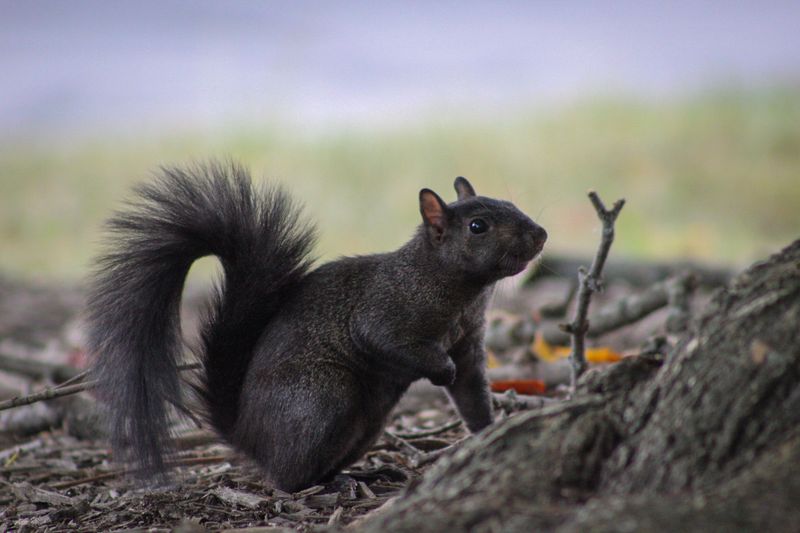
Squirrels do not read maps, but they sure know how to travel. Over the decades, the Kent colony slowly hopped from tree to tree and town to town.
Today you can spot black squirrels across much of Northeast Ohio. Sightings have popped up in Ashtabula, Solon, Cleveland Heights, Warren, Akron, and Barberton.
The list keeps going, too. People have reported them in Canton, Elyria, Zanesville, and right in the city of Cleveland.
On Cleveland’s west side, some folks say the black ones now outnumber the grays. That is quite a comeback for a group that started with a handful of crates.
Back at Kent State, the black squirrel became a beloved symbol. Many students treat it like an unofficial mascot, and you will find it on shirts, mugs, and campus decor.
Want to join the fun? Snap a photo when you spot one and note the town and date.
Some local nature groups and online maps welcome sightings from regular people. Your picture could help show how far these dark-coated travelers have roamed.
It is an easy way to become a backyard scientist. All you need is a phone, sharp eyes, and a little patience near a busy oak tree.
6. Jamestown Has A Colony Of Its Own
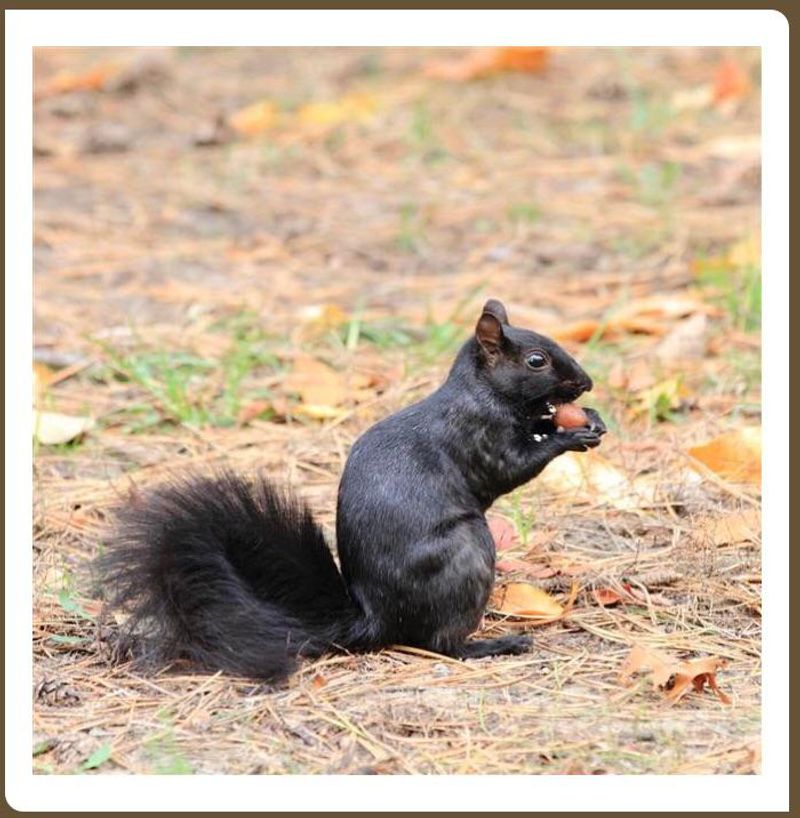
Not every Ohio black squirrel can claim a Kent family tree. Down in southwest region, the small town of Jamestown has its very own dark-furred crowd.
Local stories say two residents brought a pair of black squirrels from Michigan many years ago. That little couple got busy raising families, and the colony took off from there.
It is a charming example of how one small choice can shape a whole town. Today, visitors often smile when an inky squirrel scampers across a quiet street.
Jamestown is not alone in that part of the state. Nearby Xenia, Ohio, also hosts a colony of black squirrels.
These southern groups show something interesting. Black squirrels can do well far from the Great Lakes when they have good trees and a solid start.
Small towns often wear these critters like a badge of honor. They become part of local pride, much like a famous diner or an old covered bridge.
Planning a day trip? Bring binoculars and visit a shady park in the early morning, when squirrels are busiest.
Ask a local where they see the black ones most. Folks in towns like this usually love sharing their favorite spots and squirrel stories.
7. Dark Fur May Help Them Hold Heat In Cold Weather
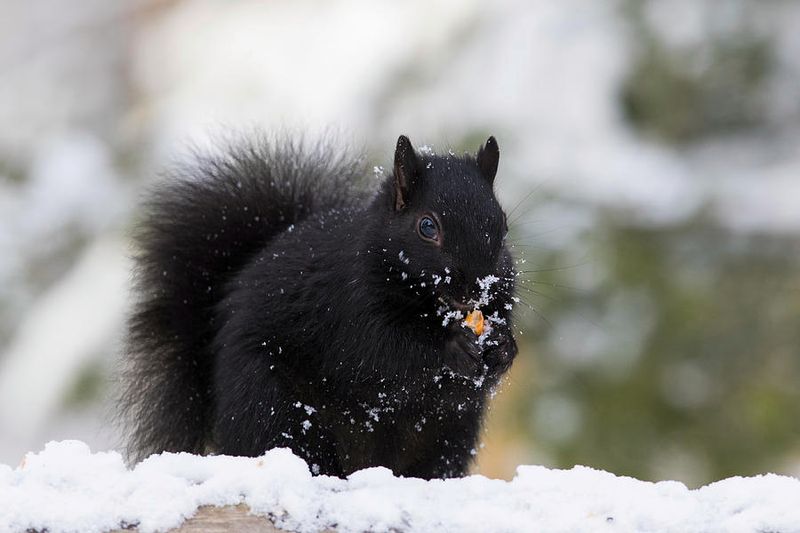
Ever worn a black hoodie on a sunny winter day? That cozy feeling might hint at one reason black squirrels thrive up north.
Research suggests dark-coated squirrels handle cold better than gray ones. In temperatures below 14 degrees Fahrenheit, they lose about 18 percent less heat.
Their bodies also run more efficiently in the chill. Scientists found about a 20 percent lower metabolic rate, which means they burn less energy just staying warm.
That saved energy pays off in a big way. Black squirrels can get moving earlier on frosty mornings and stay active longer.
More active hours mean more time to find buried nuts. In a hard winter, that extra snack time can make a real difference.
This may explain where they show up most. Black squirrels are common around the Great Lakes, Ontario, and Michigan, all places with long, snowy winters.
Ohio winters fit right into that pattern. Gray mornings and icy winds give the dark-furred crowd a small but helpful edge.
Here is a fun winter project. On a cold morning, count how many black and gray squirrels you see before breakfast.
Then try again on a warm afternoon. You might notice the early birds, or early squirrels, tend to wear the darker coats.
8. The Dark Gene May Trace Back To Fox Squirrels
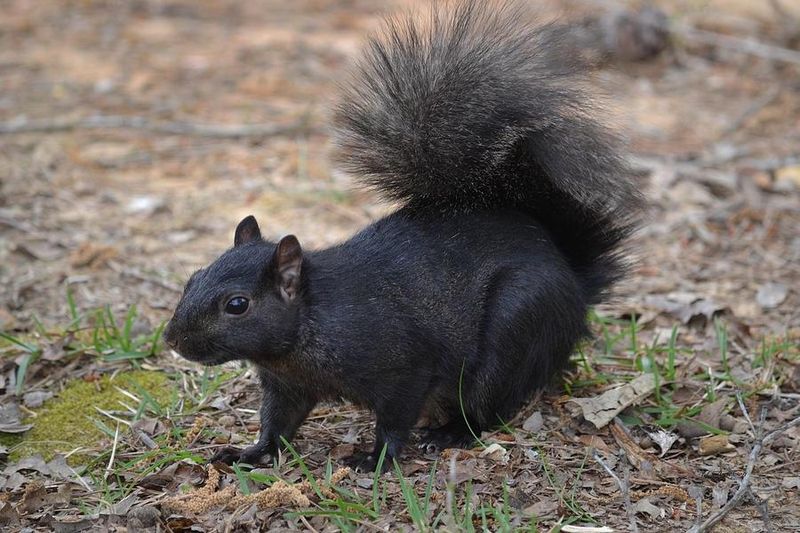
Every family has a surprise relative somewhere in its history. For black squirrels, that relative may be the fox squirrel.
Fox squirrels are a different species, often bigger with rusty orange bellies. Some fox squirrels, though, carry dark coats of their own.
A study published in BMC Evolutionary Biology compared the dark gene in both species. Researchers found the variant was identical in fox squirrels and eastern gray squirrels.
That match is a big clue. It suggests the gene likely passed from black fox squirrels into gray squirrels through mating between the two species, long ago.
The gene in question is MC1R delta 24, the same one behind the missing DNA piece. It tells the body to make extra dark pigment called eumelanin.
Picture it like a family recipe handed across neighbors. One household shared it, and now the other kitchen makes the same dish.
Scientists love puzzles like this because they show how animals change over time. A single shared gene can spread and shape how millions of squirrels look today.
If you live where fox squirrels roam, compare them with the grays. Watch for size, belly color, and tail shade, and you may spot the family resemblance yourself.
9. They Haven’t Pushed Out Ohio’s Gray Squirrels
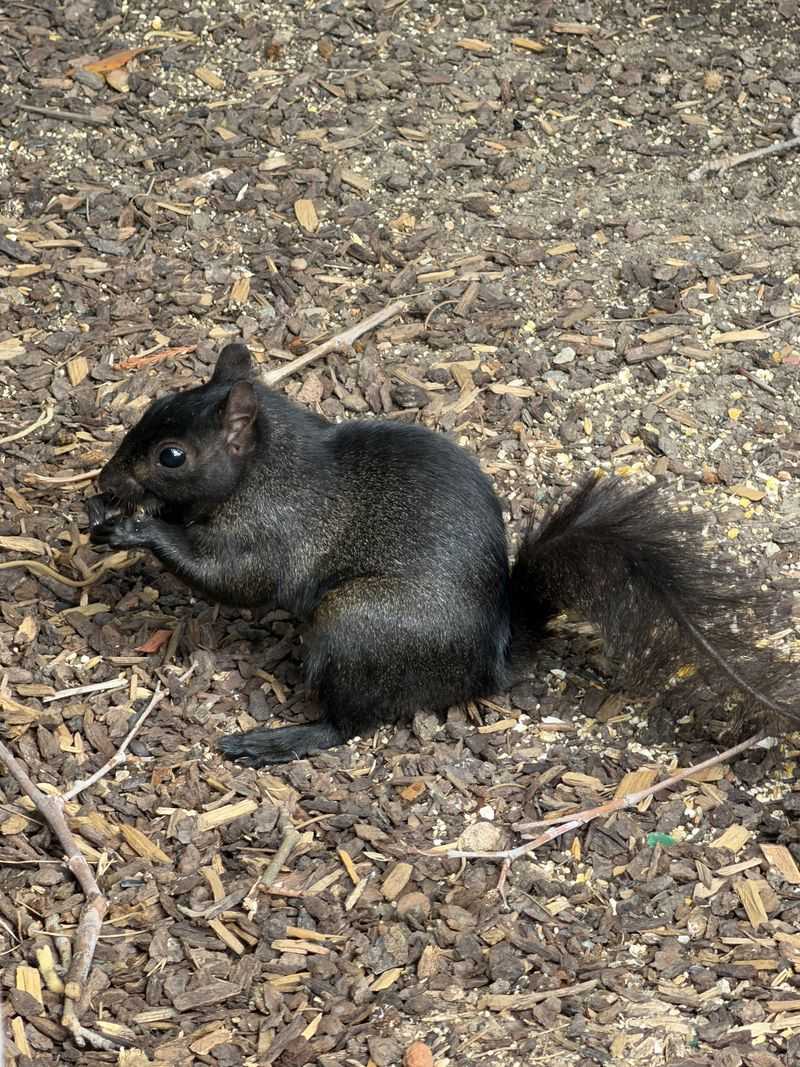
Despite the catchy headlines, this is no squirrel takeover movie. Gray squirrels are still doing just fine across the state.
Remember, black squirrels are simply a color version of the gray squirrel. They share the same trees, the same snacks, and often the same nests.
Some people say the black ones act a bit bolder or pushier. One story even claims black squirrels in a cemetery were later chased off by bigger squirrels.
History adds another layer to this tale. Long ago, black squirrels were more common in thick, old forests where dark fur blended into the shadows.
When settlers cleared those woods, lighter gray coats gave better cover in open spaces. Gray squirrels became the familiar face of American parks and yards.
Today, grays remain the most widespread and flexible squirrel around. In some Ohio spots, black, gray, and even red squirrels hang out side by side.
So if you hope to see the dark ones, you will likely spot plenty of grays too. That mix makes a walk in the park feel like a fun treasure hunt.
Want happy visitors of every color? Keep a clean feeder, offer fresh water, and let a few native trees grow tall.