Why Carpenter Bees Keep Coming Back To The Same Spots Around Your North Carolina Home
If you feel like the local carpenter bees have a personal vendetta against your North Carolina deck, you are totally right.
Every spring, these chunky little wood-boring dive-bombers show up at the exact same spots on your porch railing or eaves like it is an annual family reunion.
It is incredibly frustrating to watch them hover around your expensive lumber like they own the place!
They return to these specific boards because old tunnel openings and exposed wood grain act like a giant neon sign advertising free real estate.
Plus, their kids tend to move back into the neighborhood, too. Knowing exactly why these uninvited guests keep booking reservations at your house helps you protect your wood before they start drilling.
1. Old Tunnels Are Easy To Reuse
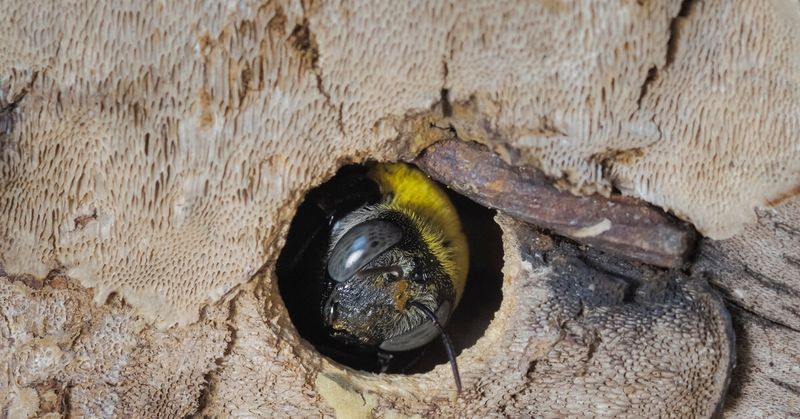
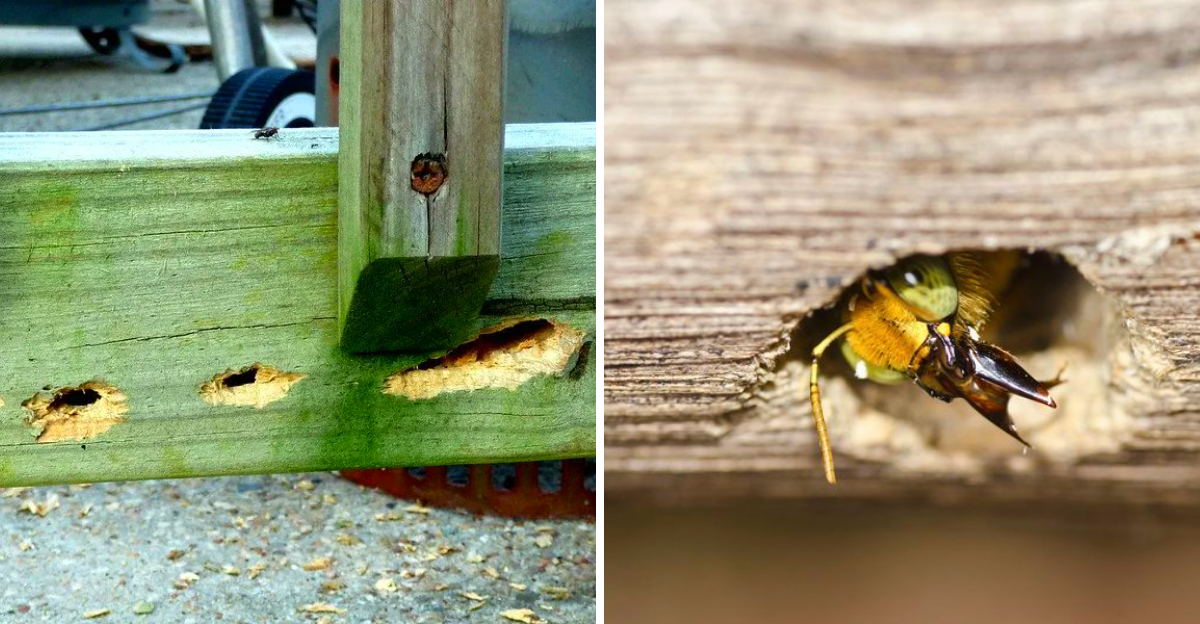
Round holes left behind in wooden railings, eaves, or fascia boards from a previous season are not just cosmetic damage. They are open invitations for carpenter bees to return and pick up right where they left off.
Reusing an existing tunnel takes far less effort than boring a new one through solid wood, which makes those old openings especially attractive to bees that emerge in spring looking for a quick place to nest.
Female carpenter bees do most of the nesting work, and an already-established tunnel offers a ready-made structure they can clean out and expand with minimal effort.
In North Carolina, spring activity typically ramps up as temperatures warm, and bees that emerge near old tunnel sites may investigate those holes almost immediately.
The familiar wood scent and the smooth, worn edges of an old entrance can signal that a site has been used successfully before.
Homeowners often notice hovering activity near the same boards season after season without realizing the old holes are still open.
Checking wooden structures like porch ceilings, deck railings, shed overhangs, and fence posts for existing holes before spring arrives is a practical first step.
Filling or sealing old tunnels during late fall or winter, when bees are not active, may help reduce the chance that those same spots become active again the following year.
2. Exposed Wood Offers Good Nesting Sites
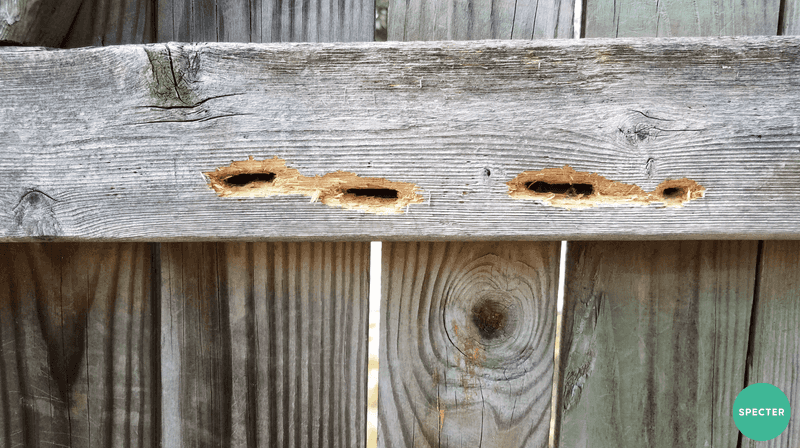
Bare wood on a porch ceiling, deck board edge, or fence rail is one of the most reliable signals that draws carpenter bees to a particular spot. When wood lacks paint, stain, or any protective coating, its grain is fully exposed and soft enough to work through efficiently.
Bees can detect these conditions and tend to concentrate their nesting efforts on sections of a structure where the surface has been left unfinished or where previous coatings have worn away.
North Carolina homes with older porches, weathered outbuildings, or natural wood fences often see more carpenter bee activity simply because so much exposed wood is available.
Trim boards, fascia, window frames, and deck railings that have not been painted or sealed in several seasons become prime targets.
The softer the wood and the more exposed its surface, the easier it is for a bee to begin boring a new tunnel or reopening an old one.
Your North Carolina Garden Changes Every Week. Your Plan Should Too.
Gardening in North Carolina changes quickly throughout the season. Every Friday you’ll receive a simple weekly plan showing exactly what to plant, prune, fertilize, harvest, and protect so you never miss the right timing.
Applying paint, exterior stain, or a wood sealant to bare surfaces can make those areas less appealing for nesting. Hardwoods tend to be less attractive than softwoods like pine, cedar, or redwood, though no wood type is completely off-limits.
Keeping an eye on spots where the finish has peeled, chipped, or worn thin is a smart habit for North Carolina homeowners who want to stay ahead of repeat activity each spring.
3. Bare Or Weathered Wood Is More Vulnerable
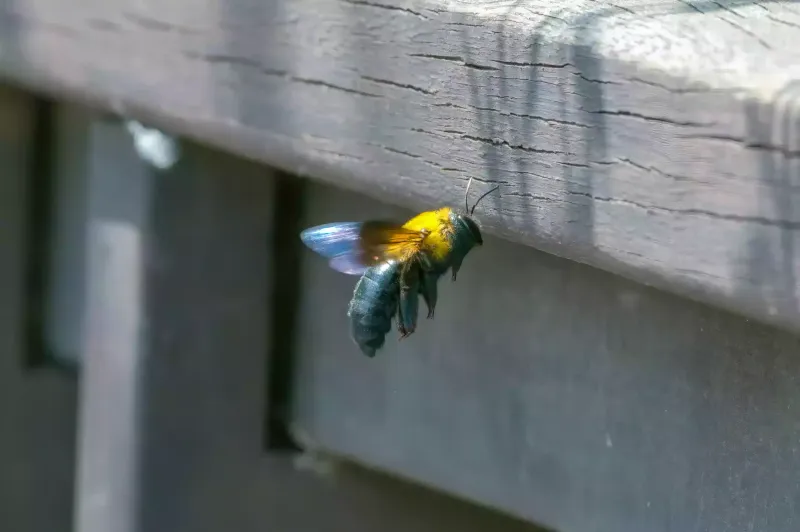
Wood that has been sitting through multiple North Carolina summers and winters without any protective finish tends to dry out, crack along the grain, and soften in ways that make it much easier to work through.
Carpenter bees prefer wood that offers some resistance but not too much, and weathered boards often hit that sweet spot.
The surface texture of aged, dried wood may also carry scent traces from previous nesting activity, which can attract bees back to the same boards repeatedly.
Fascia boards, porch overhangs, and the undersides of deck railings are common spots where weathering happens gradually and often goes unnoticed until damage appears.
Once a section of wood reaches a certain level of deterioration, it becomes noticeably more vulnerable to nesting.
Cracks and checks in the wood surface can even serve as starting points that make it easier for a bee to begin boring without having to work through a completely smooth face.
Refreshing the finish on wooden structures before spring is one of the more practical steps a homeowner can take to reduce vulnerability.
Sanding down rough, weathered sections before applying a fresh coat of paint or sealant can improve coverage and help the finish bond more effectively.
Addressing even small areas of wear on trim boards, railings, or eave overhangs around your North Carolina home can make a noticeable difference in how attractive those spots remain to returning carpenter bees.
4. Open Holes Invite Repeat Activity
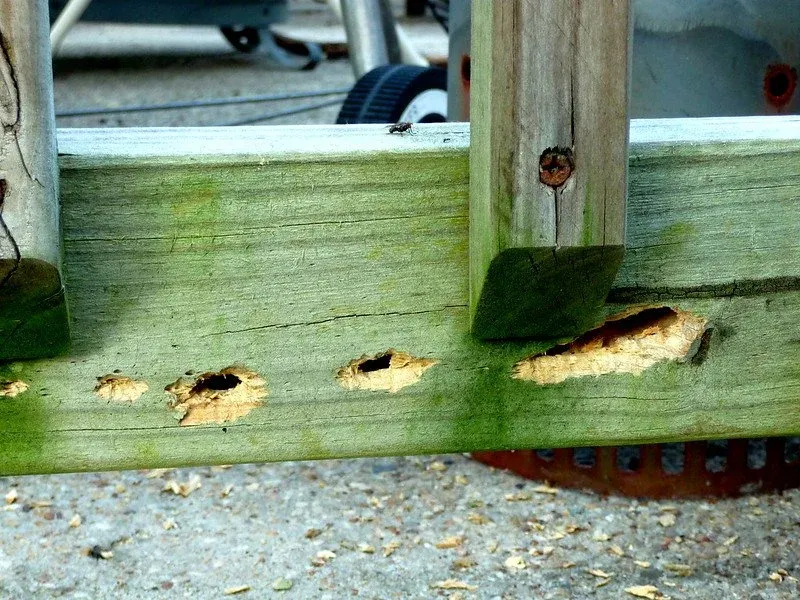
Seeing the same holes active season after season is one of the more frustrating experiences for North Carolina homeowners dealing with carpenter bees. An open hole does not just signal a past nesting site.
It actively draws new attention, both from the original bee and from other bees that may detect the opening and investigate it as a potential nesting spot. The scent left inside a used tunnel can linger in the wood and serve as a kind of signal to other bees in the area.
Male carpenter bees, which are the ones most often seen hovering near railings and eaves, do not nest themselves but tend to patrol near existing holes. Their presence near open tunnels can draw female bees to those same spots.
This creates a cycle where one unrepaired hole becomes a focal point for repeated activity over multiple seasons, gradually drawing more attention to that section of wood.
Plugging open holes after nesting season ends is one of the most straightforward ways to break this cycle.
Using wood putty, caulk, or wooden dowels to fill old tunnels and then painting or sealing over them removes the visual and scent cues that make those spots attractive.
Timing matters here. Closing holes while bees are still active inside can trap them, so waiting until late fall or early winter in North Carolina is generally a more practical approach.
5. The Same Boards Stay Attractive Year After Year
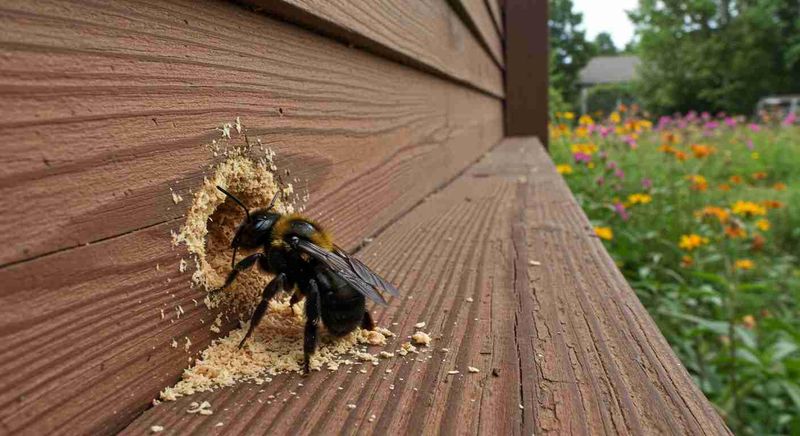
Once a particular board or section of a structure has been identified as a good nesting site, it tends to remain attractive for years.
The combination of wood type, orientation, exposure to sun, and the presence of old tunnel openings creates a set of conditions that does not change much from one season to the next unless the homeowner steps in to alter them.
Boards on the underside of a porch ceiling or the top rail of a deck often check every box that makes a site worth returning to.
There is also a generational aspect to this pattern. Carpenter bees that hatch from tunnels in a particular board may emerge and begin nesting in or near that same structure the following spring.
This means the same section of railing or eave can see activity from multiple generations without the homeowner fully realizing why that one spot seems to attract so much attention compared to the rest of the structure.
North Carolina homes with wooden decks, covered porches, pergolas, or freestanding sheds often develop what could be called hot spots, sections that see consistent activity year after year.
Identifying these areas early and making targeted repairs, such as replacing a badly damaged board or applying a fresh finish, can shift the pattern.
A board that no longer looks or smells like a good nesting site is far less likely to see repeat visits the following spring.
6. Nesting Sites Can Be Expanded Over Time
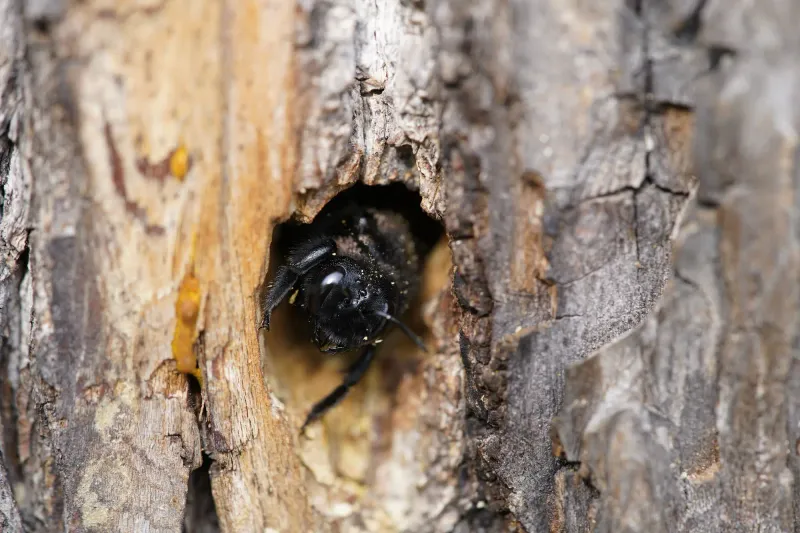
What starts as a single round entrance hole in a deck board or porch railing can become a much more extensive network of tunnels over several seasons.
Carpenter bees bore a short entry channel and then turn to excavate longer galleries running parallel to the wood grain.
When a site is reused, those galleries are often extended further, and new branches may be added. Over time, a section of wood that appeared solid from the outside can become significantly hollowed out on the inside.
This progressive damage is one reason why early attention to carpenter bee activity matters.
A small hole noticed in spring may look minor, but if the same tunnel system is reused and expanded across two or three seasons, the structural integrity of the board can be compromised.
Fascia boards, thick porch posts, and heavy deck railings are common places where this kind of cumulative damage builds up gradually without obvious signs on the surface.
Checking the condition of wood around known activity sites is worth doing before making repair decisions. If a board feels soft, sounds hollow when tapped, or shows signs of surface crumbling near old holes, it may need replacement rather than just patching.
Filling an entrance hole over a heavily tunneled board does not restore the wood inside.
North Carolina homeowners dealing with long-established nesting sites may find that full board replacement, combined with a fresh finish, is the most durable long-term solution.
7. Spring Warmth Brings Bees Back To Wood Structures
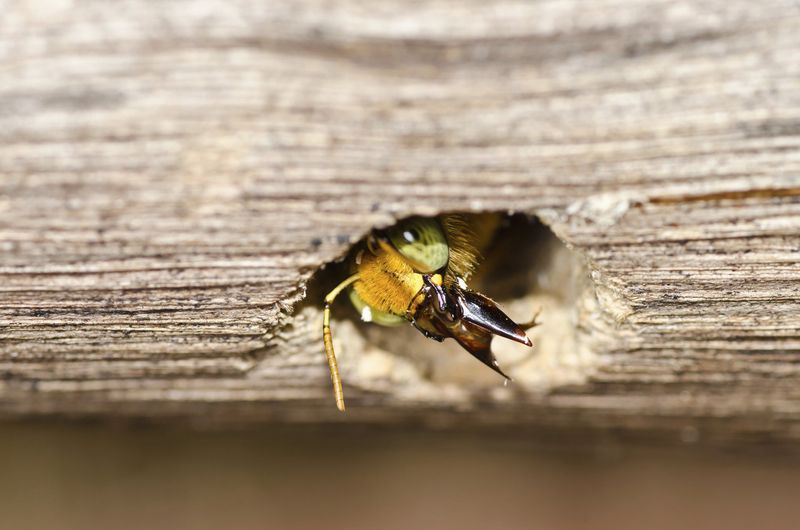
Warmer temperatures in late March and April across North Carolina serve as a reliable trigger for carpenter bee activity to resume.
As temperatures rise and daylight hours lengthen, overwintering bees that sheltered inside tunnels or in nearby protected wood begin to emerge.
These bees are often the same ones that were active at that location the previous season, which means the first places they investigate tend to be the same boards, railings, and eave overhangs they were near before.
The timing of this spring emergence lines up closely with the period when many North Carolina homeowners are beginning outdoor projects, opening up screened porches, or getting decks ready for warmer months.
Noticing hovering bees near the same spots where you have seen activity before is one of the earliest signs that the season is getting underway.
Male bees are usually the first ones seen, hovering near old holes and patrolling wooden surfaces, while females begin inspecting sites and starting nesting work shortly after.
Getting ahead of the season by inspecting wooden structures in late winter, before temperatures consistently warm up, gives homeowners a window to seal old holes, apply fresh paint or sealant, and make any needed repairs before activity begins.
Timing these steps correctly can meaningfully reduce how quickly bees settle back into familiar spots.
Waiting until bees are already active and hovering makes intervention more complicated and less effective overall.
8. Unrepaired Wood Keeps The Cycle Going
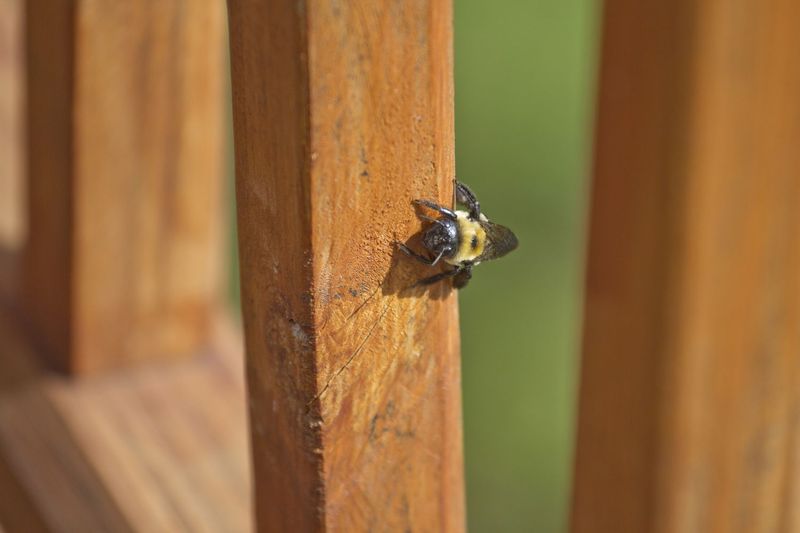
Leaving damaged or worn wood unrepaired from one season to the next is one of the most reliable ways to see carpenter bee activity return to the same spots.
Each spring, bees that emerge near a structure with open holes, bare wood, and no fresh finish find conditions that are essentially unchanged from the year before.
Without any reason to look elsewhere, they settle right back into the same areas and may begin expanding existing tunnels or starting new ones nearby.
Boards with old holes that were never filled, sections of trim where paint has been peeling for multiple seasons, and fence rails that have been left bare for years all contribute to a pattern that repeats itself with little variation.
The longer a repair is delayed, the more established the activity tends to become at that site, and the more difficult it can be to redirect bees away from those familiar spots.
Taking a practical approach to wood maintenance around your North Carolina home does not require a full renovation.
Focusing on the areas that have seen the most activity, filling old holes, sanding rough surfaces, and applying a durable exterior finish can break the cycle at specific spots without a huge investment of time or money.
Replacing boards that are too far gone to repair properly is worth considering when tunneling has become extensive. Consistent seasonal attention to wood condition is one of the more effective long-term strategies for reducing repeat carpenter bee activity.