8 Garden Leftovers That Should Never Go Into A California Compost Pile This Fall
A warm October afternoon often ends with a wheelbarrow heaped high and a familiar walk toward the compost bin.
Fall cleanup produces mountains of material, and recycling all of it back into the garden feels natural and thrifty.
Most of that load deserves a second life.
A few pieces, though, carry hidden passengers that can outlast a typical backyard pile and resurface months later in freshly planted beds.
Cooling nights make the problem worse, as piles lose heat just when the season’s riskiest leftovers arrive.
Sorting the load before it reaches the bin takes only minutes. Those few minutes can mean cleaner beds, fewer surprises, and a healthier start when spring planting begins.
1. Blighted Tomato And Potato Vines
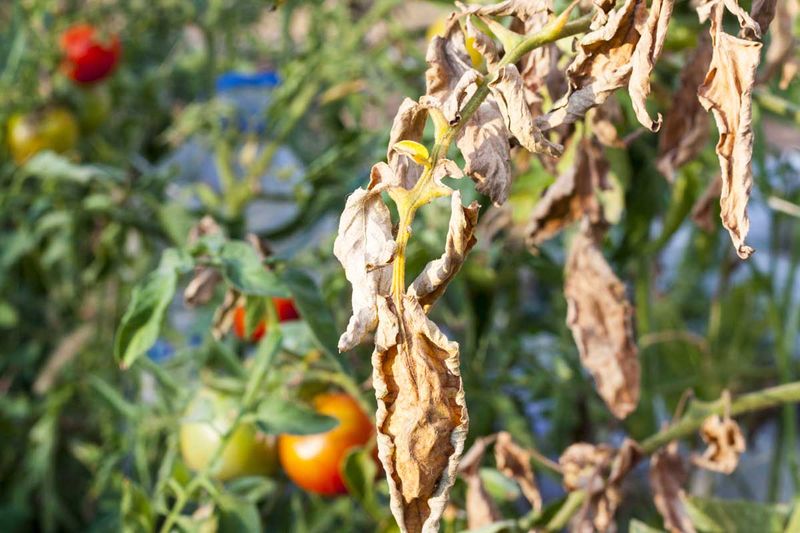
Brown rings on lower leaves, dark greasy patches climbing the stems, and fruit with leathery spots all point to blight. Vines showing those signs belong outside the compost plan.
Early blight comes from a fungus that survives on old plant debris. Late blight, caused by a water mold, can persist in infected potato pieces and leftover tissue.
UC IPM notes that removing infected plant material ranks among the best ways to keep these diseases from returning.
A cool home pile can’t be trusted with the job. Spores and fungal fragments can ride along into finished compost and reach next year’s seedlings, restarting the cycle.
A better plan starts with pulling blighted vines on a dry day, which limits spore spread from wet leaves.
Tightly bagged vines can go in the trash, or into the city green waste cart where diseased plants are accepted, since large facilities run far hotter than backyard bins.
Fallen leaves and rotting fruit under the plants deserve raking up too.
Stray potato tubers left behind can sprout and carry disease forward, so a careful dig-through helps.
Next spring, a new planting spot for tomatoes and potatoes gives leftover spores less to feed on.
Pruners used on diseased plants benefit from a wipe with household disinfectant before touching healthy ones.
Fall cleanup, done thoroughly, often prevents more disease than any spray applied later.
2. Weeds With Ripe Seed Heads
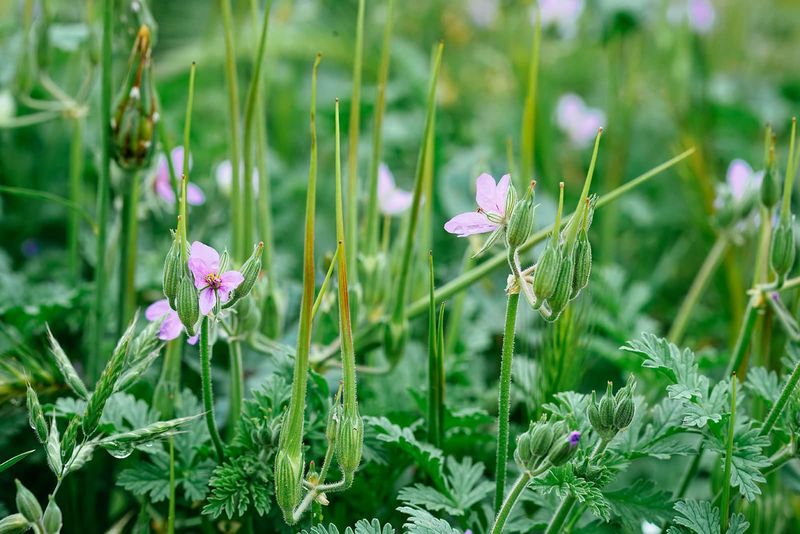
A single healthy weed can drop thousands of seeds before anyone notices it has flowered. Sow thistle, purslane, and spotted spurge excel at this trick.
By fall, many are dry, fluffy, and fully loaded.
Seed heads tossed into a typical backyard bin usually survive just fine.
UC IPM explains that compost must stay hot, around 140 degrees or more, with regular turning, before weed seeds lose viability.
The outer edges of a pile stay even cooler, so seeds tucked near the sides can sit there safely and wait.
Later, that compost lands on vegetable beds, and a fresh crop of weeds sprouts right where lettuce was supposed to grow.
The fix is simple. Pulling weeds before they flower works best, and young weeds without seeds can go into compost safely and add useful nitrogen.
Once seed heads form, a bag slipped over the top before pulling keeps seeds from scattering.
Your California Garden Changes Every Week. Your Plan Should Too.
Gardening in California changes quickly throughout the season. Every Friday you’ll receive a simple weekly plan showing exactly what to plant, prune, fertilize, harvest, and protect so you never miss the right timing.
Seedy weeds belong in a sealed trash bag or the green waste cart, depending on local rules. Commercial compost sites run hotter and longer than most home piles.
A layer of mulch on bare soil afterward helps block seeds that already landed. Within five feet of the house, Zone 0 rules in designated fire areas exclude bark mulch.
Fall rains often trigger a flush of weed seedlings, so a quick weekly walk catches newcomers while they’re tiny.
3. Roots Of Bindweed And Other Perennial Weeds
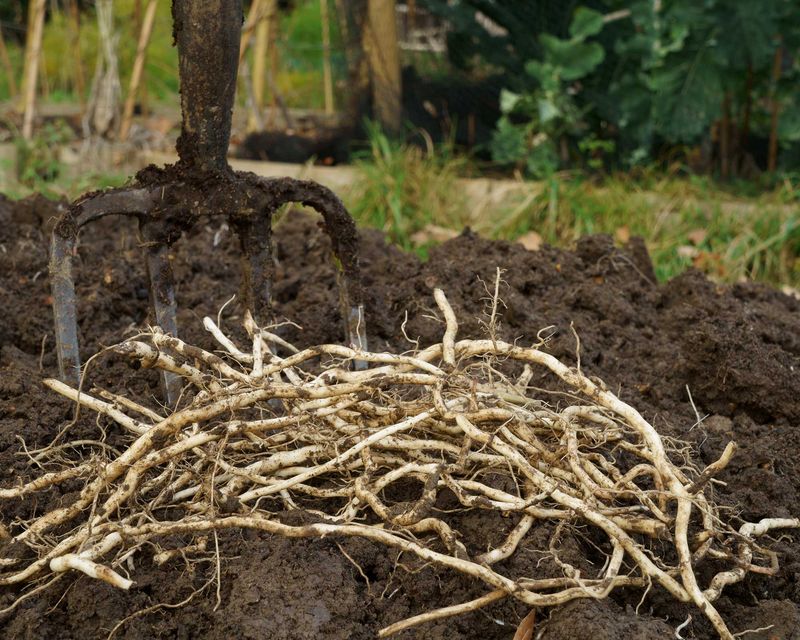
A bindweed stem that snaps off underground explains why so many gardeners lose this battle. Field bindweed roots can reach many feet deep, and almost any piece left behind can regrow.
UC IPM notes that bindweed spreads both by seed and by creeping roots.
Bermudagrass and nutsedge play a similar game with runners and tubers, so chopping them up may simply create more plants.
Inside a lukewarm compost pile, those root pieces stay alive. Some sprout right in the bin, while others wait until the compost spreads, then emerge in the best beds.
These roots belong in the trash rather than the bin. Careful digging that lifts long sections, rather than breaking them into small chunks, removes more of the plant.
Shaken free of soil, the roots can be bagged and discarded or handled according to city green waste guidelines.
Some gardeners dry roots on a hot driveway for a few weeks until they turn brittle. Even then, tough pieces can recover, so bagging remains the safer bet.
Pulling new shoots as soon as they appear drains the roots of stored energy.
Over a season or two of steady effort, even bindweed starts to run out of steam.
Fall, when soil softens after the first rains, makes digging easier and helps lift longer root sections intact.
Patience pays off more than any single big dig.
4. Pokeweed Berries And Roots
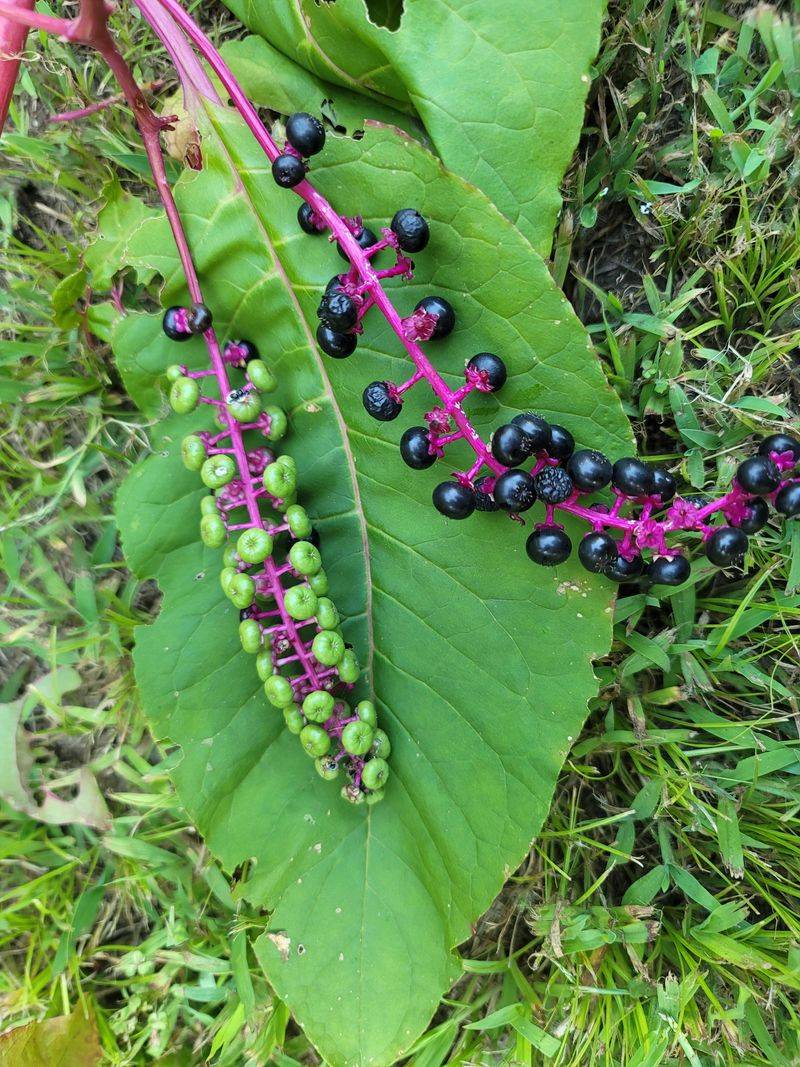
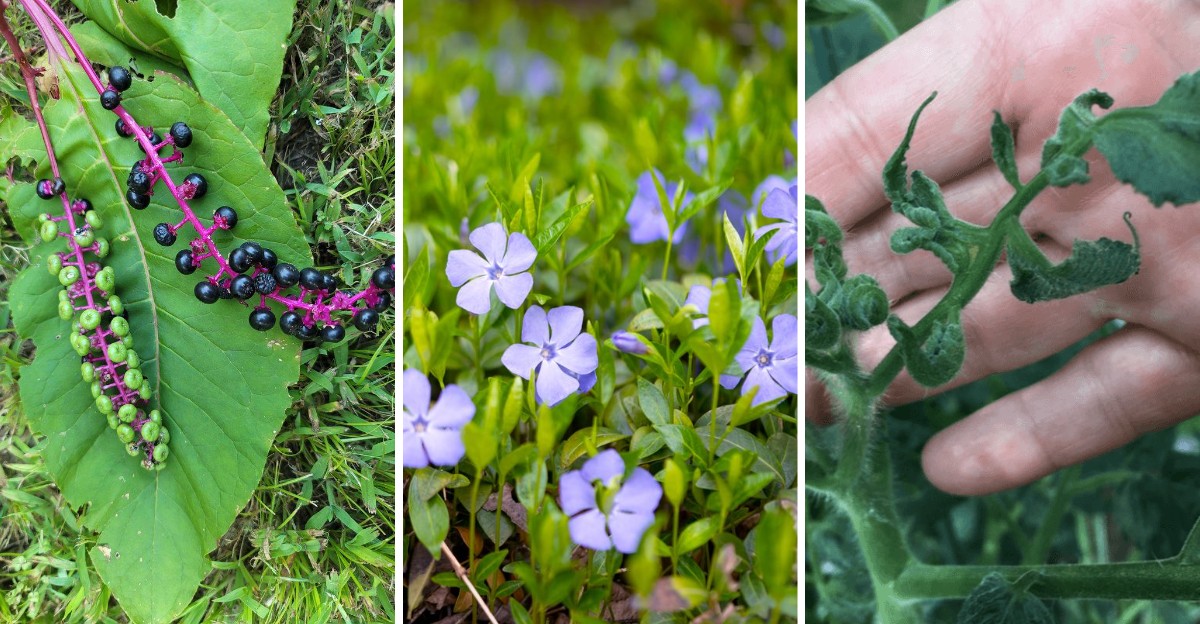
Shiny purple-black berries dangling from bright magenta stems look almost pretty in early fall, and birds love them. Pokeweed, however, calls for gloves and caution.
The plant is toxic to people, pets, and livestock, with the thick, carrot-like taproot holding the strongest dose.
That root can grow large and resprout after the top is cut, so a quick trim rarely solves anything.
The seeds create a long-term problem. Each berry holds several hard seeds that can remain viable in soil for many years, and a cool compost pile simply stores them.
Gloves and long sleeves make sense during removal. Berry clusters come off first and drop straight into a bag.
A shovel or digging fork then loosens soil around the taproot, lifting out as much as possible.
Everything belongs in a sealed trash bag rather than any compost meant for vegetables. Children and dogs do best kept away during the work.
Washing hands and tools afterward helps, since the juice can irritate skin.
Suspected ingestion calls for Poison Control, or the ASPCA Animal Poison Control Center for pets, where a fee may apply.
Next spring, watching the area for new seedlings pays off. Small ones pull easily when soil is moist.
Catching them early prevents another wrestling match with a giant root later. Birds may also drop seeds elsewhere in the yard, so a broader look helps.
5. Invasive Cuttings That Root Easily
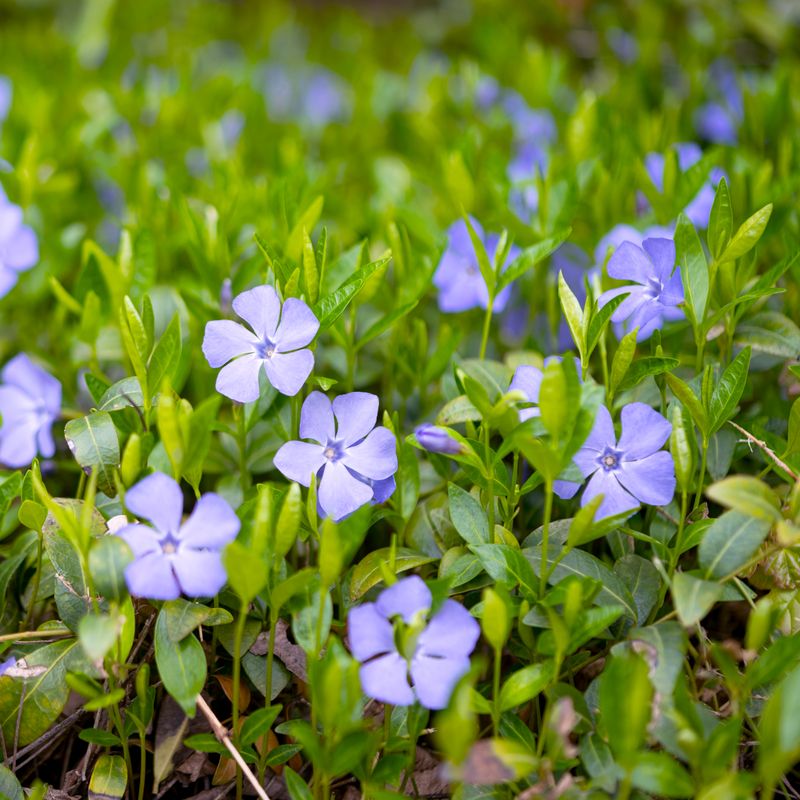
A pile of ivy cuttings left on damp ground for a couple of weeks often reveals tiny white roots gripping the soil underneath.
Some plants refuse to quit, and compost bins act like cozy nurseries for them.
English ivy, Algerian ivy, and big periwinkle are common in California yards, and the California Invasive Plant Council lists all three as invasive.
Their stems root at the nodes, where leaves attach, and a moist, mild compost pile gives them everything they need.
Once they take hold, the problem spreads. Finished compost carrying live stems can start new patches in garden beds.
Cuttings dumped near open space can escape into creeks and hillsides, crowding out native plants and wildflowers.
A smarter route keeps these plants contained. Bagged ivy and periwinkle trimmings can go in the green waste cart where the city accepts them.
Municipal compost facilities reach temperatures a backyard bin rarely matches, especially in cool weather.
Dumping cuttings over a back fence or into a canyon is best avoided, since that shortcut helped many invasive plants spread across California.
Ice plant, Bermudagrass runners, and some succulents deserve the same caution.
Replacing these plants with native ground covers ends the yearly trimming cycle. Yerba buena, creeping sage, and Pacific Coast iris make attractive options for many yards.
Fall planting gives those natives a strong start with winter rains.
6. Cat And Dog Waste
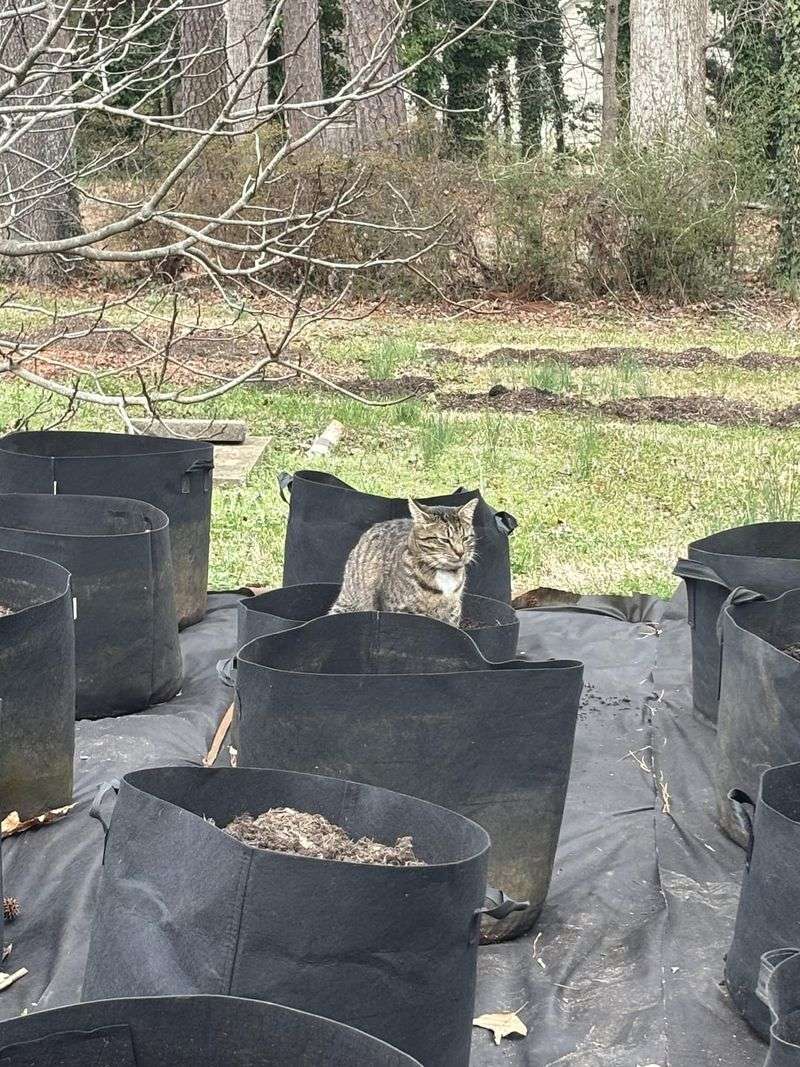
Scooping the yard and adding it to the compost bin sounds tidy and green. Unfortunately, it creates a health risk near vegetables.
UC ANR composting guidance advises keeping cat and dog waste out of home piles entirely.
Pet waste can carry parasites and germs that make people sick. Roundworms from dogs and Toxoplasma from cats are two well-known examples.
Some of these organisms are tough and can persist in soil for a long time.
Backyard piles rarely get hot enough to neutralize them reliably. Once compost reaches a garden bed, germs can land on carrots, lettuce, or children’s hands.
Chicken, rabbit, and cow manure tell a different story. Those come from plant-eating animals and see common use in compost.
Meat-eating pets cause the trouble.
Bagged and placed in the trash, pet waste leaves the garden safely. Green waste carts are best avoided unless the city specifically allows pet waste, since most programs forbid it.
Used cat litter, especially clumping clay types, belongs in the trash too. Washing hands after cleanup is a smart habit.
Pregnant household members do best letting someone else handle the litter box, because Toxoplasma poses a special risk during pregnancy.
Dog waste left on lawns can also wash into storm drains during fall rains, so prompt pickup protects local creeks as well.
A covered bin by the gate makes the habit easy.
7. Meat Dairy And Oily Scraps
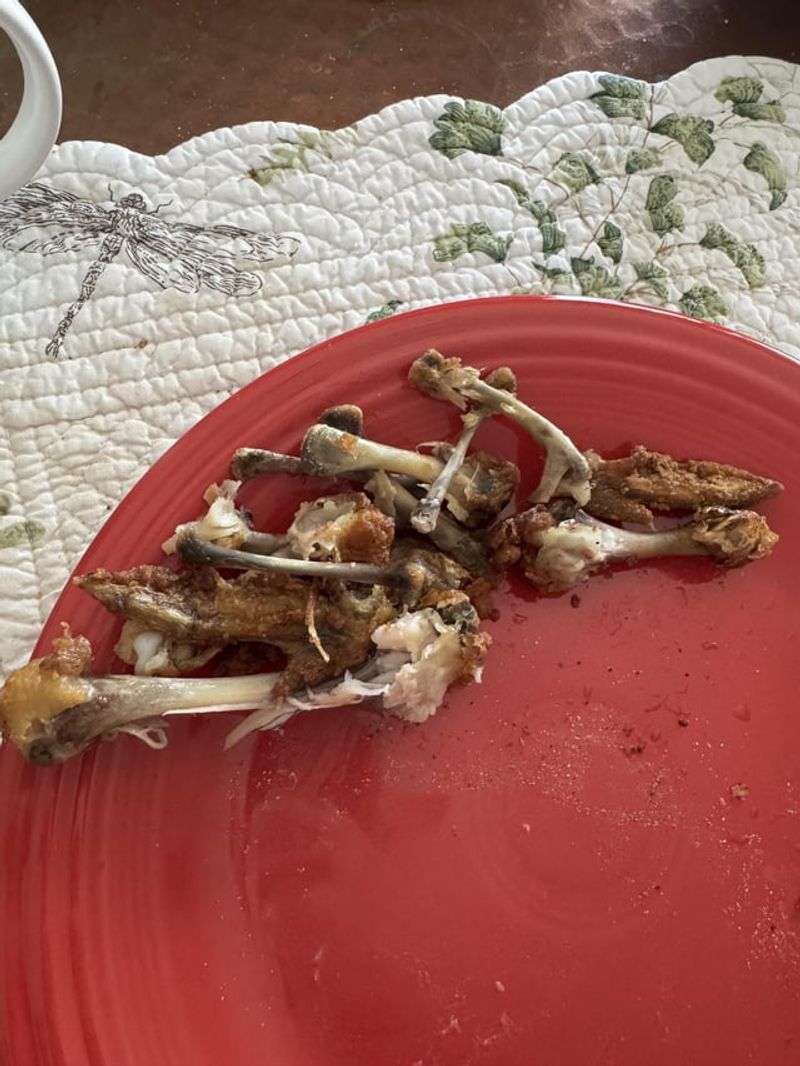
Raccoons have excellent noses and very little shame. A leftover chicken bone in the compost can leave the bin tipped over by morning.
Rats, opossums, and neighborhood dogs will happily join the party.
UC ANR composting guides recommend keeping meat, fish, bones, dairy, and greasy foods out of home bins. These items break down slowly and smell strongly as they rot.
Strong odors act like a dinner bell for wildlife and can bother the neighbors too.
Oils cause a separate headache. Grease coats other materials and blocks airflow, so the pile turns slimy and sour rather than earthy and sweet.
Fall barbecue leftovers, holiday cheese plates, and salad dressing all fit this rule, as do butter, mayonnaise, and fried foods.
Fruit and vegetable peels, coffee grounds, tea leaves, and eggshells make better kitchen compost. Those break down nicely and keep the pile balanced.
Fresh scraps buried under a layer of dry leaves reduce smells and fruit flies.
Meat and dairy scraps can go in the trash, or into the green cart in many California cities, thanks to the state’s organic waste law.
Local rules vary, but large facilities can process these foods safely.
Enclosed bins with tight lids and a quarter-inch hardware cloth base add protection. In fire-prone areas, bins belong beyond the first five feet of the house.
In bear country, CDFW advises extra care with any food waste outdoors.
8. Clippings Sprayed With Persistent Herbicides
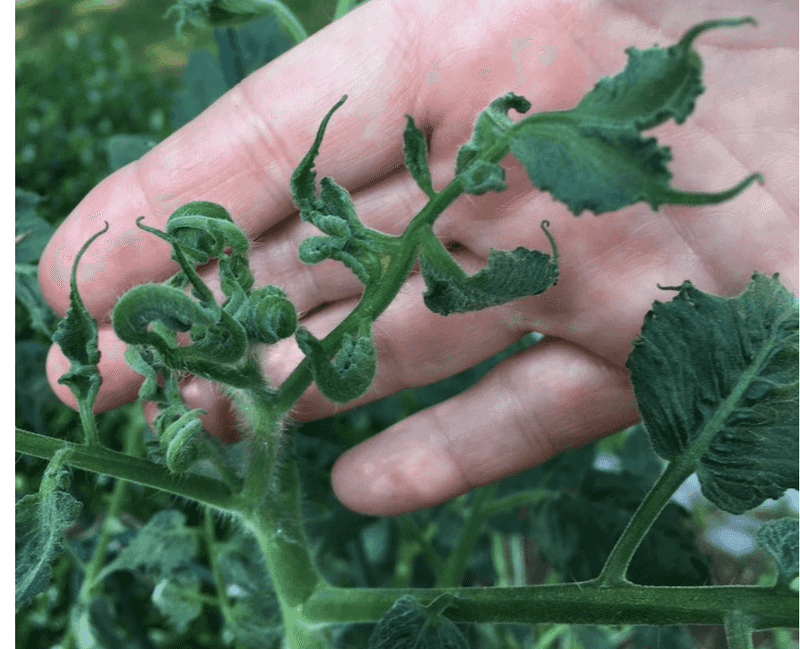
Tomato seedlings with leaves curled like tiny fists, or beans with twisted, cupped growth, often get blamed on bugs or weather. The real culprit may hide in compost.
Some weed control products, such as clopyralid, aminopyralid, and picloram, are called persistent herbicides. They control broadleaf weeds on lawns, pastures, and hay fields.
UC IPM warns that these chemicals can survive composting and stay active for months or even years.
Trouble shows up later. Grass clippings, hay, or manure from treated areas carry residue into the pile, and finished compost can harm sensitive crops even at very low levels.
Tomatoes, peppers, potatoes, beans, peas, and sunflowers rank among the most sensitive.
California restricts clopyralid on residential lawns, yet residues can still arrive through other products, hay, straw, or manure.
Questions before composting help. A lawn service, neighbor, or household member may have used a broadleaf weed product, and many labels specifically warn against composting treated clippings.
Treated clippings can go in the trash or follow label directions.
Free manure or straw deserves the same caution, since animals may have eaten treated hay.
A quick test can save a season. Bean seeds planted in pots of compost, alongside a few in plain potting mix, reveal problems within a few weeks.
Twisted beans in the compost pots mean that batch belongs away from vegetable beds.
Fall offers an ideal time for this test, well before spring planting begins.