The Best Texas Trees To Plant In October While Nurseries Are Fully Stocked
Many people think spring is the time to plant trees. In Texas, that’s one of the biggest gardening myths around.
Ask any seasoned Texas gardener, and they’ll tell you fall is where the magic happens. October brings cooler days, warm soil, and a break from that brutal summer heat. It’s the perfect combo for young trees.
Their roots get months to spread out and settle in before next summer tries to cook them. There’s another bonus, too.
Right now, local nurseries are packed with healthy trees in every shape and size. Wait too long, and the best ones will be gone.
Whether you want more shade, beautiful fall color, or a tough native that can handle drought, this is your window.
Ready to grab a shovel? Here are the best trees to plant in Texas this October.
1. Live Oak Brings Classic Texas Shade
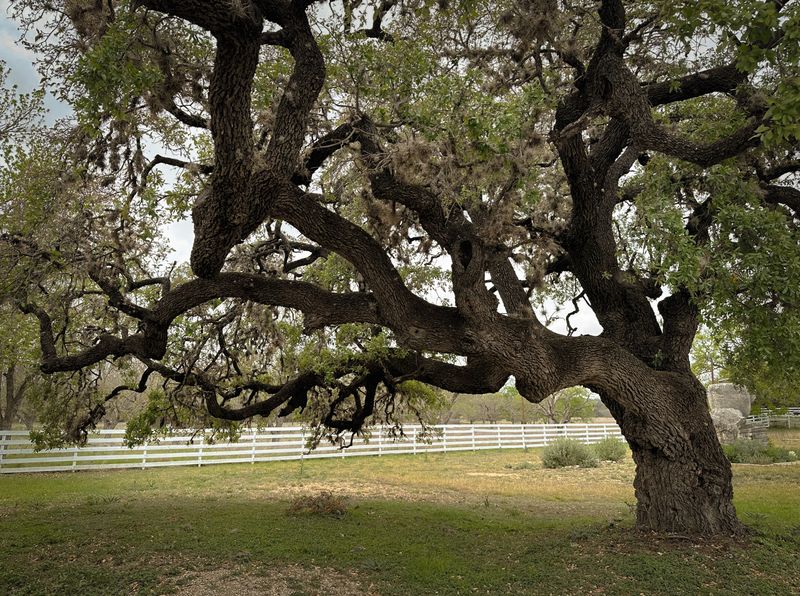
Some Texas live oaks have stood for hundreds of years. Folks have held picnics, weddings, and family reunions under their huge limbs. Planting one means you are starting a story that could outlast your grandkids.
Live oaks are evergreen, so they keep most of their leaves all year. They drop old leaves in early spring and grow new ones right away. That means your yard stays shady and green even in January.
These trees grow wide, often spreading 60 to 100 feet across. Give them plenty of room away from your house, driveway, and power lines. A good rule is to plant at least 20 feet from any building.
Live oaks handle heat, drought, and even salty coastal air very well. They grow in clay, sandy, or rocky soil. Once settled, they need little extra water except during long dry spells.
When you shop in October, look for a tree with a straight trunk and healthy green leaves. Skip any tree with roots circling tightly around the pot. Circling roots can choke the tree as it grows.
Dig a hole two to three times as wide as the root ball but not deeper. Set the tree so the top of the root ball sits slightly above the ground. Fill in with the soil you dug out and water deeply.
Oak wilt is a disease that can harm oaks in Texas. To help prevent it, avoid pruning between February and June. Paint any fresh cuts with a pruning sealer to keep beetles away.
Fun fact: the Treaty Oak in Austin is believed to be around 500 years old. Your tree could become a local landmark someday too.
2. Cedar Elm Handles Tough Conditions
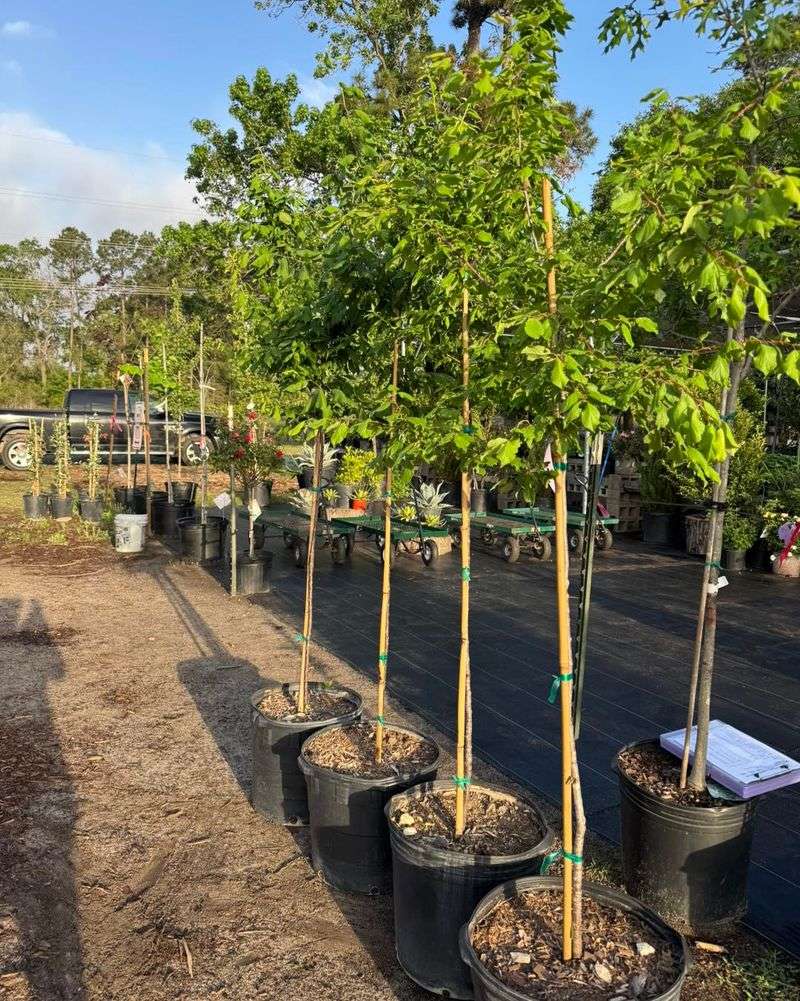
Rough weather does not scare the cedar elm one bit. This scrappy native shrugs off drought, heavy clay, and sudden cold snaps. Many city planners across Texas pick it for streets and parks for that exact reason.
Cedar elms have small, rough leaves that feel a bit like sandpaper. In late fall, they turn a soft yellow color. It is a quiet show, but it adds a nice touch of autumn to a yard.
Your Texas Garden Changes Every Week. Your Plan Should Too.
Gardening in Texas changes quickly throughout the season. Every Friday you’ll receive a simple weekly plan showing exactly what to plant, prune, fertilize, harvest, and protect so you never miss the right timing.
Here is something unusual. Most elms bloom in spring, but the cedar elm flowers in late summer. The tiny blooms are easy to miss, yet they feed pollinators when little else is flowering.
Mature trees usually reach 50 to 70 feet tall with an upright, oval shape. Their narrower form fits better in medium yards than a sprawling oak. Plant them about 15 to 20 feet from your home.
Water your new cedar elm deeply once or twice a week during its first fall and winter. Cut back as rain picks up. By its second or third year, it can handle most dry periods on its own.
Watch for elm leaf beetles, which can chew holes in the leaves. A healthy tree usually bounces back without much help. Good watering and a layer of mulch keep it strong.
Spread about three inches of mulch in a wide ring around the trunk. Keep the mulch a few inches away from the bark, though. Piling mulch against the trunk can cause rot.
If you want a tough, low-fuss shade tree that grows fairly fast, cedar elm deserves a spot near the top of your list. It is a true Texas workhorse.
3. Texas Redbud Paints Spring Pink
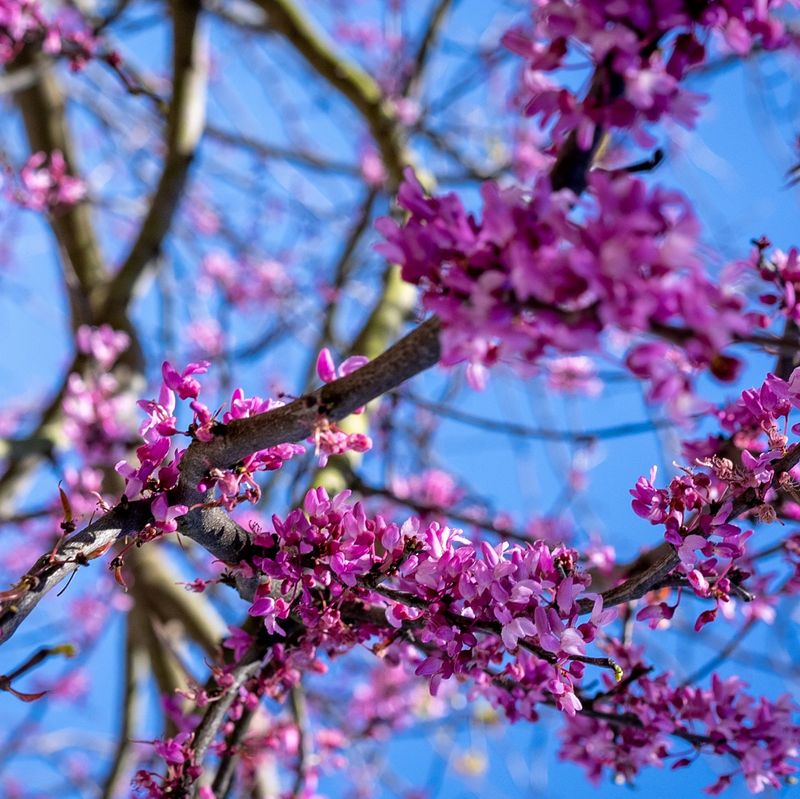
Ask any gardener about the first sign of spring, and many will point to the redbud. Before a single leaf appears, its bare branches burst into bright pink and purple flowers. It looks almost like someone spray-painted the tree overnight.
Texas redbuds are small trees, growing about 15 to 20 feet tall. That makes them great for tiny yards, patios, or spots near the house. They also look lovely planted in groups of two or three.
After the blooms fade, shiny heart-shaped leaves take over. The Texas type has thicker, glossier leaves than eastern redbuds. That waxy coating helps them hold water during hot summers.
Redbuds love well-drained soil and do fine in rocky or limestone areas. They can grow in full sun or partial shade. A spot with some afternoon shade works well in the hottest parts of the state.
Planting in October gives the roots time to grow before those spring blooms show up. Water the tree well at planting time. Then keep the soil lightly moist through winter, but never soggy.
Bees adore the early flowers because few other plants bloom that soon. Later, flat seed pods hang from the branches. Some birds snack on the seeds during cold months.
Did you know the flowers are edible? Some people toss them into salads for a pop of color and a slightly sweet, peppery taste. Just make sure the tree has not been sprayed with chemicals.
For a pretty tree that stays small and wakes up your yard each spring, a redbud is hard to beat. It is cheerful, easy, and full of charm.
4. Bald Cypress Loves Wet Or Dry Spots
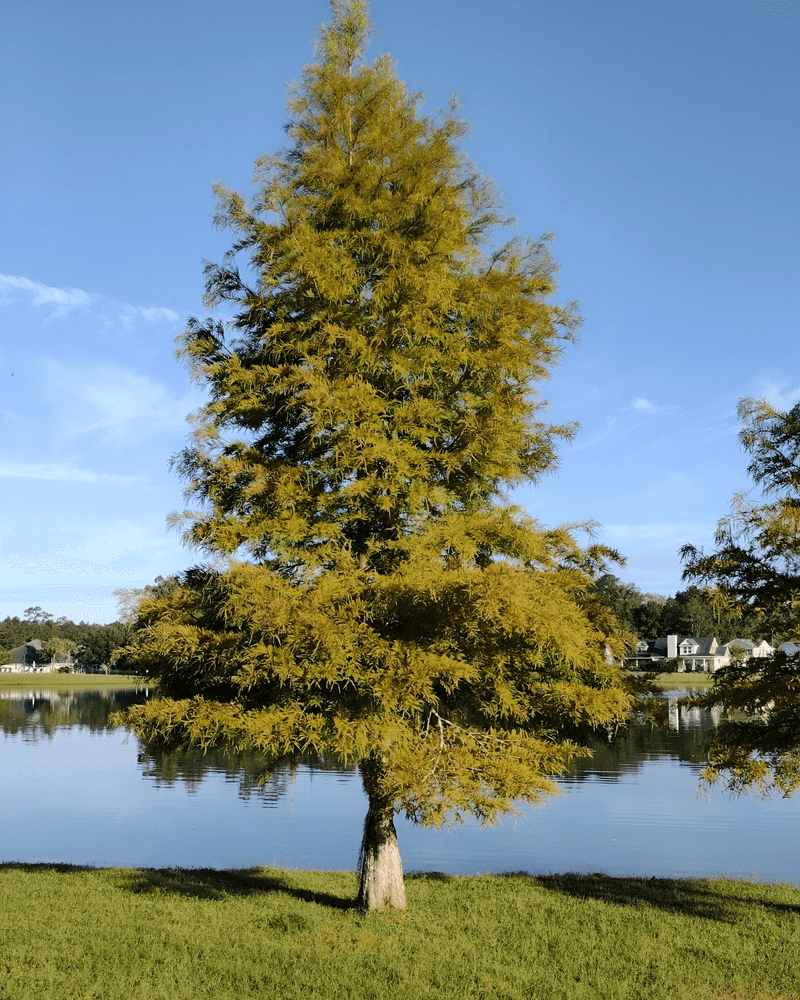
Got a soggy corner in your yard where nothing seems to grow? The bald cypress might be your answer. Along Texas rivers, these giants stand right in the water with their roots soaking.
Here is the surprising part. Bald cypress also grows well in regular yard soil. It is one of the few trees that handles both wet feet and dry spells once it is settled.
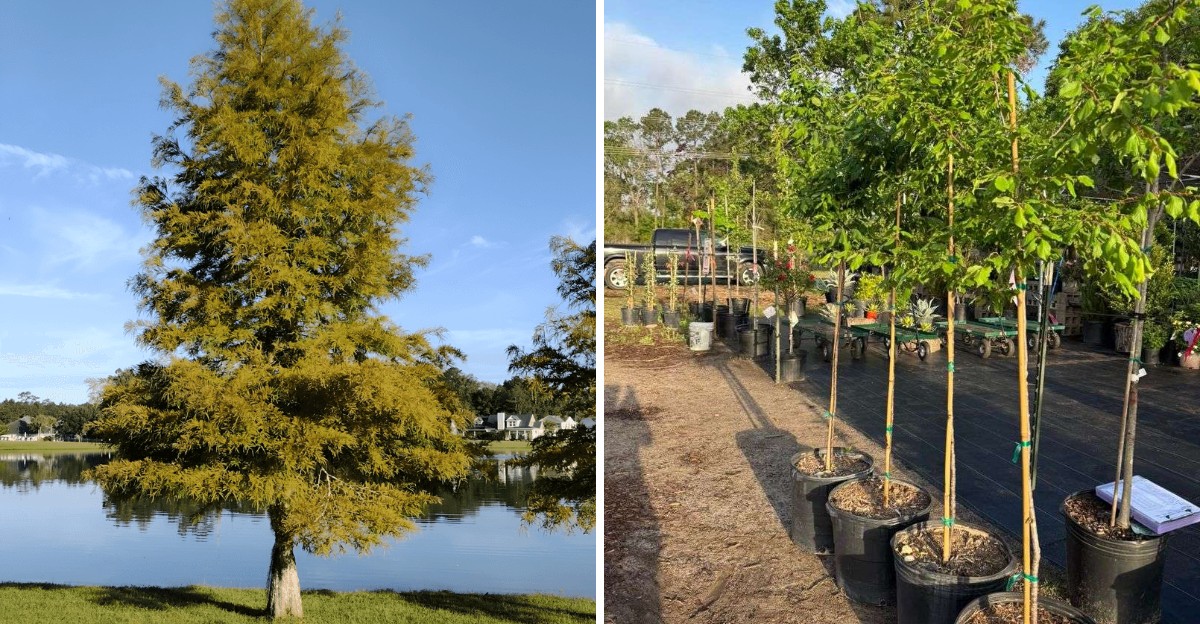
Even though it has needles, the bald cypress is not an evergreen. In fall, its soft, feathery needles turn a rusty orange before dropping. That is how it earned the name bald.
These trees grow tall and narrow, often reaching 50 to 70 feet. Their pyramid shape makes them a neat pick for property lines. They also look stunning near ponds or drainage areas.
Near water, bald cypress sometimes grows odd bumps called knees. Scientists still debate what these knees do. In a normal yard, you will rarely see them.
Give a young tree plenty of water during its first year. Bald cypress grows faster when it gets steady moisture. Mulch helps hold that moisture in the soil during warm fall days.
Choose a sunny location for best growth. These trees struggle in heavy shade. They also do not like very alkaline soil, so add some compost if your ground is chalky.
Some bald cypress trees in Texas are over 1,000 years old. They are among the longest-living trees in North America.
Planting one this October could give your family a living treasure that sticks around for a very long time.
5. Shumard Oak Delivers Fiery Fall Color
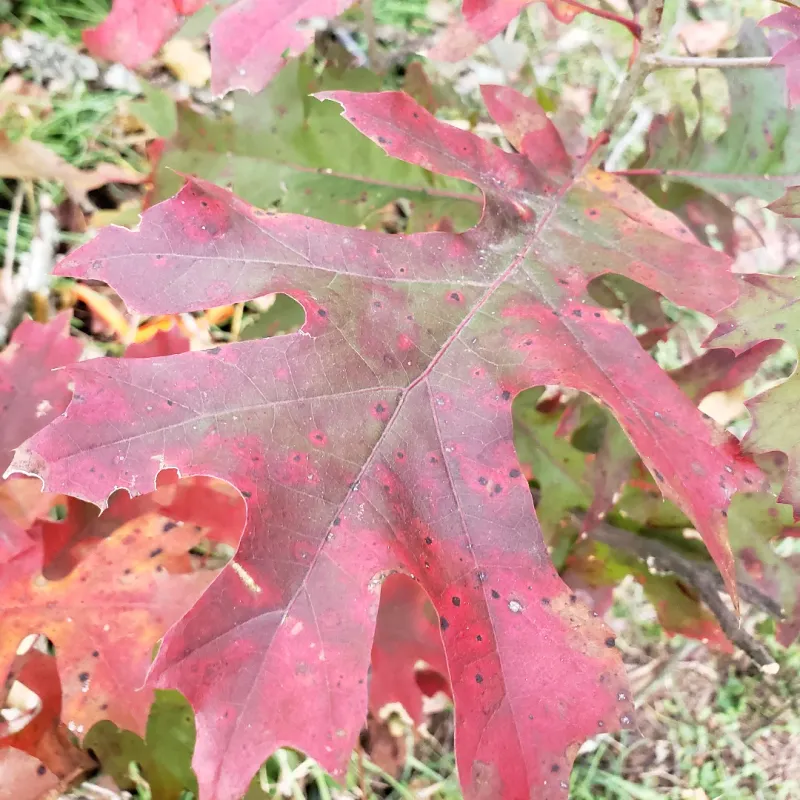
Texas is not famous for fall color, but the Shumard oak is working hard to change that. Each November, its leaves flip to deep red and orange. Neighbors might actually slow down their cars to take a look.
Shumard oaks grow fast for an oak, often adding two feet a year. They can reach 50 to 80 feet tall with a rounded crown. That makes them a strong choice for a big, shady backyard.
The leaves are large with pointed, bristly tips. In summer, they stay dark green and glossy. When cooler weather arrives, the color show begins.
These oaks tolerate many soil types, including the heavy clay found in Dallas and Fort Worth. They also handle some drought once their roots spread out. Young trees need regular water for the first two years.
Because Shumard oaks grow big, plant them at least 25 feet from your house. Keep them away from septic lines and pools too. Their roots need space to stretch.
Squirrels, blue jays, and deer love the acorns. If you enjoy wildlife, you will see plenty of visitors. Just know you might find acorns sprouting in your flower beds.
Like other red oaks, Shumard oak can catch oak wilt. The safest time to trim is in the heat of midsummer or the cold of winter. Always seal pruning cuts right away.
Shopping early in October helps you snag a nicely shaped tree before others do. Look for one central leader, which means a single main stem at the top. That shape grows into a sturdy tree that stands up to storms.
6. Desert Willow Thrives With Little Water
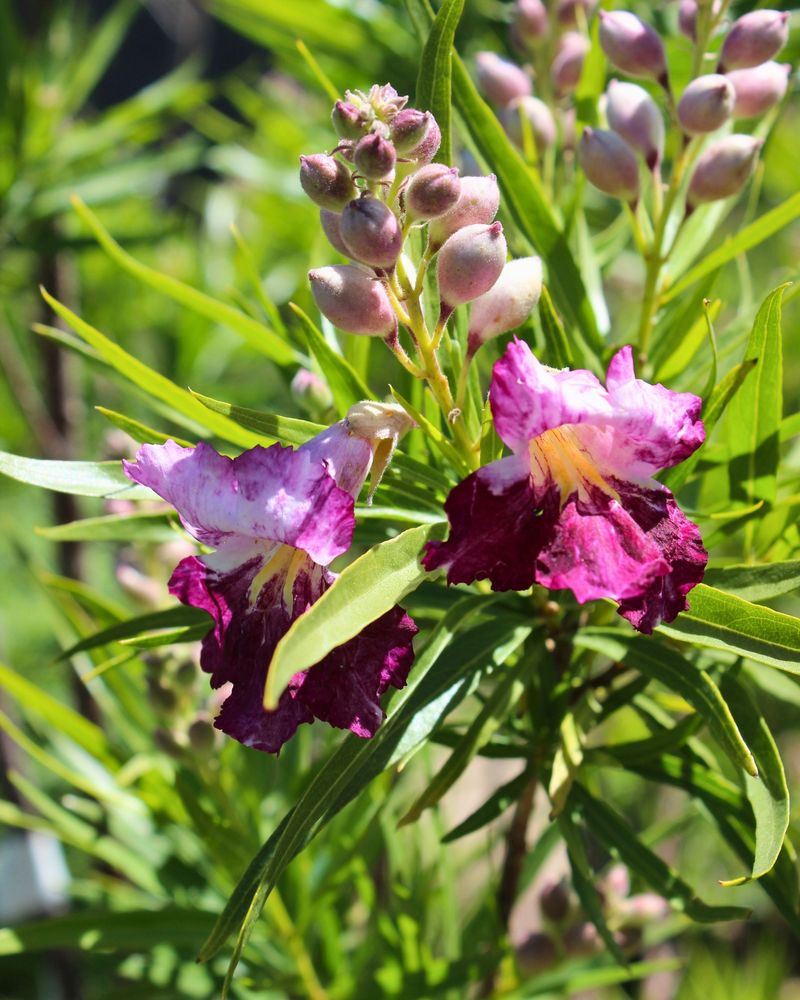
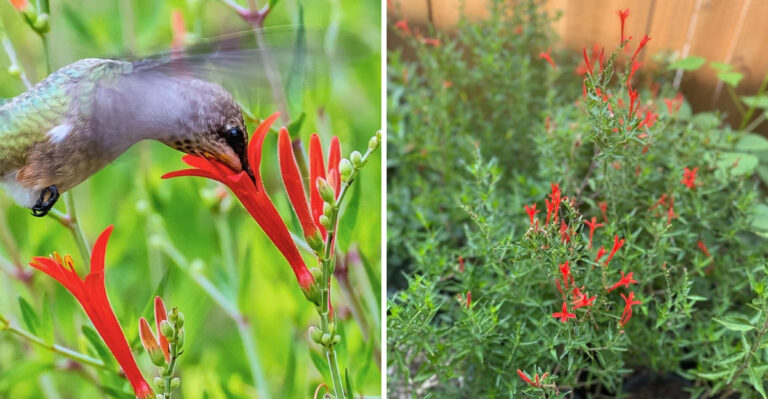
Hummingbirds seem to know exactly where every desert willow in Texas grows. The tree is covered in trumpet-shaped blooms that are perfect for tiny beaks. Plant one, and you may get a front-row seat to these little flyers.
Despite the name, the desert willow is not a true willow. It just has long, skinny leaves that look similar. It is actually related to the catalpa tree.
Desert willows are made for dry places. They grow wild across West Texas, where rain is rare. Once settled, they need very little watering.
The flowers come in pink, purple, white, or burgundy, depending on the variety. They bloom from late spring right through summer. Some trees keep flowering until fall.
These trees stay small, usually 15 to 25 feet tall. Many grow with several trunks, giving them a graceful, airy look. They fit nicely in rock gardens and xeriscape yards.
Good drainage matters more than anything. Desert willows hate soggy soil and can struggle in wet spots. If your yard has heavy clay, plant on a small mound or raised bed.
Full sun is a must for lots of flowers. Too much shade leads to fewer blooms and weak branches. Pick the sunniest spot you have.
Water the tree every week or so during its first fall and winter. After a year, you can water only during long dry stretches. Overwatering is a more common problem than underwatering.
For folks trying to save water or cut down on yard work, desert willow is a smart and colorful pick. It brings beauty without asking for much in return.
7. Mexican Plum Offers Spring Blossoms And Fruit
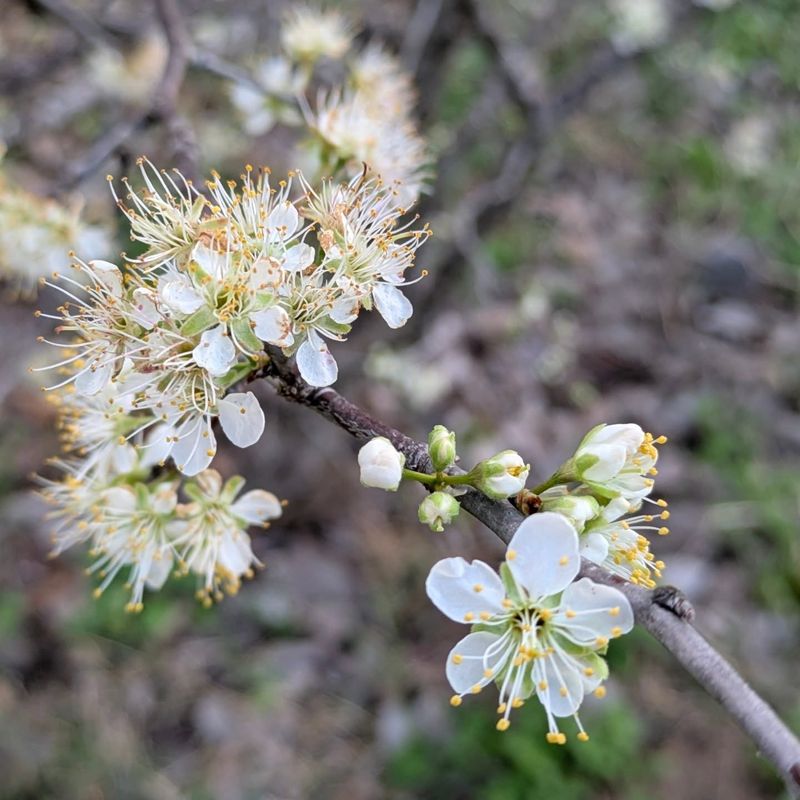
Walk past a Mexican plum in early spring, and your nose will notice before your eyes do. The tree fills the air with a sweet smell from its snowy white flowers. It is one of the prettiest sights in a yard.
Mexican plum is a small native tree that grows about 15 to 25 feet tall. It has a neat, rounded shape. The bark gets darker and more textured as the tree ages, adding winter interest.
After the blooms, small purple-red plums form by late summer. You can eat them fresh or turn them into jelly. Birds and small animals love them too, so you may need to share.
Unlike some plums, this tree does not send up lots of suckers. That means fewer surprise sprouts popping up in your lawn. It stays tidy and easy to manage.
Mexican plums grow well in sun or light shade. They make a lovely understory tree beneath taller oaks. They also handle clay soils and short dry spells.
Planting in October helps the tree build roots before it blooms in February or March. Water deeply after planting and keep the soil evenly moist through winter. Mulch will protect the roots on chilly nights.
Bees and butterflies depend on early flowers after winter. Your tree gives them one of their first meals of the year. That makes it a helpful addition for pollinator gardens.
Quick tip: ask your nursery for trees grown from Texas seed sources. Those plants are already used to local weather.
With a little care, your Mexican plum will reward you with blossoms, fruit, and busy wildlife every year.