8 California Native Plants That Give Pollinators Food As Summer Fades
A backyard in Sacramento in early September sounds like it should be quiet. Summer’s over, the hills have gone brown, most flowers have called it quits for the year.
Instead, bees zip between purple daisies. A hummingbird darts at bright red blossoms nobody expected to see this late.
Something is still feeding all of them, and it isn’t luck.
A handful of California natives take turns blooming right when everything else has faded, stretching a buffet of nectar and pollen from late summer clear into the coldest weeks of fall.
Curious what’s actually keeping that yard buzzing louder in September than it did back in May? The answer starts with a hummingbird chasing a color most gardens have already lost for the year.
1. California Fuchsia Feeds Late Season Hummingbirds
A hummingbird zips across a dusty yard in September, hunting for a sip of nectar.
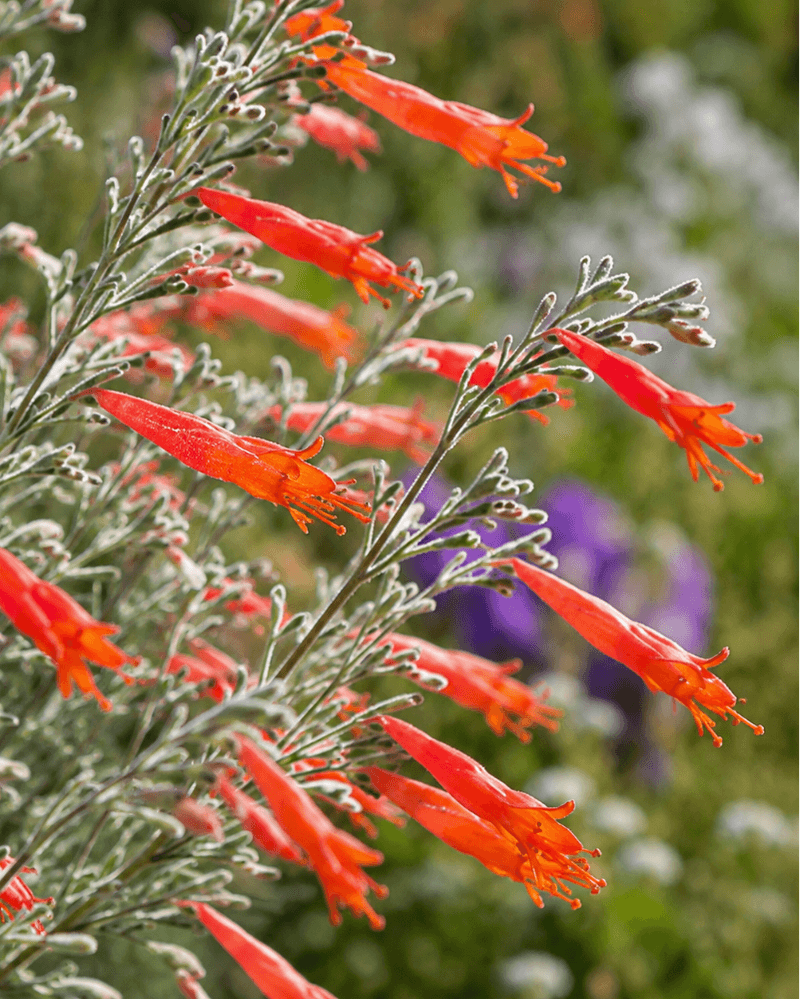
Suddenly it spots a low mound of glowing orange-red trumpets and dives right in. That splash of color is California fuchsia, one of the best late-season meals a hummingbird can find.
Botanists call this plant Epilobium canum, and it usually begins flowering in late summer and keeps going well into fall.
Its long, tube-shaped blossoms fit a hummingbird’s slender bill almost perfectly. Most bees have trouble reaching the nectar hidden deep inside, so the birds get the biggest share.
Anna’s hummingbirds stay in many parts of California all year, so they need food long after spring flowers have dried up.
Other hummingbirds passing through on their migration also stop to refuel. A single patch of fuchsia can turn into a busy little feeding station.
Planting it is simple if you give it what it likes.
Pick a sunny spot with soil that drains well, since soggy roots can rot. Once it settles in, it needs very little summer water, which makes it great for dry gardens and slopes.
After blooming ends in late fall or early winter, cut the stems back close to the ground.
Fresh green shoots will pop up in spring, and the plant will look neater. Plant it near a window or patio, then grab a chair on a warm afternoon and count the visitors.
2. California Aster Draws Bees Into Fall
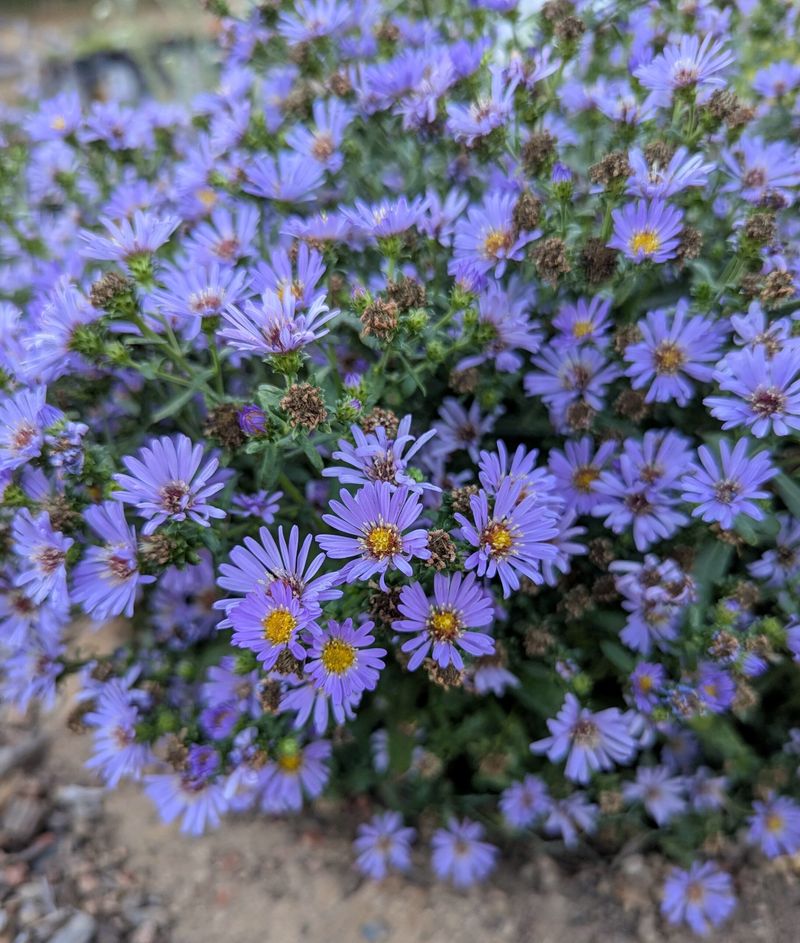
Notice a patch of pale purple daisies humming like a tiny engine in October? Get closer and you’ll probably find bees crawling over every flower head.
California aster has that kind of pull, and it saves some of its best work for the end of the year.
Its scientific name is Symphyotrichum chilense, though many gardeners just call it Pacific aster.
Flowers often start opening in mid to late summer and can keep coming into fall, depending on where you live. Each bloom has a sunny yellow center surrounded by thin lavender or white petals.
That yellow center is really a crowd of tiny flowers packed together.
Bees love it because they can land once and gather nectar and pollen from lots of little blooms without flying away. Native bees, honey bees, and butterflies all stop by.
Your California Garden Changes Every Week. Your Plan Should Too.
Gardening in California changes quickly throughout the season. Every Friday you’ll receive a simple weekly plan showing exactly what to plant, prune, fertilize, harvest, and protect so you never miss the right timing.
California aster spreads by underground stems, so a single plant can become a wide patch over a few years.
Some people see that as a bonus, since it fills bare ground and crowds out weeds. If you want it to stay put, plant it where it has natural borders, like a path or a wall.
Give it full sun or a little afternoon shade.
It can handle dry spells once established, but an occasional deep watering in summer keeps the flowers coming longer.
3. California Buckwheat Feeds A Range Of Insects
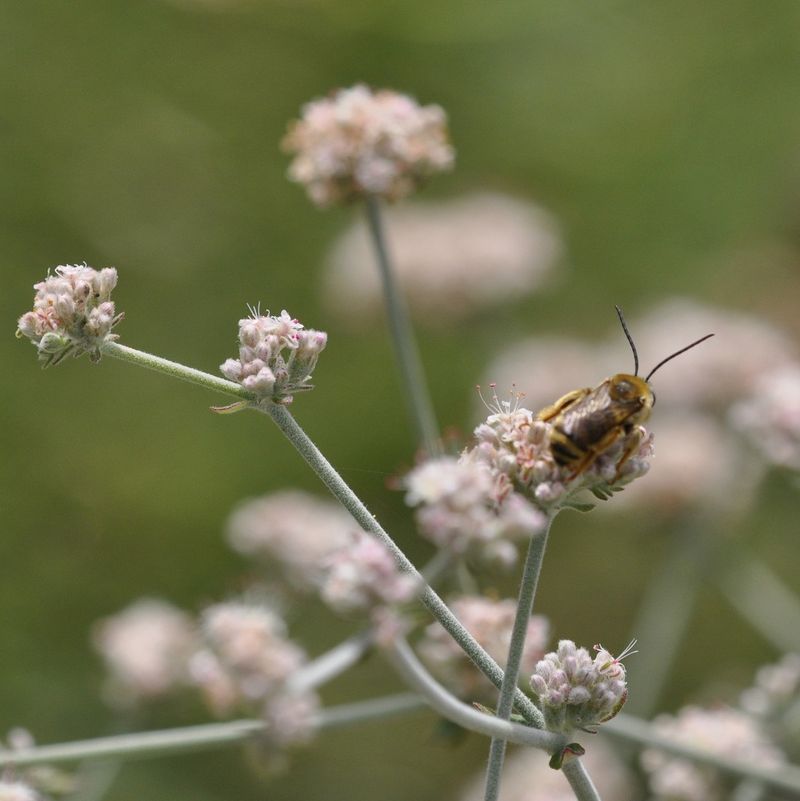
Researchers who study bees in California often point to one scrappy shrub as a favorite. California buckwheat.
Watch a flowering plant for just a few minutes, and you may spot tiny native bees, wasps, flies, beetles, and butterflies all sharing the same flower clusters. It’s like a crowded food court for insects.
The plant, Eriogonum fasciculatum, grows wild on dry hillsides across much of the state.
Its main bloom usually runs from late spring through summer, and in many areas some flowers keep going into early fall. The creamy white or pinkish blossoms slowly fade to a rusty brown color as they age.
Those rusty flower heads are not just pretty.
They stay on the plant for months and provide seeds that birds pick at in fall and winter. So even after the nectar slows down, buckwheat keeps feeding wildlife.
Its bloom peaks a bit earlier than some other plants on this list, so think of it as a bridge from early summer to the true fall bloomers.
Here’s how to keep it happy.
Give it lots of sun and soil that drains fast, like sandy or rocky ground. After its first year, it needs little or no summer water in most areas, and too much water can actually shorten its life.
Here’s a fun fact worth knowing. Several small blue butterflies lay eggs on wild buckwheats so their caterpillars have something to eat.
4. Coyote Brush Blooms When Little Else Does
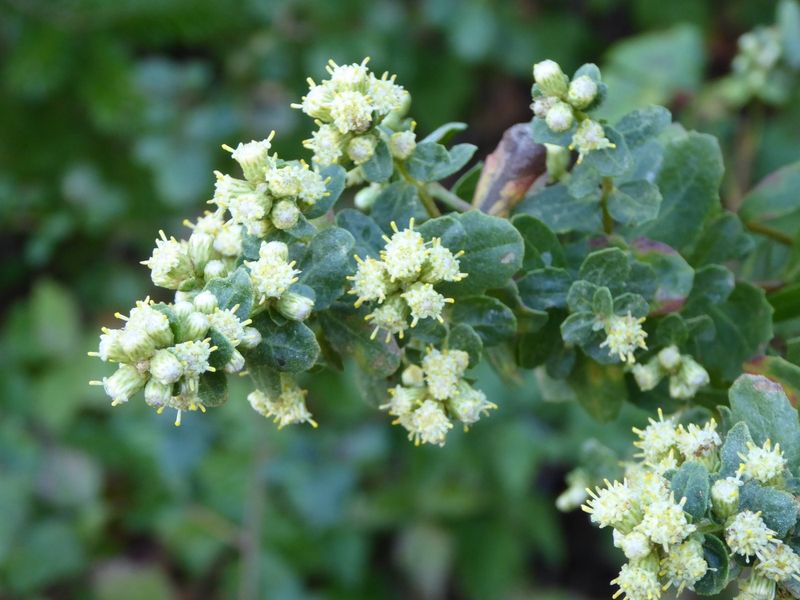
Nobody ever called coyote brush the prettiest plant on the hill.
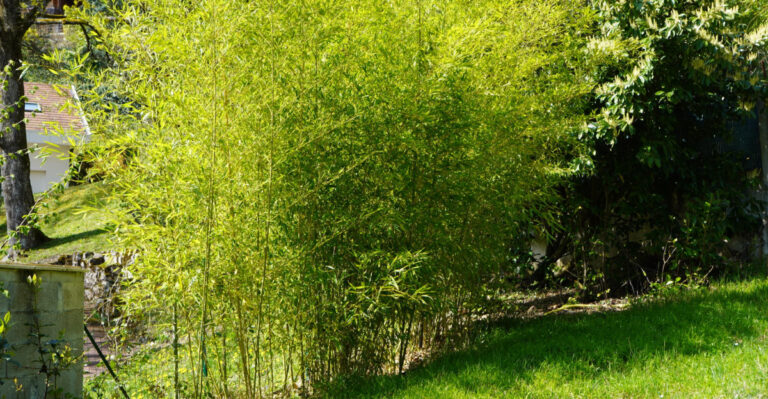
It’s a tough, scrubby shrub with small green leaves and tiny off-white flowers that are easy to miss. Yet in fall, when much of the California landscape looks brown and tired, this humble plant becomes a lifeline.
Baccharis pilularis usually starts blooming in late summer or fall and can keep flowering into early winter.
That timing is its superpower. By then, many other native plants have finished, so bees, flies, wasps, butterflies, and beetles crowd onto coyote brush to feed.
Here’s something surprising.
Coyote brush plants are either male or female. Male plants have yellowish flowers full of pollen, while female plants make fluffy white seeds that drift on the wind like tiny parachutes.
Because it blooms so late, coyote brush also supports the garden helpers that people like.
Tiny wasps and flies that eat pest insects often visit its flowers for energy. A hedge of it can quietly make your whole garden healthier.
Planting tips are simple.
Choose a sunny spot, water regularly during the first year, and then cut back to occasional deep soaks. Low-growing types such as ‘Pigeon Point’ make a tidy ground cover, while taller wild forms work well as a screen or windbreak.
5. California Goldenrod Extends The Nectar Season
Poor goldenrod has been blamed for sneezing for years, and it doesn’t deserve it.
Its pollen is heavy and sticky, so it rides on insects instead of floating through the air. The real troublemaker is usually ragweed, which blooms around the same time and spreads light pollen on the breeze.
With that cleared up, here’s why California goldenrod belongs in your yard.
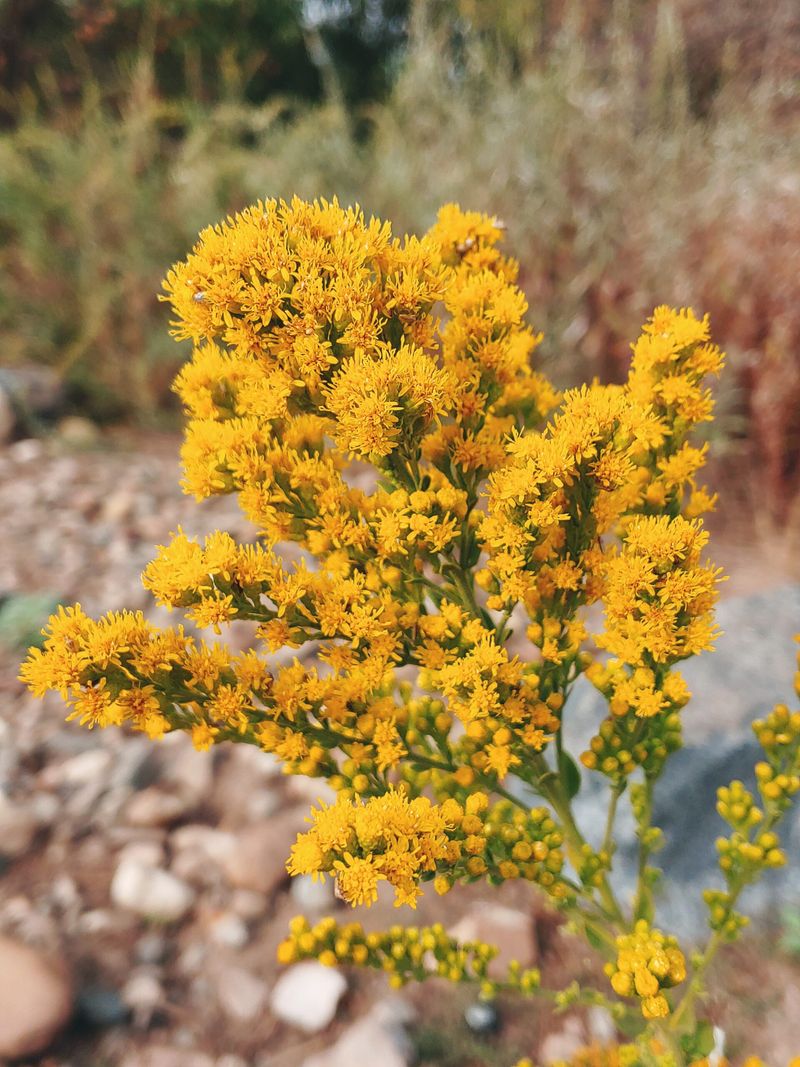
Known as Solidago velutina subspecies californica, it sends up tall wands of bright yellow flowers, often from late summer through fall. Many gardens see it hit its stride right as other flowers are fading.
Those golden sprays are packed with small blooms, which makes them easy pickings for bees, butterflies, beetles, and flies.
Watching a stand of goldenrod on a sunny October afternoon is like watching a busy airport. Visitors land, feed, and take off again nonstop.
Goldenrod pairs beautifully with California aster, since the purple and yellow colors look great together.
They often overlap in bloom, though timing varies by area. Mixing them helps keep flowers open over a longer stretch.
The plant spreads by underground roots, so it can form a patch.
It handles clay soil, sun, and part shade, and it tolerates dry summers once settled.
6. Deerweed Keeps Producing Through Late Summer
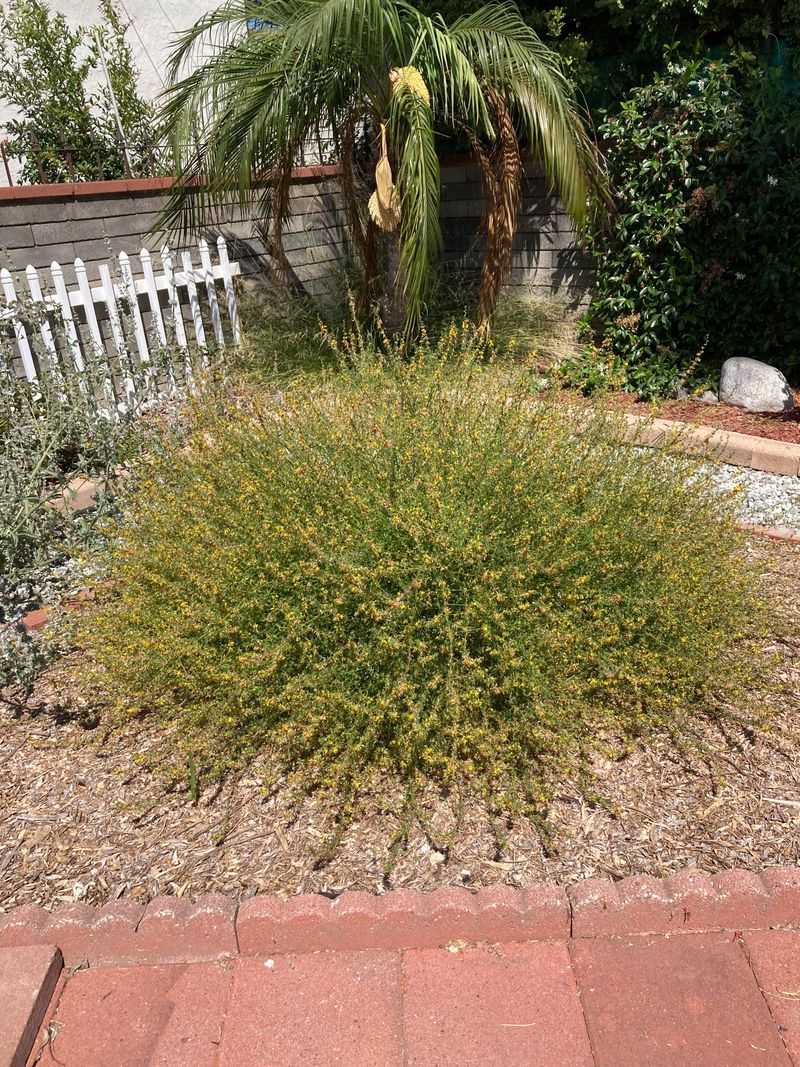
After a wildfire sweeps through California chaparral, one of the first green plants to return is often deerweed.
Its thin, wiry stems pop up on burned slopes, and soon they’re covered with little yellow flowers. It’s nature’s way of patching up damaged ground.
Deerweed, or Acmispon glaber, is a member of the pea family.
Its flowers are small and shaped like tiny sweet pea blossoms, starting yellow and often turning orange or red as they age. The plant can bloom for months, often from spring well into late summer, and sometimes a bit later in cooler coastal spots.
That long run is what makes deerweed so helpful.
While some plants on this list are just getting started, deerweed is already feeding bees and keeps going as summer winds down. Bumble bees and other sturdy native bees can push open the pea-shaped flowers to reach the nectar and pollen inside.
Deerweed also feeds the caterpillars of some small blue butterflies.
Like other pea plants, it works with soil bacteria to add nitrogen to the ground. That natural fertilizer can help nearby plants grow.
It’s not a long-lived shrub, often lasting only a few years.
Let some seeds drop, and new plants will usually show up on their own.
7. Yarrow Rounds Out A Pollinator Friendly Yard
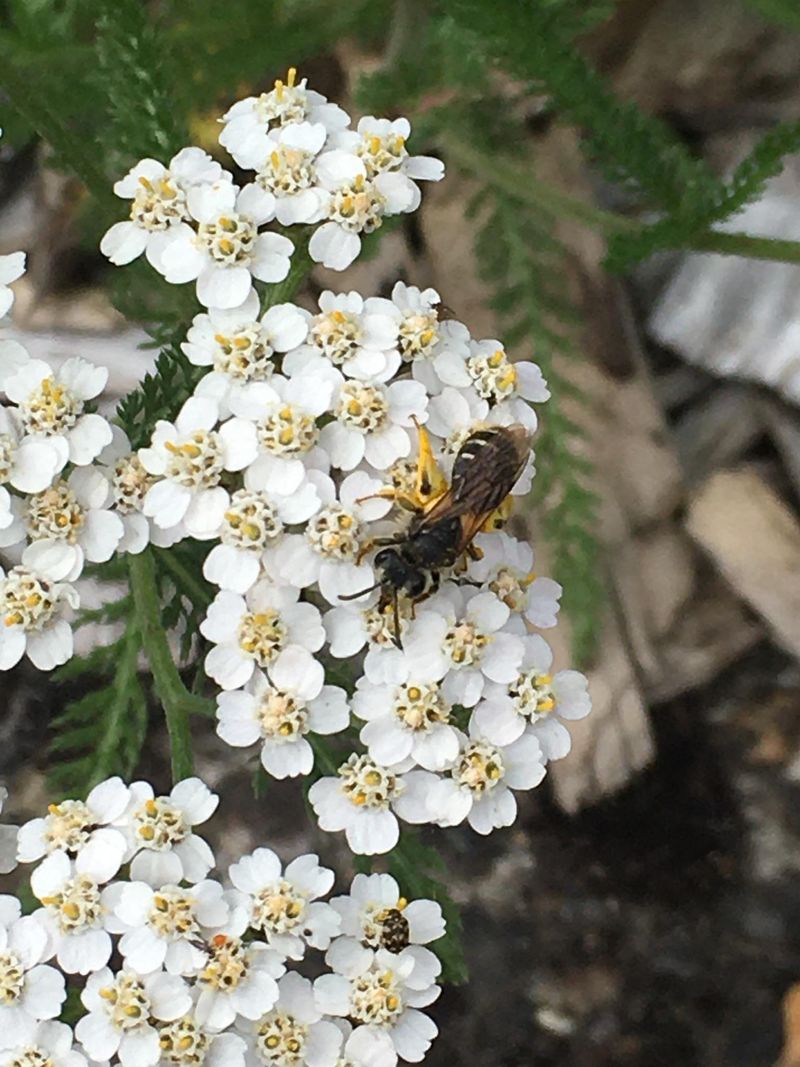
If the other six plants are the star players, yarrow is the reliable teammate who shows up for nearly every game.
Its flat clusters of tiny white flowers can appear in spring and keep coming through summer, with some blooms lasting into fall. Few natives stay on the job that long.
Achillea millefolium grows naturally in many parts of California, from beaches to mountain meadows.
The flat flower tops work like landing pads, so small native bees, flies, wasps, and butterflies can rest while they sip. Its feathery, fern-like leaves also smell spicy when you brush against them.
Keeping yarrow blooming is easy.
Snip off faded flower heads, and the plant will often push out new ones. It grows in sun or light shade and handles dry soil, though a little summer water helps it look fresh.
Now think about how all seven plants fit together.
Buckwheat, deerweed, and yarrow carry much of the load in summer. As they slow down, California aster, goldenrod, and California fuchsia step up in late summer and fall, and coyote brush often keeps flowering after nearly everything else has quit.
None of these plants bloom in perfect unison, and that’s exactly the point. Each one peaks at a slightly different time, so together they stretch the nectar season much longer than any single plant could.
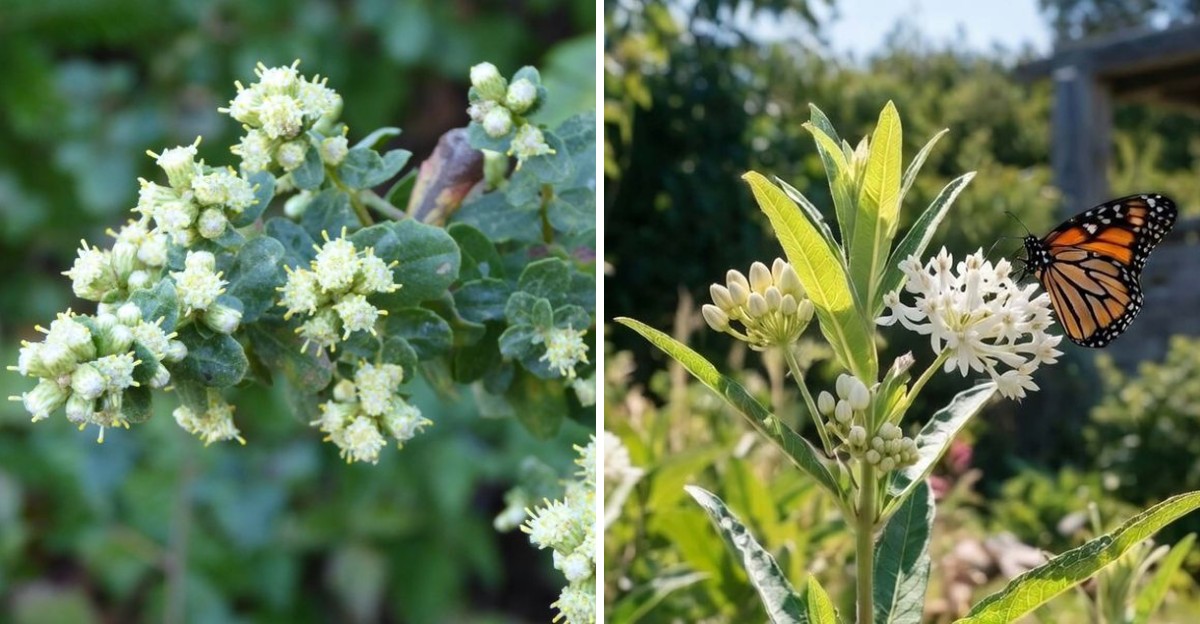
8. Narrowleaf Milkweed Supports Monarchs Late Into The Season
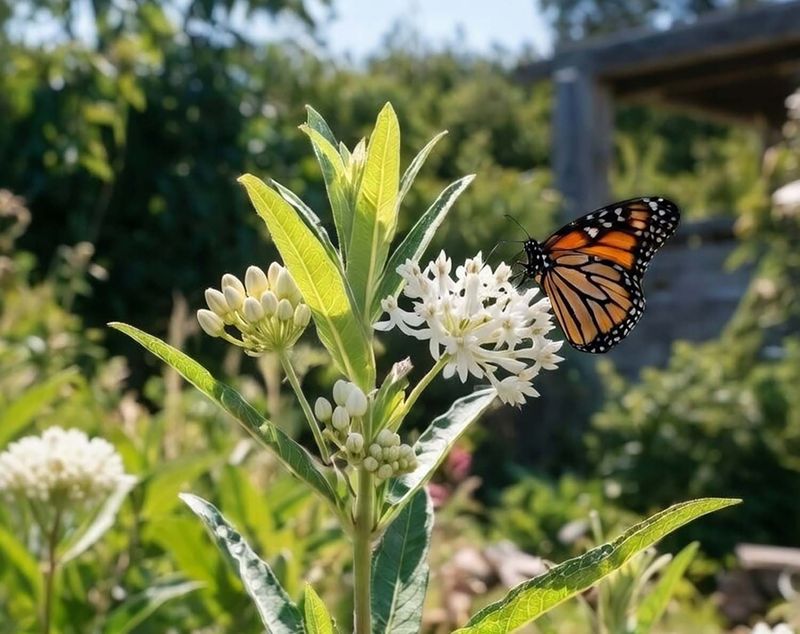
While the other seven plants feed a broad mix of pollinators, one native carries a more specific mission that makes it worth the extra spot on this list.
Asclepias fascicularis, narrowleaf milkweed, blooms with small clusters of pale purple and white flowers, usually starting in early summer and often continuing into September in milder parts of the state.
Bees and butterflies visit those flowers for nectar just like they would any other bloom, but the plant’s real value shows up in what happens after the flowers fade.
Monarch caterpillars can eat only milkweed leaves, and narrowleaf milkweed is one of the species they evolved alongside here in California.
Without it, or a close relative, the whole monarch life cycle simply cannot continue in a given area.
Late-season blooms matter more than they might seem at first glance. Monarchs moving through California in late summer and fall need both a nectar source for the adults and healthy leaves for any caterpillars still developing before winter.
Unlike tropical milkweed, which some nurseries still sell and which can stay green and confuse monarch migration timing, narrowleaf milkweed goes dormant naturally in fall the way a native plant should, following the same seasonal rhythm as the butterflies it supports.
Give it full sun and well-drained soil, and expect it to spread a bit through underground rhizomes once established. Water regularly the first year, then taper off, since mature plants tolerate dry summer conditions reasonably well.
One practical note worth knowing: healthy plants sometimes host large numbers of caterpillars that strip leaves down to bare stems.
That’s not damage to worry about. It’s the plant doing exactly the job it evolved to do, and the stems typically leaf out again given a little time.