4 Kitchen Ingredients That Feed Your Arizona Garden Better Than Store-Bought Fertilizer
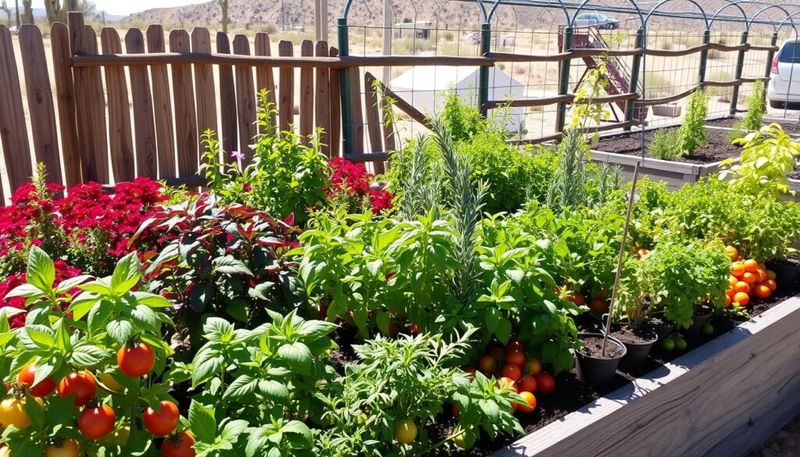
Growing a garden in Arizona is no easy task when the heat climbs past 100 degrees and the soil feels more like concrete than dirt. Before you spend money on bags of fertilizer, take a look at what you already toss in the trash.
Everyday kitchen scraps can feed your plants, improve your tough desert soil, and even keep pests away. Here are four simple ingredients that work harder than most store-bought options.
1. Coffee Grounds
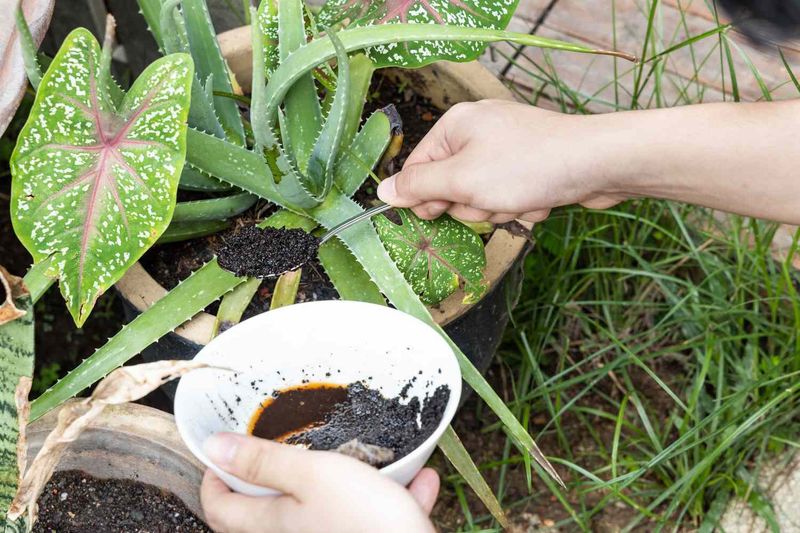
That little pile of used coffee grounds sitting in your filter each morning is quietly one of the best things you can hand your Arizona garden. As they break down, grounds release a slow feed of nitrogen along with magnesium, calcium, and potassium that plants soak up over time.
Arizona soils tend to be alkaline and packed with caliche, which makes water retention a real struggle during summer. Coffee grounds loosen up that texture and help the ground hold moisture longer, a huge win when you are trying to stretch every drop of water.
They also invite earthworms, whose tunneling aerates the soil and spreads nutrients where roots can reach them.
For gardeners tired of snails and slugs chewing on tender leaves, grounds can help make the area less inviting to those soft-bodied pests. Just rake a thin layer into the top few inches of soil, or toss them into your compost pile as a green material.
A little goes a long way, so resist the urge to dump a thick pile in one spot.
2. Banana Peels
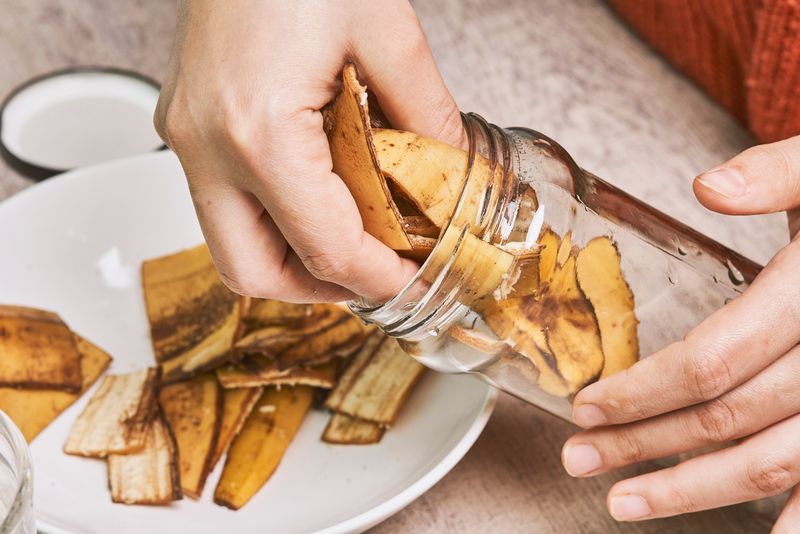
Most folks peel a banana and never think twice about the wrapper, but that peel is a potassium powerhouse your flowering plants would love to get their roots on. Along with potassium, banana peels carry phosphorus and calcium, the exact nutrients that push out bigger blooms and fruit.
In Arizona, heat-tolerant flowering plants and fruit-bearing natives burn through energy fighting the summer sun. The calcium in banana peels can also help prevent blossom end rot, a frustrating problem that shows up on tomatoes and peppers in desert gardens.
Peels pull double duty as a mild deterrent against aphids, one of the most common pests crawling across Arizona landscapes. Try making a simple banana tea by soaking peels in water overnight, then pour that nutrient-rich liquid around your plants.
You can also chop the peels and bury them near the roots so they feed the soil slowly as they rot down.
3. Eggshells
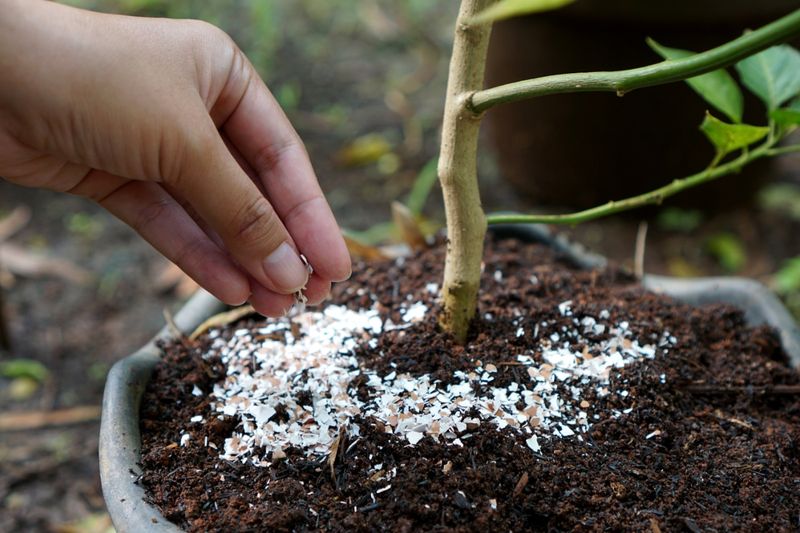
Crack an egg for breakfast and you are holding a free source of calcium carbonate in your hand. Ground into a fine powder, eggshells strengthen plant cell walls and encourage sturdy root growth in your hardiest desert plants.
Now, most Arizona soils already run high in calcium and lean alkaline, so eggshells will not dramatically shift your pH. That said, they still earn their spot in the garden for other reasons.
Finely crushed shells give earthworms the grit they need to digest their food, which keeps your soil ecosystem lively and healthy.
Your Arizona Garden Changes Every Week. Your Plan Should Too.
Gardening in Arizona changes quickly throughout the season. Every Friday you’ll receive a simple weekly plan showing exactly what to plant, prune, fertilize, harvest, and protect so you never miss the right timing.
The jagged edges of broken shells also form a scratchy barrier that slugs and snails would rather avoid, offering natural protection for vulnerable seedlings. Rinse your shells, let them dry, then grind them up and sprinkle the powder around the base of your plants.
Tossing a handful into the compost bin works too, releasing minerals slowly over the weeks ahead.
4. Molasses
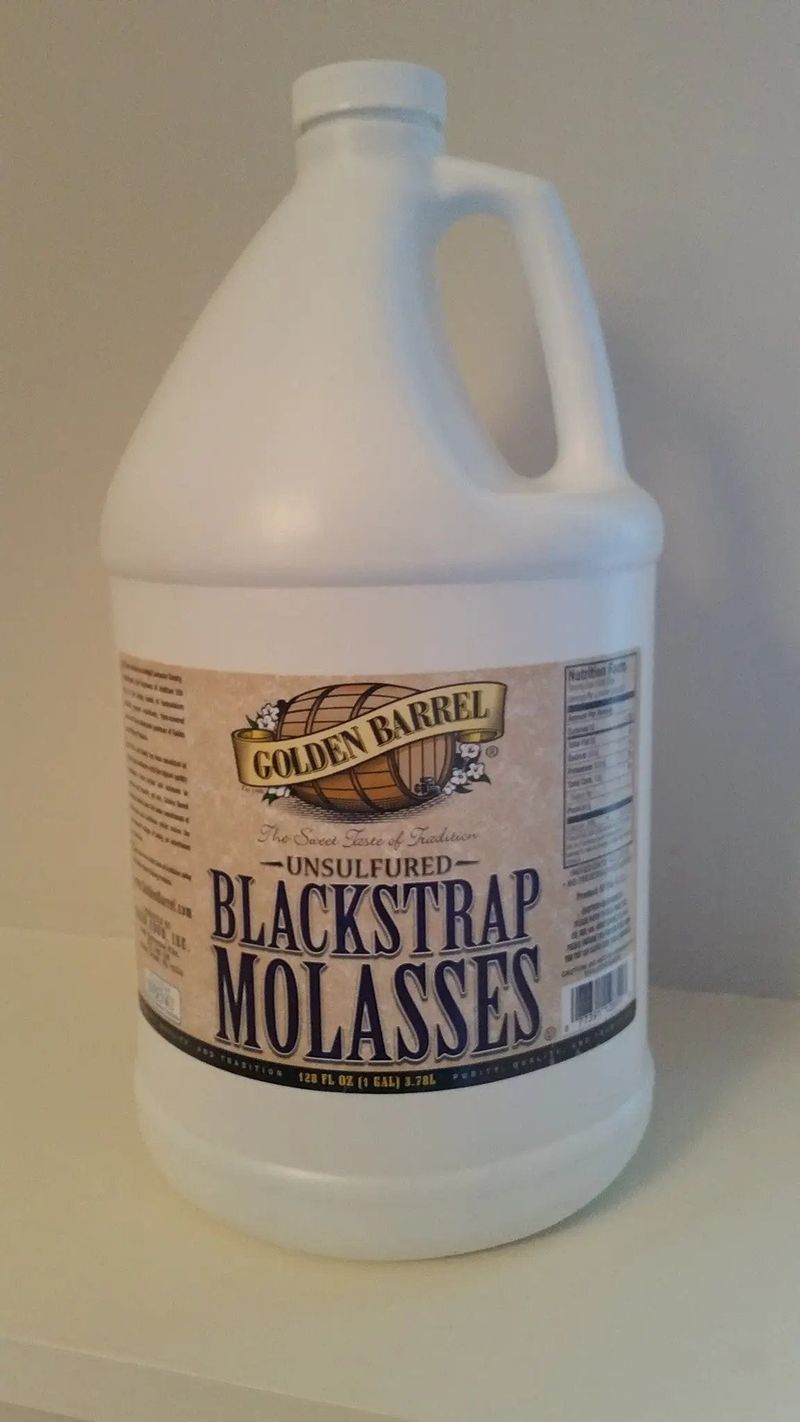
Here is a sweet secret most desert gardeners overlook: a spoonful of molasses can wake up the living part of your soil. Blackstrap molasses in particular is loaded with calcium, magnesium, iron, potassium, and sulfur, plus natural sugars that do something special underground.
Those sugars feed the beneficial microbes living in your soil, kicking their activity into high gear. When that microbial community thrives, you get better soil structure, more available nutrients, and improved water retention, which are exactly the conditions drought and heat-tolerant Arizona plants crave.
A stronger soil microbiome also helps plants stand up to the environmental stress that comes with brutal desert summers. Molasses can even serve as an organic tool in a natural pest management routine, making it a practical pick for homeowners who want their yard working for them.
Dilute liquid molasses with water and pour it over the soil, or use it as a foliar spray on the leaves. Feed your soil the good stuff, and it will feed your plants right back.