Why California Hibiscus Drop Yellow Leaves When Nights Cool
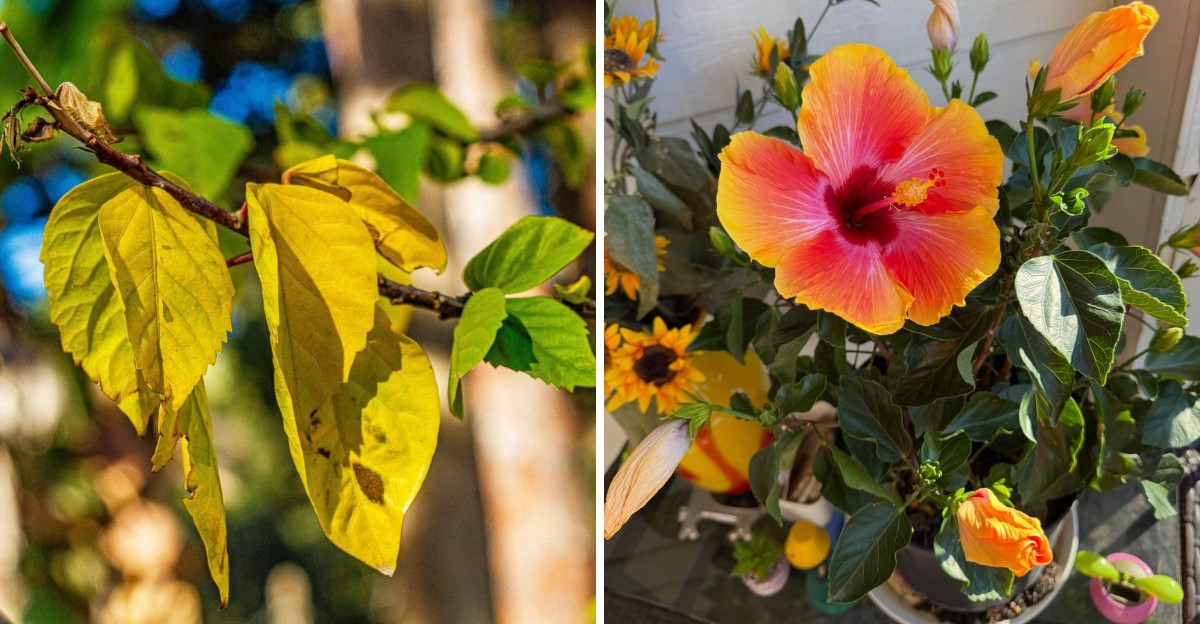
A tropical shrub can start yellowing its leaves when nights sit near 50°F, long before any frost arrives. That plant might be the cheerful bloomer by your patio, and its timing feels almost suspicious to me.
In California, the trouble often starts during those crisp autumn evenings that follow warm, sunny afternoons. Roots slow down in chilly soil, so older leaves lose their green color and quietly let go.
I have to admit the first yellow leaf on my patio sent me racing for the watering can. You might notice the same panic, yet extra water is often the worst possible response in cool weather.
Plenty of California gardeners see this every fall, and most plants bounce back beautifully with smart, patient care. So what exactly is your leafy friend trying to tell you when those golden leaves pile up below?
1. Tropical Hibiscus Slow Down Below 50 Degrees
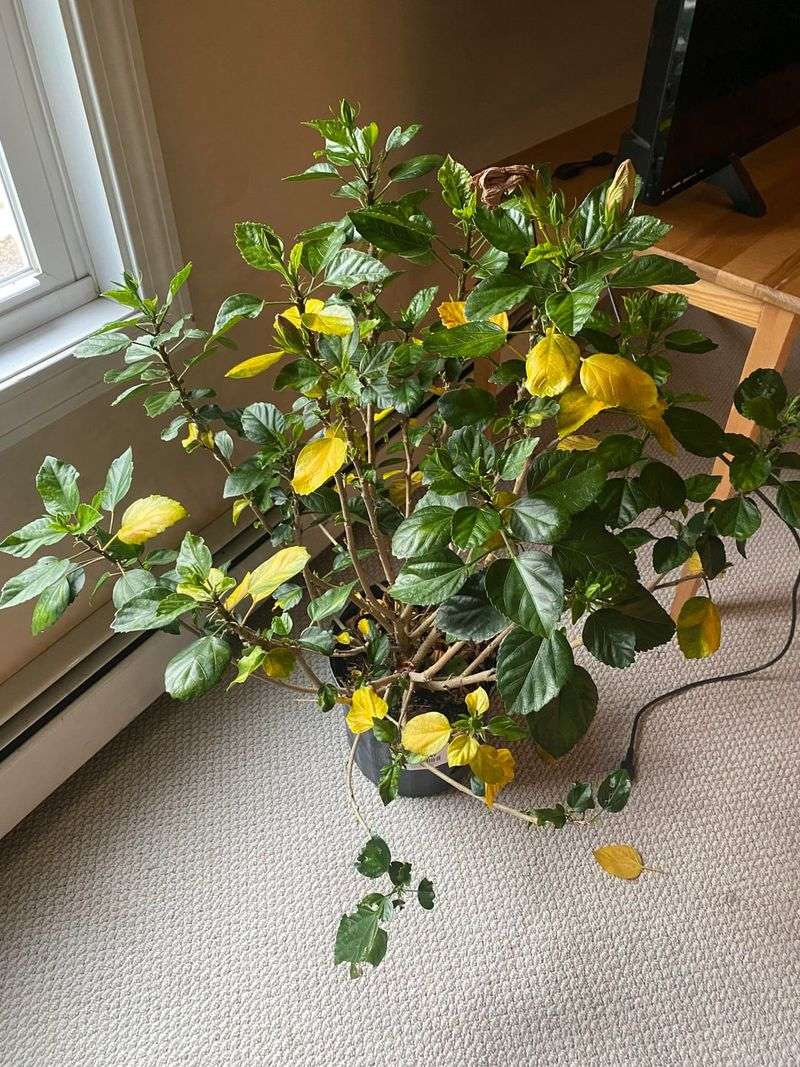
My hibiscus acts like a sunbather who grabs a towel the moment the evening breeze turns cool. Tropical hibiscus, Hibiscus rosa-sinensis, grows happiest when temperatures stay between roughly 60 and 95 degrees Fahrenheit.
Once nights slip below about 50 degrees on a regular basis, the plant’s metabolism slows down quite a bit. Growth stalls first, and leaves that cost too much energy to maintain often start turning yellow.
I think of it as the shrub tightening its budget for winter rather than giving up on you. A plant that cannot grow quickly simply has less reason to keep every single leaf fully fed.
You can track this pattern yourself with a cheap outdoor thermometer placed near the plant at night. Many gardeners notice that yellowing picks up within a week or two after lows dip into the forties.
Freezing weather is a much bigger worry, since temperatures at or below 32 degrees can cause severe injury. Mild leaf drop in the fifties and forties, by comparison, is usually a normal seasonal response.
Personally, I stop expecting big flower shows once the evenings turn crisp, and that mindset saves me worry. Enjoy the occasional late bloom as a bonus, and let the plant rest without pushing it.
Skip fertilizer during this slow stretch, because a resting plant cannot use extra food very well. Resume regular feeding in early spring, once fresh shoots show the shrub is ready to grow again.
2. Cold Soil Makes Hibiscus Roots Sluggish
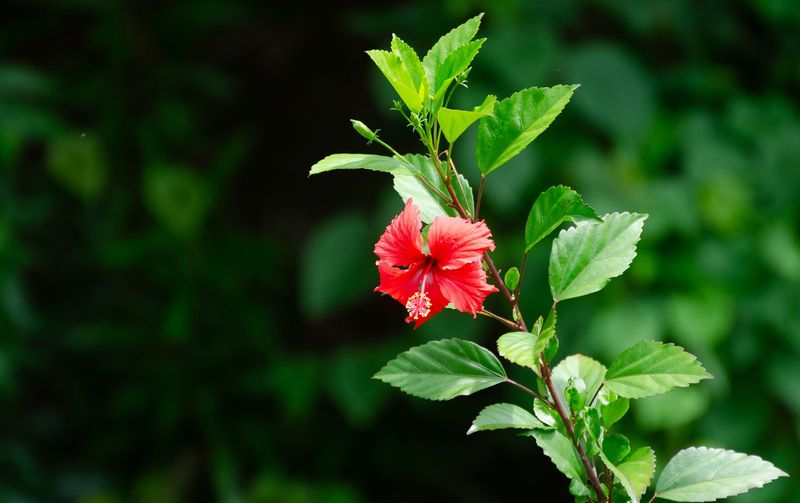
Roots feel winter before you do, because damp soil holds onto the night chill long after sunrise. Cool soil makes hibiscus roots slow and lazy, almost like sleepy kids refusing to leave a warm bed.
Cold stress, sometimes called cold shock, weakens the roots’ ability to pull water and nutrients from the soil. Leaves upstairs then run short on supplies, so they may look pale or veiny before yellowing.
I find it fascinating that a plant can be thirsty while sitting in perfectly moist dirt. Water is right there, yet chilly roots simply cannot move it upward as quickly as summer roots can.
You might see leaves droop slightly in the morning, then perk up a little as afternoon sun warms things. That pattern hints that cold roots, not a lack of water, are the real problem behind the droop.
Containers cool down faster than garden beds, since chilly air surrounds the pot on every side. Lifting a pot onto feet or a wooden stand keeps it off cold patio concrete overnight.
Dark pots can soak up some afternoon warmth, which gives roots a small comfort boost before evening arrives. Placing containers against a south-facing wall adds another gentle, helpful layer of stored heat after sunset.
Resist the urge to fix sluggish roots with fertilizer, since cold roots struggle to absorb it anyway. Warmth and patience work far better, and the roots wake up nicely once spring soil temperatures climb.
3. Older Lower Hibiscus Leaves Turn Yellow First
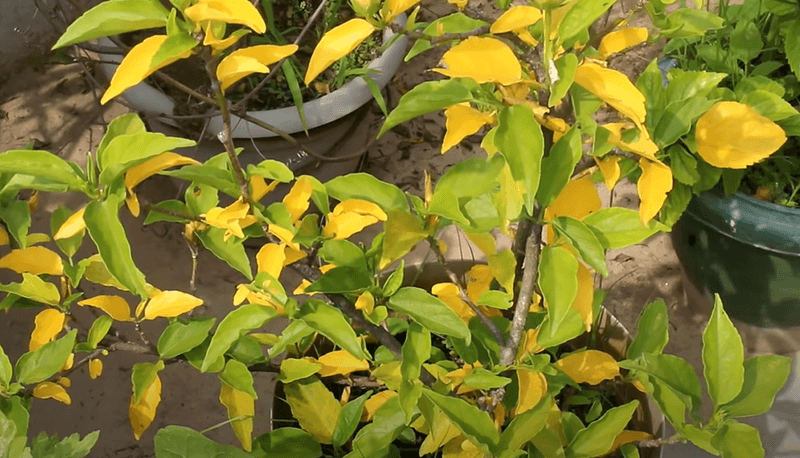
Notice how the yellow leaves usually come from deep inside the shrub instead of the shiny tips? Hibiscus tends to shed its oldest, lowest leaves first, a bit like cleaning out the back of a closet.
Older leaves work less efficiently, especially when they sit in shade beneath busier newer growth on top. When the plant needs to save energy, these tired leaves are the first ones it lets go.
Before dropping a leaf, many plants pull useful nutrients like nitrogen back into the stems for later use. That recycling trick is one reason the leaf fades to bright yellow before it finally falls off.
I love how tidy this process feels once you understand it, even if the ground looks messy. A handful of yellow leaves beneath the shrub each morning is usually nothing to lose sleep over.
Pay closer attention if the newest leaves at the branch tips also start yellowing or curling up. That pattern can point toward root trouble or a nutrient problem rather than simple cooler weather.
Pluck off leaves that have turned fully yellow, since they no longer help feed the plant. Leave green leaves alone, even slightly wilted ones, because they may still be making food from sunlight.
Rake fallen leaves away from the base so they do not trap moisture or shelter hungry pests. Your shrub will look neater, and you lower the chances of fungal spots spreading during damp weather.
4. Soggy Winter Soil Leads To Hibiscus Root Rot
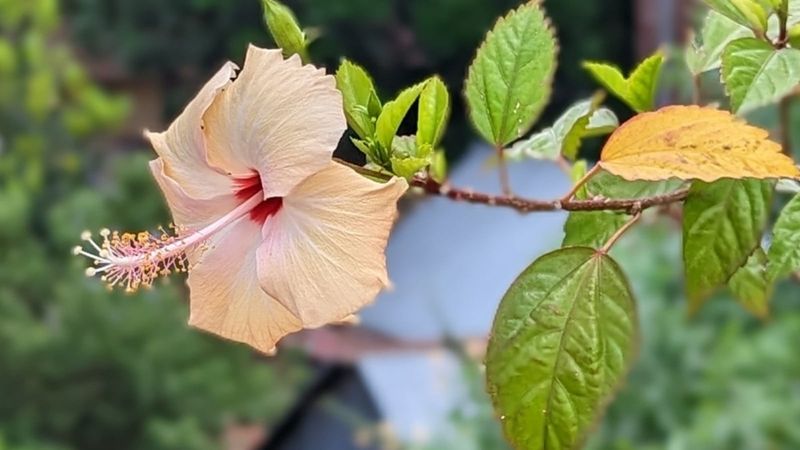
Kindness with a hose can backfire badly once the weather cools and the sun sets earlier each day. A hibiscus drinks far less in cool months, so summer watering habits can leave roots sitting in soup.
Cold, waterlogged soil pushes out the air pockets that roots need for breathing and staying healthy. Without oxygen, roots can start to rot, and rotting roots cannot feed the leaves above them.
Yellow leaves then appear, which tempts many of us to water even more, making the problem worse. I have fallen into that trap myself, and my poor plant clearly did not appreciate the extra attention.
You need to check moisture with your finger before watering, pushing it an inch or two into the soil. Water only when that top layer feels dry, and skip a day if you feel unsure.
Drainage matters just as much as timing, so make sure every pot has open holes in the bottom. Empty saucers after rain or watering, because standing water slowly soaks back up into the root zone.
A light, airy potting mix with perlite or pumice gives roots more breathing room during wet spells. Heavy garden soil packed into containers tends to stay soggy for days, especially under gray winter skies.
Gently tip a struggling plant from its pot and look for mushy brown roots with a sour smell. Healthy roots look firm and pale, so trim any soft ones and repot into fresh, fast-draining mix.
5. Wild Warm And Cold Swings Confuse Hibiscus
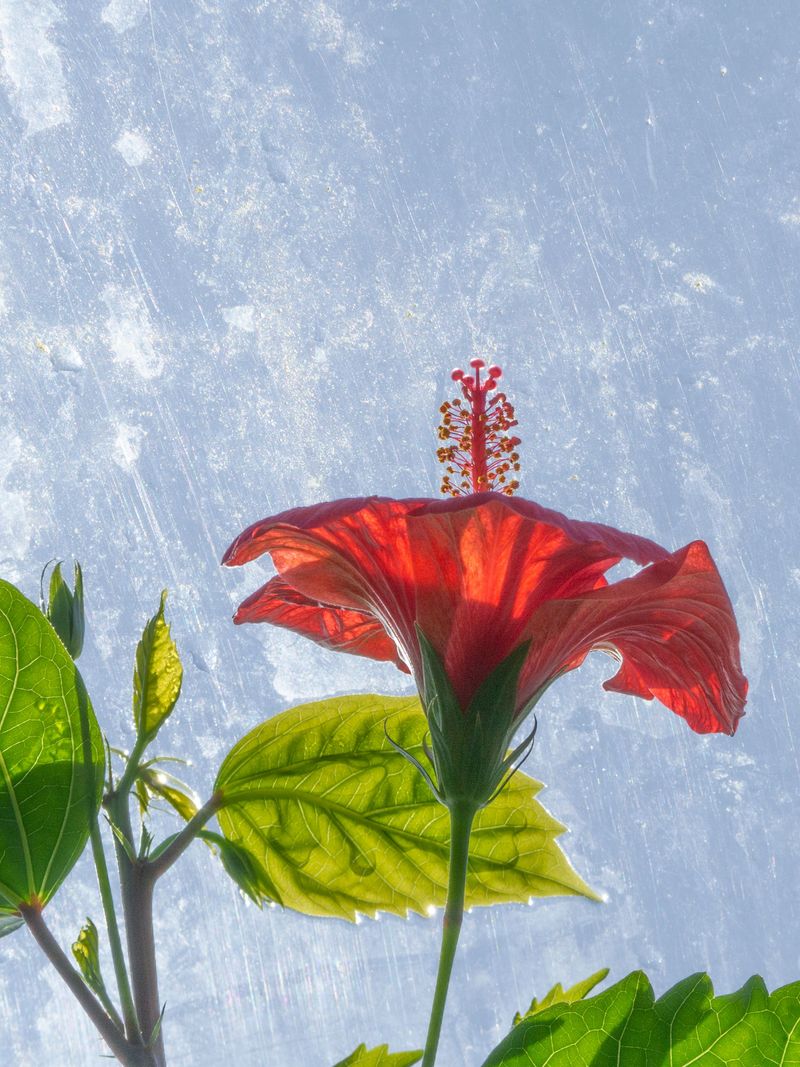
Southern California weather can feel like a mood ring, flipping from toasty afternoons to chilly nights overnight. Hibiscus growers there say those sudden shifts confuse plants that prefer steady, predictable warmth all year.
A warm spell can trick the shrub into shedding older leaves early, as if new growth were coming. Then cold weather returns, and the plant faces fresh stress before it has time to recover.
Dry, gusty wind events add another challenge, pulling moisture from leaves faster than chilly roots can replace it. After a strong windy stretch, I often find crispy yellow leaves scattered across the patio the next morning.
You cannot control the forecast, but you can soften the blows with a few simple habits. Planting hibiscus near a wall or fence blocks some wind and holds a little extra daytime heat.
Water before a predicted dry wind event if the soil already feels dry an inch or two down. Moist, not soggy, soil holds warmth better and helps leaves resist that harsh drying effect overnight.
Watch the weekly forecast closely during fall, since a single warm week can fool you into summer habits. Stick to cool season care even during a heat spell, especially with watering and fertilizer schedules.
What surprises me most is how fast a calm, steady stretch of weather settles everything down again. Leaf drop usually slows within a couple weeks once temperatures stop bouncing around so wildly and dramatically.
6. Inland Valley Hibiscus Face Colder Nights Than Coastal Plants
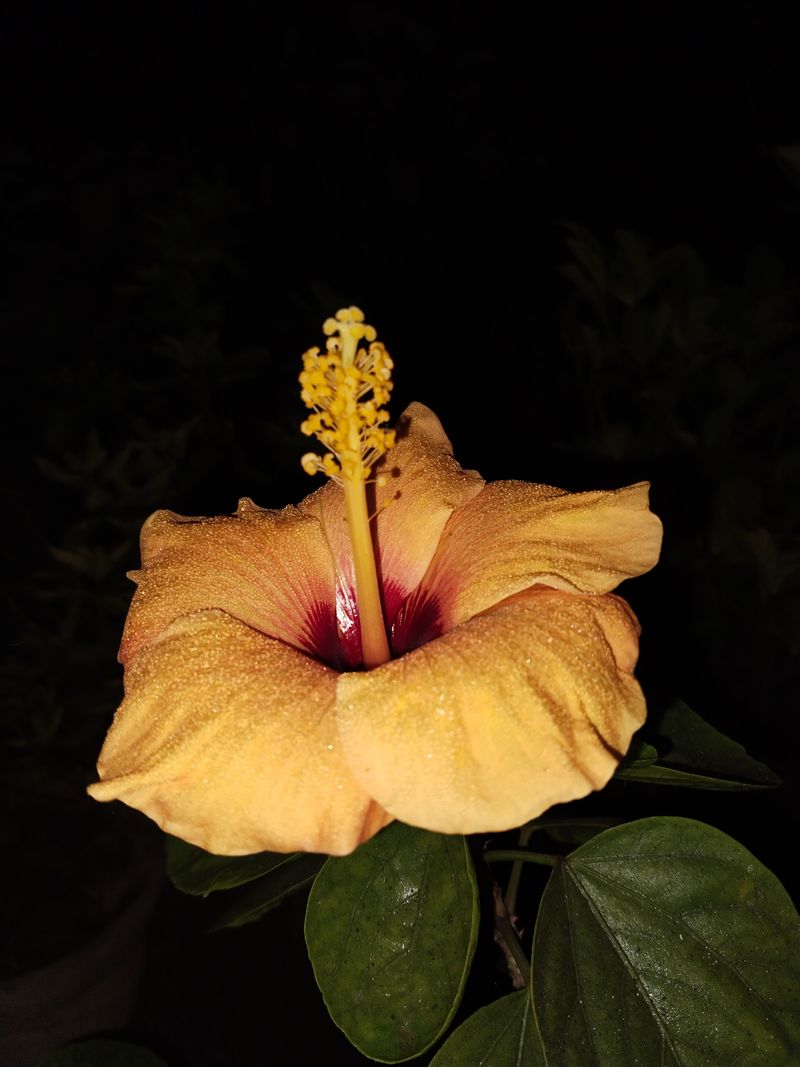
Twenty miles can make a surprising difference, because inland valleys often run much colder at night than beaches. Ocean air acts like a soft blanket along the coast, keeping winter lows milder for hibiscus there.
The Southern California coastal plain generally lets tropical hibiscus grow outdoors all year with little fuss. Inland valleys and interior deserts usually need extra protection during both hot summers and cold winter nights.
Cold air sinks and pools in low spots, so shrubs at the bottom of slopes feel chill first. I like checking my yard on a frosty morning to see where the roof frost lingers longest.
Those frosty pockets tell you which spots are risky for tender tropical plants during the coldest weeks. You might find that a sheltered corner by the house stays several degrees warmer than open lawn.
Northern California and Central Valley gardeners face even chillier winters, so many grow hibiscus in containers instead. Pots let you roll the plant into a garage or sunroom whenever a hard freeze is predicted.
Check your local USDA hardiness zone and average first frost date before deciding where your shrub should live. Tropical hibiscus generally handles outdoor life year round best in the warmest zones, roughly 10 and 11.
Hardy hibiscus, Hibiscus moscheutos, is a different story, since it drops leaves and rests underground each winter. Those native-to-North-America perennials handle cold far better, so their winter leaf loss is normal and expected.
7. Hungry Hibiscus Leaves Show Yellow Between Green Veins
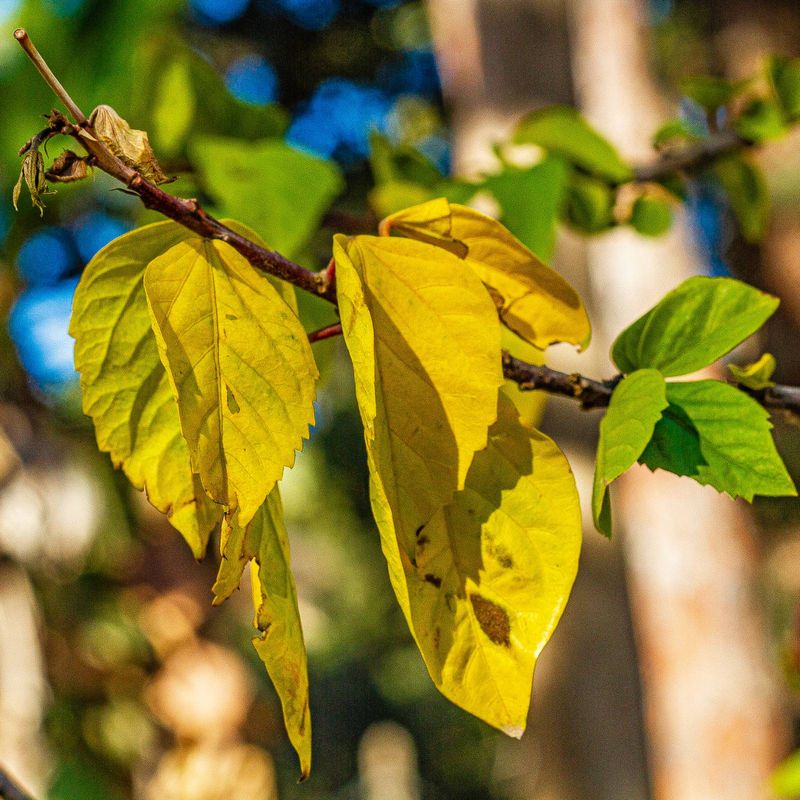
Hold a yellow leaf up to the light, and the vein pattern can tell you a surprising story. Uniform yellowing usually points to cold stress, but green veins on a yellow leaf suggest something else.
That veiny look, called chlorosis, often signals a nutrient shortage or soil pH that blocks nutrient uptake. Iron and magnesium deficiencies are common culprits, especially in the alkaline soils found across many western yards.
Cold weather makes things trickier, since chilly roots already struggle to absorb the nutrients they need. A mild deficiency that hid all summer can suddenly show up once temperatures drop and roots slow.
I believe a simple soil test is the smartest first step before buying any fancy plant food. Local nurseries and university extension offices can point you toward affordable testing options in your area.
Overall yellowing on older leaves can mean low nitrogen, while veiny yellow new leaves often point toward iron. Both problems tend to look worse when roots sit cold and waterlogged in an old, tired pot.
Hold off on heavy feeding until spring, since resting hibiscus cannot use much fertilizer during cool months. Chelated iron products can help when chlorosis is confirmed, but follow the label directions carefully and closely.
Hibiscus generally prefers slightly acidic soil, so adding compost and choosing an acid-friendly potting mix can help. Healthy soil in spring sets your shrub up for glossy green leaves once warmer weather returns.
8. Potted Hibiscus Appreciate A Move Indoors
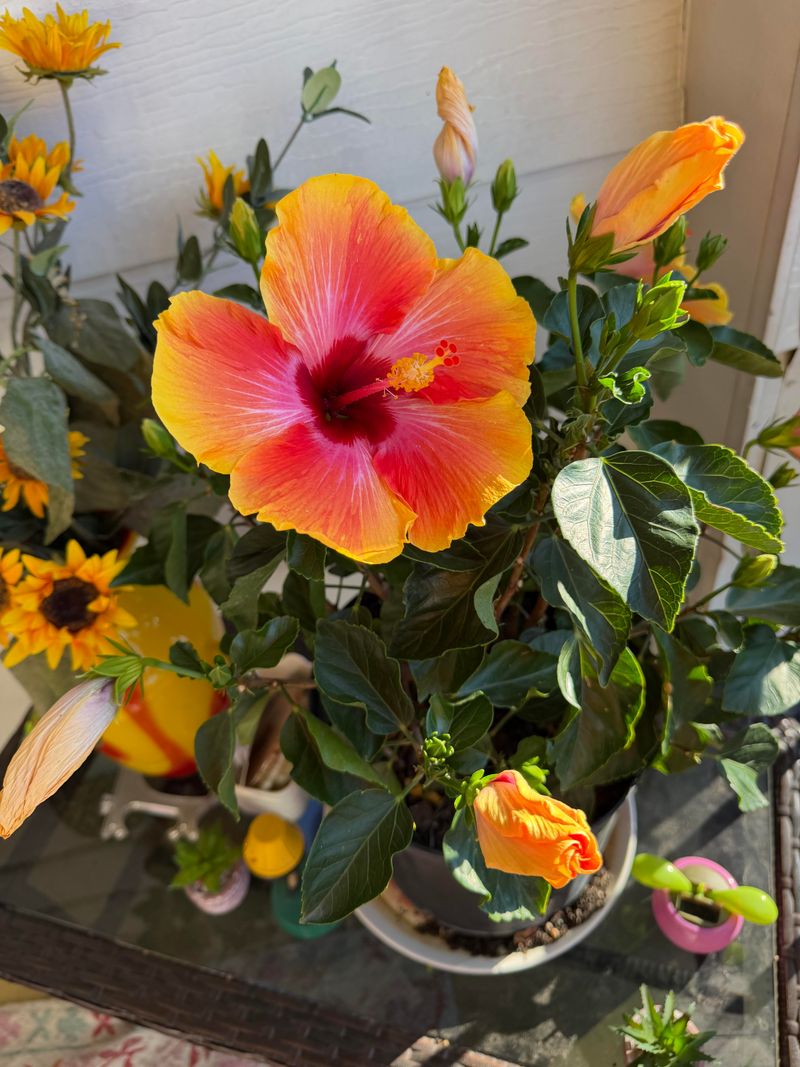
Rolling a big potted hibiscus through the back door feels a little like welcoming a houseguest for winter. Growers commonly suggest moving tropical hibiscus indoors once nights regularly fall below 50 degrees or frost threatens.
Expect a few yellow leaves right after the move, since dimmer indoor light is a big adjustment. Most plants settle in within a few weeks, so try not to panic over that first leaf shower.
Give your plant the brightest spot you have, ideally near a south or west facing window. If natural light runs short, a simple LED grow light on a timer can make a real difference.
Before bringing it inside, rinse the leaves and inspect the undersides closely for whiteflies and spider mites. Pests that hitchhike indoors can multiply quickly in warm, dry rooms without natural predators around to help.
Keep the pot away from heater vents and drafty doors, since sudden blasts of air stress the leaves. Indoor air in winter can get quite dry, so occasional light misting adds a touch of helpful humidity.
Water even less indoors, waiting until the top inch or two of soil feels dry to the touch. I set a weekly reminder to check moisture instead of watering on autopilot, and my plants seem happier.
Gradually move the plant back outdoors in spring, once nights stay reliably above 50 degrees again. A few days in shade first helps leaves adjust before facing full sun on the patio.