How To Replace A Tired California Lawn With Natives Before Winter Rains
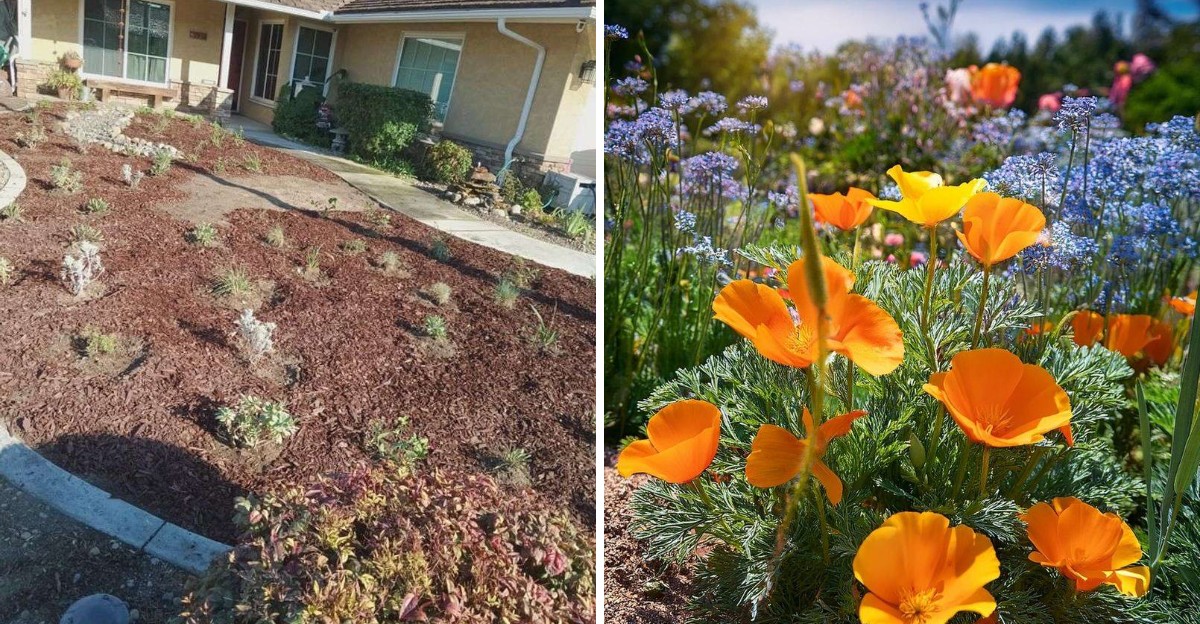
Some relationships run their course. Yours with the front lawn might be one of them.
It drinks more than its share. It turns crispy every summer. It shows up with bald patches right where the neighbors can see. And every month, the water bill arrives like a reminder of all that effort.
You have thought about a change for a while. Maybe for years. So is this finally the season to move on?
As it turns out, fall hands you a rare advantage. The heat backs off. The soil stays warm. And California’s rainy season waits right around the corner, ready to help in a way summer rarely can.
A yard full of native plants can save water, feed bees and birds, and look good in every season.
The path there takes a little planning, though. The right order of steps makes a huge difference.
Curious how to make the switch without a single regret? Grab your gloves and a cup of coffee. Your lawn’s farewell tour starts now.
Remove Existing Turf Before Planting Begins
A baby sage tucked into a lawn that is still alive faces a rough start. Within weeks, Bermuda grass or kikuyu can creep over and smother it.
That is why the old turf comes out first, before a single native goes in the ground.
A few removal methods work well. Hand removal with a shovel is one option. A rented sod cutter works quickly, though it takes some topsoil with the grass.
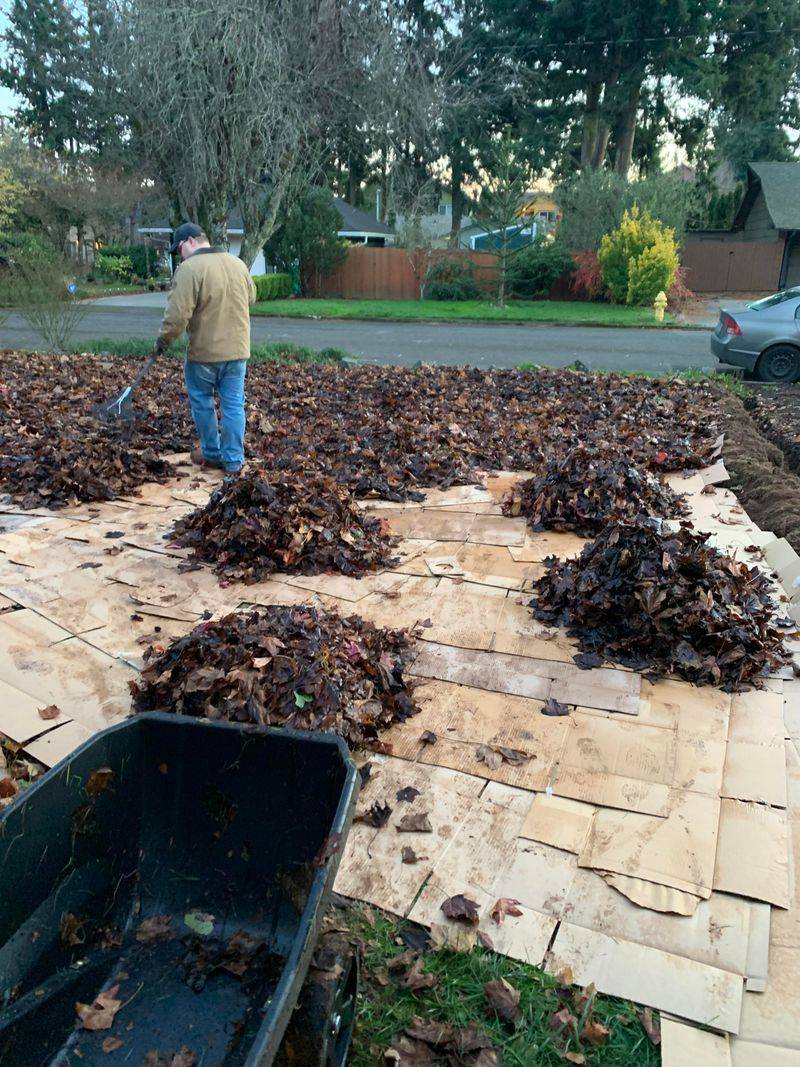
Sheet mulch is another popular choice. Layers of cardboard topped with mulch smother the grass, which breaks down over several months.
Solarization is a third option. Clear plastic heats the soil under strong sun.
It works best in the hottest months, so it suits a summer start more than a late fall one. Tough grasses like Bermuda may need repeated effort with any method, since their roots and runners spread deep.
Now for some smart prep, because a little groundwork prevents big surprises. Stop the lawn water for a bit and mark every sprinkler head.
Old spray heads can be capped, with drip irrigation planned instead. Call 811 before deep digs so buried utility lines stay safe.
Give this step plenty of time. Plants by November usually mean a removal start in late summer or early fall.
A rushed removal ranks among the most common reasons conversions fail. Leftover grass bounces back fast once rains arrive.
Bermuda grass may be stubborn, but you are more stubborn. That is a battle worth winning.
Choose Natives Suited To Your Specific Soil
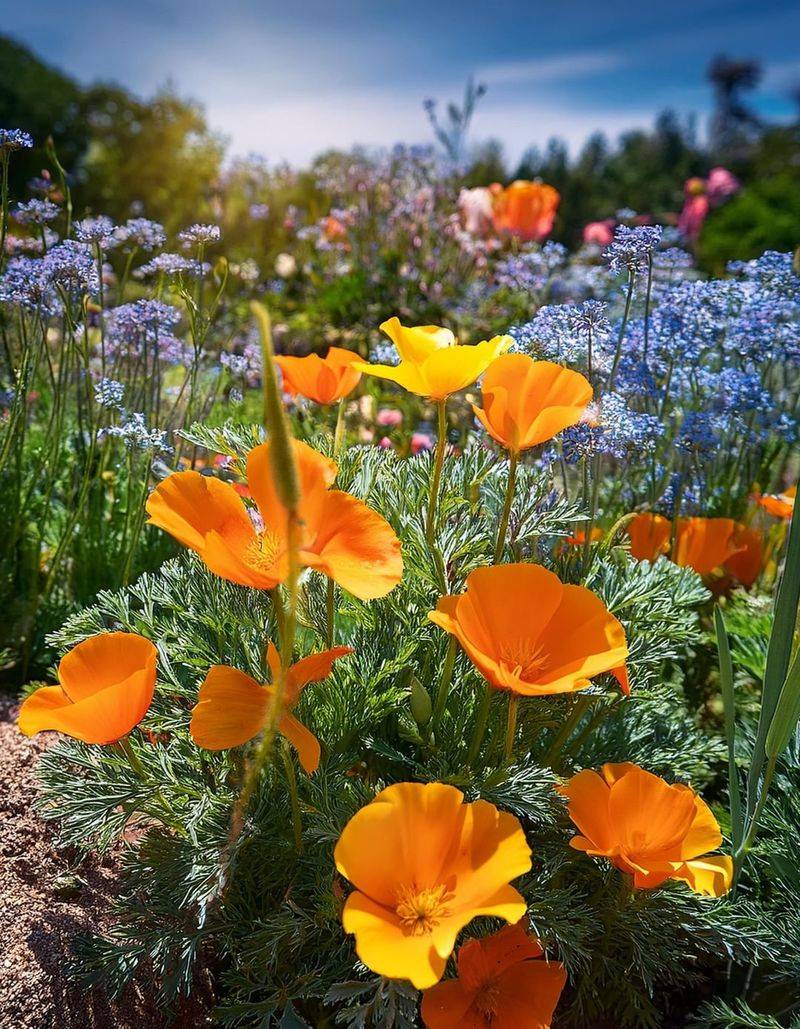
Nurseries know a little secret well. A plant that thrives on a Berkeley hillside might sulk in heavy Sacramento clay.
Soil matters as much as the sunlight notes on the plant tag.
Start with a quick look at what you have. Squeeze a moist handful of dirt. A sticky ribbon usually means clay.
Dirt that falls apart and feels gritty points to sand.
A simple drainage test helps too. Dig a hole about a foot deep, fill it with water, and time how long it takes to drain.
Your California Garden Changes Every Week. Your Plan Should Too.
Gardening in California changes quickly throughout the season. Every Friday you’ll receive a simple weekly plan showing exactly what to plant, prune, fertilize, harvest, and protect so you never miss the right timing.
The smart move is to match plants to those conditions instead of a fight with the soil. Many natives actually prefer lean soil.
They skip the compost and fertilizer that vegetables crave. Rich amendments can even cause problems for dry-adapted plants.
Slow-draining clay suits plants like California fuchsia, some ceanothus types, and certain native grasses. Sandy, fast-draining spots often suit buckwheat, sages, and manzanita.
Check the specific variety, since tolerance can vary a lot within one plant family.
Now for the best shortcut, because local experts love this kind of question. Online native plant databases let you search by address for plants suited to your area.
Local native plant nurseries are gold mines too. Bring a photo of the yard and a note about the soil.
The staff can usually point you toward plants that will feel right at home. It is basically matchmaking, only with fewer awkward first dates.
Fall Timing Uses Rain Instead Of Extra Irrigation
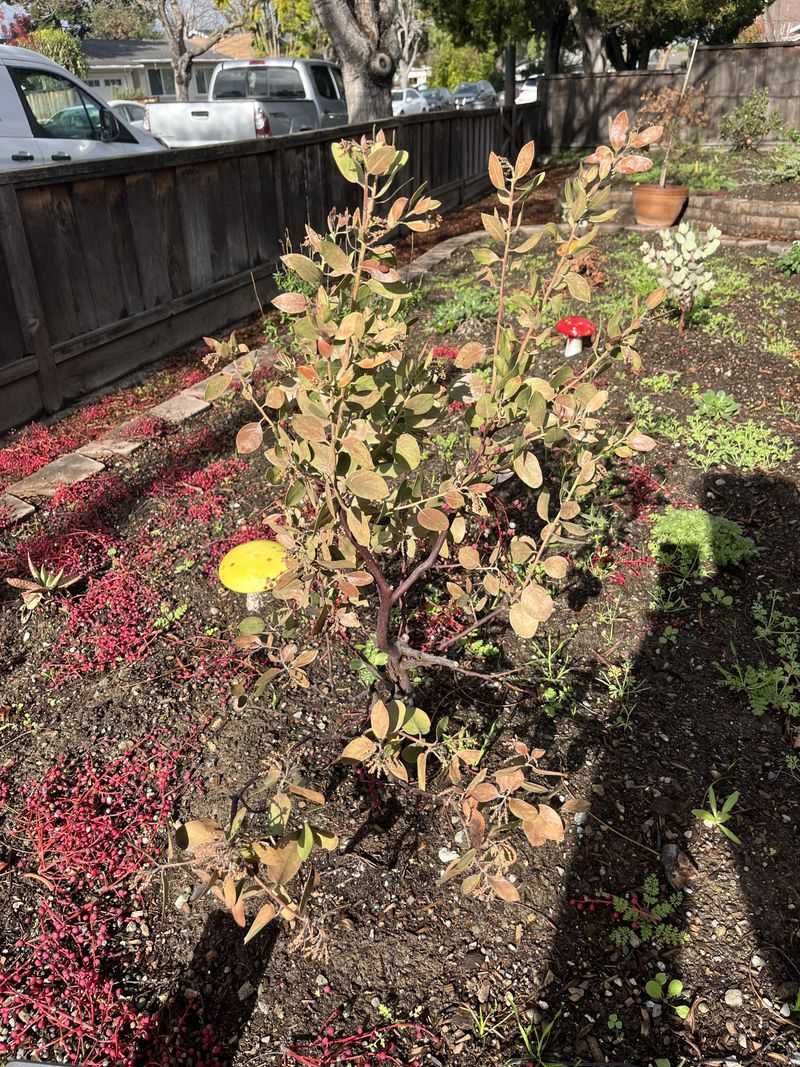
California plays by its own seasonal rules. Most of the state gets nearly all its rain between roughly October and April.
Then it goes dry for months. Native plants evolved with that rhythm, and a fall start works with it.
Plants that go in during October or November meet soil still warm from summer. Roots stay active even as the air cools off.
Then winter rains soak the ground and give young plants a steady drink while they settle in.
A spring start looks very different. A plant set out in April has only a few weeks before summer heat hits.
Its roots stay shallow, so the hose stays busy all summer just to get it through its first dry season.
Fall is widely considered the best window for native plants for exactly this reason. Cooler days mean less stress on transplants and less water lost to evaporation.
By the time summer returns, a fall-planted native has had months to push roots deeper.
Now for an honest caution, because California weather loves a curveball. Rain here is unpredictable. Some years start late or bring long dry gaps in the middle of winter.
A fall start reduces the water workload, but it does not erase it. The rain works like a helpful partner, not a full replacement for your own care through that first season.
Mother Nature handles plenty of the heavy work. Still, she appreciates a little backup from you now and then.
Group Plants By Water Need, Not Just Looks
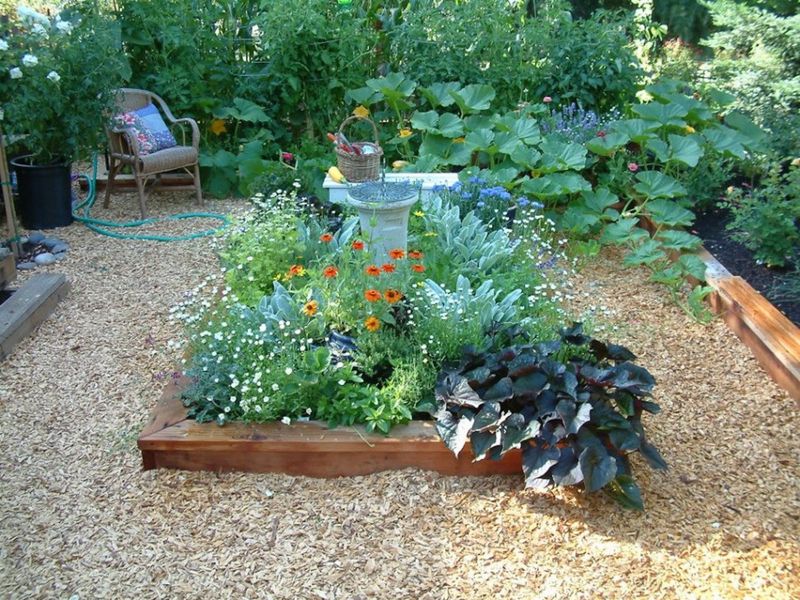
A thirsty fern planted next to a cactus makes one of them very unhappy. Gardeners have a fancy solution for that mess: hydrozones.
The idea is simple. Group plants with similar water needs together, so each zone gets the right amount.
This approach saves water and keeps plants healthier. A mix of high and low water plants leaves someone soggy or thirsty.
Many natives from chaparral and coastal sage scrub, like manzanita, buckwheat, and some sages, want very little summer water once established. Too much can lead to root rot.
Others, such as certain sedges, yarrow, and plants from streamside areas, handle or even enjoy a bit more moisture.
Now grab a pencil, because this part turns you into a garden architect. Sketch your yard on paper. Mark sunny, dry spots and shady or low areas where water collects.
Then place plants to match. A spot near a downspout might suit moisture-loving natives, while a hot slope fits the toughest drought plants.
Looks still matter, of course. Mix colors, heights, and textures within each zone to keep things interesting.
Let water needs set the neighborhoods first, then decorate within them.
Your drip system becomes much easier to set up, since each zone can run on its own schedule. One timer no longer has to please everyone.
Every plant gets a roommate with matching habits. Fewer arguments over the thermostat, so to speak.
Mulch Heavily To Suppress Returning Weeds
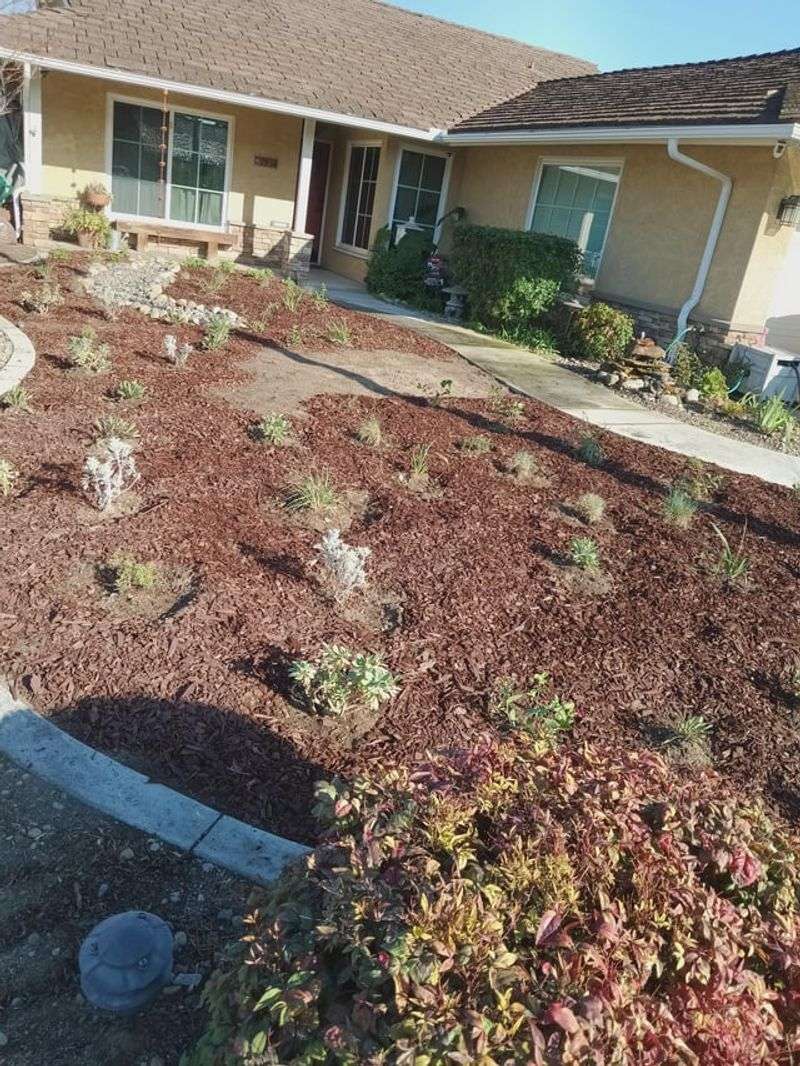
Weeds are patient. Seeds of annual grasses and other pests can sit in the soil for years, waiting for sunlight and the first rain.
Bare dirt after lawn removal is basically an open invitation.
A thick layer of mulch makes your best defense. Wood chips or shredded bark block light from weed seeds, so fewer sprout.
Mulch also holds moisture, keeps roots cooler, and slowly breaks down to feed soil life.
A layer about three to four inches deep works well for weed control. Thinner layers let weeds poke through.
Keep mulch pulled back a few inches from plant stems and trunks, since a pile against them can trap moisture and cause rot.
Now for a money-saving tip that feels like a treasure hunt. Many cities and tree companies give away free wood chips.
Some native gardeners use gravel or decomposed granite around dry-loving plants, like certain buckwheats. Rock mulch suits those plants and fits desert or rocky garden styles.
Even good mulch lets a few weeds through, especially after the first big storms. Walk the yard every week or two through winter and pull them while they are tiny.
The job takes minutes while weeds stay small. It gets much harder once they set seed.
Top off thin spots in the mulch each year so it stays effective.
Your yard gets a cozy blanket, and the weeds get a very rude awakening. Sorry, weeds, the party is over.
Water Consistently Until Rain Takes Over
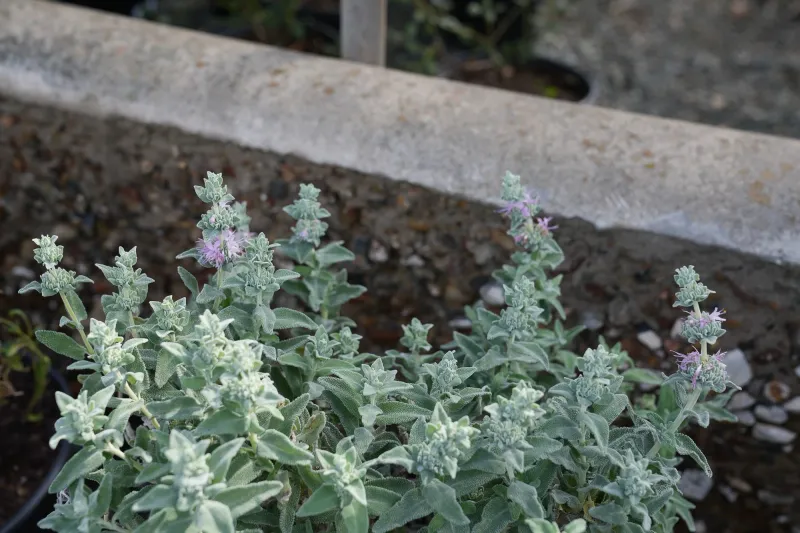
A big myth deserves a quick correction. Drought-tolerant does not mean zero water from day one.
A brand-new native has a small root ball. It cannot reach deep moisture yet, no matter how tough it becomes later.
Right after the plants go in, water deeply, even when the soil feels damp. That settles soil around the roots and removes air pockets.
Many native plant experts also suggest a water-filled hole before the plant goes in.
After that, check the soil every few days instead of a strict calendar. Push a finger or a trowel a couple of inches down near the root ball.
Dry soil calls for a slow, deep soak. Drip lines or a hose on a trickle beat a quick spray, since water sinks down where roots grow.
Once steady winter storms arrive, you can usually back off, though dry spells still deserve attention.
California winters sometimes go weeks without rain. Young plants can dry out fast in those gaps, especially in sandy soil or windy spots.
Now for the part that surprises plenty of new native gardeners. Most natives still need occasional deep water through their first summer, and sometimes their second.
The amount depends on the plant and your climate, so a local native nursery can help set the plan.
Over time, stretch out the schedule gradually. Roots learn to reach deeper and fend for themselves.
Your young plants learn independence one deep drink at a time. They grow up fast, and soon they need you only for the occasional pep talk.
Patience Now Means An Established Yard By Spring
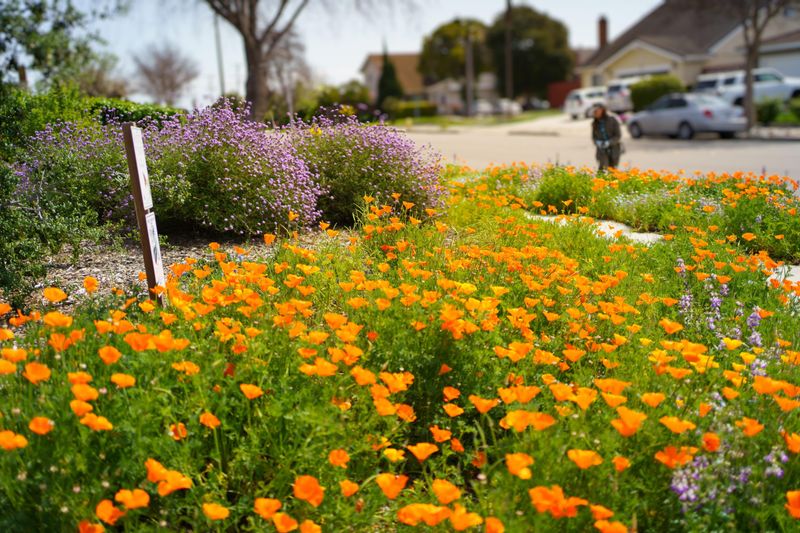
The first look at the new yard in December might feel a little underwhelming. Small plants, lots of mulch, and plenty of empty space.
Hang in there, because plenty happens underground.
Native gardeners often repeat an old saying about perennials. The first year they sleep, the second year they creep, and the third year they leap.
It fits many California natives well. That first winter goes mostly to roots, not leaves or flowers.
By spring, fall-planted natives often push out fresh growth. Quick ones like poppies, lupines, and some sages may even bloom.
The yard will look alive and settled, though not fully grown. Shrubs such as manzanita and ceanothus can take a few years to reach mature size.
Hold off on extra plants to fill the gaps. Space plants based on their full grown width, not their size in the pot.
Native wildflower seeds sprinkled in fall can add color while shrubs grow into their space.
Now grab your phone, because this transformation deserves a photo album. Snap a picture each month from the same spot.
The change from bare mulch to buzzing bees is incredibly rewarding.
One more money tip before you start. Many water districts offer turf replacement rebates, so read the rules before any grass comes out.
Your water bill shrinks, the bees move in, and the old lawn becomes a distant memory. Honestly, nobody will miss the mower either.