Palm Trees That Stay Small And Are Less Likely To Damage Your California Driveway

A palm tree can give a California driveway instant charm, but the wrong one can become a big problem later. Some palms grow taller or wider than homeowners expect.
Others may feel too bulky near paving once they mature. That is why smaller palm choices are worth a closer look.
They can bring that relaxed, sunny look without making the driveway feel crowded. Root behavior matters too, especially near concrete, walkways, and narrow planting strips.
A smart pick starts with the mature size, not the nursery size. It also depends on your climate and how much room the palm has to grow.
Choose carefully, and you can get the graceful look of a palm without inviting years of unwanted driveway trouble.
1. Pygmy Date Palm Stays Small Near Walkways
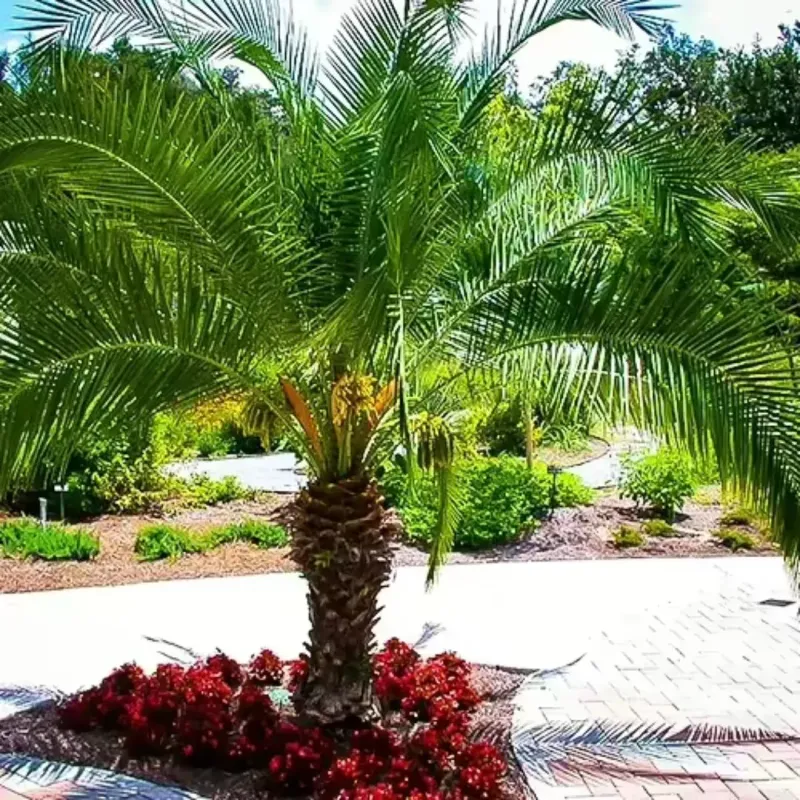
Few palms pack as much tropical charm into such a small package as the Pygmy Date Palm. This little tree rarely grows taller than ten feet, making it one of the most popular choices for tight spaces near driveways and walkways.
Its root system is relatively shallow and non-aggressive, which is great news for anyone with concrete paths nearby. You can plant it close to a driveway edge without worrying much about cracking or heaving over time.
The slender trunk and graceful, arching fronds give it a refined look that suits both modern and traditional home styles.
In our state, this palm thrives in full sun and warm temperatures. It does best in USDA zones 9 through 11, so most of Southern and Central California works perfectly.
Watering needs are moderate once established, and it handles drought reasonably well after its first year or two.
One thing to keep in mind is that it grows slowly. That means less maintenance and fewer surprises as the years go by.
It also stays narrow at the base, so it will not spread out and crowd your walkway. If you want a palm that looks elegant, stays manageable, and respects your hardscaping, this one is a solid first choice for any front yard or driveway border.
2. Mediterranean Fan Palm Grows Slowly In Clumps
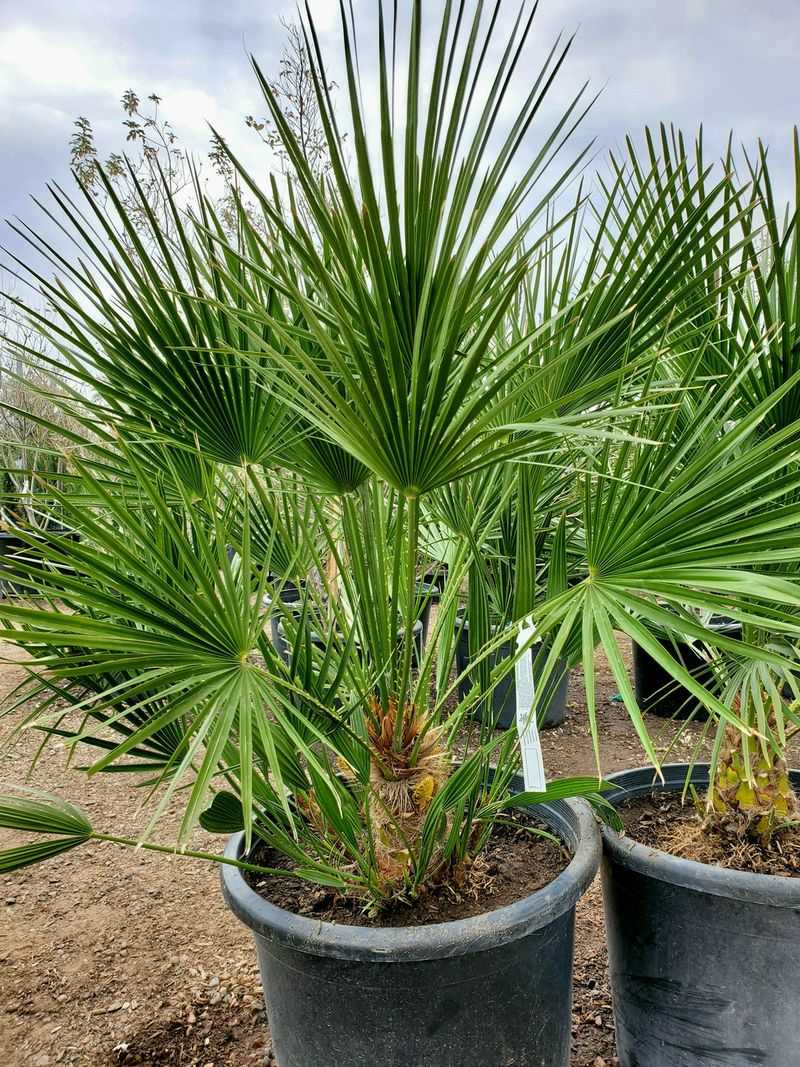
There is something almost sculptural about the Mediterranean Fan Palm. It grows in clumps of multiple slender trunks, which gives it a full and lush appearance without taking up a huge footprint.
Each trunk stays fairly thin, and the whole plant usually tops out between ten and fifteen feet tall.
Because it grows in clumps rather than sending out one thick taproot, the root system tends to stay near the base of the plant. That makes it a much safer bet near driveways and concrete edges than larger, single-trunk palms.
Homeowners who have planted this palm near walkways often report zero cracking issues even after many years.
This palm is also one of the toughest you can find. It tolerates cold better than most palms, surviving brief dips into the low teens in Fahrenheit.
That makes it useful not just in Southern California but also in cooler inland areas and some northern regions of our state.
Your California Garden Changes Every Week. Your Plan Should Too.
Gardening in California changes quickly throughout the season. Every Friday you’ll receive a simple weekly plan showing exactly what to plant, prune, fertilize, harvest, and protect so you never miss the right timing.
Growth is slow, sometimes only a few inches per year, so you will not be constantly trimming or reshaping it. It handles drought well once established and needs only occasional deep watering during hot summer months.
The fan-shaped fronds add a classic palm look that works beautifully along a driveway edge or in a corner planting near your garage. It is low-fuss and long-lasting.
3. Windmill Palm Gives Height Without A Giant Trunk
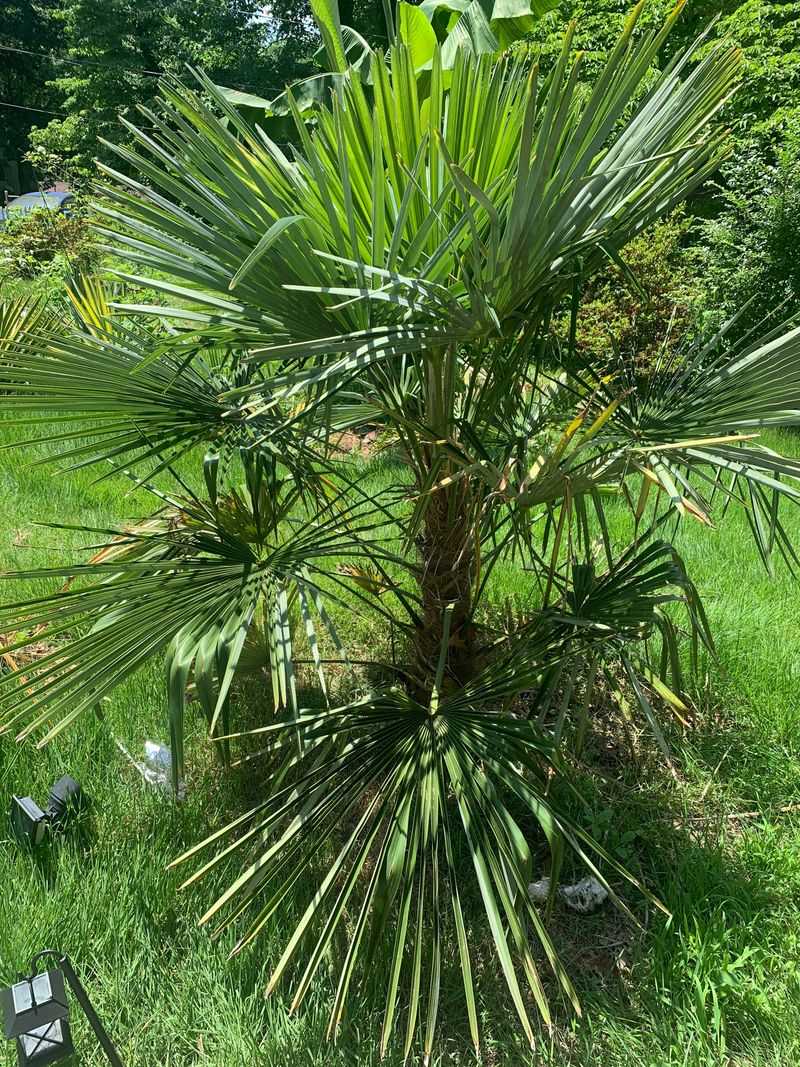
Want some height but not the bulk? The Windmill Palm is one of the few palms that grows tall without developing a massive, spreading trunk or an aggressive root system.
Most mature specimens reach between ten and twenty feet, but the trunk stays surprisingly narrow, often just eight to ten inches wide.
That slender profile is a big advantage near driveways. The roots of this palm tend to grow straight down rather than spreading wide, which means your concrete is far less likely to suffer.
Many landscape professionals recommend it specifically for tight spaces along fences, walls, and paved areas.
One of its most impressive qualities is cold tolerance. The Windmill Palm handles freezing temperatures better than almost any other palm species, making it a strong choice for homeowners in cooler inland valleys or even some northern regions of our state.
It does not need intense heat to thrive.
In terms of care, it is refreshingly simple. It prefers well-drained soil and does not like to sit in standing water.
Moderate watering during the growing season is usually enough. The stiff, dark green fronds create a tidy look year-round without much effort on your part.
If your driveway runs along a narrow side yard or you want a vertical accent near your garage without crowding the space, the Windmill Palm delivers exactly that without the mess or damage risk.
4. Lady Palm Works In Shadier Driveway Corners
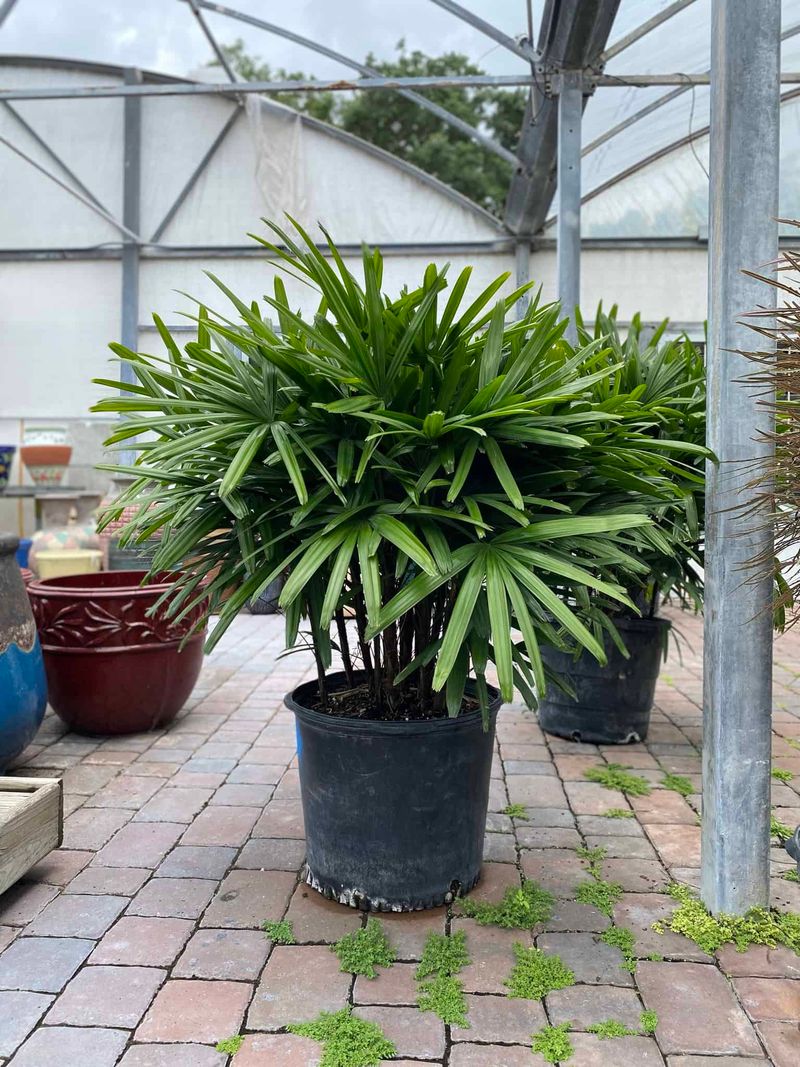
Not every driveway gets full sun all day. If your front yard has a shaded corner, a spot under an overhang, or a north-facing wall, the Lady Palm might be exactly what you need.
It is one of the rare palms that actually prefers indirect light or partial shade over blazing direct sun.
This palm grows in dense clumps of slender stems, usually staying between six and twelve feet tall. The roots are fibrous and compact, staying close to the plant rather than spreading out aggressively.
That makes it a smart choice near concrete driveways, especially in tighter planting areas where other palms might cause damage over time.
The Lady Palm has been a popular houseplant and landscape plant for centuries. It adapts well to container growing, which means you can also keep it in a large pot near your driveway entrance for a polished, manicured look.
Swapping it out seasonally is easy if you ever want to change up your curb appeal.
Watering should be consistent but not excessive. It does not like soggy soil, so good drainage is key.
Fertilize lightly a couple of times a year to keep the deep green color looking rich and healthy.
If you have a tricky shaded corner near your driveway that needs a tropical touch, this palm fills that role beautifully without demanding much in return.
5. Dwarf Palmetto Keeps A Low Profile
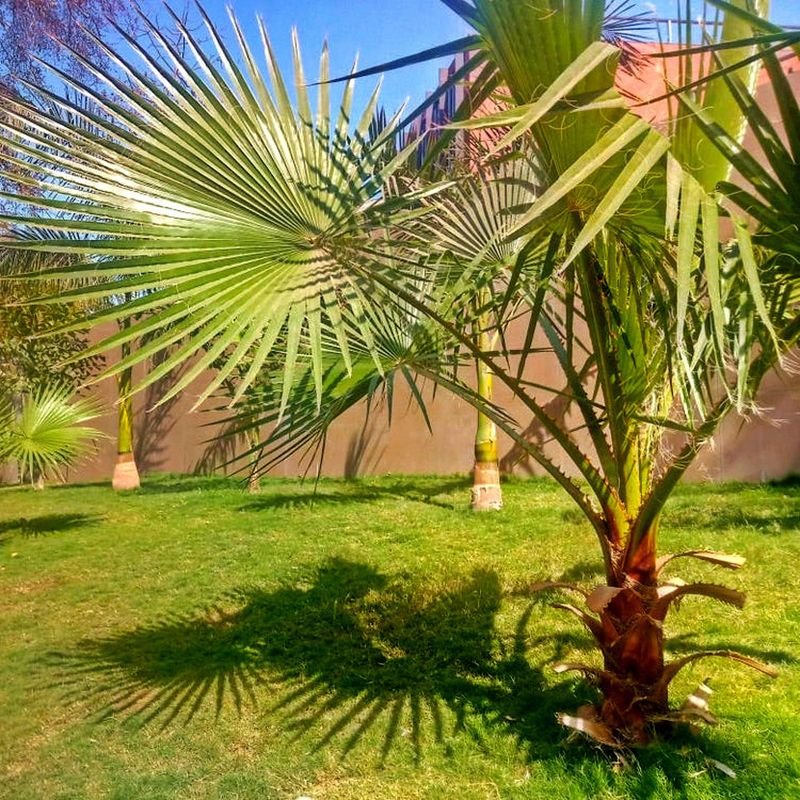
Some palms do not even bother growing a visible trunk. The Dwarf Palmetto is one of them, and that is actually a huge advantage near driveways and paved surfaces.
Most of its trunk stays underground, which means the plant sits very close to the ground and keeps an incredibly low profile in your landscape.
The fan-shaped fronds are a beautiful blue-green color that looks striking against concrete or gravel driveways. Because so much of the plant is below the surface, it is naturally anchored and stable.
The root system, while present underground, does not spread aggressively outward in ways that threaten pavement.
This palm is native to the southeastern United States and handles a range of conditions well. It tolerates both drought and occasional flooding, which makes it flexible for yards with inconsistent irrigation.
In our state, it works well in coastal and inland areas that do not experience extreme desert heat.
Height rarely exceeds five or six feet above ground, so it will never block your view of the street or create a visual barrier along your driveway.
That low, tidy silhouette makes it easy to pair with other plants like ornamental grasses or low shrubs.
It is also one of the more cold-hardy palms available, handling temperatures well below freezing without much stress. For a truly low-maintenance, low-profile palm near a driveway, this one is hard to beat.
6. Needle Palm Stays Compact But Needs Space From Foot Traffic
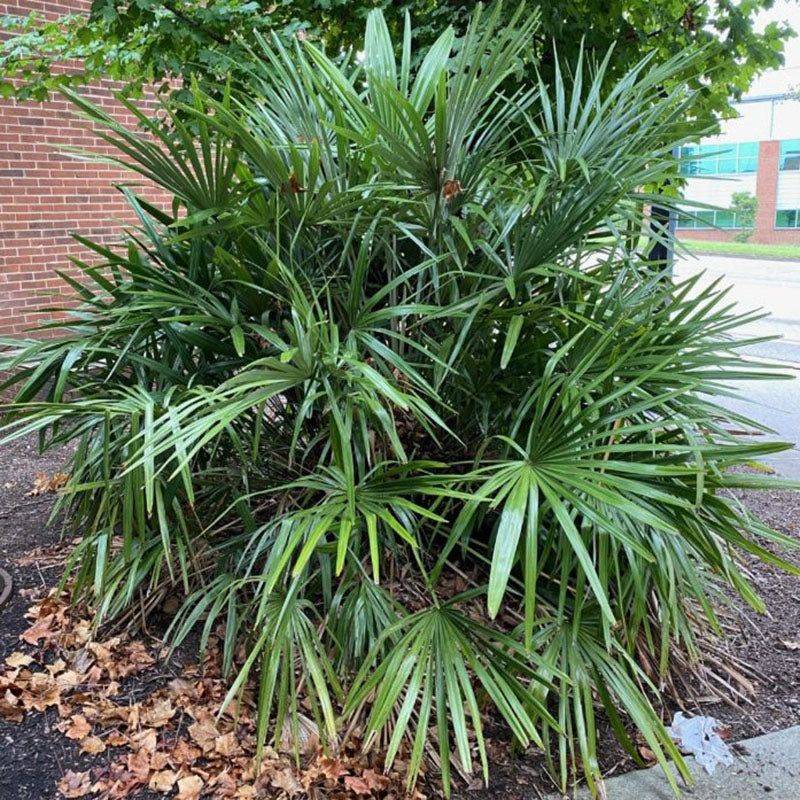
Here is a palm with a bit of an edge, literally. The Needle Palm gets its name from the sharp, needle-like spines that grow along its trunk fibers.
Those spines make it a natural barrier plant, but they also mean you need to plant it away from areas where people walk or brush past regularly.
Near a driveway, it works best as a border plant set back a foot or two from the edge, or as a corner anchor where foot traffic is minimal. Despite the spines, it is a genuinely attractive palm with dark green, fan-shaped fronds and a low, clumping growth habit.
It rarely grows taller than six to eight feet, keeping things compact and manageable.
The Needle Palm is considered one of the most cold-hardy palms in the world. It has survived temperatures as low as negative five degrees Fahrenheit in some documented cases, which is extraordinary for a palm.
That makes it useful for homeowners in cooler inland valleys and higher elevation areas where other palms would struggle.
Root spread is modest and unlikely to threaten nearby concrete. It grows slowly and does not need frequent pruning.
Watering needs are low once established, and it handles poor soil better than many other palms.
If you want a tough, no-nonsense palm that adds texture and a natural security element along your driveway border, the Needle Palm earns its spot in any landscape plan.
7. Pindo Palm Fits Larger Driveway Borders
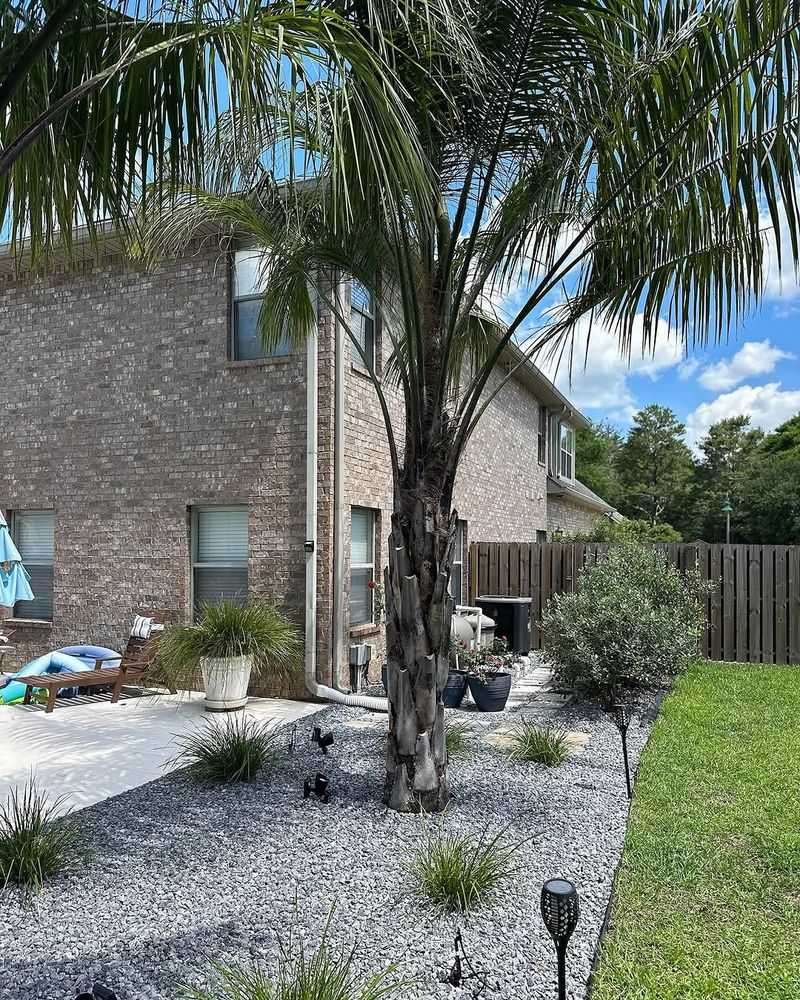
Sometimes called the Jelly Palm because its small orange fruits can actually be made into jelly, the Pindo Palm brings a lot of personality to a driveway border.
It has a stockier trunk than many small palms, but it still tops out at around fifteen to twenty feet, keeping it in the manageable range for most residential yards.
The arching, blue-green feather fronds give it a softer, more relaxed look compared to the stiff fan palms on this list.
That graceful drape works beautifully along a wider driveway where you have a bit more room to let the fronds spread without touching vehicles or blocking sightlines.
Root behavior is one of its best qualities for driveway planting. The roots are not known for aggressive surface spreading or concrete damage, especially when the tree is planted at least four to six feet from the pavement edge.
Giving it that small buffer makes a big difference in protecting your driveway long-term.
It is also impressively drought-tolerant once established, which suits the dry summers common across much of our state.
Cold tolerance is another strong point, with most specimens handling temperatures down to about ten or fifteen degrees Fahrenheit without serious harm.
Maintenance is minimal beyond occasional frond cleanup. For a wider driveway border where you want a lush, tropical look with a manageable tree, the Pindo Palm is a reliable and rewarding choice.
8. Bamboo Palm Works Best In Protected Patio Spots
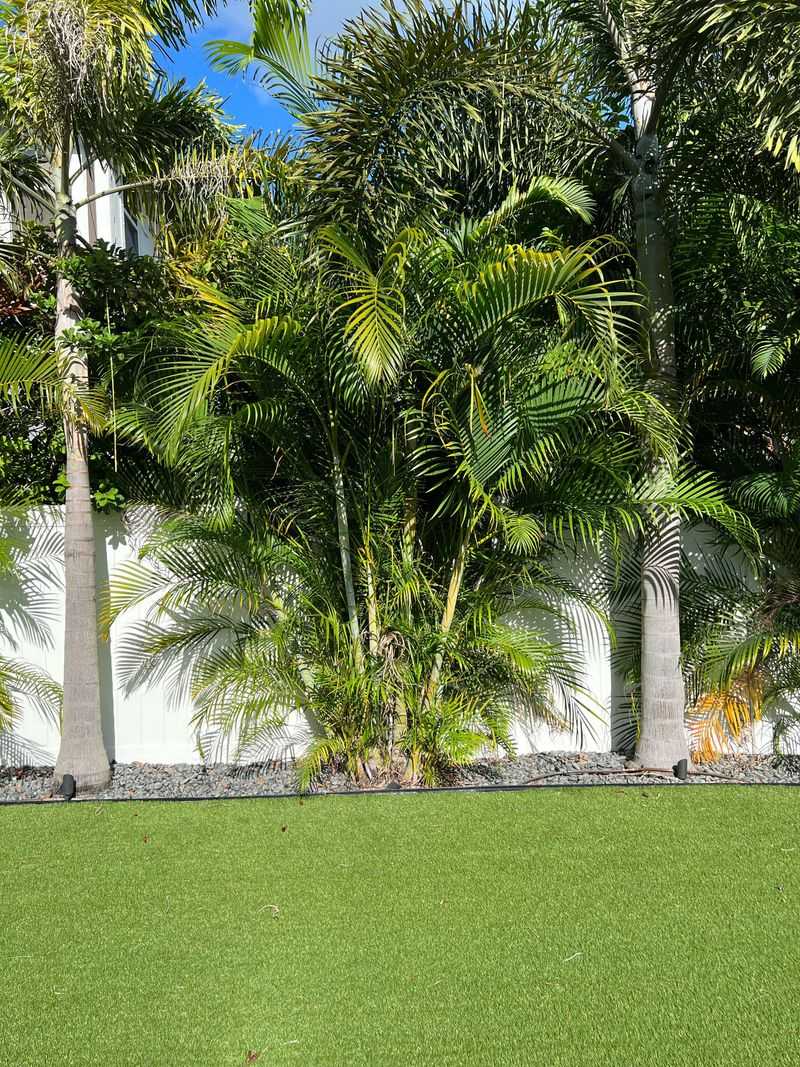
With its slender, bamboo-like stems and lush tropical fronds, the Bamboo Palm brings a resort-style feel to any outdoor space.
It is not the toughest palm on this list, but in the right spot, it is one of the most visually rewarding.
It works especially well in protected areas near driveways, like a covered patio, a recessed entryway, or a sheltered side garden.
This palm prefers indirect light or partial shade, which makes it a nice companion for spots that get morning sun but afternoon shade. It can grow up to twelve feet tall in ideal conditions, but most landscape specimens stay between six and ten feet.
The multi-stem clumping habit means it looks full and lush even at smaller sizes.
Root growth is gentle and contained, rarely posing a threat to nearby concrete or pavers. It actually does very well in large containers, which gives you total control over placement.
A pair of potted Bamboo Palms flanking a driveway gate or garage entrance creates a striking, welcoming look that is easy to maintain.
Watering should be regular but not excessive. It likes humidity, so misting the fronds occasionally during dry summer months can help keep it looking its best.
Avoid planting it in spots that get harsh afternoon sun or strong coastal winds without shelter.
With a little planning and a protected location, the Bamboo Palm rewards you with year-round tropical beauty right at your driveway entrance.