Why Creeping Charlie Keeps Coming Back in New York Lawns and How to Clear It Before the Ground Freezes
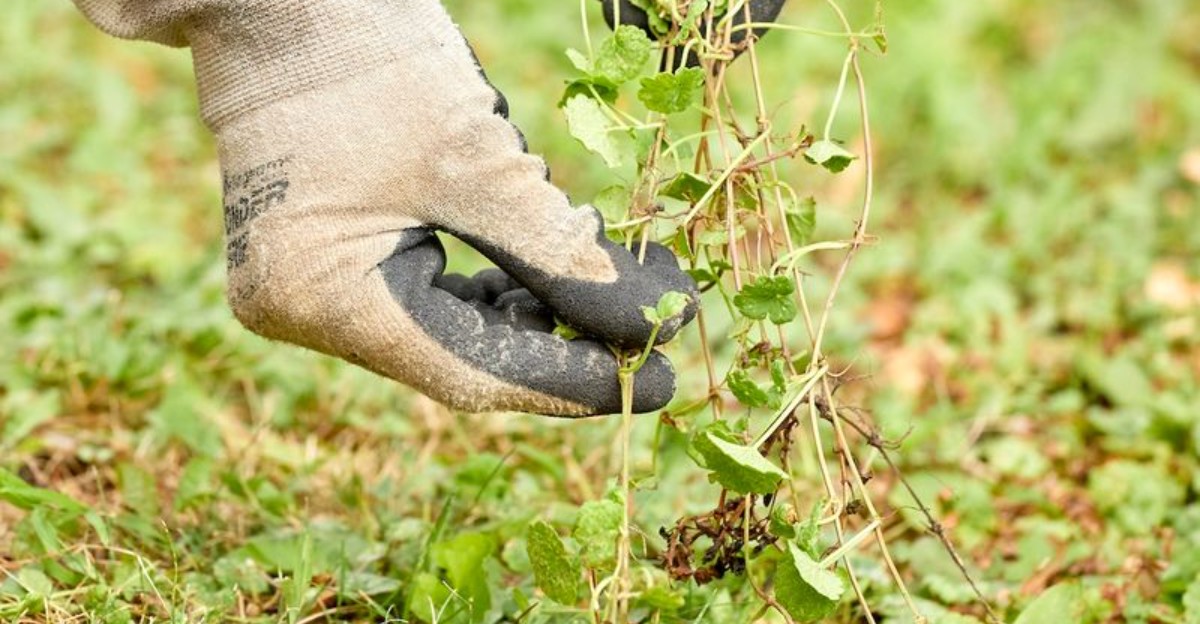
A single snapped stem from one lawn weed can root and start a brand new patch. Every leaf joint along its runners can grow roots of its own, so one sloppy weeding session can plant dozens of new colonies.
Not going to lie, I yanked at this one for years and felt pretty proud of myself. Then every spring the same scalloped leaves crept back across my shady side yard, smelling faintly of mint when the mower rolled over them.
I used to blame bad luck, but this plant follows a seasonal routine. In New York, fall is when it quietly packs food down into its roots for winter, and that habit happens to open a door for gardeners.
So why does it keep returning to the same spots, year after year? And what can you still do in the weeks before your soil turns hard as a brick?
Those Minty Runners Across Your Lawn Have a Clever Backup Plan
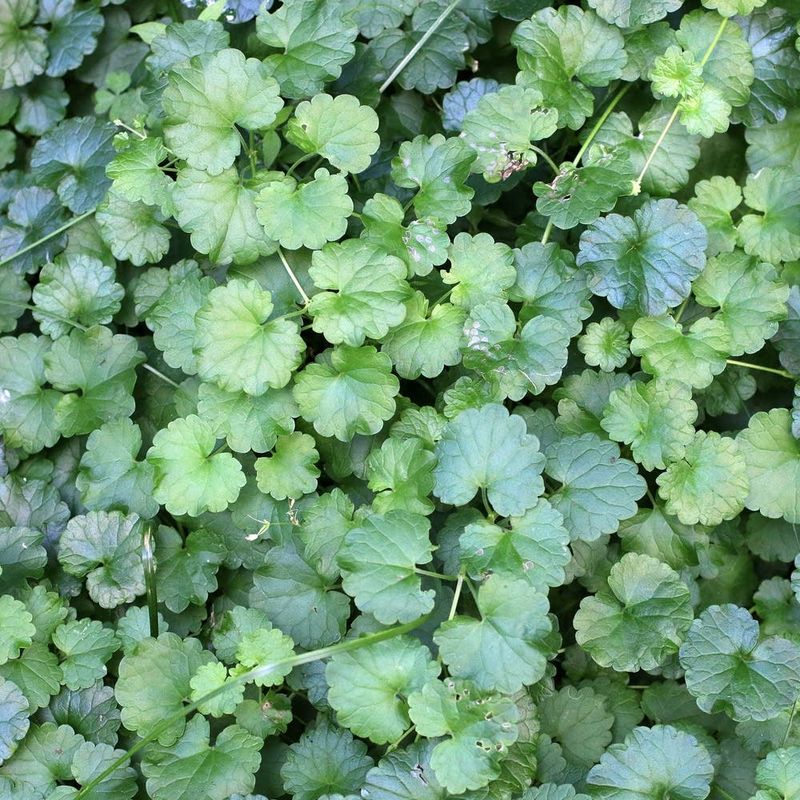
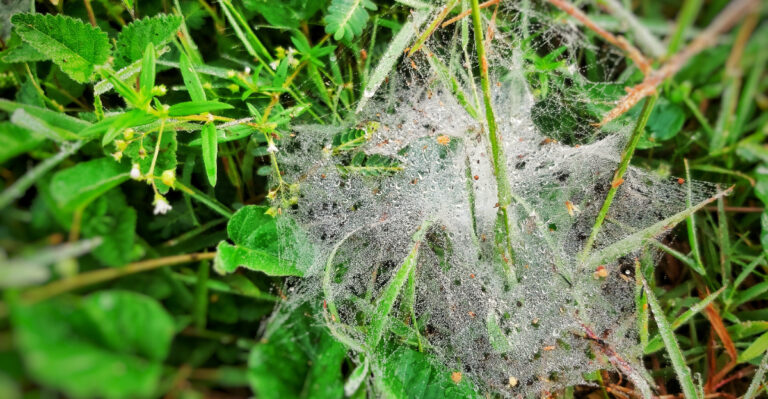
Grab a strand of the stuff and look closely. You will see a square stem, round scalloped leaves, and tiny white roots poking out where each leaf pair joins the stem.
Creeping Charlie, also called ground ivy, is a perennial member of the mint family. Its long horizontal stems, called stolons, crawl over the soil and root at those leaf joints, known as nodes. That means one plant becomes a web of many rooted pieces, all linked together like a sprawling family.
Here is the sneaky part. When you rake, mow, or pull it, stem pieces snap off and stay behind. University of Minnesota Extension notes that these fragments can root and grow into new plants. So the patch you thought you cleared in July often reappears by September.
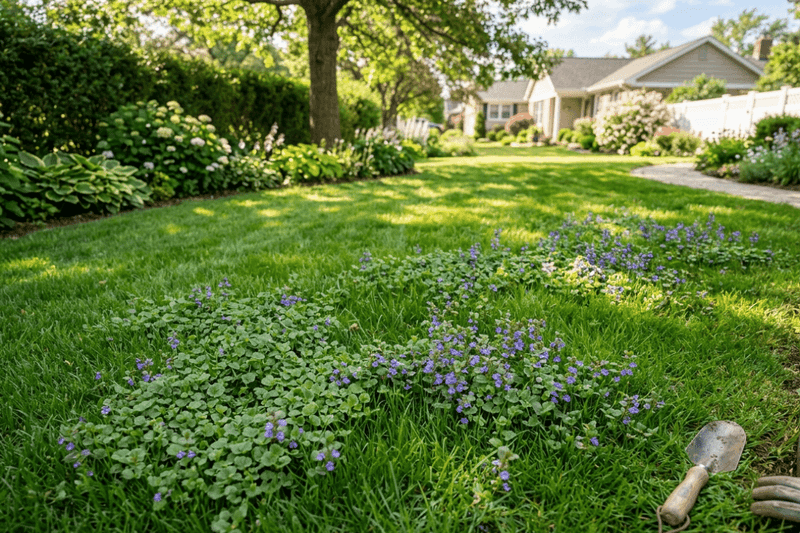
It also spreads by seed after its purple-blue spring flowers fade, though runners do most of the work. Lawns with thin grass give those runners plenty of open soil to claim.
Fun fact: early English brewers once used this plant to flavor and clear their drinks, which earned it the old name alehoof. Settlers brought it to North America, and it never left.
Fall Ground Ivy Pulls Weed Treatments Straight Down to the Roots
Spring feels like the right time to attack, since the flowers make every patch easy to spot. I learned otherwise after two springs of spraying and watching it bounce right back.
Timing is the real secret. In fall, ground ivy moves sugars and nutrients from its leaves down into its roots and runners for winter storage. A systemic weed product applied then travels along with that downward flow, reaching more of the plant instead of just browning the top leaves.
Across most of New York, the best window runs from mid-September through October. Upstate and in the Adirondacks, that window closes sooner, while Long Island and New York City often stay workable into early November.
Many extension experts suggest treating after the first light frost while the leaves are still green. Some sources say frost may help the leaves absorb treatments, though the main benefit is the downward flow of nutrients.
The key is acting while the plant is still actively growing. Once leaves turn brown and the soil freezes, products have little to work with. Aim for a mild afternoon when the weed looks green and healthy, which sounds odd but gives you the best results.
Triclopyr Sprays Give Ground Ivy the Toughest Fight
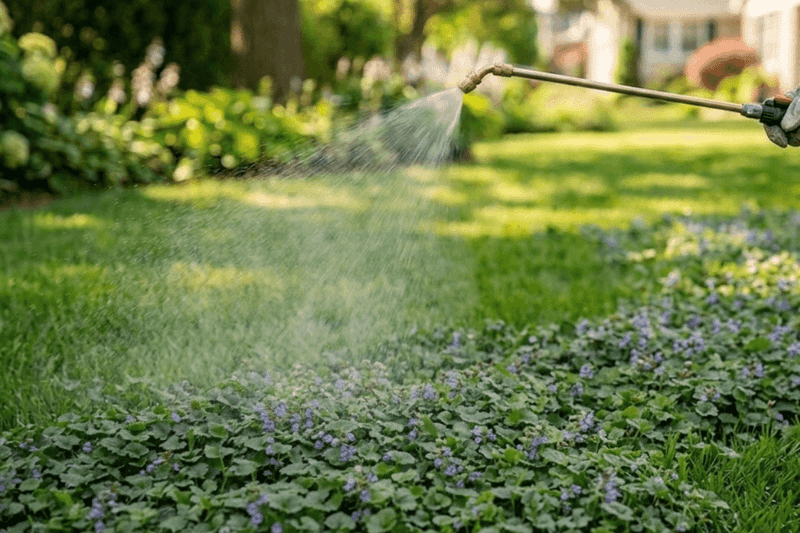
Plenty of weed sprays barely bother this plant. Research from university programs, including Iowa State and Minnesota, points to triclopyr as one of the most effective ingredients for ground ivy in lawns.
You will often find triclopyr mixed with 2,4-D, dicamba, or MCPP in lawn weed products. Dicamba alone also works fairly well. These selective broadleaf products target weeds while leaving most cool-season grasses unharmed when used as directed.
Read the label carefully, every single time. New York has strict pesticide rules, and some products sold elsewhere may not be registered here, so buy from local garden centers that follow state law. Spot-spray patches instead of blanketing the whole yard.
Pick a calm day with temperatures roughly between 50 and 85 degrees. Skip mowing for a few days before and after so there is plenty of leaf surface to soak up the product. Watch the forecast too, since rain within a day can wash it off.
Expect one round to slow it, not finish it. A second treatment two to four weeks later in fall often makes the difference. Keep kids and pets off treated areas until the spray dries.
Hand Pulling and Raking Can Lift Whole Mats of Creeping Charlie
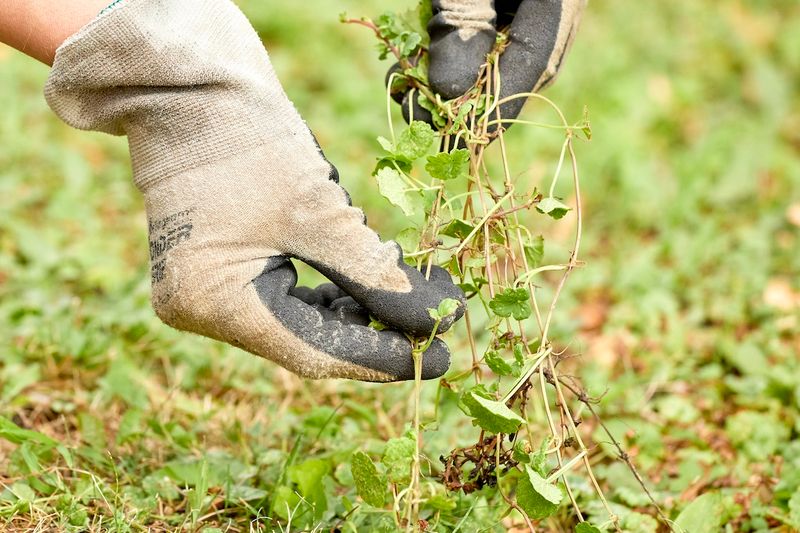
Don’t laugh, but some of my most satisfying afternoons involve slowly unspooling a ten-foot runner from the lawn. It feels like pulling a never-ending ribbon out of a magician’s sleeve.
Hand pulling works best on small patches and in flower beds. Water deeply or wait for a soaking rain, then pull slowly so the roots release instead of snapping. Follow each stem back toward its starting point and lift the whole thing.
Bag every scrap you remove. Tossing pieces on the compost pile or leaving them on the grass gives them a chance to root again. Household trash or yard waste bags are the safer choice.
For larger mats, a stiff garden rake or dethatching rake can tear up big sections of the shallow runners. Rake in two directions to grab as much as you can. Late fall works nicely because the turf is slowing down and can handle some rough treatment.
Fair warning, you will miss some bits. Check the area again in two or three weeks and pull any new shoots while they are tiny. Steady repeat visits matter more than one perfect cleanup.
Shady Damp Corners Roll Out the Welcome Mat for Ground Ivy
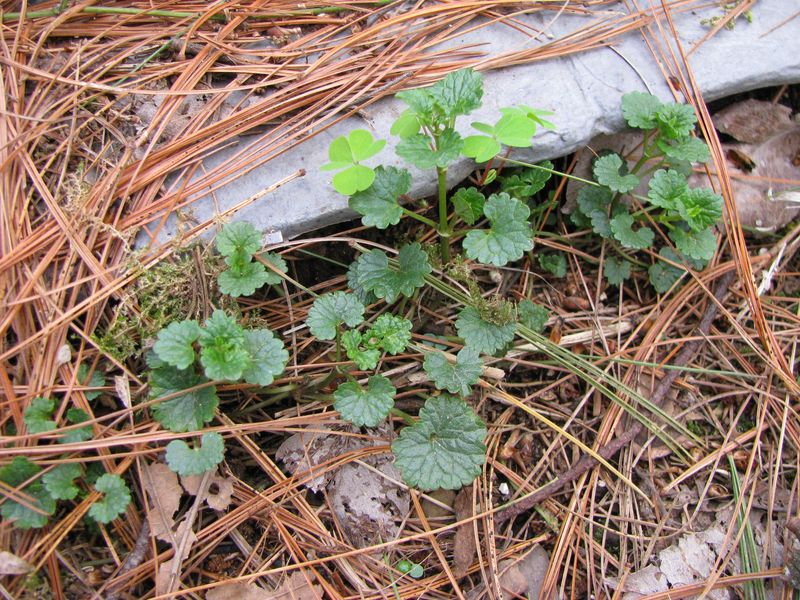
Walk your yard and note where ground ivy grows thickest. Chances are good it hugs the north side of the house, crowds under big maples, or carpets that low spot that stays soggy after storms.
Creeping Charlie handles shade and moisture far better than most lawn grasses. Kentucky bluegrass, a favorite in New York lawns, prefers full sun and struggles under heavy tree cover. As the grass thins, the weed quietly moves into the gaps.
Compacted soil adds to the problem. Areas near driveways, play spaces, and dog paths get packed down, so grass roots can’t spread well. Poor drainage keeps those same areas wet, which this weed seems to enjoy.
Low fertility also plays a role. Hungry turf grows thin and patchy, leaving bare soil for runners to grab. Getting a soil test through your county Cornell Cooperative Extension office can show whether your lawn needs nutrients or a pH adjustment.
Think of the weed as a messenger. It is pointing straight at the places your grass needs help. Treat the plant without fixing the spot, and you will likely be pulling it again next fall.
Thick Fescue Turf Crowds Out Those Creeping Stems
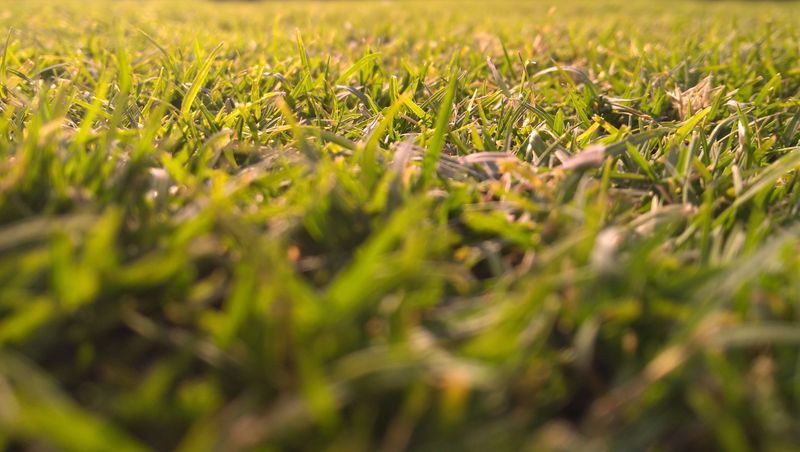
A crowded lawn rarely leaves room for intruders. Dense grass blocks light from the soil and fills the spaces runners need to spread.
Early fall is prime time for seeding cool-season grass in New York, usually late August through mid-September. If you missed that window, you can still dormant seed in late fall after soil temperatures drop below about 50 degrees, so the seed sprouts in spring. Just avoid seeding right after a weed spray, since many labels require waiting a few weeks.
Choose grass that fits the spot. Fine fescues, such as creeping red, hard, and chewings fescue, handle shade well. Tall fescue tolerates some shade and heavy use, while bluegrass belongs in sunny areas.
Core aeration helps compacted spots breathe and gives seed better soil contact. Fall is a great time for it, while the grass is still growing roots.
Cornell turf experts often recommend fall as the most important time to fertilize. A modest nitrogen feeding in September helps grass build strong roots and thicken up before winter. Too much, though, can lead to weak growth, so follow soil test results.
Raising Your Mower Blade Gives Grass the Upper Hand
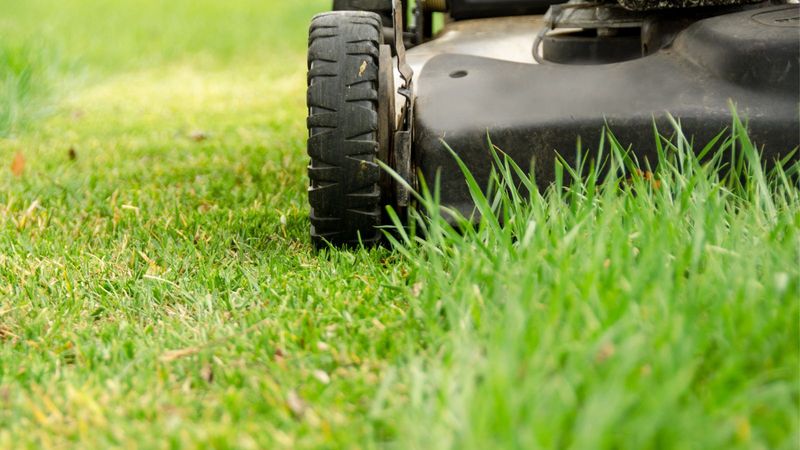
Guilty as charged, I used to scalp my lawn short because it looked tidy. That neat crew cut was basically a welcome sign for weeds.
Creeping Charlie grows low to the ground, so short grass hands it extra light. Mowing cool-season turf at about three to four inches shades the soil and helps grass grow deeper roots. Taller grass also holds moisture better during dry stretches.
Follow the one-third rule. Remove no more than a third of the grass blade at each mowing, so the turf avoids stress. Keep blades sharp too, since dull blades shred grass tips and weaken plants.
As fall winds down, many New York gardeners lower the final mowing slightly, to around two and a half or three inches. That helps prevent snow mold, a fungus that likes long, matted grass under snow. Just don’t drop it too low.
Watering matters as well. Deep, less frequent watering encourages strong grass roots, while frequent light sprinkles keep the surface damp, which ground ivy loves. A few smart mowing and watering habits quietly tilt the competition toward your lawn.
Spring Ground Ivy Flowers Tell You Where to Check Next Year
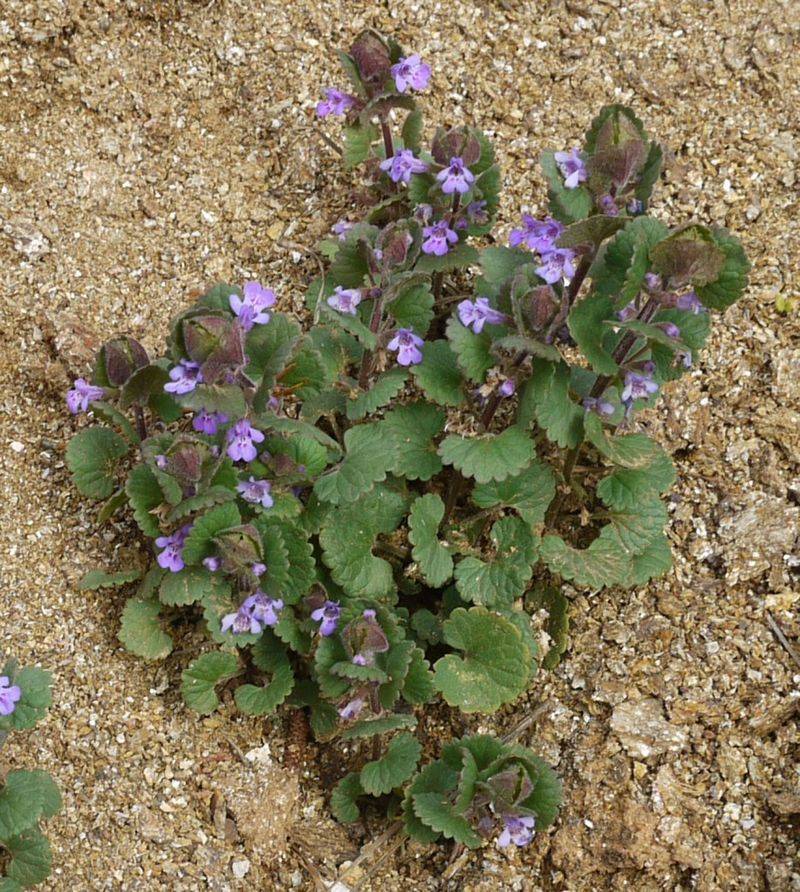
Next April or May, little purple-blue tubular flowers will pop up across the lawn. Instead of groaning, grab your phone and snap photos of every patch.
Those blooms make a handy map. They show exactly where runners survived the winter and where your fall plan needs a second look. Spring spraying is less effective than fall, so jot down the spots and plan your main strike for September.
In the meantime, keep pulling small sprouts and edge your garden beds cleanly. Runners love sneaking from beds into the lawn and back again. A solid edge or barrier slows that back-and-forth travel.
Pollinators do visit these early flowers, which is one small upside. If you are fine with some in a wild corner, that is your call. Still, ground ivy is non-native and spreads aggressively, so keep it away from woodland edges.
Patience pays off here. Most lawns need two or three seasons of fall treatment, smarter mowing, and thicker grass before the weed fades into the background. Each round, the patches shrink, and your lawn gets a little stronger and easier to manage.