Why California Passionfruit Vines Drop Flowers During Hot Dry Wind
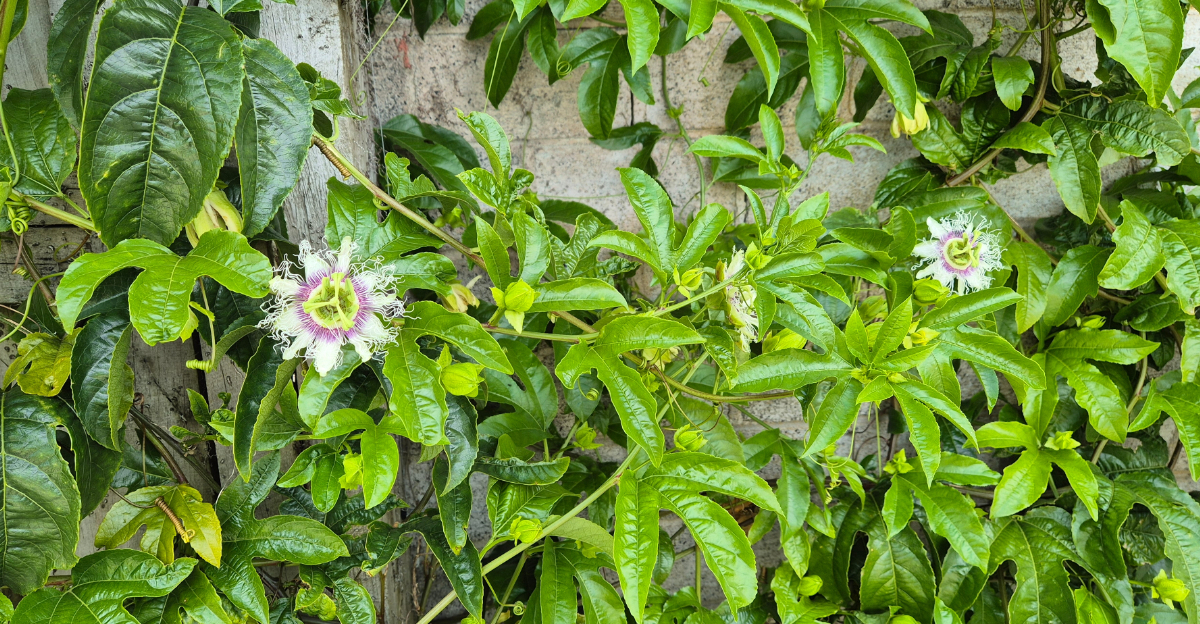
Few things are more frustrating than watching a passionfruit vine load up with flowers, only to see them fall before fruit ever starts forming.
In California, hot, dry wind can make that happen fast, especially during late summer when vines are already under extra pressure.
The flowers may look healthy at first, so the sudden drop can feel completely random. It usually is not.
Weather conditions can interfere with the delicate process that happens between bloom and fruit set, and even a short burst of harsh wind may be enough to throw things off.
That leaves gardeners wondering if the problem is watering, pollination, heat, or something else entirely.
The good news is that flower drop does not automatically mean the season is lost. Once you know what the vine is reacting to, it becomes much easier to help it hold onto future blooms.
1. Hot Dry Wind Pulling Moisture From Flowers Fast
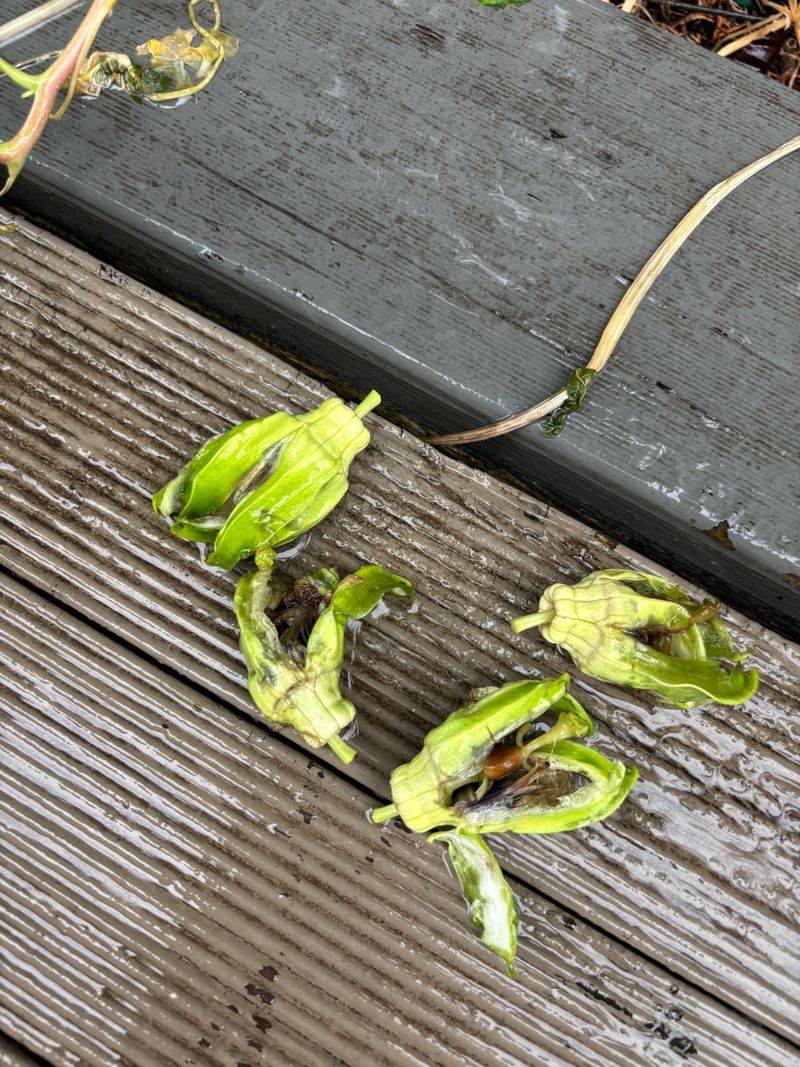
When a hot, dry wind blows across your garden, it acts almost like a hair dryer pointed right at your flowers. Passionfruit blooms are delicate and hold a lot of water inside their petals and stems.
When wind pulls that moisture out faster than the plant can replace it, the flower simply gives up and falls off.
This process is called desiccation, which just means drying out. Even a few hours of strong, dry wind can cause noticeable flower drop.
The vine is not doing anything wrong. It is just protecting itself by letting go of parts it can no longer support.
You can help by creating a windbreak on the side of the vine that faces the strongest gusts. A simple fence, a row of tall shrubs, or even a shade cloth staked into the ground can reduce wind speed significantly.
Blocking even half the wind force makes a real difference for your blooms. Try placing the barrier about three to five feet away from the vine so air still circulates without blasting the flowers directly.
Checking your vine after windy afternoons and giving it a slow, deep drink of water can also help it recover faster. Small actions like these add up over a whole growing season.
2. Dry Roots Making Blooms Give Up Early
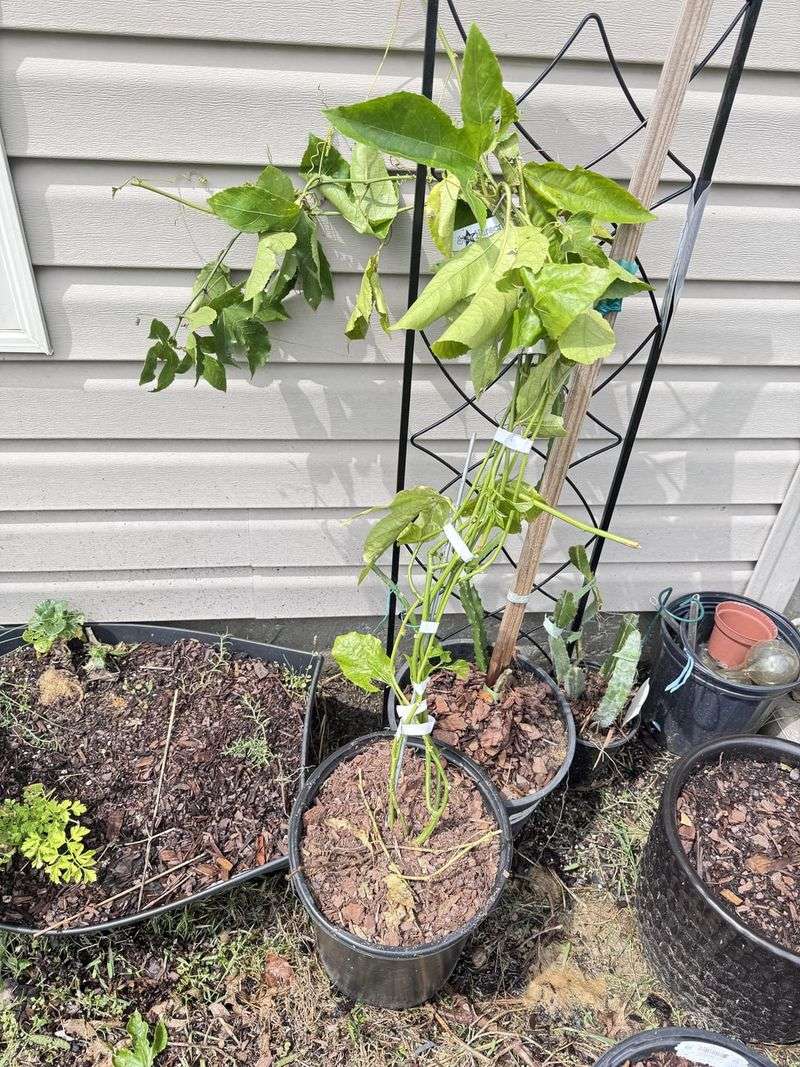
Roots are the lifeline of any plant. When the soil around a passionfruit vine dries out completely, the roots cannot pull up enough water to keep the whole plant going.
The vine has to make a tough choice, and flowers are usually the first thing it lets go of to save energy.
Think of it like a budget. When money is tight, you cut extras first.
For the vine, flowers are the extras when water is scarce. The plant shifts all its focus toward keeping its leaves and stems alive instead.
This is completely normal plant behavior, but it means you lose your chance at fruit that season.
Keeping the roots consistently moist is the best way to prevent this kind of flower drop. That does not mean soggy soil, just evenly damp soil that never fully dries out between waterings.
Your California Garden Changes Every Week. Your Plan Should Too.
Gardening in California changes quickly throughout the season. Every Friday you’ll receive a simple weekly plan showing exactly what to plant, prune, fertilize, harvest, and protect so you never miss the right timing.
Stick your finger about two inches into the ground near the base of the vine. If it feels dry at that depth, it is time to water.
Using a soaker hose or drip irrigation system delivers water slowly right to the root zone, which is much more effective than a quick spray from above.
Deep watering once or twice a week during hot stretches works better than light watering every single day.
3. Afternoon Heat Stressing Fresh Flower Buds
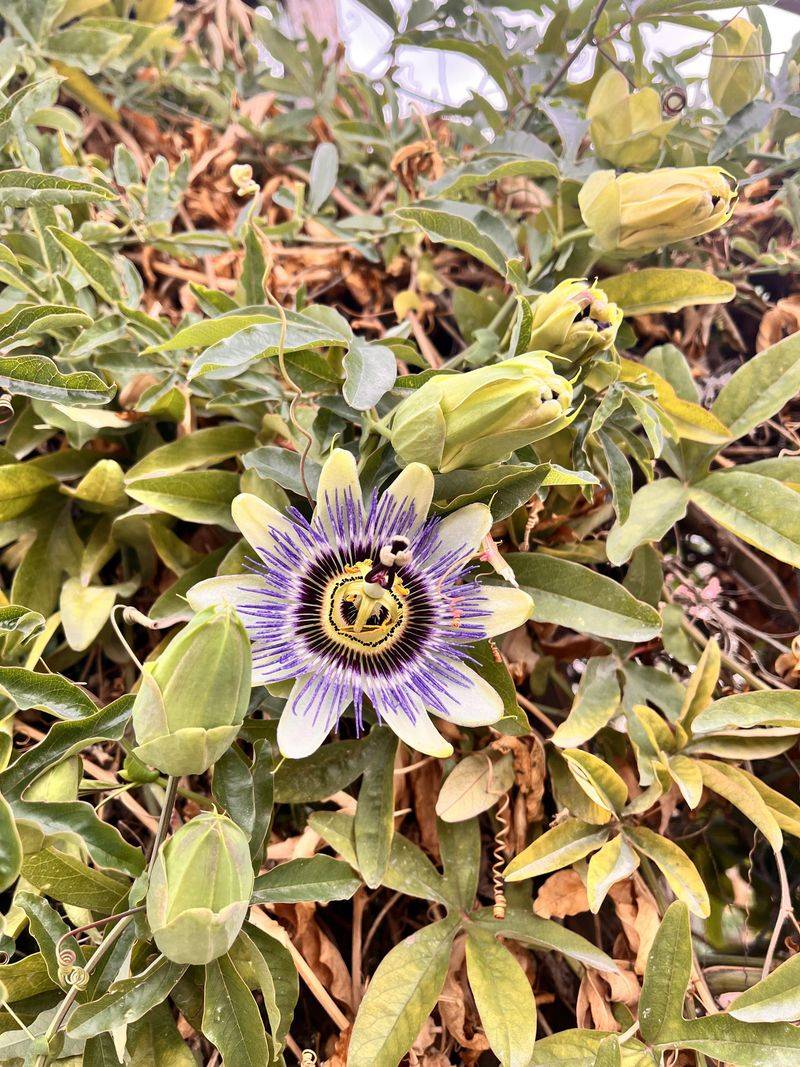
Fresh flower buds are some of the most sensitive parts of a passionfruit vine. They have not fully hardened yet, and when afternoon temperatures spike, those tender buds can get damaged before they ever open.
Heat stress is a real and common problem for vines in warm climates. Most passionfruit flowers open in the morning and are ready for pollination by midday.
But when temperatures climb past 95 degrees Fahrenheit during the afternoon, the stress on unopened buds can cause them to drop before they even get a chance to bloom.
It is like being exhausted before the race even starts.
One of the smartest things you can do is give your vine some afternoon shade. A shade cloth that filters about 30 to 40 percent of sunlight can lower the temperature around the vine by several degrees.
That small drop in heat makes a huge difference for those fragile buds. You can attach shade cloth to a simple frame or drape it over a trellis during the hottest weeks of summer.
Morning sun is actually great for passionfruit, so try to block only the harsh afternoon rays. Watering in the early morning also helps the plant stay cooler throughout the day by keeping moisture in the soil before the heat arrives.
4. Windy Days Drying Pollen Before Fruit Can Set
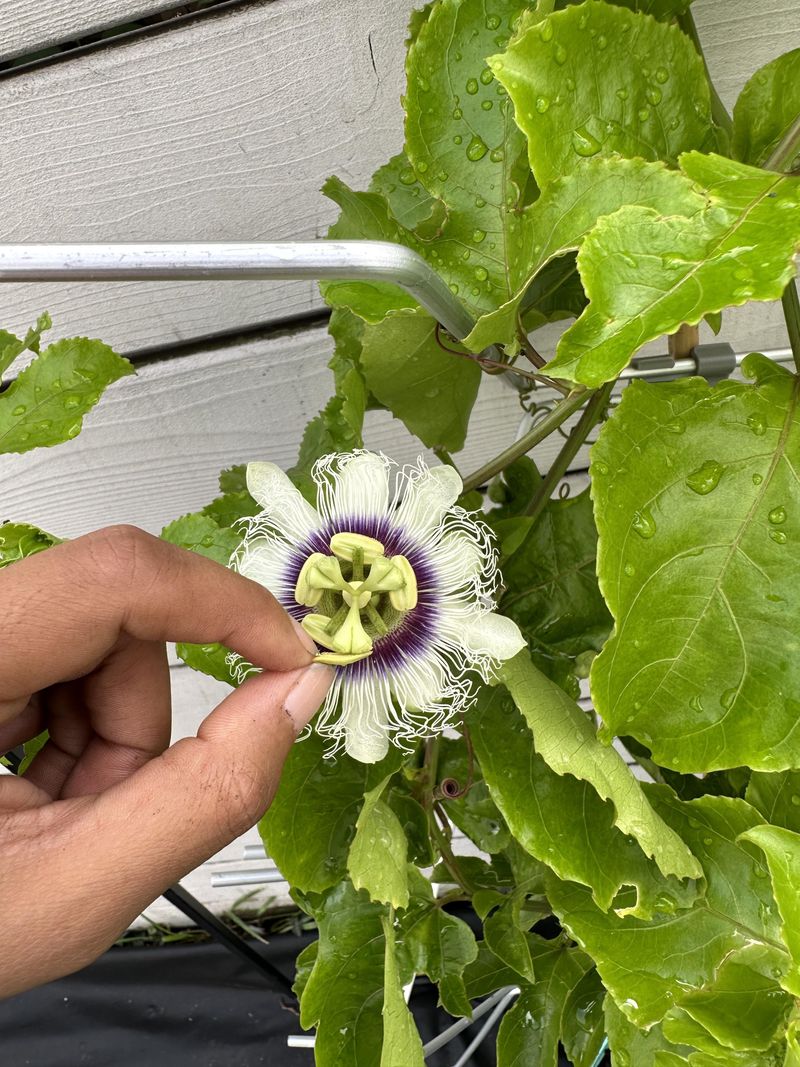
Here is something most California gardeners do not think about. Even if a passionfruit flower manages to stay on the vine during a windy day, the wind can still prevent fruit from forming.
Pollen is incredibly tiny and dries out very quickly when hot, dry air blows across it.
For a passionfruit to form, pollen needs to transfer from the stamen to the stigma while it is still moist and sticky.
Hot, dry wind speeds up the drying process so much that pollen can become useless within minutes of a flower opening.
No good pollen means no fruit, even if the flower looks perfectly healthy from the outside.
Hand pollination is a great trick to get around this problem. Use a small, soft paintbrush or even your fingertip to gently collect pollen from one flower and dab it onto the center of another.
Do this in the morning before the wind picks up and before temperatures climb too high. Pollinating early gives the pollen the best chance of being fresh and sticky enough to work.
Some gardeners in California swear by this method during Santa Ana wind events, and it really does help boost fruit set.
Even pollinating just a handful of flowers each morning during a wind event can give you a much better harvest later in the season.
5. Sudden Heat Swings Knocking Flowers Off The Vine
Plants like routine. When temperatures jump dramatically from one day to the next, it throws a passionfruit vine completely off balance.
A cool morning followed by a scorching afternoon can confuse the vine and trigger flower drop as a stress response.
These sudden heat swings are common in many parts of the West, especially in areas close to the coast or near mountain passes where weather can shift fast.
The vine starts preparing for one kind of weather and then gets hit with something completely different.
That mismatch puts the plant under serious stress, and flowers are often the casualty.
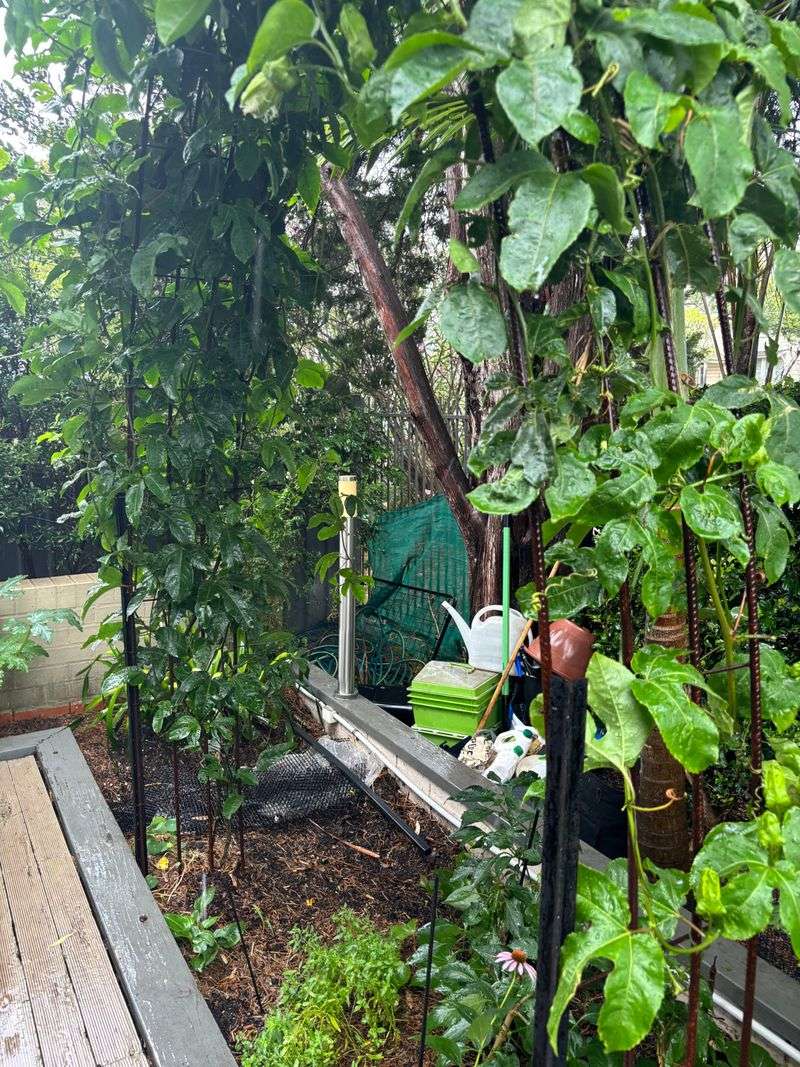
You cannot control the weather, but you can help buffer your vine against sudden changes. Thick mulch around the base of the plant helps keep the root zone at a more stable temperature, even when air temps swing wildly.
A layer of two to three inches of wood chips or straw acts like insulation for the soil. Keeping the vine well watered before a predicted heat event also helps it handle the stress better.
A vine that is already hydrated going into a hot spell will bounce back much faster than one that was already struggling.
Checking the forecast and watering the night before an expected heat spike is a simple habit that can save a lot of blooms over the course of a season.
6. Shallow Watering Leaving Passionfruit Too Thirsty
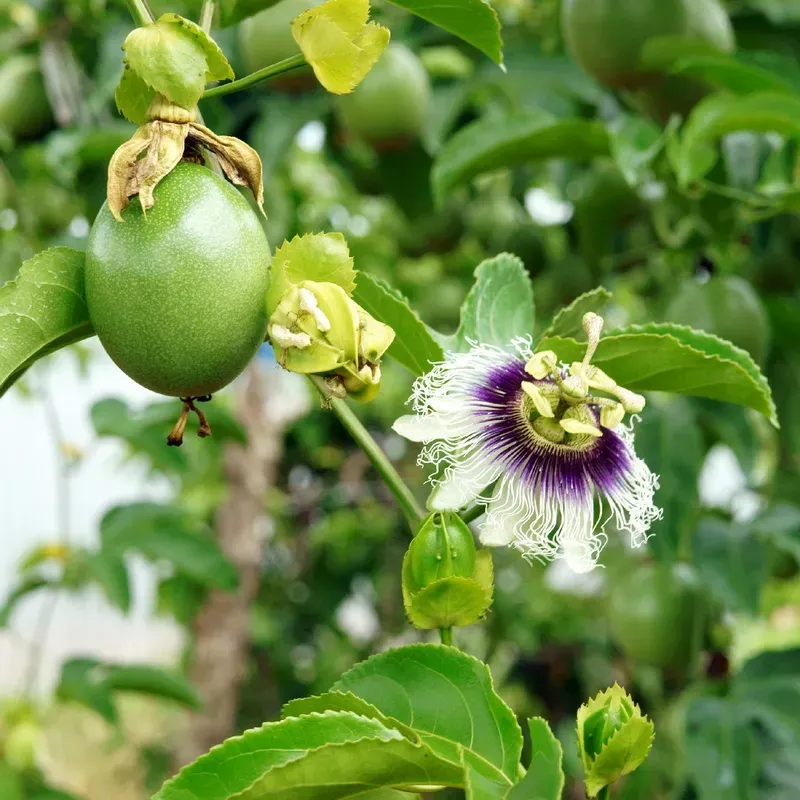
A lot of gardeners water their plants every day but still end up with thirsty vines. How does that happen?
Shallow watering is usually the reason. When you only wet the top inch or two of soil, the roots never get the deep moisture they need to support heavy blooming.
Passionfruit roots can grow quite deep when given the chance. Deep roots are stronger and more drought-resistant because they reach moisture that the surface soil loses quickly to evaporation.
But if you always water lightly, the roots stay near the surface where they are more exposed to heat and dry air. That makes the vine much more vulnerable during hot, windy stretches.
Switch to deep, infrequent watering instead of light daily sprinkles. A slow, long soak once or twice a week encourages roots to grow downward in search of water.
Set a drip emitter or soaker hose to run for 30 to 45 minutes at a time right at the base of the vine. You want the water to soak down at least six to eight inches into the soil.
To check, dig a small test hole an hour after watering and see how deep the moisture has reached. Adjusting your watering routine is one of the easiest and most effective changes you can make to keep passionfruit flowers on the vine during hot and dry conditions.
7. Exposed Vines Taking The Full Blast Of Hot Air
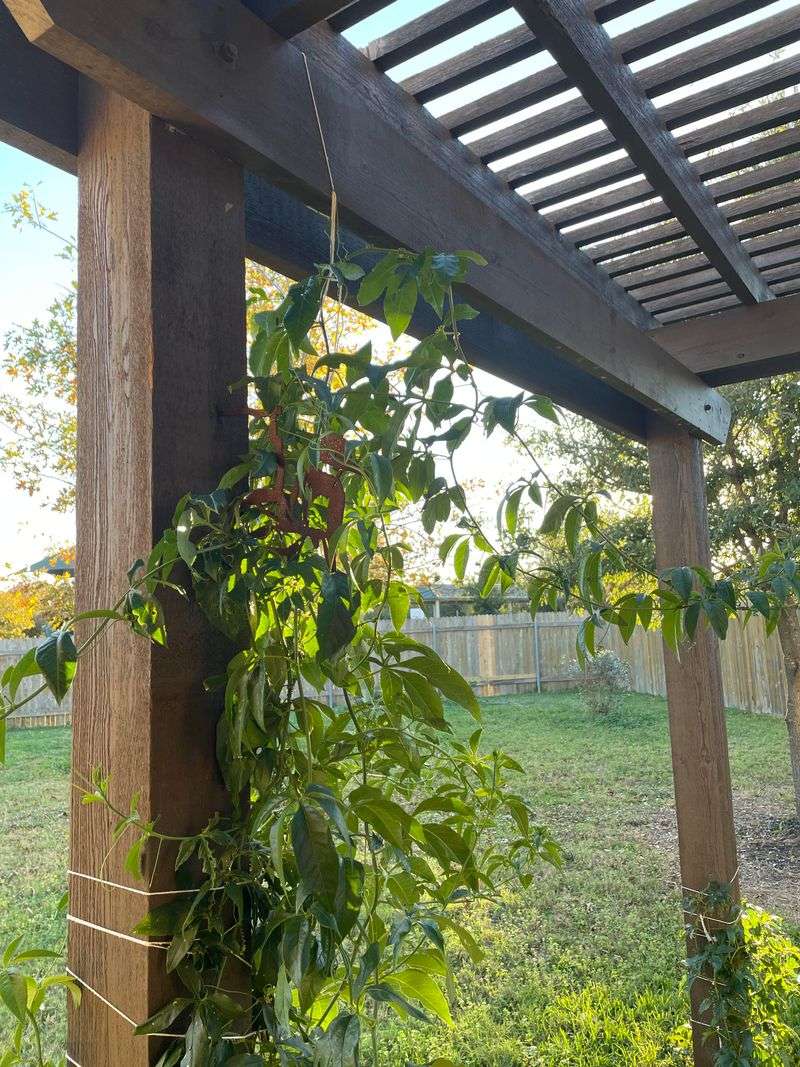
Location matters more than most people realize. A passionfruit vine planted in a fully open spot with no shelter from wind or shade gets hit with the full force of every hot, dry gust that rolls through.
That kind of exposure adds up quickly during summer months. Vines grown against a solid wall or fence on the south or west side of a yard often struggle more during heat events because those surfaces absorb and radiate extra heat.
On the other hand, a vine with some natural shelter from trees or structures on the windward side tends to hold its flowers much better during the same conditions. Placement really is everything.
If your vine is already planted in an exposed spot, you still have options. Building a simple trellis with a shade cloth attached can create a microclimate that is noticeably cooler and calmer.
Even planting a fast-growing annual like sunflowers nearby can provide some seasonal wind protection while the vine is blooming.
For anyone still deciding where to plant, choosing a spot that gets morning sun but is shielded from harsh afternoon wind is the smartest move.
A little planning at the start saves a lot of headaches later. Protecting your vine from full exposure is one of the most impactful steps you can take for better flower retention and a bigger fruit harvest.
8. Mulch Helping Roots Stay Cooler And More Evenly Moist
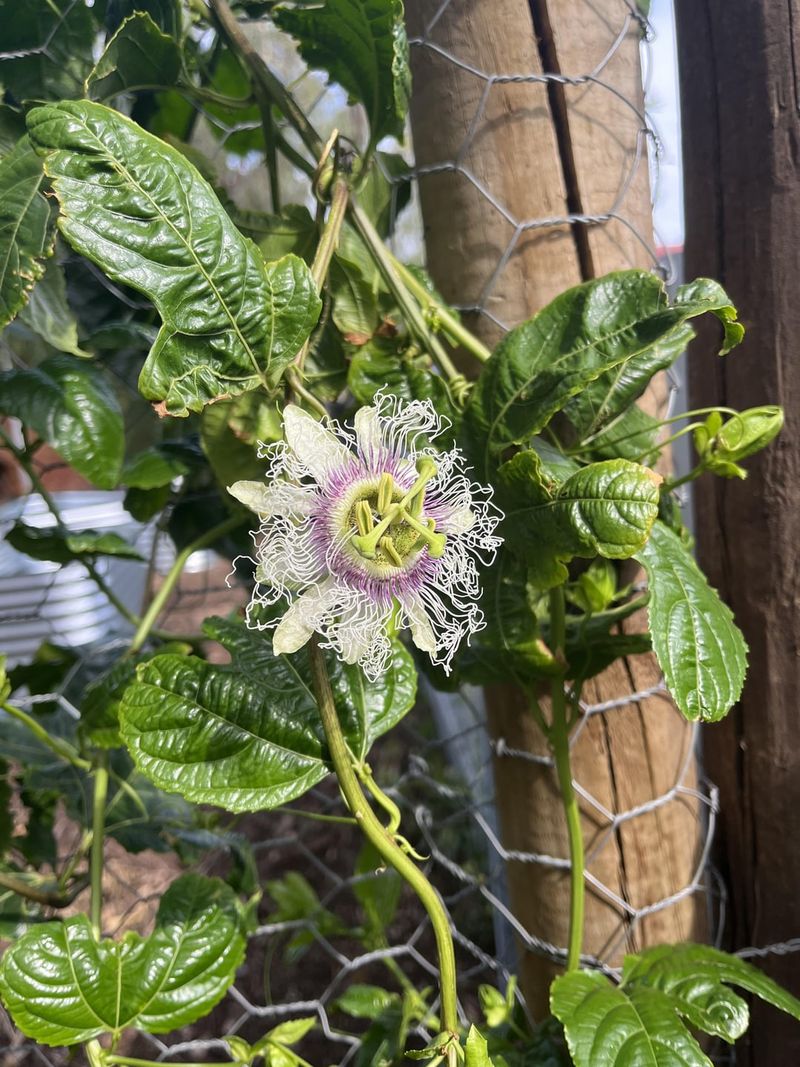
Mulch might be the most underrated tool in a gardener’s toolkit. Spreading a layer of organic material around the base of your passionfruit vine does several helpful things at once, and it is one of the simplest fixes you can make during hot, dry, windy weather.
A good layer of mulch slows down evaporation from the soil surface. That means the roots stay moist for much longer between waterings.
It also insulates the soil so it does not heat up as fast during the afternoon. Cooler, more evenly moist soil means a less stressed vine, and a less stressed vine holds onto its flowers much better.
Aim for a two to three inch layer of wood chips, straw, or shredded leaves spread in a wide circle around the base of the vine.
Keep the mulch a few inches away from the main stem to prevent moisture from sitting right against it, which can cause problems over time.
Refresh the mulch layer at the start of each hot season since it breaks down naturally and thins out.
Organic mulch also feeds the soil as it decomposes, which gives your vine a slow and steady boost of nutrients.
Gardeners across California who use mulch consistently report better flower retention and more fruit during summer compared to those who leave the soil bare. It is a small effort with a big payoff.