Why Cool Ohio Nights Can Sabotage Early Summer Pepper Growth
Ohio pepper growers do everything right. Then the plants go in the ground, and nothing much happens. Weeks go by. The peppers just sit there looking vaguely disappointed. Sound familiar?
Many gardeners blame the soil, the fertilizer, or their own technique. They add more water, tweak the feeding schedule, and wait some more.
The real culprit is usually something they never checked, something that happens after they go to bed and cannot see it.
Ohio nights in early summer have a personality that pepper plants find deeply offensive. Not the cold snaps everyone expects.
But those quietly cool, perfectly innocent-looking nights that drop just a few degrees below what peppers actually need to thrive.
The difference between a pepper plant that sits frozen in place for six weeks and one that charges toward a full harvest often comes down to what is happening overnight.
Do you know what your garden temperature actually drops to after dark?
1. Chilly Nights Slow Pepper Roots And Delay Growth Spurts
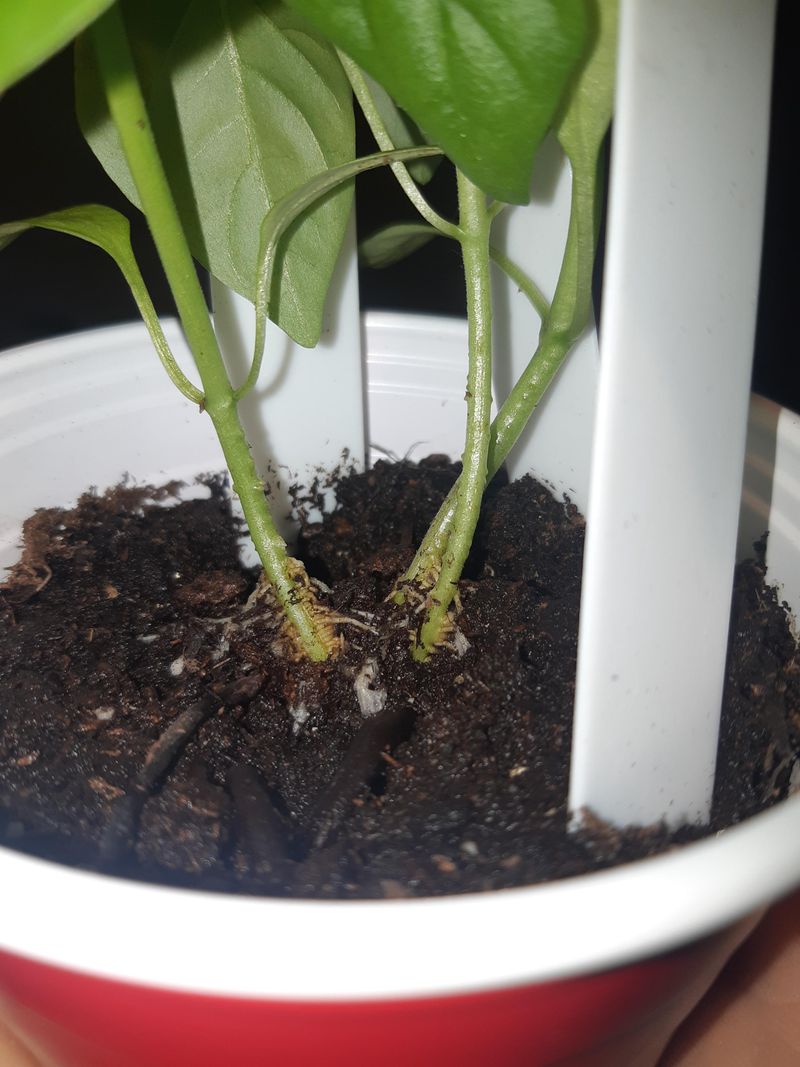
You planted your peppers with real optimism. You watered faithfully. Two weeks later, they look exactly the same as the day you put them in the ground. Root temperature is often the hidden reason why.
Pepper roots are sensitive to soil temperature in ways most gardeners never consider. When soil drops below 60 degrees Fahrenheit at night, root activity slows significantly.
Roots stop absorbing water and nutrients efficiently, which means the rest of the plant gets shortchanged even when conditions above ground look perfectly fine.
Nutrient uptake, especially phosphorus absorption, drops sharply in cool soils. Phosphorus is critical for early root growth and energy transfer. A deficiency here sets the whole season back before it ever gets started.
A practical fix is black plastic mulch. Lay it over the bed before transplanting. It absorbs solar heat during the day and holds warmth into the night, keeping soil temperatures more stable through those cool Ohio evenings.
Research supports this approach consistently. Black plastic mulch can raise soil temperatures by 5 to 8 degrees Fahrenheit, and that small bump makes a meaningful difference for roots trying to establish during unpredictable early summer nights.
Check soil temperature with an inexpensive probe thermometer before transplanting. Push it four inches deep in the morning for an accurate read.
If the number is below 65 degrees, the bed is not ready yet. Your peppers will wait. The question is whether you will too, or whether impatience costs you six weeks of growth.
2. Under-60°F Nights Turn Blossoms Into Lost Fruit Opportunities
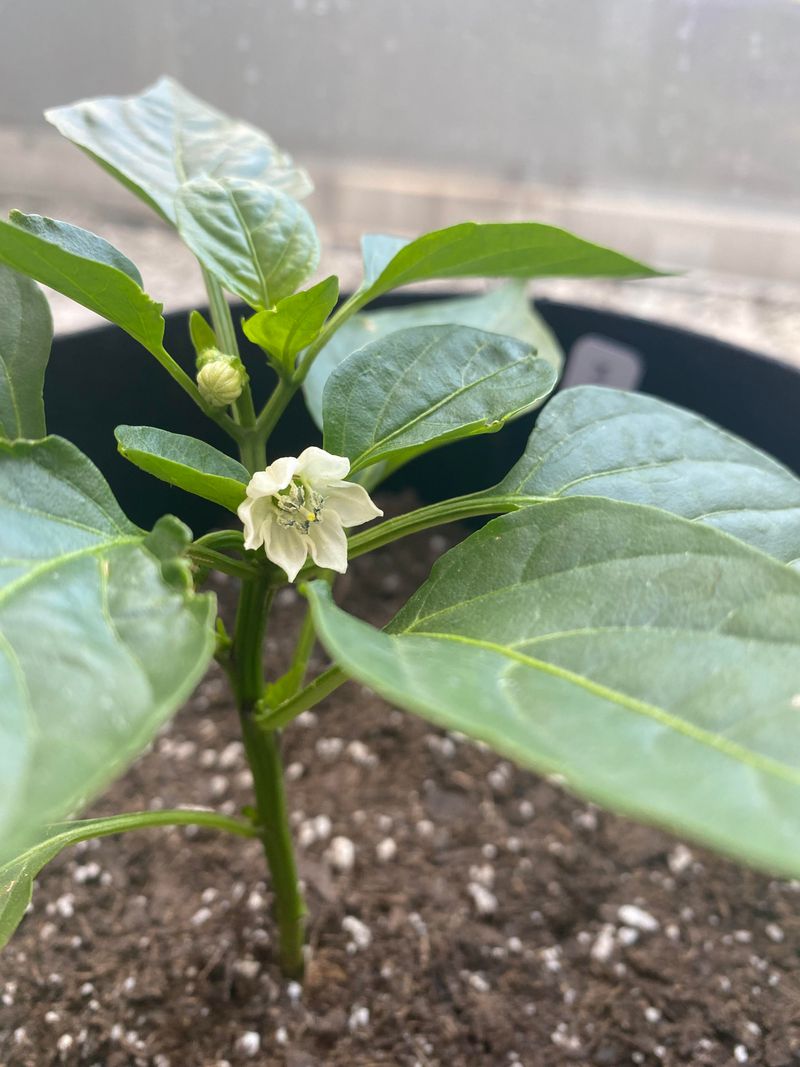
You spot the first delicate white blossoms on your pepper plants and feel genuine excitement. A few days later, they are gone without a single fruit forming.
Cool nights are almost certainly to blame.
Pepper flowers need warm nighttime temperatures to set fruit successfully. When nights drop below 60 degrees Fahrenheit, pollen becomes less viable and fertilization fails. The plant senses the stress and drops the flower before a fruit can develop.
Optimal nighttime temperatures for pepper fruit set fall between 60 and 70 degrees Fahrenheit. Anything below that range causes significant losses.
Your Ohio Garden Changes Every Week. Your Plan Should Too.
Gardening in Ohio changes quickly throughout the season. Every Friday you’ll receive a simple weekly plan showing exactly what to plant, prune, fertilize, harvest, and protect so you never miss the right timing.
In Ohio, May and early June can still bring nights in the mid-50s well after the last frost date has passed.
This is where many gardeners get confused. The last frost date is not the same as consistently warm nights.
Transplanting based on frost dates alone, then wondering why flowers appear but fruit never follows, is one of the most common pepper growing frustrations in the Midwest.
Monitor nightly low temperatures using a min-max thermometer placed at plant level in your garden. If you see several nights in a row below 60 degrees, use floating row covers to trap warmth around your plants.
Row covers can raise nighttime temperatures by 4 to 6 degrees Fahrenheit, giving blossoms a much better chance of developing into actual fruit.
All those beautiful flowers disappearing into thin air is painful to watch. The good news is that it is entirely preventable once you know what is actually happening after dark.
3. Cool Soil Temperature Slows Pepper Transplants Before Summer
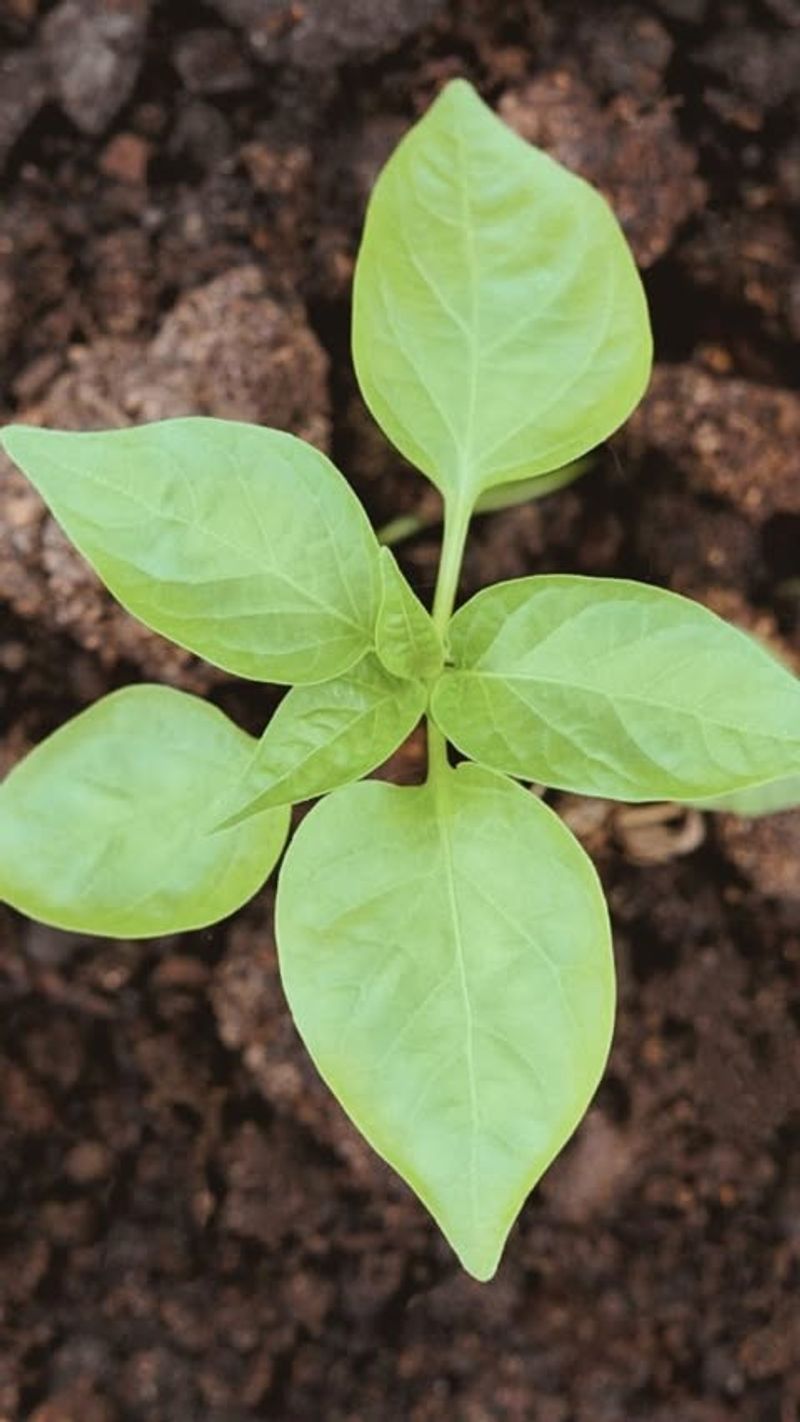
Transplant day feels like a real milestone. But putting peppers into cold soil is a bit like sending someone to run a race in wet boots. The conditions are working against them from the very first step.
Soil temperature at transplant time is one of the most critical factors for early pepper success. Waiting until soil temperatures reach at least 65 degrees Fahrenheit at a depth of four inches before transplanting makes a noticeable difference.
In Ohio, that threshold often is not reliably met until late May or even early June in northern parts of the state.
When transplants go into cool soil, the roots cannot establish quickly. The plant cannot take up the water it needs, and growth stalls.
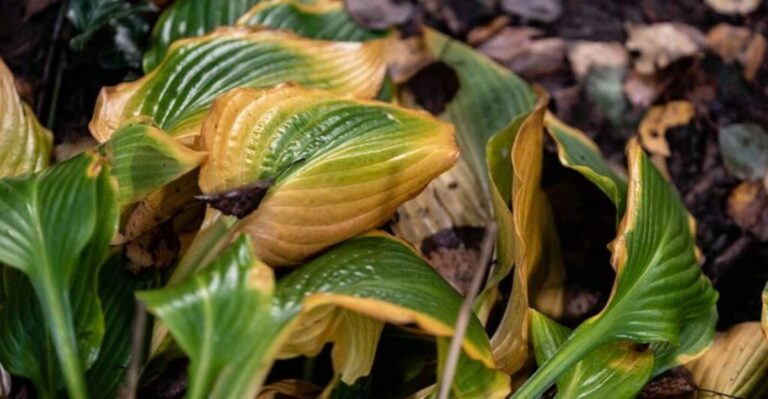
Leaves sometimes turn slightly yellow or purple, which signals nutrient stress caused by cold root zones.
These symptoms get mistaken for disease or poor fertilization constantly. Temperature is usually the real issue.
Check soil temperature with an inexpensive probe thermometer before digging a single hole. If the reading is below 65 degrees, wait a few more days or warm the bed with black plastic mulch for one to two weeks beforehand.
Hardening off transplants for seven to ten days before planting also helps them handle remaining temperature variability better than greenhouse-soft seedlings can manage on their own.
Your transplants did not come all this way to just sit in cold dirt looking confused. Give them the soil temperature they actually need, and they will reward you for it quickly.
4. Temperature Swings Confuse Flower Buds Into Dropping Early
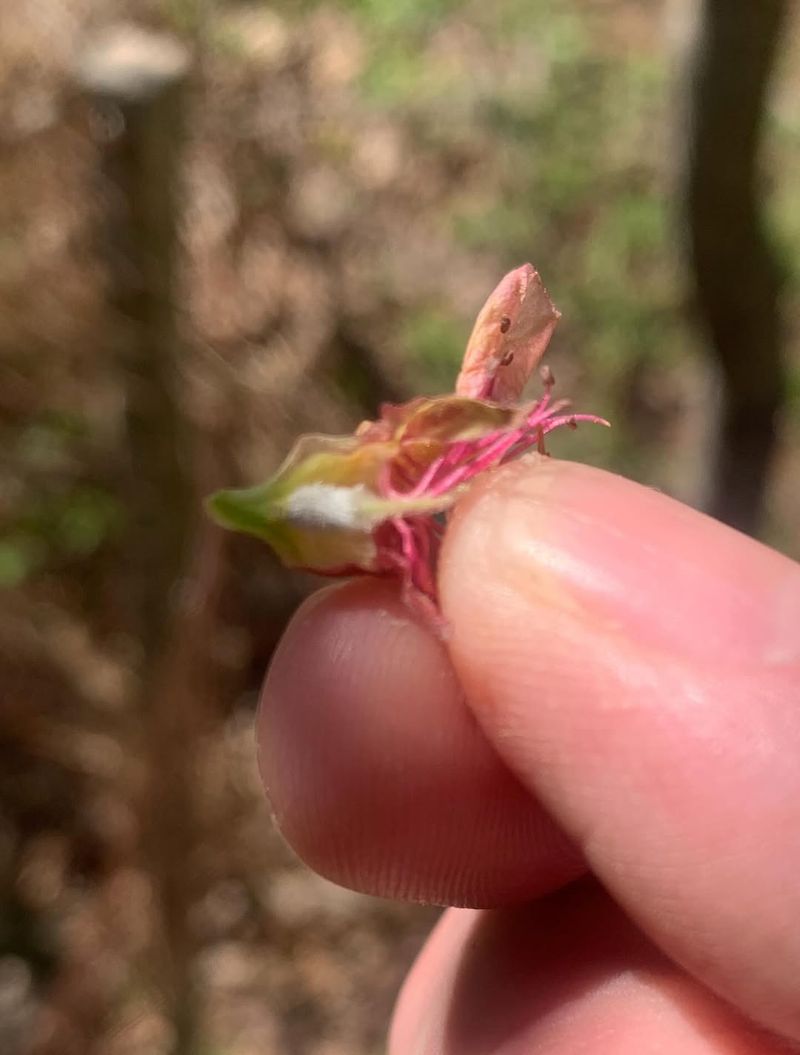
Warm sunny days followed by surprisingly cold nights are a classic Ohio early-summer pattern. For peppers, that back-and-forth is not refreshing variety. It is a recipe for bud abortion, and it can clear your plant of blossoms almost overnight.
Flower bud drop happens when the plant experiences physiological stress from fluctuating temperatures. Peppers develop flower buds over several days, and during that window the plant is sensitive to any disruption.
A swing of 20 or more degrees between daytime highs and nighttime lows puts the plant into a stress response. Hormonal signals inside the plant shift, and the bud detaches before it ever opens.
Temperature fluctuation is consistently identified as one of the top causes of early blossom drop in peppers grown in the Midwest.
The frustrating part is that the plant looks completely healthy. Leaves are green. Stems are strong. The garden looks fine.
But the buds keep falling, and no fruit forms. Gardeners blame fertilizer or pests while the real issue is happening invisibly at night.
To smooth out those swings, place row covers over plants on nights when temperatures are forecast to drop more than 15 degrees below the daytime high.
Thermal mass also helps. Large water-filled containers placed near plants buffer nighttime temperature drops effectively and cost almost nothing to set up.
Your pepper plant is not being dramatic. It just has standards. Meet those standards and the buds will actually stay where they belong.
5. Peppers Form Fewer Fruits When Nights Don’t Stay Warm Enough
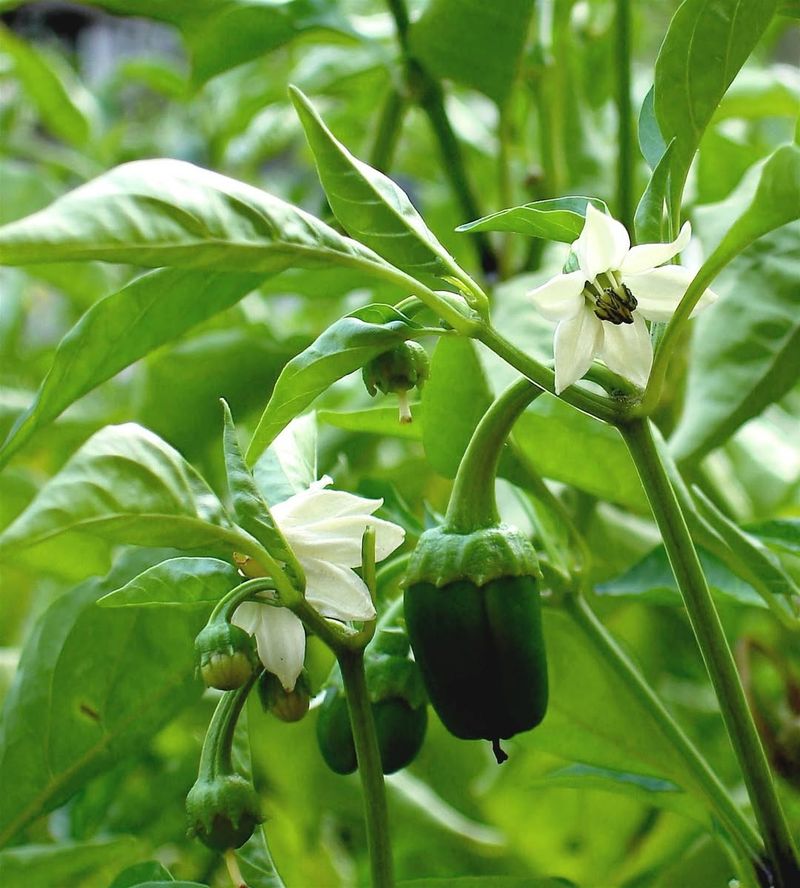
Some Ohio gardeners end the season with beautiful, bushy pepper plants that produced almost nothing worth harvesting.
Low fruit load is one of the most common and most quietly devastating outcomes of persistent cool nights through June.
When nighttime temperatures stay below 60 degrees Fahrenheit regularly, peppers reduce their reproductive effort.
The plant shifts energy away from fruit production and toward basic survival functions. Fewer flowers open, fewer fruits set, and the ones that do form may be small or misshapen.
Bell peppers and sweet peppers are especially vulnerable to low fruit set under cool night conditions compared to hot pepper varieties. That is worth keeping in mind when you plan your garden for next season.
Fruit load directly affects your total harvest. A plant that sets only four or five fruits instead of twelve to fifteen means a dramatically smaller yield at the end of the season.
Timing matters too. Fruits that set late because of cool early nights have less time to ripen fully before Ohio fall temperatures arrive.
Choosing pepper varieties bred for cooler climates helps significantly. Varieties like King of the North and Ace are developed specifically to set fruit at lower temperatures and perform well in Ohio growing conditions.
Pairing variety selection with row covers during cool spells gives your plants two layers of protection working simultaneously.
All that garden space, all that work, and four peppers to show for it. Nobody signs up for that. Choose the right variety and protect those nights.
6. Extended Cool Spells Reduce Plant Metabolism And Growth
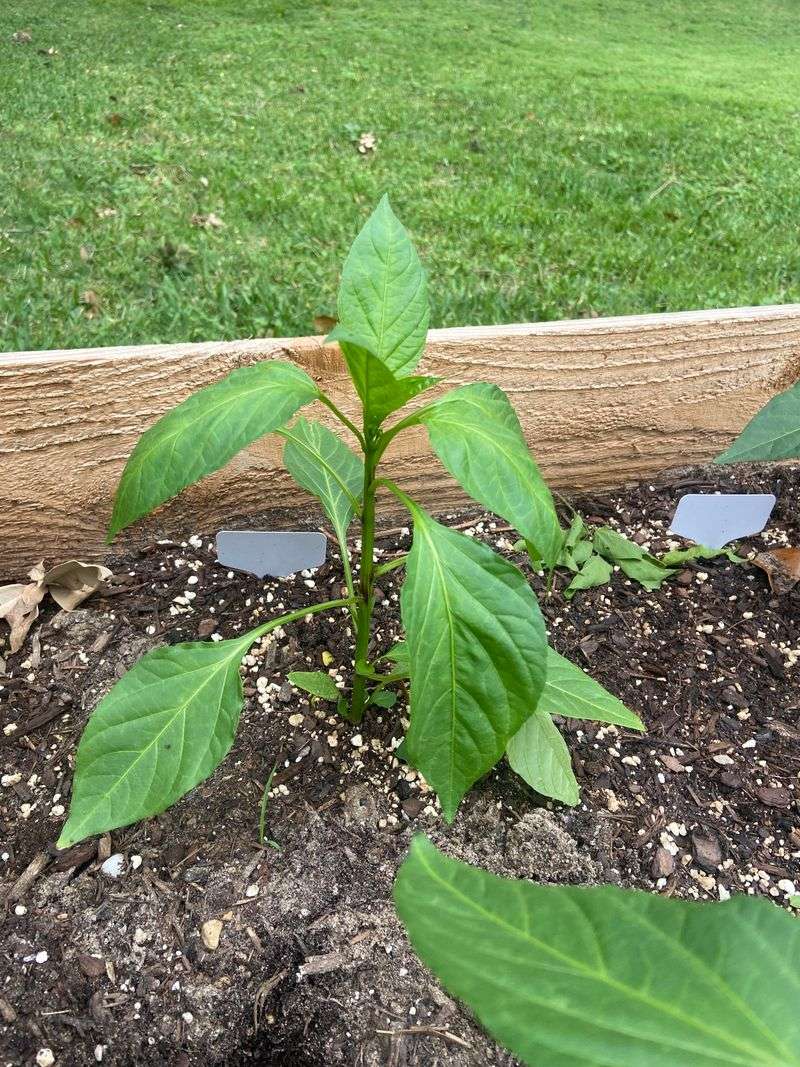
A stretch of cool cloudy nights in June does not just feel discouraging to the gardener. It actually puts the brakes on the pepper plant’s internal chemistry in ways that show up clearly in leaf color and plant size.
Photosynthesis is the process plants use to convert sunlight and carbon dioxide into energy. Cool temperatures slow it significantly.
When nights drop below 55 degrees Fahrenheit, the enzymes that drive photosynthesis become less efficient and the plant produces less energy overall.
Extended cool periods reduce the rate of leaf expansion, stunt overall plant height, and can delay the time until first harvest by two weeks or more. That is two weeks of Ohio growing season that simply disappears.
Chlorophyll production also slows in cool conditions, which is why pepper leaves sometimes develop a pale or yellowish tint during cool stretches.
This is not a nutrient problem even though it looks exactly like one. Applying extra fertilizer during a cool spell will not fix it. The real fix is warmth.
Low tunnels made from wire hoops and floating row cover fabric create a warmer microclimate around your plants during extended cool periods.
Low tunnels can raise nighttime air temperatures inside by 6 to 10 degrees Fahrenheit. That is often enough to keep pepper metabolism running at a productive rate even when Ohio weather has other plans.
7. Warm Nights Help Peppers Build Stronger Stem And Root Systems
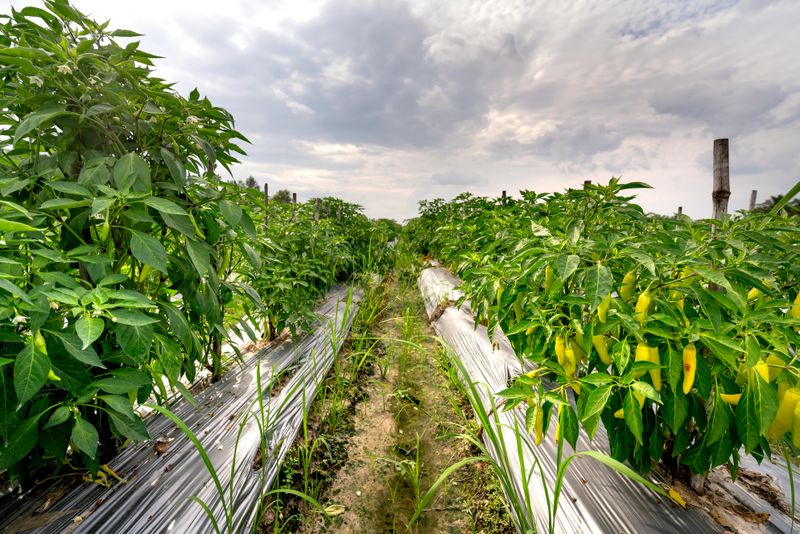
Warm nights are not just more comfortable for the gardener. They are when peppers actually do their most important work.
Nighttime is when plants distribute the energy produced during the day. Sugars get moved. Cells grow. Roots expand and thicken. Stems build the structural strength needed to support a heavy fruit load later in the season.
When nights stay above 60 degrees Fahrenheit consistently, peppers make steady and visible progress on root and stem development.
Consistent warm nights accelerate root growth in ways that directly support better nutrient uptake and more vigorous growth above ground throughout the rest of the season.
You can create warmer nighttime conditions even when Ohio weather is not cooperating. Black plastic mulch is one of the most effective tools available, raising soil temperatures meaningfully according to consistent research findings.
Planting near a south-facing wall or fence creates a favorable microclimate that stays several degrees warmer overnight without any additional equipment.
Raised beds warm faster and hold heat longer than in-ground plots, making them an excellent choice for Ohio pepper growers chasing warm-night conditions.
Combining raised beds, black plastic mulch, and occasional row cover use gives your peppers the nighttime warmth they need to build a root and stem system.
Warm nights, strong plants, full harvest. Is that too much to ask from Ohio in June? Apparently yes. But now you know what to do about it.