Why Curve-Billed Thrashers Choose Cholla Cacti For Nesting In Arizona
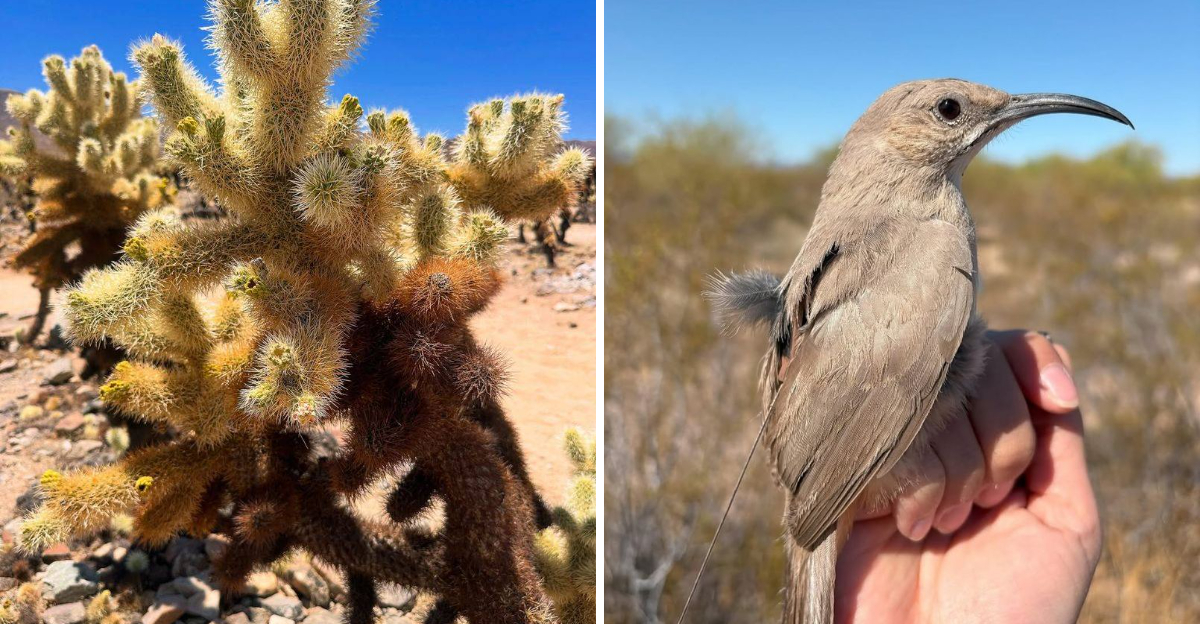
Most birds seem perfectly happy with an ordinary tree, so spotting one that keeps choosing a cactus makes you stop and look twice. It feels like the last place any bird would want to raise its young.
That surprising choice usually sparks more questions than answers. Before assuming it is random, take a closer look at what that cactus actually offers.
Nature often solves problems in ways that seem strange until you understand the reason behind them.
Curve-billed thrashers return to cholla cacti because those sharp spines provide valuable protection that many other nesting sites cannot match.
Arizona landscapes are filled with these natural shelters, making them a dependable choice during nesting season.
Once you see what the birds gain from this unlikely partnership, the whole scene starts making much more sense every single time you spot it.
1. Cholla Spines Keep Predators Away
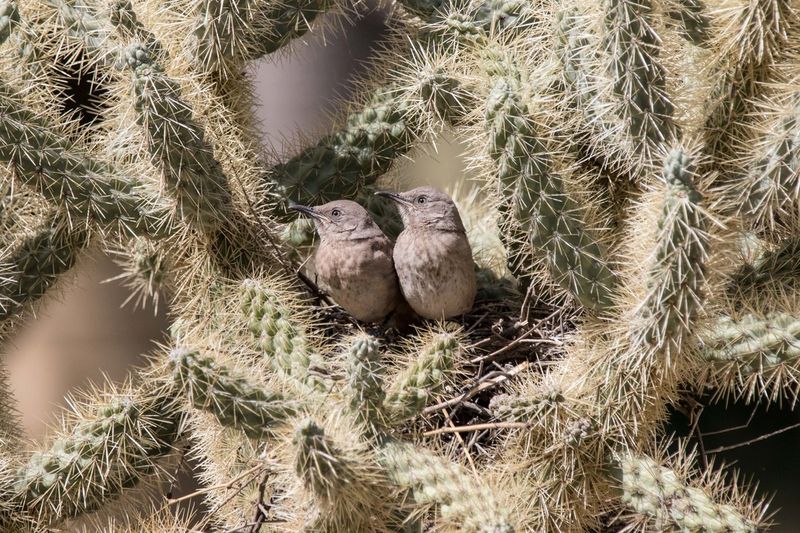
Sharp spines are the cholla’s secret weapon, and curve-billed thrashers know how to use them.
Cholla cacti have some of the most aggressive spines in the plant world. Each spine is barbed, meaning it hooks into skin, fur, or feathers almost instantly.
Predators like coyotes, ravens, and snakes quickly learn that pushing through cholla branches is a painful experience they would rather avoid.
Curve-billed thrashers, with their long curved bills and nimble bodies, can navigate these spines with surprising ease. They know exactly where to step and where to land.
That skill gives them access to a fortress most other animals cannot enter safely.
A nest tucked near the outer edge gets more exposure, while one buried deeper in the cactus benefits from multiple layers of spine protection.
It is not just about physical barriers either. Predators often rely on a quick grab-and-go strategy.
Cholla spines slow that process dramatically, buying the nesting birds critical seconds to respond. That extra time can make a real difference when chicks are young and vulnerable.
Spines also deter climbing predators like squirrels that might otherwise raid nests with ease.
2. Thick Branches Protect Eggs And Chicks
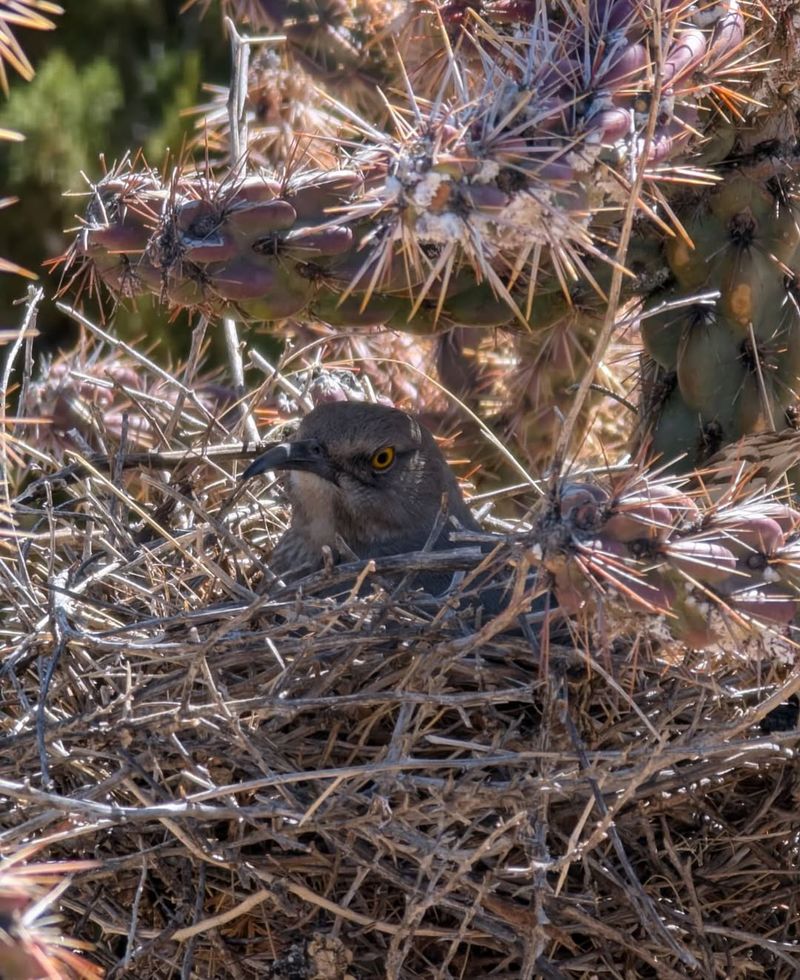
Cholla branches are surprisingly sturdy, and that structure matters more than most people realize.
A nesting site needs to hold firm against desert windstorms, monsoon gusts, and the shifting weight of growing chicks. Cholla branches interlock in a way that creates a natural cradle.
That interlocking pattern gives the nest a stable foundation that thin-branched shrubs simply cannot match.
Curve-billed thrashers weave their nests from twigs, grasses, and plant fibers, anchoring them between cholla stems. Once secured, the nest sits snugly without swaying too much.
Eggs stay positioned correctly, which matters a lot during incubation.
Young chicks also benefit from that structural support. As they grow heavier and start moving around, a stable nest reduces the chance of accidental falls.
Cholla branches hold that weight reliably, at least under typical conditions where the cactus itself is healthy and well-rooted.
Shade is another underrated benefit. Cholla branches cast irregular but meaningful shade during the hottest parts of the day.
In the Sonoran Desert, where temperatures can climb well above 100 degrees Fahrenheit, even partial shade helps regulate nest temperature. Overheating is a genuine risk for eggs and newly hatched chicks.
Your Arizona Garden Changes Every Week. Your Plan Should Too.
Gardening in Arizona changes quickly throughout the season. Every Friday you’ll receive a simple weekly plan showing exactly what to plant, prune, fertilize, harvest, and protect so you never miss the right timing.
Not every cholla cactus offers the same protection. Older, larger specimens with denser branch networks tend to be preferred nesting sites.
3. Where These Birds Usually Build Their Nests
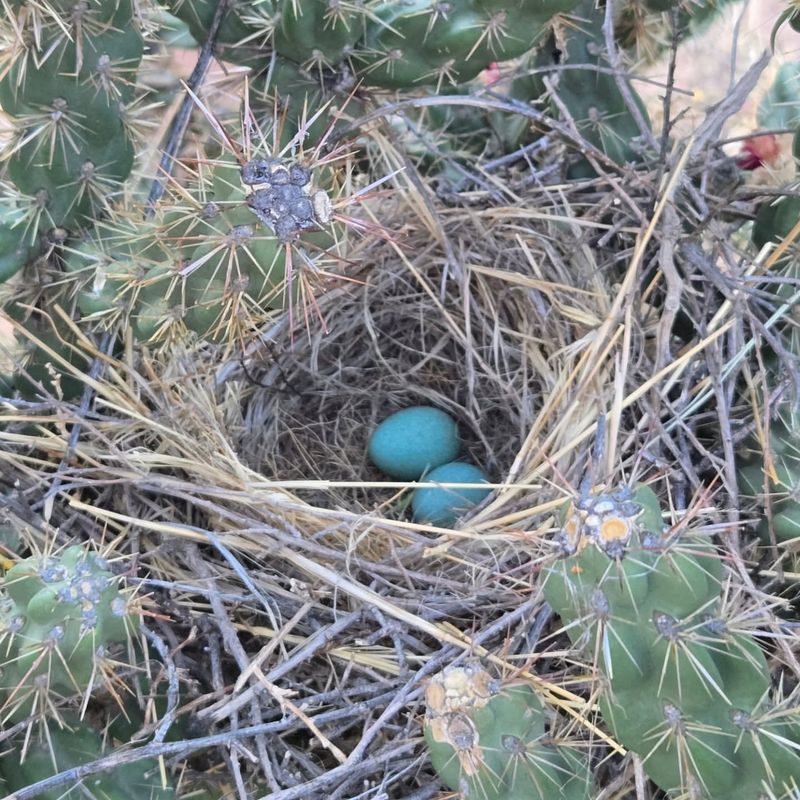
Location scouting is serious business for curve-billed thrashers, and they are picky about it.
Most nests are built between two and eight feet off the ground. That height range offers a practical balance between accessibility for the parent birds and distance from ground-level threats.
Ground predators like roadrunners or snakes have a harder time reaching nests at that elevation.
Cholla cacti growing in open desert areas tend to attract more nesting activity than those in dense vegetation. Open surroundings give the birds clear sightlines, which helps them spot approaching threats early.
Quick escape routes matter when a hawk circles overhead.
Nesting season in the Sonoran Desert region typically runs from late winter through early summer. Thrashers often begin scouting locations as early as February.
By March, many pairs are actively building or already incubating eggs. Timing varies based on local weather conditions and food availability.
Pairs often return to the same general area in following seasons, though not necessarily to the exact same cactus. Cholla plants that supported successful nests before tend to attract renewed interest.
Familiarity with a location likely reduces the time spent on site assessment.
Urban and suburban yards with established cholla cacti also see nesting activity. Thrashers adapt well to neighborhoods that retain native desert plants.
4. Grow Native Plants That Provide Food
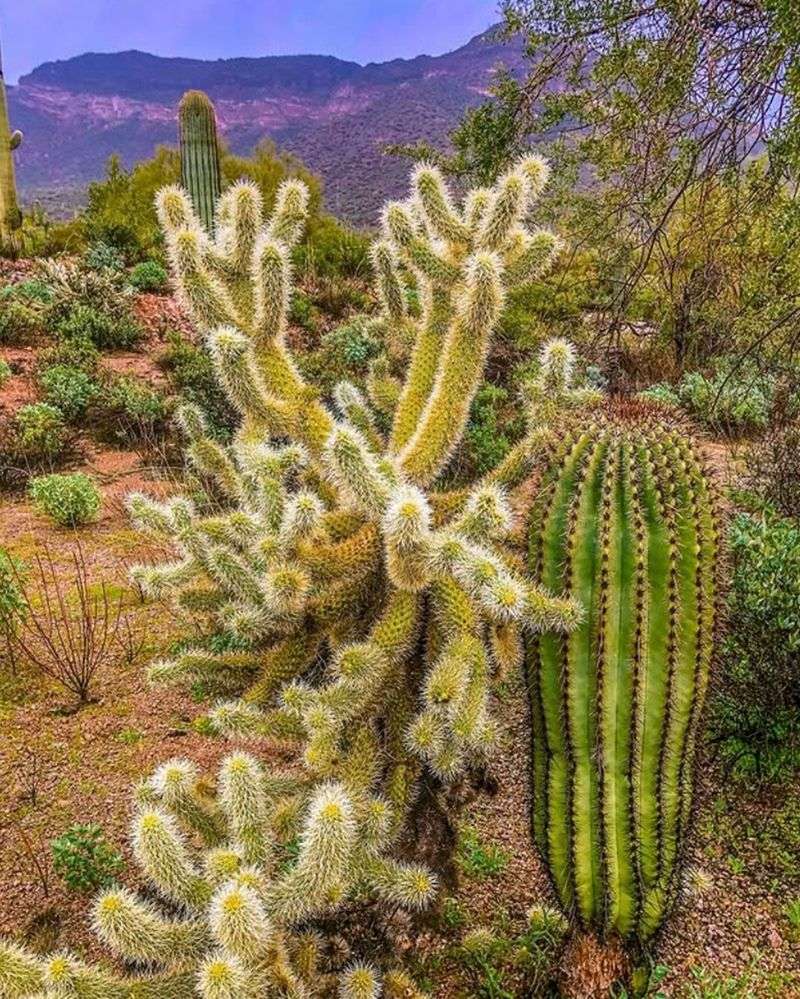
Food availability plays a bigger role in nesting success than most backyard bird enthusiasts expect.
Curve-billed thrashers are omnivores with a wide-ranging diet. Insects, berries, cactus fruits, and small invertebrates all make the list.
Having a reliable food source close to the nest reduces how far adults need to travel during the demanding nesting period.
Native plants are the most effective way to support this. Desert hackberry produces small fruits that thrashers eat readily.
Wolfberry, also called desert Christmas cactus, offers another reliable food source. Prickly pear cactus provides both fruit and insects that shelter beneath its pads.
Native plants also attract the insects that thrashers feed to their chicks. Young birds need protein-rich food to grow quickly.
A yard full of native flowering plants supports a much larger insect population than one dominated by non-native ornamentals.
Planting in clusters rather than scattering individual plants creates denser habitat. Dense plantings offer more foraging opportunities and additional cover.
Thrashers appreciate layered vegetation where they can move between ground level and mid-height shrubs without excessive exposure.
Avoid using broad-spectrum pesticides near areas where thrashers forage. Pesticide use can reduce insect availability significantly, cutting into the food supply at a critical time.
Integrated pest management approaches that target specific problems are a better fit for wildlife-friendly yards.
5. Leave Active Nests Undisturbed
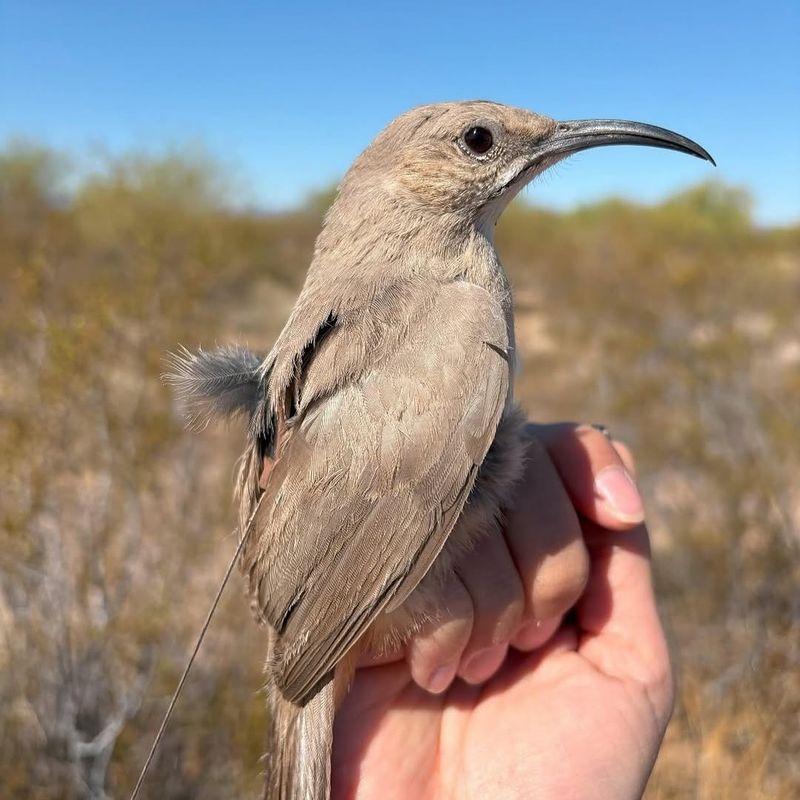
Spotting an active thrasher nest is exciting, but the best thing you can do is walk away quietly.
Parent birds are sensitive to repeated human presence near their nests. Frequent disturbances can cause adults to abandon the nest, especially during the early incubation stage.
Even well-meaning check-ins can create enough stress to disrupt normal brooding behavior.
Federal law protects curve-billed thrashers and their nests under the Migratory Bird Treaty Act. Disturbing, moving, or interfering with an active nest is not permitted.
Keeping a respectful distance is both the legal and ethical choice.
If your cholla cactus has an active nest, avoid pruning, watering nearby plants aggressively, or doing yard work in that immediate area. Loud noise and sudden movements near the nest can startle the adults off the eggs.
Extended time away from eggs in summer heat creates real problems for developing chicks.
Pets are another concern. Dogs and cats that roam near an active nest can trigger repeated flushing behavior from the parents.
Each time an adult flushes from the nest, the eggs or chicks are left exposed. Limit pet access to areas near active nests until the young birds have fledged.
Watching from indoors through a window is a great compromise.
Binoculars let you observe natural behaviors without putting pressure on the birds.
6. Delay Cholla Pruning Until Nesting Ends
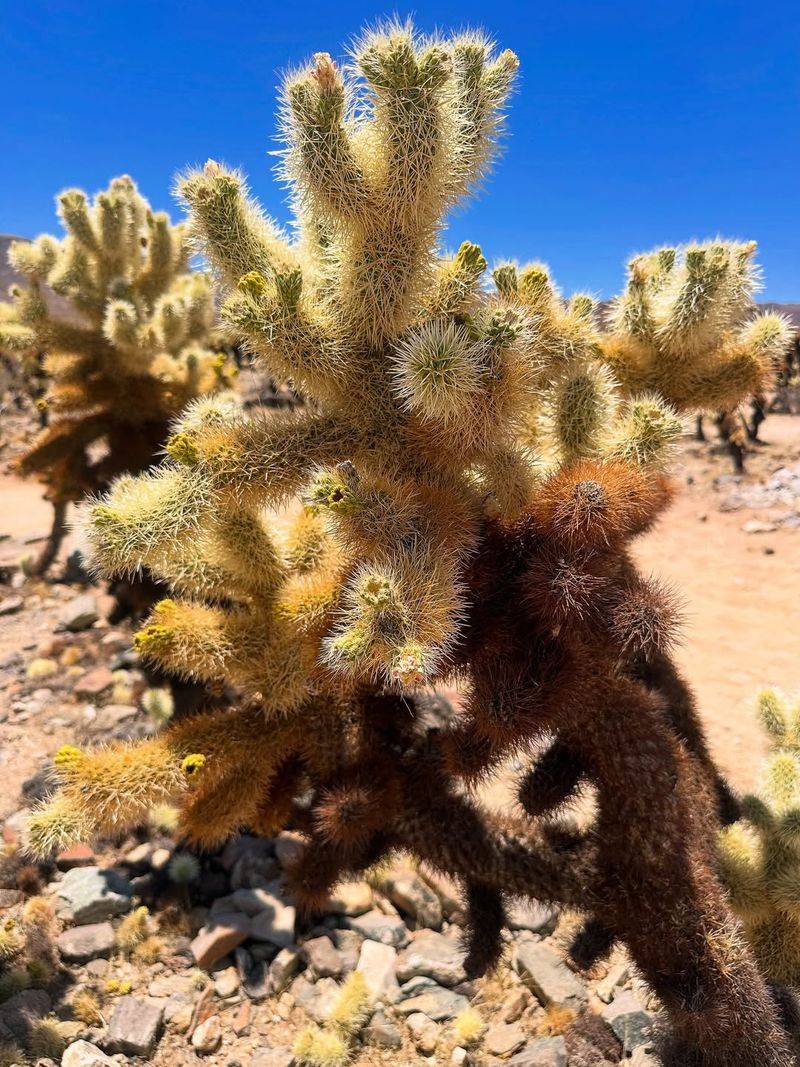
Pruning cholla cacti at the wrong time of year can disrupt nesting in ways that are hard to undo.
Nesting season in the desert Southwest generally runs from late February through July, though this varies by year and local conditions. Pruning during that window risks removing branches that currently support an active nest.
Even if you cannot see a nest, one may be hidden deeper inside the cactus.
Before touching any cholla, spend a few days observing it from a distance. Watch for adult birds flying in and out repeatedly.
Consistent comings and goings, especially with nesting material or food in their bills, are strong indicators of an active nest nearby.
If you find an active nest, postpone all pruning until the chicks have fledged and the nest is clearly abandoned. Fledging typically happens within three to four weeks after hatching, depending on conditions.
Mark your calendar and check back before resuming yard work.
When nesting season ends, late summer through early winter is generally a safer window for cholla maintenance. Removing damaged or broken arms reduces clutter without threatening active birds.
Wear thick gloves and use long-handled tools, since cholla spines detach easily and embed in skin.
Keeping your cholla healthy long-term benefits both the plant and the wildlife that depends on it.
7. Keep Outdoor Pets Away From Nesting Areas
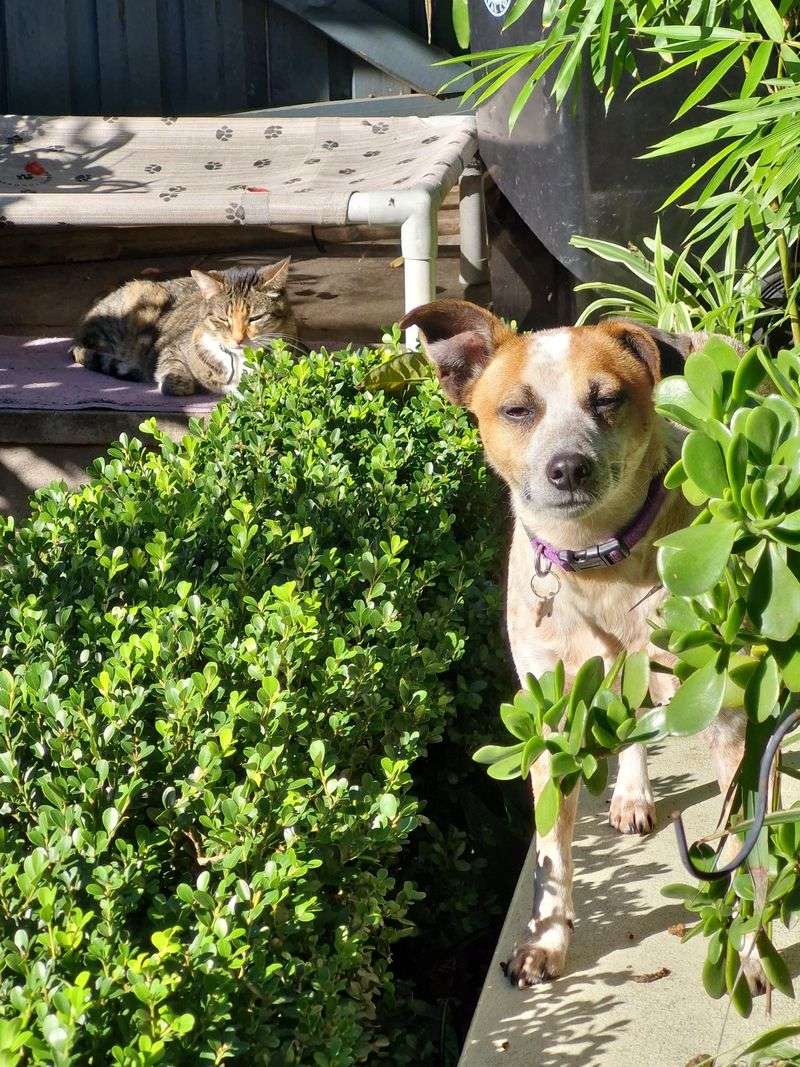
Outdoor cats are one of the most significant threats to ground-foraging and low-nesting birds in residential areas.
Curve-billed thrashers nest relatively low to the ground compared to many other species. A cat that patrols the yard regularly can reach nests built in cholla cacti, especially those on the lower end of the typical height range.
Even if a cat cannot physically reach the nest, its presence near the cactus causes repeated stress responses in the parent birds.
Dogs present a similar challenge, though usually less so than cats. A large dog investigating a cholla cactus may accidentally damage lower branches or create enough commotion to flush adults repeatedly.
Consistent flushing wastes energy that nesting birds need for incubation and chick care.
During nesting season, consider restricting outdoor pet access to areas away from known or suspected nest sites. A simple temporary barrier or supervised outdoor time can reduce the pressure on nesting birds considerably.
If you have a bird-friendly yard in Arizona, leash training or designated play zones for dogs helps protect ground-level wildlife activity.
Cats are more challenging to manage outdoors, so keeping them inside during peak nesting season is often the most practical option.
Nesting thrashers that experience fewer disturbances tend to have better fledging outcomes.