Why Delaware Boxwoods Are Losing Leaves In Late August And How To Save Them Before Fall
Leaves are falling off your prized boxwoods, and it isn’t autumn yet. Panic sets in fast when green turns to bare stems overnight. Delaware’s late-summer air holds an intense mix of heat and moisture.
Humidity clings to foliage and invites fungal trouble nobody wants. Soil stress compounds the damage steadily, quietly weakening roots beneath the surface. August heat stress catches many gardeners off guard.
Established boxwoods rarely fail overnight, but neglect changes everything. Delaware gardeners face a narrow window before fall locks problems into place. Waiting costs you recovery time you cannot easily get back.
Acting now separates a thriving hedge from a fading shell. Diagnosis matters more than guessing, and guessing costs precious days.
Every dropped leaf signals something specific happening beneath the surface. Ignore that warning signal, and next spring will cost you for it.
You have days, not weeks, to turn this around.
Drought Stress Triggers Premature Leaf Drop
Boxwoods look tough, but they feel every dry spell deeply. When Delaware boxwoods are losing leaves in late August, drought stress is often the first suspect.
Late summer heat pulls moisture out of the soil faster than most gardeners expect. The shrub responds by shedding leaves to conserve what little water it has left.
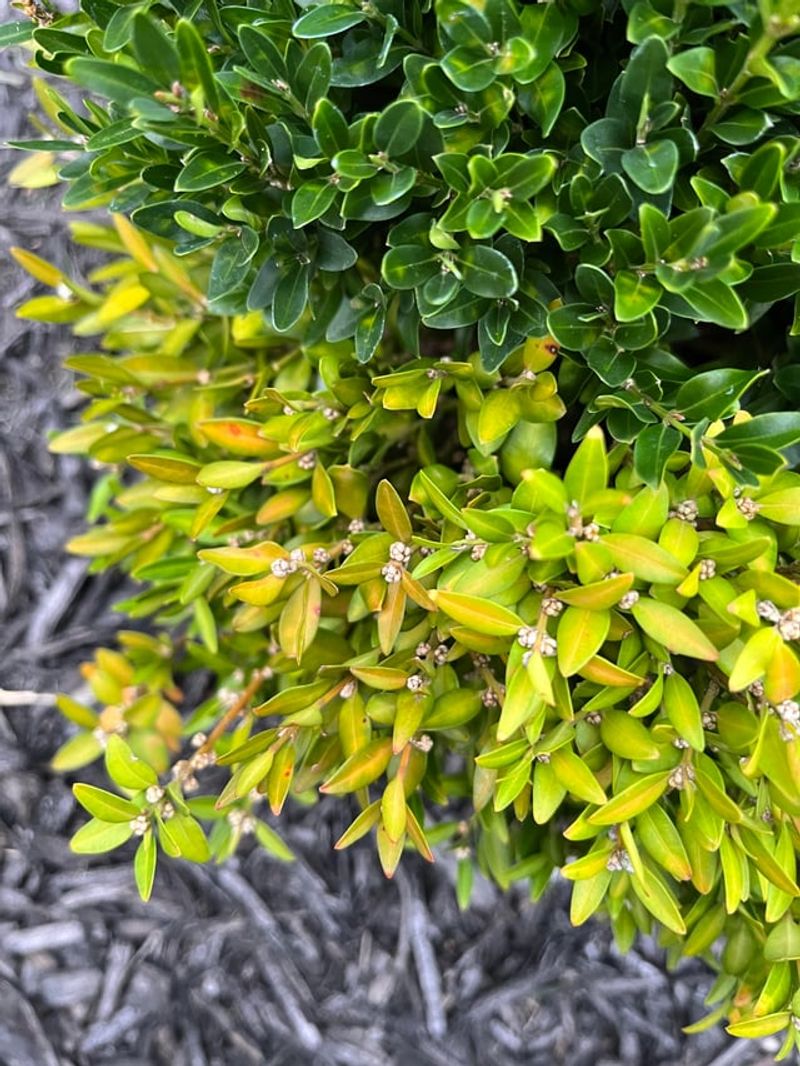
You might notice the leaves turning pale yellow or bronze before they fall. That color change signals the plant is under stress.
Check the soil around the base of your shrub. If it feels dry two inches below the surface, your boxwood is already running low on reserves.
Drought stress weakens the entire plant from the inside out. A stressed shrub becomes more vulnerable to pests and disease later in the season.
The tricky part is that boxwoods in containers show stress even faster than those planted in the ground. Pots heat up quickly and dry out within a day or two.
Sandy soils, which are common in parts of Delaware, drain water so fast that roots barely get a chance to absorb it. Adding organic matter to the soil helps slow that drainage.
Mulching around the base is one of the easiest ways to hold moisture in the ground longer. A two-to-three-inch layer of wood chips makes a noticeable difference within days.
Catching drought stress early gives your boxwood the best shot at bouncing back strong before temperatures drop in fall.
Fungal Blight Spreads In Humid Conditions
Humid August air creates favorable conditions for fungal disease. Boxwood blight thrives when heat and humidity combine, and Delaware summers deliver both in abundance.
The fungus Calonectria pseudonaviculata moves fast. One infected branch can spread spores to neighboring shrubs within days if conditions stay wet.
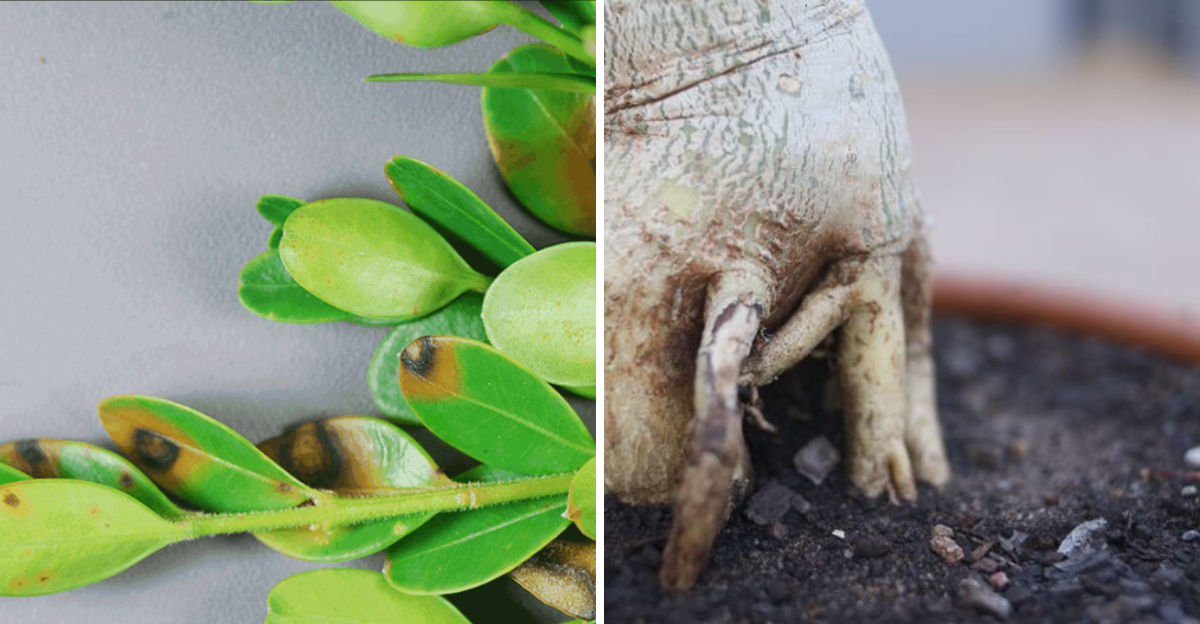
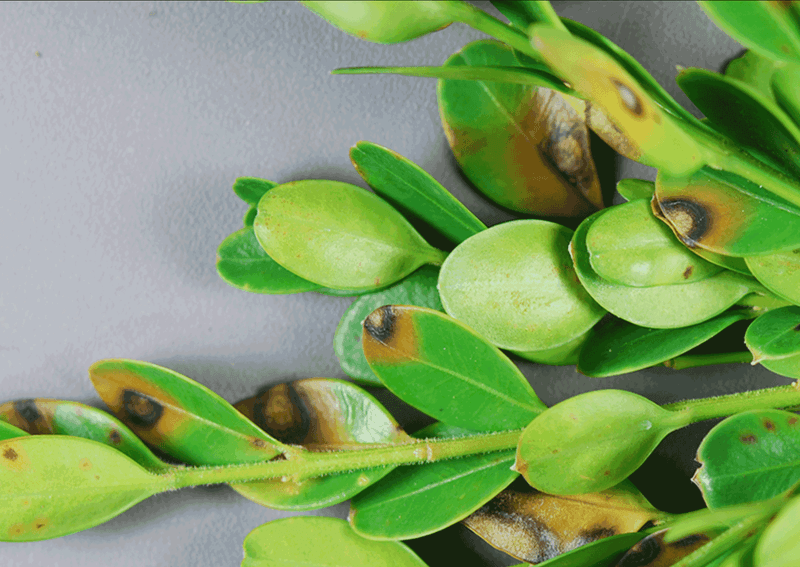
Look for circular brown spots on individual leaves first. Those spots grow and merge until the entire leaf turns tan and drops to the ground.
Dark streaks on the stems are another clear sign of blight. If you see those streaks paired with leaf drop, act as soon as possible.
Fallen leaves pose a reinfection risk because they carry active spores. Rake them up and bag them right away, never add them to a compost pile.
Your Delaware Garden Changes Every Week. Your Plan Should Too.
Gardening in Delaware changes quickly throughout the season. Every Friday you’ll receive a simple weekly plan showing exactly what to plant, prune, fertilize, harvest, and protect so you never miss the right timing.
Overhead watering makes the problem worse by keeping foliage wet for long periods. Switch to drip irrigation or water at the base of the plant instead.
Fungicides containing chlorothalonil or copper can slow the spread when applied early. Follow label directions carefully and repeat applications as instructed.
Check current product labels and local extension guidance before applying, as approved formulations vary by region.
Spacing between shrubs matters too. Crowded boxwoods trap moisture and block airflow, creating the exact conditions fungal blight loves most.
Thinning dense growth inside the shrub improves air circulation without harming the plant’s shape. Even a light interior trim makes a real difference in disease prevention.
Catching blight before it spreads across your whole hedge row saves both your plants and a lot of frustration heading into fall.
Boxwood Mites Damage Foliage From Within
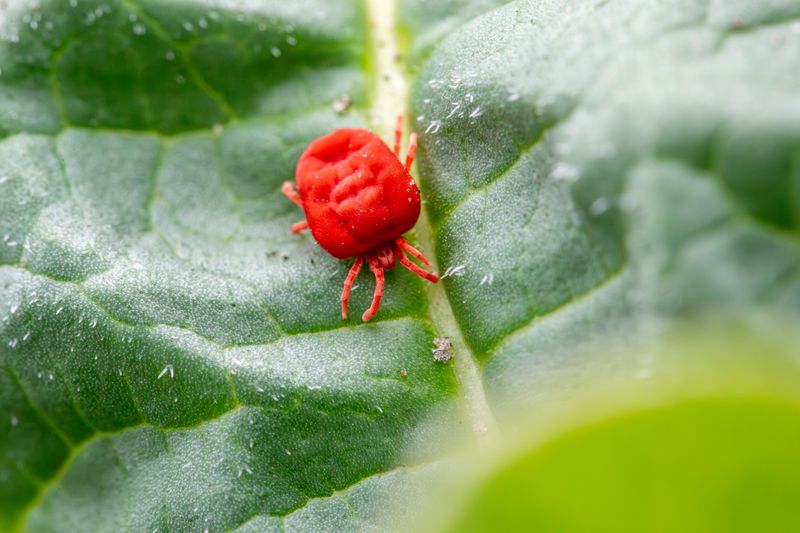
Mites are difficult to detect. They are too small to spot with the naked eye, but the damage they leave behind is hard to miss.
Boxwood spider mites feed on leaf tissue by piercing the surface and sucking out the contents. The result is a pale, washed-out look called stippling.
Affected leaves look almost dusty or grayish-green instead of their usual rich color. Up close, you might notice tiny white or yellow flecks covering the surface.
A quick test is to hold a white sheet of paper under a branch and tap it sharply. If tiny moving specks appear on the paper, you have mites.
Mite populations increase rapidly in hot, dry conditions, which makes late August in Delaware a prime season for outbreaks.
Heavy infestations cause leaves to curl, bronze, and drop prematurely. Boxwoods already stressed by heat are especially vulnerable to this kind of infestation.
A strong blast of water from the hose can knock mite populations down quickly. Repeat this every few days to disrupt their life cycle before they rebound.
Insecticidal soap sprays are effective against active mites when applied directly to the leaf surface. Make sure to coat both the top and underside of every leaf.
Mites reproduce fast, so consistency is key. Missing even one treatment cycle can allow populations to rebuild and set your recovery effort back significantly.
Poor Drainage Weakens The Root System
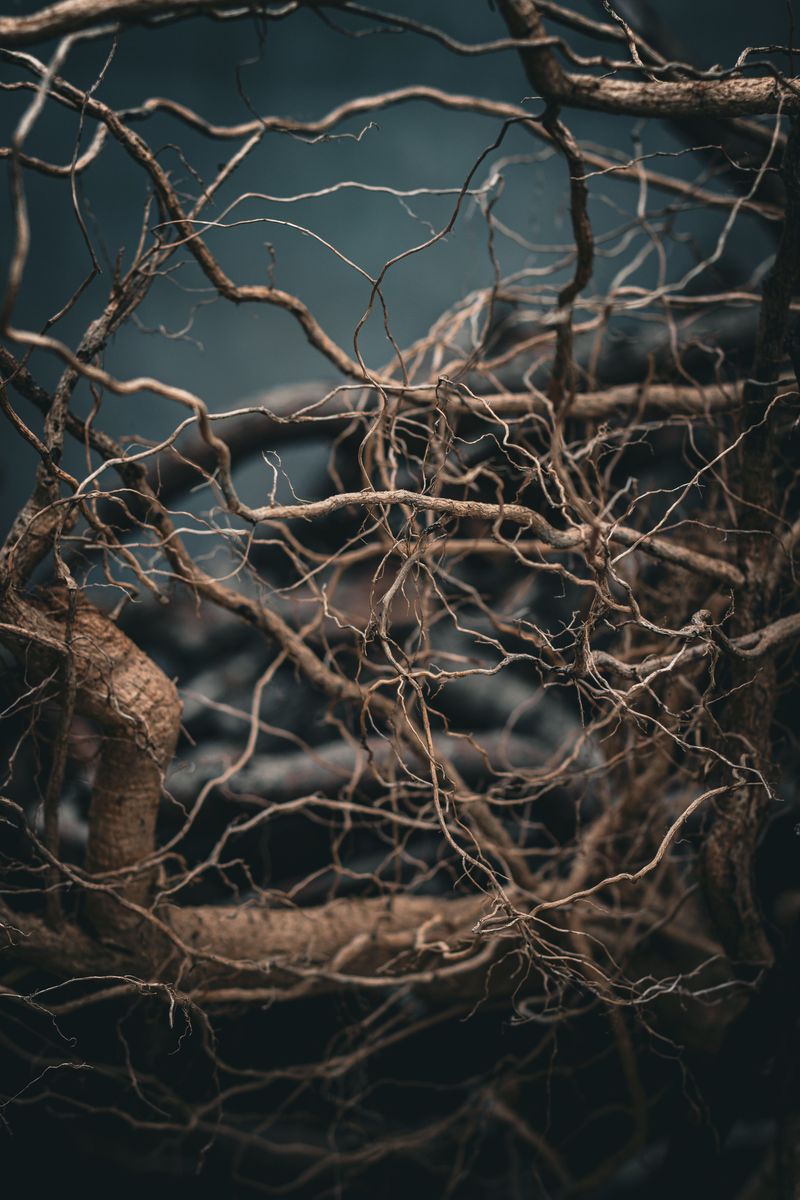
Roots need air just as much as they need water. When soil stays soggy for too long, roots are deprived of oxygen and the whole shrub starts to struggle.
Delaware has patches of heavy clay soil that hold water long after rain stops. Boxwoods planted in those spots often show stress that looks exactly like drought, which is confusing.
The leaves yellow, drop, and the plant looks thirsty even though the ground is wet. That mixed signal trips up a lot of gardeners who then water even more.
Overwatering a plant with poor drainage makes root rot set in faster. Once rot takes hold, the root system loses its ability to absorb nutrients and moisture effectively.
Pull back the mulch and press your finger into the soil near the base. If water oozes up around your finger, drainage is the core problem here.
Raised planting beds are one of the most reliable fixes for chronic drainage issues. Elevating the root zone even four to six inches makes a noticeable improvement.
Adding coarse sand or perlite to heavy clay soils helps break up compaction. Work it into the top eight inches of soil around the drip line of the shrub.
Avoid planting boxwoods in low spots where water naturally collects after rain. A slight slope away from the base helps water move on instead of pooling.
Healthy roots are the foundation of a healthy shrub, and fixing drainage now gives yours the best chance before fall arrives.
Water Deeply Once Or Twice Weekly
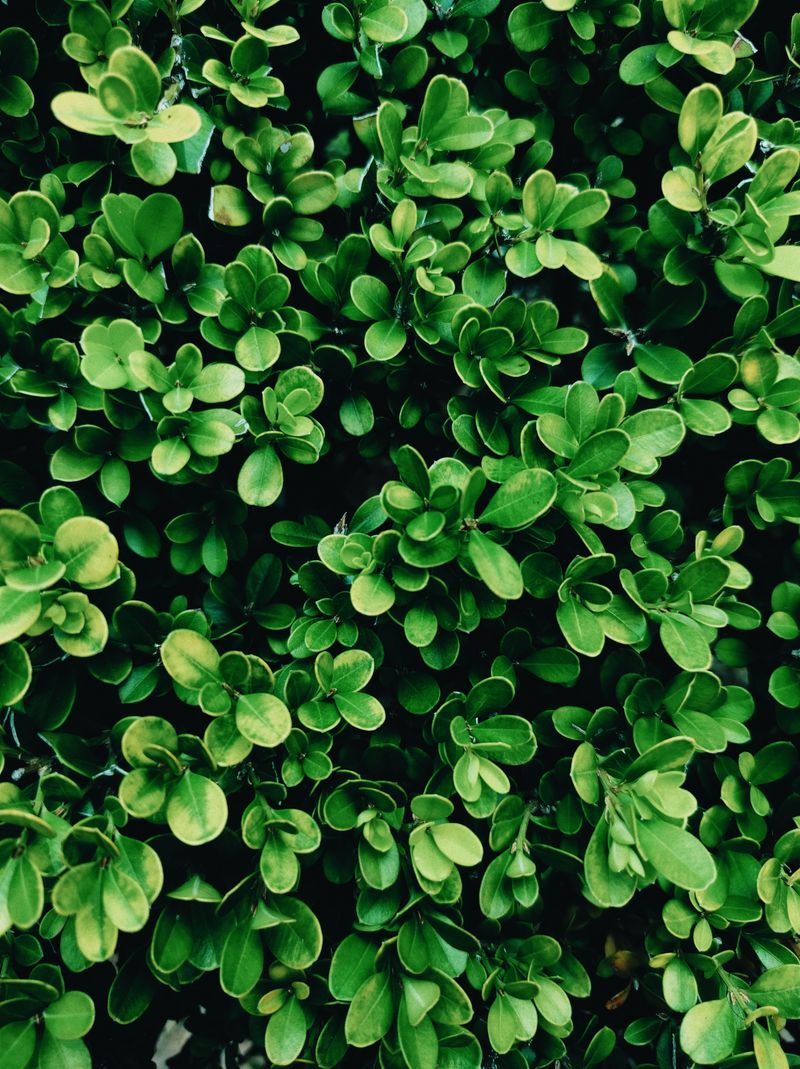
Shallow watering is one of the biggest mistakes boxwood owners make. Light, frequent watering trains roots to stay near the surface where they dry out fast.
Deep watering pushes moisture down into the soil where roots can truly access it. Aim for water to penetrate at least eight to ten inches below the surface.
In late August, Delaware heat pulls surface moisture away quickly. Watering deeply once or twice a week keeps the root zone consistently moist without overloading the soil.
Early morning is the best time to water your boxwoods. Wet foliage dries off during the day, which reduces the risk of fungal problems developing overnight.
A slow trickle from a soaker hose works better than a sprinkler for boxwoods. The water goes straight to the root zone instead of spraying across the leaves.
Check the soil moisture before you water every time. Stick a finger two inches into the ground and water only if it feels dry at that depth.
Newly planted boxwoods need more frequent watering than established ones. Their root systems are still small and cannot pull moisture from a wide area yet.
Older, well-established shrubs are generally more drought-tolerant than young ones. But late-summer stress can still push even mature plants past their limit.
Consistent, deep watering right now can stop leaf drop in its tracks and give your shrubs the strength they need heading into fall recovery season.
Prune Away Infected Branches Promptly
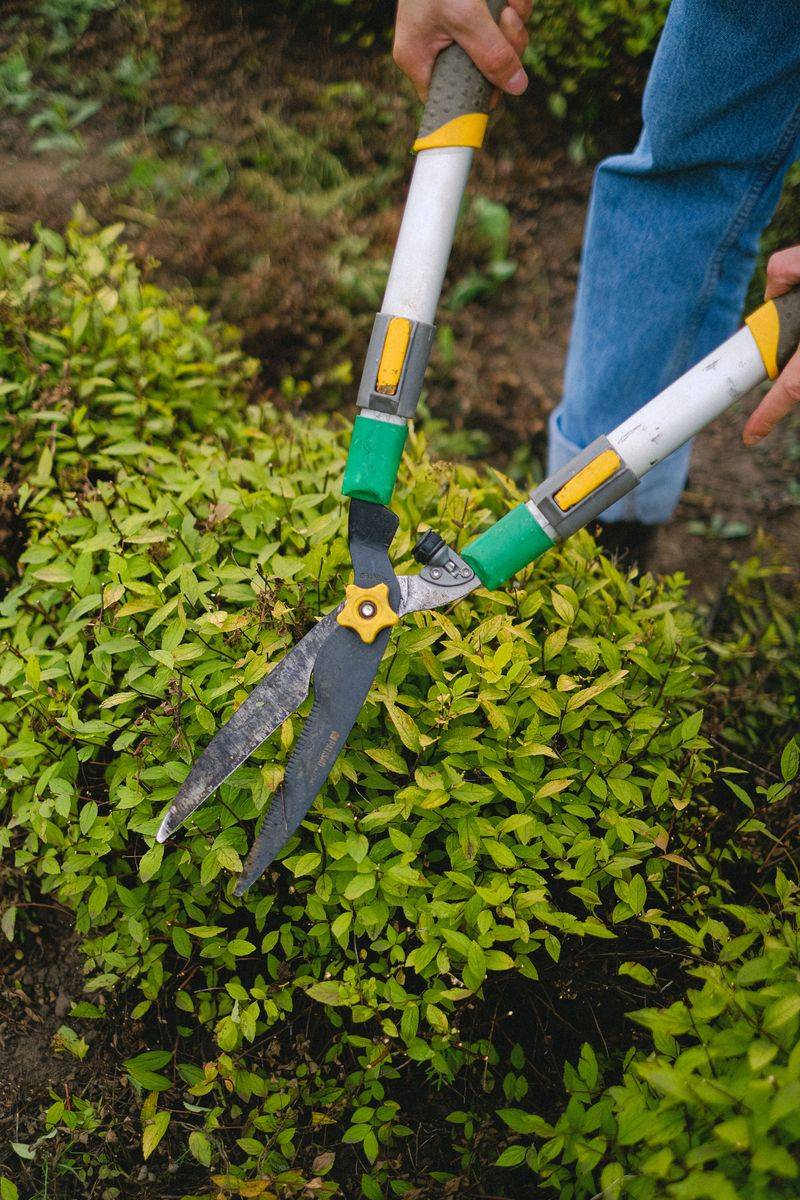
Leaving infected branches in place lets the disease spread to healthy growth. The infection can spread quickly if left untreated.
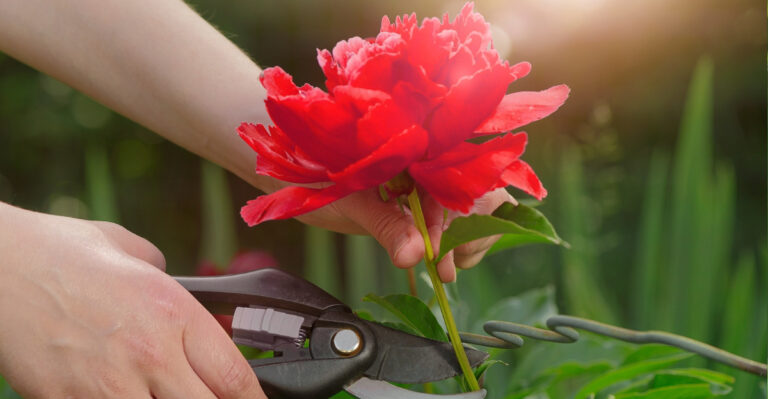
When you spot branches with brown leaves, dark streaks, or visible lesions, cut them out immediately. Waiting even a few days gives disease more time to travel.
Use sharp, clean pruning shears every single time. Dull or dirty blades crush stems instead of cutting cleanly, and they can carry disease from one branch to another.
Wipe your blades with rubbing alcohol between each cut. This simple step stops you from accidentally spreading fungal spores as you work through the shrub.
Cut infected branches back to healthy green wood. You should see clean, light-colored tissue inside the stem when you make the right cut.
Do not just trim the tip of an infected branch and call it done. The disease often travels further back into the stem than what is visible from outside.
Bag all removed material immediately and put it in the trash, not the yard waste bin. Spores can survive in compost and re-infect your shrubs next season.
Avoid heavy pruning during the hottest part of the day. Cut in the morning or evening when the plant is under less heat stress.
After pruning, apply a fungicide spray to the remaining foliage as a protective measure. That extra step builds a barrier against new infection taking hold before fall.
Clean cuts and quick action are the two things that separate a shrub that survives from one that keeps declining through October.
Apply Miticide To Affected Leaves

When mites have already moved in, a garden hose alone will not finish the job. A targeted miticide is the next level of defense your boxwood needs.
Miticides are specifically formulated to target mite life cycles, which is important because standard insecticides often miss them entirely. Choosing the right product matters more than most people realize.
Horticultural oil sprays smother mite eggs and adults on contact. They are widely available at garden centers and safe to use on boxwoods when applied correctly.
Spray in the early morning or late afternoon to avoid burning leaves in direct sunlight. High temperatures combined with oil sprays can cause leaf scorch on sensitive foliage.
Thorough coverage is everything with miticide applications. Mites hide on the underside of leaves, so flip every branch and spray from below as well as above.
Most miticides require two or three applications spaced seven to ten days apart. That spacing targets newly hatched mites that survived the first round of treatment.
Read the product label before mixing and applying. Concentration levels vary by brand, and using too much can harm the plant instead of helping it.
Avoid spraying when rain is expected within 24 hours. Rain washes the product off before it has time to work, wasting both the treatment and your effort.
After the final application, monitor leaves weekly for new stippling or bronzing. Catching a second wave of mites early keeps your Delaware boxwoods on the path to full recovery before fall.
Improve Soil Drainage Around The Base
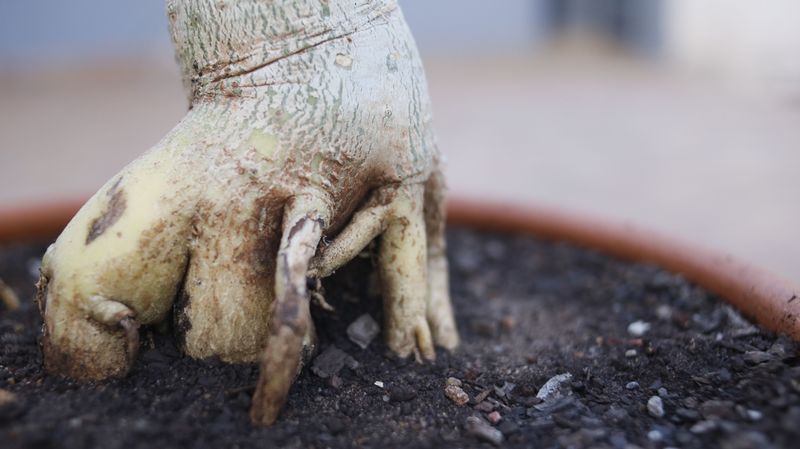
Good soil is the foundation every healthy boxwood stands on. If the ground around your shrub holds water like a sponge, the roots will never fully recover.
Start by removing any compacted mulch that has built up directly against the stem. That tight layer traps moisture against the bark and creates conditions for rot and disease.
Pull mulch back two to three inches from the main stem. Create a slight gap that lets the base breathe while still protecting the outer root zone.
Work a mixture of compost and coarse sand into the top layer of soil around the shrub. This combination breaks up dense clay and improves the movement of water through the profile.
A garden fork is the right tool for this job. Push it gently into the soil around the drip line and rock it back and forth to loosen compaction without tearing roots.
If your yard sits flat with no natural slope, consider creating a gentle grade away from the shrub. Even a one-inch rise over twelve inches of distance helps water move away from the root zone.
French drains are a longer-term fix for serious drainage problems. Installing one beside a struggling hedge can transform a soggy spot into a productive planting area.
Refreshing your mulch layer after improving the soil keeps moisture balanced through the transition into fall. Two inches of fresh wood chips is the right amount.
Giving your Delaware boxwoods well-draining soil now sets them up for a strong spring flush of new growth when the season turns.