Why Denver Suburbs Are Losing Trees Faster Than Rural Front Range Areas
Drive through Aurora or Littleton on a July afternoon. You’ll notice something the sales listings never mention: bare patches where shade used to fall.
Denver’s outer neighborhoods are losing trees faster than towns just twenty minutes down the highway. Those towns share the same soil.
The same rainfall. The same strong Colorado sun. So what’s actually different? It isn’t drought alone. It isn’t bad luck either. Suburban lots get compacted by construction crews.
They get sliced up by utility trenching. They get squeezed by lawns mowed too close to a tree’s root flare.
Rural properties simply don’t face that kind of daily strain. This isn’t a story about nature struggling on its own.
It’s about how suburban design quietly stacks the odds against a tree’s long-term health, one driveway and one sprinkler system at a time.
For Denver homeowners hoping to keep their canopy intact, the pattern is worth understanding before the next tree comes down.
1. Compacted Soil Restricts Suburban Root Growth
Walk barefoot across a suburban lawn and you’ll feel it immediately. The ground is rock-hard, pressed down by decades of foot traffic, mowers, and parked cars.
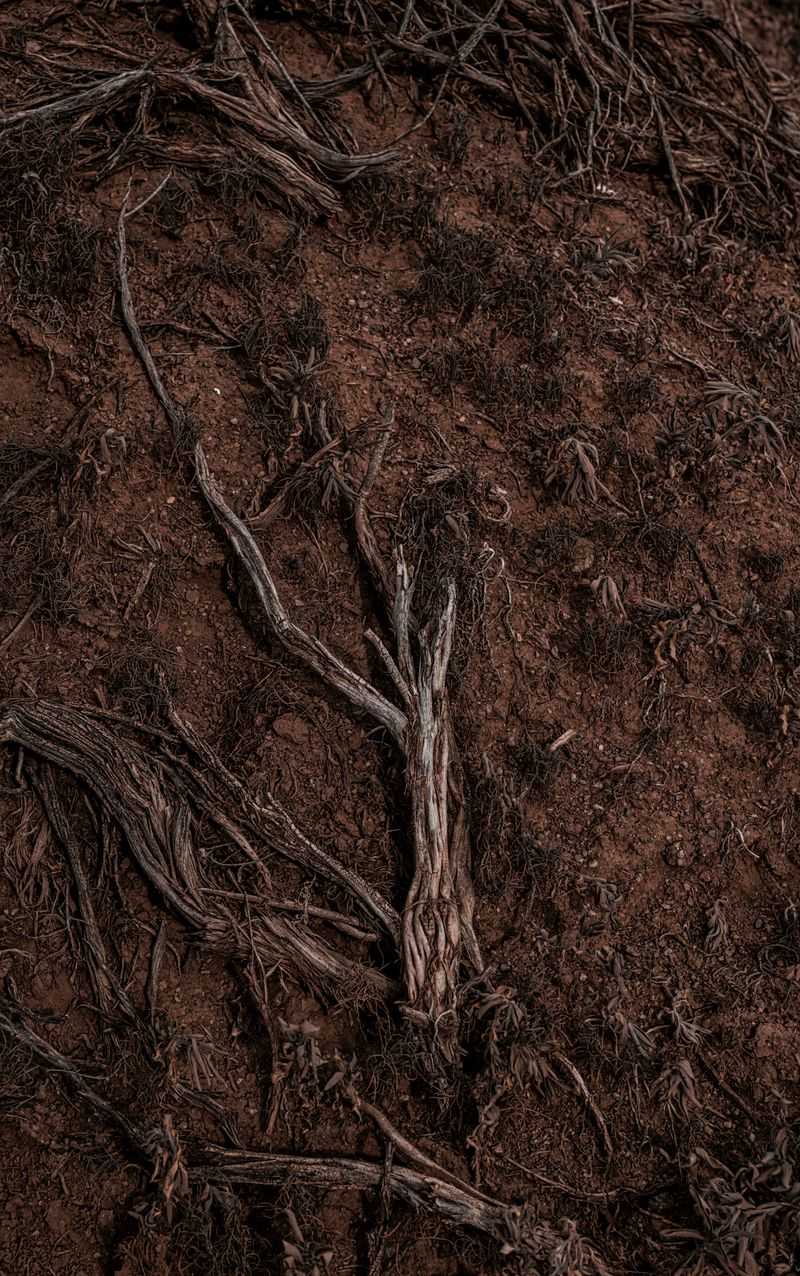
Compacted soil is one of the biggest hidden causes of suburban tree decline across Denver’s neighborhoods. When soil particles get squeezed together, air pockets disappear and roots can’t breathe.
Tree roots need loose, oxygen-rich soil to spread wide and anchor deep. In compacted ground, roots stay shallow and weak.
Shallow roots make trees vulnerable to drought, wind, and disease. A tree with a cramped root system can’t pull enough nutrients or water to stay strong through Colorado’s dry summers.
Rural Front Range trees grow in soil that hasn’t been graded, paved over, or repeatedly driven across. That natural looseness gives roots room to travel several feet in every direction.
Suburban trees rarely get that luxury. Construction crews grade lots flat, heavy equipment rolls across future planting zones, and homeowners compact soil further with regular lawn care.
Research on urban soils suggests they tend to be noticeably denser than natural forest soils. That density difference has a major effect on long-term tree health.
Aerating soil around tree bases helps, but most suburban homeowners skip this step entirely. A simple annual aeration can give roots the breathing room they need to handle Colorado’s harsh conditions.
2. Urban Heat Islands Add Extra Stress To Suburban Trees
Step outside on a July afternoon in Englewood and the pavement practically glows. Suburban neighborhoods trap heat in ways that rural fields simply never do.
Urban heat islands form when asphalt, concrete, and rooftops absorb sunlight and radiate it back as heat. Temperatures in dense suburban zones can run noticeably hotter than surrounding open land.
That extra heat puts enormous stress on suburban trees. Leaves lose moisture faster, soil dries out quicker, and trees burn through their water reserves well before the next rain.
Your Colorado Garden Changes Every Week. Your Plan Should Too.
Gardening in Colorado changes quickly throughout the season. Every Friday you’ll receive a simple weekly plan showing exactly what to plant, prune, fertilize, harvest, and protect so you never miss the right timing.
Denver suburbs are losing trees faster than rural Front Range areas partly because of this temperature gap. Rural trees experience natural cooling from open fields, grasslands, and unbroken soil.
Suburban trees are surrounded by heat-absorbing surfaces on every side. A cottonwood planted near a parking lot faces a completely different climate than one growing beside a ranch meadow.
Heat stress also weakens a tree’s immune system. Stressed trees attract bark beetles, fungal infections, and other opportunistic pests that further weaken them.
Younger trees are affected most because their root systems haven’t had time to go deep. They can’t reach the cooler, moister soil layers that established rural trees tap into naturally.
Planting shade trees near other trees helps break the heat cycle over time. Strategic placement near buildings or fences can also reduce direct sun exposure and give younger trees a real fighting chance.
3. Sidewalk And Driveway Construction Damages Root Systems
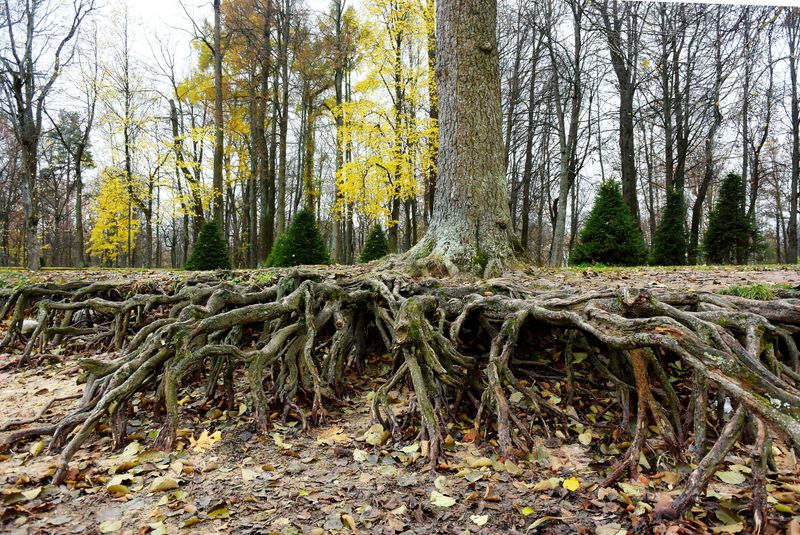
Picture a 40-year-old oak with roots spreading 30 feet in every direction. Now imagine a crew cutting a new sidewalk straight through that root zone.
Sidewalk and driveway projects slice through tree roots without a second thought. Contractors aren’t always required to reroute pavement around established trees.
When large roots get cut, trees lose their ability to absorb water and nutrients from that entire section of ground. The damage is invisible above ground at first, but the tree feels it immediately.
Root severance also destabilizes trees structurally. A tree that loses major anchor roots on one side becomes a wind hazard and a liability for homeowners.
Rural Front Range trees rarely face this threat because there’s simply less infrastructure being built around them. A tree growing near a country road doesn’t get surrounded by new curbs and concrete every few years.
Suburban growth patterns in Colorado’s metro area mean constant construction cycles. New driveways, widened sidewalks, and utility trenches all cut through root zones that took decades to develop.
Even partial root loss causes long-term decline. A tree that loses a significant portion of its root system may look fine for a few years before declining suddenly.
Homeowners can protect trees by requesting root barriers during any nearby construction. Asking contractors to hand-dig near large trees instead of using mechanical trenchers makes a significant difference in long-term tree health.
4. Limited Planting Space Stresses Young Trees
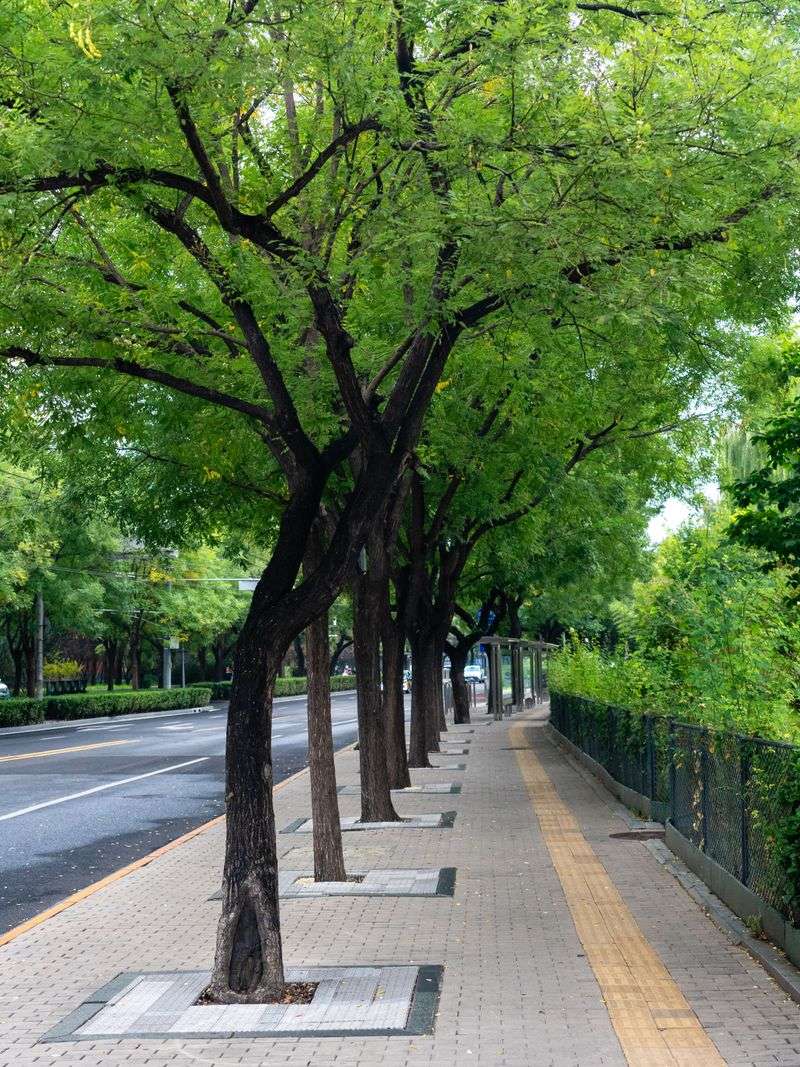
Squeeze a tree into a 4-by-4-foot soil box between a curb and a sidewalk and something has to give. That something is almost always the tree.
Limited planting space is a defining feature of suburban streetscapes across the Denver metro. Municipalities plant trees in narrow strips where roots have almost nowhere to go.
Young trees in these tight spaces hit concrete and asphalt barriers within just a few years of growth. Once roots can’t expand, the tree’s own growth begins working against it from below.
Rural trees don’t face this problem. A sapling planted on open Front Range land can spread roots outward for 20, 30, or even 50 feet as it matures.
That freedom translates directly into resilience. A rural tree with a wide root spread can find water sources far from its trunk during dry spells.
Suburban trees stuck in small planting zones depend entirely on what’s available directly beneath them. When that small patch dries out, there’s no backup plan.
Small planting spaces also limit trunk diameter growth. Trees in confined spaces often develop narrower trunks, making them more susceptible to wind damage during Colorado’s powerful spring storms.
Choosing the right tree species for small spaces makes a genuine difference. Compact native species like Rocky Mountain maple handle tight planting zones far better than large-canopy trees forced into spaces they were never designed for.
5. Rural Trees Benefit From More Natural Water Access
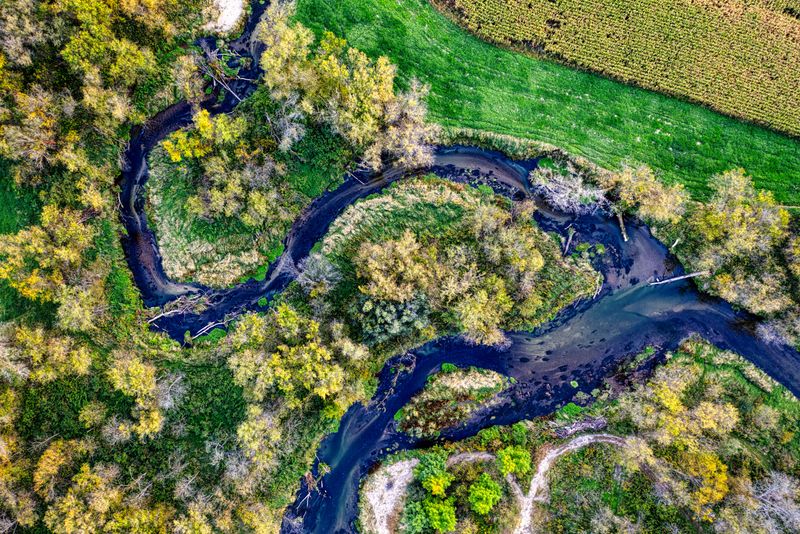
Out past the suburban edge, trees tap into something that city plantings can only dream about. Natural water cycles still work the way they were meant to.
Rural Front Range trees often grow near seasonal streams, irrigation ditches, or natural low spots where water collects after rain. Their roots reach moisture sources that exist completely independent of human management.
Suburban trees depend almost entirely on irrigation systems, rainfall, and whatever little moisture remains in compacted, paved-over soil. When a sprinkler system breaks or a drought hits, suburban trees have no backup.
Colorado’s semi-arid climate makes water access the single most important factor in tree health. A tree that can find its own water is far more resilient than one waiting for a hose.
Rural trees also benefit from undisturbed soil that holds moisture much longer. Natural organic matter, decomposed leaves, and undisturbed root channels all act like sponges after a rainstorm.
Suburban soils have often lost that organic layer through grading and construction. Water hits the hard surface and runs off into storm drains instead of soaking down to tree roots.
This water access gap is a major reason Denver suburbs are losing trees faster than rural Front Range areas. The disparity grows more severe every year as suburban development continues expanding.
Deep watering once a week beats light daily sprinkling every time. Encouraging roots to grow downward toward stable moisture is the best long-term strategy for suburban tree health.
6. Salt From Winter Roads Harms Suburban Plantings
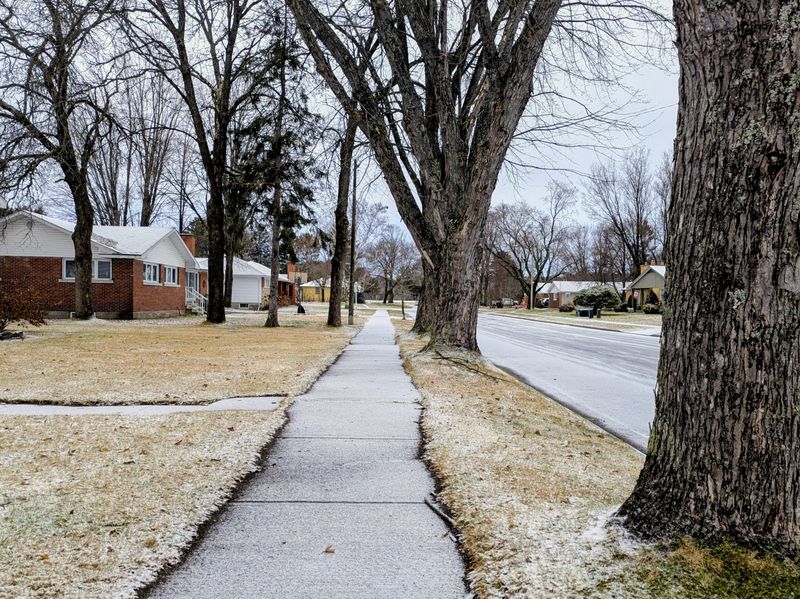
Every winter, Denver-area road crews spread large quantities of salt and de-icer across suburban streets. Most drivers barely notice, but the trees along those roads do.
Road salt splashes onto tree bark, soaks into soil, and gets absorbed through roots. Once inside the tree’s system, salt disrupts the way cells move water and nutrients.
Salt-damaged trees show characteristic symptoms: brown leaf edges, early leaf drop, and stunted growth in spring. By the time symptoms appear, the damage has already been done for months.
Rural roads get far less chemical treatment in winter. Lower traffic volumes mean less salt use, and open land allows dilution before salt concentrations reach harmful levels.
Suburban trees along busy arterial roads face repeated salt exposure every single winter. The cumulative effect builds up in soil over years, creating a harsh environment that even healthy trees struggle to tolerate.
Salt also disrupts soil chemistry by displacing essential minerals like calcium and potassium. When those nutrients become unavailable, trees lose the building blocks they need for strong growth.
Young trees are especially vulnerable because their root systems haven’t grown deep enough to avoid the salt-contaminated surface layer. A tree planted along a salted road can show serious decline within just a few years.
Planting salt-tolerant species near roads and using burlap barriers to block winter splash can meaningfully reduce salt damage. Flushing soil with deep watering in early spring also helps dilute accumulated salt before the growing season begins.
7. Frequent Construction Disturbs Established Root Zones
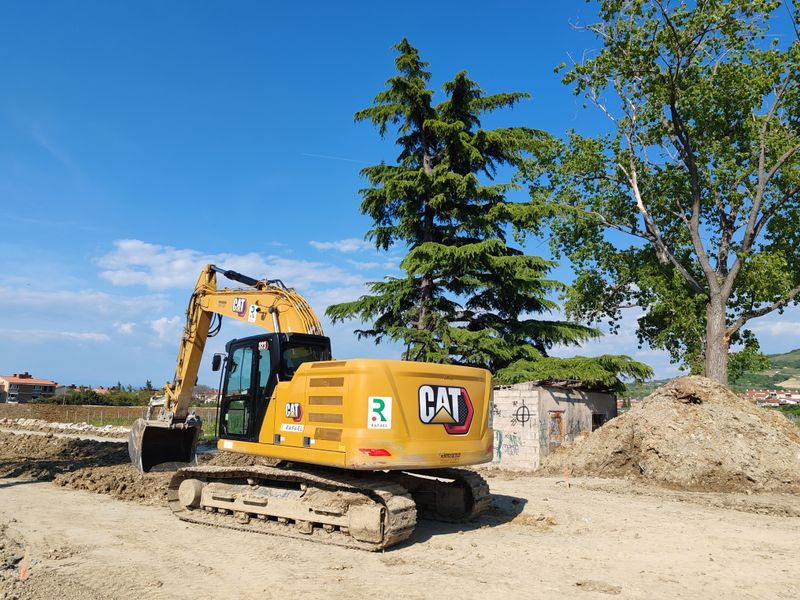
A neighborhood that was quiet five years ago now has three new subdivisions going up nearby. That construction activity doesn’t just change the skyline. It affects the soil beneath it, too.
Frequent construction activity is one of the most underappreciated threats to suburban trees across the Denver metro. Vibrations from heavy machinery compact soil and sever roots far beyond the visible work zone.
Utility trenches for gas, water, and fiber optic lines cut through root systems constantly. Each new infrastructure project takes another bite out of root networks that trees spent years building.
Rural areas experience far less of this disruption. A tree growing in an agricultural area or open space might go its entire life without a single machine operating near its roots.
Suburban trees don’t get that stability. Growth in communities like Parker, Westminster, and Castle Rock means perpetual construction cycles that keep root zones in a state of constant disruption.
Construction also changes drainage patterns around existing trees. Grading new lots can redirect water away from established trees that previously relied on natural runoff from surrounding land.
The timing of construction matters enormously. Work done during the growing season causes far more damage than winter projects because roots are actively moving water and nutrients when they get severed.
Homeowners can advocate for tree protection zones during nearby projects. Requiring fencing around root zones before any equipment moves in is one of the most effective ways to preserve established trees during construction activity.
8. Turf Competition Drains Water From Suburban Trees
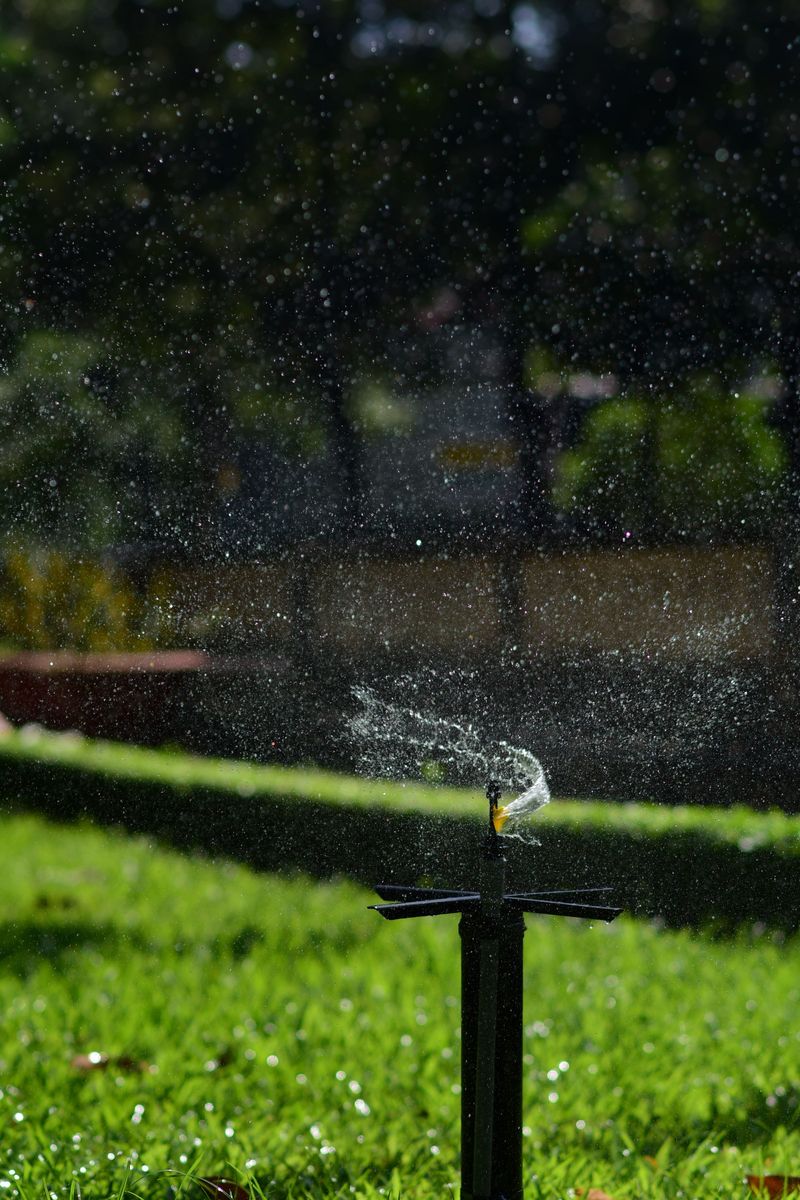
Kentucky bluegrass looks great in a suburban yard, but it competes hard with every tree planted nearby.
Turf grass is one of the most aggressive competitors for soil moisture in suburban landscapes. Grass roots tend to occupy the top few inches of soil, often overlapping with where young tree roots are trying to establish.
When grass and trees compete for the same water, grass almost always wins. It has far more root tips per square foot, giving it a strong advantage in capturing moisture right after irrigation or rain.
Rural Front Range trees don’t face this competition in the same way. Open land, native grasses, and natural ground cover don’t aggressively sponge up surface moisture the way maintained suburban turf does.
Suburban homeowners water their lawns frequently but shallowly. That watering pattern keeps grass roots happy in the top few inches while doing almost nothing to push moisture down to tree root depths.
Trees need deep, infrequent watering to develop strong root systems. Shallow lawn irrigation actually trains tree roots to stay near the surface, making them more vulnerable to heat and drought.
This turf competition issue is a key reason Denver suburbs are losing trees faster than rural Front Range areas. The problem is widespread and largely invisible to most homeowners.
Replacing turf under tree canopies with mulch creates an immediate improvement. A 3-inch mulch ring extending out to the drip line reduces competition and helps soil hold moisture through dry Colorado summers.