Why Desert Willow Is Becoming One Of Arizona’s Favorite Native Trees
Most Arizona trees make a deal with the gardener.
Give me water. Shield me from afternoon sun. Keep me away from reflected heat. Do not plant me against that south-facing wall.
Desert willow did not get that memo.
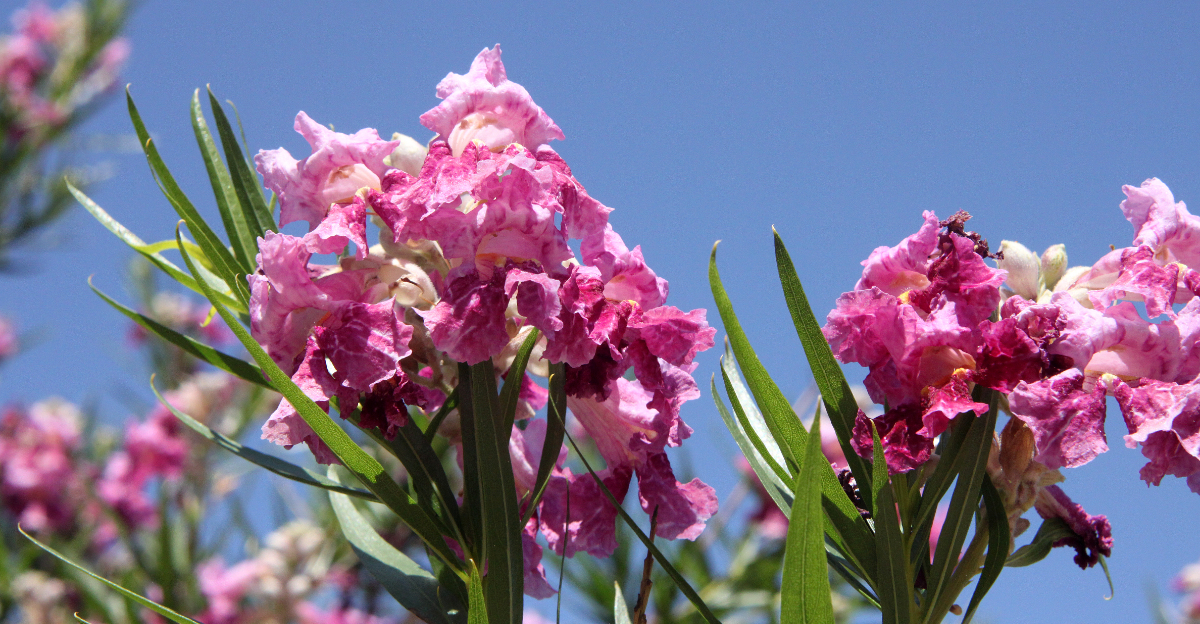
This native tree blooms in summer when many landscapes look tired. It handles heat, draws hummingbirds, fits smaller yards, and produces flowers that look far too elegant for a dry desert wash.
That is why Arizona homeowners keep noticing it.
Many plant desert willow expecting a tough native tree with decent flowers. Then July arrives, and the tree puts on a show while fussier plants struggle in the background.
It has been growing along dry washes and desert edges for generations without much help. Now that more homeowners are giving it a place in the yard, the appeal is hard to miss.
Here are the reasons desert willow is earning its spot in Arizona landscapes.
1. Blooms Through Brutal Heat
July in an Arizona yard is the month that separates the plants worth keeping from the ones that made the summer difficult.
Most flowering trees gave up weeks ago. The pavement is radiating heat. The other landscape plants are managing rather than thriving. That is precisely when desert willow decides it is time to perform.
Chilopsis linearis blooms from late spring all the way through early fall, making it one of the longest-blooming native trees available for Arizona landscapes.
Heat does not slow it down. Full sun and genuinely hot conditions seem to push it to flower more heavily rather than less. The tree treats triple-digit temperatures as an invitation rather than an obstacle.
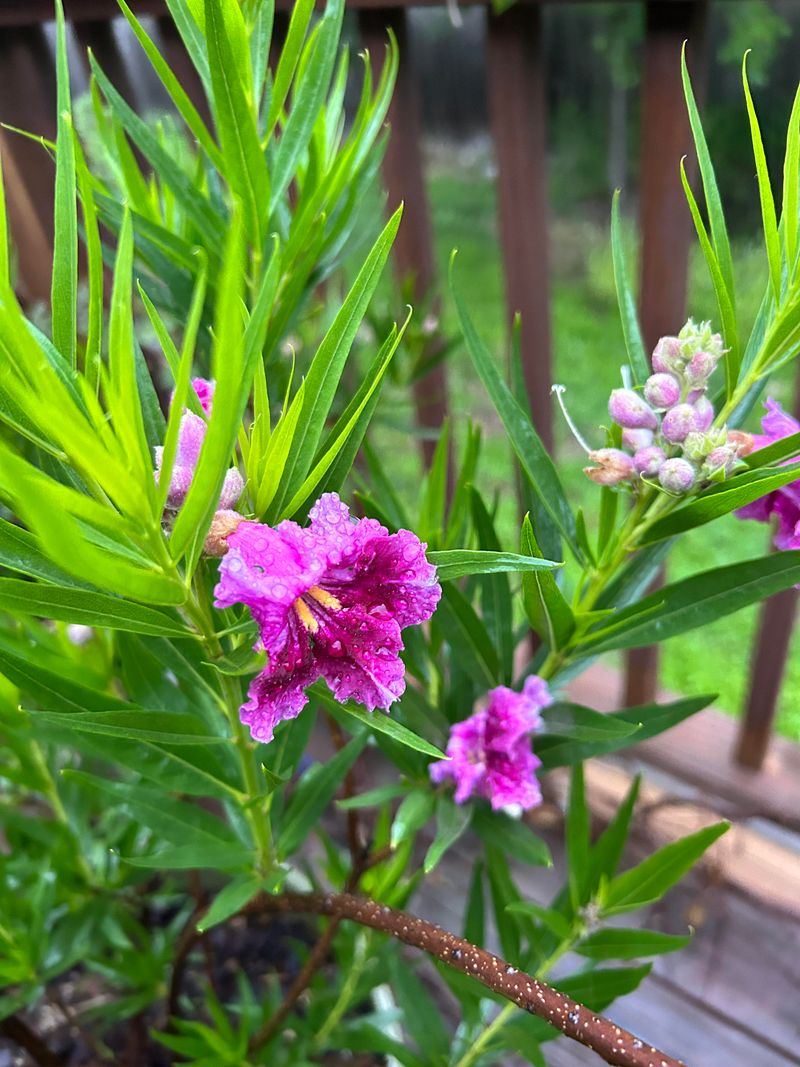
The flowers arrive in shades of pink, lavender, white, and deep burgundy depending on the variety.
Each bloom is roughly two inches long and trumpet-shaped, giving the whole tree a festive, almost tropical appearance during the driest months of the year.
Cultivars like Bubba and AZT were specifically selected for rich color and heavy flower production in desert conditions.
For Arizona gardeners tired of watching the yard go flat and colorless from June through September, the desert willow offers something that most landscape plants in this climate cannot.
Consistent, vivid bloom color during the exact months when the garden needs it most and the gardener has essentially stopped expecting it.
Plant it in full sun with good drainage and it will bloom through some of the hottest days of the year without registering any complaint about the working conditions.
2. Uses Less Water Once Established
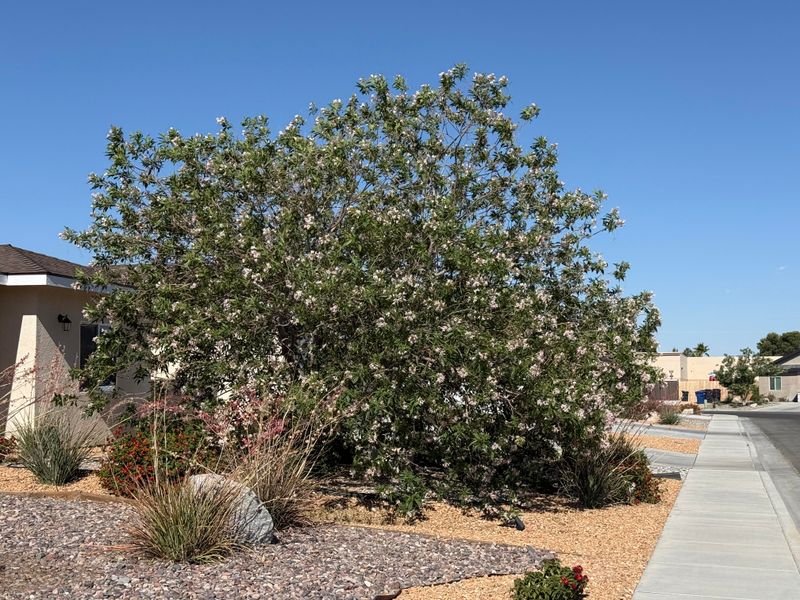
The August water bill is one of those reliable summer experiences for Arizona homeowners. The number on it tends to reflect every thirsty plant on the property that needs help surviving the heat.
Desert willow offers a different arrangement once it gets past its first couple of years in the ground.
During the first year or two, consistent watering helps the root system establish deeply into the soil. After that, the tree can survive on natural rainfall in many parts of Arizona, particularly in areas receiving at least ten to twelve inches annually.
Your Arizona Garden Changes Every Week. Your Plan Should Too.
Gardening in Arizona changes quickly throughout the season. Every Friday you’ll receive a simple weekly plan showing exactly what to plant, prune, fertilize, harvest, and protect so you never miss the right timing.
The deep root system chases moisture well below the surface, allowing the tree to access water that shallow-rooted plants never reach between irrigation cycles.
The tree’s native habitat tells the whole story. Desert washes, canyon edges, and dry streambeds shaped a plant that learned to make the most of water that arrives occasionally and unpredictably.
That background produces a tree with genuine drought tolerance rather than the kind that requires an asterisk.
A mature desert willow during the hottest stretch of summer might need a deep soak every two to three weeks rather than the multiple weekly waterings that non-native flowering trees demand to look acceptable.
Over a decade of ownership, that difference represents significant water savings and a considerably more relaxed irrigation schedule.
For a state where water conservation has moved from smart practice to genuine necessity, a flowering tree that gradually reduces its demands on the homeowner is not a minor benefit.
3. Brings Orchid Like Flowers
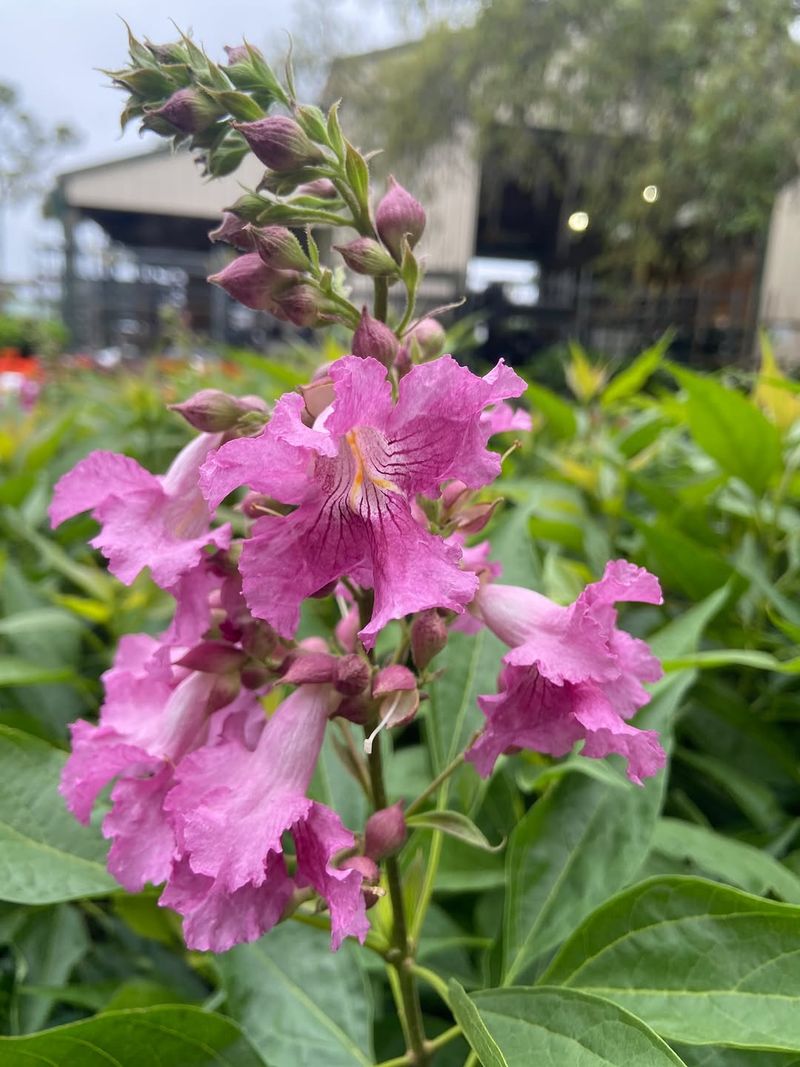
Many people do not expect a native Arizona tree to produce flowers that stop them mid-stride on a summer walk.
The desert willow consistently produces that reaction, and the surprise is understandable. The blooms look less like something growing wild in a desert canyon and more like something arranged deliberately by someone with excellent taste.
Each flower is large, ruffled, and richly detailed, with streaks of purple, pink, and cream running through the throat.
Horticulturists regularly compare them to orchids, which makes botanical sense because desert willow belongs to the same plant family as catalpa.
That family connection explains the elaborate, intricate structure that sets the blooms apart from everything else flowering in Arizona during summer.
Cultivars available at Arizona nurseries allow homeowners to choose their specific look. Warren Jones produces large pink flowers with a noticeable fragrance.
Lois Adams offers ruffled lavender blooms with excellent heat performance. Timeless Beauty has become a consistent seller in Phoenix and Tucson because of its dense flowering habit and color saturation.
The flowers also hold well on the branch, meaning each flush delivers weeks of color rather than the brief show that many flowering trees manage before dropping petals and reverting to plain green foliage.
For anyone who loves the visual impact of tropical flowering plants but needs something that handles an Arizona summer, desert willow delivers the showstopping bloom display without negotiating the terms.
4. Fits Smaller Desert Yards
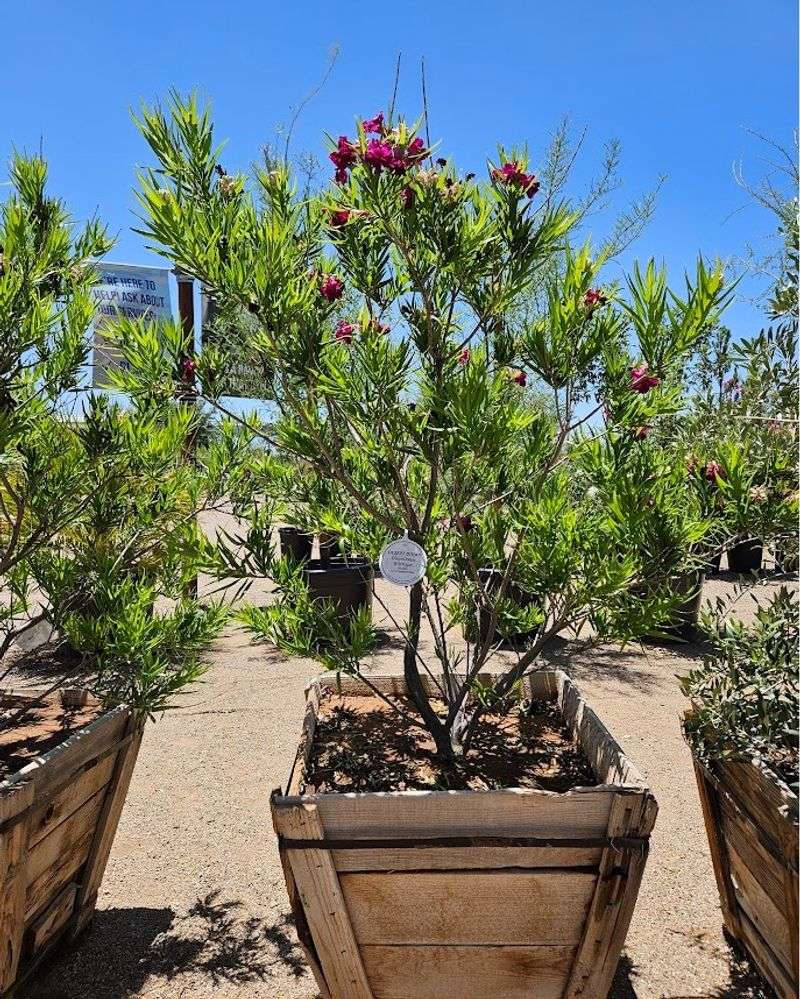
Not every Arizona homeowner is working with an expansive lot. Many front yards are modest. Side yards are narrow.
Patios have overhead structures or utility lines that limit how tall or wide a tree can realistically grow before creating problems. The desert willow fits into that kind of space without requiring a compromise on visual impact.
At maturity, most desert willows reach between fifteen and twenty-five feet tall with a canopy spread of roughly ten to fifteen feet.
That places it firmly in the category of a large shrub or small tree, sized correctly for residential landscapes where overhead constraints and neighboring fences create real planting limitations.
The form is upright with a graceful, slightly arching quality that does not push aggressively into walkways or driveways.
The tree responds well to light pruning, which means homeowners can shape it to suit the available space without stressing the plant.
Training it as a multi-trunk specimen with an open, artistic form works well for desert landscape aesthetics. A single-trunk tree shape is equally achievable for more traditional preferences.
Growth rate runs roughly one to three feet per year under good conditions, which means visible impact within three to five years rather than a decade of waiting for the tree to become a landscape feature worth noticing.
Smaller desert yards that need color, height, and some visual elegance without a plant that immediately outgrows the space available have a genuinely well-suited option in this tree. It behaves appropriately for the setting it is given.
5. Handles Reflected Sun Better
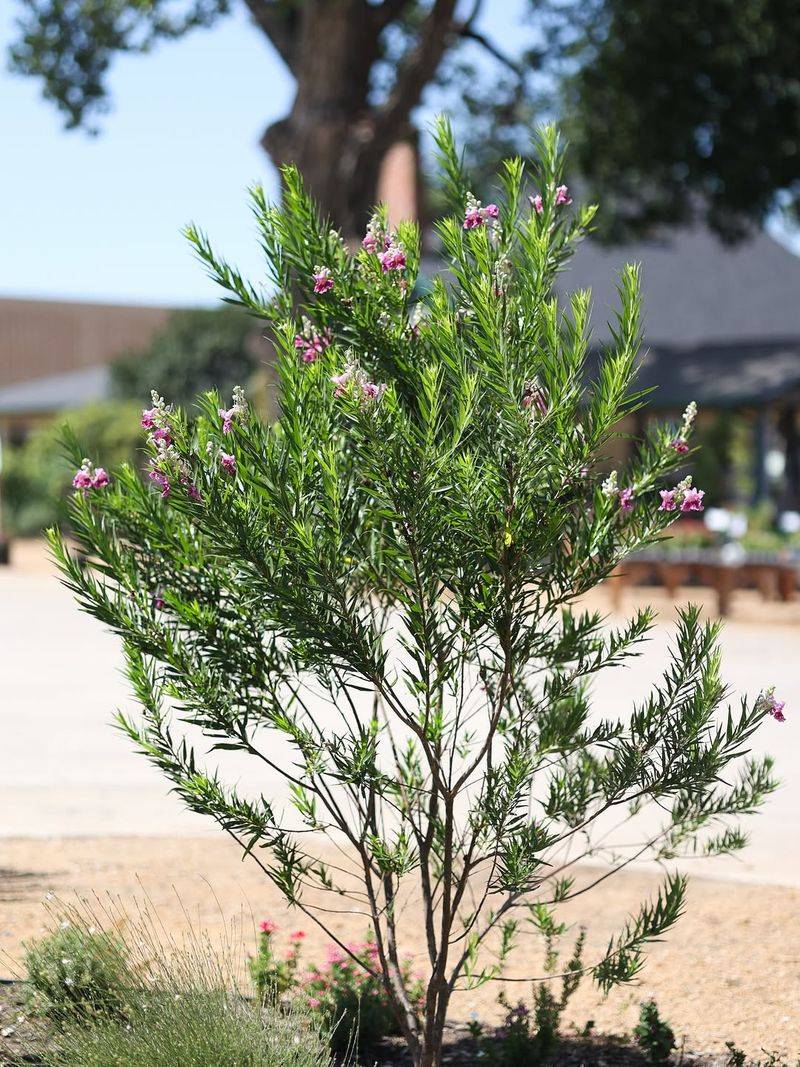
There is a specific planting zone in Arizona yards that most nursery staff describe carefully before offering limited options.
The south-facing wall. The edge of a concrete driveway. The corner where hardscape surfaces concentrate and amplify heat from multiple directions simultaneously.
Standard thermometer readings do not capture what happens in those spots on a July afternoon.
Desert willow was shaped by environments that include exactly those conditions. Its native habitat covers sun-baked canyon walls and open desert washes where reflected and radiated heat from rock and soil are constants rather than exceptions.
The tree did not adapt to survive these conditions. It evolved to thrive in them.
The fine, narrow leaves reduce the surface area exposed to intense sun, which limits water loss through transpiration even in the most demanding microenvironments.
That leaf structure is why the tree handles south and west-facing exposures with such reliability in spots where afternoon sun combines with reflected heat from nearby hardscape to create conditions that stress most ornamental trees visibly.
Arizona landscape designers regularly specify desert willow for exactly these locations. South-facing walls, parking lot edges, patio perimeters where heat buildup is predictable and persistent.
The tree softens those harsh spaces with graceful form and bloom color while functioning well in conditions that would require significant supplemental care from most alternatives.
A hot, difficult spot in the yard that has defeated previous planting attempts is often where desert willow performs most convincingly.
6. Feeds Pollinators In Summer
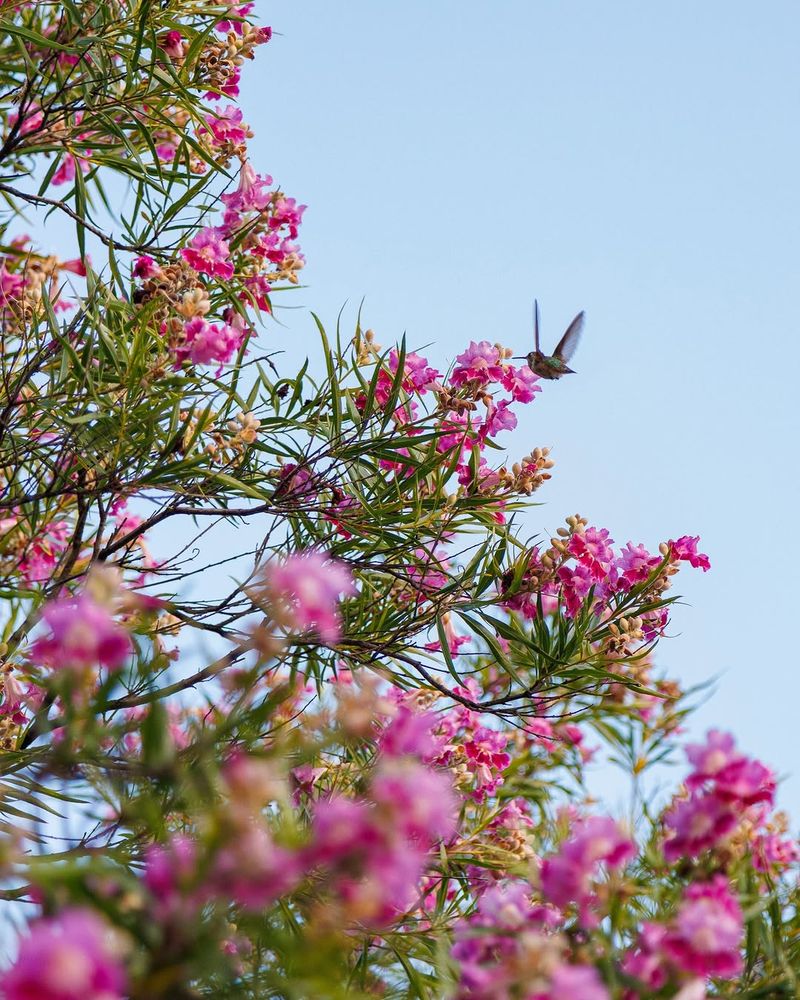
Summer in Arizona creates a specific silence in the garden. Many plants have stopped flowering. The pollinator activity that filled spring has faded with the blooms. Plant a desert willow and that quiet changes noticeably and quickly.
Hummingbirds respond to the long trumpet-shaped flowers with consistent, repeated visits throughout the blooming season.
Broad-tailed and black-chinned hummingbirds are both common in Arizona, and the flower structure accommodates their hovering feeding style almost exactly.
Watching a hummingbird work through a branch covered in pink and lavender flowers during a July afternoon is one of the specific pleasures this tree provides that no amount of description fully captures until it happens in front of you.
Native bees also visit frequently. Carpenter bees, bumblebees, and various smaller native bee species find both nectar and pollen during a season when many other food sources are scarce across the landscape.
Supporting pollinators during summer, when heat stress is highest and food availability is lowest, contributes meaningfully to the local ecosystem beyond what the tree provides visually.
Butterflies including queens and sulphurs have been documented visiting the flowers as well. The tree creates a functioning pollinator resource in the middle of the season when the surrounding landscape is at its most dormant.
For gardeners who want a yard that does more than look good during summer, desert willow earns its space on ecological grounds that become visible within the first full season after planting.
7. Drops A Light Open Shade
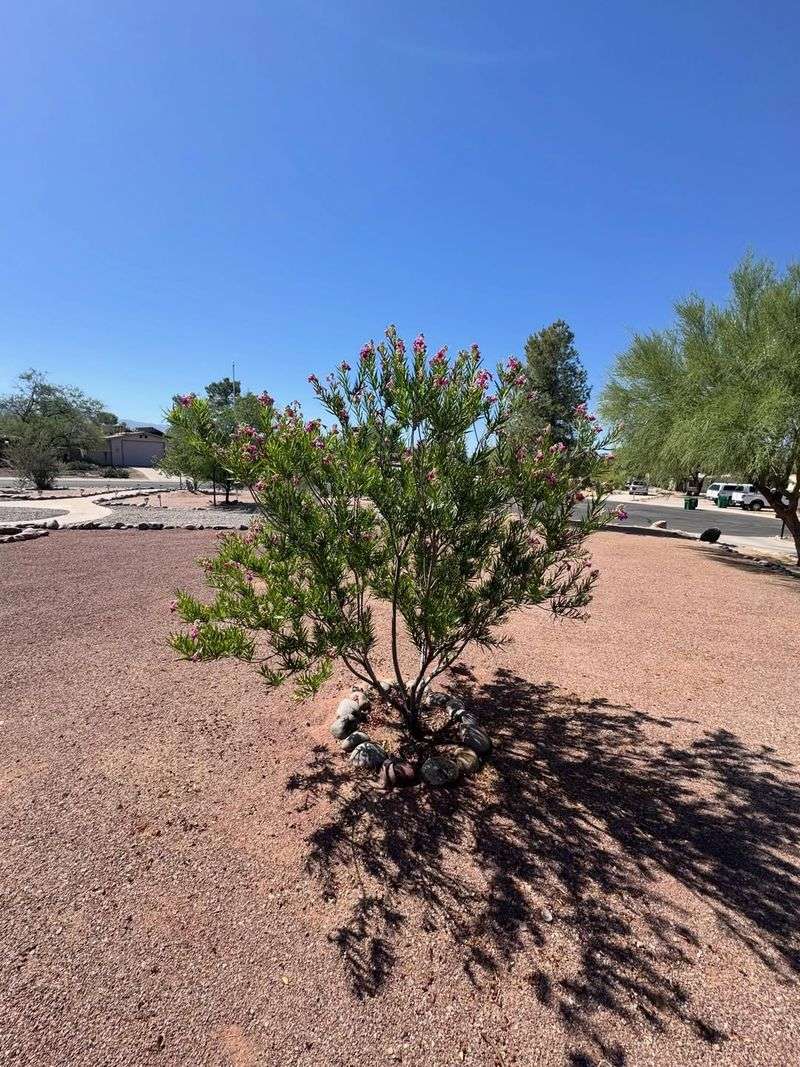
Shade in Arizona is not optional from June through September.
On days when air temperature reaches one hundred and twelve degrees, the difference between full sun and shaded outdoor space determines whether the backyard gets used at all.
Desert willow provides a specific quality of shade that Arizona homeowners with experience under it tend to describe the same way. Comfortable without feeling enclosed.
The fine, willow-like leaves and open branching structure allow light to filter through in shifting patterns rather than creating the heavy, static shade that dense canopy trees produce.
This dappled shade allows air movement while still reducing the intensity of direct sun, which makes it noticeably more pleasant for sitting beneath on hot afternoons than the full shade a large mesquite or Texas mountain laurel creates at the same scale.
The canopy footprint is modest compared to large shade trees, which suits it for patios, seating areas, and front door approaches where some relief from afternoon sun is wanted without the visual weight or scale of a full shade tree dominating the space.
The seasonal shift adds another practical dimension. The tree is deciduous, losing its leaves in cooler months and allowing winter sunlight to reach the ground when passive solar warmth is actually welcome on an Arizona patio.
Filtered summer shade when needed, open winter sun when preferred. The tree adjusts its contribution to the outdoor environment across the seasons without requiring anything from the gardener to make that happen.