The One Thing Michigan Weigela Needs Before September Ends
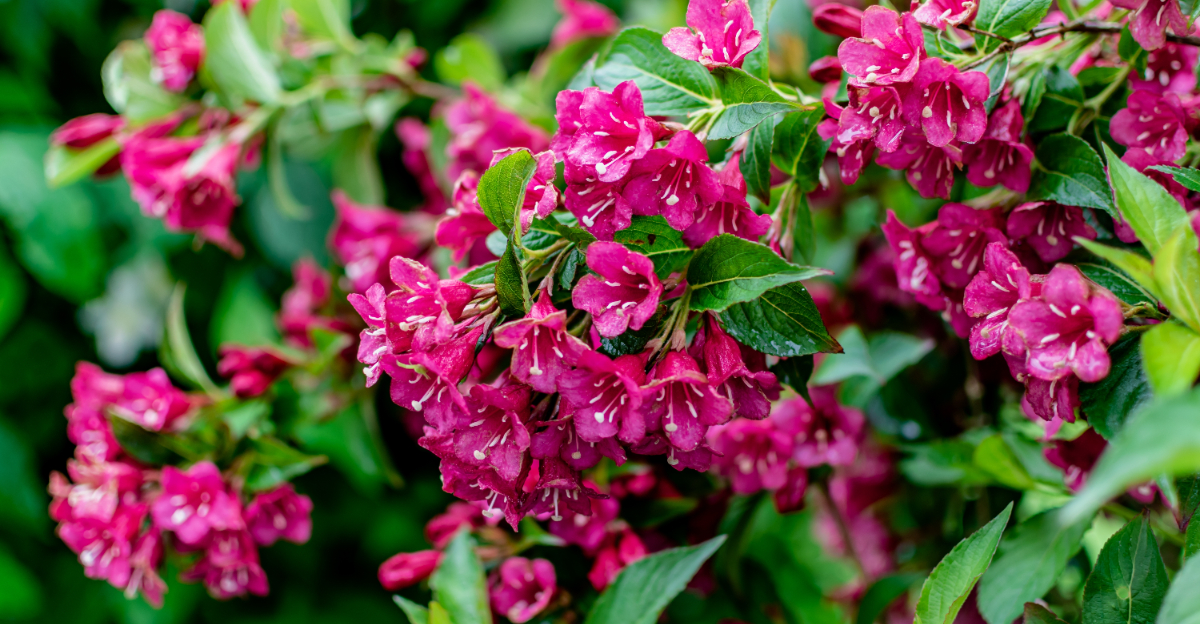
Weigela has a reputation for being an easygoing shrub, which is exactly why so many Michigan gardeners assume it doesn’t need much attention as the growing season winds down. That assumption, though, can end up costing you next year’s blooms.
There’s one specific step worth taking before September ends, and skipping it is a mistake that’s surprisingly easy to make without realizing the consequences until spring rolls around.
It doesn’t take much time or effort, but timing matters more than most people think when it comes to prepping this shrub for the colder months ahead.
Gardeners who stay on top of it tend to see healthier growth and fuller blooms the following year, while those who overlook it often end up wondering what went wrong.
Once you know what your weigela actually needs right now, giving it that little extra care becomes second nature.
1. Give It A Deep Soak If Soil Is Dry
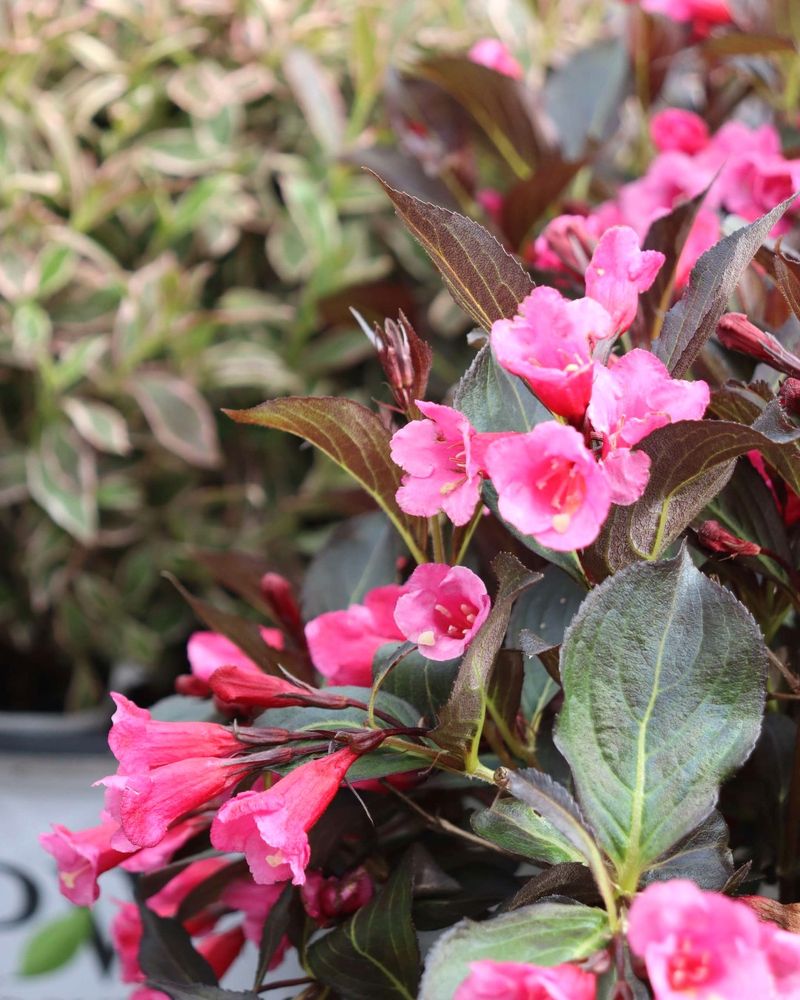
Roots do their quietest work in fall, storing energy and moisture before the ground hardens. If your weigela went through a dry stretch this summer, it may still feel thirsty, and a good soak now helps it rest easier through winter.
When plants go into cold weather already stressed from lack of water, their roots struggle to hold on. A shrub that enters the season well hydrated has a much better chance of waking up strong and full of buds come spring.
Michigan weather can trick you. Some September days feel cool and damp, so you might assume the soil is fine, but the dirt below the surface can stay bone dry for weeks. That hidden dryness is what quietly wears a shrub down.
Aim to water deeply rather than often. One long, slow soak that reaches down into the root area does far more good than a quick splash across the top. The goal is moisture that sinks deep, where the roots actually live.
Pick a mild morning and let a hose trickle at the base for a while. You want the water to move down instead of running off the surface. This gives the whole root system a chance to drink.
Think of this final drink as tucking your plant in for a long nap. A weigela that goes to sleep hydrated and calm will handle frozen ground, cold winds, and snow far better than one left parched and stressed.
2. Check The Soil Before Adding Water
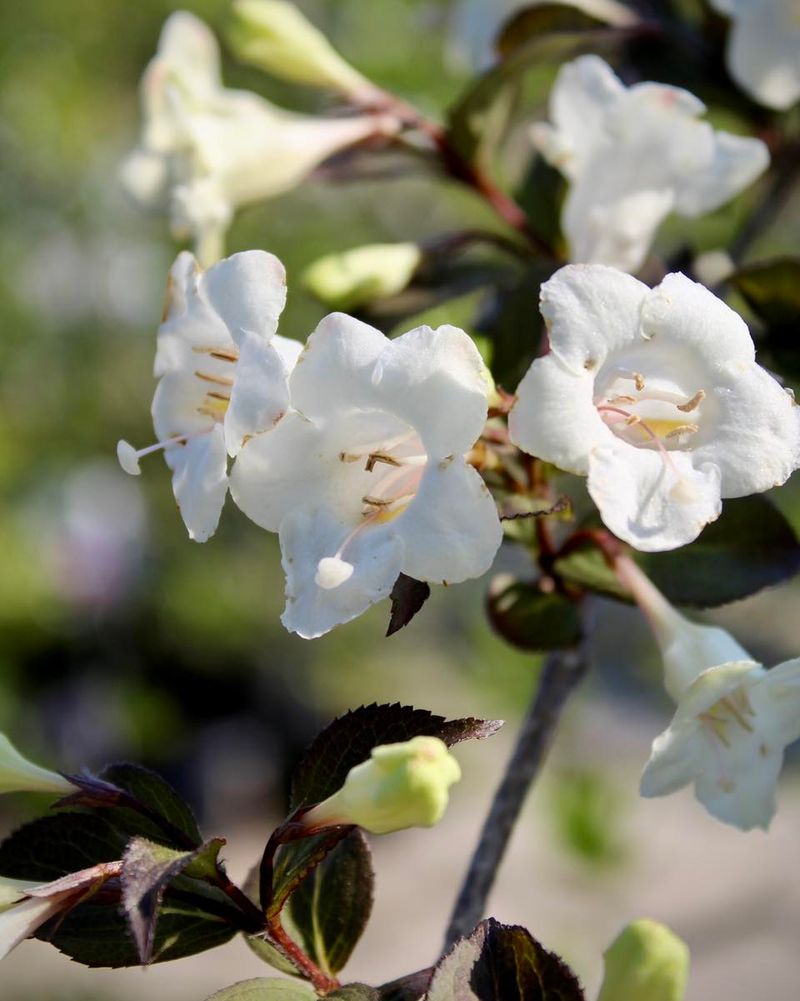
Before you grab the hose, take a moment to feel what the ground is telling you. Overwatering can cause just as many problems as dry soil, especially in fall when rain shows up more often. A quick check saves your shrub from soggy roots.
The easiest test costs nothing. Push your finger a few inches into the soil near the base of the plant, and notice how it feels. If it comes out cool and slightly damp, your weigela is already happy and needs nothing more.
Michigan autumns often bring steady rain, and that natural water may be plenty. Watering on top of already moist ground can leave roots sitting in muck, which invites rot and other trouble you really want to avoid.
Your Michigan Garden Changes Every Week. Your Plan Should Too.
Gardening in Michigan changes quickly throughout the season. Every Friday you’ll receive a simple weekly plan showing exactly what to plant, prune, fertilize, harvest, and protect so you never miss the right timing.
If the soil feels dry and crumbly a few inches down, that is your signal to water. Trusting the plant instead of a schedule keeps you from guessing and helps you give exactly what the shrub needs.
A cheap moisture meter can help too, especially if you like numbers. Stick it in the ground near the roots and let it guide you, though your own finger works just fine for most gardeners.
Watering by habit wastes water and can weaken your plant, so slow down and pay attention. The weather changes fast this time of year, and what was true last week may not be true today.
Reading the soil first turns you into a smarter gardener. You give help only when it counts, and your weigela rewards you for it.
3. Focus Water Around The Root Zone
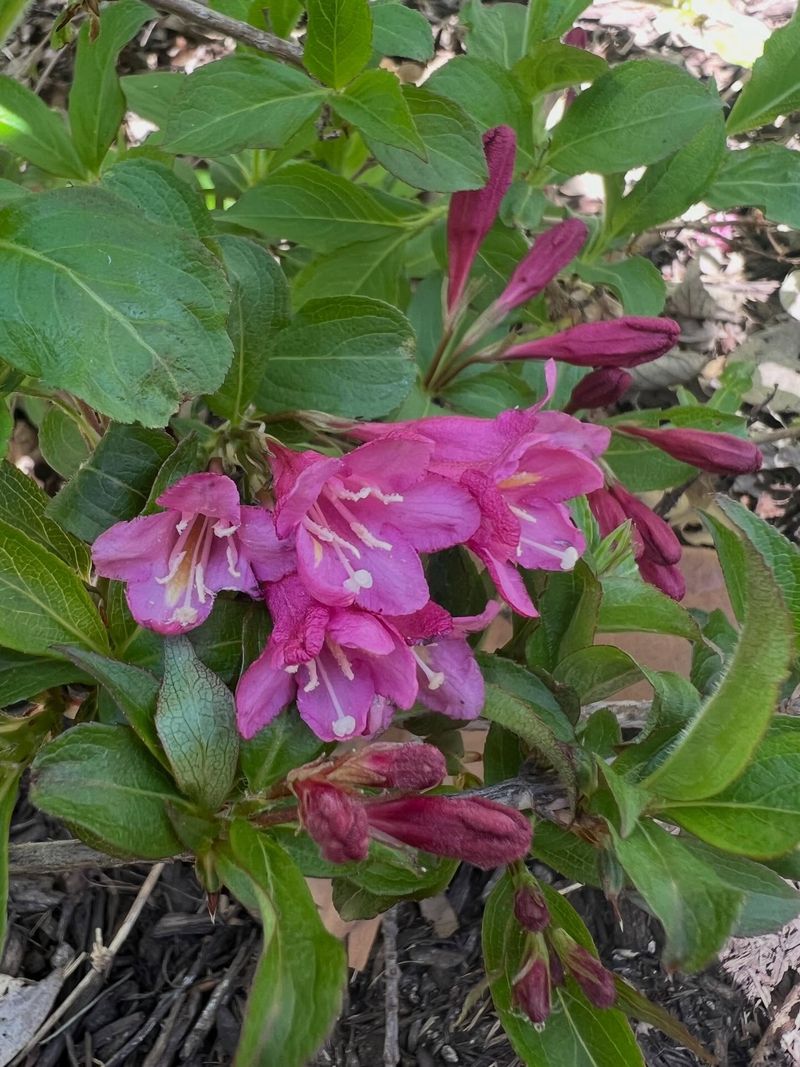
Where you aim the water matters as much as how much you use. Splashing the leaves or the center stem does little good, because the roots that keep your weigela alive spread out below and around the plant.
Picture an invisible circle under the outer edge of the branches. Gardeners call this the drip line, and it marks where many of the feeder roots sit, quietly soaking up whatever moisture they can find.
Watering slowly around that circle lets the moisture sink deep instead of running off. A soaker hose or a gentle trickle from a regular hose works beautifully, giving the ground time to drink it all in.
Fast, heavy watering often does the opposite of what you want. The water races across the surface and disappears before it ever reaches the roots, leaving the shrub thirsty even after you thought you helped.
Deep, slow watering also trains roots to grow downward. Roots that reach deeper are better protected from freezing air and shifting temperatures once Michigan winter arrives with its cold snaps.
Try laying a hose at the base and letting it run at a slow drip for twenty minutes or so. Move it around the drip line if the shrub is large, making sure the whole root area gets a turn.
By focusing your effort where it counts, you use less water and get better results. Your weigela heads into the frozen months with strong, well fed roots ready to hold steady until spring returns.
4. Do Not Fertilize Late In The Season
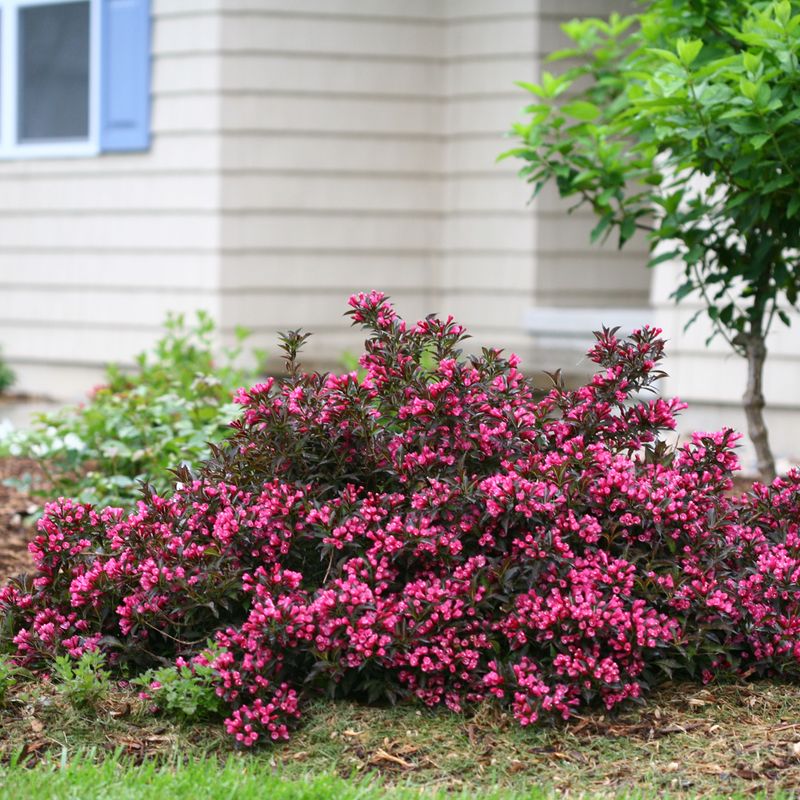
Feeding your weigela feels like a kind thing to do, but timing changes everything. As September closes, the plant wants to slow down, and a burst of fertilizer sends the wrong message at the worst moment.
Nitrogen in particular pushes fresh, tender growth. That soft new growth has no time to toughen up before frost, and it can get harmed the moment cold weather rolls in.
A shrub spending its energy on new shoots is not spending it on getting ready for winter. Instead of storing strength in its roots, it wastes effort on leaves and stems that will not survive the chill.
Plants have a natural rhythm, and fall is their signal to rest. When you feed them late, you interrupt that rhythm and leave them confused and unprepared for the season ahead.
If you want to fertilize weigela, spring is the smart choice. Once new growth appears and the danger of frost has passed, a balanced feeding gives the plant fuel for the active growing season.
For now, put the fertilizer bag back in the shed. Your weigela does not need it, and skipping this step actually protects the plant more than helping it ever could.
Let the shrub follow its own schedule. Nature has been guiding these plants for a very long time, and they know how to prepare when we simply step out of the way.
Patience pays off here. A weigela that hardens off naturally will stand up to cold far better than one pushed into late season growth.
5. Skip Heavy Fall Pruning
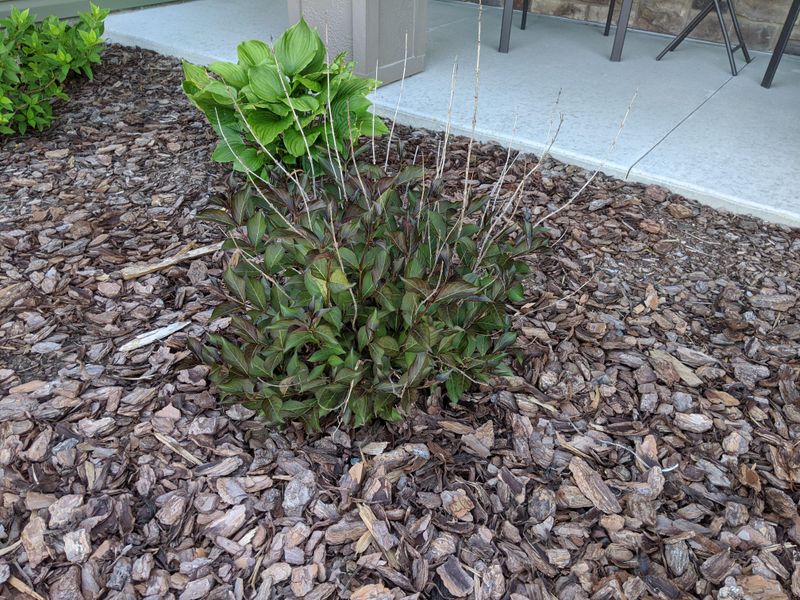
The temptation to tidy up your weigela in September is real, but heavy pruning right now can cost you next spring’s flowers. These shrubs form their buds early, and cutting at the wrong time removes the very blooms you are waiting for.
Weigela flowers on old wood, meaning the branches that grew last year hold this coming season’s buds. Chop those branches off in fall, and you toss away the show before it ever starts.
Big cuts also stir the plant into action. Fresh growth can sprout from pruned spots, and that soft new growth stands little chance against Michigan frost creeping in.
A shrub that gets shaped heavily in fall spends energy healing wounds instead of settling in for rest. That leaves it weaker and more exposed just when it needs to conserve its strength.
The better plan is to wait until right after the flowers fade in late spring or early summer. That window gives you a full season of blooms first, then plenty of time for the plant to recover.
If you spot a broken or clearly damaged branch, go ahead and remove that one piece. Small cleanup like this is fine, since it protects the plant without sacrificing next year’s color.
Otherwise, set the shears down and enjoy the pause. Your weigela does not need a haircut before winter, and resisting the urge keeps those precious flower buds safe. Come spring, you will be glad you waited when the branches burst into blossom.
6. Add Mulch The Right Way
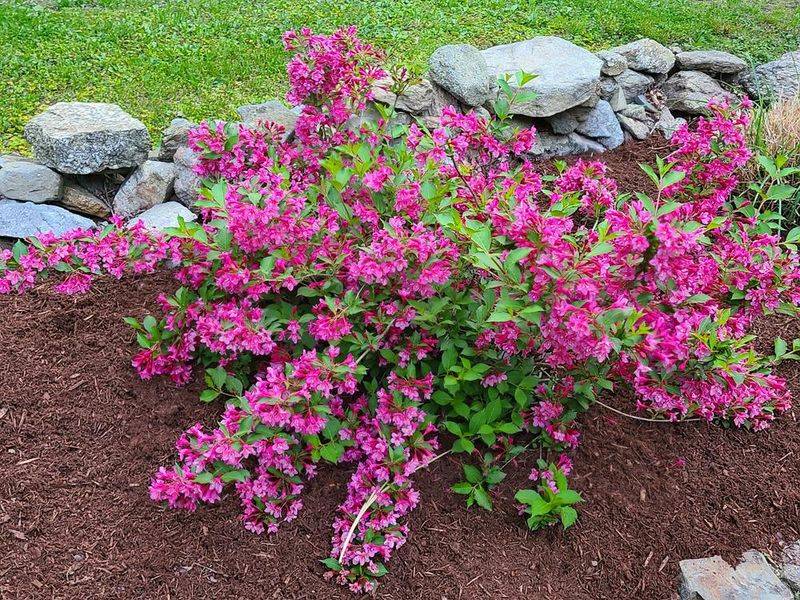
A blanket of mulch works like a cozy coat for your weigela’s roots. Spread the right way, it holds moisture, steadies soil temperature, and gives the plant a calmer place to rest through the cold months.
Aim for a shallow layer, roughly two to three inches deep. Piling it too thick can trap too much moisture and cause more harm than good, so keep it light and even.
The most common mistake is mounding mulch against the stem. That pile holds dampness right where the plant is most sensitive, and it can invite rot and pests you would rather never meet.
Leave a clear gap of a few inches between the mulch and the base of the shrub. Picture a donut shape rather than a volcano, with open space in the middle around the stem.
Good mulch choices include shredded bark, wood chips, or chopped leaves. These natural materials break down slowly and feed the soil over time, adding a bonus long after you spread them.
Mulch also guards against the freeze and thaw cycles that Michigan is famous for. Those temperature swings can push roots around, and a steady layer of cover keeps things calm underground.
Applying mulch now, before hard frost sets in, gives the roots protection right when they start needing it. The timing lets the ground stay warmer a little longer into fall.
Take a few minutes to spread it thoughtfully, and your weigela heads into winter tucked in and comfortable, ready to thrive when warmer days return.
7. Check For Winter Stress Before Snow Arrives
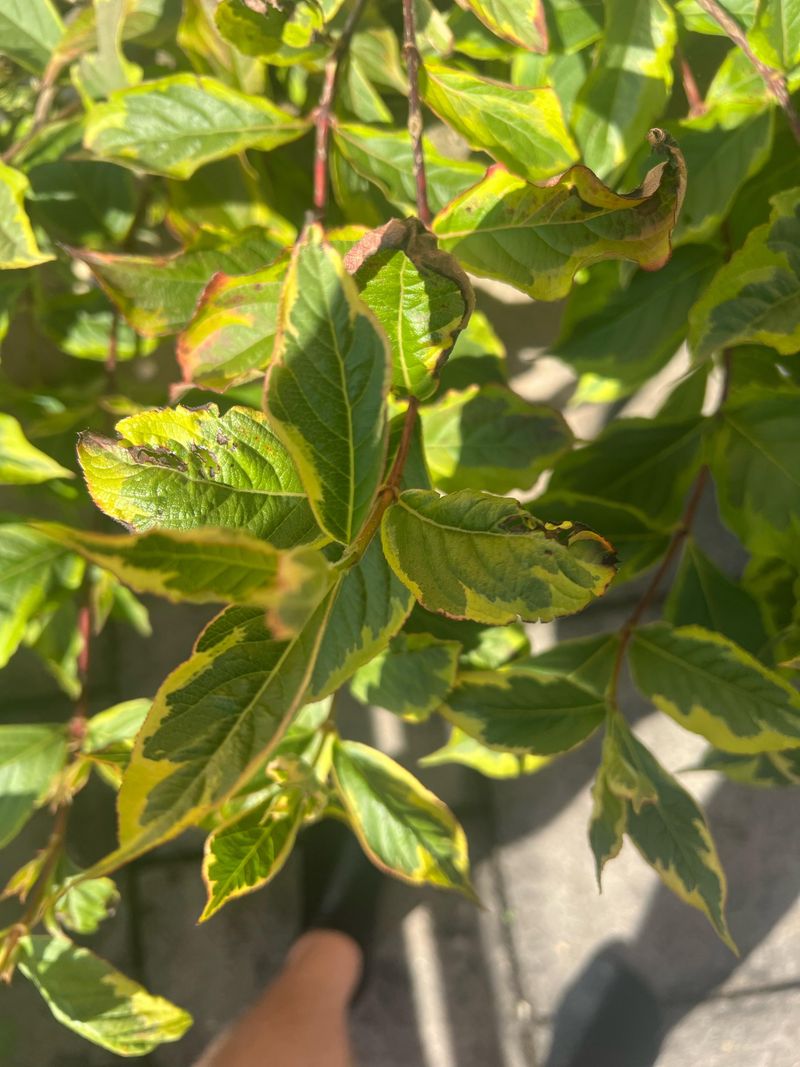
A quick once-over before the snow flies can spare your weigela a lot of trouble. Walking around the plant and looking closely helps you catch small problems while there is still time to fix them.
Start by checking the branches. Snap off anything cracked, broken, or clearly weak, since those pieces can invite trouble and waste the plant’s energy over winter.
Look at the leaves and stems for signs of drought stress, like wilting or a dull, tired look. If the plant seems thirsty, one final deep watering can help it recover before the ground freezes.
Drainage deserves attention too. If water pools around the base after rain, the roots could sit in cold mush all winter, which is a recipe for problems. Improving the soil or adjusting the spot helps.
Take a moment to clear away fallen leaves and debris piled against the stem. That soggy litter can hold moisture and pests right where the plant is most delicate.
Michigan winters can be rough, with heavy snow, biting wind, and frozen ground. A shrub that goes into that season healthy and cared for stands a far better chance of thriving on the other side.
Doing this inspection now, rather than in the middle of a cold snap, means you actually have time to act. Waiting too long leaves you watching helplessly as the weather takes over.
Give your weigela this final check and a little care, and you set it up for a strong, colorful return once spring warms the garden again.