Why Do Spotted Lanternflies Prefer Some Ohio Yards Over Others
Two houses on the same street. Same weather, same distance from the nearest infested tree.
One yard is covered in spotted lanternflies by August. The other has maybe three all season.
Nobody sprayed anything different. Nobody did anything obviously right or wrong.
The difference isn’t luck. Spotted lanternflies are picky, and it has nothing to do with how tidy a yard looks.
They key in on specific host plants, sun exposure, even the texture of certain tree bark when deciding where to settle in and lay eggs. A yard that checks those boxes becomes a magnet almost by accident.
A nearly identical yard two doors down stays mostly untouched.
Ohio yards in the insect’s path aren’t all equally at risk. Once you know what’s drawing them in, the mystery turns into a pattern anyone could’ve spotted early.
1. Tree-Of-Heaven Draws Them In
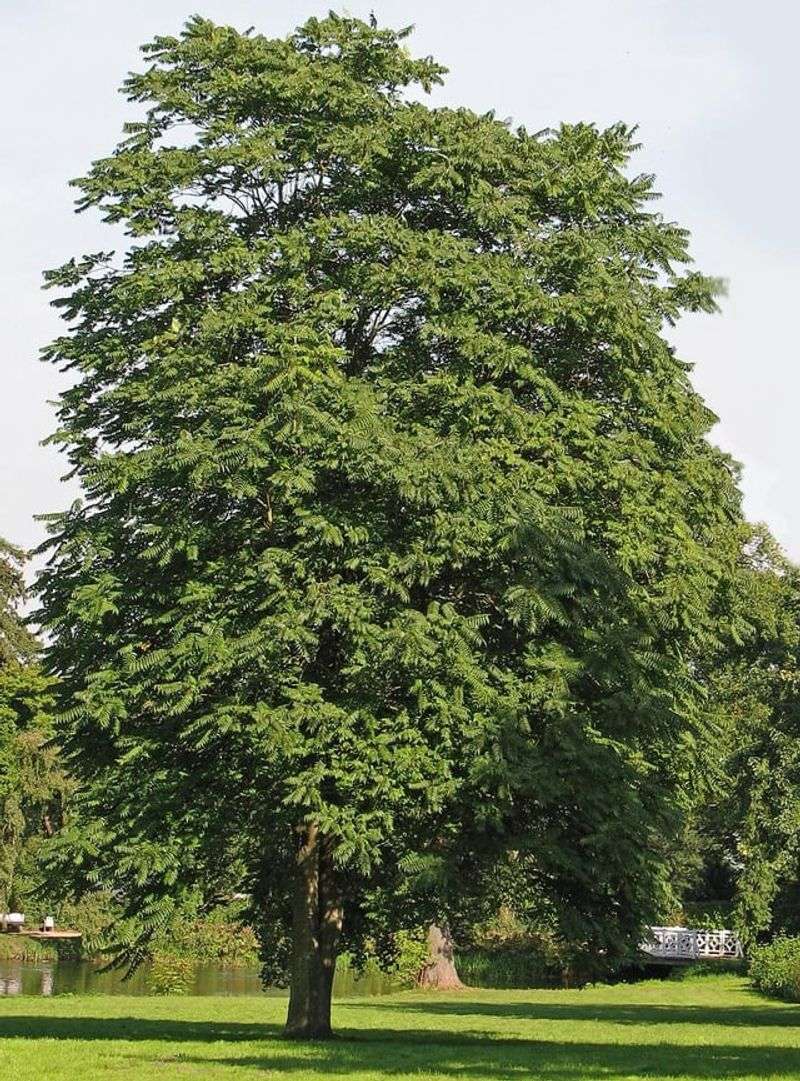
Picture a tree that shows up uninvited along fence lines, alleys and railroad banks across Ohio. That is tree-of-heaven, or Ailanthus altissima, and it happens to be the favorite address of the spotted lanternfly.
Brought over from Asia long ago, this fast-growing invader has a biology tightly linked to the planthopper. Later-stage nymphs and adults gravitate toward it, often clustering on the smooth gray trunk in surprising numbers.
You can spot the tree by its long compound leaves with a small notch near the base of each leaflet. Crushed foliage gives off a smell many people compare to old peanut butter, which is a handy field clue.
Because the attraction is so strong, specialists treat these trees as sentinels. Checking one in your yard tells you more about local pest pressure than checking a dozen other plants.
If a tree-of-heaven stands near your patio, your yard has a built-in welcome mat. Removing it takes planning, since cutting alone triggers a burst of root sprouts, so pairing removal with proper herbicide timing works better.
If tree-of-heaven is growing on your property, management deserves careful planning. Simply cutting the tree can trigger vigorous resprouting, so removal should be handled with an appropriate control strategy rather than treated like ordinary tree cutting.
2. Grapevines Can Draw Heavy Lanternfly Activity
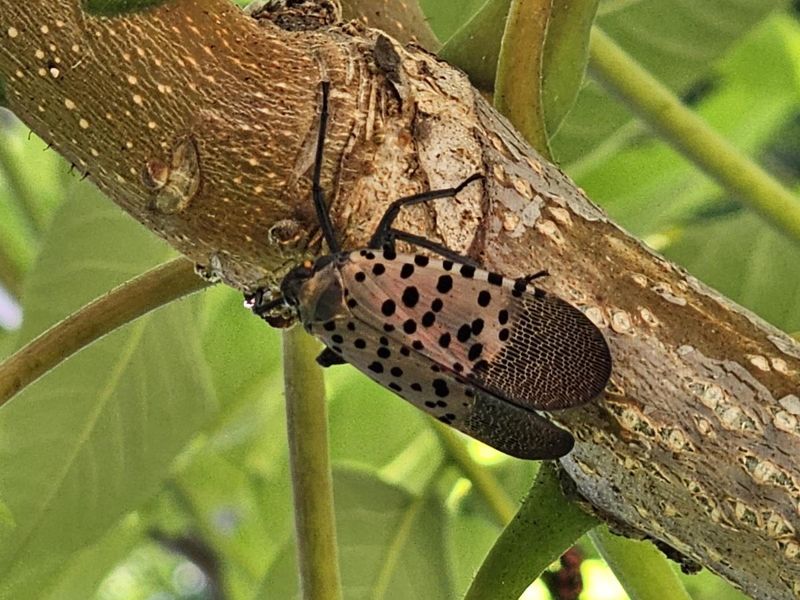
That tangle of vines swallowing your back fence may be doing more than blocking the view. Grapevines, including wild grape species in the genus Vitis, can attract substantial spotted lanternfly feeding, particularly when populations are high.
Adults zero in on grape with real enthusiasm, gathering along woody stems and pressing their straw-like mouthparts into the sap. Ohio growers and hobby gardeners both notice this pattern quickly.
Heavy feeding can stress grapevines, reducing vigor and potentially affecting plant health when infestations are severe or prolonged.
Wild grape has a habit of climbing shrubs, chain-link fences and small trees in unmowed corners. Those forgotten pockets can provide additional host plants close to the rest of the yard, giving lanternflies another place to feed as the season progresses.
Clearing wild grape from property edges is one of the more satisfying jobs on the list, because you see results fast. Pull young vines by hand when soil is damp, and cut thick stems near the base.
Your Ohio Garden Changes Every Week. Your Plan Should Too.
Gardening in Ohio changes quickly throughout the season. Every Friday you’ll receive a simple weekly plan showing exactly what to plant, prune, fertilize, harvest, and protect so you never miss the right timing.
Backyard grape lovers do not have to give up their harvest. Regular scouting, careful pruning and working with local extension guidance on treatment timing keeps vines productive.
Fun detail worth knowing: the connection between grape and this insect is part of why Ohio vineyards became early monitoring sites statewide.
3. Maples Can Become Favorite Feeding Spots
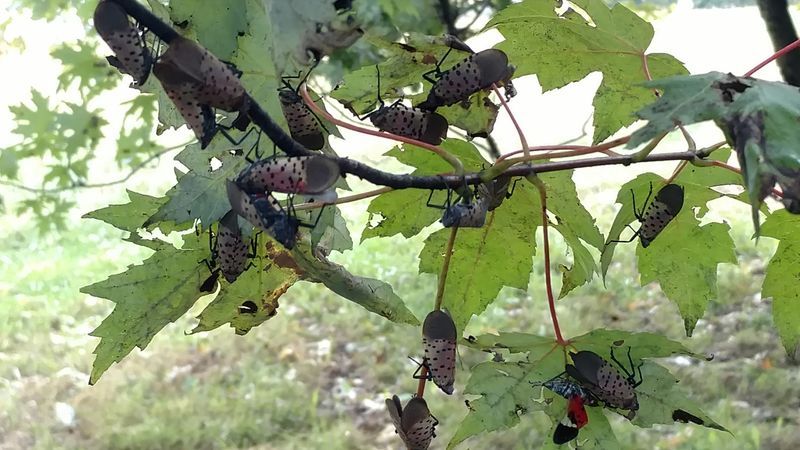
Maples hold a special place in Ohio yards, shading driveways and turning brilliant in October. They also show up on the spotted lanternfly menu, which catches many homeowners off guard.
Red maple and silver maple both get fed upon, and early observations suggest silver maple may be favored over red. Sugar maples are not immune either when populations run high.
Young trees seem especially appealing. Thin bark on slender trunks and fresh branches makes for easier access to flowing sap, so a newly planted maple can attract more visitors than a thick-barked veteran nearby.
Look for shiny, sticky patches on the bark and on anything sitting underneath. That residue is honeydew, and it often turns dark as sooty mold grows across it.
Wasps, ants and flies drawn to the sweetness give away a feeding site before you even look up. Sidewalks under maples can feel tacky underfoot in late summer.
If nymphs are present, monitor young trunks closely and use only a trap or barrier specifically designed and labeled for spotted lanternfly management.
Healthy maples handle stress far better, so mulch rings, sensible pruning and steady moisture matter more than any single spray decision you make.
4. Willows And Birches Also Attract Adults
Down by the pond or the drainage swale, willows sway with those long drooping branches everyone loves. Adult spotted lanternflies can also feed on these trees, particularly later in the season.
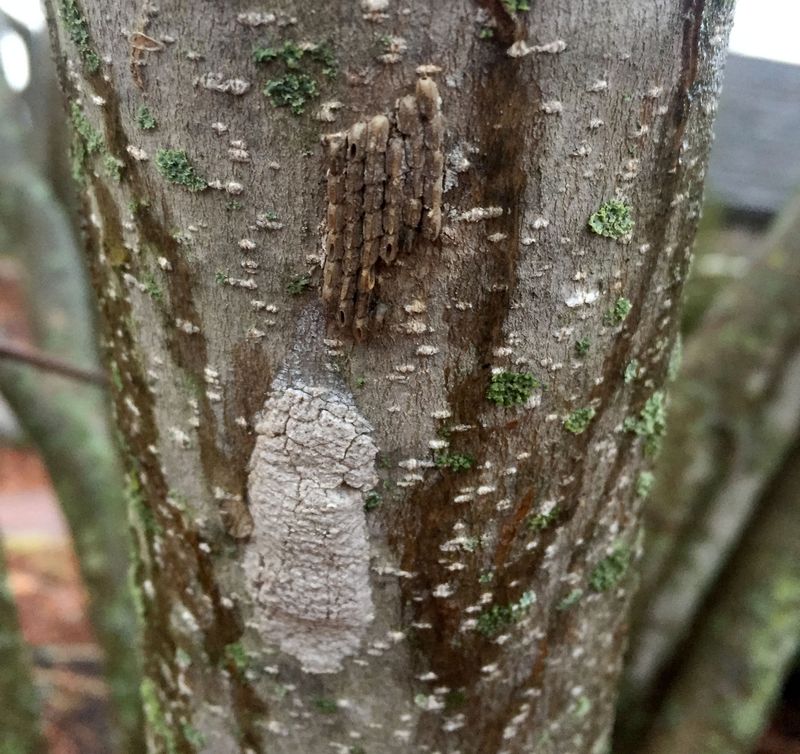
Willows rank among the trees adults choose for egg-laying once fall arrives. That double duty, feeding plus egg deposits, makes them worth extra attention in September and October.
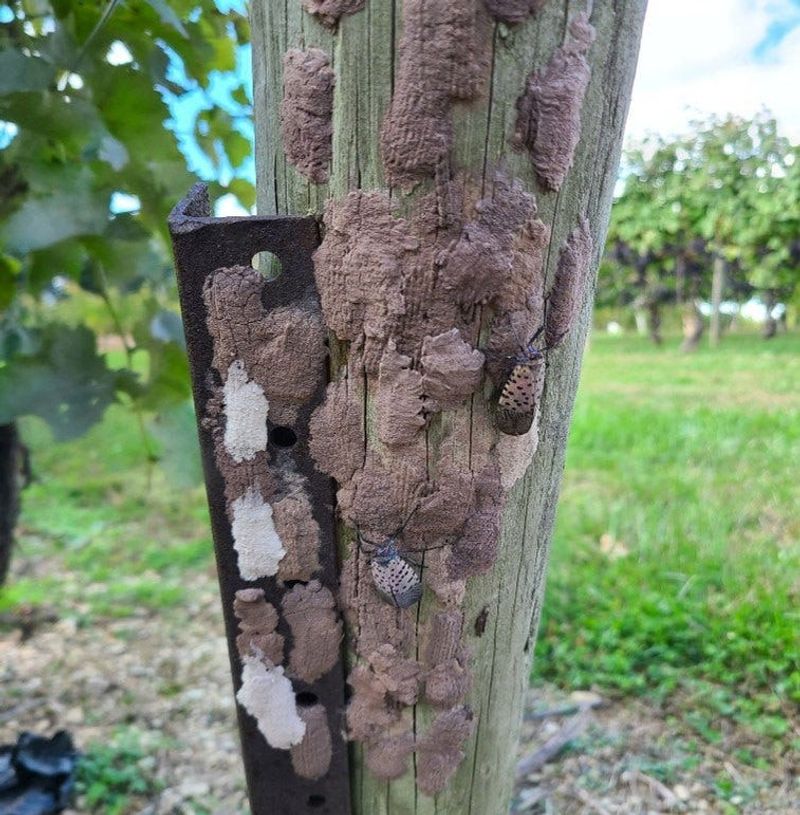
River birch belongs on the watch list as well, along with birches more broadly. Peeling, papery bark creates plenty of sheltered nooks where gray, mud-like egg masses blend right in.
Scanning these trunks with a flashlight helps enormously, since the angled light reveals texture that daylight flattens out. Work from the base upward, checking the undersides of larger limbs where you can reach safely.
Egg masses can be scraped into a bag of rubbing alcohol or soapy water. It is oddly satisfying work, and every mass removed means fewer nymphs crawling around next spring.
Yards with water features, wet corners or stream banks often host willows and birches naturally. That combination can explain why a low-lying property sees more wings than the drier lot up the hill.
Keep notes on which trunks you find eggs on. Repeat visitors tend to return to the same favored trees year after year.
5. Young Lanternflies Feed On More Plants
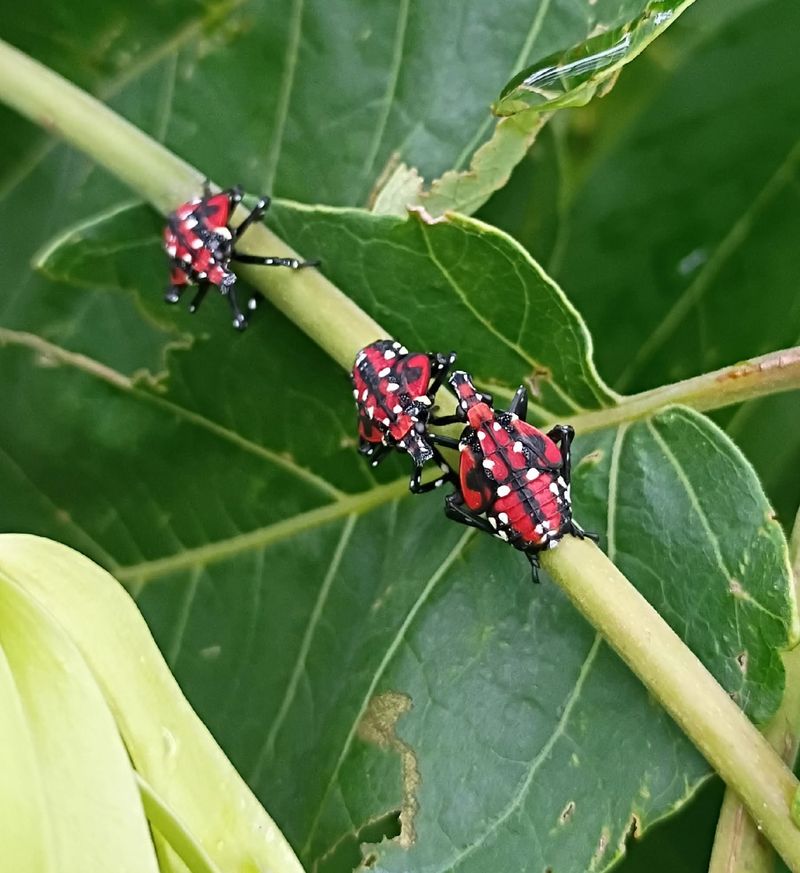
Here is the twist that surprises gardeners: the juveniles are far less picky than their parents. Nymphs feed on a wide range of plants, sucking sap from young stems and tender branches.
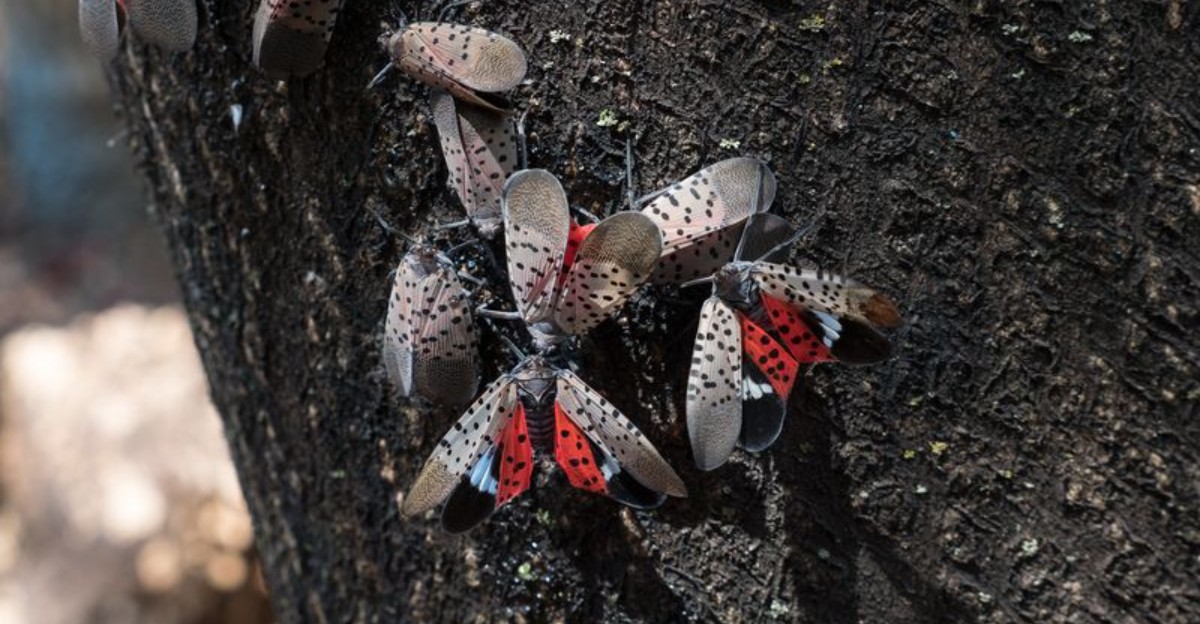
Emerging from late April into June, the first stages look like tiny black bugs with white speckles. Later stages turn bright red with black markings and white dots, which makes them easier to notice.
Their menu stretches across perennials, annuals, shrubs and saplings. Vegetable, fruit, herb, ornamental, and woody plants can all be exposed to feeding, although the severity of damage varies with the plant and the size of the infestation.
Because the young ones roam so broadly, a yard packed with soft new growth offers more options than a lawn-heavy lot. Lush borders and mixed plantings simply provide more places to land.
A morning walk with coffee in hand doubles as a scouting trip. Check basil, roses, young fruit trees and the fresh shoots on shrubs, especially along sunny edges.
Nymphs jump impressively well, so sneak up slowly or use a container held below to catch them. A spray bottle of soapy water handles small clusters on tender plants.
Catching the juvenile stage early keeps the late-summer adult crowd noticeably smaller in your yard.
6. Why Some Trees Suddenly Become Lanternfly Hotspots
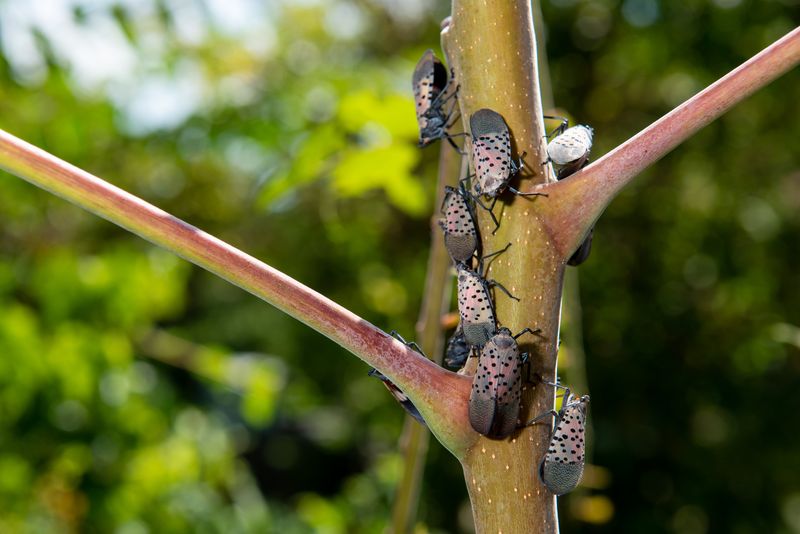
Hundreds. Sometimes thousands.
That is the count reported on a single tree when a hotspot forms, and tree-of-heaven tops the list for these gatherings.
Trunks can look shingled with folded gray wings, and a light tap sends up a startling cloud. Photos rarely do the scene justice.
All that feeding pressure adds up. Intense sap removal stresses the plant, and branch decline can follow on trees already struggling with drought or poor soil.
Hotspots also create a mess below. Honeydew rains down onto decks, cars, patio furniture and play sets, then sooty mold darkens the sticky film.
Wasps and hornets show up for the sugar, which turns a pleasant seating area into somewhere nobody wants to sit. Plenty of Ohio families have relocated the picnic table because of it.
If your yard has one of these magnet trees, treat it as ground zero for your response rather than spreading effort everywhere. Concentrated attention on the hotspot delivers the biggest payoff.
Photograph the tree, note the date and estimate numbers so you can compare across weeks. Reporting heavy activity to Ohio agriculture officials also helps track spread across counties.
A certified arborist can advise on trunk treatments and whether removal makes sense for that particular tree.
7. Nearby Host Plants Increase Yard Activity
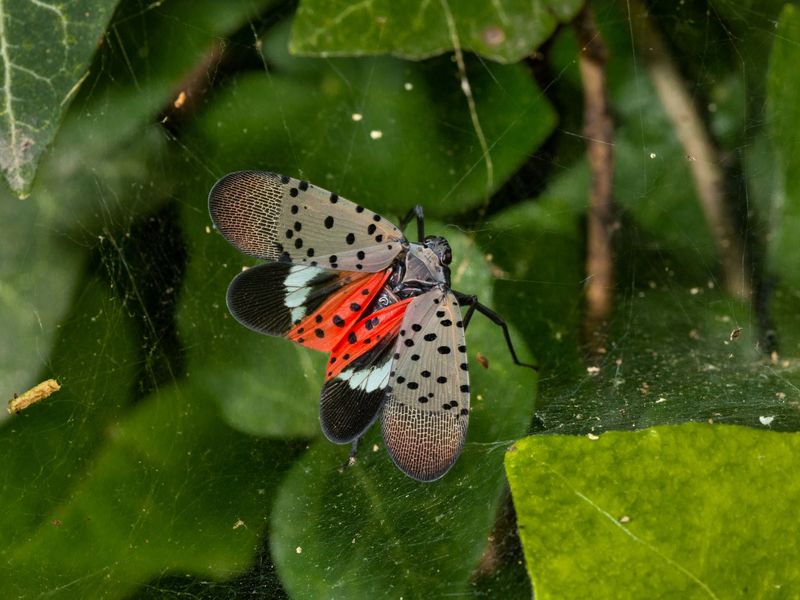
Your yard does not exist in a bubble. What grows next door, behind the fence or along the nearby rail line shapes how much activity lands on your property.
Favored hosts clustered in the surrounding landscape raise pest pressure for everyone in the neighborhood. A dense pocket of tree-of-heaven a block away can keep supplying visitors all season.
Transportation corridors add another layer. Highways, rail lines and busy parking areas move egg masses and hitchhiking adults, so yards near those routes often report earlier and heavier activity.
Removing preferred hosts on your own property, especially tree-of-heaven and wild grapevines, helps bring numbers down. The effect grows when a few neighbors tackle the same job together.
Talking to the people next door is genuinely useful here. Show them what tree-of-heaven leaves look like, point out the peanut-buttery smell, and offer to walk the shared fence line.
Vacant lots and utility easements deserve a mention to the appropriate owner or municipality. Cincinnati and other Ohio cities have posted guidance for residents who spot heavy infestations.
Also inspect anything parked outside before travel, since firewood, nursery stock, grills and trailers carry egg masses easily.
Neighborhood-scale effort beats solo heroics on this particular pest.
8. Seasonal Changes Shift Their Preferences
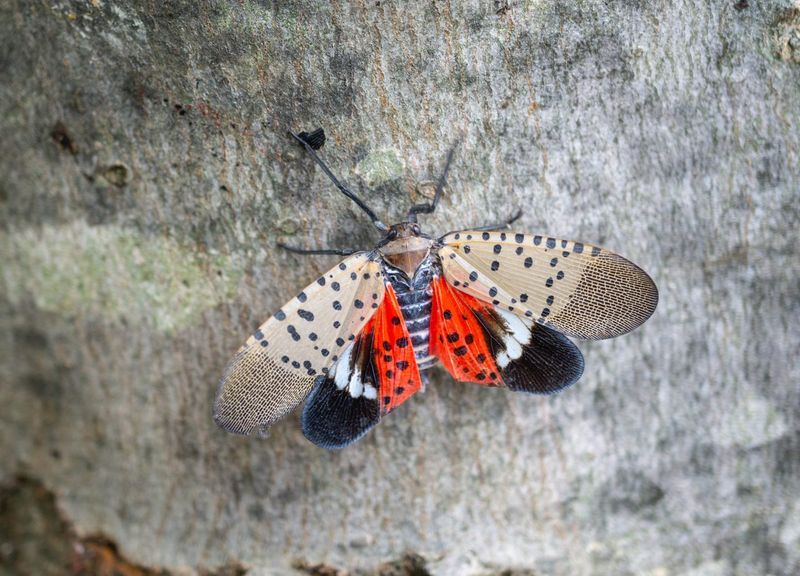
Timing explains a lot of the mystery. Adults become active in summer and can remain active into fall, with activity continuing as long as conditions remain suitable.
Through late summer and fall, adults regularly move from tree to tree looking for fresh feeding sites. A yard that seemed quiet in July can suddenly fill up in September.
Tree-of-heaven and grapevine remain the main draws, but late-season adults branch out. Maples, oaks, willows and sycamore all get visits once the crowd starts shifting.
Egg laying runs from September through November, which is why fall inspections pay off so well. Masses go on bark, stones, fence posts and outdoor gear.
Spring brings the next act, with nymphs emerging from late April into June. Those little hoppers spread out across soft new growth before working their way upward.
Build a simple calendar around that rhythm. Scout for nymphs in May, watch trunks in August, and scrape egg masses on mild fall weekends.
Knowing the schedule keeps you from wasting effort at the wrong moment. It also explains why your yard feels different from your cousin’s place across town, since their host trees may be peaking on a different week entirely.
9. Scout Favorite Hosts Before Treating
Smart management starts with looking, not spraying. Scouting works best on the plants these insects prefer, which saves time and keeps treatments targeted.
Tree-of-heaven serves as the focal point for catching new infestations, thanks to its powerful pull. One careful check there often answers the question for the whole property.
Come fall, shift attention to red maple, silver maple and willows for egg masses. Those flat gray patches look like smears of dried mud and hide well on rough bark.
Bring a flashlight, a plastic card for scraping and a sealable bag. Twenty minutes of methodical looking beats an hour of guesswork.
Write down what you find and where. Patterns emerge fast, and next year you will know exactly which three trees to check first.
Knowing your preferred hosts also guides any treatment conversation. Products and timing differ for nymphs versus adults, and a licensed applicator or Ohio State extension office can steer you right.
Skip homemade concoctions you read about online, since several damage plants and harm pollinators without helping much.
Report sightings to the Ohio Department of Agriculture, especially in counties with few confirmed finds. Your notes become part of a bigger picture that helps everyone manage this pest better.