Why Does North Carolina Clay Soil Stay Waterlogged No Matter How Much Compost You Add?
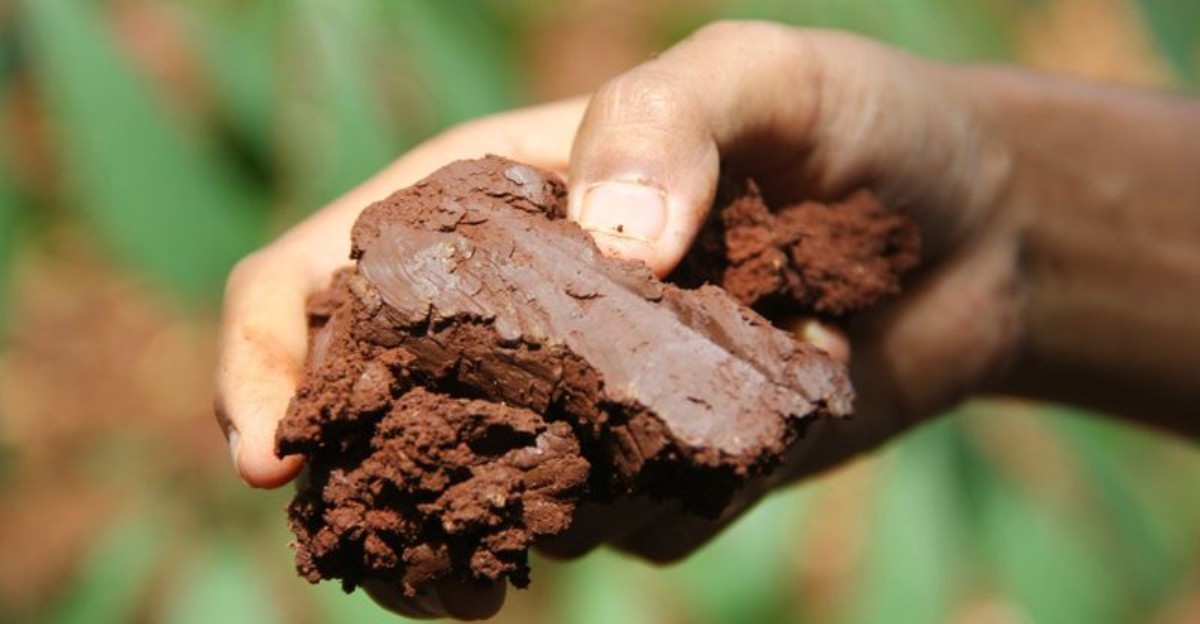
You dig a hole after a rainy October week, and it fills with water like a tiny backyard swimming pool. Many North Carolina gardeners know that sticky, red-orange mud that grabs your boots and holds on tight.
So you do the sensible thing and add bags of rich, dark compost season after season. Yet weeks later, the same puddles sit there, glinting in the cool autumn light like nothing happened.
That stubborn sogginess can rot roots, invite fungus, and leave your fall vegetables looking pale and droopy. Your garlic, kale, and pansies want moisture, but they do not want to sit in a cold bath.
The truth is that the problem often starts deeper than a garden fork usually reaches in one afternoon. Clay in North Carolina has a long history, shaped by ancient rock that weathered slowly over millions of years.
Tightly Packed Particles That Slow Downward Water Flow
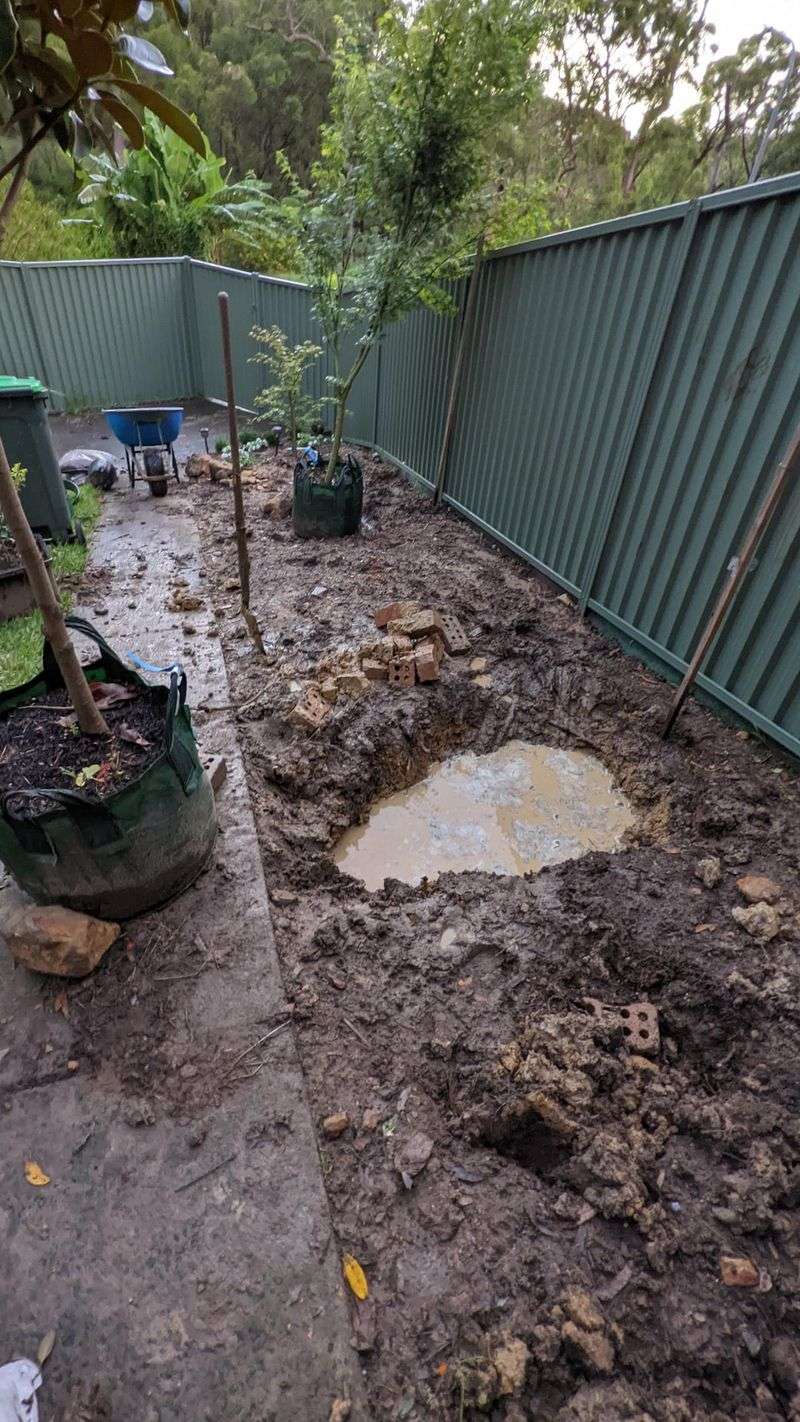
Picture a stack of wet playing cards pressed flat, with barely any room for water to squeeze between them. Clay particles look a lot like that under a microscope, tiny flat plates stacked tightly in thin layers.
Each clay particle is far smaller than a grain of sand, often hundreds of times smaller. Because the pieces are so small, the spaces between them are tiny too, and water moves very slowly.
Sandy soil has big gaps that let rain drain downward, a bit like water poured through a colander. Clay acts more like a coffee filter, holding moisture for a long time after a heavy October storm rolls through.
Fun fact: the red color in Piedmont clay comes from iron oxide, basically the same thing as rust. That iron-rich clay formed as old granite and other rocks weathered under warm, wet southern weather.
Compost helps by gluing particles into crumbs, but it takes years of steady work to change the structure. A single fall application mostly improves the top few inches while the packed plates below stay stubborn.
Walking on wet clay makes the problem worse, because your weight presses those flat plates even tighter together. Lay down a few boards as stepping paths so you spread your weight during soggy autumn garden chores.
Try a simple squeeze test by grabbing a handful of moist soil and pressing it into a tight ball. If it forms a long, shiny ribbon between your fingers, you are likely dealing with heavy clay that drains slowly.
Compost Layers That Sit On Top Without Fixing Depth
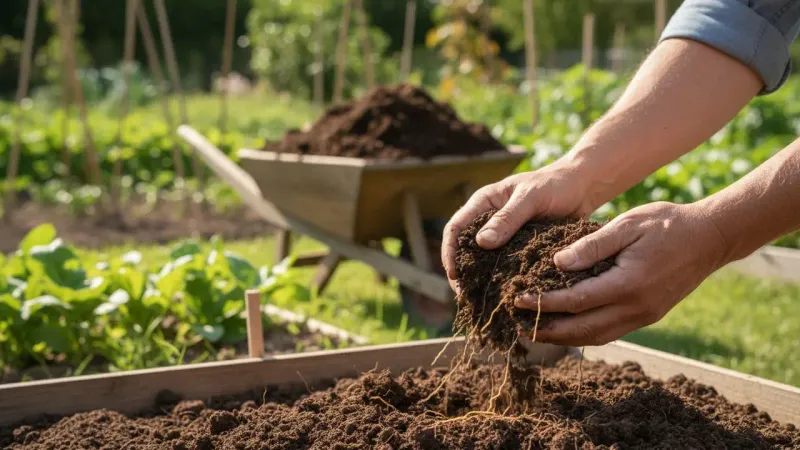
A gardener in Raleigh might spread six inches of compost and expect the soggy bed to dry out. By the next rainy week, the tomato stakes lean in mud, and the puzzle remains.
That mistake is common, because compost sitting on the surface rarely travels deep into heavy clay. Water soaks quickly through the fluffy top layer, then hits the dense clay and spreads out sideways instead.
Soil scientists call this a perched water table, where moisture gets trapped above a layer it cannot easily cross. In a way, the compost turns into a sponge sitting inside a bowl that traps water.
Your North Carolina Garden Changes Every Week. Your Plan Should Too.
Gardening in North Carolina changes quickly throughout the season. Every Friday you’ll receive a simple weekly plan showing exactly what to plant, prune, fertilize, harvest, and protect so you never miss the right timing.
Roots love that soft top layer at first, but they tend to stay shallow and avoid the clay. Shallow roots struggle during dry spells and often sit in soggy pockets during wet fall weather instead.
A better approach is mixing compost into the top six to eight inches rather than piling it on top. Use a garden fork or broadfork when the soil feels slightly moist, not sticky like cookie dough.
Early October is a handy window, since cooler days make digging easier and rain usually eases up somewhat. Work in about two to three inches of compost each year rather than dumping a huge pile at once.
Earthworms can help carry the organic matter downward over time, slowly blending the layers like tiny farmers. Give them a few seasons, and the boundary between fluffy topsoil and stubborn clay starts to fade.
Hardpan Zones Hiding Beneath The Topsoil
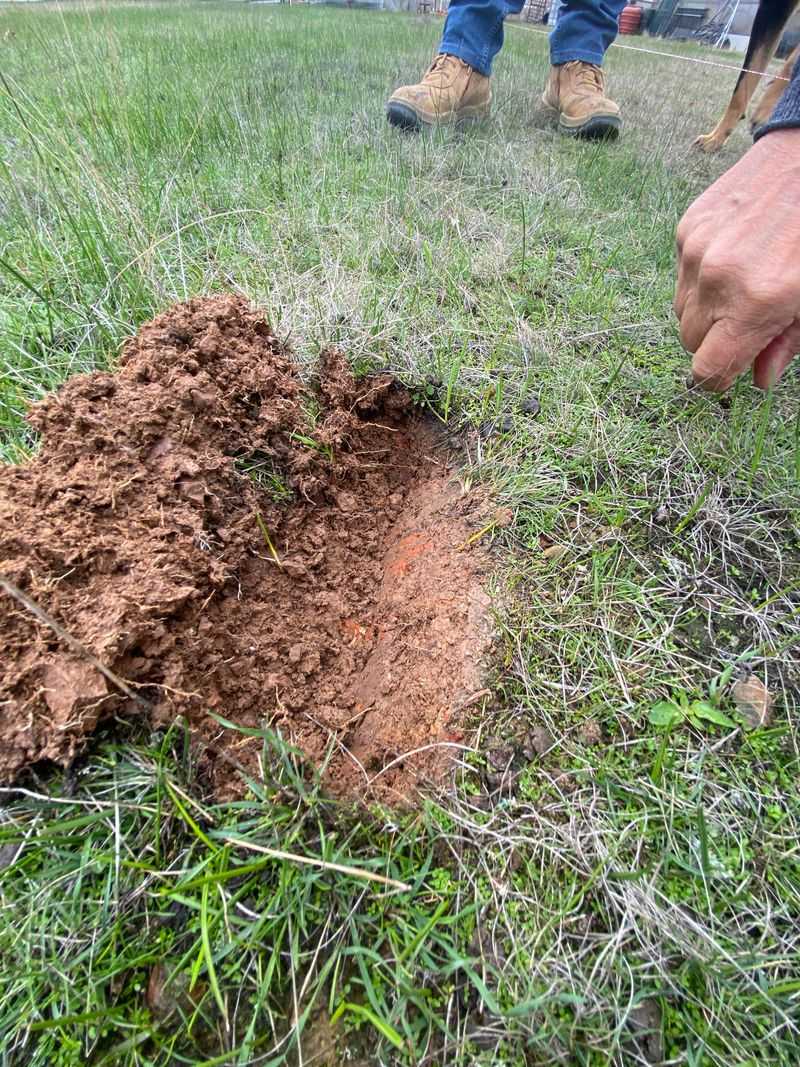
Somewhere under your lawn, there might be a layer so dense that a shovel stops with a clunk. Gardeners call it hardpan, and it acts like a hidden floor that slows water from sinking any further.
Many North Carolina neighborhoods sit on land that builders scraped, graded, and packed down with heavy machines. Those bulldozers and trucks squeezed the subsoil so tightly that it can become extremely dense today.
Old farm fields can have hardpan too, created by decades of plowing at the same depth year after year. Farmers even have a name for it, plow pan, and it can still show up in some backyards.
To find out if you have one, push a long metal rod or screwdriver straight into moist soil. If it slides easily and then suddenly stops a few inches down, you have likely found the culprit.
Another clue is a planting hole that stays full of water for a whole day after you fill it. Healthy draining soil usually empties a test hole within a few hours, even in heavy clay areas.
Breaking hardpan takes muscle, so grab a digging bar or broadfork and loosen the layer in sections. Cool October mornings are a pleasant time for this chore, when the ground is damp but workable.
For large yards, a landscaper with a subsoiler can break through compacted zones much faster than hand tools. When that hidden floor cracks open, compost and roots can finally reach deeper and do their job.
Coarse Amendments That Open Up Heavy Ground
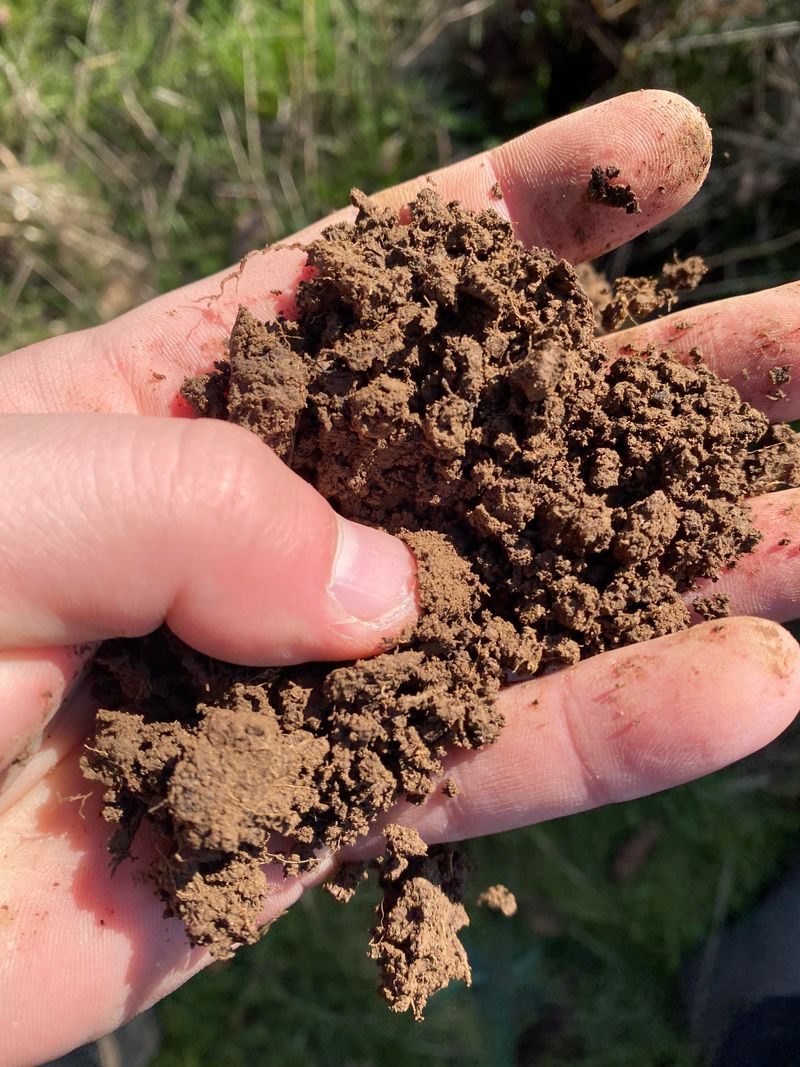
Adding sand to clay sounds smart, but it can create something closer to concrete than garden soil. Fine sand can fill the tiny gaps between clay particles, and the mixture turns dense and hard when it dries.
Coarse materials work differently, because their larger, chunky pieces hold open pockets where air and water travel. Think of them as tiny tent poles propping up the soil so it cannot slump back into mud.
Expanded slate, a lightweight gravel fired in a kiln, is used by some Carolina gardeners and landscapers. Its rough, porous pieces stay put for years instead of breaking down the way compost slowly does.
Pine bark fines are another handy option, and they are easy to find at most local garden centers. North Carolina has plenty of pine forests, so this amendment is a local and familiar choice.
Rough, chunky materials give better results than sand, so fine sand is best skipped. Aim for up to one third amendment to two thirds native soil when you are working a planting bed.
Avoid filling only a single planting hole with these materials, because water can collect there like a bathtub. Spread amendments across the whole bed instead, so moisture can move evenly through a wider area.
Early fall is a great time to amend beds before planting shrubs, bulbs, or cool season perennials. Roots settle in during the mild weeks ahead, and plants often reward you with stronger growth next year.
Raised Beds Built To Escape Soggy Roots
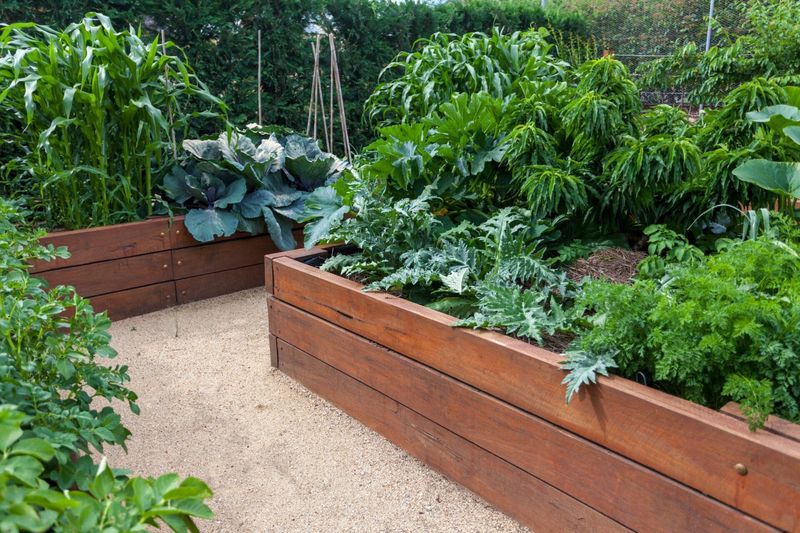
Sometimes the smartest move is to stop fighting the clay and simply build your garden above it. Raised beds lift roots out of the soggy zone, giving them a drier, comfy home during rainy stretches.
Gravity becomes your helper, because extra water drains down and out of the elevated soil faster. Even a bed just eight to twelve inches tall can make a big difference for many vegetables.
Before filling the frame, loosen the clay underneath with a fork so roots can eventually explore below. Skipping that step can create the same perched water problem, just a little higher off the ground.
Fill your bed with a blend of topsoil, compost, and a coarse material like pine bark fines. Skip bagged potting mix alone, since it can shrink and settle over time.
Untreated cedar, stone blocks, or galvanized metal panels all make sturdy frames that last for many seasons. Pick a sunny spot, since fall crops like lettuce and spinach do best with around six hours of light daily.
October is a good month to build beds, because the soil has cooled and the work feels pleasant. You can plant garlic, onions, and collards in October, or let the bed rest under leaf mulch.
Shredded autumn leaves are free, plentiful, and useful for topping off a fresh bed before winter arrives. By spring, worms can pull much of that organic matter down, leaving dark, crumbly soil behind for planting.
Deep Rooted Cover Crops That Break Through Dense Layers
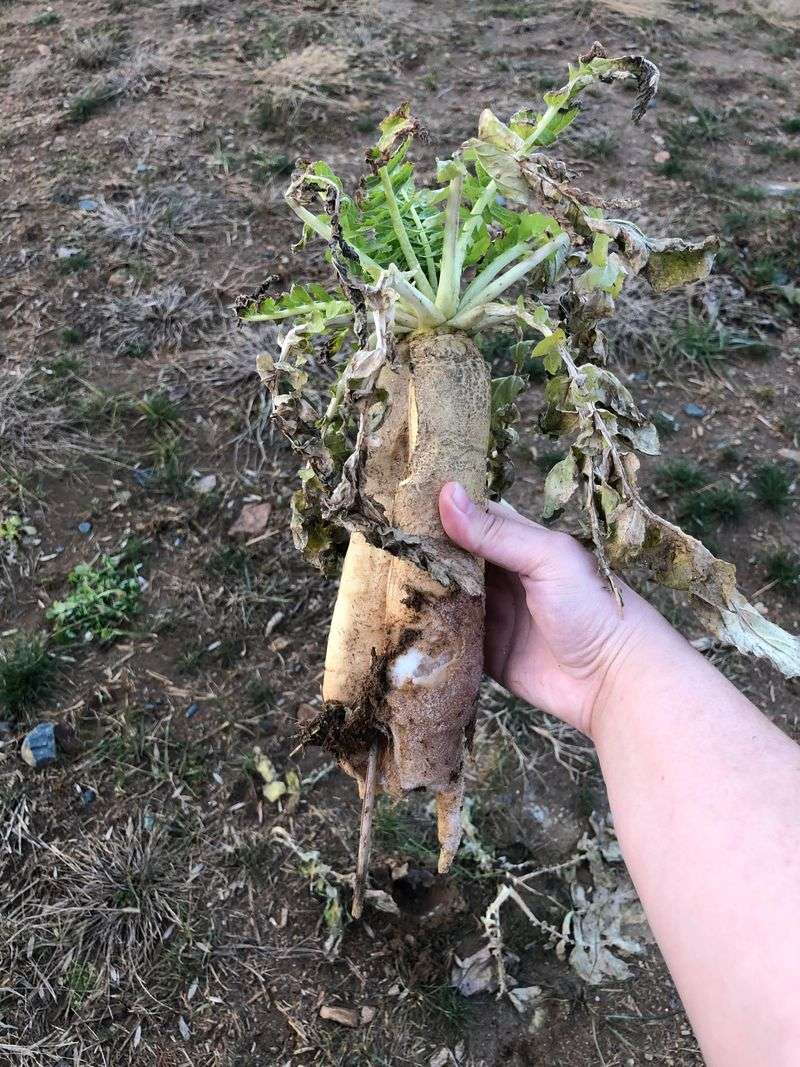
Imagine a crew of tiny drills working in your clay all winter long. Cover crops do something similar, using their roots to crack open stubborn, packed layers.
Daikon radish, sometimes called tillage radish, is a popular choice, sending a thick taproot a foot or more down. When the roots break down after a hard freeze, they leave open channels for water to follow.
Cereal rye is another strong choice, with a dense web of fibrous roots that holds soil in place. Crimson clover adds pretty red blooms in spring and, with help from soil bacteria, adds nitrogen to the soil.
Timing matters a lot, and early October is a good time for sowing cover crops in much of North Carolina. Mountain gardeners should sow a few weeks earlier, so seeds can sprout and settle in before cold weather arrives.
Rake the bed smooth, scatter the seeds evenly, and press them gently into the surface with your hands. Water lightly if the weather stays dry, though autumn rain often handles that job for you.
In early spring, cut the plants down before they set seed and let the stems rest as mulch. Wait about two or three weeks before planting, giving the leftover greens time to break down a bit.
Over a few seasons, those root channels add up and help heavy clay breathe better. Pair cover crops with compost and coarse amendments, and your soggy garden can slowly become a thriving one.