Your Last Lawn Mow of the Year in North Carolina (Why the Height Matters More Than You Think)
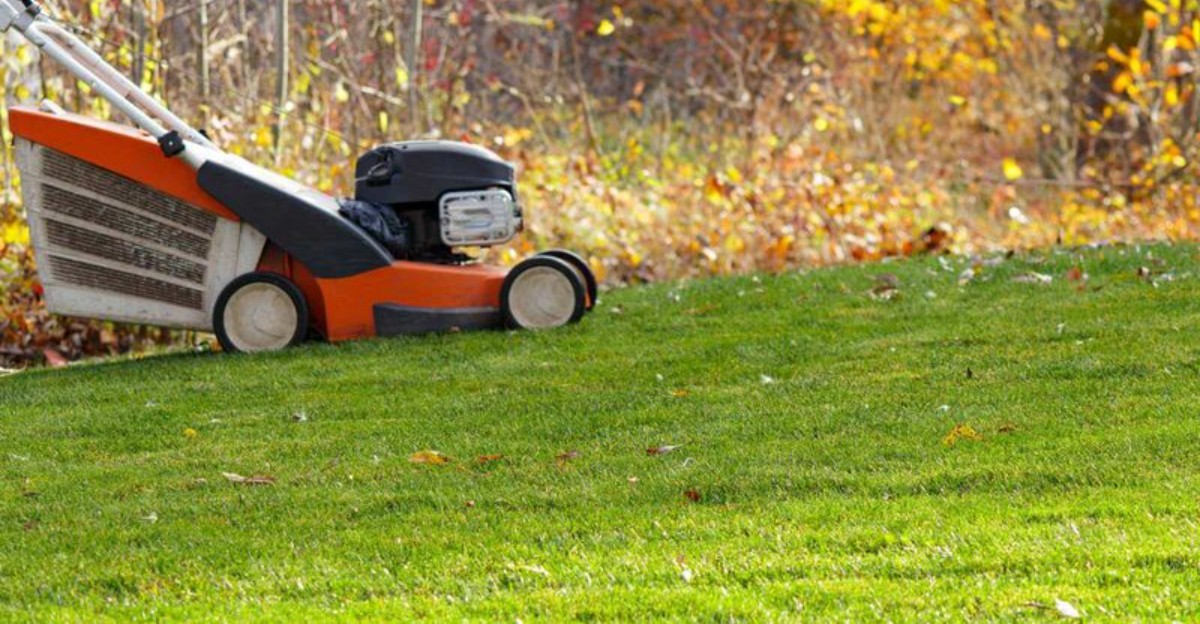
A tall fescue blade cut down to one inch can lose much of its ability to feed its own roots for months. That surprised me the first time I read it. I used to treat the final mow of fall like a victory lap.
Grass blades work like tiny solar panels. They keep making food on mild winter days, and that food gets stored down near the crown. Cut too much away, and the plant heads into the cold season with an empty pantry.
North Carolina makes this trickier than most places. Our yards sit in a transition zone, so one street might hold fescue that stays green while the next has bermuda that goes tan and sleeps.
I know how frustrating it can be to baby a lawn all summer and then see thin, patchy spots every March. The real question is whether one small lever on your mower could change that story.
1. That Final Pass With the Mower Sets Up Your Grass for Spring
Late October in my yard usually smells like cut grass and fallen oak leaves. That mix tells me the mowing season is winding down, but the grass is still busy.
Every blade you leave standing keeps doing photosynthesis on sunny days. The sugars it makes travel down to the crown and roots, where they get stored as carbohydrates. Those reserves fuel new growth when spring warms the soil.
Cool-season grasses like tall fescue stay partly active through mild winters. They keep pulling in light whenever temperatures allow.
Warm-season grasses such as bermuda, zoysia, and centipede slow down and go dormant, but they still rely on the energy stored before frost.
So the last mow is less about looks and more about what you leave behind. A blade that is too short has less leaf area to work with. That means fewer reserves heading into the coldest weeks.
I like to think of that final pass as packing a lunch for the lawn. Pack it well, and the grass greens up evenly. Skimp, and you often see thin spots, slow recovery, and weeds moving into the gaps by April.
2. Tall Fescue Blades Like to Stay Around Three Inches Tall
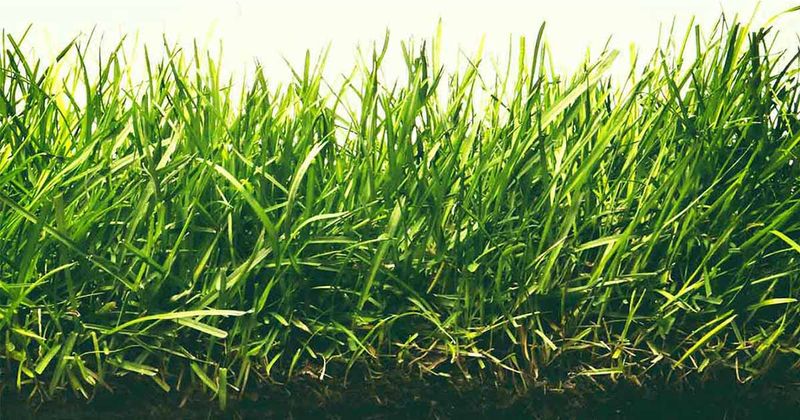
Grab a ruler and walk out to your lawn. If you grow tall fescue, which covers most yards in the Piedmont and mountains, that ruler should read about 3 to 3.5 inches after you mow.
NC State Extension recommends that range for fescue, with 2.5 inches as the lowest you should go. Leaning toward the taller side in fall makes sense. The extra leaf gives the plant more surface to catch light on cool, bright days.
Taller blades also shade the soil. That helps hold moisture and keeps winter annual weeds like henbit and chickweed from getting easy sunlight to sprout.
Fescue roots tend to mirror what happens above ground. A taller canopy often supports deeper roots, and deeper roots handle cold snaps and dry spells better.
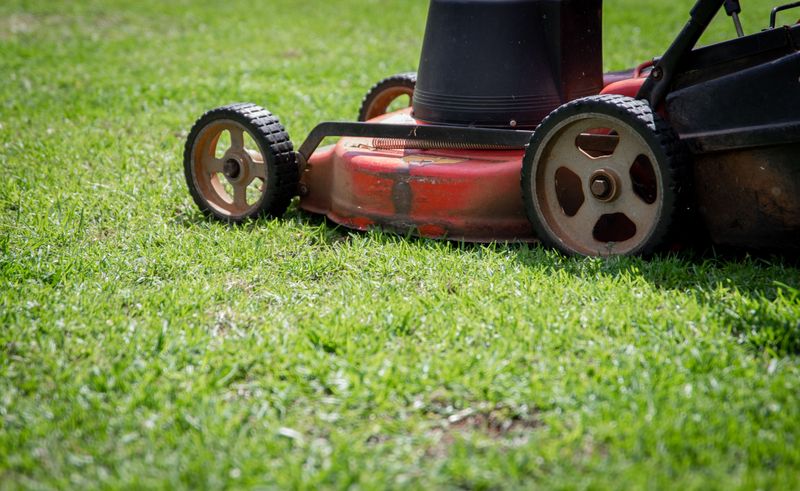
One quick tip helps here. Most mower decks list settings by number, not inches, so measure from a hard surface like your driveway to the bottom of the blade.
Set it once, check it with a test strip, and write the setting down. Future you will appreciate not guessing every season.
Keeping that simple index card or Sharpie note right on your mower handlebar takes the guesswork out of every single cut, keeping your height dialed in without having to pull out the measuring tape again.
3. Bermuda, Zoysia, and Centipede Lawns Play by Different Rules
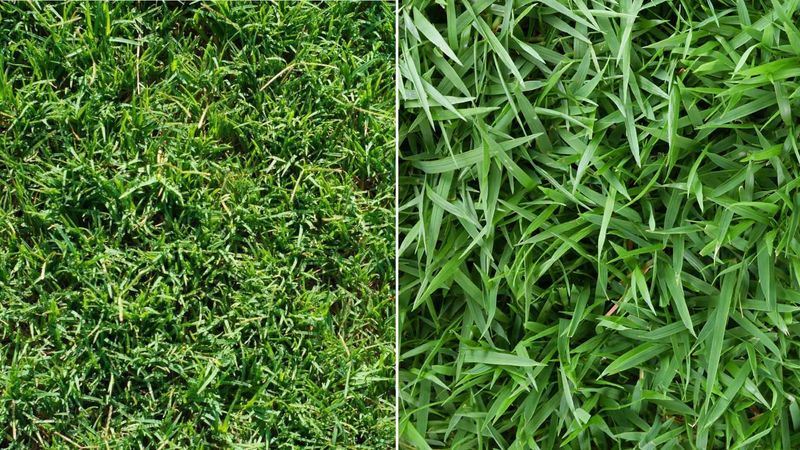
Drive through eastern North Carolina in December and you will see plenty of tan lawns. Those are mostly warm-season grasses taking their winter nap, and that is perfectly normal.
These grasses need a different plan. Bermudagrass is usually kept around 1 to 2 inches, zoysia around 1 to 2 inches, and centipede around 1 to 1.5 inches, based on NC State Extension guidance.
For the last mow, simply stay at the normal height, or nudge it up slightly. Resist the urge to drop the deck and shave the lawn before dormancy.
The stems and runners near the soil hold stored energy. Scalping them in fall leaves the plant exposed to cold and drying winds.
Here is a fun bit of trivia. Bermuda spreads with both above-ground stolons and underground rhizomes, which is why it bounces back so aggressively in summer.
Once growth stops and the color fades, you can park the mower. A dormant warm-season lawn is resting, not struggling. Spring green-up arrives once soil temperatures warm, often in April or May depending on your region.
4. A Scalped Lawn Pays the Price All Winter Long
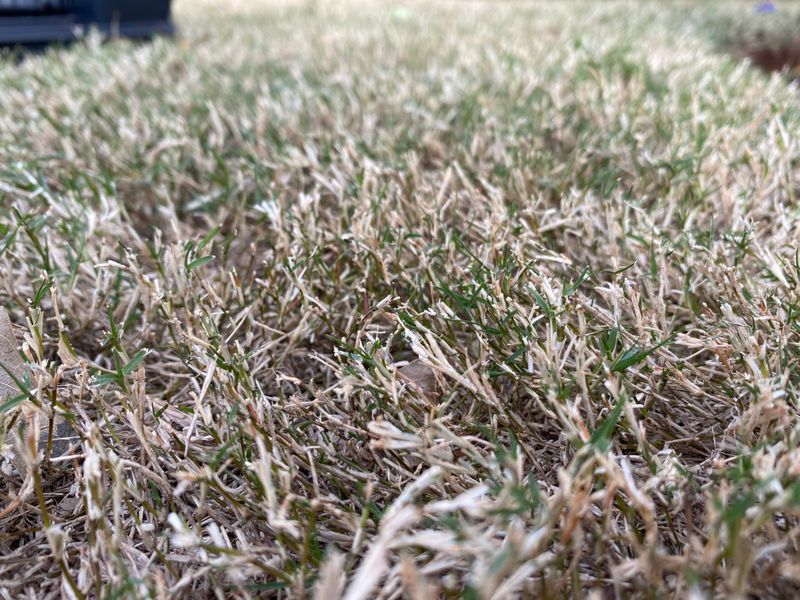
Ever seen a lawn that looks like it got a bad buzz cut? Brown stubble, bare soil peeking through, and that pale, washed-out color. That is scalping, and fall is a rough time for it.
When you cut too low, you remove most of the green leaf. The plant has to burn stored energy just to regrow, right when it should be saving it. The crown, which is the growing point near the soil, also loses its cover.
Exposed crowns face frost, cold wind, and quick freeze and thaw cycles. That stress can thin the stand and open the door to disease and weeds.
The one-third rule helps prevent this. Avoid removing more than one-third of the blade in a single mowing. If your fescue sits at 4.5 inches, cutting to 3 inches keeps you within that guideline.
Overgrown after a rainy stretch? Bring it down gradually over two or three mows instead of all at once. It takes a little patience, but your lawn will look far better in March for it.
5. Shaggy, Matted Grass Can Invite Fungal Trouble
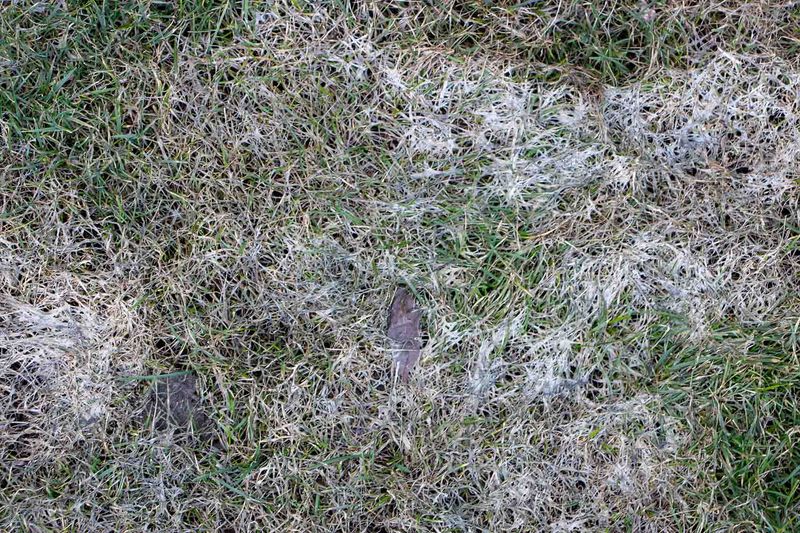
Going the other direction causes problems too. I once skipped the last few mows of November, and by January the lawn looked like a flattened shag rug.
Grass left too long tends to flop over under rain, frost, or a rare snow. The matted blades trap moisture and block airflow near the soil. Fungal diseases thrive in that damp, still layer.
Snow mold gets mentioned a lot, but it mostly shows up in colder areas with long snow cover, like the higher mountains. Across most of the state, the bigger concern is general matting, poor air movement, and leftover leaves smothering the turf.
Long grass can also give voles a cozy spot to tunnel. Those small rodents leave winding runways across the lawn that you only notice after things green up.
The sweet spot is the top of your grass type’s recommended range, not far above it. For fescue, that means staying near 3.5 inches instead of letting it reach 6. A tidy, upright lawn dries faster after rain, and that alone helps it handle wet winter weeks.
6. Let Grass Growth, Not the Calendar, Tell You When to Stop
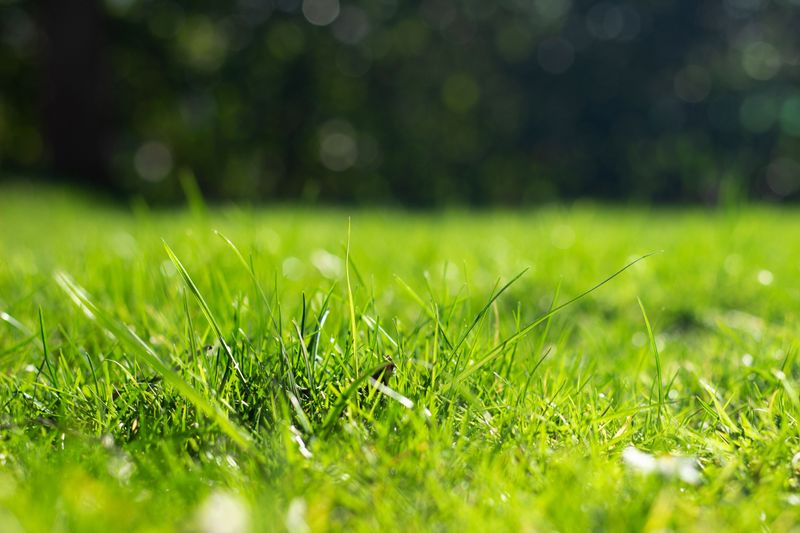
No single date marks the last mow. A yard in Boone and a yard in Wilmington can be weeks apart.
For fescue, keep mowing as long as it keeps growing. Growth slows a lot once daytime highs stay below about 50 degrees. In the Piedmont, that often happens in late November or December.
Mountain lawns usually slow sooner, and coastal lawns can keep creeping along later. Warm-season lawns are simpler. Mow at the usual height until the grass browns out after the first few frosts. Once it stops growing, you are done.
A simple test works well. Mow, then check a week later. If the blades have barely moved, you can likely retire the mower. If they have grown an inch, give it another trim.
Try not to mow when the lawn is frosty or soaking wet. Frozen blades bruise easily and can show tan footprints and tire tracks. Wet grass clumps, tears, and leaves ruts in soft soil. Wait for a dry afternoon, and your final cut will look cleaner.
7. Sharp Mower Blades and a Leaf-Free Lawn Finish the Job
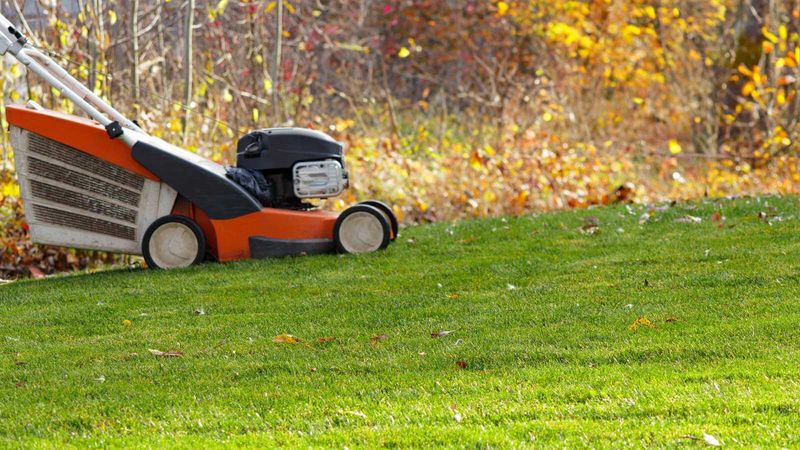
Look closely at a freshly mowed blade of grass. A clean, straight edge means a sharp mower. A ragged, whitish tip means the blade is tearing instead of cutting.
Torn tips lose more moisture and give disease an easy entry point. Sharpening the blade before your final mows makes a visible difference. Many gardeners sharpen once or twice a season, and fall is a smart time to do it.
Leaves are the other big task. A thick layer blocks light and holds moisture against the grass. Mowing over a light layer with a mulching mower chops leaves into small bits that break down. Heavy piles should be raked or bagged.
Fescue lawns benefit from fertilizer in fall too. NC State Extension suggests feeding in September and again in November, timed for when the grass is still active. Warm-season lawns should not get nitrogen this late.
Once the mowing ends, clean the deck, drain or stabilize the fuel, and store the mower somewhere dry. That small routine, plus the right height, gives your lawn its best shot at a thick, even green come spring.